
Can Dish Soap Really Clean Your Glasses? An Expert Guide to Safe Lens Care
Clean lenses can make the difference between crisp, comfortable vision and a day full of eye strain, glare, and frustration. Yet despite how essential eyewear is, many people still rely on guesswork—or quick habits picked up over time—when it comes to cleaning their glasses.
One of the most common questions is surprisingly simple: Can dish soap safely clean your glasses?
Some people swear by it. Others warn against it. The truth sits somewhere in the middle—and understanding it can help you avoid costly damage while keeping your lenses crystal clear.
In this comprehensive guide, we’ll break down what really happens when you use dish soap on your glasses, what experts recommend, and how to build a cleaning routine that protects both your vision and your investment.
Why Proper Lens Cleaning Matters More Than You Think
At first glance, cleaning glasses seems like a basic task. Wipe, rinse, done—right?
Not quite.
Modern lenses are far more advanced than they used to be. Most eyeglasses today include multiple functional coatings, such as:
- Anti-reflective (AR) coating
- Scratch-resistant layers
- Blue light filtering coatings
- UV protection layers
- Hydrophobic (water-repelling) coatings
These coatings are incredibly thin and precisely engineered. While they enhance performance, they also require careful handling. Improper cleaning can gradually wear them down, leading to:
- Reduced clarity
- Increased glare
- Smudging that won’t go away
- Visible scratches or haze
In other words, how you clean your glasses directly affects how well you see.
So, Can Dish Soap Clean Glasses?
Yes—but with important conditions.
Mild, lotion-free dish soap is generally safe for cleaning glasses, and in many cases, it’s one of the most effective ways to remove oils, dirt, and debris.
However, not all dish soaps are created equal.
Safe to Use:
- Basic, fragrance-free formulas
- Soap without added moisturizers
- Products labeled as “gentle” or “clear”
Avoid:
- Soaps with lotions or conditioners
- Strong degreasers
- Heavily scented or dyed formulas
The difference matters because additives can leave residue or interact with lens coatings over time.
Why Dish Soap Works
Dish soap is designed to break down grease—and that’s exactly what makes it effective for glasses.
Your lenses collect:
- Skin oils
- Sweat
- Environmental pollutants
- Makeup residue
Water alone can’t remove these effectively. A small amount of mild soap helps lift and rinse them away without excessive friction.
The Right Way to Use Dish Soap on Glasses
Using dish soap correctly is just as important as choosing the right type.
Here’s a step-by-step method recommended by many eye care professionals:
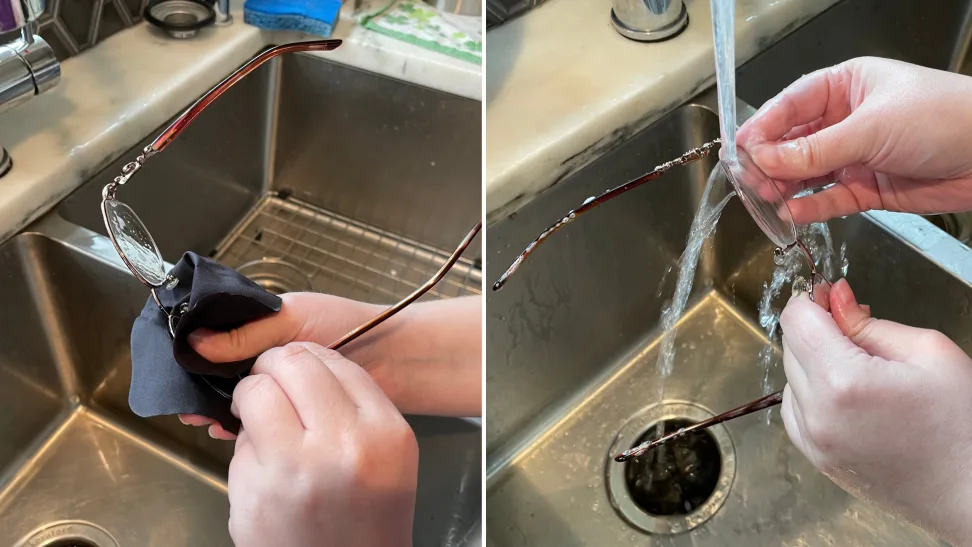
Step 1: Rinse First
Hold your glasses under lukewarm running water.
This removes dust and debris that could scratch the lenses during cleaning.
Step 2: Apply a Tiny Amount of Soap
Use a drop about the size of a pinhead.
Gently rub it across both sides of the lenses using your fingertips.
Step 3: Clean the Entire Frame
Don’t forget:
- Nose pads
- Hinges
- Frame edges
These areas collect oils and dirt that can transfer back to your lenses.
Step 4: Rinse Thoroughly
Make sure all soap is completely washed away.
Leftover residue can cause streaks or film.
Step 5: Dry with a Microfiber Cloth
Use a clean, lint-free microfiber cloth.
Avoid air-drying, as it can leave water spots.
Common Mistakes That Damage Lenses
Even if you’re using dish soap, certain habits can still harm your glasses.
1. Using Paper Towels or Tissues
These materials may feel soft but often contain wood fibers that can scratch lenses.
2. Cleaning Dry Lenses
Wiping lenses without rinsing first grinds dust into the surface.
3. Using Hot Water
High temperatures can weaken coatings and cause warping in frames.
4. Overusing Soap
Too much soap increases the chance of residue buildup.
5. Using Household Cleaners
Products like window cleaner, vinegar, or alcohol-based sprays can damage coatings.
When Dish Soap Is Not the Best Option
While dish soap is safe in many situations, there are cases where specialized cleaners are better.
High-End Coatings
Premium lenses with advanced coatings may benefit from:
- Optical-grade cleaning sprays
- Manufacturer-recommended solutions
Frequent Cleaning Needs
If you clean your glasses multiple times a day, using a dedicated lens cleaner can be more convenient and consistent.
Travel and On-the-Go Use
Pre-moistened lens wipes designed for eyewear are more practical when you’re away from a sink.
How Often Should You Clean Your Glasses?
There’s no one-size-fits-all answer, but general guidelines include:
- Light use: Once a day
- Heavy use: 2–3 times a day
- As needed: Whenever smudges affect vision
The key is to clean them before buildup becomes excessive.
Building a Long-Term Lens Care Routine
Cleaning is just one part of proper eyewear maintenance.
To extend the life of your lenses:
Store Them Properly
Always use a protective case when not wearing your glasses.
Avoid Extreme Conditions
Keep glasses away from:
- Hot cars
- Direct sunlight for long periods
- High humidity environments
Handle with Care
Use both hands when putting on or removing your glasses to prevent frame stress.
Keep Cloths Clean
Wash microfiber cloths regularly without fabric softener.
A dirty cloth can reintroduce oils and debris.
The Science Behind Clean Vision
Clear lenses don’t just look better—they improve how your eyes function.
Smudges and residue scatter light, which can lead to:
- Eye strain
- Headaches
- Reduced visual sharpness
Keeping lenses clean ensures that light passes through accurately, reducing unnecessary effort for your eyes.
Are DIY Cleaning Methods Worth It?
Many people experiment with homemade cleaning solutions.
While some methods may seem effective, they often carry risks.
For example:
- Vinegar can be too acidic
- Alcohol can damage coatings
- Random mixtures lack consistency
Compared to these, mild dish soap is actually one of the safer DIY options—provided it’s used correctly.
Expert Perspective: Why Simplicity Wins
Eye care professionals often emphasize a simple principle:
Gentle, consistent care is better than aggressive or complicated methods.
You don’t need expensive tools or elaborate routines. What matters most is:
- Using safe materials
- Avoiding harmful habits
- Staying consistent
Final Thoughts
So, can dish soap really clean your glasses?
Yes—when it’s mild, used sparingly, and combined with proper technique, it can be one of the most effective and accessible cleaning methods available.
But like many everyday habits, the details matter. The wrong soap, excessive force, or improper drying can do more harm than good.
By understanding how your lenses are made and adopting a careful cleaning routine, you can keep your glasses in excellent condition—clear, comfortable, and long-lasting.
In the end, taking a few extra seconds to clean your glasses the right way isn’t just about appearance. It’s about protecting your vision and ensuring that every glance through your lenses is as sharp and effortless as it should be.
Share this post

2026 Spring/Summer Fashion Trends: When Retro Small-Frame Glasses Meet the Underarm Bag
Fashion has always had a talent for bringing the past back in unexpected ways.A silhouette that once belonged to another decade can...
Soft Aesthetics for Girls with Square Faces: How Rounded Handbags and Gentle Eyeglass Frames Soften Facial Lines
A square face can be striking, elegant, and full of character. Defined by a broader forehead, a relatively straight jawline, and noticeable...
How to Buy Prescription Glasses Online on XCombo
Looking to buy glasses online? XCombo makes it easy to get stylish, high-quality glasses tailored to your prescription. Follow this simple step-by-step...

The Executive Style Code: A Career Guide to Suits, Briefcases, and Sophisticated Eyewear
In the modern workplace, professional style is about much more than wearing expensive clothes.The strongest business wardrobe communicates something before you say...

Street-Cool Style: How to Make Motorcycle Jackets, Belt Bags, and Futuristic Sunglasses Stand Out
Street fashion has never been about following every rule.It is about knowing which rules to break.A motorcycle jacket, a compact belt bag,...

The Art of Color Coordination: How to Match Your Bag With Your Eyeglass Frames for an Effortlessly Sophisticated Look
Fashion is often about the little details.A beautifully tailored outfit can look polished, yet something may still feel incomplete. The reason is...
Dating Night Style Secrets: The Perfect Collision of an Elegant Cocktail Dress, a Chain Evening Bag, and Sophisticated Semi-Rimless Glasses
Dating night is about more than choosing an outfit. It is about creating an impression without looking like you tried too hard....

Effortless French Elegance: The Perfect Pairing of Knitwear, Tote Bags, and Cat-Eye Glasses
There is something undeniably captivating about French style.It is polished without looking overly polished, feminine without being overly delicate, and comfortable without...
A Cross-Textural Conversation: The Tactile Collision of Leather Bags, Tweed Clothing, and Wood-Frame Eyewear
Introduction: When Materials Become the Main CharacterFashion is often discussed in terms of color, silhouette, trend, and season. Yet some of the...

The Ultimate Guide to Vacation-Style Outfits: Floral Dresses, Straw Bags, and Round Sunglasses for Summer
Summer is the season of relaxed mornings, warm afternoons, outdoor dinners, weekend getaways, and long-awaited vacations. It is also the perfect time...
The Romance of Earth Tones in Fall: The Color Aesthetics of Trench Coats, Saddle Bags, and Tea-Tinted Sunglasses
Introduction: Falling in Love With the Colors of AutumnThere is something irresistibly romantic about autumn fashion.As summer fades, bright colors gradually give...
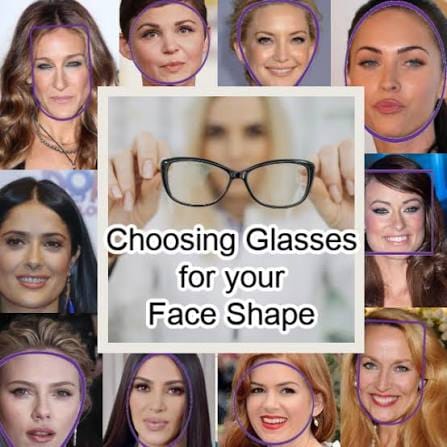
Best Glasses for Your Face Shape: Round, Square, Oval & More
Introduction: The Right Glasses Can Transform Your Entire AppearanceChoosing a pair of glasses is about much more than simply correcting your vision....