
How to Extend the Lifespan of Your Beloved Eyewear
Eyewear is more than just a vision aid—it’s a part of your daily life, a fashion statement, and often a long-term investment. Whether you wear prescription glasses, sunglasses, or specialty lenses, taking proper care of them can save you money, improve your comfort, and protect your eyesight. Unfortunately, many people unknowingly shorten the lifespan of their eyewear due to poor habits, environmental damage, or lack of proper maintenance. In this article, we’ll explore practical strategies to help your glasses or contact lenses last longer while keeping them looking and feeling new.
1. Understand Your Eyewear Materials
The first step in extending the life of your glasses is understanding what they are made of. Different materials require different care:
- Frames: Frames can be metal, acetate, titanium, or plastic. Each has unique strengths and weaknesses. For instance, metal frames are durable but can bend, while acetate is lightweight but prone to scratches.
- Lenses: Lenses may be glass, plastic, polycarbonate, or high-index. Polycarbonate is impact-resistant but scratches more easily than glass.
- Coatings: Many lenses have anti-reflective, scratch-resistant, or UV coatings. These coatings are delicate and need careful handling.
Knowing your eyewear materials allows you to tailor cleaning, storage, and handling practices to maximize longevity.
2. Develop a Routine Cleaning Habit
Dirty lenses not only reduce clarity but can lead to scratches if particles are rubbed in. Cleaning your eyewear properly is critical:
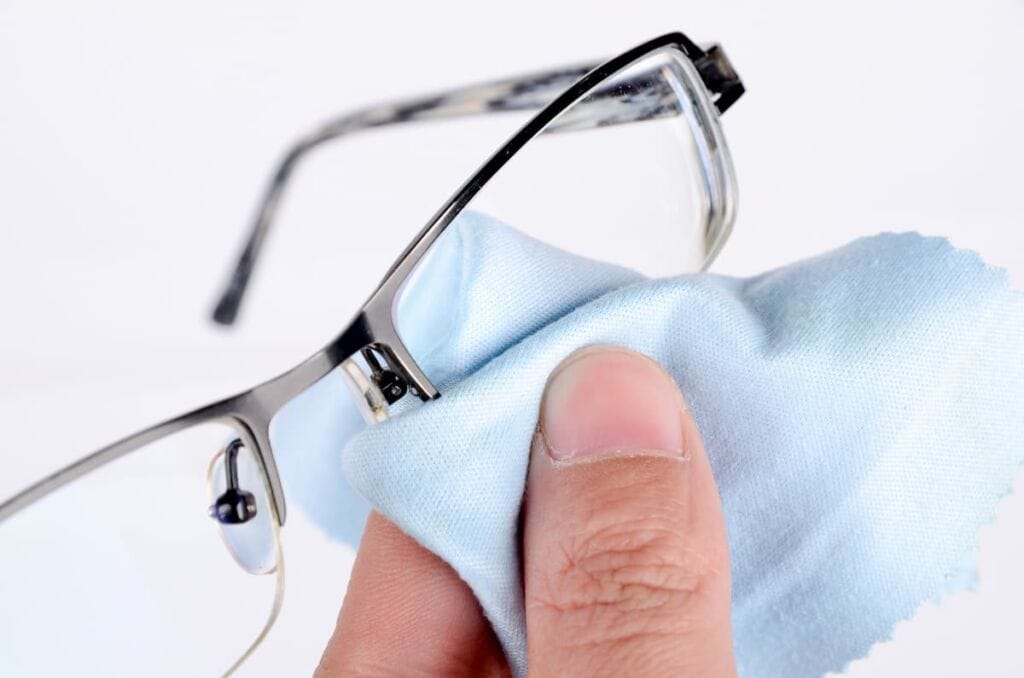
- Use a microfiber cloth: Avoid tissues or paper towels, which can scratch lenses. Microfiber cloths are soft and designed to lift dirt without abrasion.
- Rinse with lukewarm water first: Dust and debris can scratch lenses if wiped dry without rinsing.
- Mild soap is your friend: Use a small drop of dish soap, rinse thoroughly, and gently dry with a clean microfiber cloth.
- Avoid harsh chemicals: Window cleaners, alcohol, or bleach can damage lens coatings over time.
Consistently following these steps will maintain clarity and prevent gradual wear.
3. Store Eyewear Safely
Proper storage is a surprisingly big factor in prolonging the life of your eyewear:
- Use a protective case: Always keep your glasses in a hard-shell case when not in use. Soft pouches are better than nothing, but hard cases prevent crushing.
- Avoid pockets and bags without protection: Putting glasses in a bag or jacket pocket can easily cause bending, scratches, or broken hinges.
- Keep away from extreme temperatures: Avoid leaving eyewear in a hot car, near heaters, or in direct sunlight for prolonged periods, as heat can warp frames and damage coatings.
4. Handle Glasses with Care
How you handle your glasses daily has a huge impact:
- Use both hands: Always put on and remove glasses with both hands to avoid bending the frames.
- Avoid placing them face down: Never set your glasses lens-side down. This prevents scratches and coating damage.
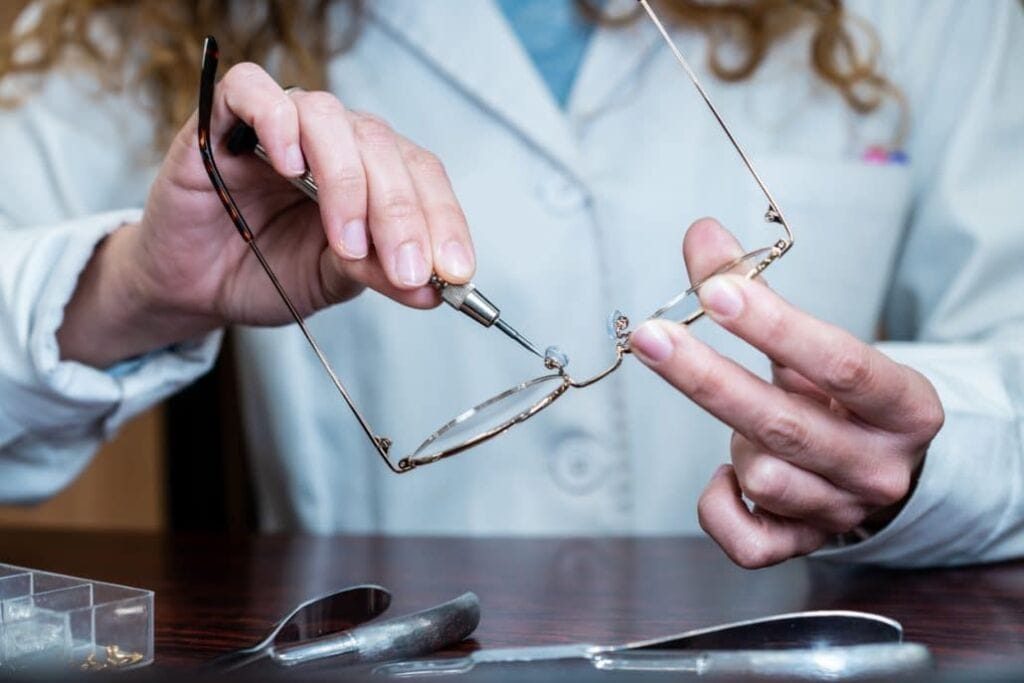
- Check screws and hinges regularly: Tighten loose screws gently with a small eyeglass screwdriver, and lubricate hinges if necessary.
5. Choose the Right Cleaning Tools
Not all cleaning solutions or tools are created equal:
- Microfiber over paper: As mentioned, microfiber cloths are gentle. Avoid napkins, your shirt, or rough fabrics.
- Lens cleaning sprays: Commercial lens sprays are formulated to clean without damaging coatings. Use as directed.
- Ultrasonic cleaners: For those with multiple pairs, ultrasonic cleaning can safely remove dirt in hard-to-reach places.
6. Be Mindful of Daily Habits
Simple daily habits can make a huge difference:
- Remove glasses gently: Avoid tossing them on tables or hanging them from your shirt collar.
- Avoid wearing them on your head: Pushing glasses up with your head can stretch frames and loosen screws.
- Limit exposure to chemicals: Hair products, sunscreens, and perfumes can degrade lens coatings over time. Rinse your glasses if exposed.
7. Protect Against Environmental Hazards
Environmental factors can wear down your eyewear faster than expected:
- Dust and sand: When outdoors, use protective eyewear bags or wrap glasses in a soft cloth during hikes or windy conditions.
- Humidity and moisture: Avoid leaving glasses in bathrooms during hot showers, as steam can damage coatings.
- Sunlight exposure: While lenses often have UV protection, prolonged direct sunlight can warp frames or fade colors.
8. Regular Professional Maintenance
Even with the best habits, eyewear benefits from professional care:
- Routine adjustments: Optical shops can realign frames, tighten screws, and replace worn nose pads.
- Lens inspection: Professionals can detect scratches or coating damage before it worsens.
- Proper cleaning equipment: Some shops offer ultrasonic cleaning, which is more thorough than home methods.
9. Consider Upgrade Strategies
Sometimes, prolonging lifespan means being smart about replacement:
- Interchangeable lenses: For sunglasses or sports eyewear, having multiple lenses allows you to rotate them and reduce wear.
- Spare pairs: Owning an extra pair of prescription glasses ensures your primary pair isn’t overused, reducing overall wear.
- Lens protection films: Some specialized films or coatings can further protect lenses from scratches or UV damage.
10. Develop a Long-Term Care Mindset
Finally, treating your eyewear as a valuable personal tool encourages consistent care:
- Set reminders: Weekly cleaning and monthly inspections prevent neglect.
- Educate yourself: Learn the specifics of your eyewear materials and recommended care practices.
- Value quality over convenience: It’s tempting to toss glasses care aside for quick fixes, but consistent attention pays off in longevity and comfort.
Conclusion
Your eyewear is more than just an accessory—it’s an essential tool that deserves care and attention. By understanding the materials, cleaning properly, storing safely, and handling with care, you can significantly extend the life of your beloved glasses or lenses. Combine everyday habits with professional maintenance, and your eyewear can stay comfortable, clear, and stylish for years to come. Investing a little effort in care now saves you money and frustration later while keeping your vision crisp and protected.
Share this post

2026 Spring/Summer Fashion Trends: When Retro Small-Frame Glasses Meet the Underarm Bag
Fashion has always had a talent for bringing the past back in unexpected ways.A silhouette that once belonged to another decade can...
Soft Aesthetics for Girls with Square Faces: How Rounded Handbags and Gentle Eyeglass Frames Soften Facial Lines
A square face can be striking, elegant, and full of character. Defined by a broader forehead, a relatively straight jawline, and noticeable...
How to Buy Prescription Glasses Online on XCombo
Looking to buy glasses online? XCombo makes it easy to get stylish, high-quality glasses tailored to your prescription. Follow this simple step-by-step...
The Executive Style Code: A Career Guide to Suits, Briefcases, and Sophisticated Eyewear
In the modern workplace, professional style is about much more than wearing expensive clothes.The strongest business wardrobe communicates something before you say...
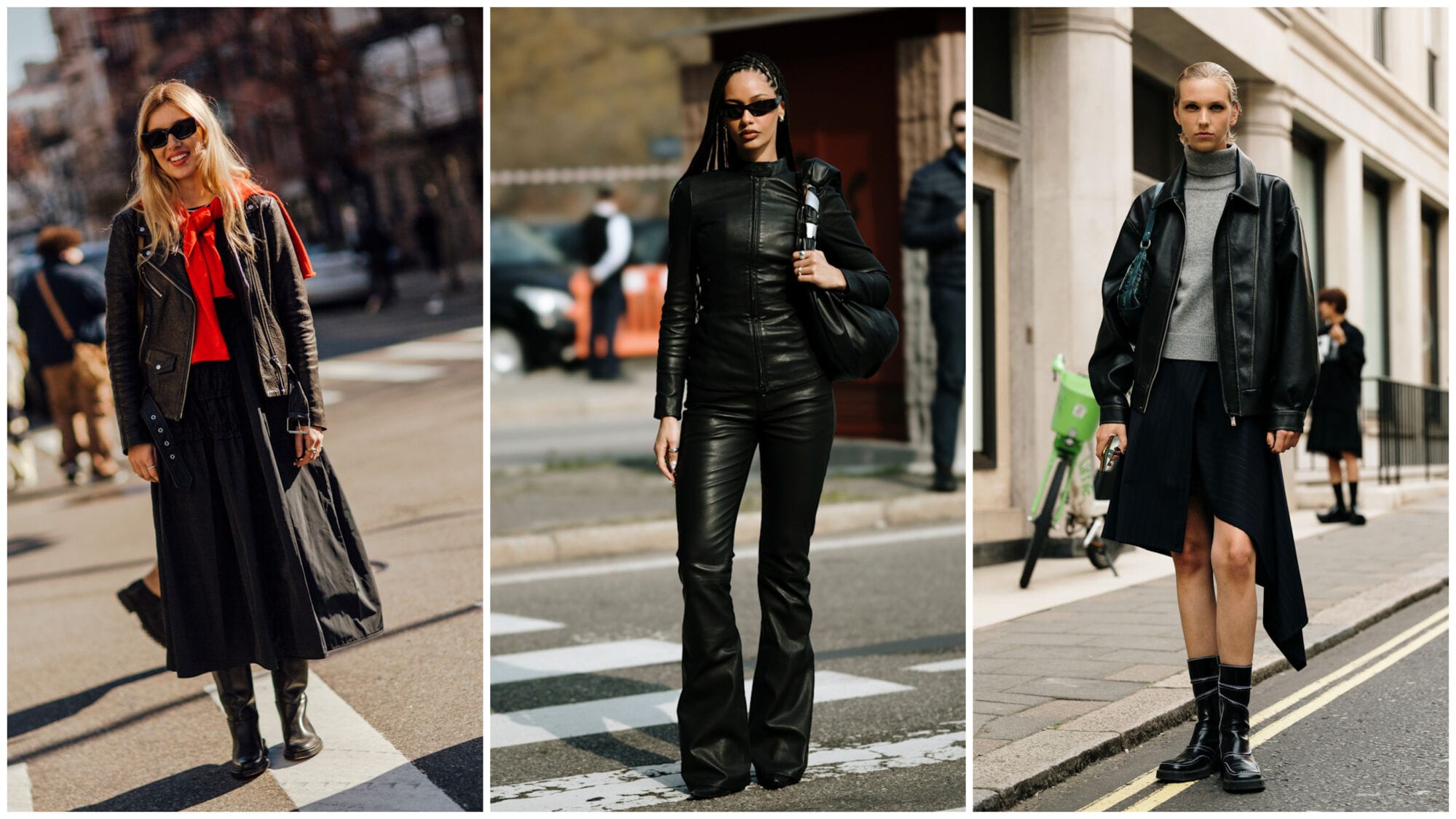
Street-Cool Style: How to Make Motorcycle Jackets, Belt Bags, and Futuristic Sunglasses Stand Out
Street fashion has never been about following every rule.It is about knowing which rules to break.A motorcycle jacket, a compact belt bag,...

The Art of Color Coordination: How to Match Your Bag With Your Eyeglass Frames for an Effortlessly Sophisticated Look
Fashion is often about the little details.A beautifully tailored outfit can look polished, yet something may still feel incomplete. The reason is...
Dating Night Style Secrets: The Perfect Collision of an Elegant Cocktail Dress, a Chain Evening Bag, and Sophisticated Semi-Rimless Glasses
Dating night is about more than choosing an outfit. It is about creating an impression without looking like you tried too hard....
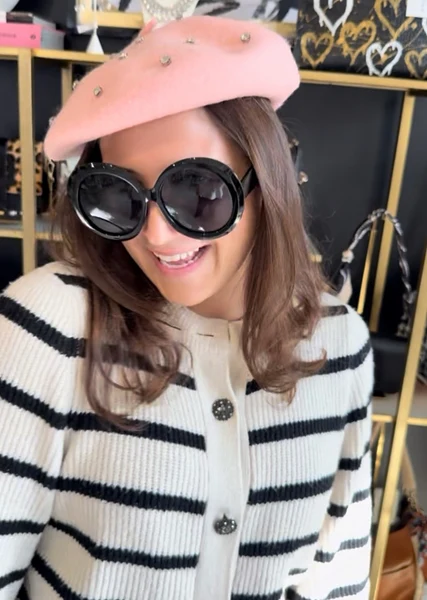
Effortless French Elegance: The Perfect Pairing of Knitwear, Tote Bags, and Cat-Eye Glasses
There is something undeniably captivating about French style.It is polished without looking overly polished, feminine without being overly delicate, and comfortable without...
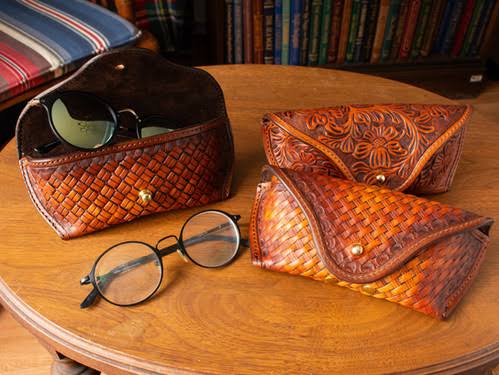
A Cross-Textural Conversation: The Tactile Collision of Leather Bags, Tweed Clothing, and Wood-Frame Eyewear
Introduction: When Materials Become the Main CharacterFashion is often discussed in terms of color, silhouette, trend, and season. Yet some of the...
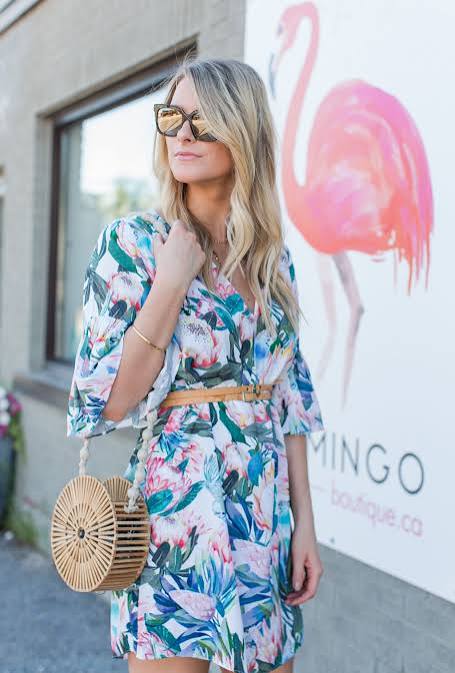
The Ultimate Guide to Vacation-Style Outfits: Floral Dresses, Straw Bags, and Round Sunglasses for Summer
Summer is the season of relaxed mornings, warm afternoons, outdoor dinners, weekend getaways, and long-awaited vacations. It is also the perfect time...
The Romance of Earth Tones in Fall: The Color Aesthetics of Trench Coats, Saddle Bags, and Tea-Tinted Sunglasses
Introduction: Falling in Love With the Colors of AutumnThere is something irresistibly romantic about autumn fashion.As summer fades, bright colors gradually give...
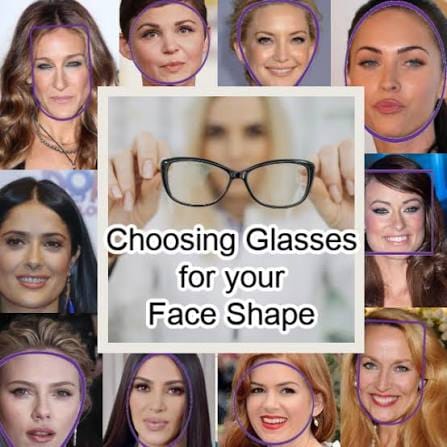
Best Glasses for Your Face Shape: Round, Square, Oval & More
Introduction: The Right Glasses Can Transform Your Entire AppearanceChoosing a pair of glasses is about much more than simply correcting your vision....