
What Do the Numbers on Your Glasses Mean? Complete Guide to Frame Measurements
Ever noticed the small numbers inside your glasses frame and wondered what they meant? These numbers aren’t just random; they represent essential measurements that help you choose the right glasses. Understanding them can make shopping for new frames easier, whether you're replacing an old pair or buying glasses for the first time.
In this guide, we’ll break down what each number means and how you can use them to find the perfect pair of glasses that fit comfortably and suit your style.
Where to Find Your Glasses Frame Size
You can typically find the frame measurements on the inner side of the temple (the arm of the glasses). Look closely; the numbers may be printed, etched, or stamped into the frame. If you can't find them, check both sides of the temple, or even on the nose pads for metal frames.
Common Frame Size Format
The frame size is usually presented in a series of three numbers, such as 52-18-140. Here's what each number represents:
- First number (52): Lens width
- Second number (18): Bridge width
- Third number (140): Temple length
All these measurements are given in millimeters.
Understanding Lens Width
The first number (lens width) indicates how wide each lens is. For example, a lens width of 52mm is considered standard for many adults.
Lens Width and Face Size
- Narrower Faces: If you have a narrow face, go for lenses between 40mm and 48mm.
- Wider Faces: If you have a wider face, consider lenses ranging from 54mm to 62mm.
The right lens width is important for comfort and ensuring the glasses fit within the natural width of your face.
Signs Your Lens Width May Be Incorrect
- Glasses extend beyond your face: The lens width might be too wide.
- Glasses pinch or hurt your temples: The lens width might be too small.
- Pupils aren't centered in the lens: This could also be a sign of an incorrect lens width.
If you're unsure, it's better to go with a slightly smaller size to avoid frames that feel too loose or unbalanced.
Understanding Bridge Width
The bridge width is the distance between the lenses, which sits across your nose. The middle number, like 18mm in the example 52-18-140, represents this measurement.
Ideal Bridge Width Based on Nose Structure
- Higher Nose Bridges: Choose a bridge width of 18mm to 21mm.
- Lower or Flatter Nose Bridges: Opt for a smaller bridge width of 14mm to 17mm.
- Average Nose Bridges: Standard bridge widths between 16mm and 18mm work for most people.
Signs Your Bridge Width Isn’t Right
- Too Wide: If your glasses slide down, the bridge is too wide.
- Too Narrow: Pinching or red marks on your nose suggest a narrower bridge.
- Uneven Fit: If the glasses tilt, it may be due to an incorrect bridge width.
Understanding Temple Length
The last number (temple length) refers to the length of the arms that extend over your ears. In our example, 140mm is a common temple length.
Choosing the Right Temple Length
- Short Temples (135mm): For smaller faces or shorter distances from temple to ear.
- Standard Temples (140-145mm): Ideal for most adult sizes.
- Long Temples (150mm+): Best for larger faces or longer distances from temple to ear.
Signs Your Temple Length Isn’t Right
- Too Long: If the temples extend too far beyond your ears, they may be too long.
- Too Short: If they feel tight or press behind your ears, the length is too short.
How Frame Measurements Work Together
Calculating Total Frame Width
To determine the total frame width, add the lens width twice and the bridge width. For example:
- 52-18-140 → Total Width = 52 + 52 + 18 = 122mm
How Frame Measurements Affect Fit
- Wide Lens + Narrow Bridge: Creates balance for round or wider faces.
- Small Lens + Wide Bridge: Softens features and provides stability for square or narrow faces.
- Medium Lens + Medium Bridge: Offers a versatile fit for most face shapes.
- Wide Lens + Long Temple: Best for larger faces or those who want extra stability.
Choosing the Right Frames for Your Face Shape
Round Faces
- Recommended Measurements: Wide lens (52-54mm), narrow bridge (16-17mm)
- Effect: Creates length and slims the face
Square Faces
- Recommended Measurements: Balanced lens (48-50mm), medium bridge (18-20mm)
- Effect: Softens angular features
Heart-Shaped Faces
- Recommended Measurements: Medium lens (50-52mm), wider bridge (18-20mm)
- Effect: Balances facial proportions
Oval Faces
- Recommended Measurements: Flexible fit with most measurements
- Effect: Works with various styles
What to Do If Your Glasses Don’t Fit Well
- Frames Slide: Try a smaller bridge width or longer temples.
- Frames Pinch: Look for a wider bridge or different temple curve.
- Frames Look Unbalanced: Adjust the proportions between the lens width and bridge.
- Frames Feel Heavy: Consider how the measurements distribute the weight across the frame.
Share this post

2026 Spring/Summer Fashion Trends: When Retro Small-Frame Glasses Meet the Underarm Bag
Fashion has always had a talent for bringing the past back in unexpected ways.A silhouette that once belonged to another decade can...
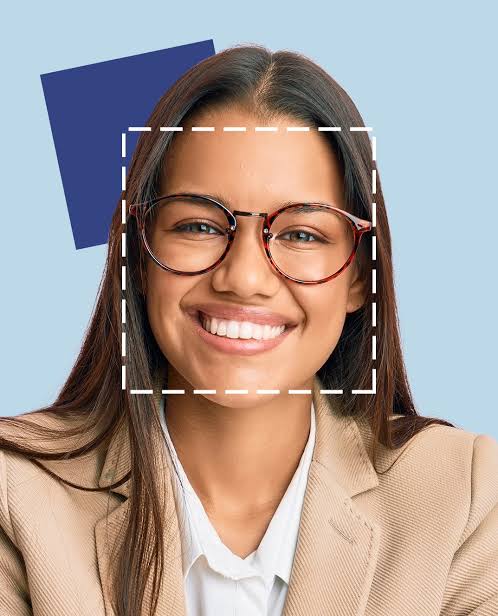
Soft Aesthetics for Girls with Square Faces: How Rounded Handbags and Gentle Eyeglass Frames Soften Facial Lines
A square face can be striking, elegant, and full of character. Defined by a broader forehead, a relatively straight jawline, and noticeable...
How to Buy Prescription Glasses Online on XCombo
Looking to buy glasses online? XCombo makes it easy to get stylish, high-quality glasses tailored to your prescription. Follow this simple step-by-step...

The Executive Style Code: A Career Guide to Suits, Briefcases, and Sophisticated Eyewear
In the modern workplace, professional style is about much more than wearing expensive clothes.The strongest business wardrobe communicates something before you say...
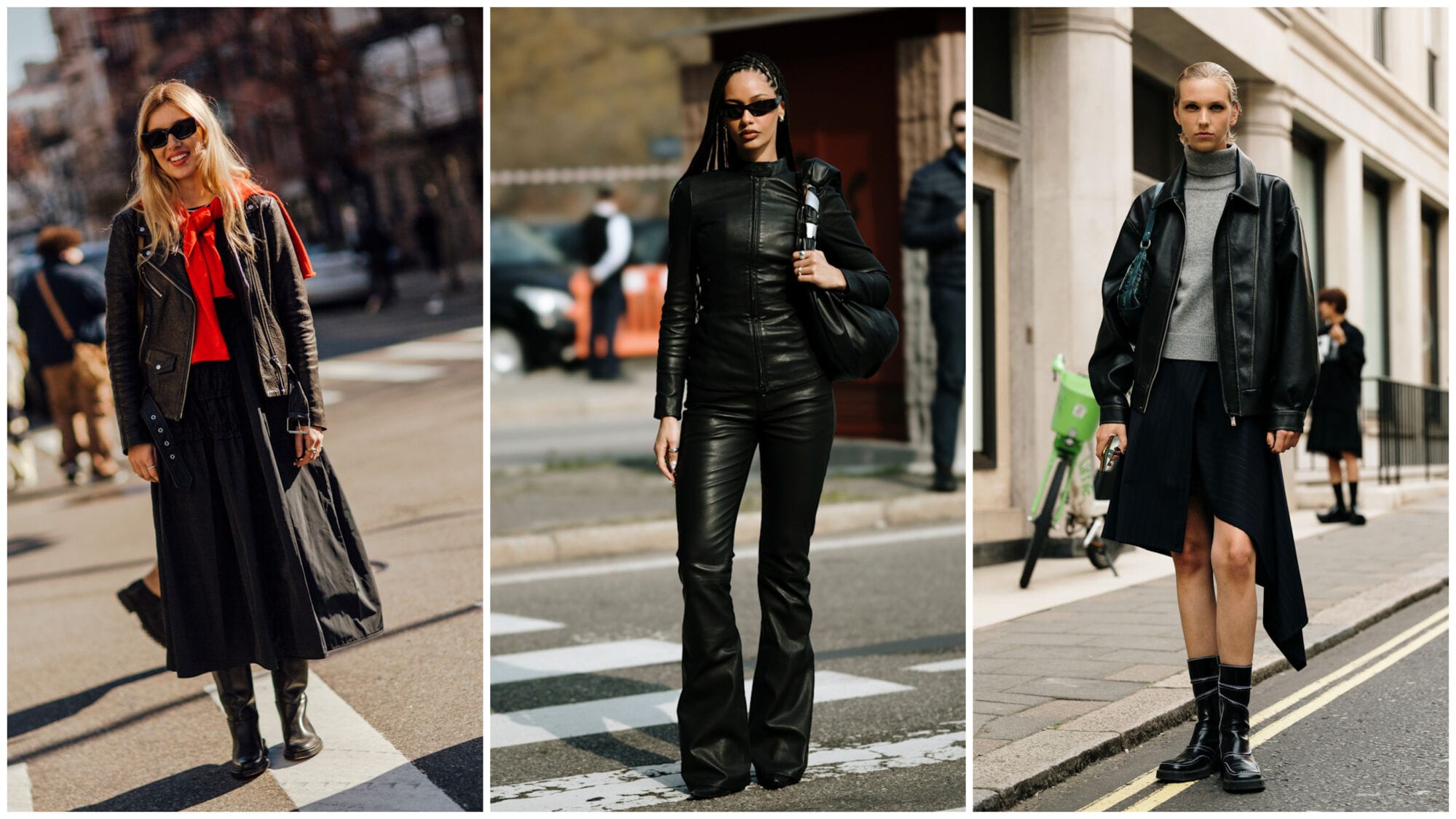
Street-Cool Style: How to Make Motorcycle Jackets, Belt Bags, and Futuristic Sunglasses Stand Out
Street fashion has never been about following every rule.It is about knowing which rules to break.A motorcycle jacket, a compact belt bag,...

The Art of Color Coordination: How to Match Your Bag With Your Eyeglass Frames for an Effortlessly Sophisticated Look
Fashion is often about the little details.A beautifully tailored outfit can look polished, yet something may still feel incomplete. The reason is...
Dating Night Style Secrets: The Perfect Collision of an Elegant Cocktail Dress, a Chain Evening Bag, and Sophisticated Semi-Rimless Glasses
Dating night is about more than choosing an outfit. It is about creating an impression without looking like you tried too hard....
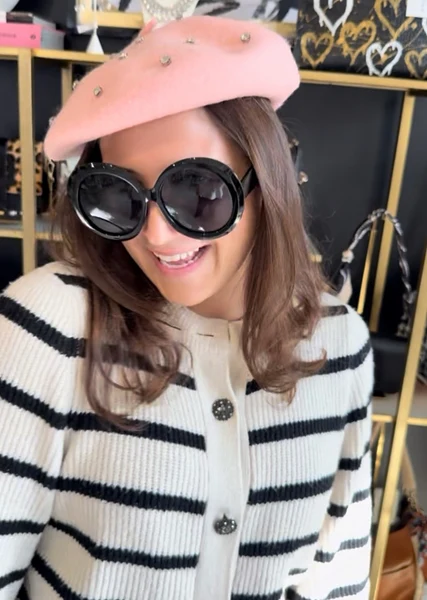
Effortless French Elegance: The Perfect Pairing of Knitwear, Tote Bags, and Cat-Eye Glasses
There is something undeniably captivating about French style.It is polished without looking overly polished, feminine without being overly delicate, and comfortable without...
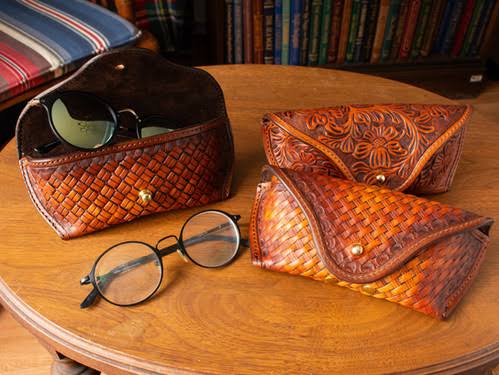
A Cross-Textural Conversation: The Tactile Collision of Leather Bags, Tweed Clothing, and Wood-Frame Eyewear
Introduction: When Materials Become the Main CharacterFashion is often discussed in terms of color, silhouette, trend, and season. Yet some of the...
The Ultimate Guide to Vacation-Style Outfits: Floral Dresses, Straw Bags, and Round Sunglasses for Summer
Summer is the season of relaxed mornings, warm afternoons, outdoor dinners, weekend getaways, and long-awaited vacations. It is also the perfect time...
The Romance of Earth Tones in Fall: The Color Aesthetics of Trench Coats, Saddle Bags, and Tea-Tinted Sunglasses
Introduction: Falling in Love With the Colors of AutumnThere is something irresistibly romantic about autumn fashion.As summer fades, bright colors gradually give...
Best Glasses for Your Face Shape: Round, Square, Oval & More
Introduction: The Right Glasses Can Transform Your Entire AppearanceChoosing a pair of glasses is about much more than simply correcting your vision....