
Glasses Match Your Skin Tone Too? How Modular Eyewear Gives You a “New Face” Every Day
For years, most people have chosen glasses based on just two things:
prescription accuracy and frame shape.
But fashion has moved forward—and eyewear is no longer just a vision tool. Today, glasses sit at the center of your face, influencing how others perceive your skin tone, mood, personality, and even professionalism.
So here’s the question many people are finally starting to ask:
Do glasses need to match your skin tone, just like clothes and makeup do?
The answer is yes—and that’s exactly where modular (combination) eyewear is changing the rules.

1. Why Glasses Are More Than Just Accessories
Unlike watches or shoes, glasses are worn:
- All day
- On your face
- In every social context
They frame your eyes, define your facial contrast, and affect how light reflects onto your skin.
A poorly chosen frame can:
- Make your skin look dull
- Emphasize redness or sallowness
- Clash with your undertones
A well-matched frame can:
- Brighten your complexion
- Sharpen facial features
- Instantly elevate your look
Glasses are not neutral. They are visual amplifiers.
2. The Forgotten Rule of Styling: Skin Tone Compatibility
Most people understand color matching when it comes to:
- Clothing
- Makeup
- Hair color
But eyewear is often overlooked.
This is surprising, because glasses sit closer to your skin than almost any other fashion item.
Why Skin Tone Matters
Skin tone affects how colors:
- Reflect light
- Create contrast
- Influence perceived health and energy
The same frame color can look sophisticated on one person—and washed-out on another.
3. Understanding Skin Tone vs. Undertone (In Simple Terms)
Before matching glasses, it’s important to understand two concepts:
Skin Tone
This refers to how light or deep your skin appears on the surface:
- Fair
- Light
- Medium
- Tan
- Deep
Undertone
This is the subtle hue beneath the surface of your skin:
- Warm (yellow, golden, peach)
- Cool (pink, red, blue)
- Neutral (a balance of both)
Undertone matters more than surface tone when choosing frame colors.
4. How Traditional Eyewear Limits Your Style
Traditional glasses force you to:
- Choose one frame
- Commit to one color
- Wear the same look every day
This creates several problems:
- One frame can’t match all outfits
- One color can’t fit all occasions
- Your style feels static
People don’t wear the same shoes or jackets every day—yet they expect one pair of glasses to do everything.
That expectation no longer makes sense.

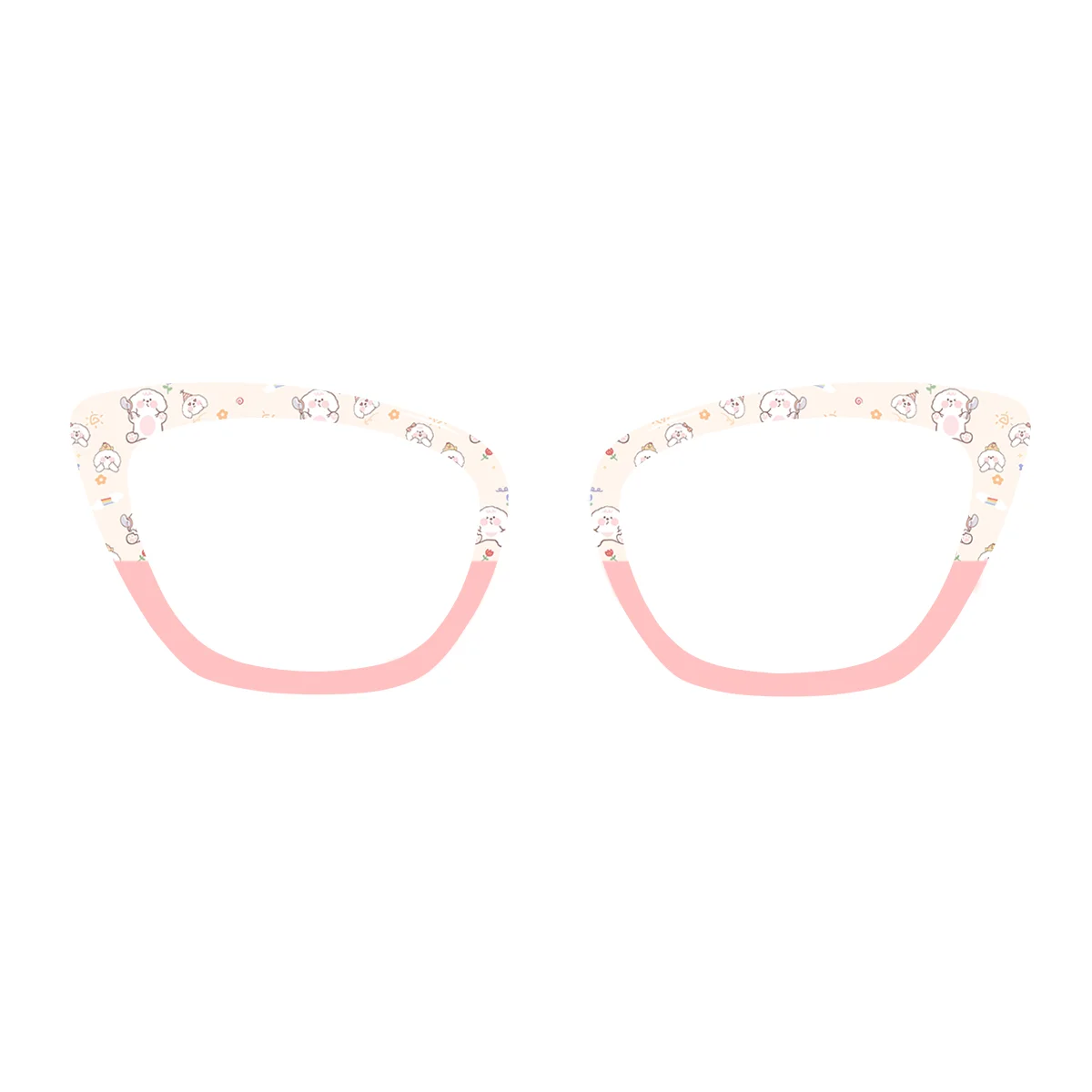
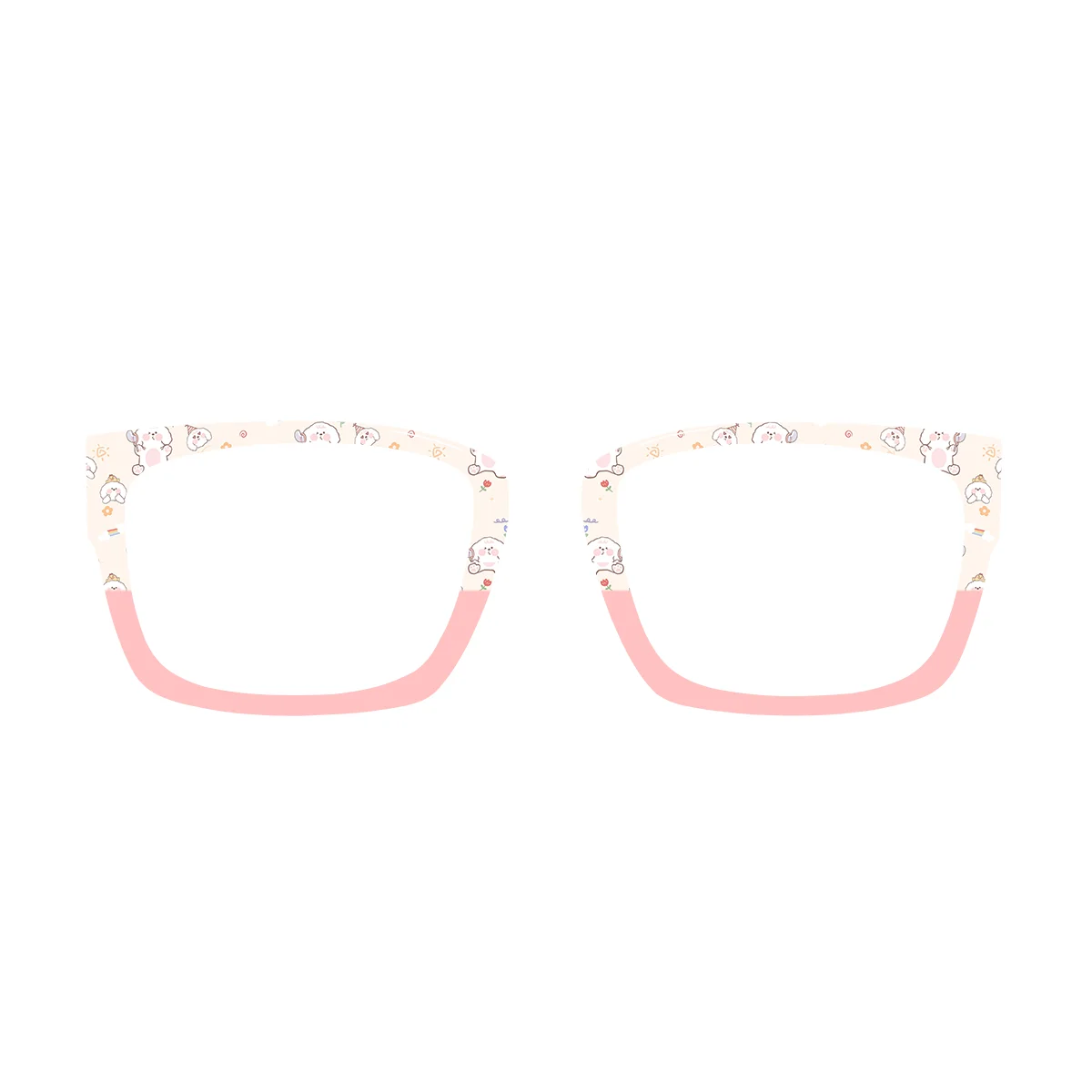
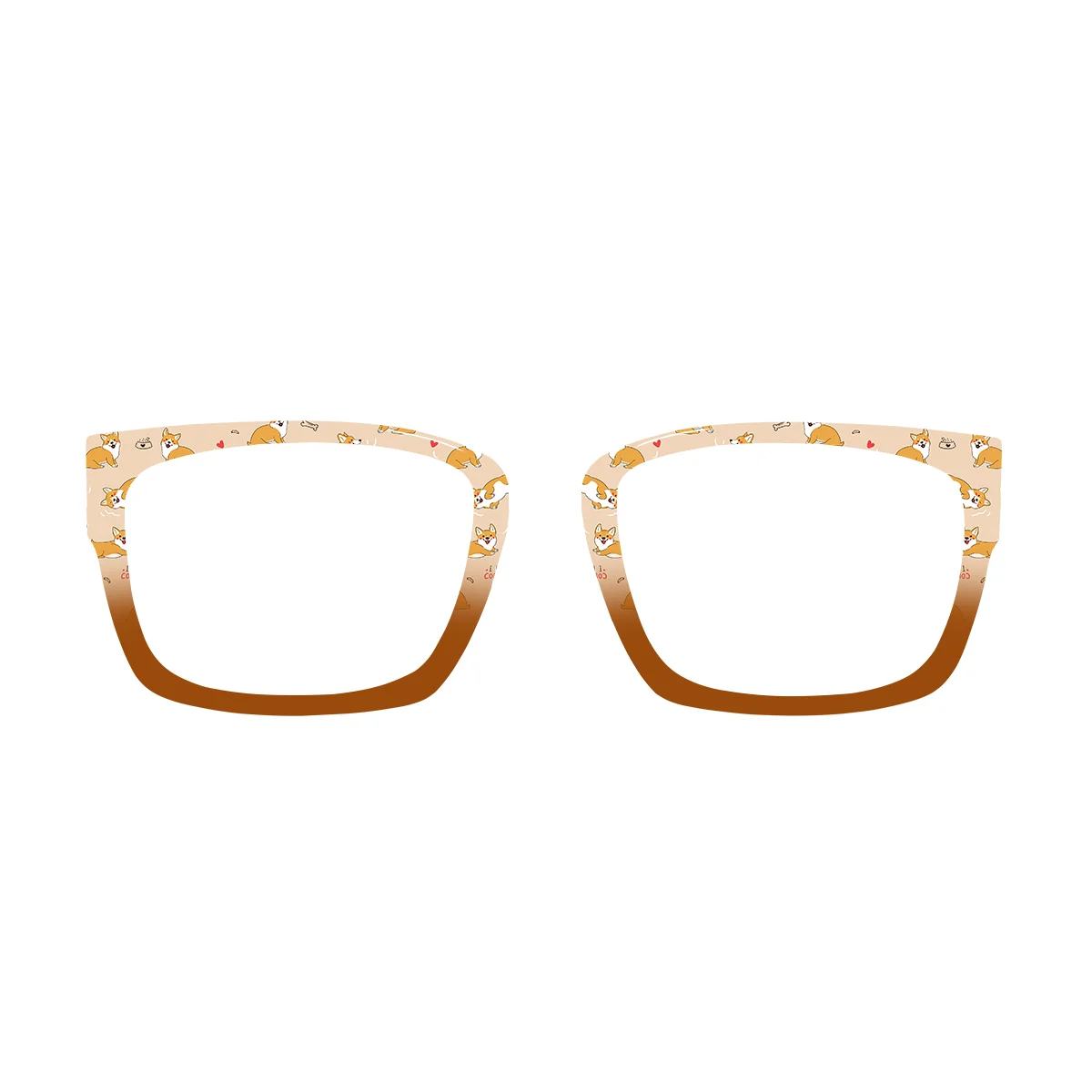
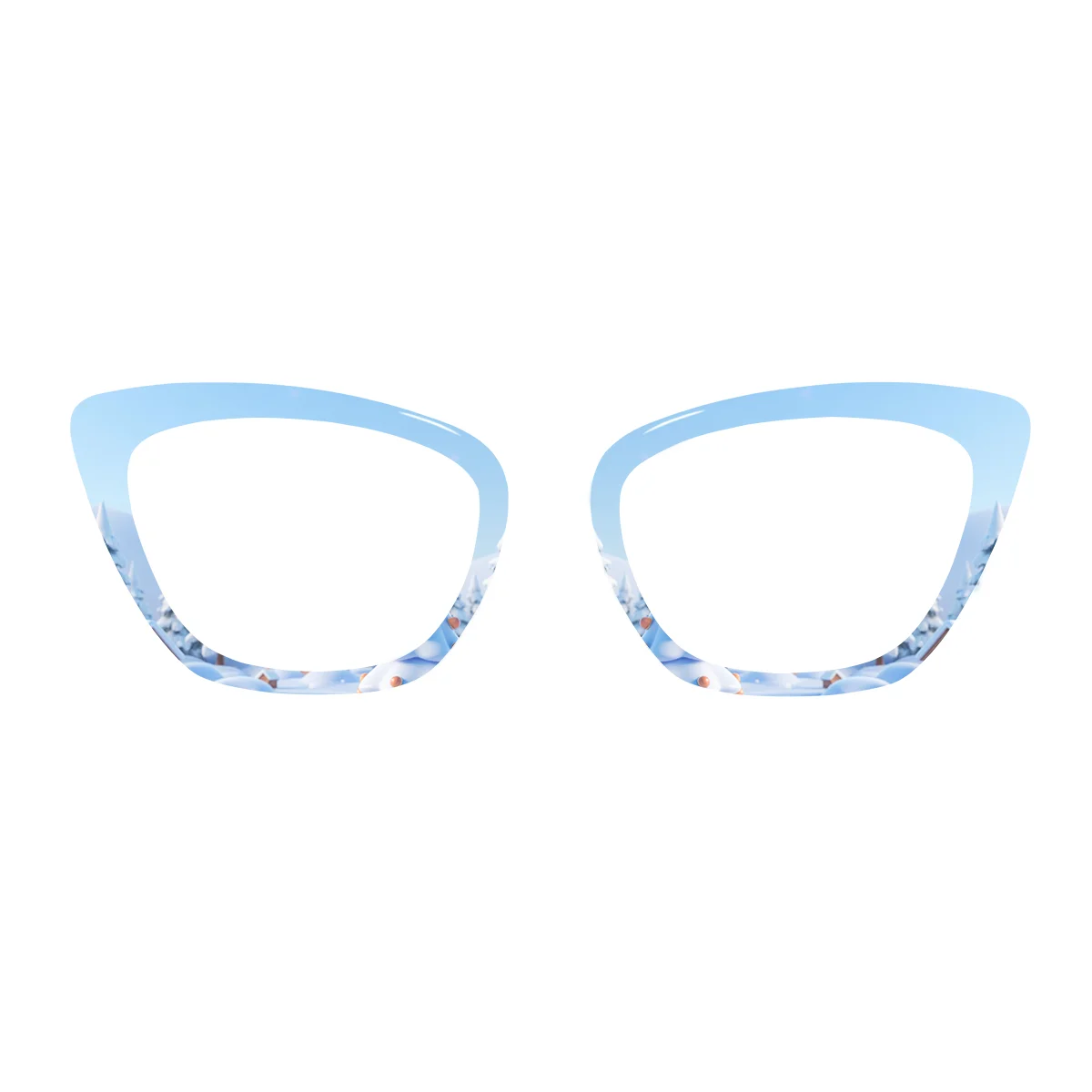
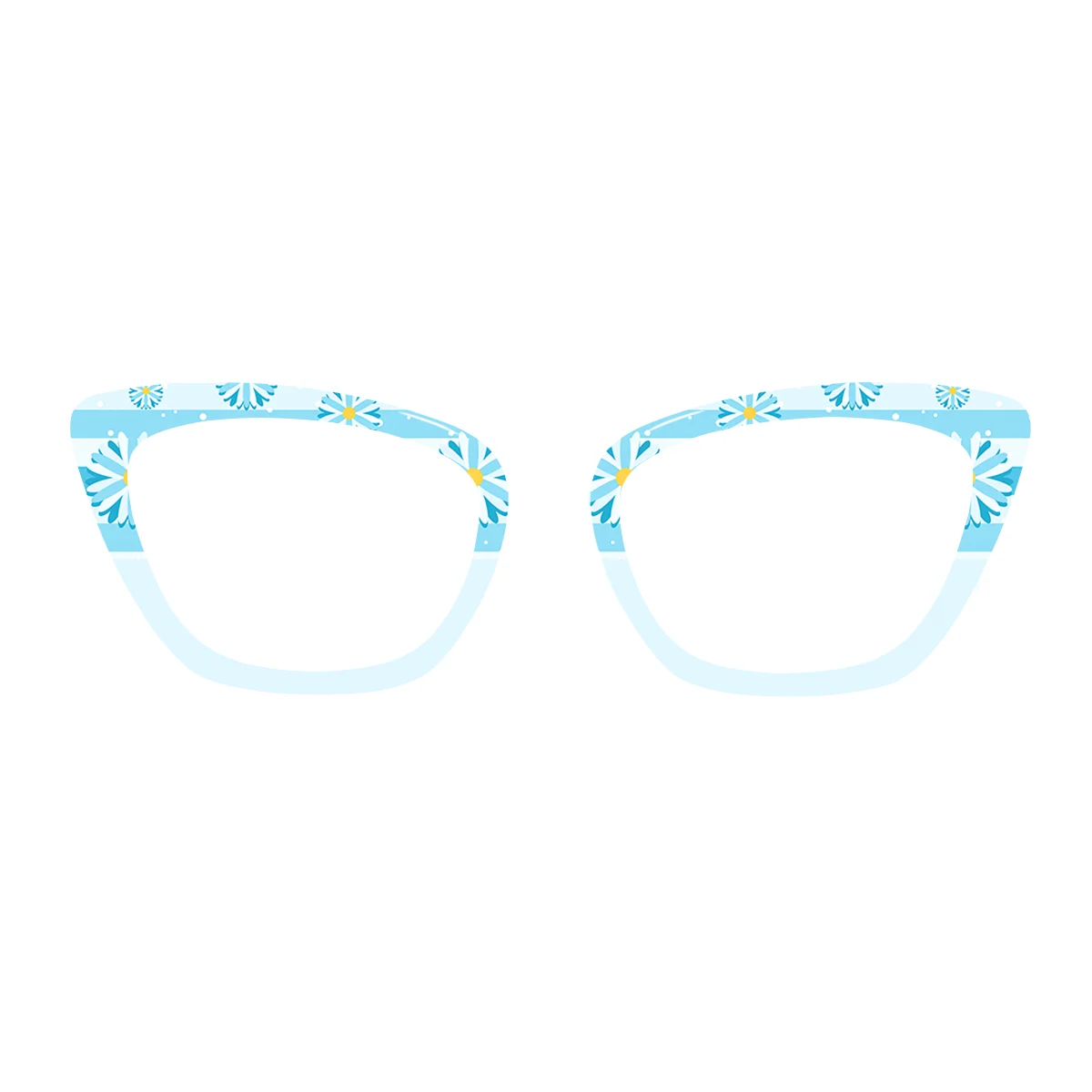
5. Enter Modular Eyewear: A New Way to Think About Glasses
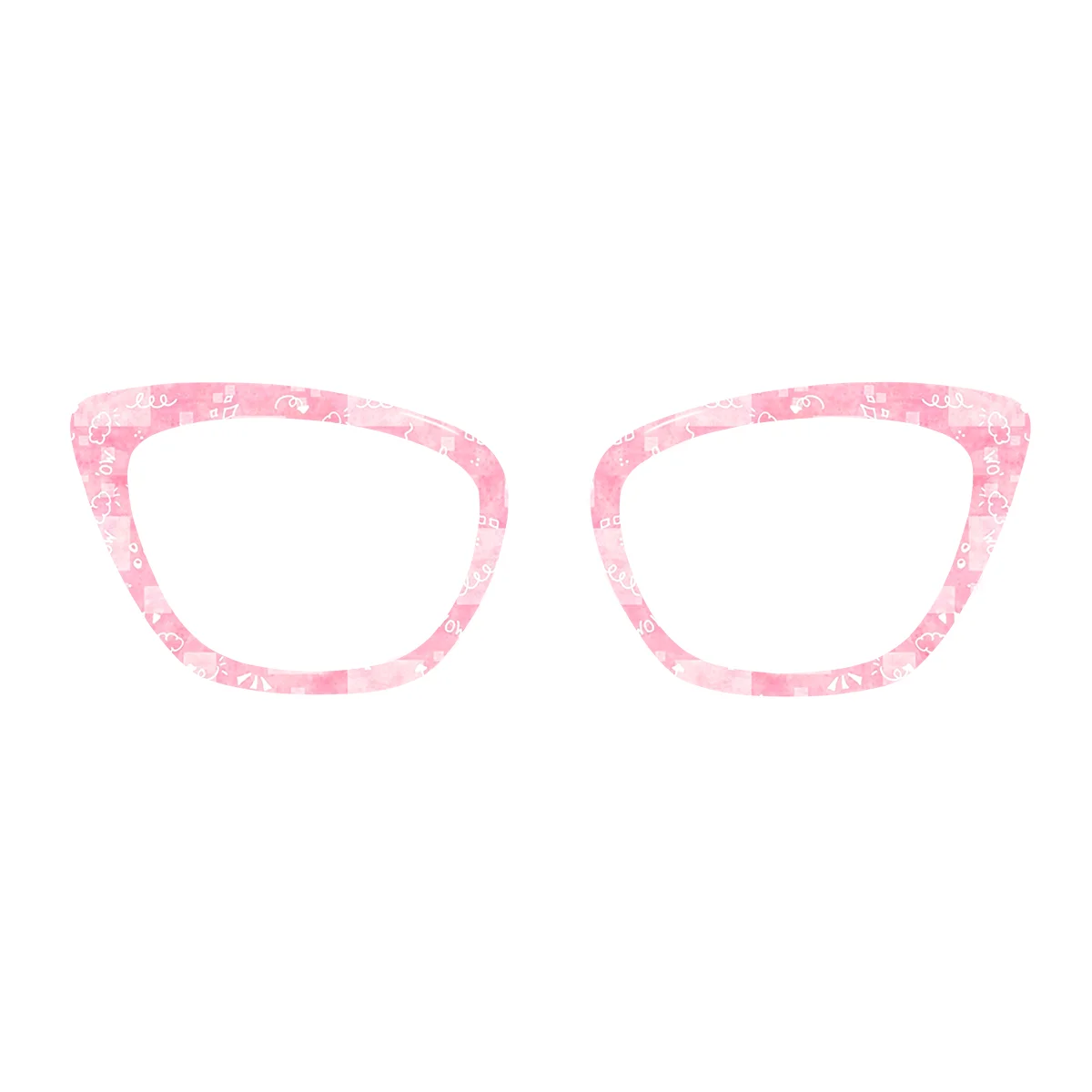
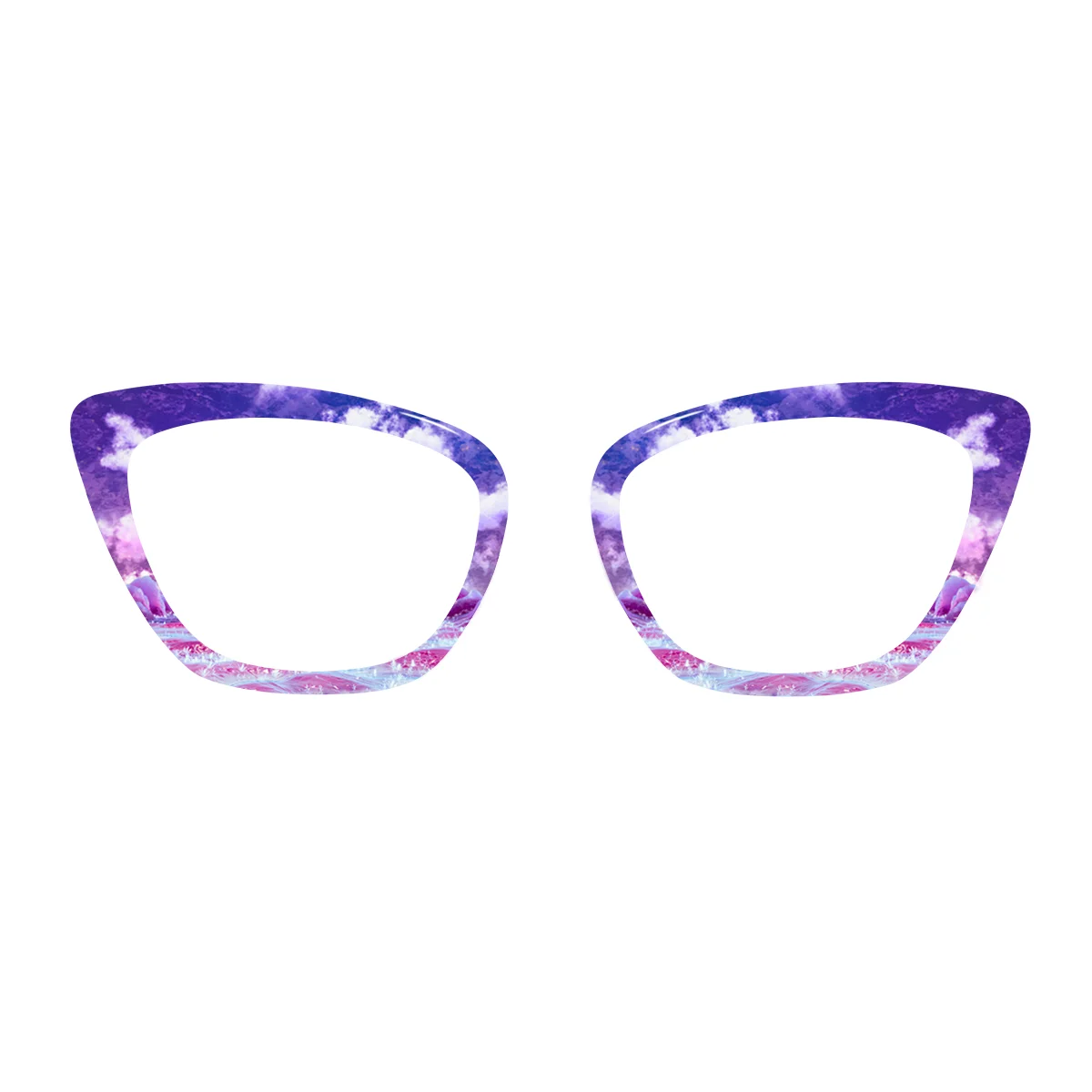
Modular (or combination) eyewear allows you to:
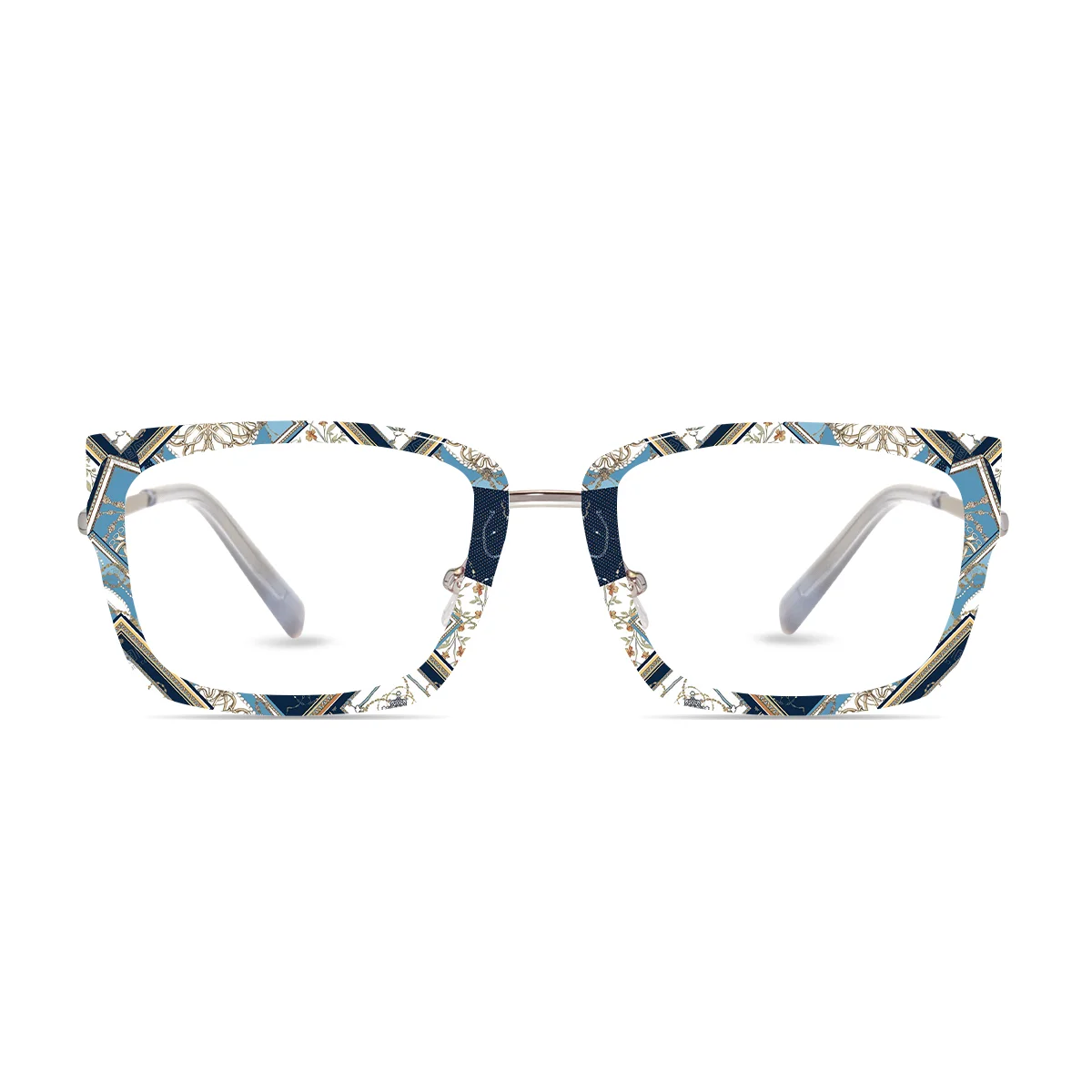
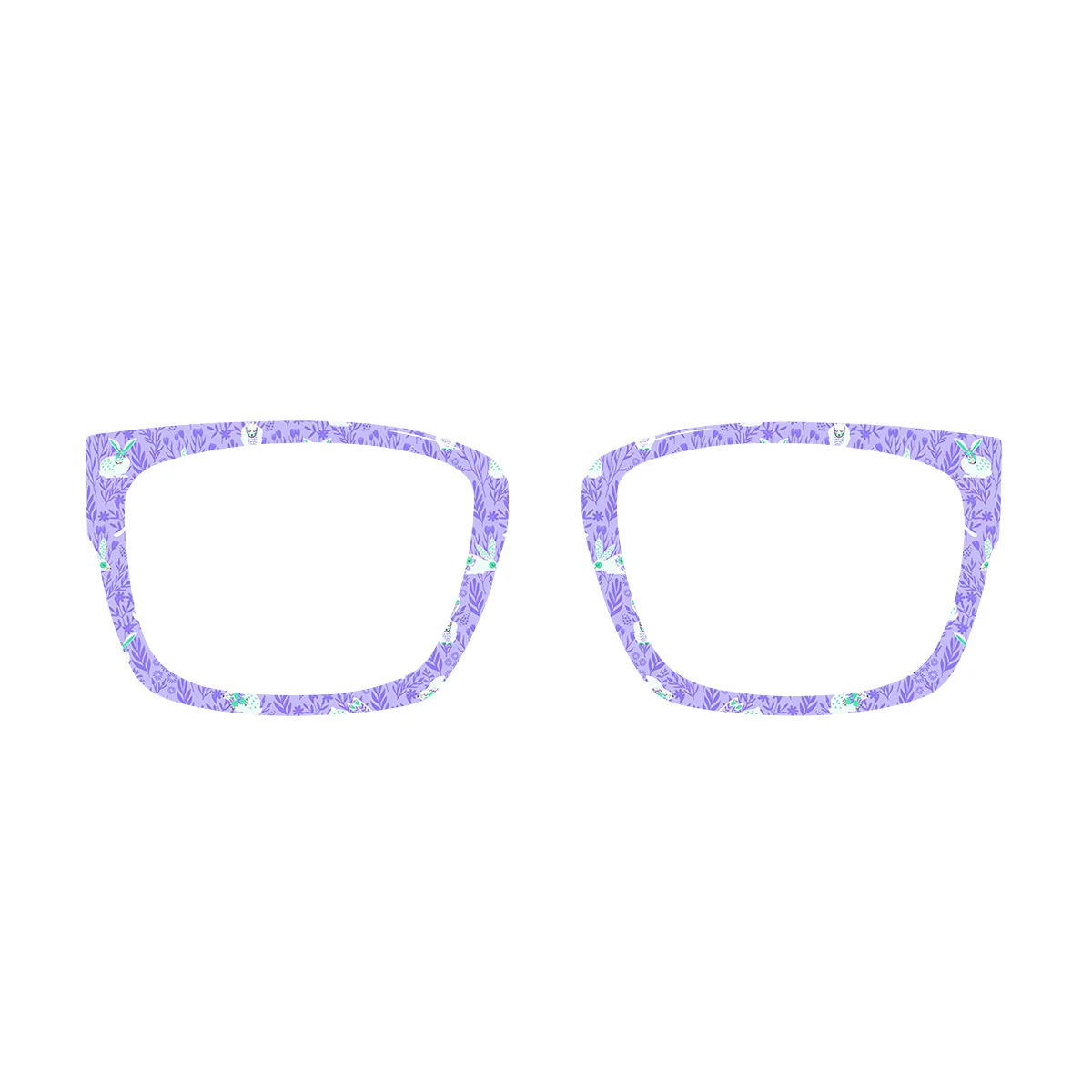
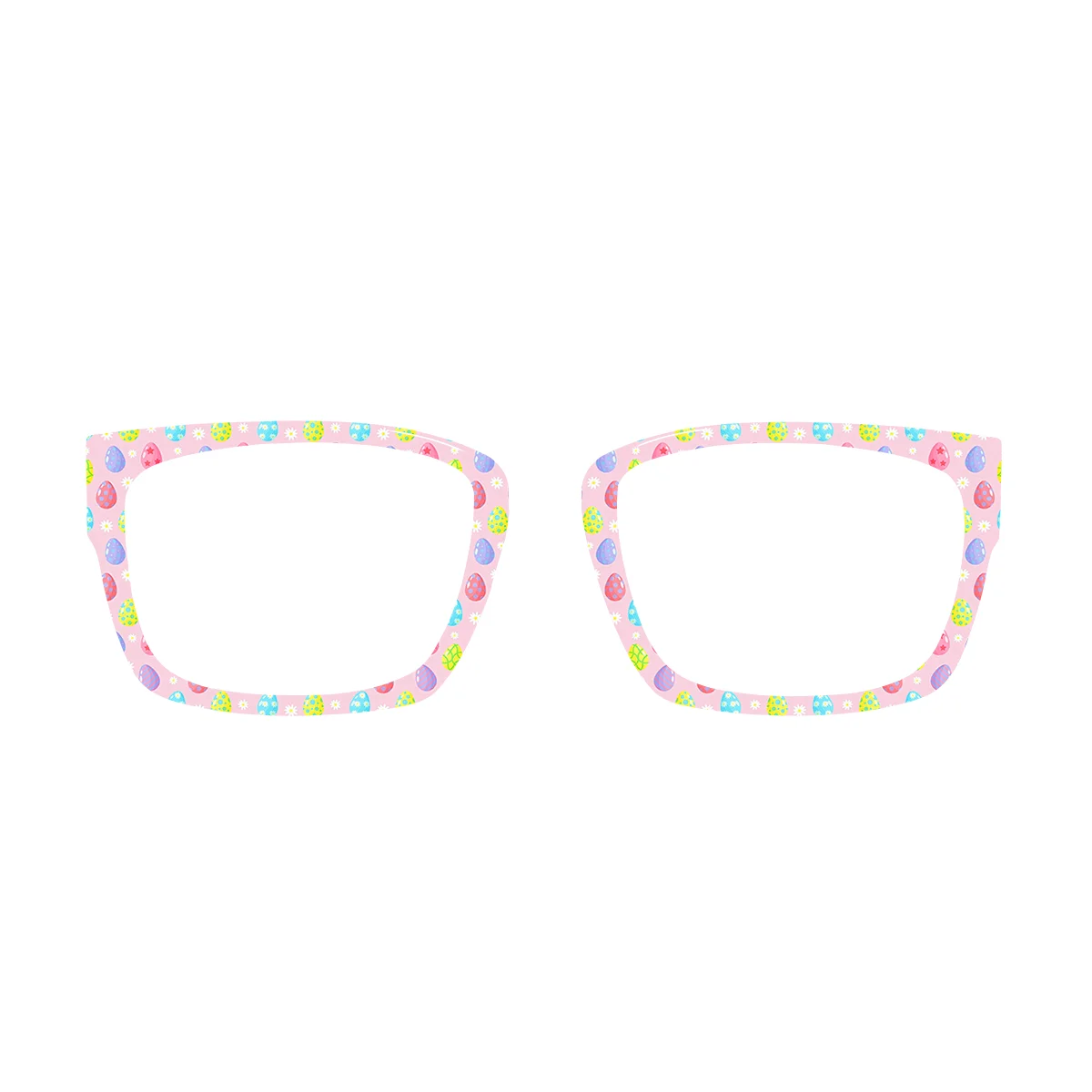
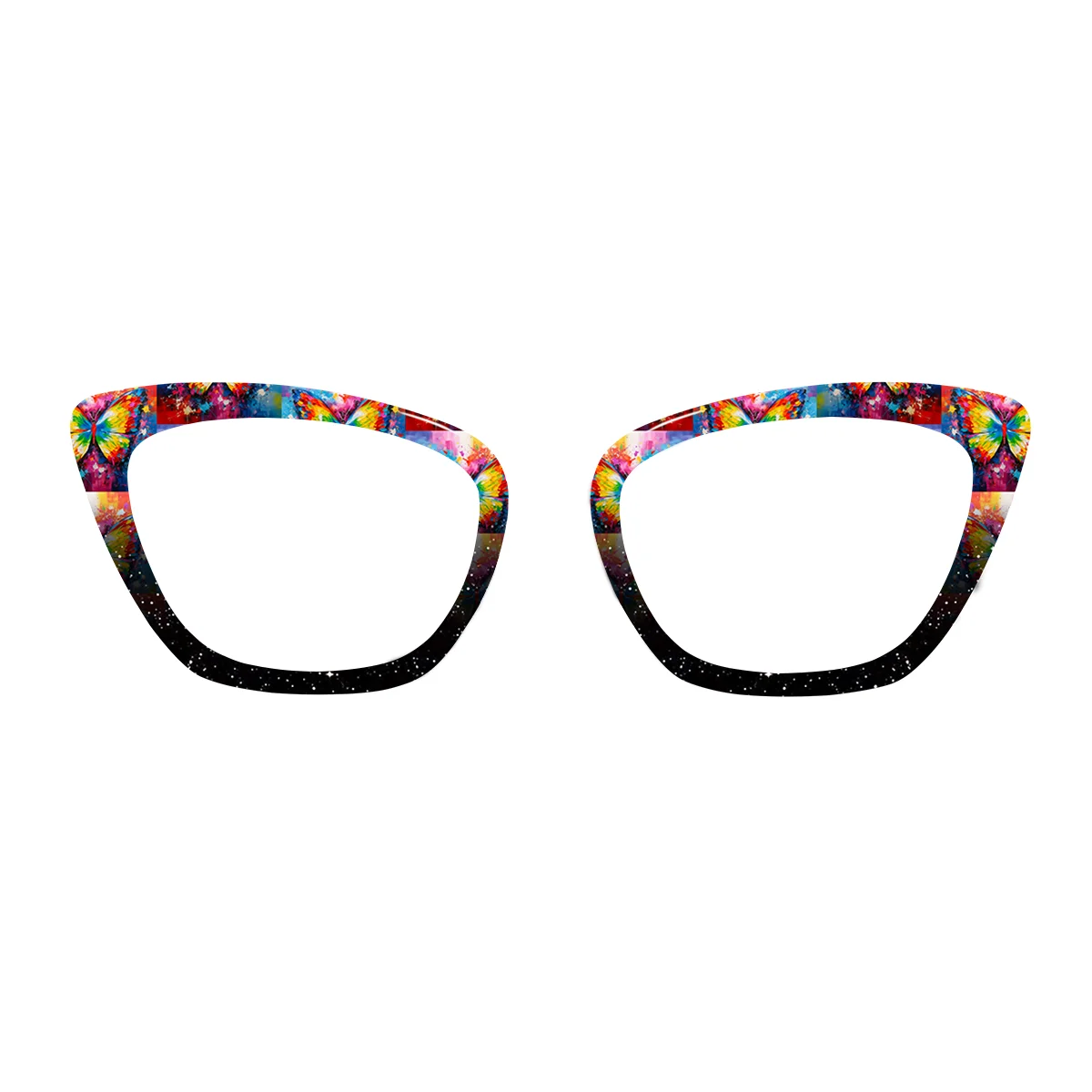
- Change frames, fronts, or accents
- Swap colors without changing lenses
- Adapt your look daily
Instead of one fixed identity, your glasses become a flexible styling system.
This is where skin tone matching becomes practical—not theoretical.
6. Matching Glasses to Warm Skin Tones
If you have a warm undertone, certain colors naturally enhance your complexion.
Best Frame Colors for Warm Undertones
- Tortoiseshell
- Honey brown
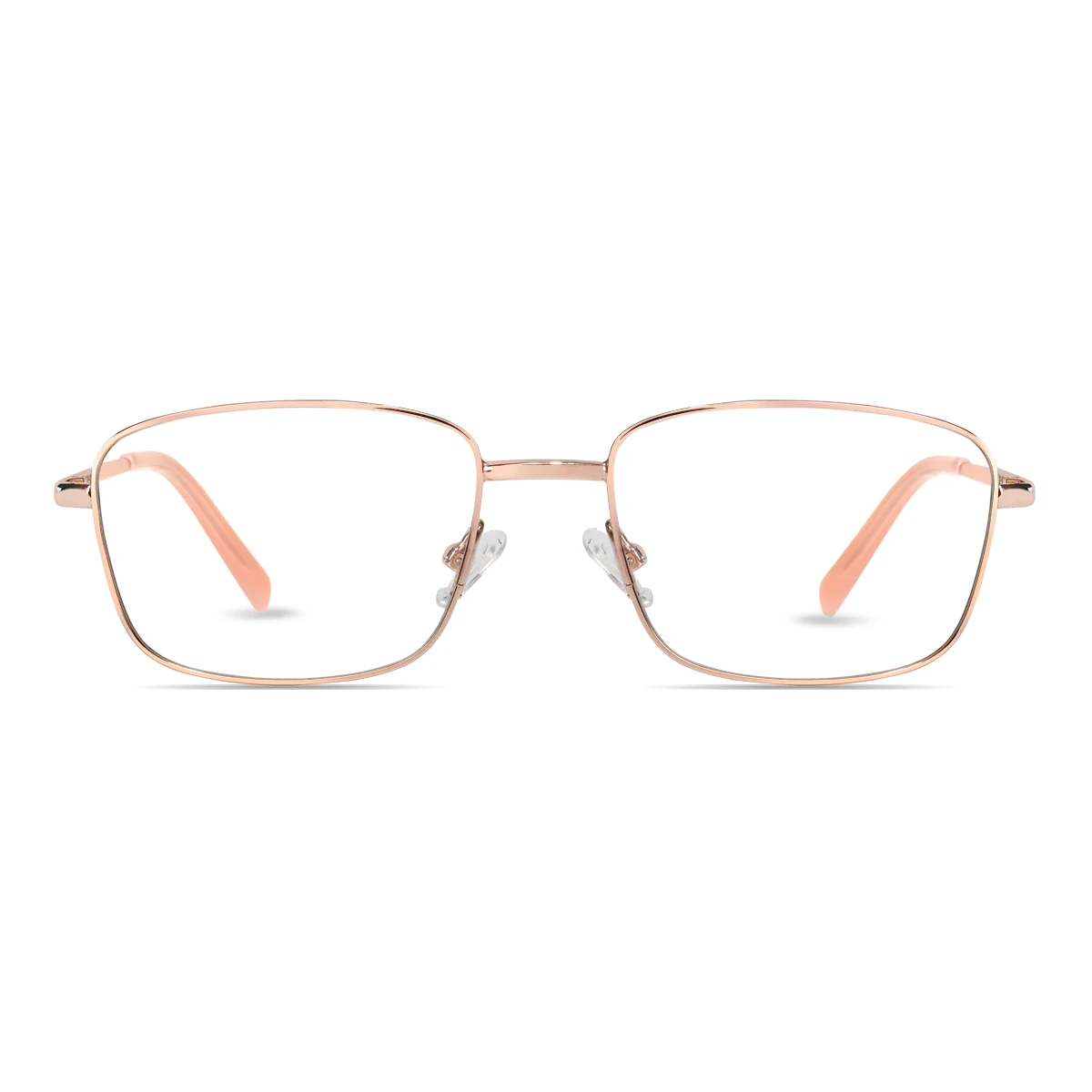
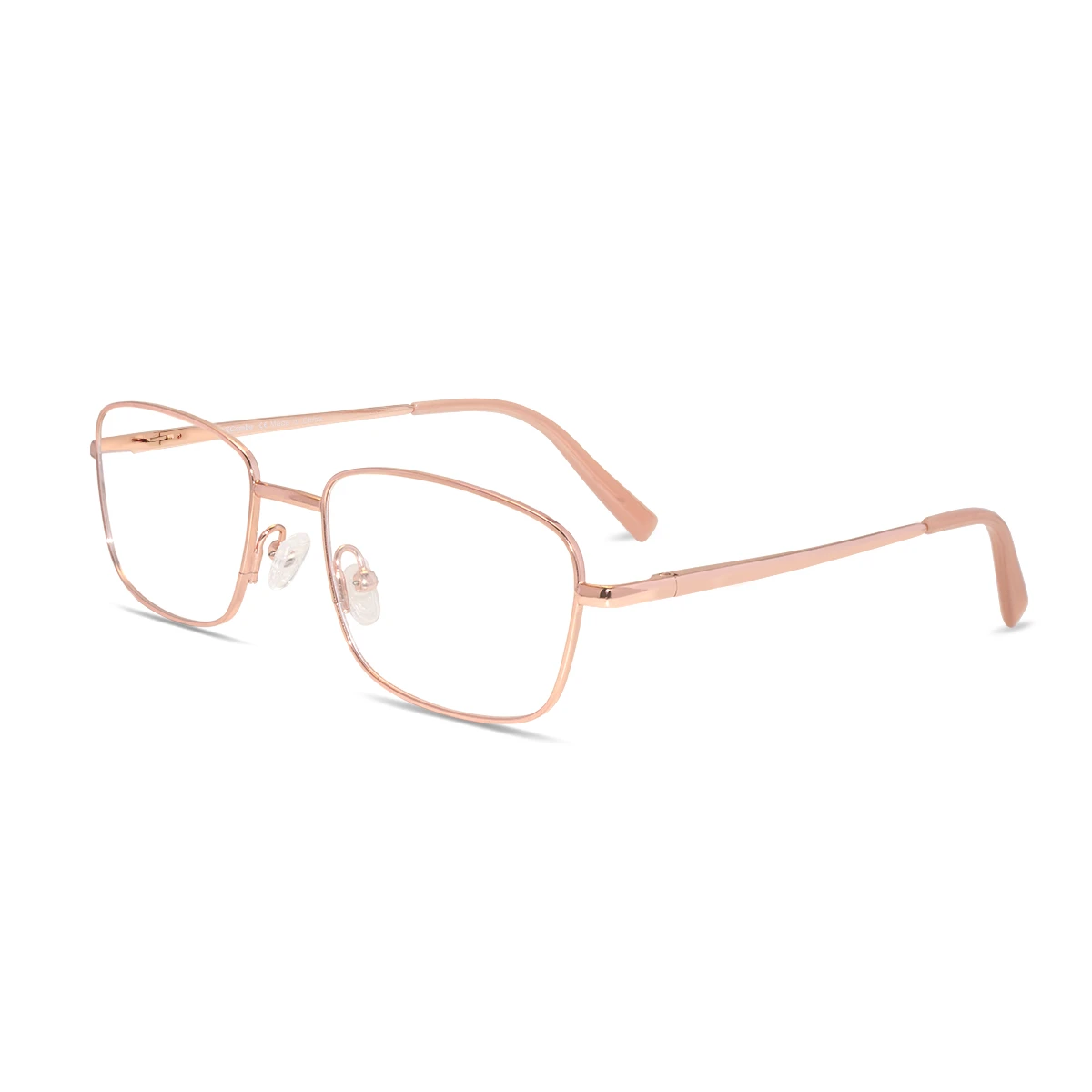
- Champagne
- Gold
- Olive
- Warm beige
These colors reflect warmth back onto the skin, creating a healthy, natural glow.
Why Modular Glasses Help
With modular eyewear, you can:
- Use warm tones for casual days
- Switch to deeper browns for professional settings
- Avoid cooler shades that dull your complexion
One lens set, multiple warm expressions.
7. Matching Glasses to Cool Skin Tones
Cool undertones benefit from contrast and clarity.
Best Frame Colors for Cool Undertones
- Black
- Silver
- Crystal clear
- Cool gray
- Navy
- Burgundy
These shades sharpen facial features and enhance natural contrast.
Modular Advantage
Instead of being locked into one strong color:
- Choose softer cool tones for daytime
- Bold black or metallic accents for evening
- Adjust your look without changing prescriptions
8. Neutral Skin Tones: The Freedom (and Trap)
Neutral undertones can wear almost any color—but that doesn’t mean every color looks equally good.
The risk:
- Choosing safe but boring frames
- Settling into one look
Modular eyewear lets neutral-toned wearers:
- Experiment without commitment
- Shift between warm and cool aesthetics
- Express mood instead of defaulting to “neutral”
9. How Frame Color Changes Your “Facial Energy”
Color psychology plays a role in how others perceive you.
Frame color influences impressions such as:
- Trustworthiness
- Creativity
- Authority
- Approachability
For example:
- Clear frames feel modern and open
- Dark frames feel serious and confident
- Warm tones feel friendly and relaxed
With combination glasses, you’re not stuck projecting the same message every day.
10. “New Face” Effect: Why Small Changes Matter
Even subtle changes near the eyes can:
- Make your face look refreshed
- Reduce visual fatigue
- Create the feeling of novelty
This is why people often say:
“I changed my glasses, and everyone asked if I did something different.”
Modular eyewear multiplies that effect—without buying multiple prescriptions.
11. Glasses for Different Scenarios, Same You
Your skin tone doesn’t change—but your context does.
With modular glasses, you can adapt:
- Professional meetings
- Casual weekends
- Social events
- Travel days
Each look complements your complexion while fitting the moment.
12. Cost vs. Value: One System, Many Looks
Buying multiple traditional glasses is expensive and inefficient.
Combination eyewear offers:
- One lens investment
- Multiple frame styles
- Long-term flexibility
You’re not paying for more glasses—you’re paying for options.
13. Minimalism Meets Expression
Modern consumers want:
- Fewer items
- More versatility
- Less waste
Modular eyewear aligns with this mindset:
- Reduced overconsumption
- Increased usage per product
- Smarter wardrobe integration
Style doesn’t require excess—it requires adaptability.
14. Confidence Comes From Control
Knowing your glasses:
- Match your skin tone
- Fit your outfit
- Suit your mood
…creates confidence without effort.
You’re no longer adjusting yourself to your glasses.
Your glasses adjust to you.
15. The Emotional Side of Eyewear
Glasses sit at the intersection of:
- Identity
- Function
- Aesthetics
When eyewear becomes customizable, it stops being a limitation—and becomes a form of self-expression.
16. Why the Future of Eyewear Is Modular
Fixed-frame glasses belong to a time when:
- Choice was limited
- Fashion cycles were slower
Today’s world demands:
- Personalization
- Flexibility
- Visual storytelling
Modular eyewear fits how people actually live.
17. How to Start Using Skin-Tone-Matched Modular Glasses
You don’t need to overhaul everything at once.
Start with:
- One neutral base lens
- Two or three frame colors
- One warm, one cool, one bold
Rotate based on:
- Outfit
- Lighting
- Mood
18. Common Myths About Combination Glasses
Myth 1: They’re complicated
→ Most systems are designed for easy switching
Myth 2: They’re less durable
→ Quality modular systems are engineered for daily use
Myth 3: They’re only for fashion
→ Function and comfort remain the foundation
19. Glasses as a Daily Styling Decision
Just like choosing:
- Shoes
- Jackets
- Bags
Your glasses can now be part of your daily styling ritual.
Not a fixed label—but a flexible expression.
20. Conclusion: One Face, Many Versions
Your face doesn’t change—but how it’s framed does.
Matching glasses to your skin tone isn’t about rules—it’s about harmony.
And modular eyewear turns that harmony into choice.
Instead of asking:
“Do these glasses work for me?”
You can finally ask:
“Which version of me do I want today?”
That’s not just eyewear.
That’s a new way of seeing yourself.
Share this post









Why Your Next Pair of Custom Glasses Shouldn’t Have Screws
Eyeglasses have come a long way from the fragile metal frames and thick lenses that once defined vision correction. Modern eyewear now...
From a Materials Science Perspective: What Materials Work Best for Custom Eyewear with Mechanical Snap-Fit Structures?
Modern eyewear design has moved far beyond simple hinges and screws. As customization becomes the new standard in optical products, designers and...
MirrorVision Concierge: Your All-in-One Eyewear Care Expert
Eyeglasses have become more than a simple vision correction tool. Today, they are an essential part of everyday life, personal style, workplace...
How to Buy Prescription Glasses Online on XCombo
Looking to buy glasses online? XCombo makes it easy to get stylish, high-quality glasses tailored to your prescription. Follow this simple step-by-step...
Preservation Secrets: How to Maintain Your Limited-Edition Custom Eyewear and Protect Its Collector Value
Limited-edition custom eyewear has evolved far beyond simple vision correction or fashion accessories. Today, rare frames are collectible design objects — blending...
How Custom Frame Colors Shape Your Professional Presence: The Psychology and Strategy Behind Eyewear Material Choices
In modern workplaces, personal presentation extends far beyond clothing. Accessories once considered purely functional now carry powerful visual signals that influence perception,...
The Architecture of Presence: Why Custom Eyewear is the Secret to "Magnetic Eyes"
Walk into any home improvement store in the United States and you’ll see rows of blackout curtains promising better sleep, lower energy...
Long-Term Ownership Guide: How to Choose a Timeless Custom Eyewear Frame That Never Goes Out of Style and Is Easy to Refresh
Eyewear has evolved far beyond vision correction. Today, glasses function as personal identity, fashion statement, daily tool, and long-term investment all at...

Can Dish Soap Really Clean Your Glasses? An Expert Guide to Safe Lens Care
Clean lenses can make the difference between crisp, comfortable vision and a day full of eye strain, glare, and frustration. Yet despite...
Refuse the Shake: The Ultimate Stability Experience Delivered by Mechanical Snap-Fit Custom Eyewear
For most people, eyeglasses are judged by appearance first and comfort second. Stability — the ability of glasses to remain perfectly positioned...
Dish Soap or Hand Soap? Choosing the Right Neutral Cleaner to Protect Your Blue-Light Blocking Lens Coating
Modern eyewear does far more than improve vision. Today’s lenses often include advanced coatings designed to reduce glare, resist scratches, repel water,...
Gravity’s Grudge: Why Your Glasses Keep Sliding Down (And How Your Frames Are Trying to Tell You Something)
We’ve all been there. You’re in the middle of a high-stakes board meeting, leaning over a delicious plate of pasta, or simply...