
Why Expensive Designer Frames Sometimes Feel Less Comfortable Than Affordable Custom Glasses
Luxury branding has powerful influence.
Walk into a high-end optical boutique and you’ll see familiar names displayed under soft lighting, often associated with fashion houses like Gucci, Prada, Tom Ford, and Ray-Ban. The price tags can easily reach several hundred—or even over a thousand—dollars.
Naturally, many consumers assume:
Higher price = better comfort.
But here’s the surprising truth:
Some expensive designer frames are not necessarily more comfortable than mid-priced custom frames that cost a fraction of the price.
In fact, many people report that their $200–$300 custom-fit glasses feel significantly better on their face than $800 designer frames.
Why does this happen?
Let’s break down the real reasons—covering fit engineering, manufacturing priorities, material science, branding economics, and biomechanics—so you can understand what truly determines comfort in eyewear.

The Biggest Misconception: Price Equals Ergonomics
Luxury eyewear pricing is influenced by several factors:
- Brand licensing fees
- Marketing campaigns
- Fashion positioning
- Retail markup
- Packaging and presentation
Comfort, however, depends on:
- Frame geometry
- Weight distribution
- Temple flexibility
- Nose bridge alignment
- Lens center positioning
- Facial compatibility
These are not automatically improved just because a logo is prestigious.
Designer Frames Are Often Fashion-First, Not Fit-First
High-end fashion brands focus heavily on:
- Aesthetic trends
- Bold silhouettes
- Statement proportions
- Seasonal collections
Their primary design goal is visual impact.
Comfort is important—but it’s often secondary to style identity.
For example:
Oversized acetate frames may look striking on display, but their heavier front weight can cause:
- Nose pressure
- Sliding
- Ear fatigue
Similarly, ultra-thin metal frames designed for elegance may lack the adjustability needed for diverse facial structures.
Custom Frames Are Engineered Around the Individual
Custom or semi-custom frames—especially from specialized optical manufacturers—often prioritize:
- Adjustable nose pads
- Multiple bridge sizes
- Lightweight materials
- Balanced temple curvature
Even mid-priced custom frames are frequently:
- Designed by optical engineers
- Tested for daily wear
- Refined for ergonomic balance
When comfort is the core value proposition, the design philosophy shifts entirely.
The Licensing Factor: Where Your Money Really Goes
Many designer eyewear brands do not manufacture their own frames.
Instead, they license their name to large eyewear conglomerates. The fashion house earns branding royalties, while the manufacturing partner handles production.
This means:
- A portion of the price covers brand prestige
- Marketing budgets are built into retail cost
- Comfort optimization may not be the primary differentiator
In contrast, smaller custom-focused brands allocate more budget toward:
- Material quality
- Precision hinges
- Fit testing
The price difference isn’t always about craftsmanship—it’s often about brand value.
Facial Geometry: One Size Rarely Fits All
Human faces vary significantly in:
- Nose bridge height
- Temple width
- Cheekbone structure
- Ear positioning
- Pupillary distance
Luxury brands typically produce frames in limited size variations.
Custom or specialty brands may offer:
- Low-bridge fit versions
- Multiple width options
- Adjustable components
If a frame doesn’t align with your facial geometry, no price tag can fix discomfort.
Weight Distribution Is Everything
Comfort depends less on total weight and more on how that weight is distributed.
Heavy front frames can:
- Slide down
- Cause nose indentation
- Trigger headaches
Well-designed mid-range custom frames often use:
- Lightweight acetate blends
- Titanium alloys
- Balanced hinge systems
The result? Less pressure on the nasal bridge and temples.
The Nose Bridge Problem
The nose bridge is one of the most common discomfort points.
Many designer frames are molded with:
- Standard bridge curvature
- Minimal adjustability
If your nose bridge is:
- Lower
- Narrower
- Wider
- Flatter
…the frame may pinch or slide.
Custom options often provide:
- Adjustable nose pads
- Alternative bridge designs
- Modular components
Comfort dramatically improves when the bridge fits properly.
Temple Tension and Ear Fatigue
Temples (the arms of glasses) must apply the correct tension:
- Too tight = headaches and ear soreness
- Too loose = slipping
Designer frames may prioritize slim, stylish temple profiles over adjustable functionality.
Custom-oriented frames often:
- Use flexible hinges
- Allow precise optician adjustments
- Provide varied temple lengths
This subtle difference impacts daily wear comfort more than brand name.
Materials: Marketing vs. Practicality
Luxury marketing often emphasizes premium materials like:
- Thick Italian acetate
- Gold-plated accents
- Decorative metalwork
While visually appealing, these materials may:
- Add unnecessary weight
- Reduce flexibility
- Increase rigidity
Meanwhile, mid-priced custom frames frequently use:
- TR90 lightweight polymer
- Beta-titanium
- Memory metal blends
These materials prioritize flexibility and long-term comfort.
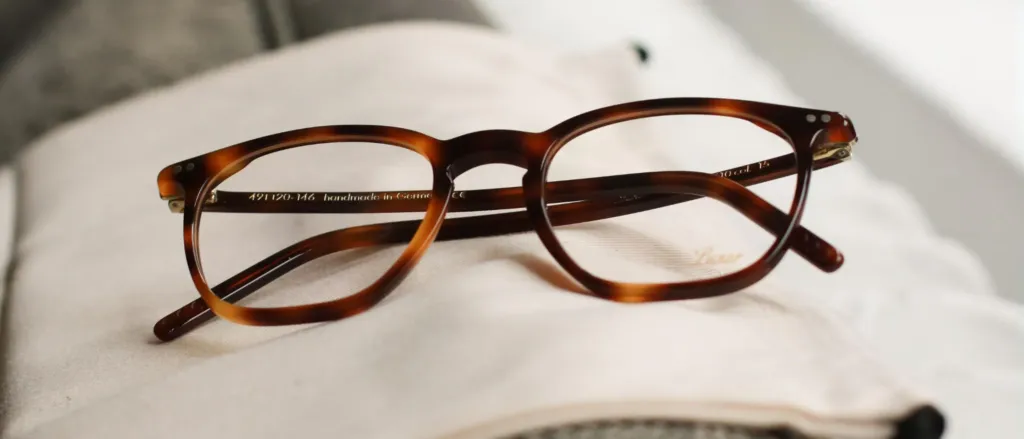
Lens Positioning and Optical Centering
Comfort is not only physical—it’s visual.
If the optical center of your lenses is misaligned with your pupils, you may experience:
- Eye strain
- Blurry edges
- Headaches
High-end designer frames sometimes emphasize dramatic shapes that complicate lens alignment.
Custom optical-focused frames are often designed with:
- Precise lens geometry
- Balanced curvature
- Accurate alignment zones
Proper centering can make a $300 pair feel better than a $1,000 pair.
The Psychological Effect of Luxury Expectations
There’s also a psychological component.
When we buy expensive items, we expect:
- Perfection
- Immediate comfort
- Noticeable superiority
If the experience doesn’t dramatically exceed expectations, disappointment feels stronger.
In contrast, when buying a reasonably priced custom pair, we evaluate based on performance—and often feel pleasantly surprised.
Expectation influences perception.
The “Break-In Myth”
Some sales associates suggest that uncomfortable designer frames will “break in.”
While minor adjustments can help, persistent discomfort usually indicates:
- Incorrect size
- Improper bridge fit
- Excess weight
Glasses should feel comfortable from the start after professional fitting.
Adjustability: The Hidden Advantage
Custom frames frequently offer:
- Replaceable nose pads
- Adjustable hinges
- Modular parts
This flexibility allows long-term personalization.
Designer frames sometimes prioritize seamless aesthetics over adjustability, limiting modifications.
The Role of the Optician
A skilled optician can dramatically improve comfort through:
- Temple bending
- Bridge reshaping
- Nose pad alignment
- Heat adjustments for acetate
However, not all luxury frames respond well to modification due to rigid design.
Custom-oriented frames are often built with adjustability in mind.
Durability and Daily Wear
Comfort is tied to durability.
If hinges loosen quickly or frames lose alignment, comfort declines.
Mid-priced custom brands often test frames for:
- Long-term hinge stability
- Repeated flex cycles
- Everyday stress resistance
Some designer models focus more on runway aesthetics than everyday endurance.
Who Benefits Most from Custom Frames?
Custom or comfort-focused frames are especially beneficial for:
- People with low nose bridges
- Individuals with asymmetrical facial features
- Long daily screen users
- Progressive lens wearers
- People sensitive to pressure
These users often notice immediate improvement when switching away from fashion-first designs.
When Designer Frames Do Make Sense
To be fair, designer frames offer:
- Iconic aesthetics
- Social recognition
- Fashion coordination
- Brand prestige
For many consumers, emotional satisfaction is part of value.
If a designer frame fits well and feels comfortable, there’s no reason to avoid it.
The key point is this:
Price alone does not guarantee superior comfort.
How to Choose Glasses for Comfort
When shopping for eyewear, prioritize:
- Fit before brand
- Bridge alignment
- Weight balance
- Temple flexibility
- Optical centering
- Adjustable components
Try frames on for at least 10–15 minutes in-store.
Move your head. Look down. Smile. Simulate daily activity.
Discomfort usually reveals itself quickly.
The Bottom Line
Expensive designer frames can be beautiful.
They can elevate your look and express personal style.
But comfort is a science—not a logo.
Affordable custom frames often outperform luxury brands because they focus on:
- Ergonomic design
- Personalized fit
- Lightweight engineering
- Adjustability
- Optical precision
If your priority is all-day wearability, fewer headaches, and long-term comfort, don’t assume the highest price equals the best experience.
The most comfortable glasses aren’t defined by prestige.
They’re defined by how perfectly they fit you.
And sometimes, that perfect fit costs a lot less than you think.
Share this post
Best Glasses for Your Face Shape: Round, Square, Oval & More
Introduction: The Right Glasses Can Transform Your Entire AppearanceChoosing a pair of glasses is about much more than simply correcting your vision....
From Head to Toe: The Golden Ratio for Styling Glasses, Clothing, and Bags
Introduction: The Secret to Looking Polished From Head to ToeGreat style is rarely about wearing the most expensive clothes, following every trend,...

Minimalist Style: How Glasses and Bags Add the Perfect Finishing Touch to Black, White, and Gray Outfits
Minimalist fashion is often described as simple, effortless, and timeless. But creating a truly polished minimalist outfit is not as easy as...

Effortless Style: The Perfect Chemistry of Oversized Sweatshirts, Crossbody Bags, and Vintage Metal-Frame Glasses
Introduction: Why Relaxed Style Feels So RightFashion does not always have to look carefully calculated.Sometimes, the most appealing outfit is the one...

The Symphony of Metallic Elements: The Art of Layering Belt Buckles, Chain Bags, and Metal Frames
Introduction: When Metal Becomes a Fashion LanguageFashion has always been a conversation between materials, shapes, and personal expression. Among all design elements,...

Eyeglasses as the Finishing Touch: How to Make Your Frames Blend Perfectly Into Your Everyday Outfits
Eyeglasses are more than a tool for clearer vision. Today, they are one of the most powerful accessories in a modern wardrobe....

Old Money Style Guide: How Cashmere Coats, Premium Leather Bags, and Classic Black Frame Glasses Create Timeless Elegance
Introduction: Understanding the True Meaning of Old Money FashionFashion trends come and go, but true elegance has always been about something deeper...

The Ultimate Style Rescue for Round-Faced Women: How Necklines, Bag Placement, and Geometric Glasses Create a Slimmer Look
Introduction: Redefining Beauty Beyond Face ShapeFor many women with round faces, getting dressed can sometimes feel like a constant battle. The cheeks...

One Swipe, Crystal Clear: The Ultimate Guide to Efficient Eyeglass Cleaning
Introduction: Clear Vision Starts With Proper Lens CareFor millions of people around the world, eyeglasses are an essential part of daily life....

Eyeglasses as the Finishing Touch to Your Outfit: How Frame Shapes Can Elevate Your Style
Introduction: Eyeglasses as the Ultimate Fashion AccessoryWhen people think about fashion accessories, they often consider watches, jewelry, handbags, shoes, or clothing details....
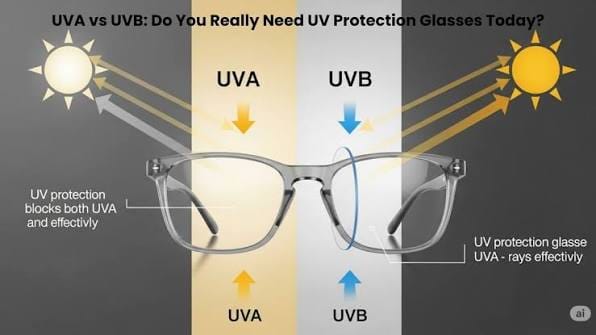
Blue Light Protection or UV Protection? Common Mistakes When Choosing Eye Protection Glasses
Introduction: Choosing the Right Eye Protection Is More Complicated Than It LooksEyeglasses have evolved far beyond simple vision correction tools. Today, consumers...
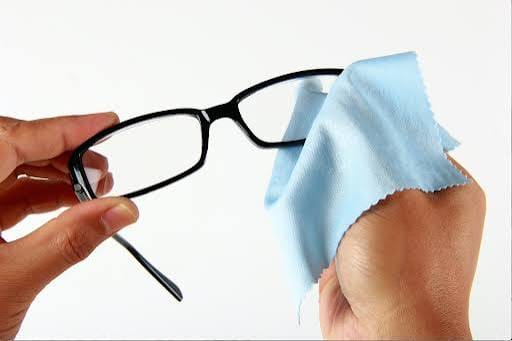
Care for Your Glasses Like You Care for Your Skin: The Complete Guide to Eyewear Maintenance
Introduction: Your Glasses Deserve More Than Just a Quick WipeMany people spend time and money caring for their skin every day.They choose...