
Glasses Keep Sliding Down Your Nose? 3 Easy At-Home Adjustments to Fix the Fit
There’s nothing more frustrating than constantly pushing your glasses back up your nose. Whether you’re working, driving, exercising, or simply relaxing, slipping frames can quickly become an everyday annoyance. Beyond the inconvenience, poorly fitting glasses can also affect vision clarity, cause discomfort, and even lead to long-term wear issues.
The good news? You don’t always need a trip to the optical shop to fix it. With a few simple adjustments and a bit of care, you can fine-tune your frames at home and enjoy a secure, comfortable fit again.
In this in-depth guide, you’ll learn why glasses slide down your nose, how proper fit impacts performance, and three effective at-home techniques to adjust your frames safely and correctly.
Why Do Glasses Slide Down in the First Place?
Before jumping into fixes, it helps to understand the root causes. Glasses don’t just randomly slip—there are specific factors that contribute to the problem.
1. Loose or Misaligned Nose Pads
If your glasses have adjustable nose pads, they may have shifted outward over time. This reduces grip and allows the frames to slide.
2. Temple Arms Are Too Wide
The arms (temples) of your glasses should gently hug your head. If they’re too wide or have lost their shape, they won’t provide enough support.
3. Oily or Sweaty Skin
Natural skin oils, sweat, and skincare products can reduce friction between your nose and the frames.
4. Frame Material Fatigue
Plastic frames can warp slightly over time, especially when exposed to heat or pressure.
5. Incorrect Fit from the Start
Sometimes, the frames were never properly fitted when you first got them.
Why Proper Fit Matters More Than You Think
A secure fit isn’t just about comfort—it directly affects how well your glasses perform.
Visual Accuracy
When glasses slide down, your eyes are no longer aligned with the optical center of the lenses. This can cause blurred vision, eye strain, and headaches.
Comfort and Stability
Constant slipping leads to pressure points on your nose and ears, making long-term wear uncomfortable.
Durability
Poor fit increases stress on certain parts of the frame, leading to faster wear and potential breakage.
Before You Start: Tools and Precautions
At-home adjustments are simple, but they require care.
Basic Tools You May Need
- Clean microfiber cloth
- Small screwdriver (for minor tightening)
- Warm water or a hairdryer (for plastic frames)
- Mirror for accuracy
Safety Tips
- Always make small adjustments
- Avoid using excessive force
- If something feels resistant, stop
- Work in a well-lit area
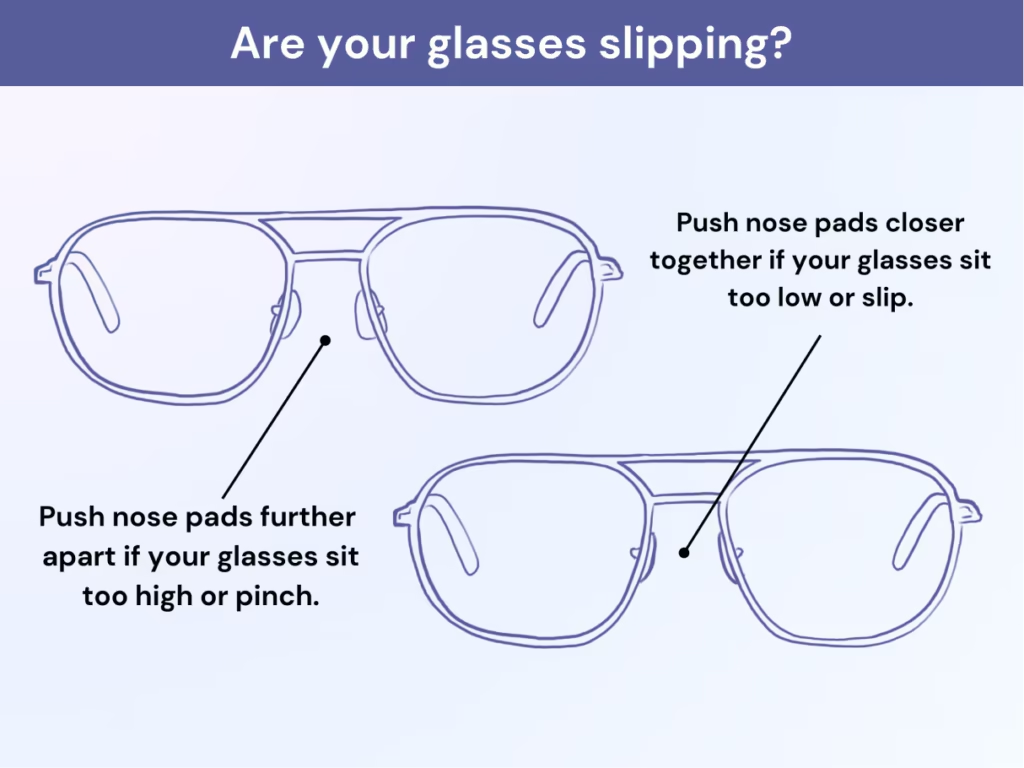
Tip #1: Adjust the Nose Pads for a Better Grip
If your glasses have nose pads, this is the quickest and most effective fix.
How Nose Pads Work
Nose pads distribute the weight of your glasses and help keep them centered. When they’re too far apart, the frames sit loosely and slide.
Step-by-Step Adjustment
- Hold the Frames Steady
Use both hands to avoid bending the frame unevenly. - Gently Push the Pads Inward
Move them closer together to create a snugger fit. - Check Alignment
Make sure both pads are symmetrical. - Test the Fit
Put your glasses on and see if they stay in place.
Pro Tip
If the pads feel slippery, consider replacing them with silicone versions for better grip.
Tip #2: Tighten and Shape the Temple Arms
The temple arms play a major role in keeping your glasses secure.
What Should They Feel Like?
They should rest comfortably over your ears and gently hug the sides of your head without squeezing.
For Metal Frames
- Slightly Bend the Ends Downward
This helps the arms hook behind your ears. - Adjust Symmetrically
Make equal changes on both sides.
For Plastic Frames
- Warm the Ends First
Use warm water or a hairdryer to soften the material. - Gently Bend Into Shape
Curve the ends slightly for a better grip. - Hold Until Set
Allow the material to cool and retain the new shape.
Common Mistake
Over-bending can cause discomfort or damage. Subtle changes are key.
Tip #3: Improve Bridge Fit and Frame Alignment
The bridge—the part that sits across your nose—affects overall stability.
Signs of a Poor Bridge Fit
- Glasses slide even when nose pads are adjusted
- Uneven pressure on your nose
- Frames tilt forward
How to Adjust
For Metal Frames
- Gently pinch the bridge area inward
- Ensure both sides remain even
For Plastic Frames
- Warm the bridge slightly
- Carefully reshape for a closer fit
Alignment Check
Place your glasses on a flat surface:
- Both temples should touch evenly
- Frames should not wobble
If they do, minor adjustments can correct the imbalance.
Additional At-Home Fixes That Make a Difference
Beyond structural adjustments, a few small changes can significantly improve grip.
Clean Your Glasses Regularly
Oil and dirt reduce friction.
- Wash with mild soap and water
- Dry with a microfiber cloth
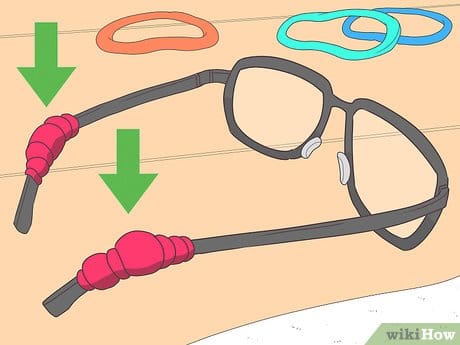
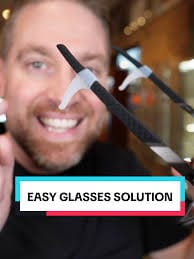
Use Anti-Slip Accessories
- Silicone ear hooks
- Adhesive nose pads
- Anti-slip wax
These are inexpensive and highly effective.
Adjust Your Wearing Habits
- Avoid pushing glasses up by one side
- Store them properly when not in use
- Keep them away from excessive heat
How Environment and Lifestyle Affect Fit
Your daily habits can influence how your glasses behave.
Heat Exposure
Leaving glasses in a hot car can warp frames, especially plastic ones.
Physical Activity
Sweat increases slipping. Consider sports straps or specialized frames if you’re active.
Skincare Products
Lotions and sunscreen can make your nose more slippery.
When At-Home Fixes Aren’t Enough
Sometimes, adjustments at home won’t fully solve the issue.
Signs You Need Professional Help
- Frames feel unstable despite adjustments
- Lenses are misaligned
- Frame is visibly warped or damaged
An optician has specialized tools and expertise to fine-tune your glasses.
Choosing Frames That Stay in Place
If slipping is a constant issue, it may be time to rethink your frame choice.
Key Features to Look For
- Adjustable nose pads
- Lightweight materials
- Proper bridge size
- Curved temple arms
Fit Matters More Than Style
A stylish frame that doesn’t fit well will always be frustrating. Prioritize comfort and stability.
Long-Term Maintenance for a Perfect Fit
Consistency is key to keeping your glasses in top condition.
Weekly Check
- Inspect screws and hinges
- Clean lenses and pads
Monthly Adjustment
- Reassess fit
- Make minor tweaks as needed
Annual Professional Tune-Up
Even with at-home care, a yearly adjustment ensures optimal performance.
Common Mistakes to Avoid
Even small errors can make things worse.
Using Too Much Force
Frames can bend or break easily.
Skipping Symmetry
Uneven adjustments lead to discomfort and poor alignment.
Ignoring Small Issues
Minor slipping can become a bigger problem over time.
Final Thoughts: Small Adjustments, Big Difference
Slipping glasses may seem like a minor inconvenience, but it can significantly impact your daily comfort and vision. The good news is that with just a few simple at-home adjustments—tweaking nose pads, reshaping temple arms, and improving bridge fit—you can transform how your glasses feel and perform.
The key is patience and precision. Small, careful changes go a long way in achieving a secure fit.
By incorporating these techniques into your routine, you’ll not only stop the constant slipping but also extend the life of your frames and enhance your overall wearing experience.
Frequently Asked Questions
Can I adjust all types of glasses at home?
Most frames can be adjusted slightly, but delicate or high-end frames may require professional handling.
How often should I adjust my glasses?
Only when needed. Frequent adjustments aren’t necessary if the fit is correct.
Is it safe to use heat on plastic frames?
Yes, but use low heat and proceed carefully to avoid damage.
What’s the quickest fix for slipping?
Adjusting the nose pads is usually the fastest and most effective solution.
Share this post

2026 Spring/Summer Fashion Trends: When Retro Small-Frame Glasses Meet the Underarm Bag
Fashion has always had a talent for bringing the past back in unexpected ways.A silhouette that once belonged to another decade can...

Soft Aesthetics for Girls with Square Faces: How Rounded Handbags and Gentle Eyeglass Frames Soften Facial Lines
A square face can be striking, elegant, and full of character. Defined by a broader forehead, a relatively straight jawline, and noticeable...
How to Buy Prescription Glasses Online on XCombo
Looking to buy glasses online? XCombo makes it easy to get stylish, high-quality glasses tailored to your prescription. Follow this simple step-by-step...

The Executive Style Code: A Career Guide to Suits, Briefcases, and Sophisticated Eyewear
In the modern workplace, professional style is about much more than wearing expensive clothes.The strongest business wardrobe communicates something before you say...
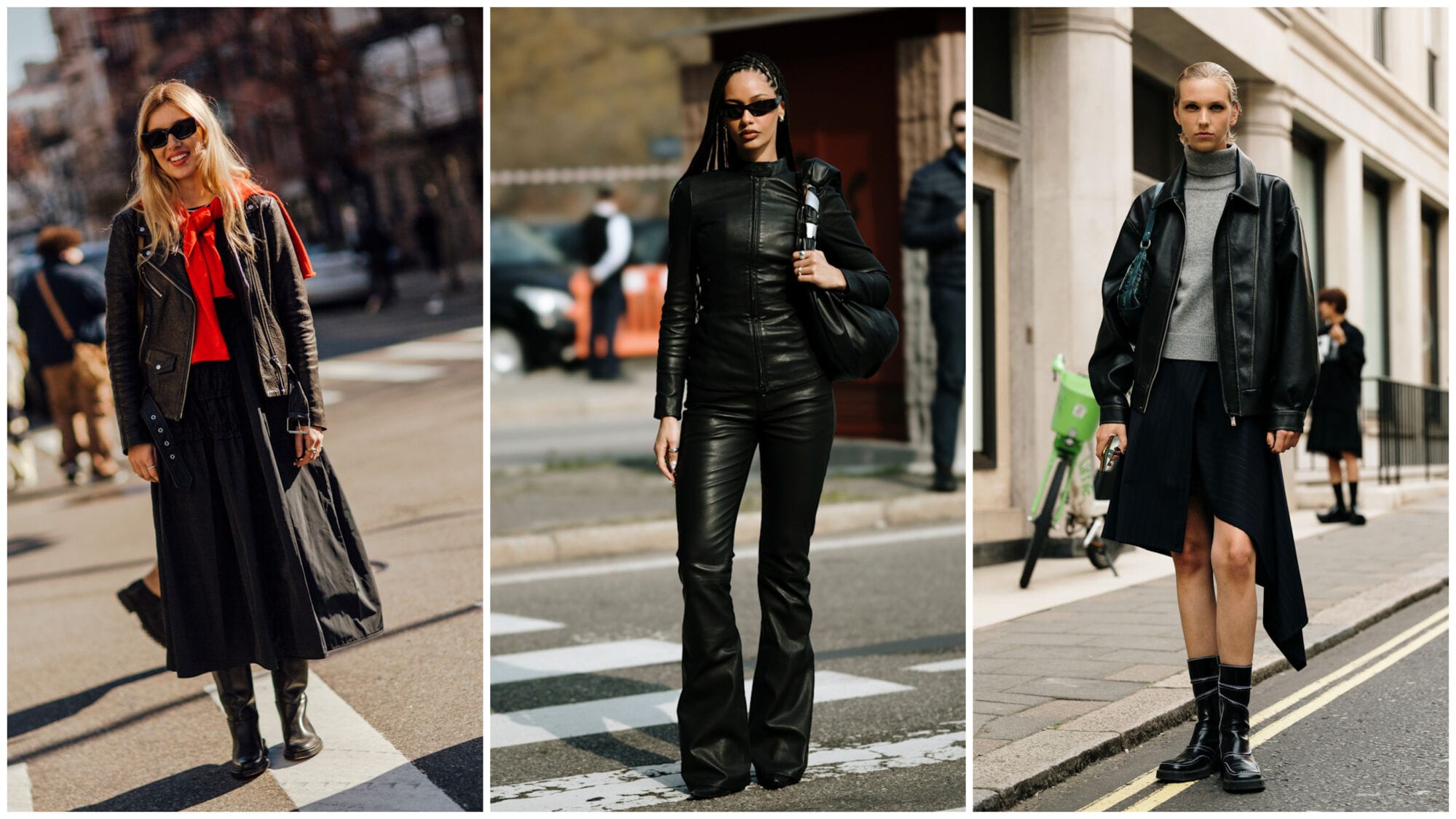
Street-Cool Style: How to Make Motorcycle Jackets, Belt Bags, and Futuristic Sunglasses Stand Out
Street fashion has never been about following every rule.It is about knowing which rules to break.A motorcycle jacket, a compact belt bag,...

The Art of Color Coordination: How to Match Your Bag With Your Eyeglass Frames for an Effortlessly Sophisticated Look
Fashion is often about the little details.A beautifully tailored outfit can look polished, yet something may still feel incomplete. The reason is...
Dating Night Style Secrets: The Perfect Collision of an Elegant Cocktail Dress, a Chain Evening Bag, and Sophisticated Semi-Rimless Glasses
Dating night is about more than choosing an outfit. It is about creating an impression without looking like you tried too hard....

Effortless French Elegance: The Perfect Pairing of Knitwear, Tote Bags, and Cat-Eye Glasses
There is something undeniably captivating about French style.It is polished without looking overly polished, feminine without being overly delicate, and comfortable without...
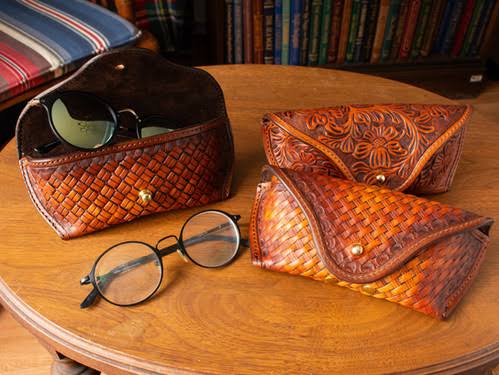
A Cross-Textural Conversation: The Tactile Collision of Leather Bags, Tweed Clothing, and Wood-Frame Eyewear
Introduction: When Materials Become the Main CharacterFashion is often discussed in terms of color, silhouette, trend, and season. Yet some of the...

The Ultimate Guide to Vacation-Style Outfits: Floral Dresses, Straw Bags, and Round Sunglasses for Summer
Summer is the season of relaxed mornings, warm afternoons, outdoor dinners, weekend getaways, and long-awaited vacations. It is also the perfect time...
The Romance of Earth Tones in Fall: The Color Aesthetics of Trench Coats, Saddle Bags, and Tea-Tinted Sunglasses
Introduction: Falling in Love With the Colors of AutumnThere is something irresistibly romantic about autumn fashion.As summer fades, bright colors gradually give...
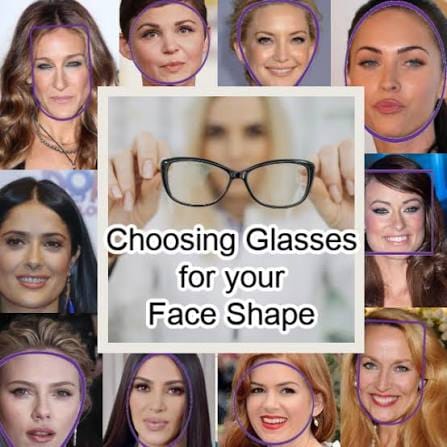
Best Glasses for Your Face Shape: Round, Square, Oval & More
Introduction: The Right Glasses Can Transform Your Entire AppearanceChoosing a pair of glasses is about much more than simply correcting your vision....