
The Right Way to Use an Eyeglass Case: How to Store Your Glasses to Prevent Lens Scratches
Eyeglasses are more than just a vision aid—they’re an essential part of daily life, personal style, and long-term eye health. Yet one of the most common and preventable problems eyeglass wearers face is scratched lenses. Even minor scratches can distort vision, reduce clarity, and shorten the lifespan of your glasses.
Surprisingly, the issue often comes down to something simple: how you use your eyeglass case.
Most people think tossing their glasses into a case is enough. In reality, improper storage—even inside a case—can lead to micro-abrasions, coating damage, and long-term wear. The good news is that with the right techniques, you can significantly extend the life of your lenses and keep them looking crystal clear.
This comprehensive guide explains how to properly use an eyeglass case, avoid common mistakes, and protect your lenses from everyday damage.
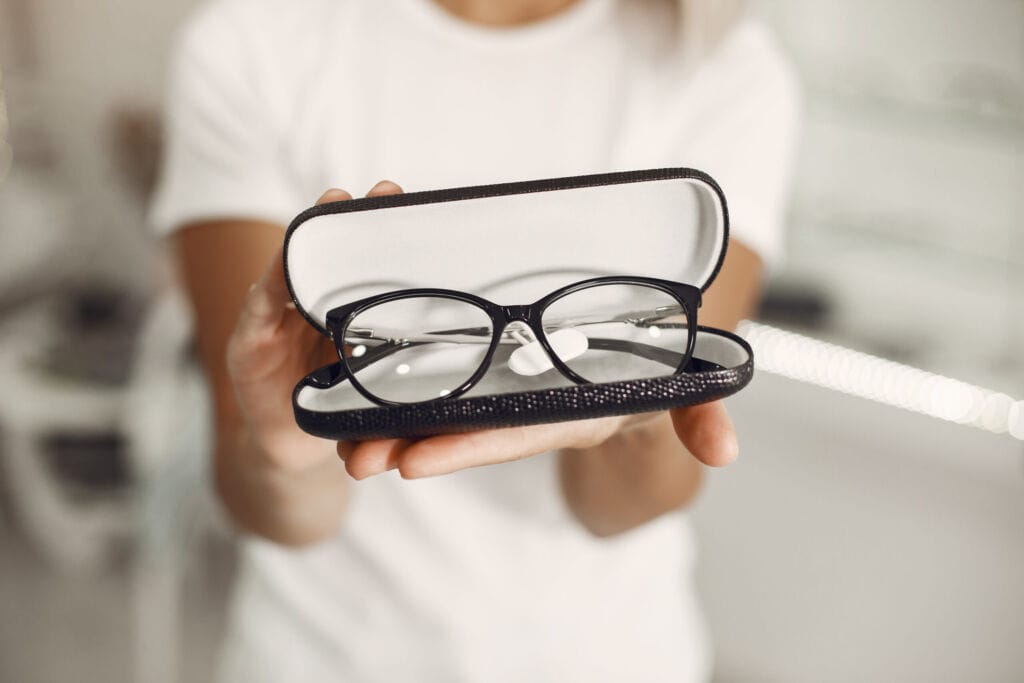
Why Proper Storage Matters
Before diving into techniques, it’s important to understand why storage plays such a critical role.
The Fragility of Modern Lenses
Today’s lenses often feature advanced coatings:
- Anti-reflective coatings
- Blue light filters
- Scratch-resistant layers
While these coatings improve performance, they are still vulnerable to improper handling.
Micro-Scratches Add Up
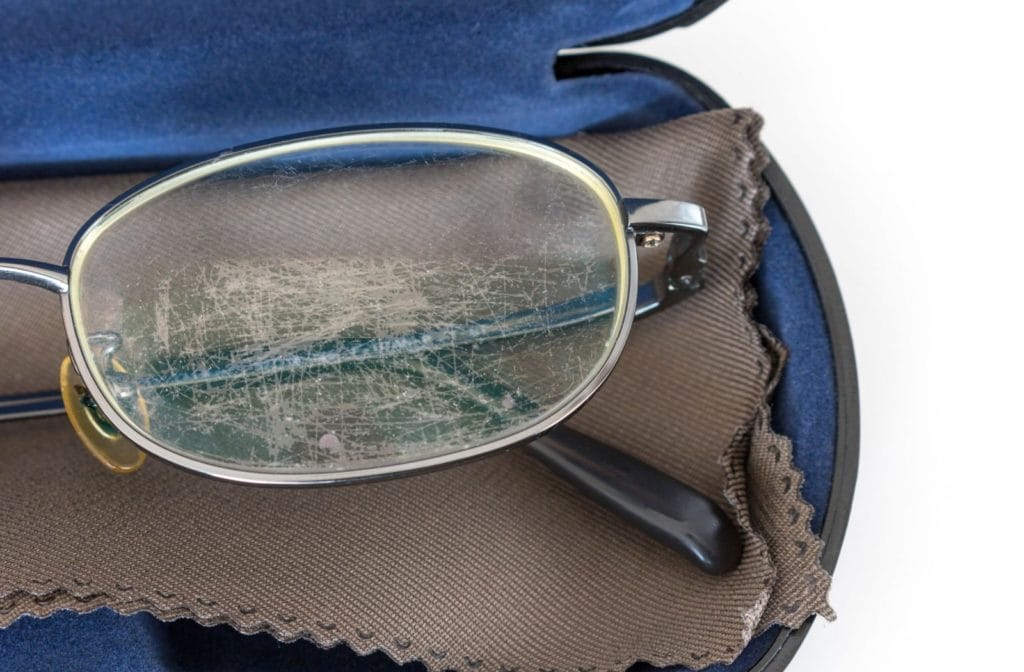
Even tiny particles like dust or sand can create fine scratches when lenses rub against surfaces. Over time, these accumulate and reduce visual clarity.
Long-Term Cost Savings
Proper storage reduces the need for frequent lens replacements, saving money in the long run.
Understanding Different Types of Eyeglass Cases
Not all cases offer the same level of protection.
Hard Cases
- Rigid exterior
- Strong impact protection
- Ideal for travel
Soft Cases (Pouches)
- Lightweight and flexible
- Less protective against pressure
- Better for short-term use
Hybrid Cases
- Combine structure with soft interiors
- Offer balanced protection
Choosing the right case is the first step in protecting your lenses.
The Biggest Mistake: “Lens-Down” Storage
One of the most common habits is placing glasses into a case with the lenses facing downward.
Why It’s Harmful
- Direct contact with surfaces increases abrasion
- Dust inside the case can scratch lenses
- Pressure from movement worsens damage
The Correct Position
Always store glasses with:
- Lenses facing upward
- Temples folded neatly
- Minimal contact with the case interior
Step-by-Step: The Correct Way to Store Your Glasses
Step 1: Clean Before Storing
Never place dirty glasses into a case.
- Rinse with lukewarm water
- Use a gentle lens cleaner
- Dry with a microfiber cloth
This removes particles that could cause scratches.
Step 2: Fold the Temples Properly
Improper folding can create uneven pressure.
- Fold one arm, then the other
- Ensure they align symmetrically
- Avoid forcing stiff hinges
Step 3: Position Lenses Upward
Place the glasses gently into the case.
- Lenses should not touch the bottom surface
- Frames should rest securely without shifting
Step 4: Close the Case Carefully
Avoid snapping the case shut forcefully.
- Ensure nothing is misaligned
- Close gently to prevent pressure on the frame
Keeping the Inside of Your Case Clean
A dirty case can undo all your efforts.
Why Case Cleanliness Matters
Dust, sand, and debris inside the case act like sandpaper on your lenses.
How to Clean Your Case
- Shake out loose debris regularly
- Wipe interior with a soft cloth
- Occasionally vacuum soft-lined cases
When to Replace a Case
If the interior lining is worn or rough, it may be time for a new one.
The Role of Microfiber Cloths
A microfiber cloth is your best defense against scratches.
Proper Use
- Always clean lenses before storing
- Use a clean cloth—dirty cloths can scratch
- Store the cloth separately or neatly inside the case
Common Mistake
Using clothing or paper towels instead of microfiber can damage coatings.
Travel Tips: Extra Protection on the Go
Travel introduces additional risks.
Use a Hard Case
Always opt for a rigid case when traveling.
Avoid Overpacking
Don’t place heavy items on top of your case.
Keep It Accessible
Store your case in a secure, easy-to-reach location.
Environmental Factors That Affect Lens Safety
Your surroundings can influence how well your glasses are protected.
Heat
High temperatures can warp frames and damage coatings.
Humidity
Moisture can affect both lenses and case interiors.
Dusty Environments
Increase the risk of particles entering the case.
Additional Accessories That Help Prevent Scratches
Lens Cleaning Sprays
Help remove oils and debris effectively.
Anti-Scratch Coatings
Provide an extra layer of protection.
Protective Sleeves
Add an extra barrier inside the case.
Habits That Extend the Life of Your Lenses
Always Use Both Hands
Putting on and removing glasses with one hand can misalign frames.
Avoid Placing Glasses on Surfaces
Even for a moment, surfaces can scratch lenses.
Store Immediately After Use
Leaving glasses exposed increases risk.
Common Mistakes to Avoid
Even small habits can cause long-term damage.
Tossing Glasses Into Bags
Without a case, lenses are highly vulnerable.
Using Damaged Cases
Worn interiors can scratch lenses.
Ignoring Dirt and Debris
Particles inside the case are a major cause of scratches.
How Often Should You Replace Your Case?
Cases don’t last forever.
Signs It’s Time for a New Case
- Interior lining is rough or torn
- Case no longer closes securely
- Visible dirt buildup that won’t clean
Replacing a case is a small investment compared to replacing lenses.
The Psychology of Proper Care
Taking care of your glasses is also about building good habits.
Routine Matters
Consistent behavior reduces the risk of accidental damage.
Awareness
Being mindful of how you handle your glasses makes a big difference.
When Scratches Already Exist
If your lenses are already scratched:
Minor Scratches
May be manageable but can still affect clarity.
Deep Scratches
Often require lens replacement.
Prevention Is Key
Once damage occurs, it’s difficult to reverse.
Final Thoughts: Small Habits, Big Impact
Protecting your lenses doesn’t require expensive tools or complicated routines. It comes down to simple, consistent habits—cleaning your glasses, storing them correctly, and maintaining your case.
By placing your glasses properly, keeping your case clean, and avoiding common mistakes, you can significantly extend the life of your lenses and maintain clear, comfortable vision.
In the end, the way you store your glasses is just as important as how you wear them.
Frequently Asked Questions
Can I store my glasses without a case?
It’s not recommended. A case provides essential protection against scratches and impact.
Is a soft pouch enough?
For short-term use, yes—but a hard case offers better protection.
Should I store glasses with lenses up or down?
Always lenses up to avoid surface contact.
How often should I clean my case?
At least once a month, or more often in dusty environments.
Share this post

2026 Spring/Summer Fashion Trends: When Retro Small-Frame Glasses Meet the Underarm Bag
Fashion has always had a talent for bringing the past back in unexpected ways.A silhouette that once belonged to another decade can...
Soft Aesthetics for Girls with Square Faces: How Rounded Handbags and Gentle Eyeglass Frames Soften Facial Lines
A square face can be striking, elegant, and full of character. Defined by a broader forehead, a relatively straight jawline, and noticeable...
How to Buy Prescription Glasses Online on XCombo
Looking to buy glasses online? XCombo makes it easy to get stylish, high-quality glasses tailored to your prescription. Follow this simple step-by-step...

The Executive Style Code: A Career Guide to Suits, Briefcases, and Sophisticated Eyewear
In the modern workplace, professional style is about much more than wearing expensive clothes.The strongest business wardrobe communicates something before you say...

Street-Cool Style: How to Make Motorcycle Jackets, Belt Bags, and Futuristic Sunglasses Stand Out
Street fashion has never been about following every rule.It is about knowing which rules to break.A motorcycle jacket, a compact belt bag,...

The Art of Color Coordination: How to Match Your Bag With Your Eyeglass Frames for an Effortlessly Sophisticated Look
Fashion is often about the little details.A beautifully tailored outfit can look polished, yet something may still feel incomplete. The reason is...
Dating Night Style Secrets: The Perfect Collision of an Elegant Cocktail Dress, a Chain Evening Bag, and Sophisticated Semi-Rimless Glasses
Dating night is about more than choosing an outfit. It is about creating an impression without looking like you tried too hard....
Effortless French Elegance: The Perfect Pairing of Knitwear, Tote Bags, and Cat-Eye Glasses
There is something undeniably captivating about French style.It is polished without looking overly polished, feminine without being overly delicate, and comfortable without...
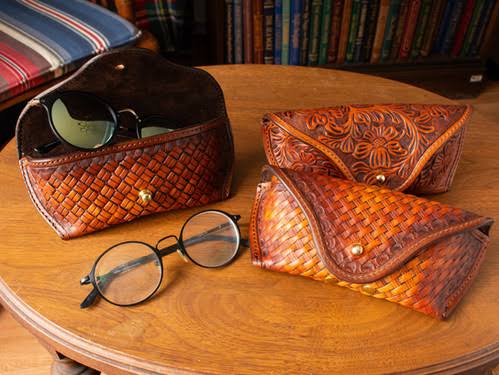
A Cross-Textural Conversation: The Tactile Collision of Leather Bags, Tweed Clothing, and Wood-Frame Eyewear
Introduction: When Materials Become the Main CharacterFashion is often discussed in terms of color, silhouette, trend, and season. Yet some of the...
The Ultimate Guide to Vacation-Style Outfits: Floral Dresses, Straw Bags, and Round Sunglasses for Summer
Summer is the season of relaxed mornings, warm afternoons, outdoor dinners, weekend getaways, and long-awaited vacations. It is also the perfect time...
The Romance of Earth Tones in Fall: The Color Aesthetics of Trench Coats, Saddle Bags, and Tea-Tinted Sunglasses
Introduction: Falling in Love With the Colors of AutumnThere is something irresistibly romantic about autumn fashion.As summer fades, bright colors gradually give...
Best Glasses for Your Face Shape: Round, Square, Oval & More
Introduction: The Right Glasses Can Transform Your Entire AppearanceChoosing a pair of glasses is about much more than simply correcting your vision....