


Glasses Keep Sliding Down Your Nose? 3 Easy At-Home Adjustments to Fix the Fit
There’s nothing more frustrating than constantly pushing your glasses back up your nose. Whether you’re working, driving, exercising, or simply relaxing, slipping frames can quickly become an everyday annoyance. Beyond the inconvenience, poorly fitting glasses can also affect vision clarity, cause discomfort, and even lead to long-term wear issues.
The good news? You don’t always need a trip to the optical shop to fix it. With a few simple adjustments and a bit of care, you can fine-tune your frames at home and enjoy a secure, comfortable fit again.
In this in-depth guide, you’ll learn why glasses slide down your nose, how proper fit impacts performance, and three effective at-home techniques to adjust your frames safely and correctly.
Why Do Glasses Slide Down in the First Place?
Before jumping into fixes, it helps to understand the root causes. Glasses don’t just randomly slip—there are specific factors that contribute to the problem.
1. Loose or Misaligned Nose Pads
If your glasses have adjustable nose pads, they may have shifted outward over time. This reduces grip and allows the frames to slide.
2. Temple Arms Are Too Wide
The arms (temples) of your glasses should gently hug your head. If they’re too wide or have lost their shape, they won’t provide enough support.
3. Oily or Sweaty Skin
Natural skin oils, sweat, and skincare products can reduce friction between your nose and the frames.
4. Frame Material Fatigue
Plastic frames can warp slightly over time, especially when exposed to heat or pressure.
5. Incorrect Fit from the Start
Sometimes, the frames were never properly fitted when you first got them.
Why Proper Fit Matters More Than You Think
A secure fit isn’t just about comfort—it directly affects how well your glasses perform.
Visual Accuracy
When glasses slide down, your eyes are no longer aligned with the optical center of the lenses. This can cause blurred vision, eye strain, and headaches.
Comfort and Stability
Constant slipping leads to pressure points on your nose and ears, making long-term wear uncomfortable.
Durability
Poor fit increases stress on certain parts of the frame, leading to faster wear and potential breakage.
Before You Start: Tools and Precautions
At-home adjustments are simple, but they require care.
Basic Tools You May Need
- Clean microfiber cloth
- Small screwdriver (for minor tightening)
- Warm water or a hairdryer (for plastic frames)
- Mirror for accuracy
Safety Tips
- Always make small adjustments
- Avoid using excessive force
- If something feels resistant, stop
- Work in a well-lit area
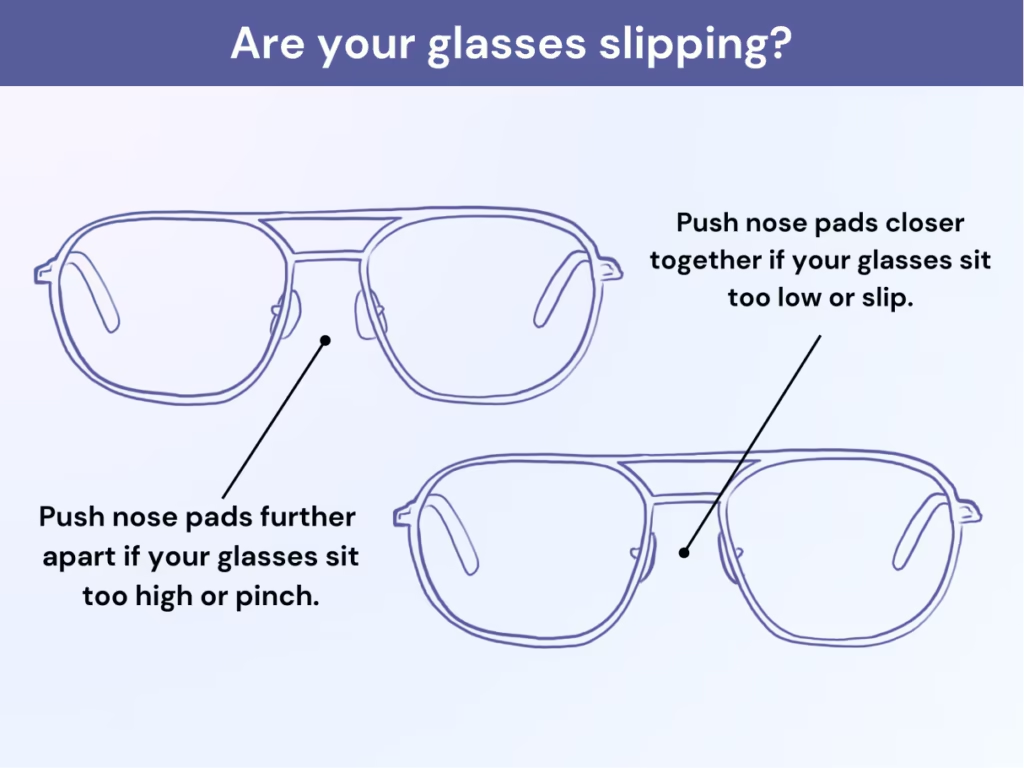
Tip #1: Adjust the Nose Pads for a Better Grip
If your glasses have nose pads, this is the quickest and most effective fix.
How Nose Pads Work
Nose pads distribute the weight of your glasses and help keep them centered. When they’re too far apart, the frames sit loosely and slide.
Step-by-Step Adjustment
- Hold the Frames Steady
Use both hands to avoid bending the frame unevenly. - Gently Push the Pads Inward
Move them closer together to create a snugger fit. - Check Alignment
Make sure both pads are symmetrical. - Test the Fit
Put your glasses on and see if they stay in place.
Pro Tip
If the pads feel slippery, consider replacing them with silicone versions for better grip.
Tip #2: Tighten and Shape the Temple Arms
The temple arms play a major role in keeping your glasses secure.
What Should They Feel Like?
They should rest comfortably over your ears and gently hug the sides of your head without squeezing.
For Metal Frames
- Slightly Bend the Ends Downward
This helps the arms hook behind your ears. - Adjust Symmetrically
Make equal changes on both sides.
For Plastic Frames
- Warm the Ends First
Use warm water or a hairdryer to soften the material. - Gently Bend Into Shape
Curve the ends slightly for a better grip. - Hold Until Set
Allow the material to cool and retain the new shape.
Common Mistake
Over-bending can cause discomfort or damage. Subtle changes are key.
Tip #3: Improve Bridge Fit and Frame Alignment
The bridge—the part that sits across your nose—affects overall stability.
Signs of a Poor Bridge Fit
- Glasses slide even when nose pads are adjusted
- Uneven pressure on your nose
- Frames tilt forward
How to Adjust
For Metal Frames
- Gently pinch the bridge area inward
- Ensure both sides remain even
For Plastic Frames
- Warm the bridge slightly
- Carefully reshape for a closer fit
Alignment Check
Place your glasses on a flat surface:
- Both temples should touch evenly
- Frames should not wobble
If they do, minor adjustments can correct the imbalance.
Additional At-Home Fixes That Make a Difference
Beyond structural adjustments, a few small changes can significantly improve grip.
Clean Your Glasses Regularly
Oil and dirt reduce friction.
- Wash with mild soap and water
- Dry with a microfiber cloth
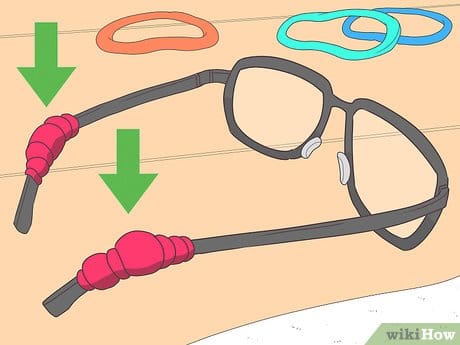
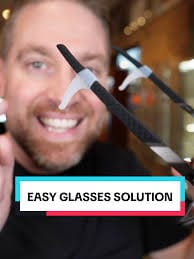
Use Anti-Slip Accessories
- Silicone ear hooks
- Adhesive nose pads
- Anti-slip wax
These are inexpensive and highly effective.
Adjust Your Wearing Habits
- Avoid pushing glasses up by one side
- Store them properly when not in use
- Keep them away from excessive heat
How Environment and Lifestyle Affect Fit
Your daily habits can influence how your glasses behave.
Heat Exposure
Leaving glasses in a hot car can warp frames, especially plastic ones.
Physical Activity
Sweat increases slipping. Consider sports straps or specialized frames if you’re active.
Skincare Products
Lotions and sunscreen can make your nose more slippery.
When At-Home Fixes Aren’t Enough
Sometimes, adjustments at home won’t fully solve the issue.
Signs You Need Professional Help
- Frames feel unstable despite adjustments
- Lenses are misaligned
- Frame is visibly warped or damaged
An optician has specialized tools and expertise to fine-tune your glasses.
Choosing Frames That Stay in Place
If slipping is a constant issue, it may be time to rethink your frame choice.
Key Features to Look For
- Adjustable nose pads
- Lightweight materials
- Proper bridge size
- Curved temple arms
Fit Matters More Than Style
A stylish frame that doesn’t fit well will always be frustrating. Prioritize comfort and stability.
Long-Term Maintenance for a Perfect Fit
Consistency is key to keeping your glasses in top condition.
Weekly Check
- Inspect screws and hinges
- Clean lenses and pads
Monthly Adjustment
- Reassess fit
- Make minor tweaks as needed
Annual Professional Tune-Up
Even with at-home care, a yearly adjustment ensures optimal performance.
Common Mistakes to Avoid
Even small errors can make things worse.
Using Too Much Force
Frames can bend or break easily.
Skipping Symmetry
Uneven adjustments lead to discomfort and poor alignment.
Ignoring Small Issues
Minor slipping can become a bigger problem over time.
Final Thoughts: Small Adjustments, Big Difference
Slipping glasses may seem like a minor inconvenience, but it can significantly impact your daily comfort and vision. The good news is that with just a few simple at-home adjustments—tweaking nose pads, reshaping temple arms, and improving bridge fit—you can transform how your glasses feel and perform.
The key is patience and precision. Small, careful changes go a long way in achieving a secure fit.
By incorporating these techniques into your routine, you’ll not only stop the constant slipping but also extend the life of your frames and enhance your overall wearing experience.
Frequently Asked Questions
Can I adjust all types of glasses at home?
Most frames can be adjusted slightly, but delicate or high-end frames may require professional handling.
How often should I adjust my glasses?
Only when needed. Frequent adjustments aren’t necessary if the fit is correct.
Is it safe to use heat on plastic frames?
Yes, but use low heat and proceed carefully to avoid damage.
What’s the quickest fix for slipping?
Adjusting the nose pads is usually the fastest and most effective solution.
Share this post






Long-Term Ownership Guide: How to Choose a Timeless Custom Eyewear Frame That Never Goes Out of Style and Is Easy to Refresh
Eyewear has evolved far beyond vision correction. Today, glasses function as personal identity, fashion statement, daily tool, and long-term investment all at...
The Zenith of Lightweight: The "Black Tech" Revolution in Customized Eyewear Materials
For the discerning eyewear wearer, the struggle has always been a trade-off between personality and pressure. We crave the bold, architectural lines...
Acetate vs Plastic Glasses Frames: Which is Better?
When selecting eyewear, understanding the differences between acetate and plastic frames can help you make the best choice for your needs. Both...
Best Browline Glasses for Men: A Timeless Style Choice
Browline glasses are known for their distinctive design, featuring a thicker upper frame that accentuates the browline. Originally popular in the 1940s...
The Ultimate Value Champion - How One Pair of Modular Glasses Can Handle Work, Workouts, and Dates
Real value is about buying smarter.We expect one smartphone to replace a camera, a GPS, a notebook, and a wallet.We expect one...
Why Expensive Designer Frames Sometimes Feel Less Comfortable Than Affordable Custom Glasses
Luxury branding has powerful influence.Walk into a high-end optical boutique and you’ll see familiar names displayed under soft lighting, often associated with...
Why Your Glasses Keep Getting Looser Over Time: How Improper Handling Causes Hidden Structural Damage
Glasses are designed to be durable, precise, and comfortable. Yet many people notice the same frustrating pattern: a new pair fits perfectly...
Digital Face Scanning: Marketing Hype or the Future of Millimeter-Level Eyewear Fit?
Walk into a modern optical store or browse premium eyewear brands online today, and you’ll likely encounter a bold promise: digital face...
How to Measure Pupillary Distance(PD)?
What Is Pupillary Distance(PD)?Pupillary Distance (PD) is the measurement, in millimeters, between the centers of your two pupils. This measurement is essential...
Do Long-Unused Custom Eyeglasses Need Lubrication? The Correct Way to Store and Preserve Them Long Term
Custom eyeglasses are more than everyday accessories. They are precision-built optical tools designed to match your face shape, prescription needs, and personal...
Why Do Glasses Nose Pads Turn Green and How to Fix It?
Have you ever noticed your glasses' nose pads turning green? It might seem unappealing, but it’s a common issue that many glasses...
How Custom Eyeglass Frames Balance Your Facial Features: The Science and Style Behind the Perfect Fit
Eyeglasses are no longer just tools for correcting vision. Today, they are among the most powerful personal style elements a person can...