


Eyeglass Frame Adjustment: DIY Fine-Tuning and Maintenance Tips for a Perfect Fit
- Improve comfort
- Enhance visual alignment
Hinges
Hinges connect the temples to the frame front.
Loose hinges can lead to:
- Crooked frames
- Poor fit
- Increased wear and tear
Regular hinge maintenance is essential.
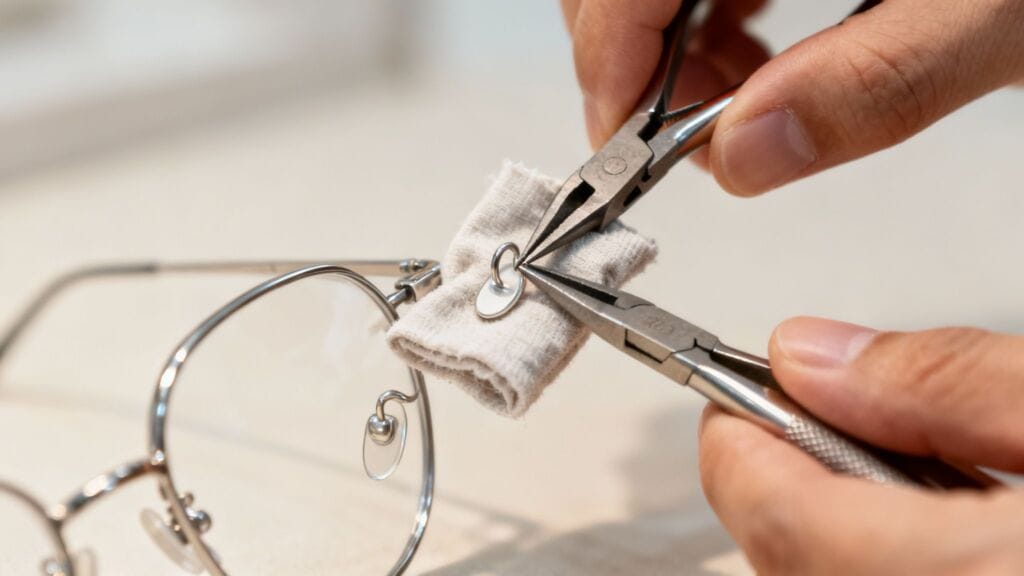
Signs Your Glasses Need Adjustment
Many wearers tolerate discomfort without realizing their glasses need simple adjustments.
Common warning signs include:
Glasses Sliding Down Your Nose
Possible causes:
- Loose nose pads
- Widened temples
- Excess facial oils
Uneven Lens Position
If one lens appears higher than the other, the frame may be bent or twisted.
Pressure Behind the Ears
This often indicates overly tight temple arms.
Nose Discomfort
Improper weight distribution can create pressure points on the bridge of the nose.
Crooked Appearance
If glasses appear tilted in the mirror, frame alignment is likely off.
Essential Tools for DIY Eyeglass Maintenance
You don't need a professional workshop to perform basic adjustments.
A simple eyewear maintenance kit should include:
Precision Screwdriver Set
Small screws can loosen over time.
A precision screwdriver helps:
- Tighten hinges
- Replace missing screws
- Maintain frame stability
Microfiber Cloth
Avoid paper towels and rough fabrics.
Microfiber safely removes:
- Dust
- Fingerprints
- Smudges
without scratching lenses.
Lens Cleaning Solution
Use products specifically designed for eyewear.
Avoid:
- Household cleaners
- Ammonia-based products
- Window cleaners
These can damage lens coatings.
Silicone Nose Pads
Replacement nose pads can restore comfort and improve fit.
Soft Pliers
Eyewear adjustment pliers with protective coatings can help perform minor frame corrections safely.
How to Fix Glasses That Slide Down Your Nose
This is one of the most common eyewear complaints.
Metal Frames
If your glasses have adjustable nose pads:
- Wash your hands.
- Hold the frame securely.
- Gently move both nose pads closer together.
- Test the fit.
- Repeat if necessary.
Make small adjustments only.
Plastic Frames
Plastic frames rely on temple tension rather than nose pads.
To improve grip:
- Slightly tighten temple curves behind the ears.
- Reduce frame slippage through proper cleaning.
Clean Contact Areas
Natural skin oils reduce friction.
Regularly clean:
- Nose pads
- Bridge area
- Temple tips
This simple step often improves stability.
Correcting Crooked Glasses
A crooked frame can affect both comfort and vision.
Determine the Cause
Place your glasses on a flat table.
Check whether:
- One temple sits higher.
- One side touches the surface first.
- The frame front appears twisted.
Adjusting Metal Temples
Carefully bend the temple arm in the opposite direction of the tilt.
Use gentle pressure.
Never force the frame.
Adjusting Plastic Temples
Plastic requires additional care.
Warm the temple under warm water for approximately 30 seconds.
Once slightly softened:
- Make small adjustments.
- Allow cooling before testing.
Avoid boiling water or excessive heat.
Reducing Pressure Behind the Ears
Glasses should feel secure without causing soreness.
Identify Tight Areas
Look for:
- Red marks
- Tender skin
- Pressure points
behind the ears.
Adjust Temple Curves
The temple tips should curve gently around the ear.
If too tight:
- Carefully reduce the curve.
- Make gradual modifications.
Test frequently during the process.
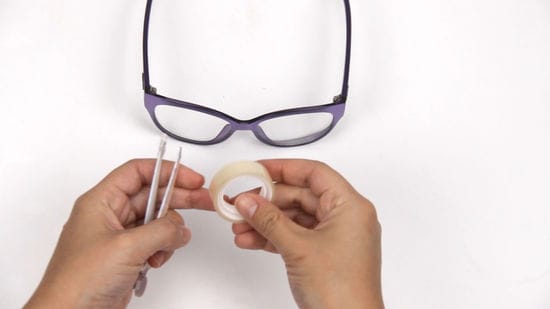
Adjusting Nose Pads for Better Comfort
Proper nose pad positioning dramatically improves wearability.
Nose Pads Too Wide
Symptoms include:
- Sliding
- Instability
Solution:
Move pads slightly inward.
Nose Pads Too Narrow
Symptoms include:
- Pinching
- Nose discomfort
Solution:
Move pads slightly outward.
Uneven Nose Pads
Misaligned pads can cause crooked positioning.
Ensure both sides mirror each other.
Tightening Loose Screws
Loose screws are a common maintenance issue.
Check Hinges Regularly
Inspect screws monthly.
Look for:
- Wobbling temples
- Uneven movement
Use the Correct Screwdriver
Avoid oversized tools.
A proper precision screwdriver prevents damage.
Apply Thread Locker Carefully
Some users apply a tiny amount of optical-safe thread locker for long-term stability.
Avoid excessive application.
Cleaning Your Glasses Properly
Proper cleaning protects both lenses and frames.
Step 1: Rinse First
Always rinse glasses before wiping.
This removes abrasive particles.
Step 2: Use Lens Cleaner
Apply a dedicated cleaning solution.
Avoid:
- Household detergents
- Harsh chemicals
unless approved by the manufacturer.
Step 3: Dry with Microfiber
Use gentle circular motions.
Never use:
- Shirts
- Tissues
- Napkins
These materials may scratch lenses.
Preventing Common Frame Damage
Good habits significantly extend frame life.
Avoid One-Hand Removal
Using one hand twists the frame.
Always remove glasses with both hands.
Store Glasses Properly
Use a hard protective case whenever possible.
This prevents:
- Scratches
- Crushing
- Misalignment
Keep Away from Excessive Heat
Heat can warp frames.
Avoid leaving glasses:
- Inside hot vehicles
- Near heaters
- Under direct sunlight for extended periods
Caring for Different Frame Materials
Each material requires unique maintenance.
Acetate Frames
Acetate offers excellent style and durability.
Maintenance tips:
- Clean regularly
- Avoid extreme temperatures
- Polish occasionally
Titanium Frames
Titanium is lightweight and corrosion-resistant.
Benefits include:
- Strength
- Flexibility
- Longevity
Minimal maintenance is typically required.
Stainless Steel Frames
Stainless steel frames resist rust but still require regular cleaning.
Inspect hinges periodically.
TR90 Frames
TR90 is known for flexibility.
Advantages:
- Lightweight
- Durable
- Comfortable
However, excessive force can still cause deformation.
Common DIY Mistakes to Avoid
Many eyewear problems result from overly aggressive adjustments.
Making Large Adjustments
Small changes produce significant effects.
Avoid dramatic bending.
Using Excessive Force
Frames are designed for precision, not brute strength.
Applying Direct Heat
Hair dryers and open flames can permanently damage frames.
Warm water is usually sufficient.
Ignoring Manufacturer Recommendations
Different materials behave differently.
Always follow manufacturer guidelines.
When to Seek Professional Help
Not every issue should be handled at home.
Professional assistance is recommended for:
Broken Hinges
Hinge repairs often require specialized tools.
Cracked Frames
Structural damage can worsen quickly.
Severe Frame Misalignment
Major bends may require professional reshaping.
Lens-Related Issues
Problems involving lenses should typically be addressed by an optician.
Building a Monthly Eyewear Maintenance Routine
Preventive care reduces future problems.
Weekly Tasks
- Clean lenses thoroughly.
- Wipe frame surfaces.
- Inspect nose pads.
Monthly Tasks
- Tighten screws.
- Check alignment.
- Examine temples.
Seasonal Tasks
- Deep clean frames.
- Replace worn nose pads.
- Evaluate overall fit.
Regular maintenance helps preserve comfort and appearance.
How Proper Frame Fit Affects Vision
Many wearers underestimate the relationship between fit and visual performance.
Poor alignment can lead to:
- Eye strain
- Blurred vision
- Headaches
- Reduced lens effectiveness
A properly adjusted frame ensures that lenses sit in the intended optical position.
Extending the Lifespan of Your Eyewear Investment
Quality glasses can last for years when properly maintained.
Key habits include:
- Careful handling
- Regular cleaning
- Prompt adjustments
- Proper storage
These practices help preserve both aesthetics and functionality.
Conclusion
Eyeglasses are one of the most frequently used personal accessories, yet many people overlook the importance of proper frame adjustment and maintenance. Learning a few simple DIY techniques can solve common issues such as slipping, crooked alignment, loose hinges, and discomfort behind the ears.
By understanding frame anatomy, using the right tools, performing regular inspections, and adopting smart care habits, you can enjoy better comfort, clearer vision, and longer-lasting eyewear. While some repairs require professional assistance, many everyday fit problems can be safely addressed at home with patience and precision.
A well-maintained pair of glasses not only improves your vision but also enhances your daily comfort, confidence, and overall eyewear experience.
Share this post


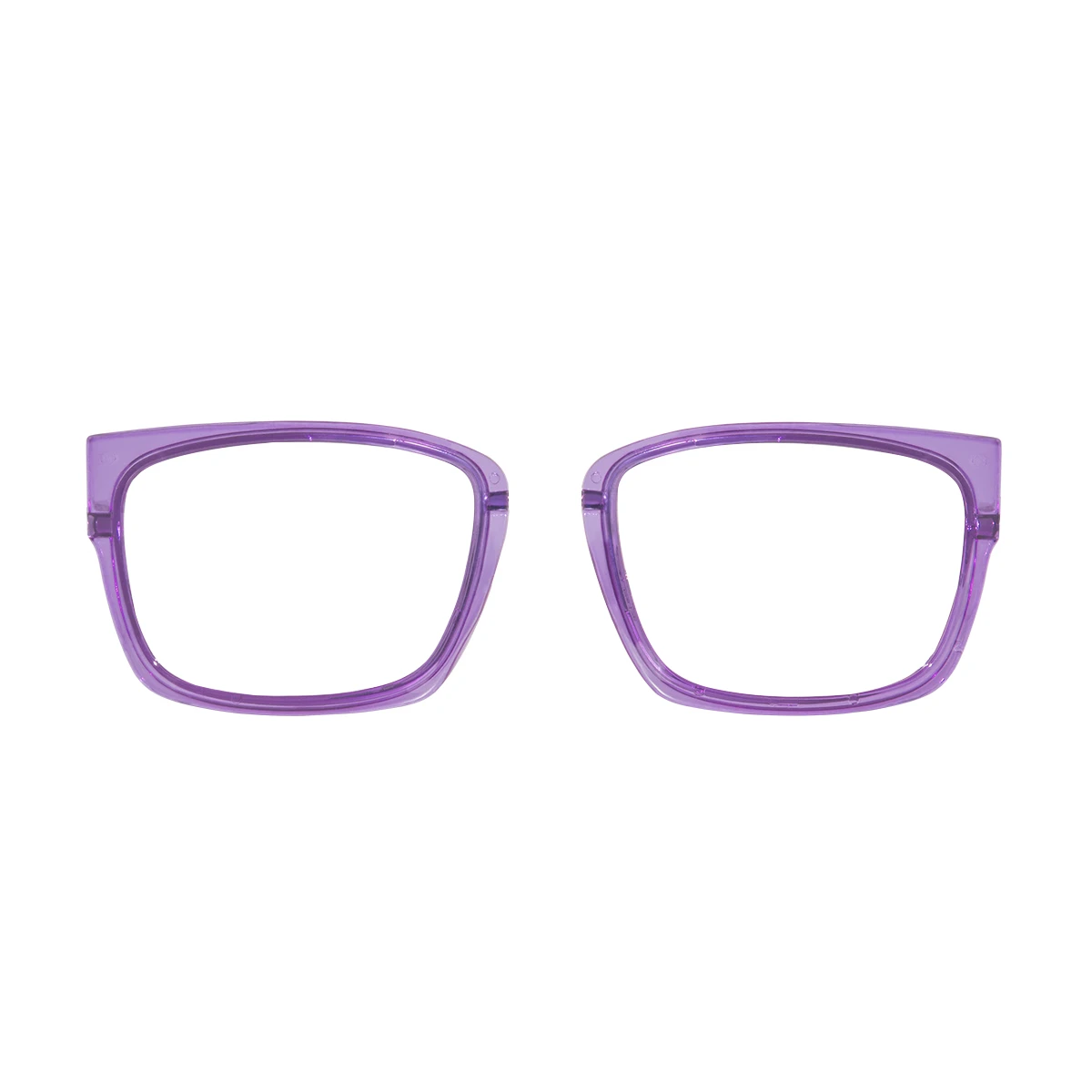
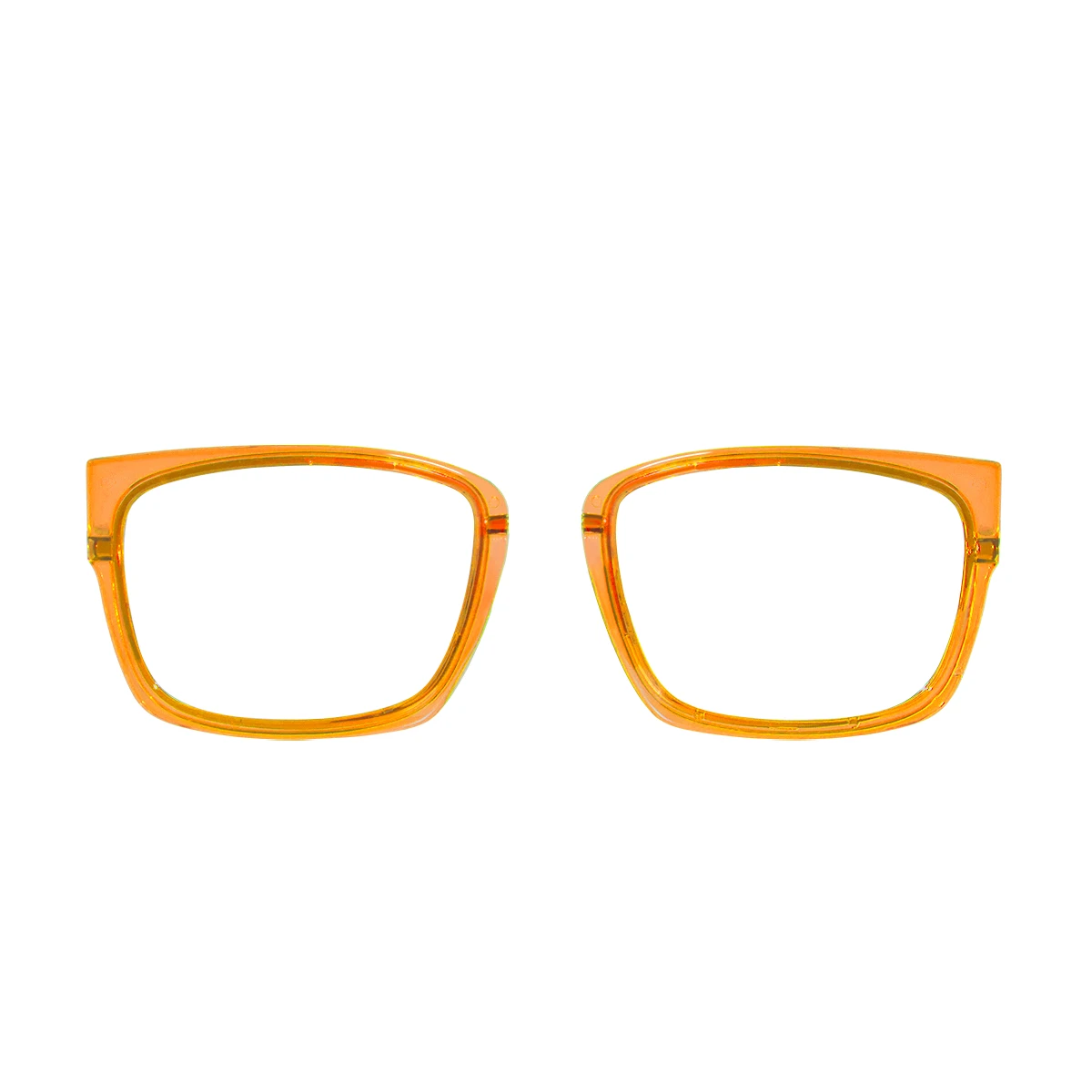
- Burgundy – Crystal (C01)
- Red – Crystal(C02)
- Burnt Orange – Crystal(C03)
- Marmalade – Crystal(C04)
- Sunshine Yellow – Crystal(C05)
- Lime Green – Crystal(C06)
- Sage – Crystal(C08)
- Green Forest – Crystal(C07)
- Army Green – Crystal(C09)
- Spruce – Crystal(C10)
- Turquiise – Crystal(C11)
- Cornflower– Crystal(C12)
- Navy – Crystal(C13)
- Indigo – Crystal(C14)
- Blue Orchid – Crystal(C15)
- Mauve – Crystal(C16)
- Lavender – Crystal(C21)
- Purple – Crystal(C17)
- Grape – Crystal(C18)
- Coral – Crystal(C19)
- Hot Pink – Crystal(C20)
- Chocolate – Crystal(C22)





Beyond the Optical Clone: Reclaiming Your Identity in the Era of Mass-Produced Eyewear
In the modern age of "Fast Fashion," we are living through a crisis of homogeneity. Walk into any coffee shop in Brooklyn,...
MirrorVision Concierge: Your All-in-One Eyewear Care Expert
Eyeglasses have become more than a simple vision correction tool. Today, they are an essential part of everyday life, personal style, workplace...
Discover the Best Black Glasses
Black glasses are a timeless choice for eyewear enthusiasts. Their classic appeal, versatile nature, and ability to pair with any outfit make...
From Crowdfunded Sensation to Mainstream Market: A Brief History of the Custom Eyewear Industry
Over the past fifteen years, the custom eyewear industry has transformed from a niche concept backed by passionate early adopters into a...
Can You Replace Lenses in Old Frames?
Over time, your vision may change, requiring a new prescription for corrective lenses. However, this doesn’t necessarily mean you need to replace...
How to Properly Wear and Care for Ski Goggles
Ski goggles are essential for protecting your eyes on the slopes, providing clear vision and shielding against harmful elements like UV rays,...

The Active Athlete’s Eyewear Survival Guide: How to Prevent Impact Damage and Sweat Wear
For athletes and fitness enthusiasts, eyewear isn’t just an accessory—it’s essential gear. Whether you’re sprinting under the sun, grinding through a high-intensity...
Say Goodbye to Grease: How to Thoroughly Clean Sweat, Oil, and Salt Buildup Inside Your Eyeglass Frames During Summer
Summer brings longer days, brighter sunlight, outdoor activities—and a frustrating problem for anyone who wears glasses daily: sweat and oil buildup on...
Exploring Aerospace Materials in Modern Custom Eyeglasses
Eyeglasses are no longer just simple tools for vision correction. In the modern world, they have evolved into sophisticated products that blend...
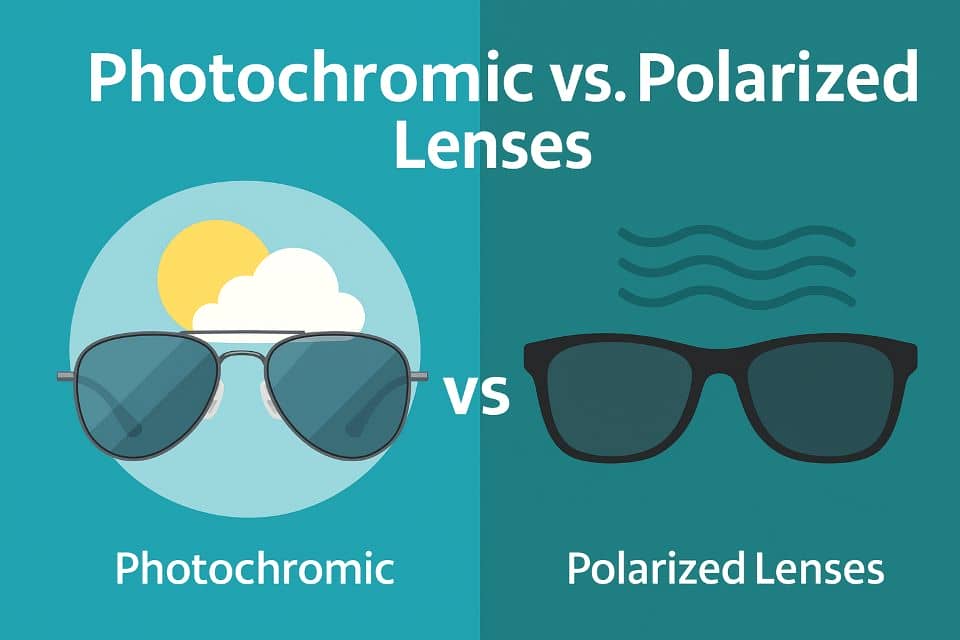
Polarized vs. Photochromic Lenses: How to Customize the Perfect Tint for Your Driving and Outdoor Lifestyle
When it comes to choosing the right eyewear for outdoor activities, the decision goes far beyond style. The lenses you wear can...
The Secret Weapon for Sculpting Your Face: How to Customize Eyewear Based on Your Cheekbones and Brow Shape
When it comes to elevating your appearance, most people think about hairstyles, makeup, or wardrobe upgrades. But there’s one transformative accessory that...
Why Clip-Lock Eyewear Frames Outlast Traditional Magnetic Accessories: The Engineering Behind Long-Term Durability
Introduction: Convenience vs. Longevity in Modern Eyewear DesignEyewear has evolved far beyond simple vision correction. Today’s glasses often serve multiple functions —...