


How to Measure Pupillary Distance(PD)?
What Is Pupillary Distance(PD)?
Pupillary Distance (PD) is the measurement, in millimeters, between the centers of your two pupils. This measurement is essential for crafting eyeglasses, as it ensures that the lenses’ optical centers align with your line of sight for optimal vision clarity.
Steps to measure your PD
Note: The average PD ranges from 54 to 78mm, but actual measurements may vary. To ensure accuracy, measure your PD 2-3 times.
Step1
Stand at arm's length from a friend or position yourself about 8 inches (20cm) away from a mirror.

Step2
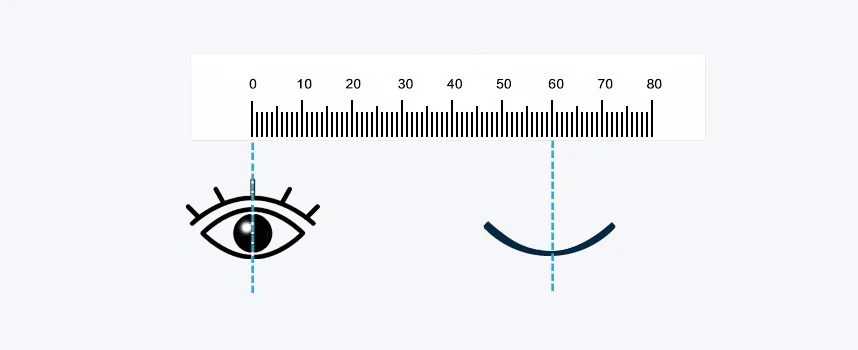
Close your right eye and position the 0 mm mark of a ruler over the center of your left pupil.
Step3
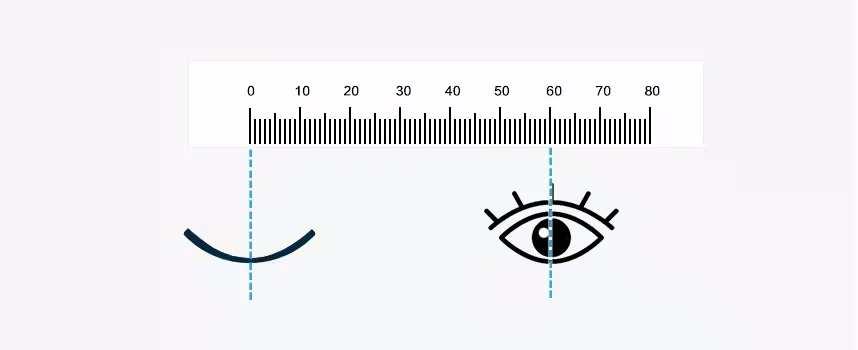
Close your left eye and note the measurement that aligns with the center of your right pupil. This value is your Total PD.
Step4
Measure the distance from the center of each pupil to the bridge of your nose separately. This will confirm if you have two distinct PD measurements for each eye.
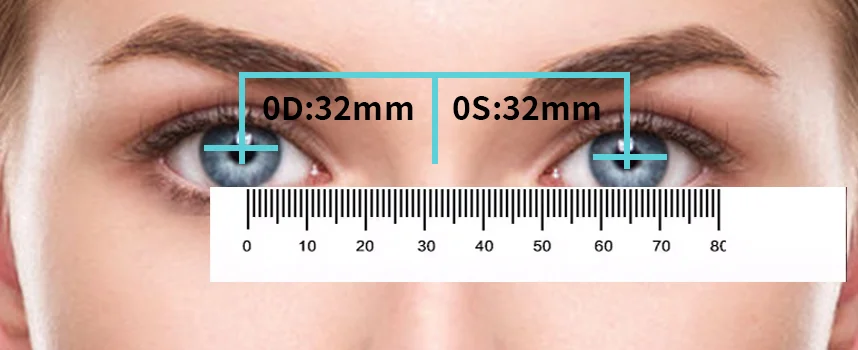
By following these steps, you can obtain accurate PD measurements, ensuring your glasses provide maximum comfort and visual precision.
Share this post




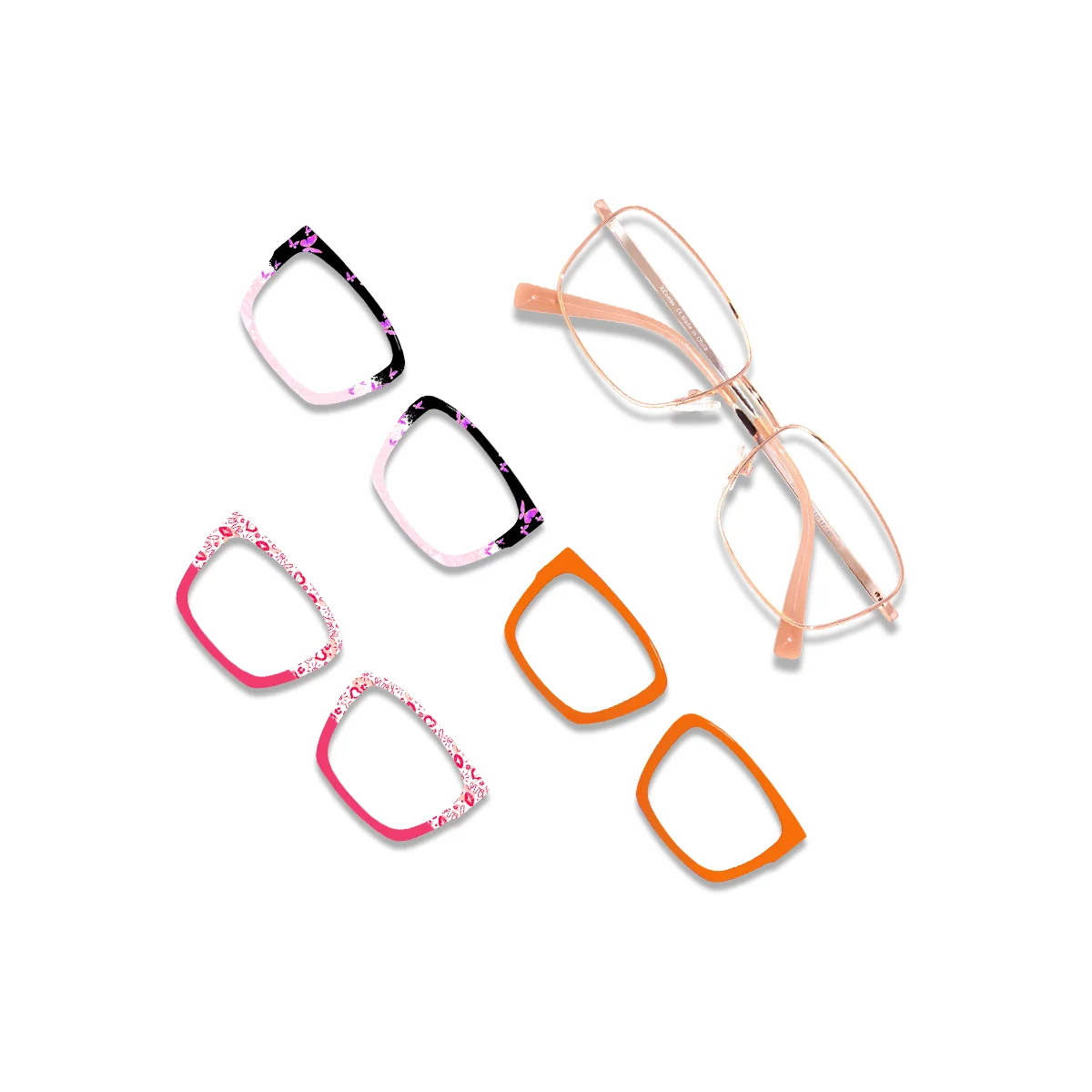
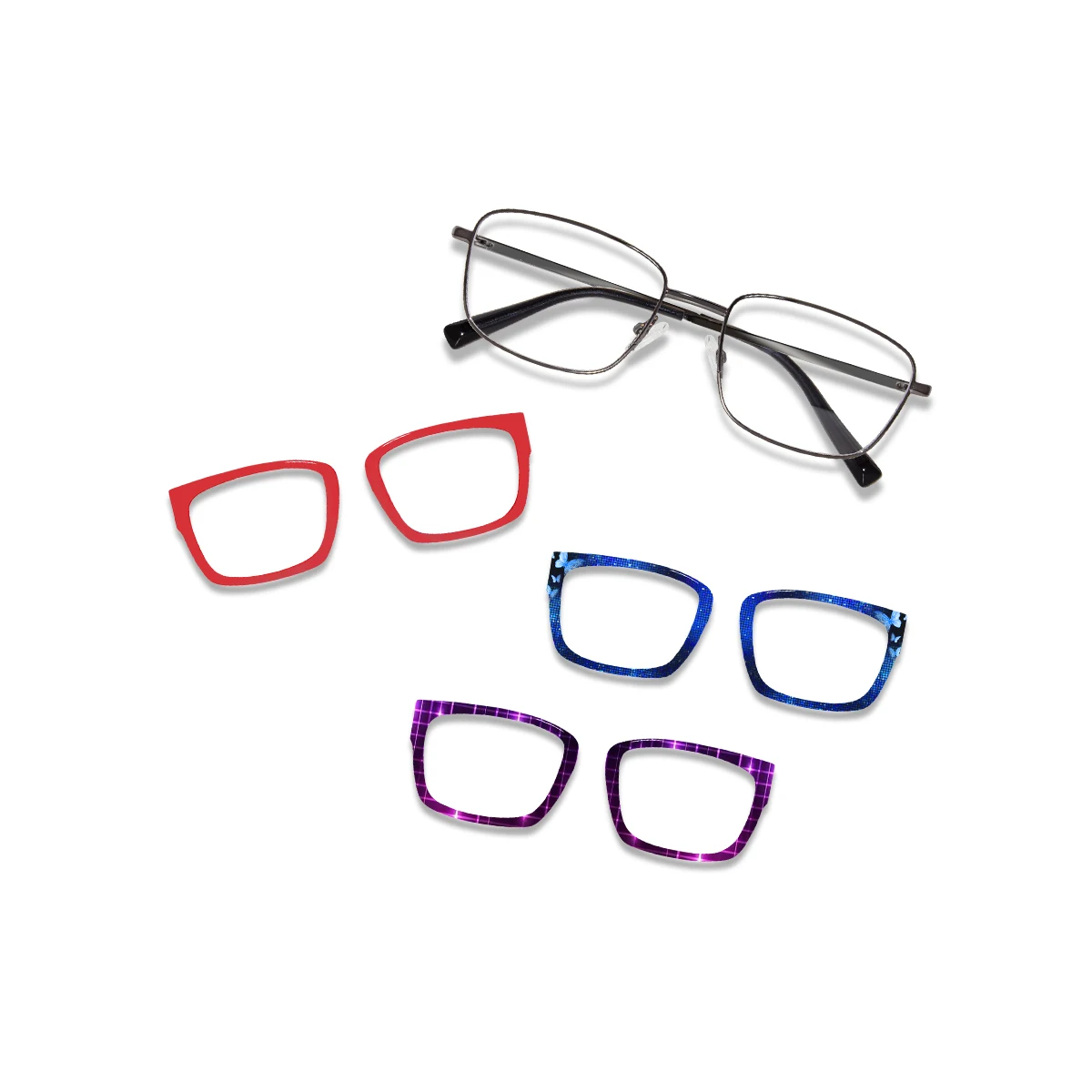




Modular Glasses vs Traditional Glasses
A Deep, Real-World Test of Pros, Cons, and Everyday PerformanceFor a long time, glasses were simple:You chose a pair.You wore them everywhere.That...
Clear Vision, Clear Life: The Ultimate Eyeglass Care Guide for Everyday Living
Eyeglasses are more than just vision tools. For millions of people, they are essential daily companions that improve productivity, confidence, comfort, and...
The Nearsighted Sunglasses Dilemma: Are Magnetic Clip-ons the Ultimate "Transition" Killer?
If you live life through a prescription lens, summer isn't just about sunshine and beach days—it’s about the logistical nightmare of eye...
How to Extend the Lifespan of Your Beloved Eyewear
Eyewear is more than just a vision aid—it’s a part of your daily life, a fashion statement, and often a long-term investment....
Say Goodbye to the “Glasses Slip”: A Complete Ergonomic Guide to Custom Nose Pads for Low Nose Bridge Face Shapes
Eyeglasses are meant to improve vision, enhance comfort, and complement personal style — not constantly slide down your face. Yet for millions...
Why Your Custom Glasses Keep Getting Loose: Material Flexibility Indicators You Must Check Before Buying
Custom eyewear is often associated with precision, comfort, and premium craftsmanship. Many buyers expect that once they invest in tailored glasses, the...
Discover the Best Black Glasses
Black glasses are a timeless choice for eyewear enthusiasts. Their classic appeal, versatile nature, and ability to pair with any outfit make...
From Office Pro to Party Icon
10 Style Transformations You Can Master With Modular GlassesFor a long time, glasses were treated as a necessity.You picked one pair.You wore...
The "One and Done" Investment: Why Custom Eyewear Is Actually Cheaper Than the "Cheap" Alternative
In the world of personal finance, there is a concept known as the "Boots Theory" of socioeconomic unfairness. Coined by author Terry...
Eye Care Diary: Giving Your Lenses a “Mini Makeover”
For many people, eyeglasses are more than a vision correction tool. They are part of daily life, personal style, work performance, digital...
Digital Face Scanning: Marketing Hype or the Future of Millimeter-Level Eyewear Fit?
Walk into a modern optical store or browse premium eyewear brands online today, and you’ll likely encounter a bold promise: digital face...
What Do the Numbers on Your Glasses Mean? Complete Guide to Frame Measurements
Ever noticed the small numbers inside your glasses frame and wondered what they meant? These numbers aren’t just random; they represent essential...