


The Philosophy of Clear Vision: How to Make Your Eyeglasses Last Longer
Eyeglasses are often thought of as simple accessories—something we put on in the morning and take off before bed. But for millions of people, they are much more than that. They are essential tools that shape how we interact with the world. They help us read, work, drive, create, connect, and experience life's smallest details.
In many ways, a good pair of glasses becomes a trusted companion. They travel with us through long workdays, weekend adventures, family vacations, and everyday routines. Yet despite relying on them constantly, many people unknowingly shorten the lifespan of their eyewear through simple habits that are easy to avoid.
The good news is that keeping your glasses in excellent condition doesn't require expensive products or professional maintenance every month. A few small changes in how you clean, store, and wear your glasses can help them stay comfortable, functional, and clear for years.
This is the philosophy of clear vision: taking care of the things that help you see the world more clearly—and making thoughtful choices that allow them to serve you longer.
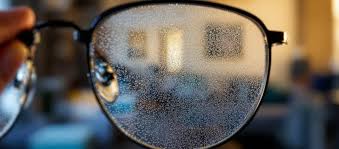
Why Eyeglasses Deserve Better Care
Think about how often you use your glasses.
Unlike a watch or a piece of jewelry that might be worn occasionally, prescription glasses often stay on your face for ten to sixteen hours a day. They are exposed to sunlight, dust, skin oils, changing temperatures, humidity, rain, accidental drops, and constant handling.
Every time you:
- Push your glasses up with one finger,
- Toss them onto a desk,
- Clean them with a shirt sleeve,
- Leave them inside a hot car,
- Or place them lens-side down,
you create a little more wear and tear.
Most serious eyeglass damage doesn't happen in one dramatic accident. Instead, it builds gradually through small daily habits.
Protecting your eyewear isn't just about saving money. It's about maintaining consistent visual comfort and preserving an item that plays an important role in your everyday life.
The True Lifespan of a Pair of Glasses
Many people assume glasses are designed to be replaced every year. In reality, a quality pair of frames can often last several years when properly maintained.
The actual lifespan depends on several factors:
- Frame material.
- Lens quality.
- Frequency of use.
- Storage habits.
- Cleaning methods.
- Exposure to environmental conditions.
Prescription changes may require new lenses before the frame wears out, but well-cared-for frames often remain perfectly usable through multiple lens replacements.
High-quality acetate, titanium, stainless steel, and flexible memory metal frames are especially known for their durability when maintained correctly.
The challenge isn't that glasses are fragile. The challenge is that they are constantly exposed to the little stresses of everyday life.
The Biggest Mistake: Cleaning Glasses the Wrong Way
Ask any optician about the most common cause of scratched lenses, and you'll probably hear the same answer: improper cleaning.
Many people instinctively wipe their lenses with whatever is nearby:
- A T-shirt.
- A paper towel.
- A napkin.
- The edge of a jacket.
- A tissue from the car dashboard.
While these materials may feel soft, they often trap dust particles and microscopic debris that act like fine sandpaper.
Over time, repeated dry wiping creates tiny scratches across the lens surface. Individually they may be invisible, but together they reduce clarity and increase glare, especially during night driving.
The Right Way to Clean Your Glasses
A simple cleaning routine can dramatically extend lens life.
- Rinse the lenses with lukewarm water to remove dust.
- Apply a small amount of lotion-free dish soap or a lens-safe cleaning solution.
- Gently clean both sides of the lenses and the frame.
- Rinse thoroughly.
- Dry with a clean microfiber cloth designed for eyewear.
Avoid using:
- Household glass cleaners.
- Ammonia-based products.
- Alcohol wipes unless specifically approved for coated lenses.
- Rough fabrics or paper products.
A clean microfiber cloth is one of the least expensive yet most valuable accessories any glasses wearer can own.
Stop Using Your Shirt as a Cleaning Cloth
Almost everyone has done it.
You notice a smudge, grab the bottom of your shirt, and quickly wipe the lenses before heading into a meeting or getting into the car.
It seems harmless, but clothing fibers often contain trapped dust and dirt. Even freshly washed shirts may carry tiny mineral particles left behind by detergents or dryers.
Occasional emergency wiping won't instantly ruin your glasses, but making it a daily habit significantly increases the risk of long-term lens scratching.
If you wear glasses regularly, keeping a microfiber cloth in your pocket, purse, backpack, or desk drawer is a much better solution.
Why a Protective Case Matters
One of the easiest ways to extend the life of your glasses is also one of the most overlooked: use a case.
A hard-shell protective case shields your eyewear from:
- Accidental crushing.
- Dust buildup.
- Scratches.
- Bending.
- Drops during travel.
Whenever you're not wearing your glasses, they should have a safe place to go.
Never Leave Glasses Loose in a Bag
Backpacks, handbags, and gym bags are full of keys, chargers, pens, water bottles, and other objects that can scratch or bend frames.
Even a soft pouch offers better protection than no case at all, but a rigid case provides the highest level of security for everyday transport.
The Lens-Down Habit That Damages Coatings
Another common mistake is placing glasses on a table with the lenses facing downward.
It feels stable and convenient, but every hard surface creates friction against the lens coating.
Even polished desks and countertops collect microscopic dust particles that can scratch protective coatings over time.
Instead, always place glasses:
- Folded with the temples closed.
- Standing upright if the frame design allows.
- Inside a protective case.
Small habits like this add up over months and years.
Heat Is One of Your Glasses' Biggest Enemies
Most people worry about dropping their glasses but rarely think about temperature.
Excessive heat can damage both lenses and frames.
Common high-heat environments include:
- Car dashboards.
- Glove compartments.
- Beach chairs under direct sunlight.
- Sauna rooms.
- Kitchen counters near ovens.
- Window ledges during summer.
High temperatures may:
- Warp plastic frames.
- Weaken adhesives.
- Damage anti-reflective coatings.
- Distort lens alignment.
- Reduce the lifespan of blue light or UV protective treatments.
Never leave your glasses inside a parked car on a hot day. Interior temperatures can rise dramatically within a short period.
Use Both Hands When Taking Off Your Glasses
It seems like a minor detail, but removing glasses with one hand places uneven pressure on the frame.
Over time, this repeated twisting can:
- Misalign the temples.
- Loosen screws.
- Stretch hinges.
- Cause the frame to sit unevenly on your face.
Using both hands helps maintain the original shape and fit of your glasses.
This simple habit takes no extra effort once it becomes routine.
Don't Ignore Loose Screws
If your glasses feel slightly crooked or one temple becomes loose, it's tempting to ignore the issue.
However, small mechanical problems often become bigger ones.
A loose hinge screw can eventually fall out entirely, leaving one side of the frame detached. Continuing to wear unstable frames also creates additional stress on other components.
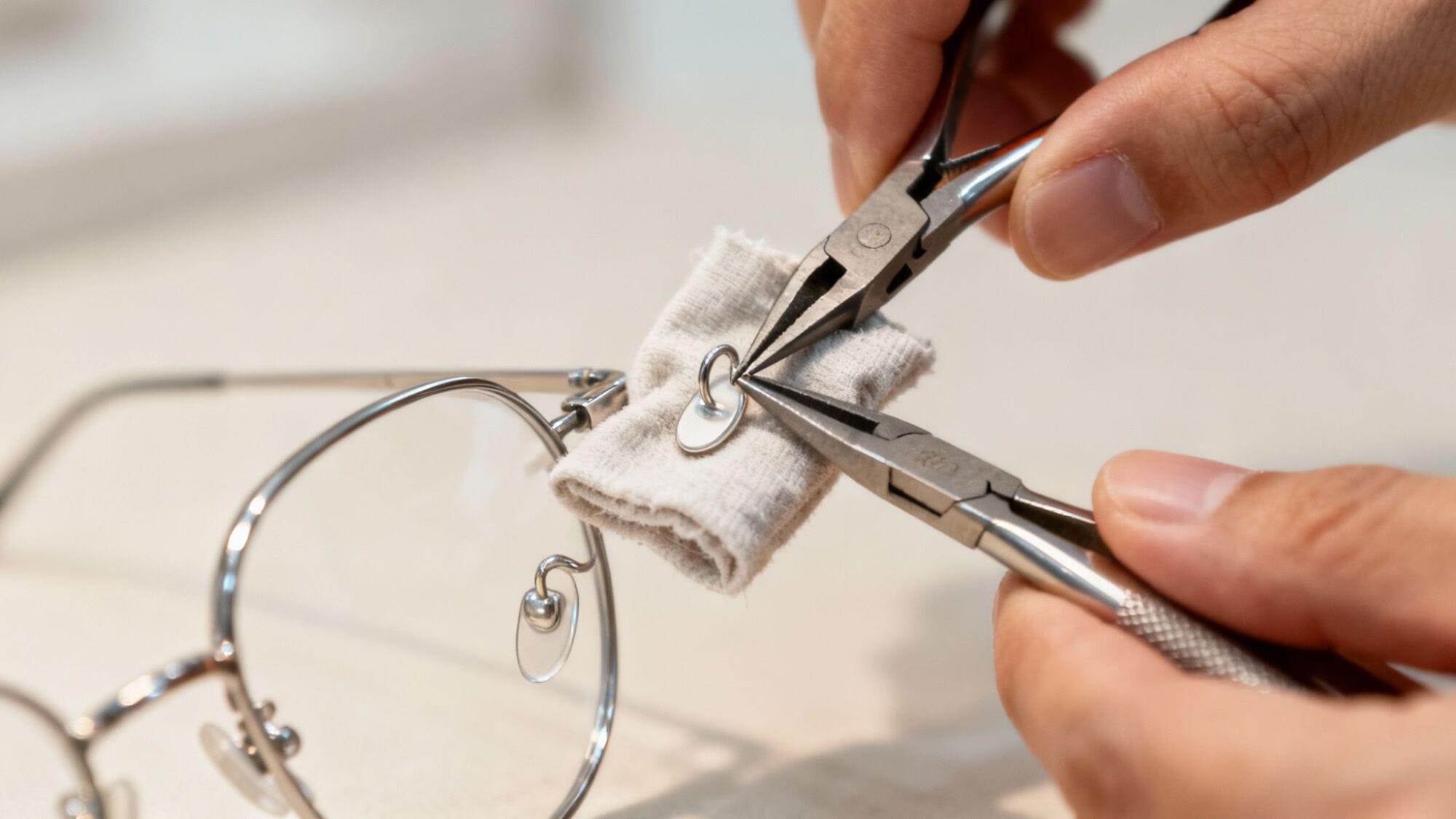
Keeping a compact eyeglass repair kit at home is a smart investment. Most kits include:
- Mini screwdrivers.
- Replacement screws.
- Nose pads.
- Tweezers.
- Magnifying tools.
A thirty-second adjustment today may prevent a costly repair later.
Understanding Lens Coatings and How to Protect Them
Modern lenses are more advanced than ever before. Many include specialized coatings that improve comfort and durability.
Common options include:
- Anti-reflective coating.
- Scratch-resistant coating.
- UV protection.
- Blue light filtering.
- Hydrophobic (water-repellent) coating.
- Oleophobic (oil-resistant) coating.
These coatings enhance performance, but they also require proper care.
Harsh chemicals and abrasive cleaning methods can gradually break down protective layers, leading to peeling, cloudiness, or reduced effectiveness.
Treat coated lenses gently, and always follow manufacturer care recommendations.
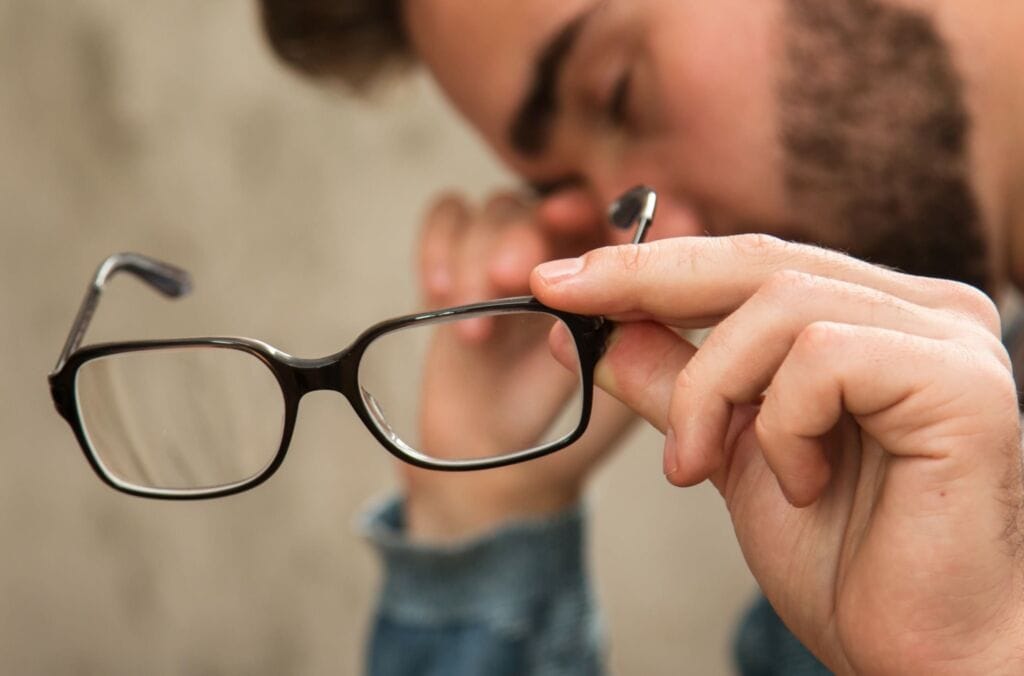
Blue Light Glasses and Digital Life
Today's lifestyles mean more screen time than ever before. Many people switch between computers, smartphones, tablets, and televisions throughout the day.
Blue light filtering lenses have become increasingly popular among office workers, students, gamers, and remote professionals.
If you use blue light glasses daily, proper maintenance becomes even more important. Smudges and scratches can increase visual distractions during extended screen use, reducing overall comfort.
Keeping lenses clean and coatings intact helps maximize the intended viewing experience.
Frame Materials: Which Ones Last the Longest?
Not all eyeglass frames are created equal.
Acetate Frames
Acetate is lightweight, durable, and available in a wide range of colors and patterns. With proper care, acetate frames can maintain their appearance for many years.
Titanium Frames
Titanium is highly resistant to corrosion and extremely lightweight. It's an excellent choice for people seeking long-lasting, low-maintenance eyewear.
Stainless Steel Frames
Strong and relatively affordable, stainless steel frames offer a good balance between durability and style.
Memory Metal Frames
Flexible memory alloys can bend and return to their original shape, making them popular among active users and families with children.
Choosing a durable frame material at the beginning can reduce the need for frequent replacements later.
The Hidden Cost of Cheap Eyewear
Budget-friendly glasses have made vision correction more accessible, which is a positive development. However, extremely inexpensive frames sometimes achieve lower prices by compromising on materials and construction.
Common issues include:
- Weak hinges.
- Thin coatings.
- Lower-quality screws.
- Brittle plastics.
- Reduced adjustment flexibility.
A higher-quality frame may cost more upfront, but if it lasts three or four times longer, the long-term value can actually be better.
The goal isn't necessarily to buy the most expensive pair available. It's to find the best balance between quality, comfort, and durability.
Regular Adjustments Can Extend Frame Life
Many people don't realize that eyeglass adjustments are a normal part of ownership.
Daily wear gradually changes frame alignment. Heat, facial movement, and repeated handling can alter how glasses sit on your nose and ears.
Periodic professional adjustments help:
- Restore proper fit.
- Reduce pressure points.
- Prevent uneven stress.
- Keep lenses aligned with your eyes.
A well-adjusted frame not only feels better but also experiences less mechanical strain over time.
Sustainable Thinking: Buy Less, Use Longer
The philosophy of making your glasses last longer also connects to a broader idea: thoughtful consumption.
Replacing products only when necessary helps reduce waste and minimizes the environmental impact associated with manufacturing, packaging, and shipping.
Many eyewear brands now offer:
- Replaceable lenses.
- Frame repair services.
- Recycled frame materials.
- Sustainable packaging.
- Spare parts for long-term maintenance.
Choosing durable products and caring for them responsibly benefits both your wallet and the environment.
A Simple Daily Routine for Better Eyeglass Care
Good eyewear maintenance doesn't have to be complicated.
Every Morning
- Check for visible smudges or dust.
- Clean lenses if needed using proper methods.
- Make sure screws and hinges feel secure.
During the Day
- Remove glasses using both hands.
- Avoid placing them lens-side down.
- Use a microfiber cloth instead of clothing.
At Night
- Wipe away fingerprints and oils.
- Store glasses inside a protective case.
- Keep them away from heat and direct sunlight.
This routine takes less than two minutes but can significantly extend the lifespan of your eyewear.
Signs It's Time to Replace Your Glasses
Even with excellent care, every pair of glasses eventually reaches the end of its useful life.
You may want to consider replacement if:
- Your prescription has changed.
- Lens coatings are peeling.
- Scratches interfere with vision.
- Frames repeatedly lose alignment.
- Hinges can no longer be repaired.
- The frame material has cracked or become brittle.
Replacing glasses doesn't mean the previous pair failed. It simply reflects the natural cycle of a product that has faithfully served its purpose.
Frequently Asked Questions
How often should I clean my glasses?
Light cleaning once or twice a day is usually enough for most people. Remove dust before wiping to avoid scratching the lenses.
Can I use household glass cleaner?
No. Many glass cleaners contain ammonia or other chemicals that may damage lens coatings.
Is it okay to wash glasses with dish soap?
Yes, as long as you use a mild, lotion-free dish soap and rinse thoroughly with lukewarm water.
How long should a good pair of glasses last?
Quality frames can often last several years with proper care. Lenses may need replacement sooner due to prescription updates or coating wear.
What's the best way to store glasses?
A hard protective case is the safest option whenever you're not wearing them.
Final Thoughts: Clear Vision Is About More Than Sight
Eyeglasses are one of the few personal items we depend on every single day. They help us experience the world, connect with others, and perform countless everyday tasks that we often take for granted.
Taking care of them isn't simply about protecting an investment. It's about respecting the tools that help us see life's details with clarity.
The philosophy of clear vision is built on small, intentional habits:
- Clean your lenses properly.
- Store your glasses safely.
- Handle them with care.
- Choose quality over disposability.
- Repair when possible instead of replacing immediately.
These simple choices allow your eyewear to remain comfortable, functional, and reliable for much longer.
In a world where many products are designed to be replaced quickly, there is something refreshing about keeping a well-made pair of glasses by your side for years. Every scratch avoided, every hinge tightened, and every careful cleaning routine adds a little more life to an object that quietly supports your daily routine.
After all, clear vision isn't just about what you see through your glasses. It's also about seeing the value in taking care of the things that matter.
Share this post
- Bone Rattle (PH01)
- Haunted Plaid (PH02)
- Pumpkin King (PH03)
- Night Sky Bat (PH04)
- Pumpkin Parade (PH05)
- Spooky Duo (PH06)
- Witch’s Cat (PH07)
- Mint Ghost (PH08)
- Dark Spell (PH09)
- Midnight Meow (PH10)
- Ghost Mosaic (PH11)
- Skull Storm (PH13)
- Wicked Glow (PH14)
- Haunted Gray (PH15)
- Phantom Mosaic (PH16)
- Midnight Dots (PH17)
- Haunted Medley (PH18)
- Nightmare Mix (PH19)
- Ghost Fade (PH20)
- Candy Curse (PH26)
- Ghost Drift (PH21)
- Pumpkin Fusion (PH22)
- Shadow Spirit (PH23)
- Spooky Toon (PH24)
- Demon Grin (PH25)
- Autumn Bloom (PH27)




- Burgundy – Crystal (C01)
- Red – Crystal(C02)
- Burnt Orange – Crystal(C03)
- Marmalade – Crystal(C04)
- Sunshine Yellow – Crystal(C05)
- Lime Green – Crystal(C06)
- Sage – Crystal(C08)
- Green Forest – Crystal(C07)
- Army Green – Crystal(C09)
- Spruce – Crystal(C10)
- Turquiise – Crystal(C11)
- Cornflower– Crystal(C12)
- Navy – Crystal(C13)
- Indigo – Crystal(C14)
- Blue Orchid – Crystal(C15)
- Mauve – Crystal(C16)
- Lavender – Crystal(C21)
- Purple – Crystal(C17)
- Grape – Crystal(C18)
- Coral – Crystal(C19)
- Hot Pink – Crystal(C20)
- Chocolate – Crystal(C22)
Protecting Your Cards and Devices: Avoiding the Hidden Risks of Strong Magnets in Everyday Life
Magnets are everywhere in modern life. From refrigerator doors and wireless chargers to phone accessories and smart home gadgets, magnetic technology has...
How to Protect Your Eyeglass Lenses from Chemical Damage While Applying Makeup and Hairspray
Eyeglasses have become more than just vision correction tools. For many people, they are everyday essentials, fashion accessories, professional necessities, and long-term...
Polarized vs. Photochromic Lenses: How to Customize the Perfect Tint for Your Driving and Outdoor Lifestyle
When it comes to choosing the right eyewear for outdoor activities, the decision goes far beyond style. The lenses you wear can...
How Custom Frame Height Can Perfectly Balance Your Midface Proportions: The Ultimate Guide to Eyewear Geometry and Facial Harmony
Eyeglasses are often chosen for vision correction or style, but few people realize that frames are also powerful tools of facial architecture....
Beyond the Optical Clone: Reclaiming Your Identity in the Era of Mass-Produced Eyewear
In the modern age of "Fast Fashion," we are living through a crisis of homogeneity. Walk into any coffee shop in Brooklyn,...
Is Your Eyewear’s Weight Distribution Off? A Step-by-Step Guide to Adjusting the Ear Hook Pressure Points on Custom Glasses
Introduction: When Great Glasses Still Feel WrongYou invested in custom eyewear expecting perfect comfort and crystal-clear vision. The prescription is accurate, the...
A Blessing for the Nearsighted: The Advanced Guide to Eyeglass Maintenance
For millions of nearsighted people, eyeglasses are far more than a fashion accessory. They are an essential tool for daily life, helping...
Clear Vision, Clear Life: The Ultimate Eyeglass Care Guide for Everyday Living
Eyeglasses are more than just vision tools. For millions of people, they are essential daily companions that improve productivity, confidence, comfort, and...
Why “Snap-Lock” Is the Real Smart Tech: A Modular Eyewear Breakthrough That Moves Beyond Magnetic Weakness
In the past decade, modular eyewear has gone from niche experiment to mainstream innovation. Interchangeable lenses, clip-on sun shields, magnetic frames, and...
Eyeglass Frame Adjustment: DIY Fine-Tuning and Maintenance Tips for a Perfect Fit
Improve comfortEnhance visual alignmentHingesHinges connect the temples to the frame front.Loose hinges can lead to:Crooked framesPoor fitIncreased wear and tearRegular hinge maintenance...
How Custom Frame Colors Shape Your Professional Presence: The Psychology and Strategy Behind Eyewear Material Choices
In modern workplaces, personal presentation extends far beyond clothing. Accessories once considered purely functional now carry powerful visual signals that influence perception,...
Are Metal Frame Glasses Still in Style?
Metal frame glasses have maintained their popularity due to their sleek design, durability, and versatility. These eyeglasses, which come in a variety...