


Protecting Your Cards and Devices: Avoiding the Hidden Risks of Strong Magnets in Everyday Life
Magnets are everywhere in modern life. From refrigerator doors and wireless chargers to phone accessories and smart home gadgets, magnetic technology has become deeply integrated into the products people use every day. Many devices rely on magnets because they provide convenient alignment, quick attachment, and seamless connections.
However, while magnets make life easier in many ways, strong magnets can also introduce hidden risks. Most people rarely think about the effects magnetic fields can have on credit cards, electronic devices, storage media, and sensitive equipment. When magnets become stronger—as they often are in modern accessories—the potential for accidental damage increases.
Understanding how magnets interact with everyday objects can help people avoid unexpected problems. A simple mistake, such as placing a wallet near a strong magnetic mount or leaving a card on a magnetic surface, can sometimes lead to damaged cards or malfunctioning devices.
This article explores how magnets affect common items, where hidden risks may appear in daily life, and practical ways to protect cards and electronics from unintended magnetic interference.
Why Magnets Are So Common in Modern Products
Magnets have become increasingly popular in consumer product design because they simplify user interaction. Instead of complicated latches, screws, or connectors, magnets allow parts to snap into place effortlessly.
Many modern devices and accessories rely on magnets for functions such as:
- Wireless charging alignment
- Phone mounts for cars or desks
- Laptop covers and tablet cases
- Magnetic cables and connectors
- Smart home sensors and closures
- Magnetic wallets and accessories
These systems use powerful rare-earth magnets that are far stronger than traditional magnets used decades ago.
Rare-earth magnets, such as neodymium magnets, provide high magnetic strength in a small size. This allows manufacturers to create compact and elegant designs while maintaining strong holding power.
However, this strength also means that magnetic fields can extend beyond the device itself and affect nearby objects.
Understanding Magnetic Fields in Everyday Environments
A magnetic field is an invisible force created by a magnet. This field extends outward and can influence certain materials and electronic components.
The strength of a magnetic field depends on several factors:
- The type of magnet used
- The size of the magnet
- The distance between the magnet and nearby objects
- The orientation of the magnetic poles
Strong magnets may influence objects several centimeters away, especially if those objects contain magnetic materials or sensitive electronic components.
In most situations, the magnetic field produced by consumer devices is safe for people. However, the same field can sometimes affect other items that rely on magnetic or electronic systems.
Magnetic Strips on Cards: A Vulnerable Technology
Many cards still use magnetic stripes to store data.
Examples include:
- credit cards
- debit cards
- hotel room key cards
- transit cards
- access control badges
These stripes contain tiny magnetic particles arranged in specific patterns. Card readers interpret these patterns to retrieve stored information.
When exposed to a strong magnetic field, these patterns can become scrambled.
This process is often referred to as demagnetization.
If the magnetic data becomes distorted, card readers may no longer recognize the card, making it unusable until replaced.
Although many modern cards now include chip technology, magnetic stripes remain widely used as backup systems. This means magnetic interference can still cause real inconvenience.
Magnetic Wallets and Card Risks
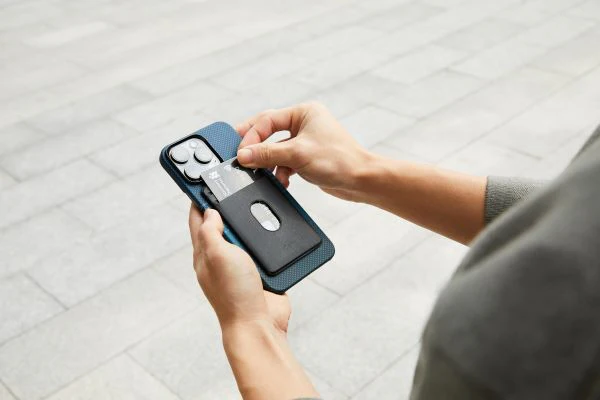
Magnetic wallets and phone accessories have become increasingly popular. These products often attach directly to the back of a smartphone using built-in magnets.
While most modern designs attempt to shield magnetic fields from cards, certain conditions may still present risks.
For example:
- storing multiple cards close to strong magnets
- stacking magnetic accessories together
- placing cards between two magnetic surfaces
Over time, repeated exposure to strong magnetic fields may weaken the magnetic data stored on a stripe.
Even if the card does not immediately fail, its reliability may gradually decrease.
Smartphones and Magnetic Accessories
Smartphones themselves often include magnets.
These magnets support features such as:
- wireless charging alignment
- detachable accessories
- stylus attachments
- protective cases
Because these magnets are integrated into devices that people carry everywhere, they may come into close contact with other objects inside bags or pockets.
Common scenarios include:
- a smartphone placed next to a wallet in a pocket
- magnetic mounts inside vehicles
- tablets stored near card holders in backpacks
Although most smartphones are designed to minimize interference, stacking multiple magnetic devices together can increase the strength of the combined magnetic field.
Magnetic Effects on Electronic Devices
Electronic devices can also be affected by strong magnets.
The level of risk depends on the device’s internal components.
Hard Disk Drives
Traditional hard disk drives use magnetic storage technology. Data is stored using microscopic magnetic patterns on spinning disks.
Strong magnetic fields can potentially disrupt these patterns.
Although modern drives include protective shielding, direct exposure to powerful magnets may still pose a risk.
Sensors and Compasses
Many smartphones and navigation devices include magnetic sensors that function as digital compasses.
External magnetic fields can interfere with these sensors, leading to inaccurate readings.
This may affect navigation apps or augmented reality applications that rely on directional data.
Speakers and Headphones
Ironically, speakers themselves contain magnets.
External magnetic fields may interact with these components, sometimes causing distortion or performance changes if the magnets are extremely strong.
Laptop and Tablet Accessories
Magnets are commonly used in laptops and tablets for functions such as:
- sleep-wake detection when closing a cover
- keyboard attachment
- stylus storage
- case alignment
These magnets are generally safe within the intended design environment.
However, stacking multiple magnetic accessories or placing strong external magnets near the device could interfere with sensors that detect lid closure or accessory alignment.
This may lead to unexpected behavior such as the screen turning off unexpectedly.
Hidden Magnetic Sources in Daily Life
People often associate magnets only with obvious objects like fridge magnets. In reality, many everyday items contain magnets that may be stronger than expected.
Examples include:
- magnetic phone mounts in cars
- wireless charging pads
- magnetic cable organizers
- tablet covers
- portable speakers
- magnetic tool holders
When multiple magnetic items are stored together in a bag or drawer, the combined field strength may increase.
This is especially relevant for people who carry multiple electronic devices and accessories at the same time.
Safe Distance: A Simple Preventive Rule
One of the easiest ways to avoid magnetic interference is maintaining a safe distance between magnets and sensitive items.
While exact distances vary depending on magnet strength, a general guideline is to keep strong magnets at least a few inches away from items such as:
- magnetic stripe cards
- traditional hard drives
- navigation devices
- sensitive sensors
Even small increases in distance dramatically reduce magnetic field strength.
This simple habit can significantly reduce the risk of interference.
Organizing Bags and Workspaces
Daily habits play a major role in preventing magnetic-related issues.
For example, organizing items in bags can help minimize accidental contact between magnets and cards.
Helpful practices include:
- storing wallets in separate compartments
- keeping magnetic accessories in dedicated pockets
- avoiding stacking multiple magnetic devices together
Workspaces can also benefit from thoughtful organization.
Magnetic cable clips, tool holders, and phone mounts should ideally be positioned away from card holders or electronic storage devices.
Travel Considerations
Travel introduces additional situations where magnets and sensitive items may interact.
Airports, hotels, and transportation systems often rely on magnetic cards for access control.
Travelers may carry:
- hotel key cards
- transit passes
- identification cards
If these cards are stored directly next to strong magnetic accessories, they may occasionally fail to work.
Keeping cards in protective sleeves or separate compartments can reduce this risk.
Protective Accessories
Some products are designed specifically to protect cards and electronics from magnetic interference.
Examples include:
- RFID-blocking wallets
- shielded card holders
- magnetic shielding sleeves
While these accessories are often marketed for security reasons, they may also help reduce the impact of magnetic fields.
However, good storage habits remain the most reliable protection.
Understanding Modern Improvements
It is important to note that many modern devices are designed with magnetic safety in mind.
Manufacturers often include shielding or carefully position magnets to minimize interference with other components.
Similarly, some credit cards rely more heavily on chip technology than magnetic stripes.
These improvements reduce—but do not completely eliminate—the risk of magnetic interference.
Remaining aware of magnetic environments helps ensure that cards and electronics continue to function reliably.
Awareness Without Anxiety
Magnets are not inherently dangerous. In fact, they are extremely useful components that enable many modern conveniences.
The goal is not to avoid magnets entirely but to understand where their influence might matter.
By recognizing situations where strong magnets interact with cards or electronics, people can make small adjustments that prevent problems.
Most of the time, these adjustments are simple habits rather than major lifestyle changes.
Final Thoughts
Strong magnets have quietly become part of everyday technology. They make devices easier to use, enable sleek designs, and power many modern accessories.
At the same time, these magnets can sometimes affect nearby items such as magnetic stripe cards, sensors, and electronic storage devices.
Fortunately, the risks are easy to manage with basic awareness.
Keeping magnets a short distance away from sensitive items, organizing bags and workspaces thoughtfully, and using protective accessories when needed can greatly reduce the chances of accidental interference.
By understanding how magnets interact with everyday objects, people can continue enjoying the convenience of magnetic technology while protecting their cards and devices from hidden hazards.
Sometimes the smallest invisible forces can have the biggest impact—and a little knowledge goes a long way in keeping everyday technology working smoothly.
Share this post


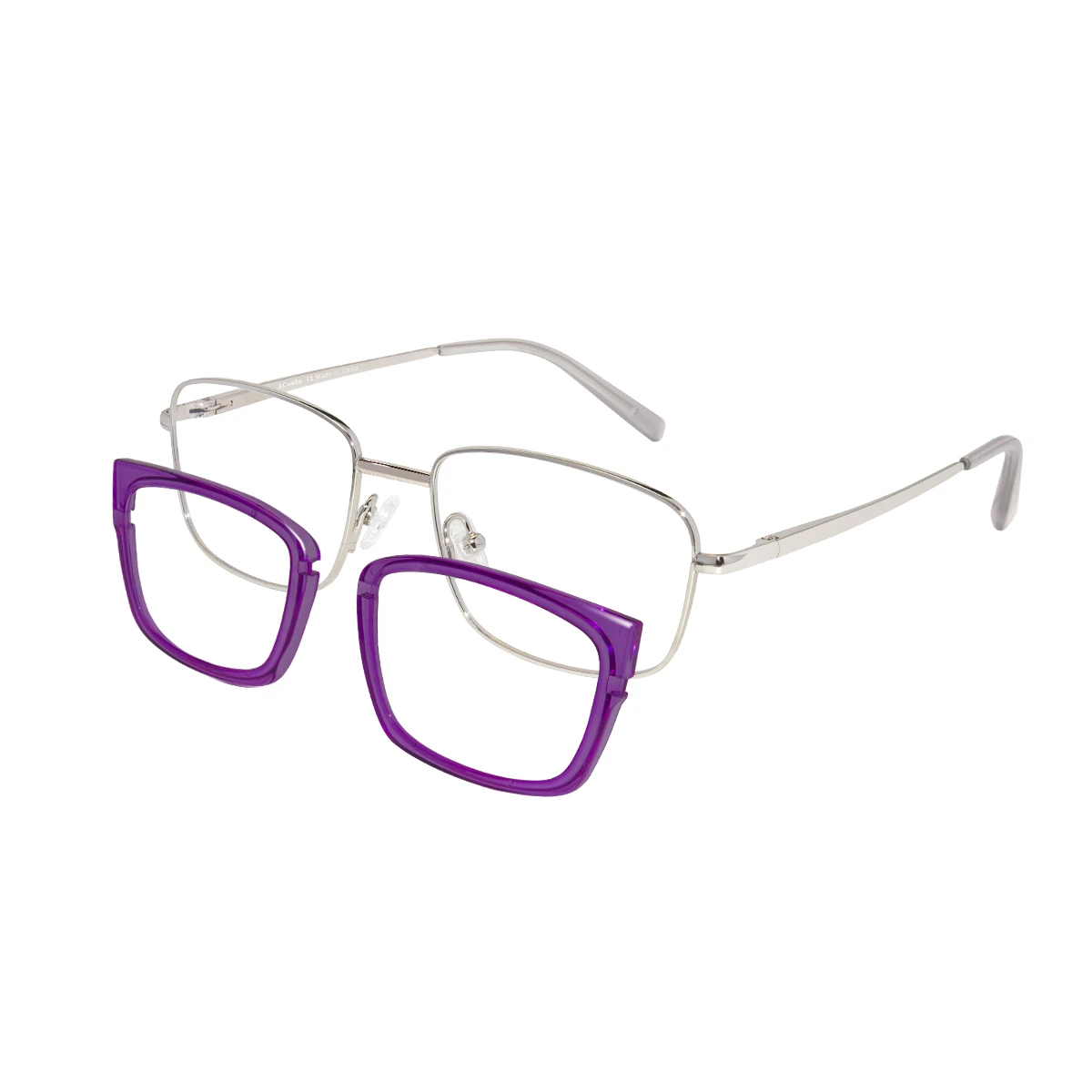
- Burgundy – Crystal (C01)
- Red – Crystal(C02)
- Burnt Orange – Crystal(C03)
- Marmalade – Crystal(C04)
- Sunshine Yellow – Crystal(C05)
- Lime Green – Crystal(C06)
- Sage – Crystal(C08)
- Green Forest – Crystal(C07)
- Army Green – Crystal(C09)
- Spruce – Crystal(C10)
- Turquiise – Crystal(C11)
- Cornflower– Crystal(C12)
- Navy – Crystal(C13)
- Indigo – Crystal(C14)
- Blue Orchid – Crystal(C15)
- Mauve – Crystal(C16)
- Lavender – Crystal(C21)
- Purple – Crystal(C17)
- Grape – Crystal(C18)
- Coral – Crystal(C19)
- Hot Pink – Crystal(C20)
- Chocolate – Crystal(C22)



How to Protect Your Eyeglass Lenses from Chemical Damage While Applying Makeup and Hairspray
Eyeglasses have become more than just vision correction tools. For many people, they are everyday essentials, fashion accessories, professional necessities, and long-term...
A Breakthrough for Allergy-Sensitive Wearers: Understanding Clip-Lock Eyewear Without Welding or Metal Plating
For millions of people, wearing glasses is a daily necessity. But for individuals with sensitive skin or metal allergies, eyewear can become...
Refuse the Shake: The Ultimate Stability Experience Delivered by Mechanical Snap-Fit Custom Eyewear
For most people, eyeglasses are judged by appearance first and comfort second. Stability — the ability of glasses to remain perfectly positioned...
The Zero-Gravity Vision: How Material Science Makes Custom Frames Lighter Than a Sheet of Paper
In the world of high-end optics, there is a "Sound Barrier" that designers have been trying to break for decades. It is...
The Architecture of Presence: Why Custom Eyewear is the Secret to "Magnetic Eyes"
Walk into any home improvement store in the United States and you’ll see rows of blackout curtains promising better sleep, lower energy...
Micron-Level Locking: How Black-Tech Clip Systems Keep Optical Centers from Ever Shifting
In precision eyewear manufacturing, one truth separates premium performance from mediocre optics:If the optical center moves—even slightly—the visual experience degrades.Blur creeps in.Eye...

Is It Time for New Glasses? 4 Signs Maintenance Can’t Save Them Anymore
Introduction: When “Good Enough” Stops Being GoodMost people hold onto their glasses longer than they should. It’s understandable—frames still look okay, lenses...
Preservation Secrets: How to Maintain Your Limited-Edition Custom Eyewear and Protect Its Collector Value
Limited-edition custom eyewear has evolved far beyond simple vision correction or fashion accessories. Today, rare frames are collectible design objects — blending...
The Art of Weight Distribution: Why Balance Matters More Than Absolute Weight in Custom Eyewear
When people shop for eyeglasses, one question dominates the conversation:“How much do they weigh?”It sounds logical. Lighter must mean more comfortable —...
Who Should Wear Metal Frame Glasses?
Metal frame glasses are a versatile and stylish choice for eyewear enthusiasts. Known for their sleek and minimalist appeal, these glasses cater...
Best Browline Glasses for Men: A Timeless Style Choice
Browline glasses are known for their distinctive design, featuring a thicker upper frame that accentuates the browline. Originally popular in the 1940s...
How Custom Eyeglass Frames Balance Your Facial Features: The Science and Style Behind the Perfect Fit
Eyeglasses are no longer just tools for correcting vision. Today, they are among the most powerful personal style elements a person can...