


Refuse the Shake: The Ultimate Stability Experience Delivered by Mechanical Snap-Fit Custom Eyewear
For most people, eyeglasses are judged by appearance first and comfort second. Stability — the ability of glasses to remain perfectly positioned during movement — is rarely discussed until it becomes a problem. Yet anyone who wears glasses daily knows the subtle frustration of constant adjustments: frames sliding down the nose, temples loosening over time, lenses shifting slightly during motion, or micro-vibrations appearing while walking, working, or exercising.
These small instabilities accumulate into fatigue, distraction, and reduced visual precision.
In recent years, a new engineering approach has begun redefining what stability means in eyewear design: mechanical snap-fit custom frames. Rather than relying on traditional screw hinges and rigid joints, these frames use carefully engineered locking structures that distribute force, maintain alignment, and eliminate mechanical looseness.
The result is not merely improved durability — it is an entirely different wearing experience defined by consistency, balance, and precision.
This article explores how mechanical snap-fit construction achieves extreme stability, why customization amplifies its benefits, and how engineering principles translate directly into everyday comfort.

Why Stability Matters More Than Most Wearers Realize
Vision depends on alignment.
Eyeglass lenses are designed around exact optical centers calculated relative to the wearer’s pupils. Even minor positional shifts alter how light enters the eye.
When frames move, several things happen:
- Optical alignment changes
- Eye muscles compensate subconsciously
- Focus fatigue increases
- Posture adjusts unintentionally
- Visual clarity fluctuates
These effects are often subtle, which is why users rarely connect discomfort to frame instability.
Stable eyewear preserves optical consistency — a foundational requirement for high-quality vision.
The Hidden Problem With Traditional Hinged Frames
Traditional eyeglasses rely on miniature screws connecting temples to the frame front through hinges.
While this design has persisted for centuries, it introduces inherent mechanical weaknesses.
Progressive Loosening
Every opening and closing cycle slightly reduces screw tension.
Daily use creates cumulative wear.
Point-Stress Concentration
All motion occurs at a single pivot point, concentrating stress and accelerating fatigue.
Micro-Movement
Even when screws appear tight, microscopic movement exists within hinge tolerances.
These tiny shifts translate into perceptible instability during motion.
Maintenance Dependency
Users frequently need adjustments or tightening, making stability temporary rather than permanent.
Mechanical snap-fit systems were developed specifically to overcome these limitations.
What Is Mechanical Snap-Fit Eyewear?
Mechanical snap-fit structures assemble components through elastic locking rather than external fasteners.
Instead of screws holding parts together, engineered geometries flex during assembly and then return to shape, creating continuous retention force.
Key characteristics include:
- Self-locking joints
- Distributed flexibility
- Elastic energy retention
- Tool-free assembly
- Modular construction
The frame becomes an integrated mechanical system rather than a collection of attached parts.
Stability Through Continuous Force
Traditional hinges rely on friction created by screw compression.
Snap-fit systems rely on stored elastic energy.
This difference is crucial.
Elastic structures apply constant pressure across connection surfaces, maintaining tight engagement even after thousands of movements.
Because force is distributed rather than localized, looseness does not gradually develop.
Stability becomes inherent to the design.
Customization: The Missing Piece of Stability
Even perfectly engineered frames cannot achieve full stability without proper fit.
Custom eyewear introduces personalization based on:
- Face width
- Temple angle
- Nose bridge geometry
- Ear positioning
- Head curvature
Mechanical snap-fit structures allow precise adjustments during manufacturing without weakening the frame.
Customization ensures the frame works with the wearer’s anatomy instead of resisting it.
Eliminating Micro-Vibrations
One of the most noticeable benefits of snap-fit eyewear is vibration reduction.
Micro-vibrations occur during:
- Walking
- Running
- Typing
- Public transportation
- Head movement
Rigid hinge systems transmit motion directly through the frame.
Snap-fit designs introduce controlled flexibility zones that absorb kinetic energy.
The result is smoother visual stability.
Many users describe the sensation as lenses feeling “anchored” in space.
Distributed Stress Engineering
Engineering stability is largely about managing stress distribution.
Snap-fit frames spread mechanical loads across wider structural regions rather than concentrating them at hinges.
Benefits include:
- Reduced material fatigue
- Longer structural life
- Consistent alignment
- Improved shock resistance
This principle mirrors engineering strategies used in aerospace and precision equipment.
Balance and Weight Distribution
Stability is not only about tightness — it is about balance.
Poorly balanced frames create rotational forces that cause slipping.
Snap-fit custom frames enable optimized weight distribution through:
- Integrated component design
- Reduced hardware weight
- Symmetrical structural geometry
Balanced frames naturally remain in position without excessive grip pressure.
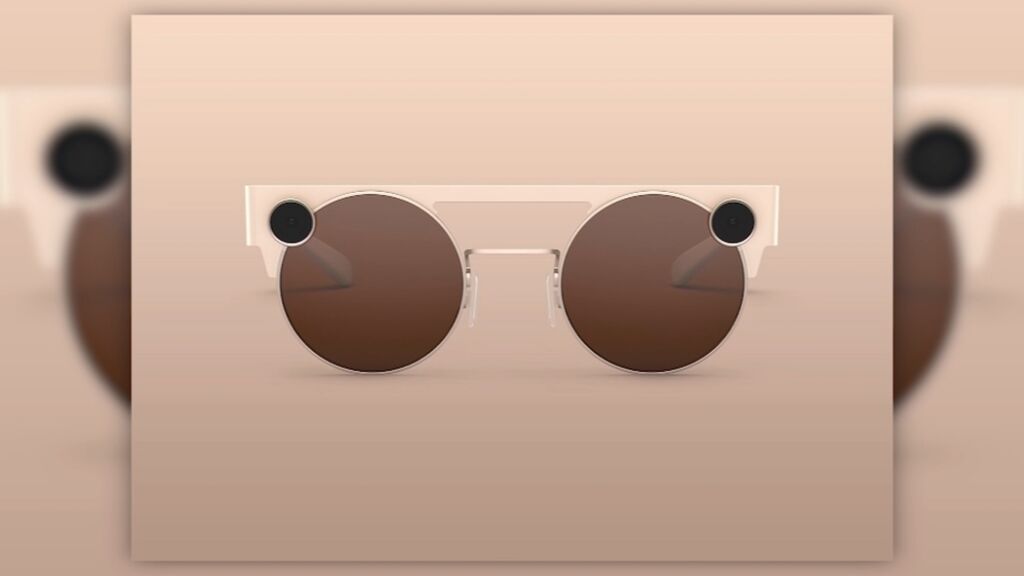
Nose Bridge Stability
The nose bridge plays a critical role in preventing movement.
Traditional adjustable pads may loosen or deform.
Snap-fit customization allows bridges designed for specific anatomical profiles.
Advantages include:
- Even pressure distribution
- Reduced sliding
- Improved airflow
- Enhanced long-term comfort
Stability improves without increasing pressure.
Temple Adaptability and Grip
Temple arms determine how securely frames anchor behind the ears.
Snap-fit temples incorporate controlled elasticity, allowing slight adaptive flex.
This flexibility:
- Maintains gentle retention force
- Prevents pressure points
- Adjusts dynamically during movement
Instead of rigid clamping, stability comes from adaptive engagement.
Stability During Active Lifestyles
Modern eyewear must perform across varied environments:
- Office work
- Commuting
- Fitness activities
- Travel
- Outdoor exploration
Snap-fit structures excel because they combine rigidity where alignment matters and flexibility where motion occurs.
Frames remain stable without feeling restrictive.
Visual Precision for Digital Work
Long hours in front of screens amplify sensitivity to movement.
Even slight frame shifts alter focal distance perception.
Stable frames reduce:
- Eye strain
- Refocusing effort
- Head repositioning
- Screen fatigue
Professionals working with detailed visuals often notice improved concentration when frame movement disappears.
Durability and Long-Term Stability
A frame that starts stable but loosens over time fails its purpose.
Snap-fit systems resist wear because there are no threaded components to degrade.
Elastic structures maintain retention properties across thousands of cycles.
Long-term consistency becomes a defining advantage.
Psychological Effects of Stability
Stability influences perception beyond mechanics.
When eyewear remains fixed:
- Users adjust glasses less frequently
- Attention stays focused on tasks
- Confidence increases during movement
- Wearing experience feels seamless
Comfort becomes subconscious.
Minimal Maintenance Ownership
Snap-fit frames eliminate common maintenance tasks:
- No screw tightening
- Reduced alignment adjustments
- Fewer repair visits
Stability becomes a built-in feature rather than an ongoing responsibility.
Design Freedom Without Compromise
Removing hinges allows designers to create cleaner silhouettes.
Structural continuity improves both aesthetics and performance.
Seamless designs also reduce weak points prone to deformation.
Engineering efficiency enhances visual elegance.
Comparing Stability Mechanisms
| Feature | Traditional Hinges | Snap-Fit Custom Frames |
|---|---|---|
| Movement Over Time | Increases | Minimal |
| Maintenance Needs | Frequent | Rare |
| Stress Distribution | Localized | Distributed |
| Vibration Control | Limited | Excellent |
| Fit Personalization | Moderate | High |
| Long-Term Alignment | Variable | Consistent |
Why Stability Equals Comfort
Comfort is often misunderstood as softness or lightness.
In reality, discomfort frequently results from instability.
Constant micro-adjustments force muscles and skin to compensate.
Stable frames eliminate these compensations, allowing natural posture and relaxed facial muscles.
Engineering Inspiration From Precision Industries
Snap-fit stability principles resemble designs used in:
- Aerospace assemblies
- Medical instruments
- Optical equipment
- Professional camera systems
These industries prioritize alignment reliability under motion — the same challenge faced by eyewear.
Sustainability Through Longevity
Stable frames last longer.
Longer lifespan reduces replacement frequency and material waste.
Modular snap-fit components also allow selective replacement instead of discarding entire frames.
Durability aligns with responsible consumption.
Future Innovations in Stability Engineering
Emerging developments may include:
- Adaptive memory materials
- Dynamic tension adjustment
- Integrated smart sensors
- Personalized structural tuning via digital scans
Snap-fit architecture provides the foundation for these advancements.
Choosing Stability-Focused Eyewear
When evaluating frames, consider:
- Integrated construction instead of screw assemblies
- Flexible yet controlled temple movement
- Custom fit options
- Lightweight structural materials
- Balanced weight distribution
These features collectively determine stability performance.
The Experience of “No Movement”
Users transitioning to snap-fit custom eyewear often describe a surprising realization: they stop thinking about their glasses entirely.
There is no slipping, no tightening, no adjustment ritual.
The frame simply stays where it belongs.
This absence of distraction represents the highest form of ergonomic success.
Final Thoughts
Mechanical snap-fit custom eyewear represents a shift from traditional craftsmanship toward engineering-driven performance. By eliminating mechanical looseness, distributing stress intelligently, and integrating customization into structural design, these frames achieve a level of stability rarely experienced with conventional glasses.
The innovation does not announce itself loudly. Instead, it appears as quiet reliability — lenses that remain aligned, frames that move naturally with the body, and vision that stays consistent throughout the day.
In an era where precision matters more than ever, stability is no longer a luxury feature. It is a fundamental expectation.
Refusing the shake means embracing design that understands motion, adapts to anatomy, and maintains alignment without effort.
And when stability becomes invisible, clarity becomes effortless.

Share this post


Mira Metallic Silver Interchangeable Base Frame – Wide Cat-Eye Metal Glasses





Mira Rose Gold Interchangeable Base Frame – Wide Cat-Eye Metal Glasses
Soline Ice Blue Sunglasses – Wide Rectangle, Tinted Lenses - Interchangeable Eyewear
Soline Light Gold Base Frame for Interchangeable Toppers – Wide Rectangle Metal Glasses
Mira Ice Blue Wide Cat-Eye Sunglasses – Metal Frame, Tinted Lenses - Interchangeable Eyewear
Living a Multifaceted Life: How Custom Modular Eyewear Defines Your Personal Identity
Yet for years, eyewear has tried to force all these identities into one fixed frame.In a world where people change roles, moods,...
The Secret Weapon for Sculpting Your Face: How to Customize Eyewear Based on Your Cheekbones and Brow Shape
When it comes to elevating your appearance, most people think about hairstyles, makeup, or wardrobe upgrades. But there’s one transformative accessory that...
How Mechanical Clip Systems Make Quick Temple Replacement Possible: The Future of Modular Eyewear Design
Eyewear has evolved far beyond simple vision correction. Today, glasses are fashion statements, performance tools, and everyday essentials that must adapt to...
Do Long-Unused Custom Eyeglasses Need Lubrication? The Correct Way to Store and Preserve Them Long Term
Custom eyeglasses are more than everyday accessories. They are precision-built optical tools designed to match your face shape, prescription needs, and personal...
Summer Warning: Why You Should Never Leave Your Eyeglasses in a Hot Car
When summer arrives, most people think about beach days, road trips, and long hours of sunshine. But with rising temperatures comes a...
Are Pink Glasses in Style?
Pink glasses are a timeless symbol of charm and personality. They evoke feelings of compassion, love, and hope, making them a popular...