


Summer Warning: Why You Should Never Leave Your Eyeglasses in a Hot Car
When summer arrives, most people think about beach days, road trips, and long hours of sunshine. But with rising temperatures comes a hidden risk that many overlook—leaving personal items in a parked car. Among the most vulnerable and commonly forgotten items are eyeglasses.
It might seem harmless to leave your glasses on the dashboard or in the center console while you run errands or head into work. After all, it’s just a short time, right? In reality, even a few minutes inside a hot vehicle can cause irreversible damage to your eyewear. From warped frames to destroyed coatings and even potential fire hazards, the risks are more serious than most people realize.
This article explores in depth why you should never leave your eyeglasses in a hot car, what actually happens under extreme heat, and how to protect your investment during the summer months.
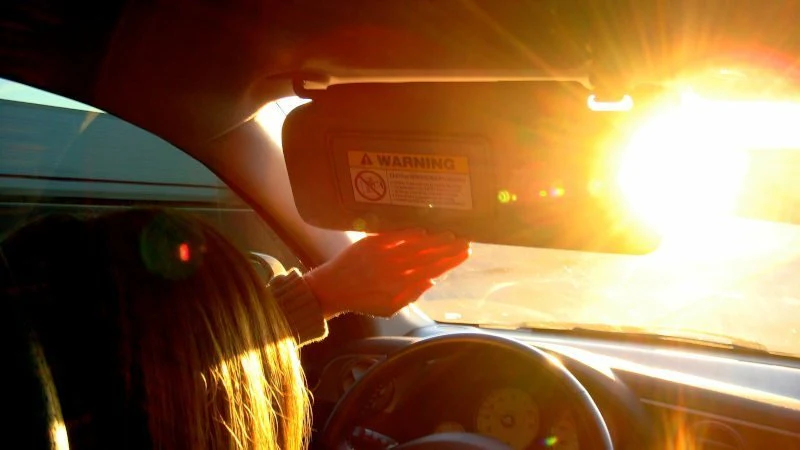
How Hot Does a Parked Car Really Get?
Before understanding the damage, it’s important to grasp just how extreme the temperatures inside a parked vehicle can become.
On a typical summer day, when the outside temperature is around 85°F (29°C), the interior of a car can reach 120°F (49°C) within 20 minutes. If the temperature outside climbs to 95°F (35°C), the inside of the car can exceed 140°F (60°C) in less than an hour.
Surfaces exposed directly to sunlight—like dashboards—can become even hotter, sometimes reaching 160°F (71°C) or higher. That’s hotter than many ovens set on low heat.
Eyeglasses left in these conditions are essentially being baked.
What Happens to Eyeglasses in Extreme Heat?
Eyeglasses are made from materials designed for comfort, clarity, and durability—but not for extreme temperatures. When exposed to heat inside a car, several components of your glasses can suffer damage.
1. Frame Warping
Most eyeglass frames are made from plastic materials such as acetate or TR90, or lightweight metals like aluminum and titanium. While these materials are durable under normal conditions, high heat can weaken their structural integrity.
Plastic frames are especially vulnerable. Heat can cause them to soften and lose their shape, leading to:
- Bent temples (arms)
- Misaligned frames
- Poor fit on your face
- Increased risk of breakage
Once warped, frames rarely return to their original shape without professional adjustment—and sometimes the damage is permanent.
2. Lens Damage
Modern lenses are typically made from plastic polymers rather than glass. These materials are lightweight and impact-resistant, but they are sensitive to heat.
Excessive heat can cause:
- Warping or distortion of the lens shape
- Reduced optical clarity
- Microfractures within the lens material
Even slight distortions can affect your vision, causing headaches, eye strain, or blurred sight.
3. Coating Degradation
Many eyeglasses today come with specialized coatings, including:
- Anti-reflective (AR) coatings
- Scratch-resistant coatings
- UV protection layers
- Blue light filtering coatings
These coatings are applied in thin layers and are particularly vulnerable to heat.
Inside a hot car, coatings can:
- Crack or craze (develop fine lines)
- Bubble or peel
- Discolor or become cloudy
Once coatings are damaged, they cannot be repaired—you’ll need new lenses.
4. Adhesive Failure
Some eyeglass components are held together with adhesives, especially in rimless or semi-rimless designs. Heat can weaken these adhesives, leading to:
- Loose lenses
- Detached nose pads
- Structural instability
This type of damage often happens suddenly and can render your glasses unusable.
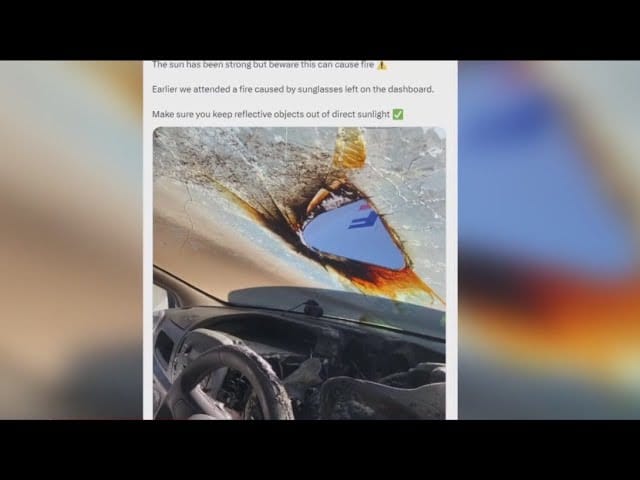
5. Sunglasses Can Become a Fire Hazard
This may sound surprising, but under certain conditions, eyeglasses—especially sunglasses—can pose a fire risk.
Lenses can act like magnifying glasses, focusing sunlight into a concentrated beam. If positioned just right on a dashboard, they can focus heat onto a surface, potentially causing scorching or even ignition of flammable materials.
While rare, there have been documented cases of car interiors being damaged due to this effect.
Why Even “Just a Few Minutes” Matters
A common misconception is that damage only occurs after prolonged exposure. In reality, significant heat buildup happens very quickly.
Within 10–15 minutes:
- Interior temperatures spike dramatically
- Plastic begins to soften
- Coatings start to degrade
Even short stops—like grabbing coffee or running into a store—can be enough to cause damage.
The Hidden Cost of Replacing Eyeglasses
Eyeglasses are not cheap. Depending on your prescription and lens features, a single pair can cost anywhere from $100 to $500 or more.
Specialized lenses—such as progressive lenses, photochromic lenses, or high-index materials—can significantly increase the price.
Leaving your glasses in a hot car risks:
- Full replacement costs
- Time spent waiting for new lenses
- Temporary inconvenience or impaired vision
In many cases, heat damage is not covered under warranty, meaning you’ll be paying out of pocket.
Who Is Most at Risk?
While anyone who wears glasses should be cautious, certain groups are especially vulnerable to this issue:
Daily Eyeglass Wearers
If you rely on your glasses for clear vision throughout the day, losing them—even temporarily—can disrupt your routine.
Drivers and Commuters
People who spend a lot of time in their cars are more likely to leave glasses behind accidentally.
Athletes and Outdoor Enthusiasts
Switching between sunglasses and prescription glasses increases the chance of leaving one pair in the car.
Parents
Children’s glasses are often left behind in vehicles after school or activities.
Common Mistakes People Make
Understanding what not to do is just as important as knowing what to do.
Leaving Glasses on the Dashboard
This is the worst possible location. Direct sunlight plus heat equals maximum damage.
Storing Glasses in the Glove Compartment
While slightly better than the dashboard, glove compartments still get extremely hot.
Tossing Glasses in the Center Console
Enclosed spaces trap heat, often making conditions even worse.
Assuming Tinted Windows Help
While tinted windows reduce glare, they do not significantly lower interior temperatures.
How to Protect Your Eyeglasses in Summer
Fortunately, protecting your glasses is simple with a few good habits.
Always Take Them With You
The safest option is to bring your glasses with you every time you leave the car—even for short stops.
Use a Protective Case
A hard-shell case provides an extra layer of protection against heat and physical damage.
Store Them Out of Direct Sunlight
If you absolutely must leave glasses in the car, place them in the coolest possible area, such as under a seat. However, this is still not recommended for extended periods.
Keep a Backup Pair
Having a spare pair at home or in your bag can save you from inconvenience if something happens.
Avoid Placing Them Lens-Down
This can cause scratches, especially if surfaces become hot and abrasive.
What to Do If Your Glasses Are Damaged
If you suspect your glasses have been exposed to extreme heat, check for the following:
- Warped or uneven frames
- Blurry or distorted vision
- Visible coating damage
- Loose or unstable components
If you notice any of these signs:
- Stop using the glasses if vision is affected
- Visit an optician for professional evaluation
- Avoid attempting DIY fixes, as they can worsen the damage
The Science Behind Heat Damage
Heat affects materials at a molecular level. Plastic lenses and frames expand when heated and contract when cooled. Repeated cycles of expansion and contraction can weaken the material over time.
Coatings, which are bonded to the lens surface, can separate due to differences in thermal expansion rates between layers. This leads to cracking and peeling.
In simple terms, your glasses are not designed to withstand extreme environments like the inside of a parked car.
A Small Habit That Makes a Big Difference
It’s easy to overlook something as simple as where you leave your glasses. But this small habit can have a significant impact on both your wallet and your daily comfort.
By making a conscious effort to take your glasses with you, you can:
- Extend their lifespan
- Maintain clear vision
- Avoid unnecessary expenses
- Reduce frustration
Final Thoughts
Summer heat is more than just uncomfortable—it can quietly damage the items you rely on every day. Eyeglasses, in particular, are highly susceptible to the extreme temperatures found inside parked cars.
What seems like a harmless habit—leaving your glasses behind—can lead to warped frames, damaged lenses, and costly replacements. And because the damage often isn’t immediately obvious, many people don’t realize the cause until it’s too late.
The solution is simple: never leave your eyeglasses in a hot car.
It’s a small change, but one that protects your vision, your investment, and your peace of mind throughout the hottest months of the year.
Share this post











- Burgundy – Crystal (C01)
- Red – Crystal(C02)
- Burnt Orange – Crystal(C03)
- Marmalade – Crystal(C04)
- Sunshine Yellow – Crystal(C05)
- Lime Green – Crystal(C06)
- Sage – Crystal(C08)
- Green Forest – Crystal(C07)
- Army Green – Crystal(C09)
- Spruce – Crystal(C10)
- Turquiise – Crystal(C11)
- Cornflower– Crystal(C12)
- Navy – Crystal(C13)
- Indigo – Crystal(C14)
- Blue Orchid – Crystal(C15)
- Mauve – Crystal(C16)
- Lavender – Crystal(C21)
- Purple – Crystal(C17)
- Grape – Crystal(C18)
- Coral – Crystal(C19)
- Hot Pink – Crystal(C20)
- Chocolate – Crystal(C22)
Is Your Eyewear’s Weight Distribution Off? A Step-by-Step Guide to Adjusting the Ear Hook Pressure Points on Custom Glasses
Introduction: When Great Glasses Still Feel WrongYou invested in custom eyewear expecting perfect comfort and crystal-clear vision. The prescription is accurate, the...
What to Do When Your Glasses Screws Come Loose: The Complete Emergency Eyeglass Repair Kit Guide
Few everyday frustrations are as unexpectedly disruptive as a loose screw in your eyeglasses. One moment your glasses feel perfectly normal, and...
Clear Vision, Clear Life: The Ultimate Eyeglass Care Guide for Everyday Living
Eyeglasses are more than just vision tools. For millions of people, they are essential daily companions that improve productivity, confidence, comfort, and...
A Blessing for the Nearsighted: The Advanced Guide to Eyeglass Maintenance
For millions of nearsighted people, eyeglasses are far more than a fashion accessory. They are an essential tool for daily life, helping...
How to Style Clear Frame Glasses
Clear frame glasses are a versatile and trendy eyewear choice that can elevate any outfit. Their minimalist design complements various face shapes...
A Clearer View: Your Comprehensive Eyewear Care Guide
Glasses are more than a fashion accessory—they’re essential tools that help us see the world clearly. Whether you rely on them for...
Mechanical Harmony in Eyewear: How Precision Spring Snap Systems Create the Perfect Fit
You put on a new pair of frames. They look great in the mirror. The lenses are clear. The design fits your...
How to Properly Wear and Care for Ski Goggles
Ski goggles are essential for protecting your eyes on the slopes, providing clear vision and shielding against harmful elements like UV rays,...
Eyeglass Frame Adjustment: DIY Fine-Tuning and Maintenance Tips for a Perfect Fit
Improve comfortEnhance visual alignmentHingesHinges connect the temples to the frame front.Loose hinges can lead to:Crooked framesPoor fitIncreased wear and tearRegular hinge maintenance...
How to Measure Pupillary Distance(PD)?
What Is Pupillary Distance(PD)?Pupillary Distance (PD) is the measurement, in millimeters, between the centers of your two pupils. This measurement is essential...
Modular Glasses vs Traditional Glasses
A Deep, Real-World Test of Pros, Cons, and Everyday PerformanceFor a long time, glasses were simple:You chose a pair.You wore them everywhere.That...
Plastic vs. Polycarbonate Lenses: Which One is Right for You?
Choosing the right lenses for your eyeglasses is just as important as selecting the perfect frames. While your eye doctor determines the...