


A Clearer View: Your Comprehensive Eyewear Care Guide
Glasses are more than a fashion accessory—they’re essential tools that help us see the world clearly. Whether you rely on them for reading, driving, or daily activities, maintaining your eyewear ensures comfort, sharp vision, and longevity. Yet many people underestimate the importance of proper eyewear care. Scratches, smudges, loose screws, or poorly fitting frames can significantly impact vision and even cause headaches or eye strain.
This guide dives into the principles of maintaining your eyewear, covering cleaning techniques, storage tips, repair strategies, and preventive measures. By following these practices, your glasses will not only last longer but continue to provide crystal-clear vision.
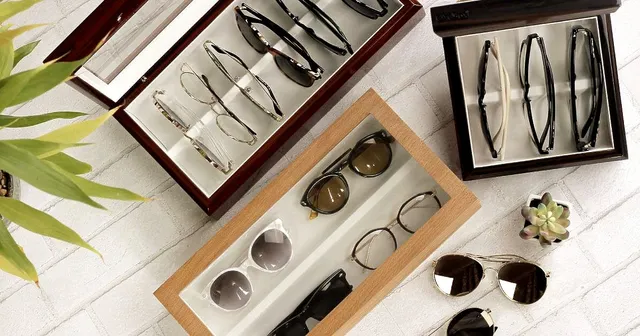
Understanding Your Eyewear
Before learning how to care for your glasses, it’s helpful to understand their components and materials. Modern eyewear can be surprisingly complex.
Frames
Frames provide structure and hold lenses in place. They come in a variety of materials:
- Metal frames: Lightweight and durable. Some metals are hypoallergenic. Look for corrosion-resistant coatings.
- Plastic frames: Offer a wide variety of colors and styles. Can be more flexible but prone to warping under heat.
- Combination frames: Utilize both metal and plastic elements for style and strength.
Lenses
Lenses determine clarity and protection. Common materials include:
- Glass lenses: Highly scratch-resistant, offer excellent clarity but heavier and can break on impact.
- Plastic lenses: Lighter and more impact-resistant but can scratch easily.
- Polycarbonate lenses: Lightweight, impact-resistant, ideal for sports or kids.
- High-index lenses: Thinner and lighter for strong prescriptions.
Lens Coatings
Lenses often have coatings that enhance durability and performance:
- Anti-reflective (AR) coating: Reduces glare from screens, lights, and nighttime driving.
- Scratch-resistant coating: Adds a protective layer against minor abrasions.
- UV protection: Shields eyes from harmful ultraviolet rays.
- Blue light filtering: Reduces strain from digital screens.
Understanding the materials and coatings of your glasses helps you select the best cleaning and maintenance methods.
Daily Cleaning Practices
Proper cleaning is essential for clear vision and longevity. Many people make mistakes that damage lenses over time.
Step-by-Step Cleaning
- Wash your hands: Ensure your hands are free of dirt, oil, or lotions.
- Rinse lenses under lukewarm water: This removes dust and prevents scratching. Avoid hot water, which can damage coatings.
- Apply a small drop of lens cleaner or mild dish soap: Gently rub both sides of the lenses.
- Rinse thoroughly: Remove all soap residue.
- Dry with a microfiber cloth: Avoid paper towels or tissues—they can scratch the lenses.
Common Mistakes
- Using clothing to wipe lenses: Fabric fibers can create micro-scratches.
- Spraying household cleaners: Ammonia, bleach, and vinegar can strip coatings.
- Ignoring dust or sand: Always rinse lenses first to avoid scratching when wiping.
Storage and Handling
How you store and handle your glasses can prevent damage and deformation.
Storage Tips
- Use a hard case: Protects against impact and crushing.
- Avoid leaving glasses in hot cars: Excessive heat can warp frames and damage lens coatings.
- Place glasses lens-up: Prevents scratches on the surfaces.
Handling Tips
- Use both hands to put on or remove glasses: Prevents frame bending.
- Avoid resting glasses on your head: Stretching frames and loosening screws.
- Keep glasses away from chemicals: Hair products, cleaning agents, or sprays can damage coatings.
Adjustments and Repairs
Even well-maintained glasses may require occasional adjustments. Knowing when and how to adjust them extends their lifespan.
Common Adjustments
- Loose screws: Tighten screws on temples and nose pads with a small screwdriver.
- Bent frames: Use gentle pressure to reshape metal frames. Plastic frames may need professional heating to adjust safely.
- Nose pad adjustment: Ensures comfort and keeps glasses from sliding.
When to Seek Professional Help
- Broken frames that cannot be reshaped.
- Deep lens scratches or cracks.
- Persistent misalignment affecting vision.
Regular checkups at your optician can ensure frames fit properly and lenses remain undamaged.
Preventing Lens Damage
Preventive care is more effective than repair. Consider these strategies:
- Avoid dropping glasses: Always store them in a case when not in use.
- Keep glasses clean: Dirt, sand, and dust can scratch lenses if rubbed.
- Use lens cloths regularly: Prevent buildup of oils and smudges.
- Avoid extreme temperatures: Heat can warp frames and damage coatings; cold may make frames brittle.
Eye Health and Lens Care
Proper lens care is linked to overall eye comfort. Smudges, scratches, or misalignment can cause eye strain, headaches, and blurred vision.
- Anti-reflective coatings: Reduce glare and prevent digital eye strain.
- Blue light filters: Helpful for long hours in front of screens.
- UV protection: Essential for outdoor activities to protect your eyes from sun damage.
Regular lens cleaning and maintenance ensures your eyewear continues to support eye health effectively.
Travel Tips
Traveling with glasses requires additional precautions:
- Carry a backup pair: Essential for emergencies or if lenses break.
- Use a sturdy case: Protects against damage in luggage.
- Pack cleaning supplies: Microfiber cloth and travel-sized lens cleaner for convenience.
- Consider anti-fog wipes: Useful in humid or cold climates.
Cleaning Accessories and Tools
Having the right tools makes maintenance easier and more effective:
- Microfiber cloths: Essential for daily cleaning without scratching.
- Lens cleaning sprays: Specialized solutions maintain coatings.
- Lens wipes: Pre-moistened wipes for travel or quick cleaning.
- Screwdriver kits: Compact kits for on-the-go adjustments.
Investing in quality accessories prevents improper cleaning and handling.
Special Considerations
Different lifestyles and activities demand specific eyewear care strategies:
- Sports enthusiasts: Polycarbonate lenses with scratch-resistant coatings, combined with protective cases, minimize damage during active use.
- Digital workers: Anti-reflective coatings and regular lens cleaning reduce eye strain and glare.
- Outdoor adventurers: UV protection, water-resistant coatings, and reinforced frames help withstand environmental challenges.
- Children: Durable frames and polycarbonate lenses reduce breakage risks.
Customizing your maintenance routines according to your activities ensures your glasses meet your needs over time.
Long-Term Eyewear Care
- Schedule professional cleanings: Opticians can deep-clean lenses, tighten frames, and check alignment.
- Replace old or damaged lenses: Scratched or worn lenses can reduce vision clarity and strain eyes.
- Monitor frame integrity: Replace frames that are bent, cracked, or weak.
- Update prescription regularly: Clear vision requires accurate lenses; outdated prescriptions can affect eye health.
Consistent long-term care extends the life of your eyewear and maintains visual comfort.
Sustainability and Responsible Use
Eyewear care isn’t just about longevity—it can also be environmentally responsible:
- Repair instead of replacing: Fix screws, adjust frames, and replace lenses instead of discarding.
- Use reusable cleaning tools: Microfiber cloths and refillable lens sprays reduce waste.
- Recycle old frames and lenses: Many optical stores offer recycling programs.
By taking care of your glasses, you reduce waste and extend the life of your resources.
Conclusion
Proper eyewear care is a combination of cleaning, storage, handling, and preventive maintenance. By understanding your lenses and frames, using the right cleaning techniques, adjusting and repairing as needed, and adopting daily protective habits, you ensure that your glasses continue to provide sharp, clear vision for years.
From choosing the correct lens material and coatings to understanding how environmental factors affect your frames, comprehensive care strategies prevent damage and support long-term eye health. Travel, sports, digital work, and outdoor activities all benefit from a thoughtful approach to eyewear maintenance.
A clear vision is more than just prescription accuracy—it’s the result of careful, consistent care. By following this guide, you’ll enjoy optimal comfort, sharp clarity, and longevity from your eyewear, ensuring your view of the world stays as vivid and precise as possible.
Share this post

Soline Rose Gold Interchangeable Base Frame – Wide Rectangle Metal Glasses
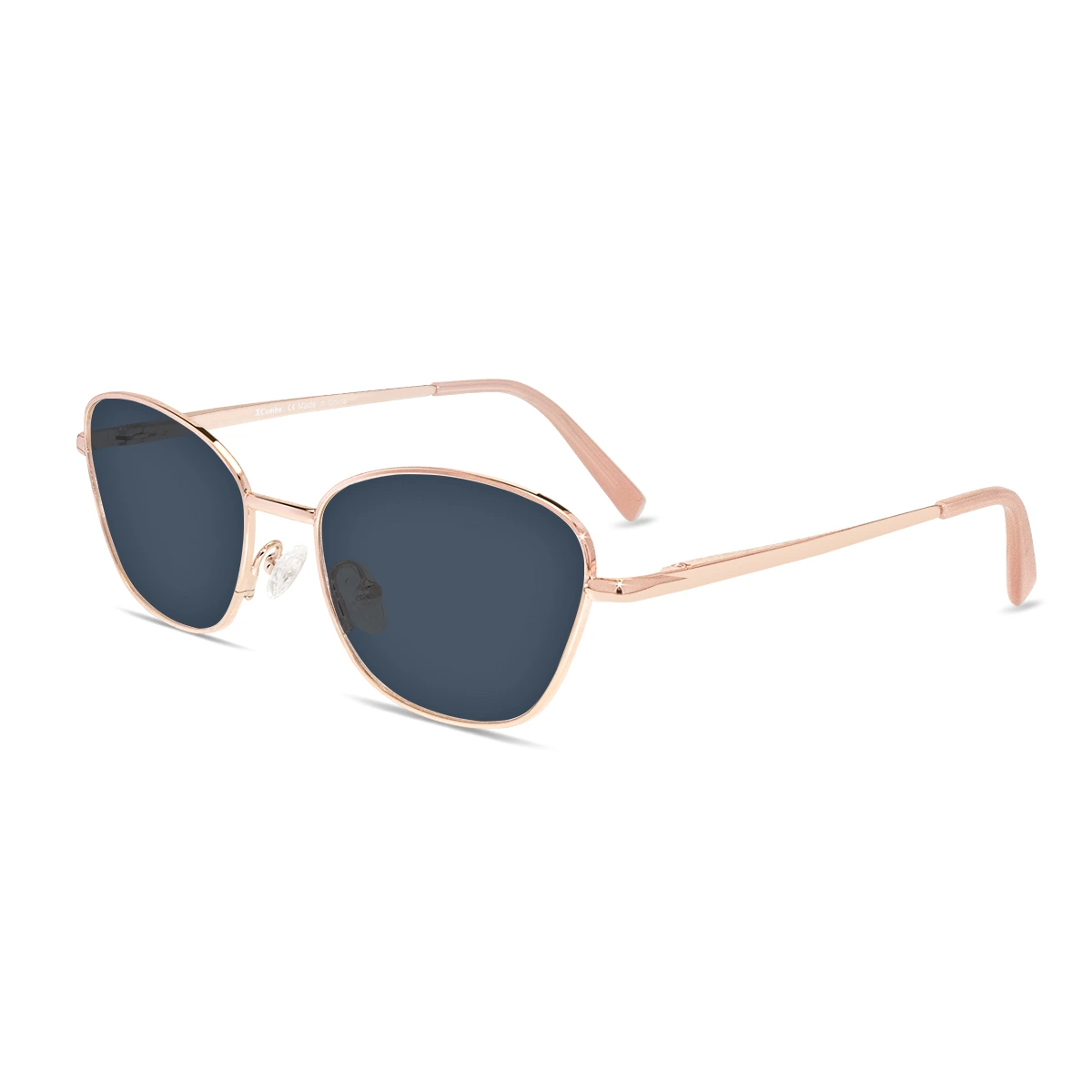
Mira Rose Gold Wide Cat Eye Sunglasses – Metal Frame, Tinted Lenses - Interchangeable Eyewear
- Burgundy – Crystal (C01)
- Red – Crystal(C02)
- Burnt Orange – Crystal(C03)
- Marmalade – Crystal(C04)
- Sunshine Yellow – Crystal(C05)
- Lime Green – Crystal(C06)
- Sage – Crystal(C08)
- Green Forest – Crystal(C07)
- Army Green – Crystal(C09)
- Spruce – Crystal(C10)
- Turquiise – Crystal(C11)
- Cornflower– Crystal(C12)
- Navy – Crystal(C13)
- Indigo – Crystal(C14)
- Blue Orchid – Crystal(C15)
- Mauve – Crystal(C16)
- Lavender – Crystal(C21)
- Purple – Crystal(C17)
- Grape – Crystal(C18)
- Coral – Crystal(C19)
- Hot Pink – Crystal(C20)
- Chocolate – Crystal(C22)
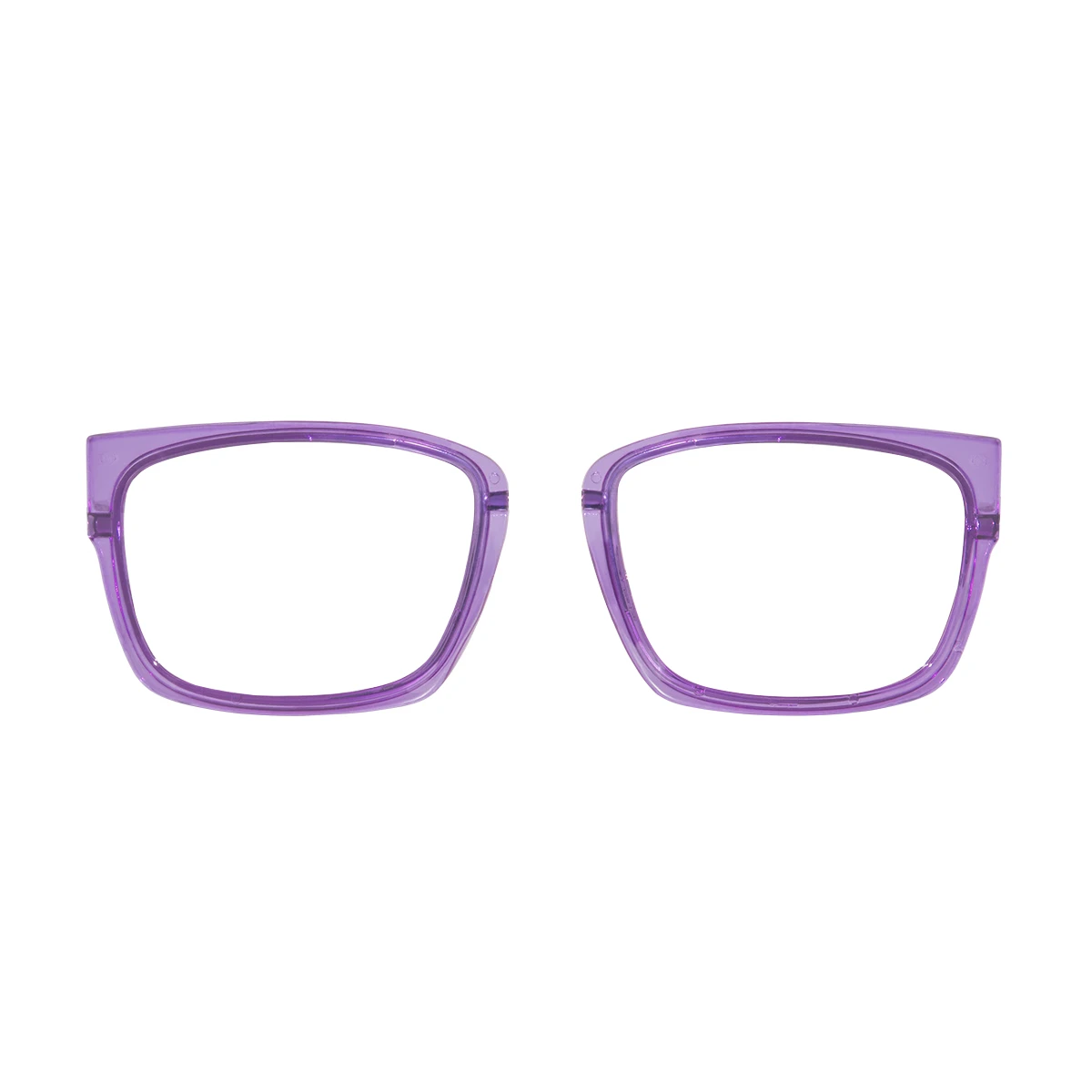
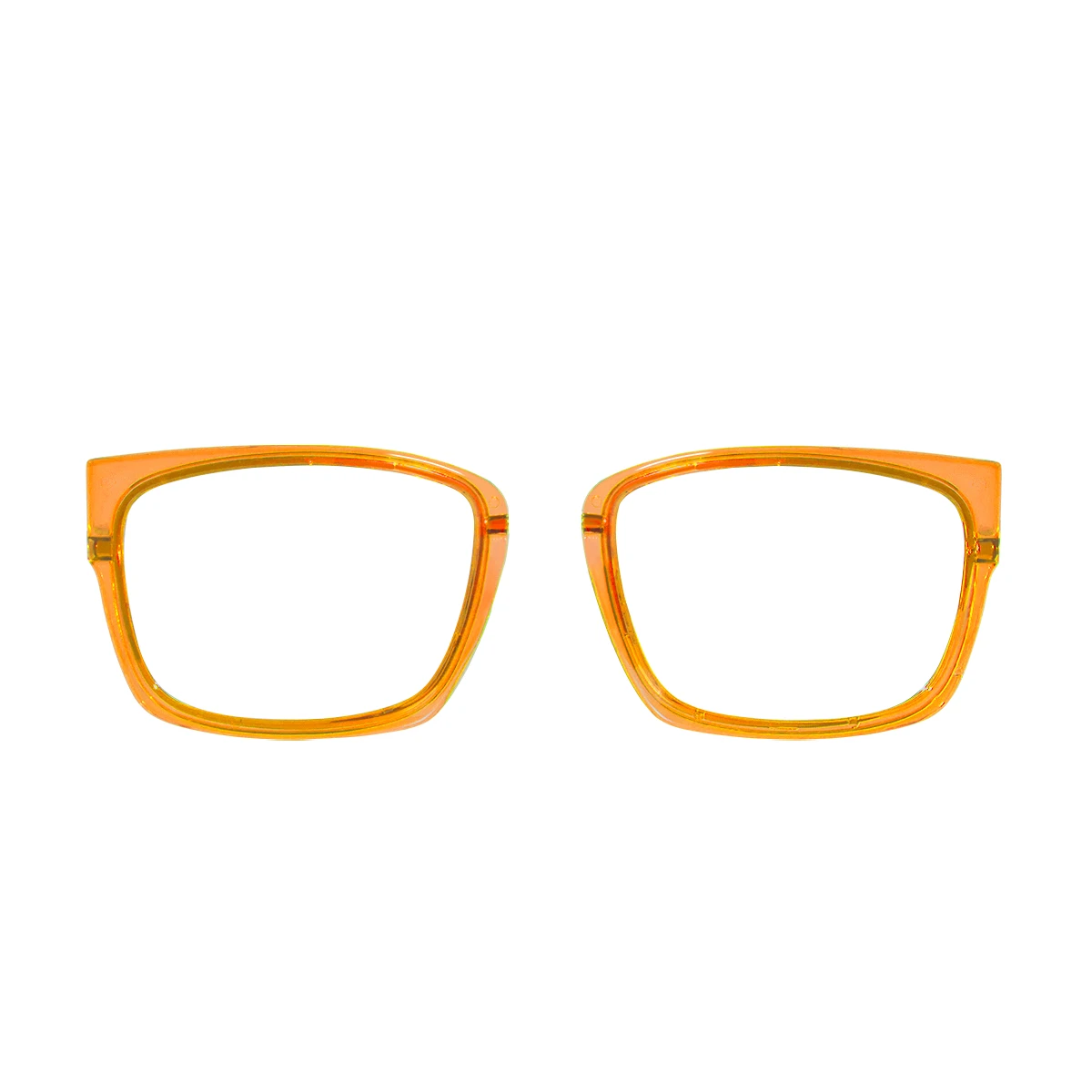
Crystal Color Top Frames for Soline Rectangle Wide Base Frame | Interchangeable Glasses Toppers


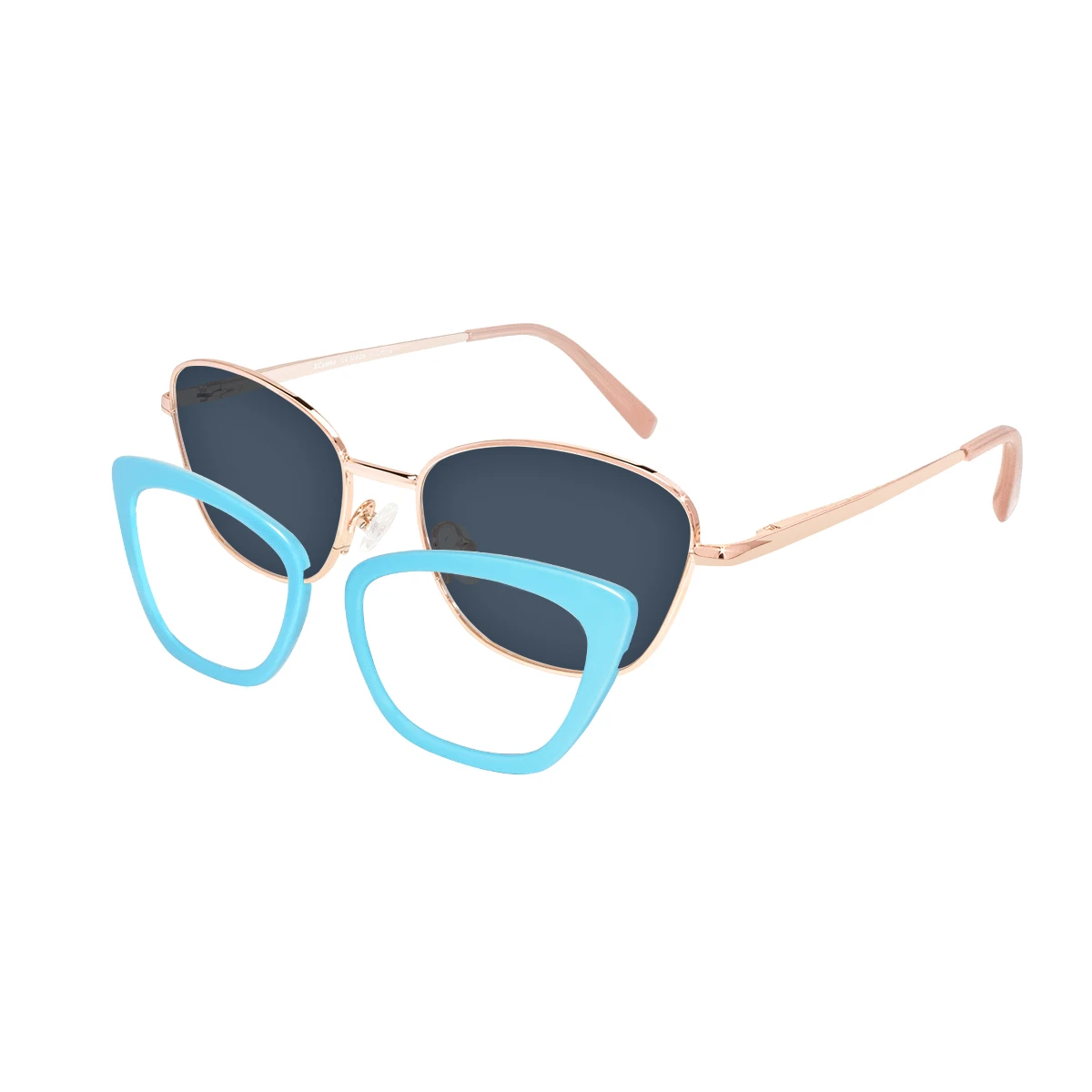
Mira Rose Gold Interchangeable Base Frame – Wide Cat-Eye Metal Glasses


1 Base Frame + 5 Toppers | Interchangeable Glasses Bundle | Magnet-free Modular Eyewear | Rectangle
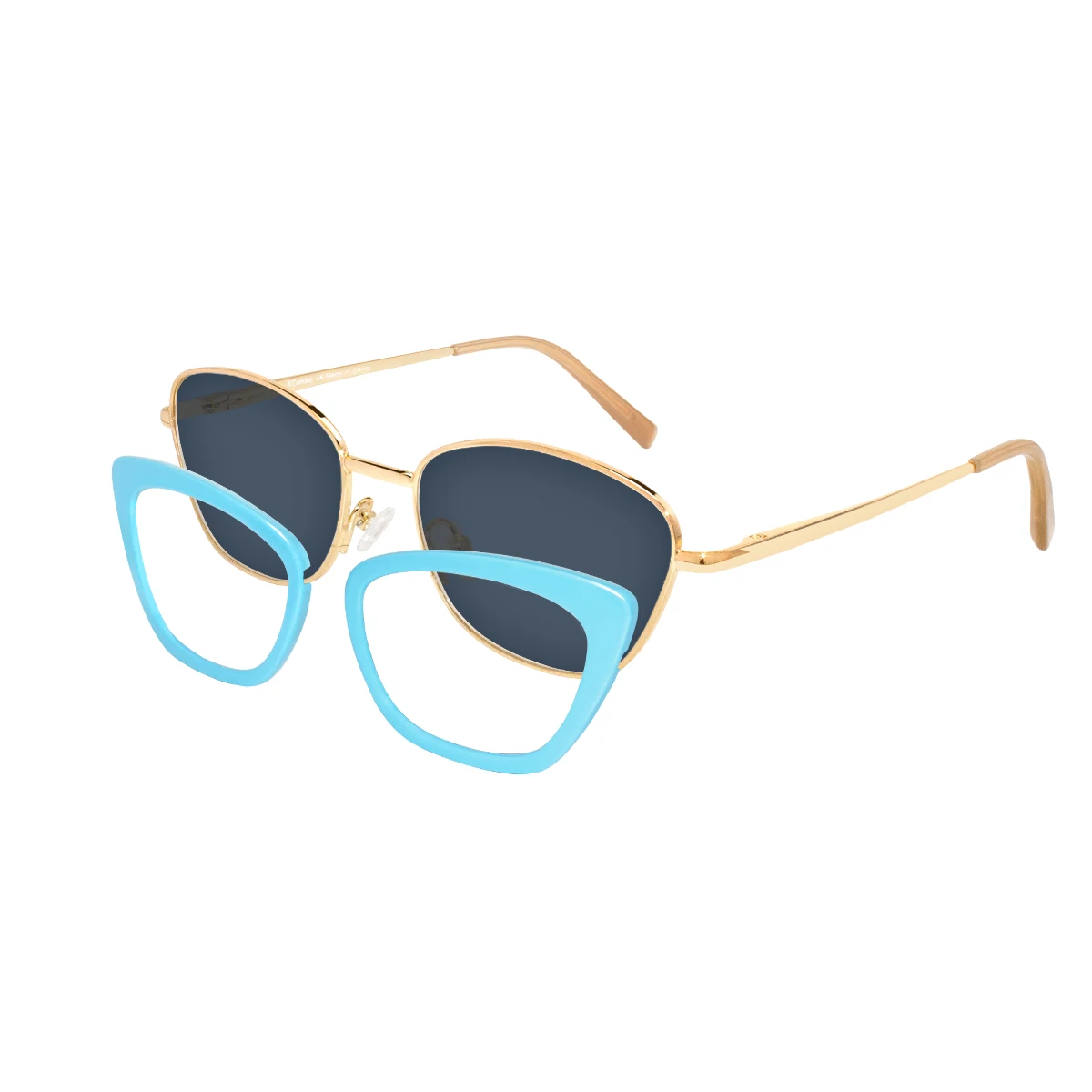
Mira Classic Gold Metal Sunglasses – Wide Cat Eye, Tinted Lenses - Interchangeable Eyewear


Mira Classic Gold Interchangeable Base Frame – Wide Cat-Eye Metal Glasses
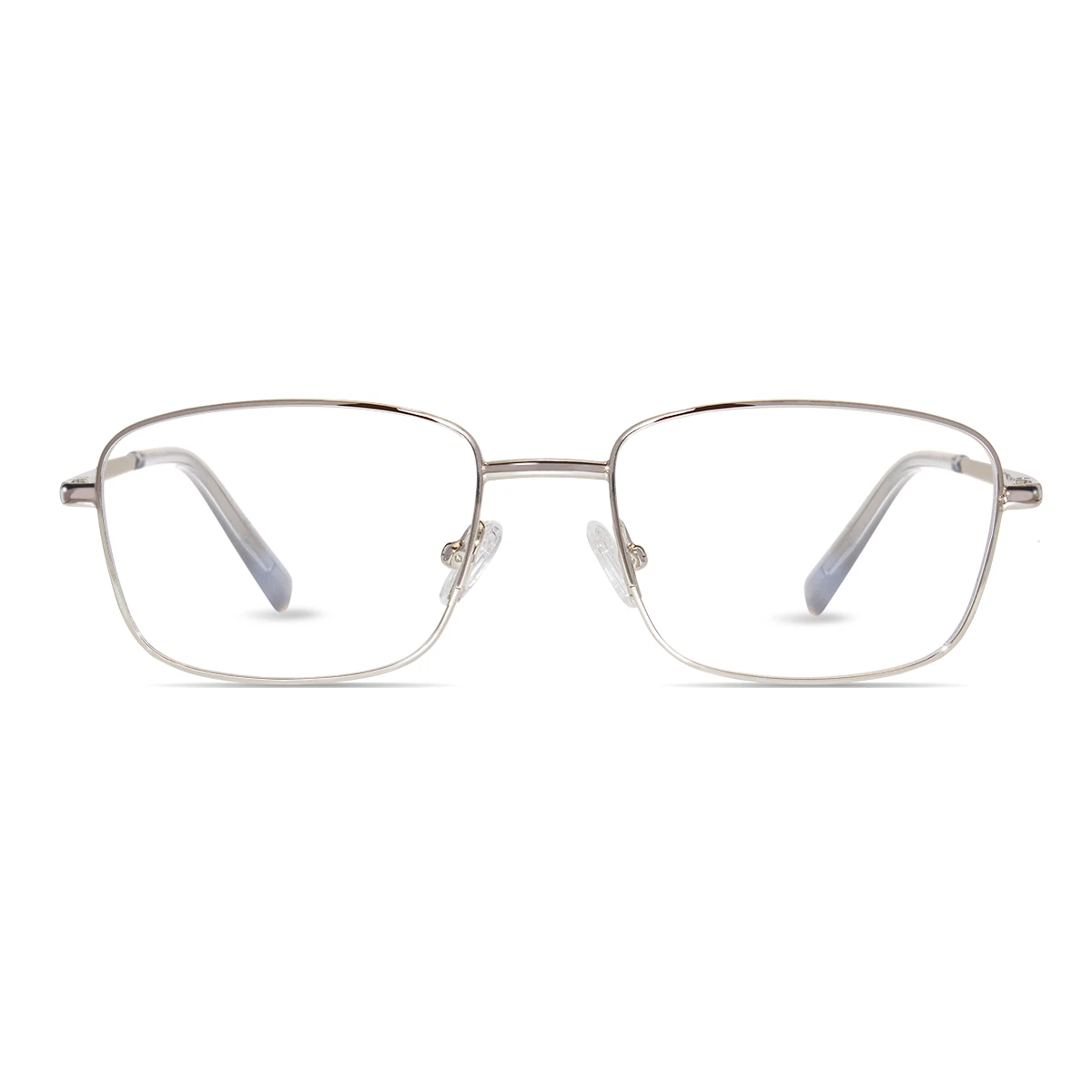
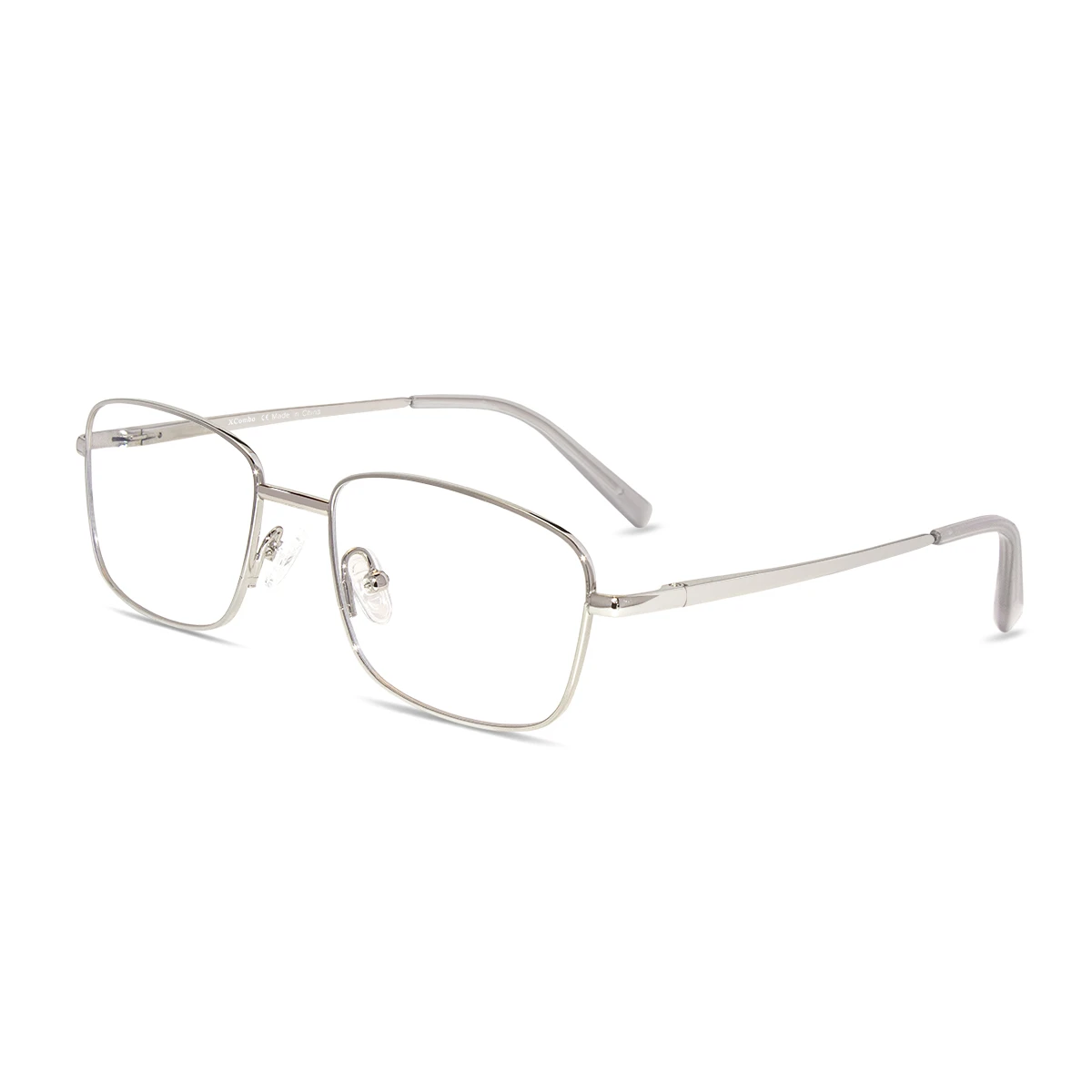
Soline Metallic Silver Interchangeable Base Frame – Wide Rectangle Metal Glasses

The Active Athlete’s Eyewear Survival Guide: How to Prevent Impact Damage and Sweat Wear
For athletes and fitness enthusiasts, eyewear isn’t just an accessory—it’s essential gear. Whether you’re sprinting under the sun, grinding through a high-intensity...
The Zenith of Lightweight: The "Black Tech" Revolution in Customized Eyewear Materials
For the discerning eyewear wearer, the struggle has always been a trade-off between personality and pressure. We crave the bold, architectural lines...
Can You Replace Lenses in Old Frames?
Over time, your vision may change, requiring a new prescription for corrective lenses. However, this doesn’t necessarily mean you need to replace...
Multifocal Lens Fitting: How Custom Frames Precisely Align with Your Visual Center
For millions of people, vision correction isn’t as simple as a single prescription. As our eyes age, the need to see clearly...
Finding Your "Signature Frames": How to Design an Eyewear Look That Defines Your Identity
Think of the most iconic figures in history and pop culture. Steve Jobs. Iris Apfel. Buddy Holly. Karl Lagerfeld. When you visualize...
The Mechanic’s Manifesto: A Daily Guide to Maintaining Screwless Snap-Fit Eyewear
In the world of high-end eyewear, there is a sharp divide between those who accept the status quo and those who demand...
The 3 “Hidden Costs” of Custom Eyewear: Accessories, Maintenance, and Prescription Accuracy — Are Online Custom Glasses Really Worth It?
When shopping for custom eyewear, most people focus on the sticker price. Whether it’s $150 from an online retailer or $1,200 from...
How to Protect Your Eyeglass Lenses from Chemical Damage While Applying Makeup and Hairspray
Eyeglasses have become more than just vision correction tools. For many people, they are everyday essentials, fashion accessories, professional necessities, and long-term...
Exploring Aerospace Materials in Modern Custom Eyeglasses
Eyeglasses are no longer just simple tools for vision correction. In the modern world, they have evolved into sophisticated products that blend...
The Art of Weight Distribution: Why Balance Matters More Than Absolute Weight in Custom Eyewear
When people shop for eyeglasses, one question dominates the conversation:“How much do they weigh?”It sounds logical. Lighter must mean more comfortable —...
Plastic vs. Polycarbonate Lenses: Which One is Right for You?
Choosing the right lenses for your eyeglasses is just as important as selecting the perfect frames. While your eye doctor determines the...
Protecting Your Cards and Devices: Avoiding the Hidden Risks of Strong Magnets in Everyday Life
Magnets are everywhere in modern life. From refrigerator doors and wireless chargers to phone accessories and smart home gadgets, magnetic technology has...