

Summer Inside Your Lenses: The Ultimate Eyeglass Cleaning Battle for Hot Weather
Summer is the season of sunshine, beach trips, outdoor adventures, road travel, sports, and endless hours under bright blue skies. But for people who wear glasses, summer also introduces a frustrating set of daily challenges that can make lenses dirty, foggy, greasy, and difficult to keep clean.
Sweat, sunscreen, humidity, ocean spray, dust, pollen, makeup, fingerprints, and heat all seem to attack eyeglasses nonstop during warm-weather months. One moment your lenses are crystal clear, and the next they are covered with smudges, oily streaks, or mysterious cloudy spots that seem impossible to remove.
For many glasses wearers, summer becomes a full-scale “lens cleaning battle.”
Unfortunately, improper cleaning habits often make things even worse. Many people accidentally damage lens coatings, scratch expensive prescription lenses, or shorten the lifespan of their eyewear by using the wrong cleaning methods.
The good news is that with the right techniques, products, and maintenance habits, keeping glasses clean during summer becomes much easier.
This comprehensive guide explores everything you need to know about summer eyeglass care, including how heat affects lenses, why summer dirt builds up faster, the safest cleaning methods, anti-fog strategies, travel maintenance tips, coating protection, and the biggest cleaning mistakes to avoid.
Why Summer Is So Hard on Eyeglasses
Warm weather creates a perfect storm of conditions that affect lens cleanliness and visual clarity.
During summer, eyeglasses are exposed to:
- Increased sweat
- Skin oils
- High humidity
- Sunscreen residue
- Airborne dust
- Saltwater
- Chlorine
- UV radiation
- Pollen
- Higher temperatures
All of these factors contribute to more frequent smudging and contamination.
The Science Behind Summer Lens Smudges
Many people notice their glasses become dirty much faster during hot weather.
Why This Happens
In summer, the body naturally produces:
- More sweat
- More facial oils
- More moisture
These substances easily transfer to:
- Nose pads
- Frames
- Lens surfaces
- Temple arms
At the same time, airborne particles stick more easily to moist surfaces.
Sweat: One of the Biggest Summer Enemies of Glasses
Sweat affects eyewear in multiple ways.
Problems Caused by Sweat
Sweat may:
- Leave salt residue
- Corrode metal components
- Smudge lenses
- Loosen frame grip
- Damage coatings over time
Sweat buildup is especially problematic for:
- Athletes
- Outdoor workers
- Cyclists
- Runners
- Beachgoers
Why Sunscreen Is a Nightmare for Lenses
Sunscreen protects skin but often creates major cleaning problems for glasses.
How Sunscreen Damages Lens Clarity
Many sunscreens contain:
- Oils
- Silicones
- Chemical UV filters
These substances easily smear onto lenses and create stubborn cloudy films.
The Hidden Risk of Sunscreen and Lens Coatings
Some chemical ingredients may gradually weaken:
- Anti-reflective coatings
- Hydrophobic coatings
- Oleophobic layers
Immediate cleaning after contamination helps reduce long-term damage.
Humidity and Fogging Problems During Summer
Most people associate fogging with winter, but summer humidity creates major fogging issues too.
Common Summer Fogging Situations
- Entering air-conditioned buildings
- Wearing masks outdoors
- High humidity environments
- Drinking cold beverages
- Sweaty outdoor activities
Temperature differences create condensation on lenses quickly.
Understanding Modern Lens Coatings
Today’s lenses often include multiple advanced coatings.
Common Lens Coatings
- Anti-reflective coating
- Blue light filtering
- Scratch resistance
- UV protection
- Hydrophobic coating
- Anti-fog treatment
These coatings improve performance but require careful maintenance.
Why Improper Cleaning Causes Permanent Damage
Many people unknowingly destroy lens coatings through bad cleaning habits.
Common Damage Sources
- Shirt cleaning
- Paper towels
- Dry wiping
- Harsh chemicals
- Hot water
- Household cleaners
Over time, these habits may cause:
- Micro-scratches
- Coating peeling
- Cloudiness
- Reduced clarity
The Correct Way to Clean Glasses During Summer
Proper cleaning techniques dramatically improve lens lifespan and visual quality.
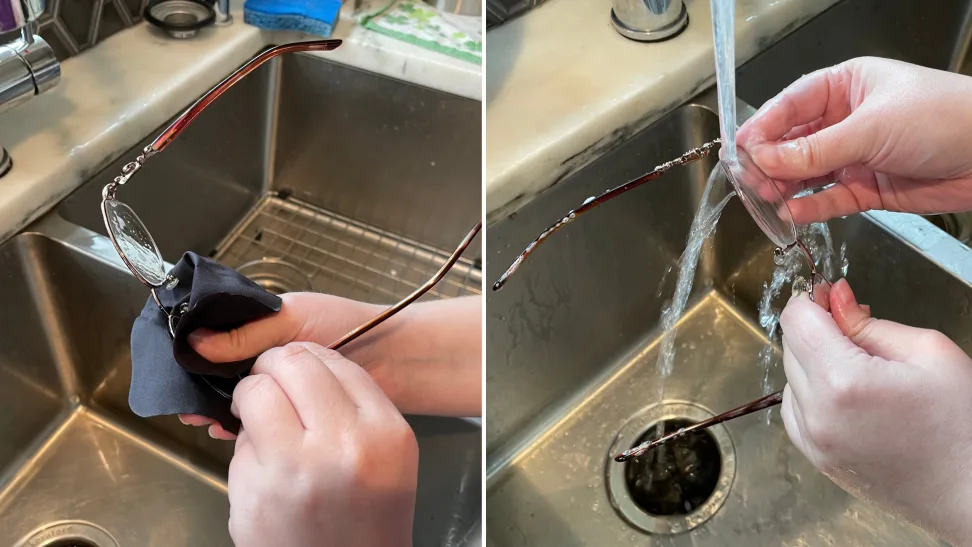
Step 1: Rinse Lenses Before Wiping
Never wipe dirty lenses dry.
Why Rinsing Matters
Dust and debris act like sandpaper when rubbed across lens surfaces.
Rinsing removes abrasive particles safely.
Step 2: Use Lukewarm Water Only
Hot water can weaken delicate coatings.
Cold water may not remove oils effectively.
Lukewarm water is safest.
Step 3: Apply Lens-Safe Cleaner
Use cleaners designed specifically for eyewear.
Avoid:
- Window cleaners
- Alcohol-heavy solutions
- Bleach products
- Household detergents
Step 4: Use Clean Fingertips Gently
Massage both sides of the lenses carefully.
Focus on:
- Nose bridge areas
- Frame edges
- Fingerprint zones
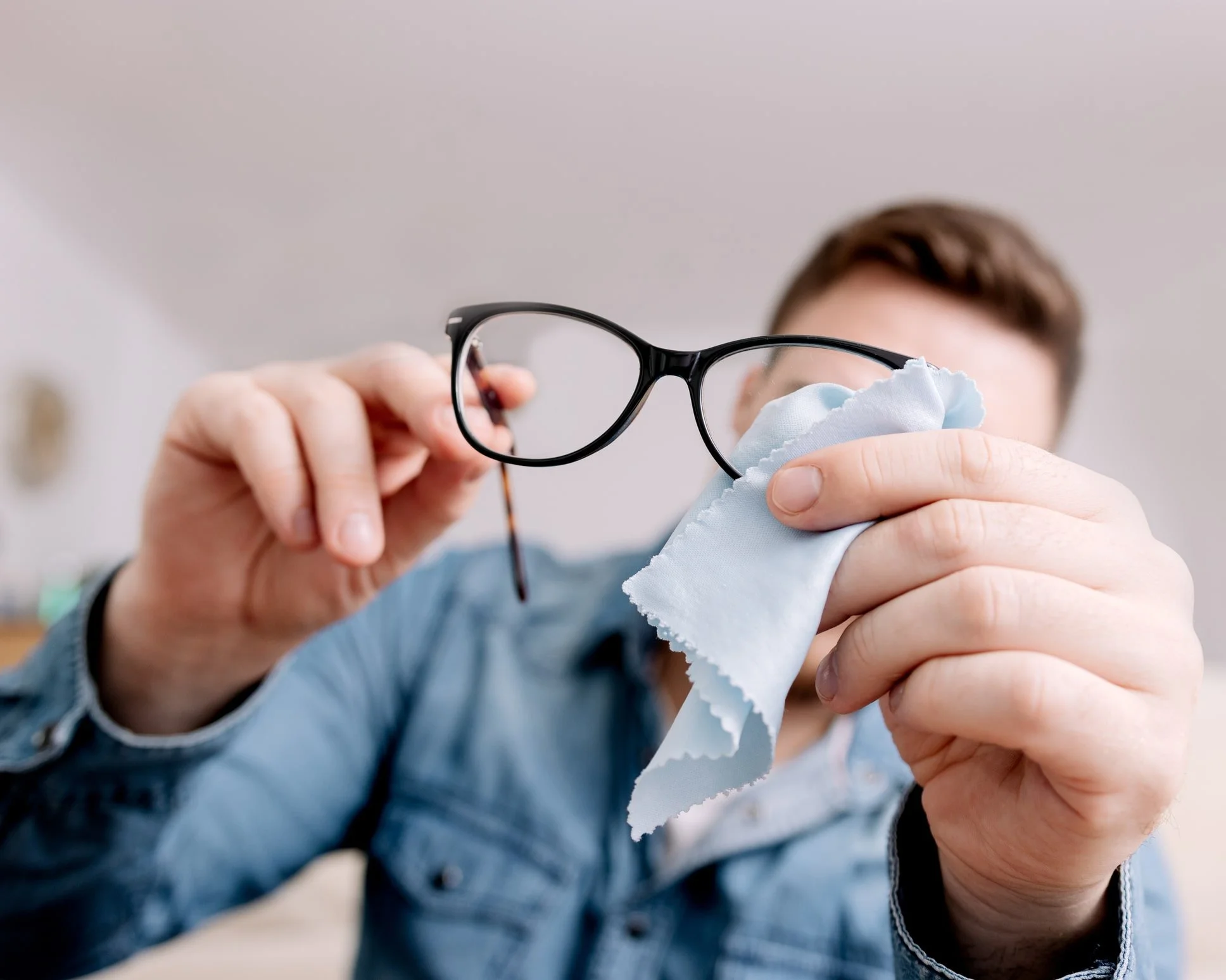
Step 5: Dry with a Microfiber Cloth
Microfiber cloths help:
- Reduce scratches
- Remove oils
- Prevent lint residue
Always use clean microfiber materials.
Why Summer Travelers Need Extra Lens Care
Travel increases exposure to:
- Dust
- Airplane cabin dryness
- Beach sand
- Sweat
- Water splashes
Portable cleaning kits become extremely important during summer vacations.
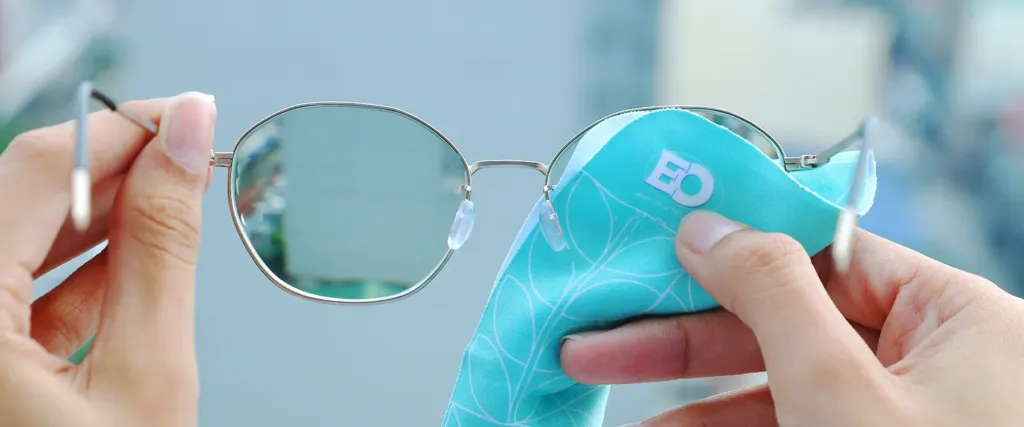
What Every Summer Eyewear Cleaning Kit Should Include
A good travel kit should contain:
- Microfiber cloths
- Lens cleaning spray
- Hard protective case
- Anti-fog wipes
- Small screwdriver kit
- Disposable lens wipes for emergencies
The Beach Is Brutal on Eyeglasses
Beach environments are especially harsh for eyewear.
Major Beach Hazards
- Saltwater
- Sand abrasion
- UV exposure
- Sunscreen residue
- Heat buildup
Why Sand Is So Dangerous
Sand particles are highly abrasive.
Even tiny grains can create:
- Lens scratches
- Coating damage
- Micro-abrasions
Never wipe sandy lenses without rinsing thoroughly first.
Saltwater and Frame Corrosion
Salt accelerates corrosion on:
- Hinges
- Screws
- Metal frames
Rinsing glasses after beach exposure is essential.
Chlorine Exposure and Poolside Glasses Care
Swimming pools introduce another set of risks.
How Chlorine Affects Eyewear
Chlorine may:
- Dry lens coatings
- Damage frame finishes
- Increase residue buildup
Always rinse glasses after pool use.
Summer Sports and Active Lifestyle Challenges
Athletes face constant lens contamination during summer.
Common Problems
- Sweat streaks
- Fogging
- Slipping frames
- Dust accumulation
Sports Eyewear Cleaning Tips
Clean Immediately After Exercise
Sweat residue hardens quickly in heat.
Store Properly
Never leave sports glasses inside hot cars.
Use Anti-Slip Nose Pads
Stable fit reduces lens touching.
Why Hot Cars Destroy Glasses
Vehicle interiors may reach extremely high temperatures during summer.
Heat Damage Risks
Excessive heat may:
- Warp plastic frames
- Damage coatings
- Loosen adhesives
- Distort lens shape
Never leave glasses on dashboards.
Sunglasses Need Cleaning Too
Many people clean prescription glasses carefully but neglect sunglasses.
Summer Sunglass Problems
- Fingerprints
- Ocean spray
- Makeup buildup
- Dust accumulation
Dirty sunglasses reduce visual comfort and UV protection effectiveness.
Polarized Lenses Require Special Attention
Polarized lenses often include delicate layered technology.
Improper cleaning may damage:
- Polarization films
- Surface coatings
Always use gentle cleaning techniques.
Makeup and Cosmetic Residue Problems
Summer cosmetics easily transfer onto glasses.
Common Sources
- Foundation
- Facial sunscreen
- Setting spray
- Moisturizers
- Mascara
These substances accumulate heavily around:
- Nose pads
- Frame edges
- Lens corners
Deep Cleaning Nose Pads and Frame Crevices
Many bacteria and oils collect in hidden frame areas.
Best Cleaning Tools
- Soft brushes
- Cotton swabs
- Lens-safe soap
- Microfiber detailing cloths
Regular deep cleaning improves hygiene significantly.
Why Blue Light Glasses Get Dirty Faster Indoors
Many people spend summer alternating between outdoor heat and indoor screen use.
Blue light glasses often attract:
- Fingerprints
- Oil buildup
- Dust particles
because users touch them frequently during computer work.
Anti-Fog Solutions for Humid Summer Weather
Fogging can become extremely frustrating in summer humidity.
Anti-Fog Sprays
These create moisture-resistant surfaces.
Important Tip
Only use sprays approved for coated lenses.
Anti-Fog Cloths
Reusable anti-fog cloths are popular among:
- Cyclists
- Medical workers
- Outdoor athletes
Ventilation Helps Too
Better airflow reduces condensation buildup.
Kids’ Glasses During Summer Vacation
Children’s glasses face extra abuse during summer activities.
Common Problems
- Sand exposure
- Fingerprints
- Pool chemicals
- Outdoor impacts
Parents should clean kids’ glasses more frequently during summer months.
The Biggest Summer Eyeglass Cleaning Mistakes
Mistake #1: Cleaning with T-Shirts
Fabric fibers trap abrasive particles.
Mistake #2: Using Paper Towels
Paper products can scratch coatings.
Mistake #3: Using Household Glass Cleaner
Ammonia damages lens coatings.
Mistake #4: Leaving Glasses in Hot Cars
Heat destroys coatings and frame integrity.
Mistake #5: Dry Wiping Sweaty Lenses
Salt and dirt create abrasion damage.
How Often Should You Clean Glasses in Summer?
Summer conditions usually require more frequent cleaning than winter.
Recommended Frequency
Light Daily Use
- 1–2 cleanings per day
Heavy Outdoor Activity
- Multiple rinses and wipe-downs
Sports or Beach Use
- Clean immediately after activity
Why Professional Cleaning Still Matters
Even with good home care, professional cleaning provides benefits.
Professional Services Include
- Ultrasonic cleaning
- Screw tightening
- Nose pad replacement
- Deep sanitation
- Frame realignment
These services improve comfort and extend lifespan.
UV Exposure and Long-Term Lens Damage
Summer sunlight affects eyewear over time.
UV Risks
Prolonged exposure may:
- Fade coatings
- Weaken plastics
- Increase brittleness
UV-protective coatings help reduce these effects.
Smart Glasses and Summer Maintenance
Modern smart glasses introduce additional cleaning challenges.
Sensitive Components Include
- Cameras
- Speakers
- Charging ports
- Sensors
Moisture and sweat management become even more important.
Eco-Friendly Eyeglass Cleaning Options
Sustainability is becoming more important in eyewear care.
Environmentally Friendly Choices
- Reusable microfiber cloths
- Refillable lens sprays
- Washable cleaning pads
- Durable protective cases
Reducing disposable wipe usage lowers waste.
Why Clear Lenses Improve Summer Comfort
Clean lenses do more than improve appearance.
They also reduce:
- Eye strain
- Glare
- Headaches
- Visual fatigue
especially during bright outdoor activities.
Building Better Daily Cleaning Habits
Good maintenance becomes easier when it becomes routine.
Recommended Daily Habits
Morning
Quick inspection and microfiber wipe.
Midday
Remove sweat and sunscreen buildup.
Evening
Deep rinse and safe drying before storage.
The Future of Eyewear Cleaning Technology
Eyewear maintenance technology continues evolving rapidly.
Future innovations may include:
- Self-cleaning coatings
- Nano-repellent surfaces
- Anti-static lens technology
- AI-powered cleaning reminders
- Scratch-healing coatings
However, proper manual care will still remain essential.
Summer Eyewear Storage Tips
Proper storage protects lenses between uses.
Best Practices
- Use hard-shell cases
- Avoid humid storage
- Keep away from direct sunlight
- Never place lenses face-down
Why Quality Cleaning Products Matter
Cheap cleaning products often leave:
- Streaks
- Residue
- Chemical damage
Premium lens-safe products help preserve expensive eyewear investments.
Final Thoughts
Summer may be one of the toughest seasons for eyeglass wearers, but it does not have to become a constant battle against smudges, fogging, scratches, and dirty lenses. Understanding how heat, humidity, sweat, sunscreen, saltwater, dust, and UV exposure affect eyewear is the first step toward protecting your glasses properly.
By using safe cleaning techniques, carrying the right travel maintenance tools, avoiding common mistakes, and building consistent daily care habits, glasses wearers can maintain crystal-clear vision and extend the life of their lenses and frames throughout the hottest months of the year.
Whether you wear prescription glasses, sunglasses, blue light lenses, sports eyewear, or smart glasses, proper summer cleaning is about more than appearance — it is about protecting your vision, preserving lens technology, improving comfort, and ensuring your eyewear performs at its best every single day.
Share this post
Soline Rose Gold Interchangeable Sunglasses – Wide Rectangle, Tinted Lenses
Soline Classic Gold Base Frame for Interchangeable Toppers – Wide Metal Rectangle Glasses
- Bone Rattle (PH01)
- Haunted Plaid (PH02)
- Pumpkin King (PH03)
- Night Sky Bat (PH04)
- Pumpkin Parade (PH05)
- Spooky Duo (PH06)
- Witch’s Cat (PH07)
- Mint Ghost (PH08)
- Dark Spell (PH09)
- Midnight Meow (PH10)
- Ghost Mosaic (PH11)
- Skull Storm (PH13)
- Wicked Glow (PH14)
- Haunted Gray (PH15)
- Phantom Mosaic (PH16)
- Midnight Dots (PH17)
- Haunted Medley (PH18)
- Nightmare Mix (PH19)
- Ghost Fade (PH20)
- Candy Curse (PH26)
- Ghost Drift (PH21)
- Pumpkin Fusion (PH22)
- Shadow Spirit (PH23)
- Spooky Toon (PH24)
- Demon Grin (PH25)
- Autumn Bloom (PH27)
Halloween Collection Top Frames for Soline Rectangle Base Frame | Modular Glasses Toppers

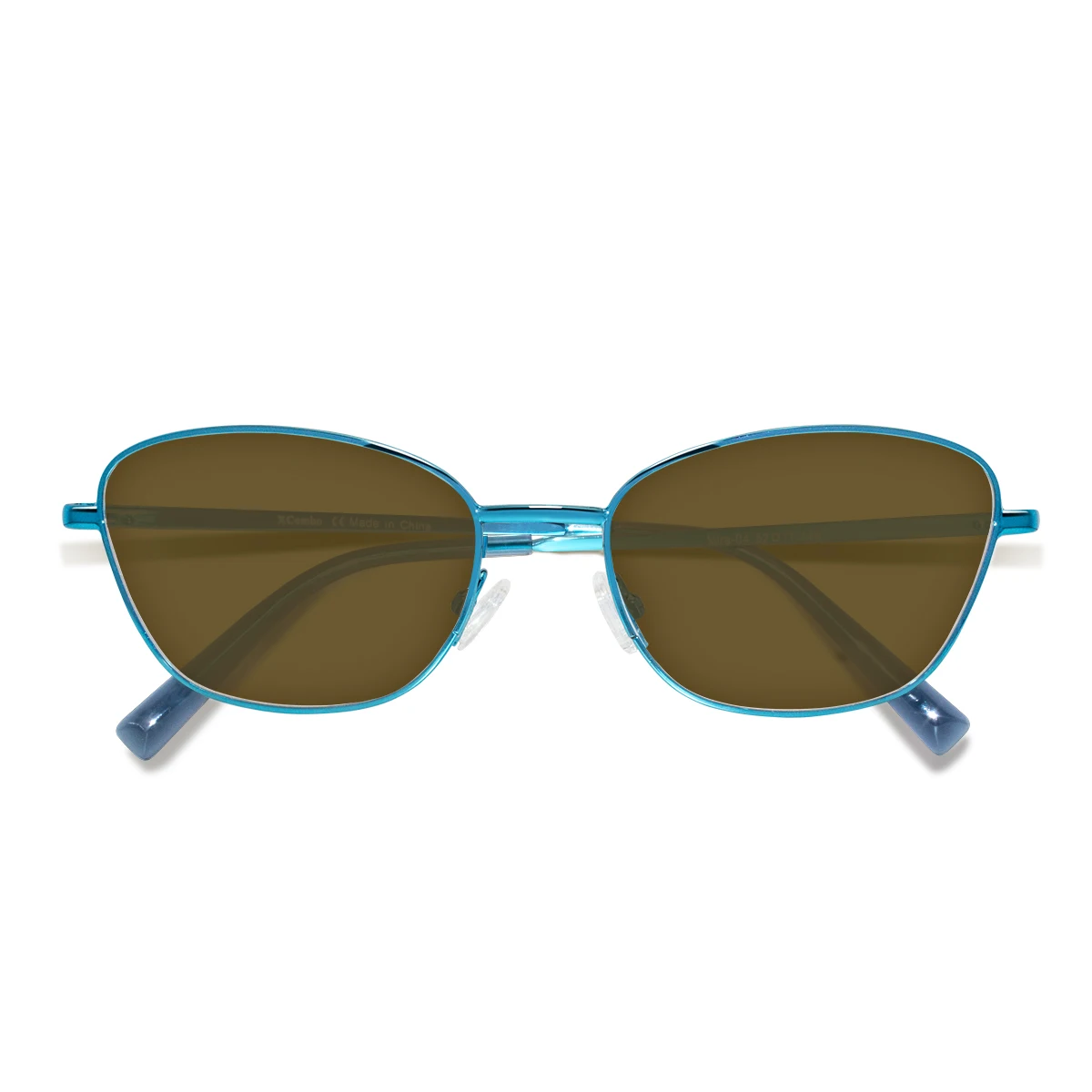
Mira Ice Blue Wide Cat-Eye Sunglasses – Metal Frame, Tinted Lenses - Interchangeable Eyewear





The Zero-Gravity Vision: How Material Science Makes Custom Frames Lighter Than a Sheet of Paper
In the world of high-end optics, there is a "Sound Barrier" that designers have been trying to break for decades. It is...
The Architecture of Presence: Why Custom Eyewear is the Secret to "Magnetic Eyes"
Walk into any home improvement store in the United States and you’ll see rows of blackout curtains promising better sleep, lower energy...
Gravity’s Grudge: Why Your Glasses Keep Sliding Down (And How Your Frames Are Trying to Tell You Something)
We’ve all been there. You’re in the middle of a high-stakes board meeting, leaning over a delicious plate of pasta, or simply...
Finding Your "Signature Frames": How to Design an Eyewear Look That Defines Your Identity
Think of the most iconic figures in history and pop culture. Steve Jobs. Iris Apfel. Buddy Holly. Karl Lagerfeld. When you visualize...
No More Ear Pain: How Custom Eyeglass Frames Solve 12-Hour Wear Discomfort
If you wear glasses all day, you know the feeling.It starts as a faint pressure behind your ears. By mid-afternoon, that pressure...
The "One and Done" Investment: Why Custom Eyewear Is Actually Cheaper Than the "Cheap" Alternative
In the world of personal finance, there is a concept known as the "Boots Theory" of socioeconomic unfairness. Coined by author Terry...
Can Dish Soap Really Clean Your Glasses? An Expert Guide to Safe Lens Care
Clean lenses can make the difference between crisp, comfortable vision and a day full of eye strain, glare, and frustration. Yet despite...
Why Expensive Designer Frames Sometimes Feel Less Comfortable Than Affordable Custom Glasses
Luxury branding has powerful influence.Walk into a high-end optical boutique and you’ll see familiar names displayed under soft lighting, often associated with...
Beginner’s Guide: How to Choose Your First Pair of Custom Glasses
Buying your first pair of custom glasses can feel exciting, overwhelming, and slightly confusing at the same time. Unlike standard off-the-shelf eyewear,...
“Five O’Clock Headache”: Could Custom Eyewear Be the Cure for Your Daily Fatigue?
Around 4:30 p.m., your focus softens. By 5:00 p.m., there’s a dull pressure behind your eyes. Your temples tighten. The screen feels...
How to Protect Your Eyeglass Lenses from Chemical Damage While Applying Makeup and Hairspray
Eyeglasses have become more than just vision correction tools. For many people, they are everyday essentials, fashion accessories, professional necessities, and long-term...
3D Printed Glasses: High-Tech Gimmick or the Future of Personalized Vision Protection?
Eyewear has always balanced two worlds: medical necessity and personal expression. For decades, glasses were manufactured using standardized molds, limited sizing systems,...