


Beginner’s Guide: How to Choose Your First Pair of Custom Glasses
Buying your first pair of custom glasses can feel exciting, overwhelming, and slightly confusing at the same time. Unlike standard off-the-shelf eyewear, custom glasses offer a personalized experience — from frame design and lens technology to fit precision and lifestyle optimization. But with so many options available, beginners often struggle to know where to start.
What frame suits your face shape? Which lens material is best? Do you need blue light protection? How important is facial measurement? And how do you balance comfort, style, and long-term value?
This comprehensive guide will walk you through everything you need to know about choosing your first pair of custom glasses. From understanding prescription details and selecting frames to choosing lens features and ensuring perfect fit, you’ll learn how to make confident decisions and create eyewear tailored specifically to your needs.
Why Choose Custom Glasses Instead of Standard Frames?
Before diving into the process, it’s helpful to understand why custom eyewear is becoming increasingly popular.
Traditional glasses are mass-produced using standard measurements that may not perfectly match your face. Custom glasses, on the other hand, are designed based on individual characteristics, including facial structure, visual needs, and lifestyle habits.
Key Benefits of Custom Eyewear
- Personalized fit for maximum comfort
- Better visual accuracy
- Improved durability
- Unique style expression
- Reduced pressure points
- Long-term cost efficiency
According to vision care professionals at the American Academy of Ophthalmology, properly fitted eyewear improves both visual performance and eye comfort, making accurate fitting an essential part of eye care.
For beginners, investing in a properly customized pair can dramatically improve daily comfort and vision quality.
Step 1: Understand Your Prescription First
Your prescription is the foundation of your glasses. Before choosing frames or design features, you must understand what your prescription means.
Common Prescription Terms
SPH (Sphere)
Indicates the degree of nearsightedness or farsightedness.
CYL (Cylinder)
Measures astigmatism correction.
Axis
Specifies the orientation of astigmatism correction.
PD (Pupillary Distance)
Distance between pupils — crucial for lens alignment.
Many first-time buyers overlook PD accuracy, but incorrect measurements can cause eye strain and blurred vision.
Step 2: Define Your Primary Usage
Before selecting a frame or lens, ask yourself how you will use your glasses most often.
Common Usage Scenarios
- Daily work or office use
- Computer or digital screen work
- Driving
- Sports or outdoor activities
- Reading or studying
- Fashion accessory use
Different activities require different lens technologies and frame structures. Custom glasses allow you to optimize for your lifestyle rather than compromise.
Step 3: Choose the Right Frame for Your Face Shape
Frame selection is one of the most visible aspects of custom eyewear.
Identify Your Face Shape
Most faces fall into these general categories:
- Round
- Square
- Oval
- Heart-shaped
- Diamond
Matching Frames to Face Shapes
Round Face → Angular Frames
Adds structure and definition.
Square Face → Rounded Frames
Softens strong facial lines.
Oval Face → Most Styles Work
Balanced proportions offer flexibility.
Heart-Shaped Face → Thin or Rimless Frames
Reduces visual weight on the forehead.
Custom eyewear may also use digital facial scanning to create precise frame geometry.
Step 4: Select Frame Materials Carefully
Frame materials affect durability, comfort, weight, and appearance.
Popular Frame Materials
Acetate
- Rich color options
- Lightweight
- Skin-friendly
- Stylish appearance
Titanium
- Extremely strong
- Ultra-lightweight
- Corrosion resistant
- Ideal for long wear
Stainless Steel
- Durable
- Sleek design
- Affordable
TR90 or Memory Polymer
- Flexible
- Impact resistant
- Comfortable for active lifestyles
Beginners often prefer lightweight materials for comfort during long wear.
Step 5: Choose the Right Lens Type
Lenses determine how clearly you see and how comfortable your eyes feel.
Single Vision Lenses
Correct one viewing distance — suitable for most beginners.
Progressive Lenses
Provide multiple viewing zones for near and far vision.
Blue Light Filtering Lenses
Reduce digital screen strain for heavy computer users.
Photochromic Lenses
Automatically darken in sunlight.
Choosing the right lens depends on your daily routine and visual demands.
Step 6: Consider Lens Materials
Different lens materials provide different benefits.
High-Index Lenses
- Thinner and lighter
- Ideal for strong prescriptions
Polycarbonate Lenses
- Impact resistant
- Lightweight
- Good for active users
Standard Plastic Lenses
- Affordable
- Suitable for mild prescriptions
The American Optometric Association recommends high-index lenses for strong prescriptions to reduce lens thickness and weight.
Step 7: Add Protective Lens Coatings
Lens coatings enhance durability and visual comfort.
Essential Coatings
Anti-Reflective Coating
- Reduces glare
- Improves clarity
- Enhances night driving visibility
Scratch-Resistant Coating
- Extends lens lifespan
UV Protection
- Protects eyes from harmful radiation
Hydrophobic Coating
- Repels water and smudges
Many beginners underestimate how much coatings improve everyday comfort.
Step 8: Prioritize Proper Fit and Comfort
A perfect fit is one of the biggest advantages of custom glasses.
Key Fit Areas
- Nose bridge support
- Temple length
- Frame width
- Lens position
- Ear alignment
Poor fit causes slipping, headaches, and discomfort. Custom eyewear addresses these issues through precise measurement.
Step 9: Understand Facial Measurements Beyond PD
Advanced customization includes detailed facial measurements such as:
- Bridge width
- Vertex distance
- Pantoscopic tilt
- Frame wrap angle
These measurements optimize visual performance and wearing comfort.
Step 10: Decide Between Fixed or Modular Designs
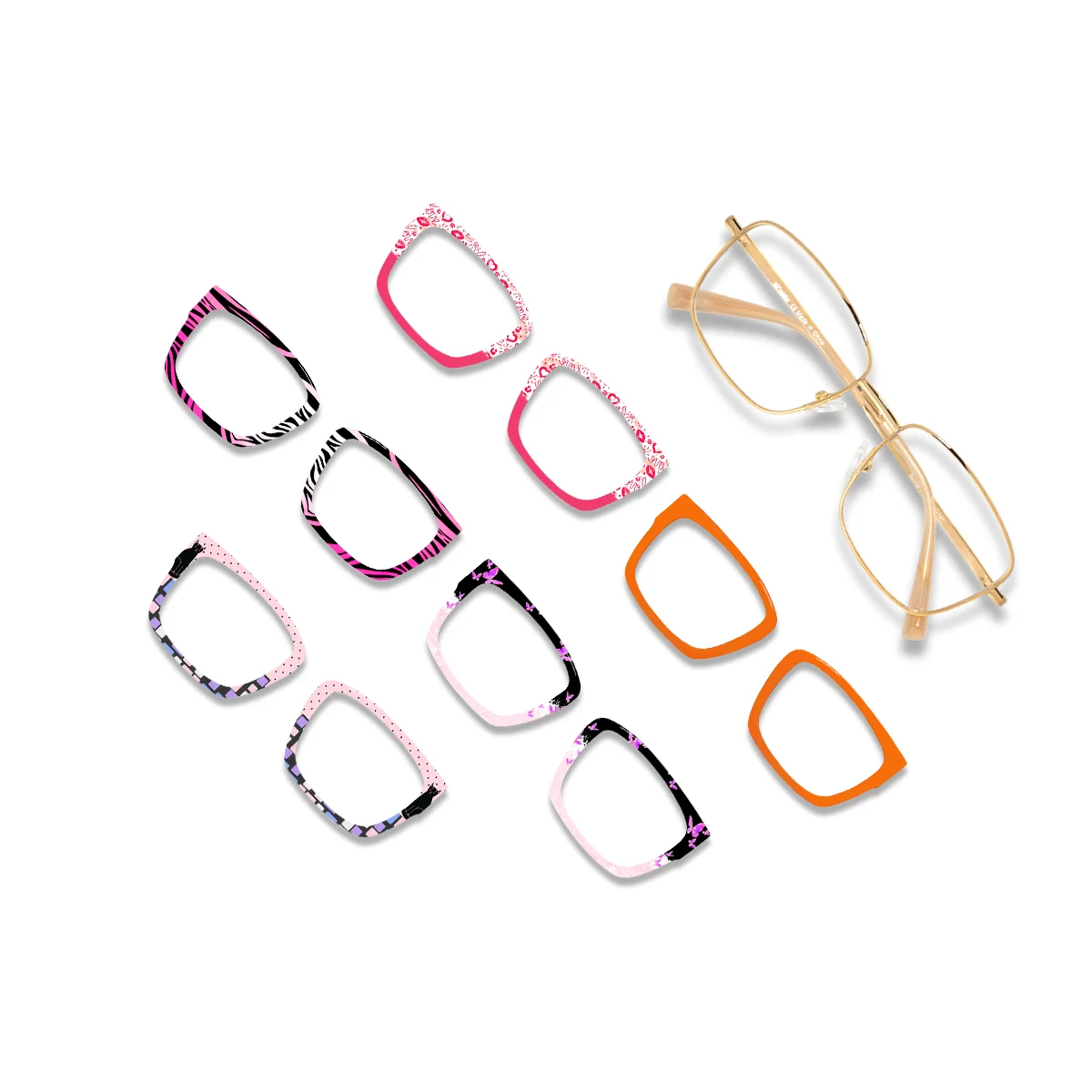
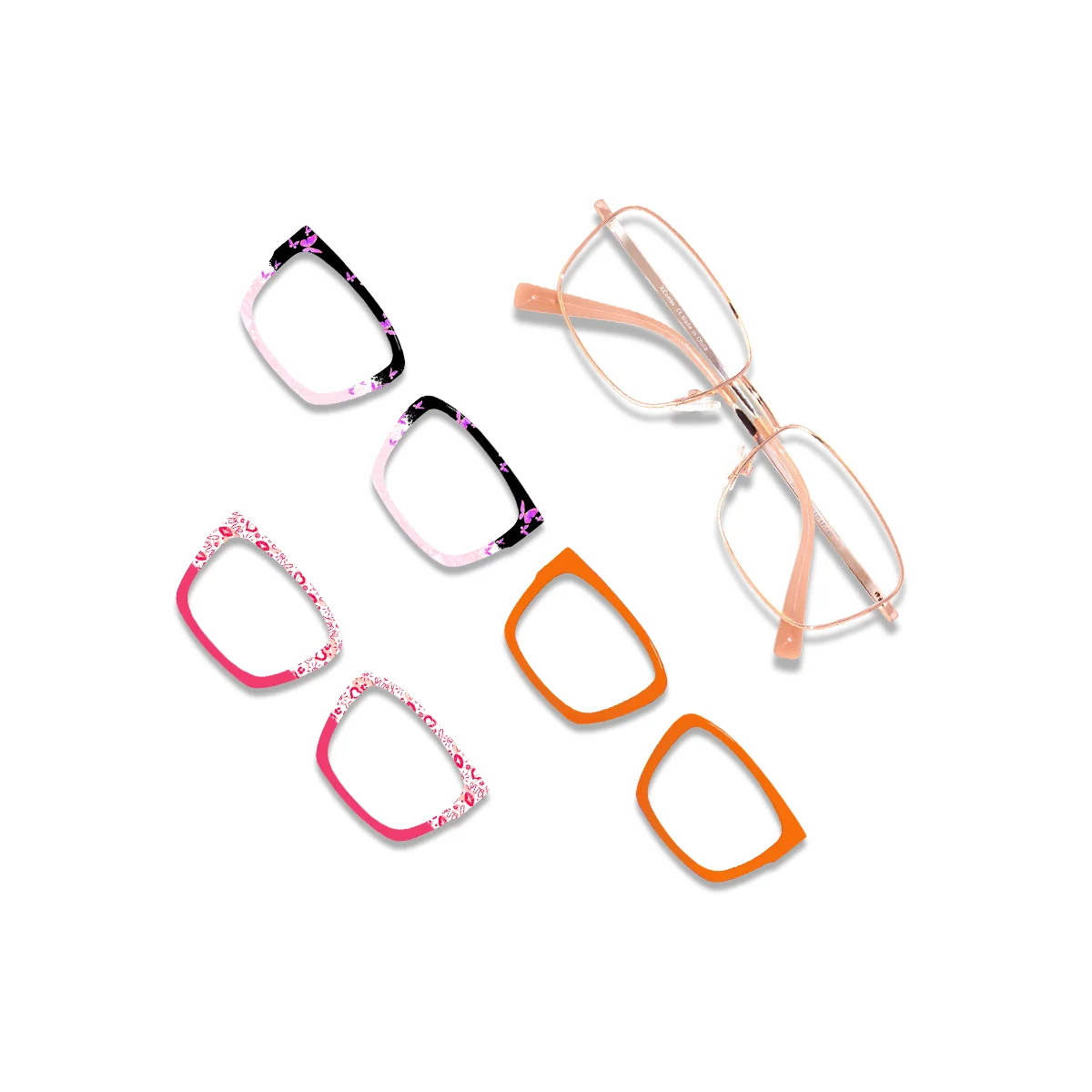
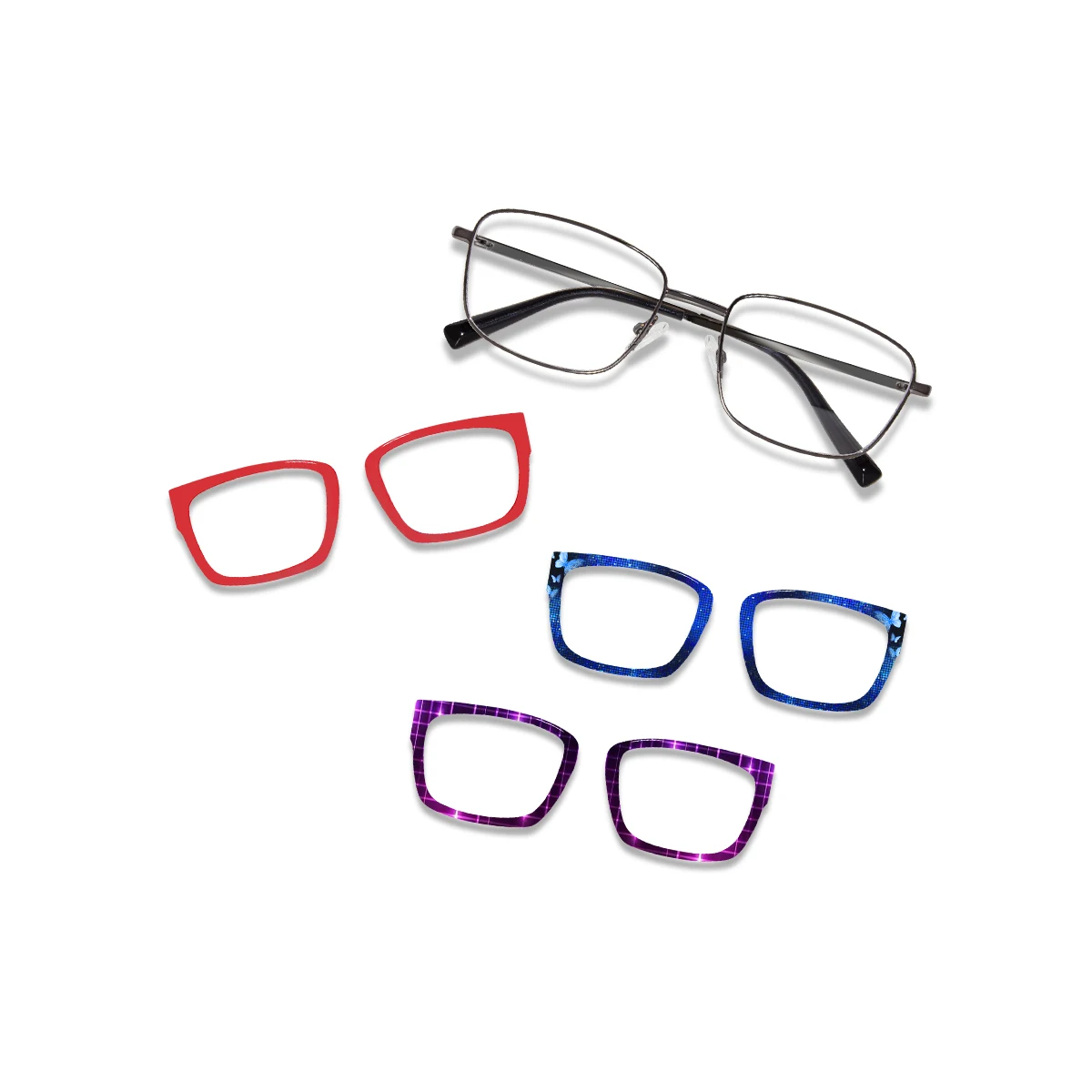
Modern custom eyewear may offer modular systems with interchangeable components.
Benefits of Modular Glasses
- Replaceable parts
- Style flexibility
- Easy repairs
- Long-term upgrades
While optional, modular design offers future adaptability.
Step 11: Balance Style and Function
Your glasses should match both your visual needs and personal identity.
Consider:
- Professional vs casual appearance
- Minimalist vs bold design
- Neutral vs statement colors
- Everyday versatility
Your first custom pair should work in multiple settings.
Step 12: Think About Long-Term Maintenance
Custom glasses often last longer than standard frames, but maintenance matters.
Maintenance Tips
- Clean lenses regularly
- Store in protective case
- Adjust frames periodically
- Replace worn components
Proper care extends product lifespan.
Step 13: Budget Planning for Beginners
Custom glasses vary widely in price.
Typical Cost Factors
- Frame material
- Lens technology
- Coatings
- Custom fitting process
- Brand reputation
While more expensive upfront, custom eyewear often reduces replacement frequency.
Step 14: Try Before Finalizing
Whenever possible:
- Test frame comfort
- Check weight balance
- Evaluate visual clarity
- Ensure proper alignment
First impressions matter, but long-term comfort matters more.
Step 15: Avoid Common Beginner Mistakes
Mistake 1: Choosing Style Over Comfort
Attractive frames that feel uncomfortable quickly become unusable.
Mistake 2: Ignoring Lifestyle Needs
Choose lenses based on real usage patterns.
Mistake 3: Skipping Measurements
Accurate data ensures optimal results.
Mistake 4: Underestimating Lens Quality
High-quality lenses significantly improve visual experience.
Step 16: How Custom Glasses Improve Eye Health
Well-fitted glasses reduce:
- Eye strain
- Headaches
- Vision fatigue
- Posture problems
Organizations like the World Health Organization emphasize proper vision correction as an important factor in overall health and quality of life.
Step 17: Digital Customization Is Changing the Industry
Modern eyewear design increasingly uses technology such as:
- 3D facial scanning
- AI-driven fitting analysis
- Virtual try-on tools
- Precision manufacturing
These technologies improve accuracy and personalization.
Step 18: Sustainability and Custom Eyewear
Custom glasses often support sustainable consumption by:
- Reducing replacement frequency
- Allowing repairs
- Using durable materials
- Minimizing waste
Sustainability is becoming an important factor for modern buyers.
Step 19: When to Upgrade or Replace
Even custom glasses require updates.
Consider replacement when:
- Prescription changes
- Frames lose structural integrity
- Vision clarity declines
- Lifestyle needs evolve
Regular eye exams help ensure continued accuracy.
Step 20: Building Confidence With Your First Custom Pair
Your first pair of custom glasses is more than a purchase — it’s a personalized solution designed for your vision, comfort, and identity.
Take time to:
- Understand your needs
- Compare options carefully
- Prioritize fit and function
- Invest in quality
The right choice delivers years of comfort and performance.
Final Thoughts: Start Smart, See Better
Entering the world of custom eyewear may seem complex at first, but the process becomes straightforward when you understand the key steps. By focusing on prescription accuracy, proper fit, quality materials, and lifestyle compatibility, beginners can confidently select their first pair of custom glasses.
Custom eyewear represents a shift from generic solutions to personalized vision care. Instead of adapting to standard designs, your glasses adapt to you — your face, your habits, and your style.
Choosing your first custom pair is not just about seeing clearly. It’s about experiencing comfort, expressing identity, and investing in long-term visual health. When selected thoughtfully, custom glasses become an essential part of your everyday life — designed specifically for you, from frame to lens.
Share this post
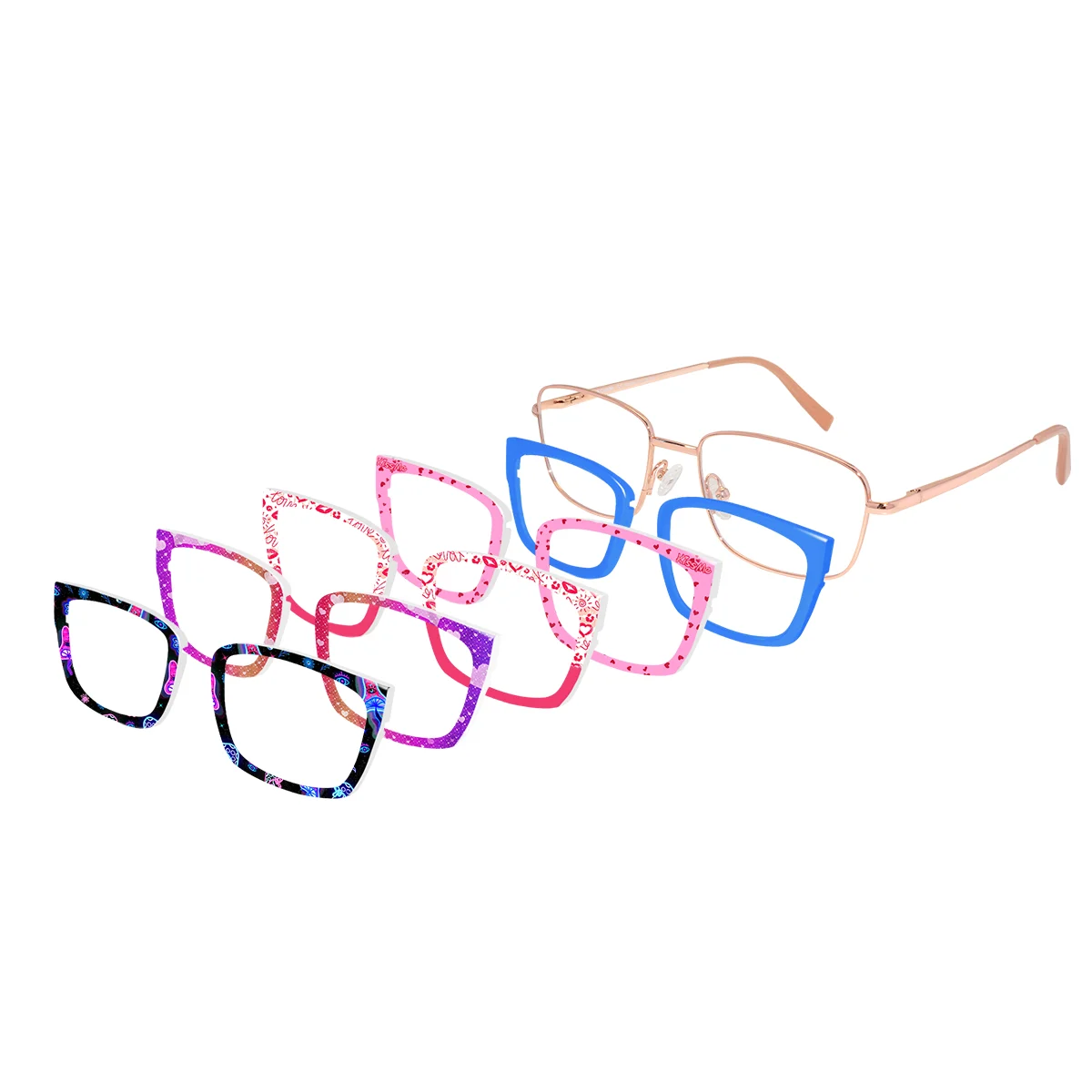
1 Base Frame + 5 Toppers | Interchangeable Glasses Bundle | Magnet-free Modular Eyewear | Rectangle
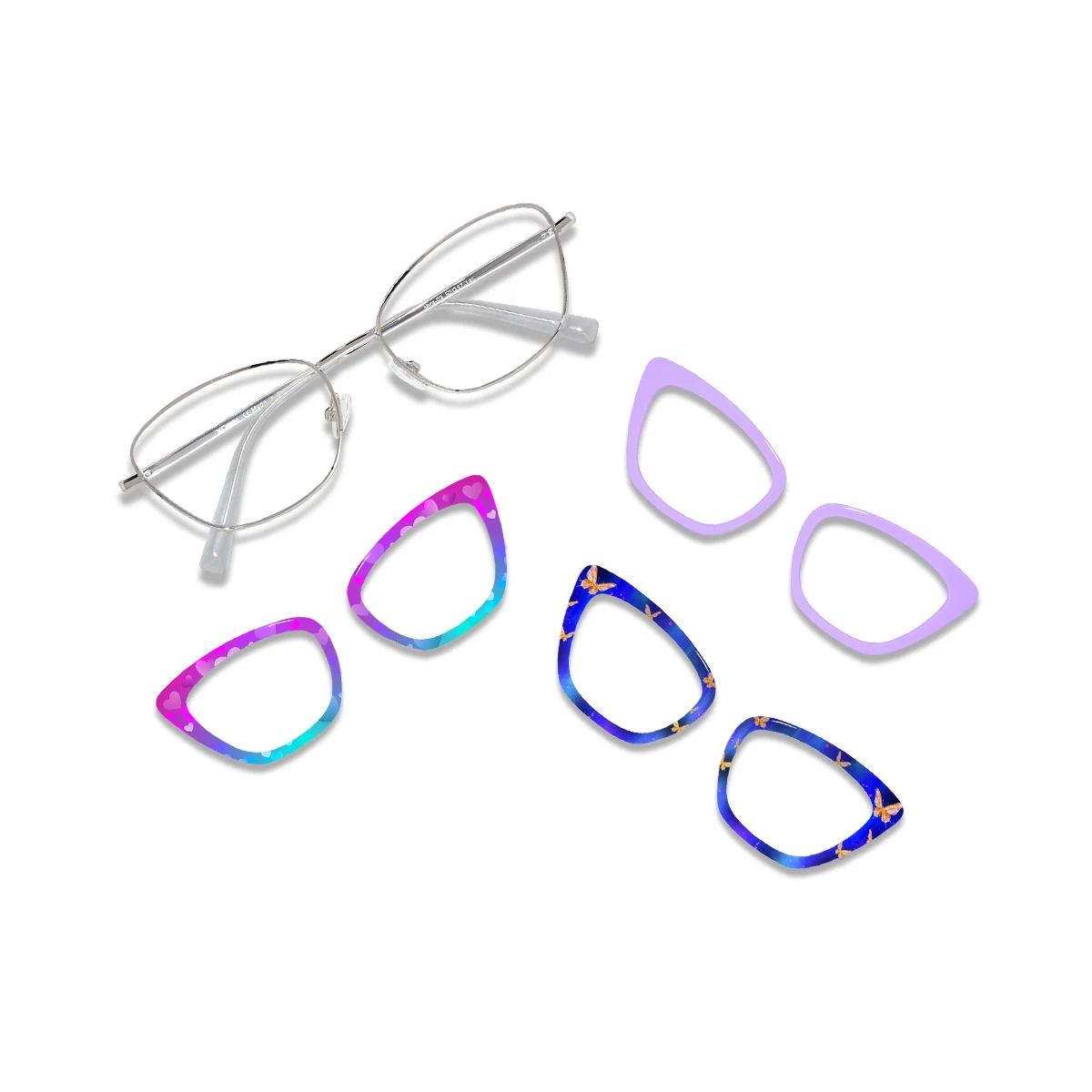
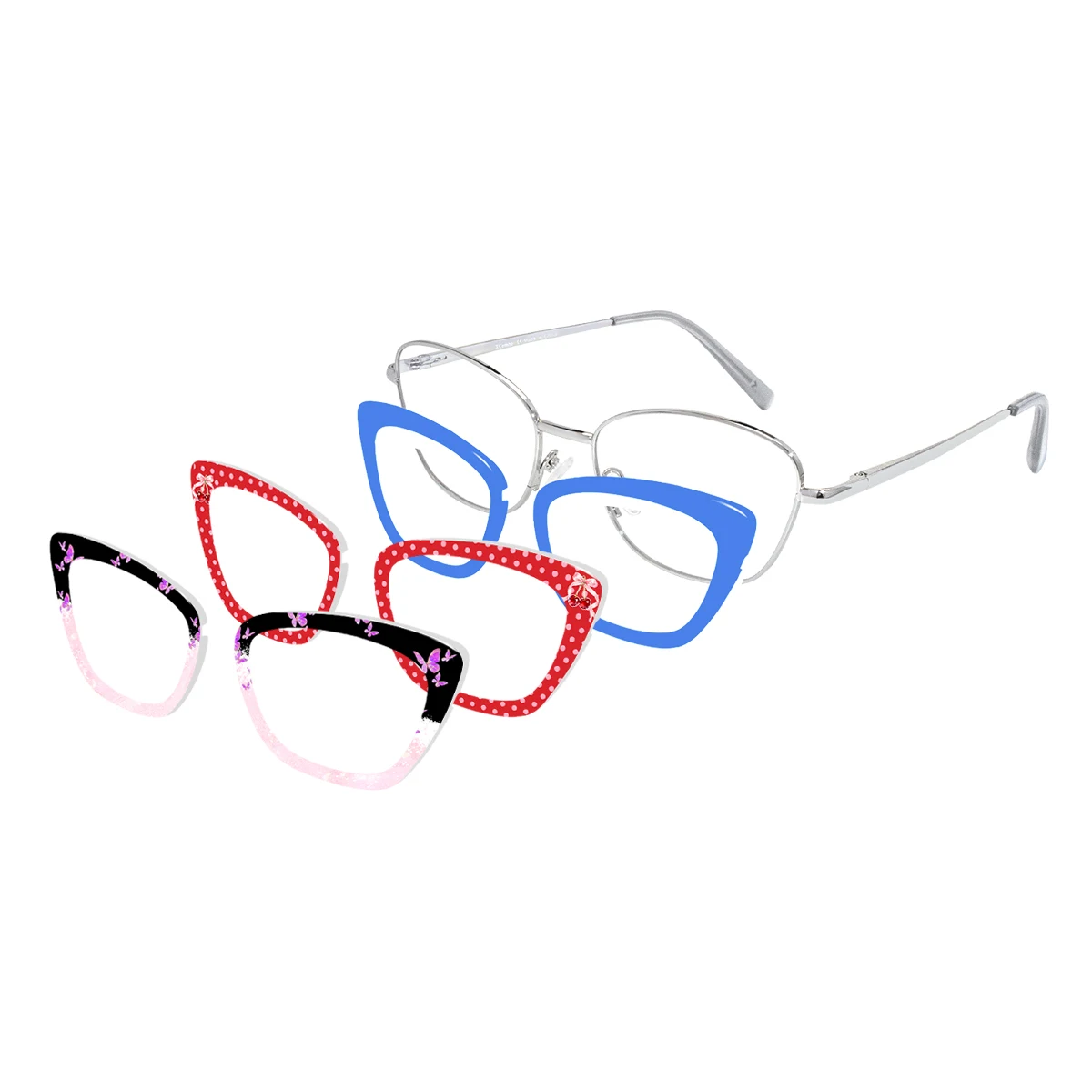
1 Base Frame + 3 Toppers | Interchangeable Glasses Bundle | Magnet-free Modular Eyewear | Cat Eye


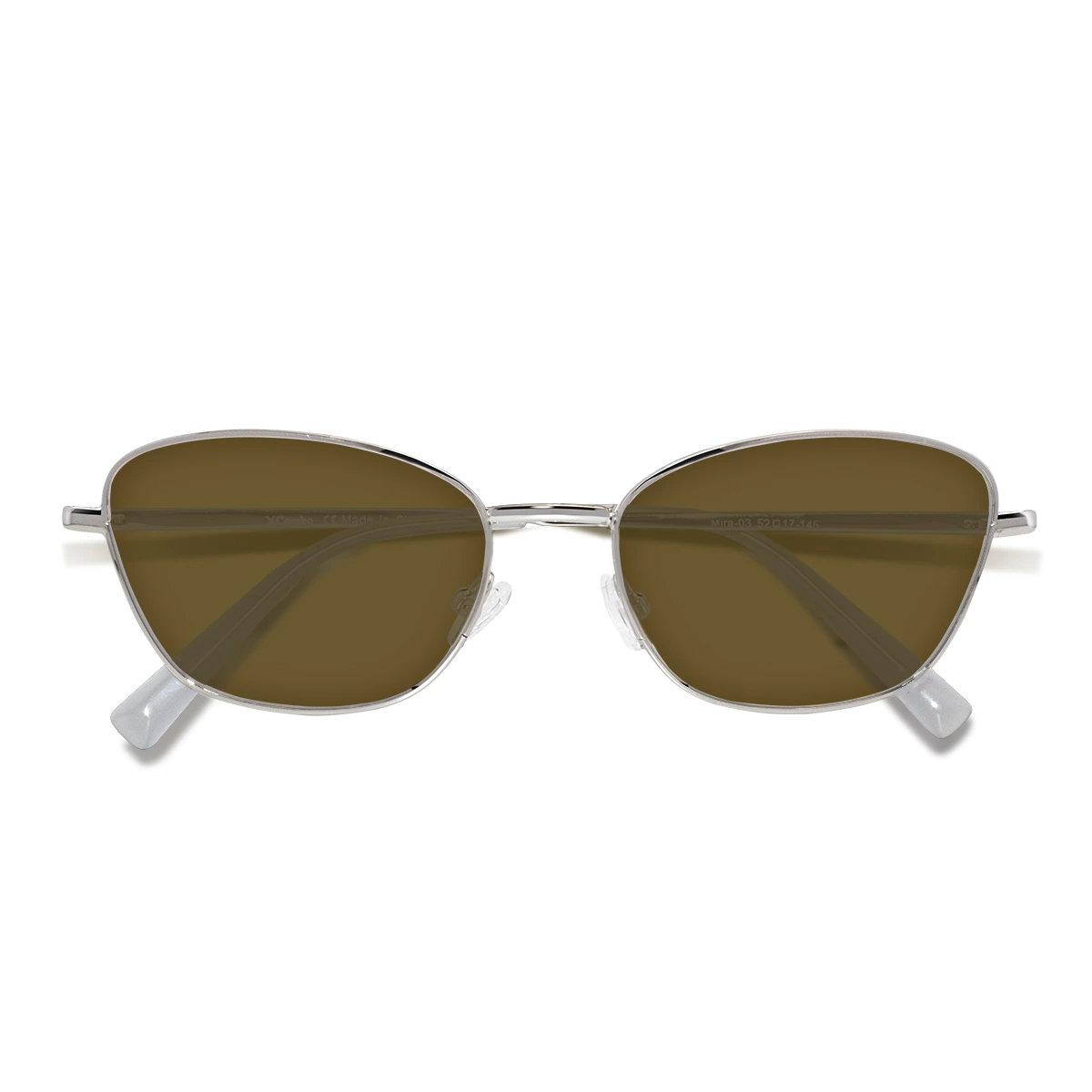
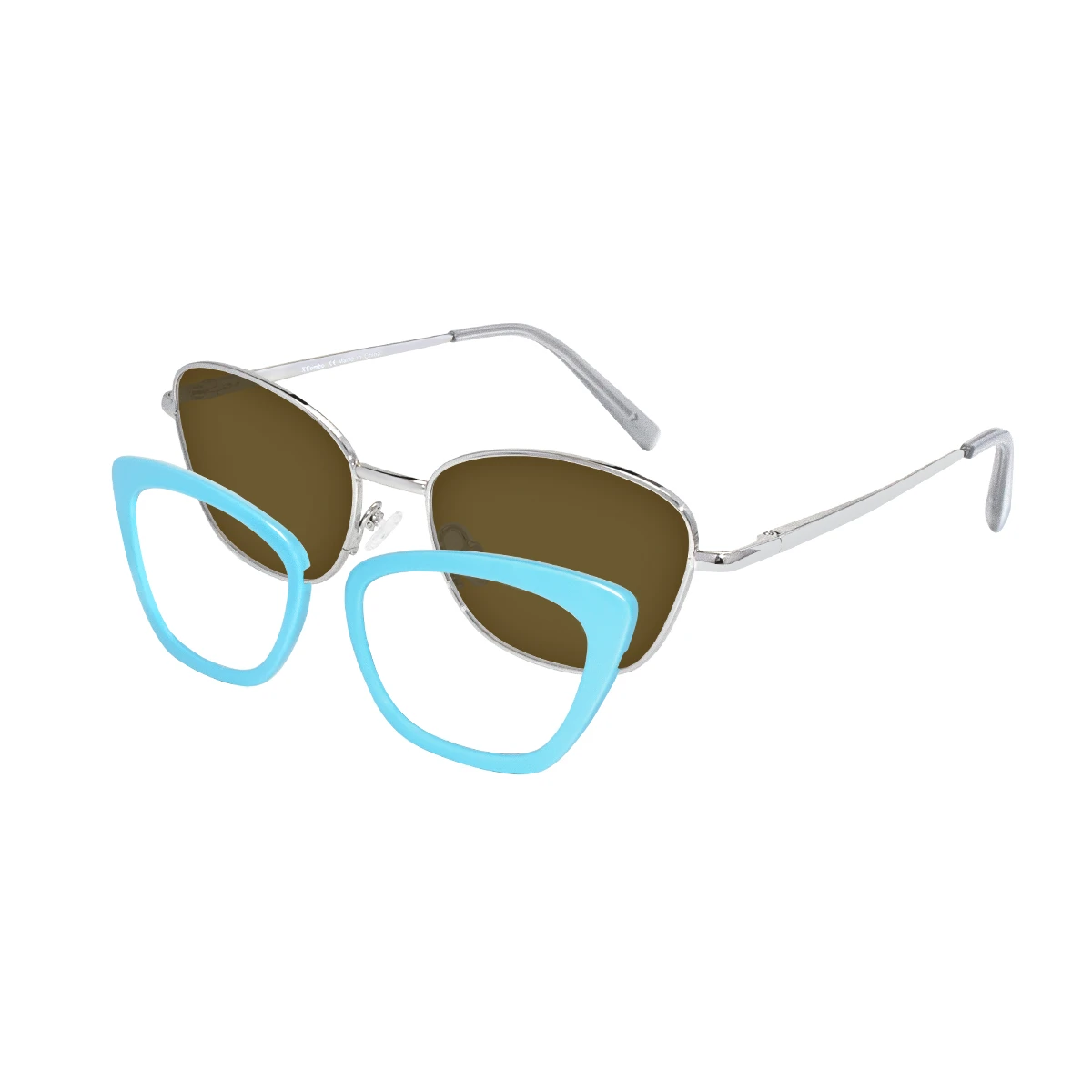
Mira Metallic Silver Metal Sunglasses – Wide Cat Eye, Tinted Lenses - Interchangeable Eyewear
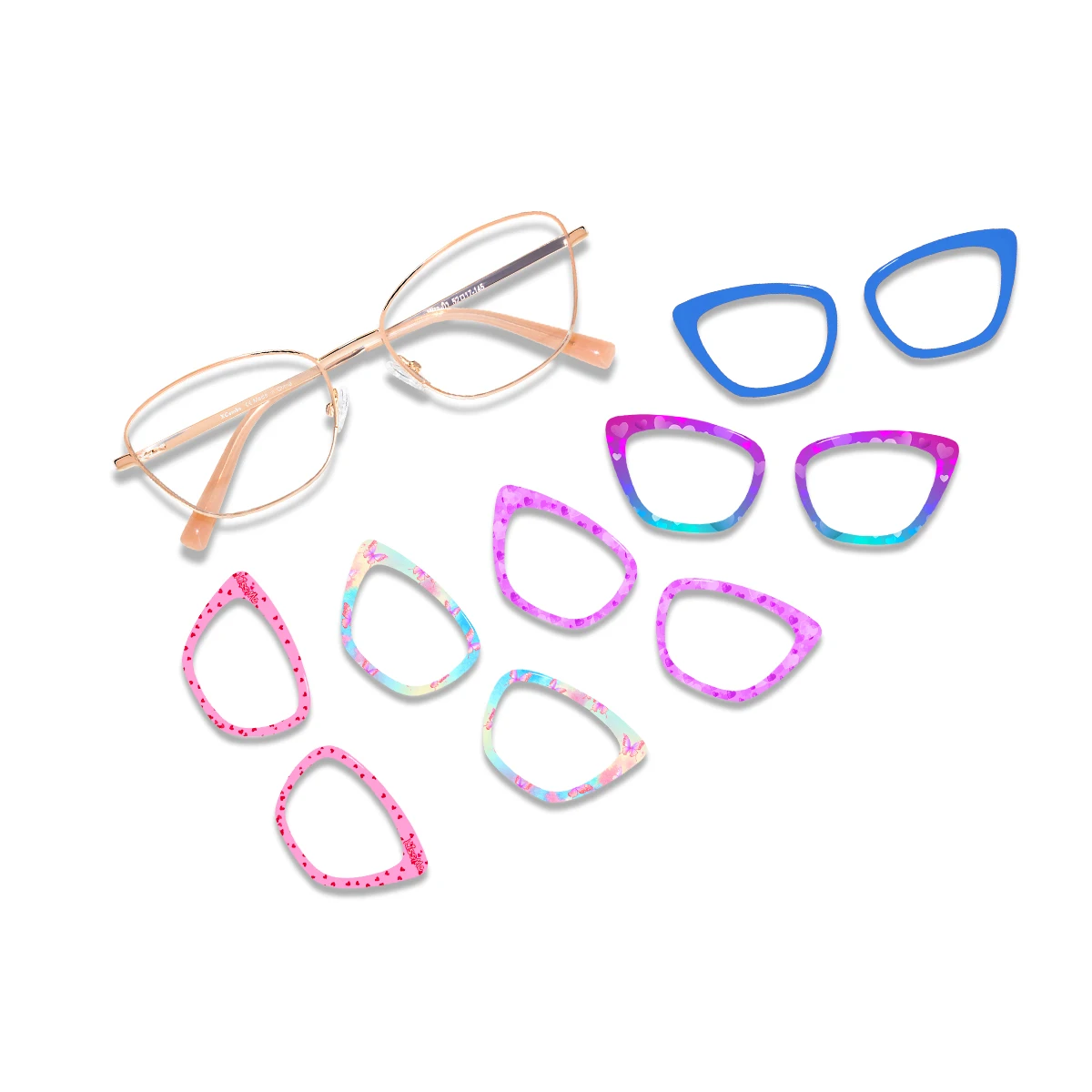
1 Base Frame + 5 Toppers | Interchangeable Glasses Bundle | Magnet-free Modular Eyewear | Cat Eye
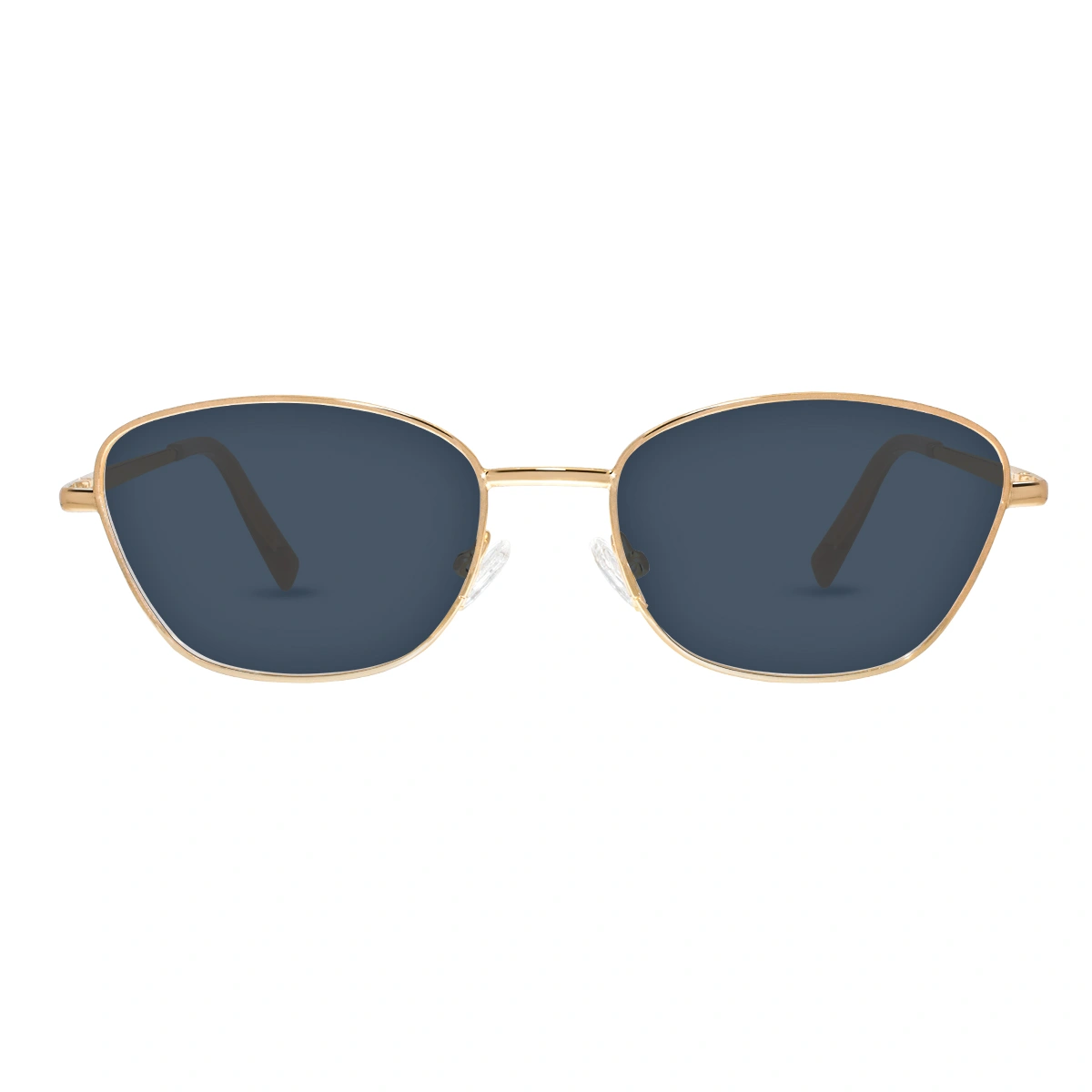
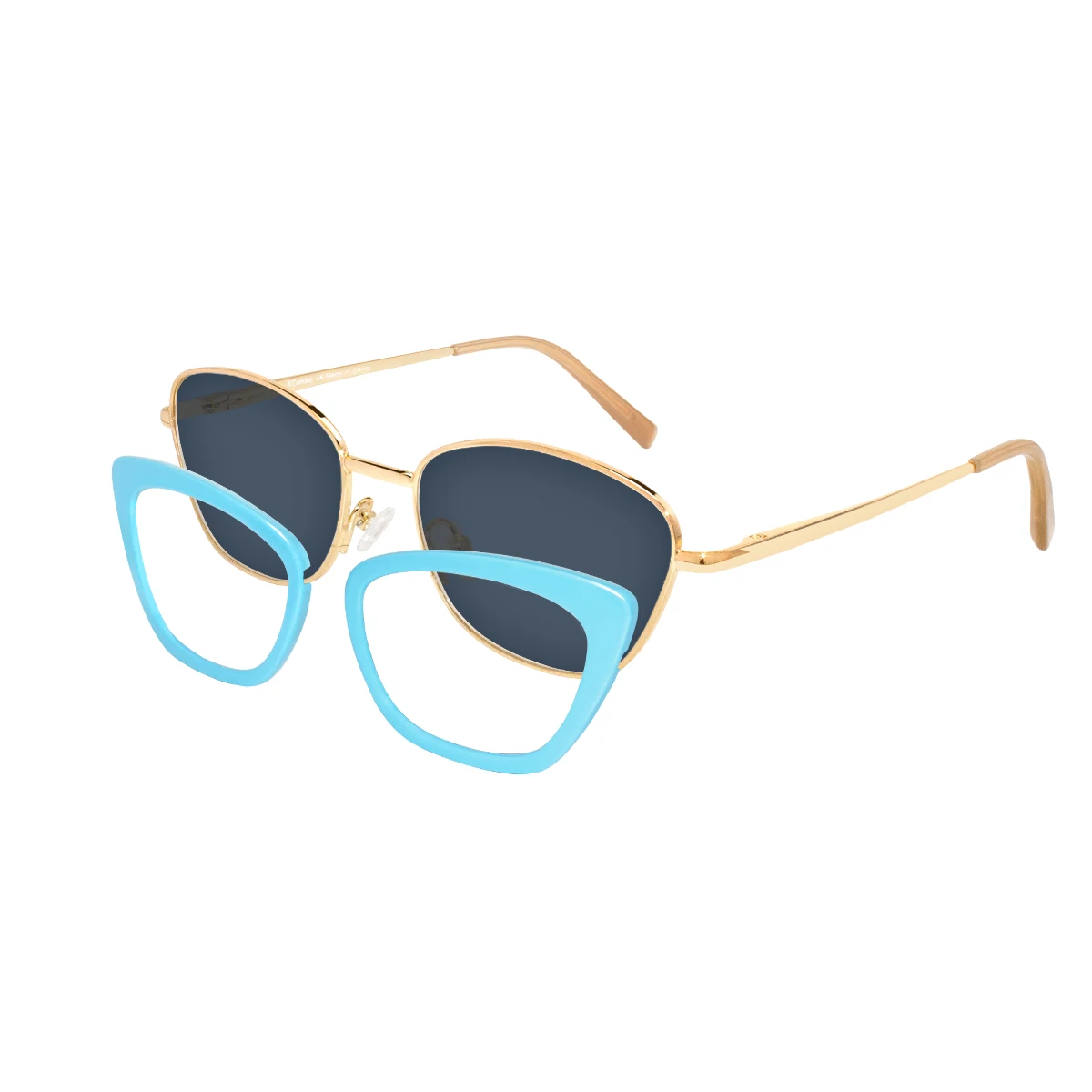
Mira Classic Gold Metal Sunglasses – Wide Cat Eye, Tinted Lenses - Interchangeable Eyewear


1 Base Frame + 3 Toppers | Interchangeable Glasses Bundle | Magnet-free Modular Eyewear | Rectangle
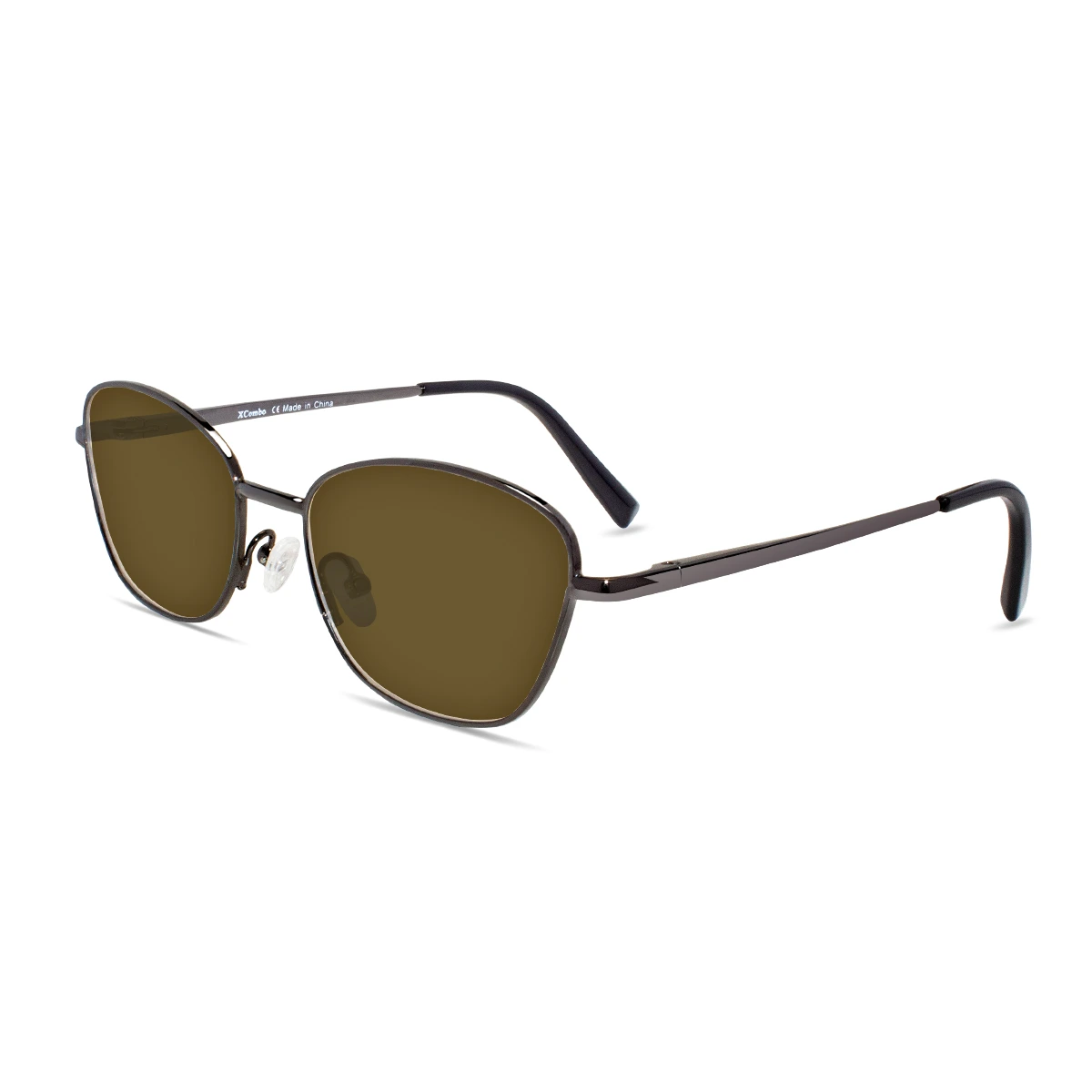
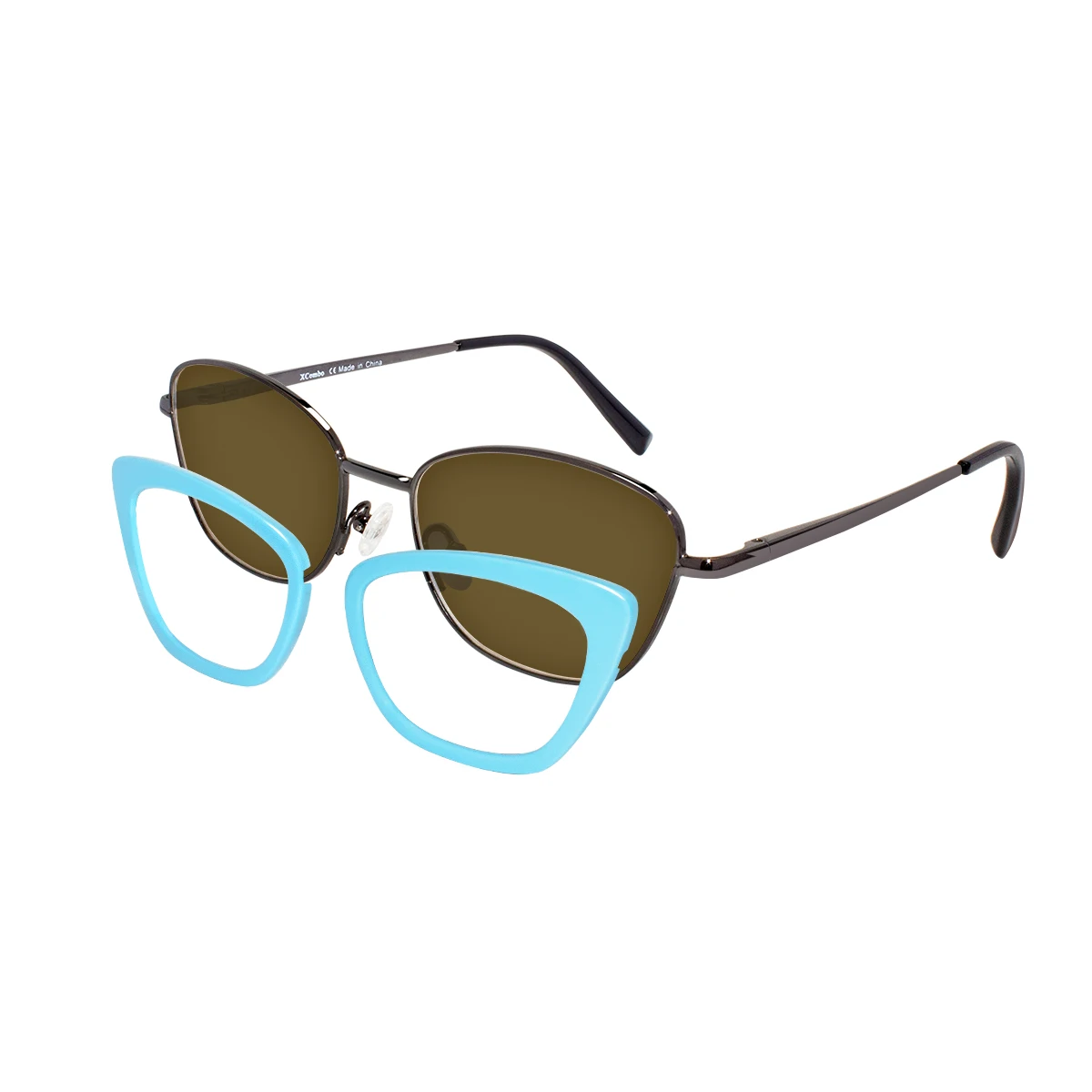
Mira Gunmetal Gray Metal Sunglasses – Wide Cat Eye, Tinted Lenses - Interchangeable Eyewear
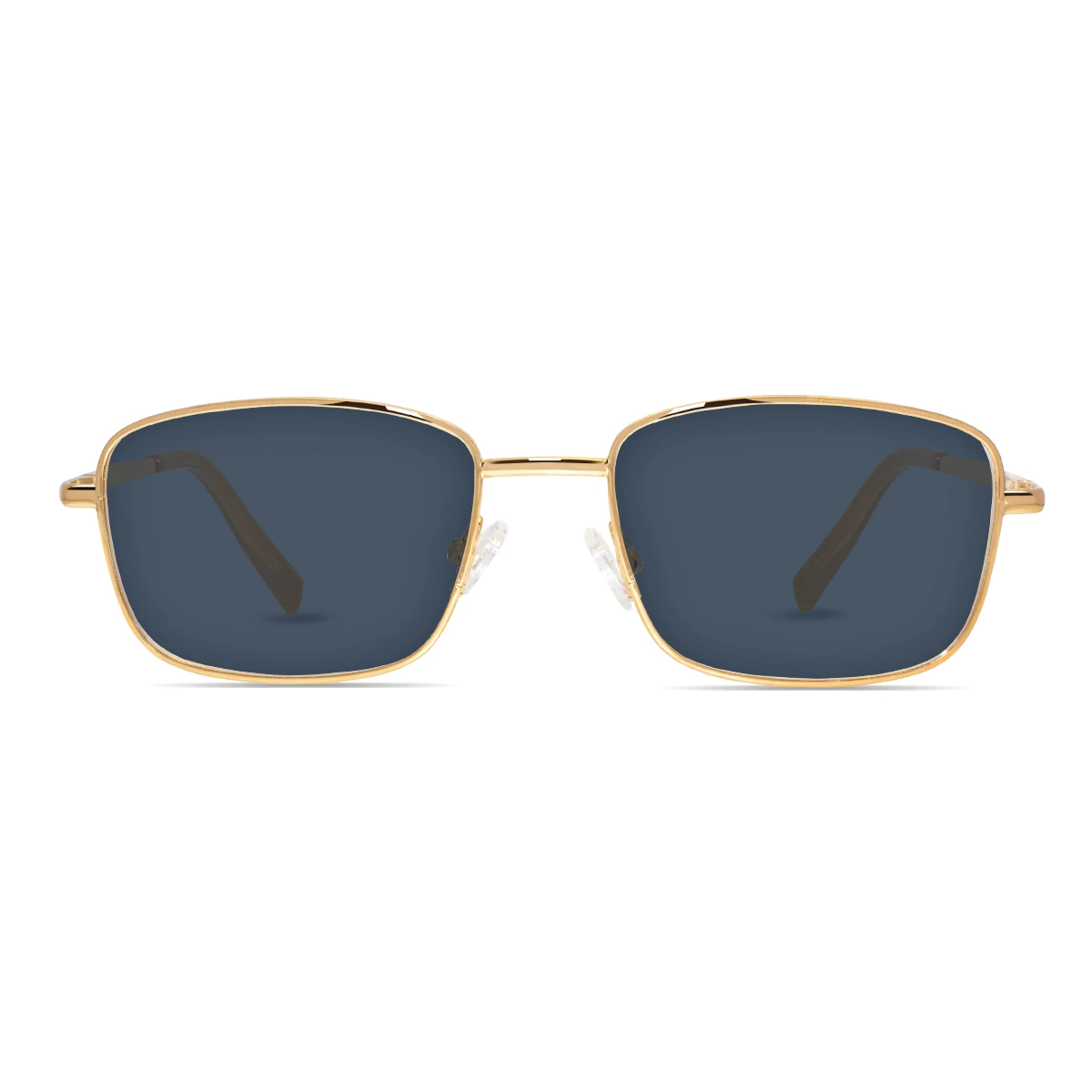
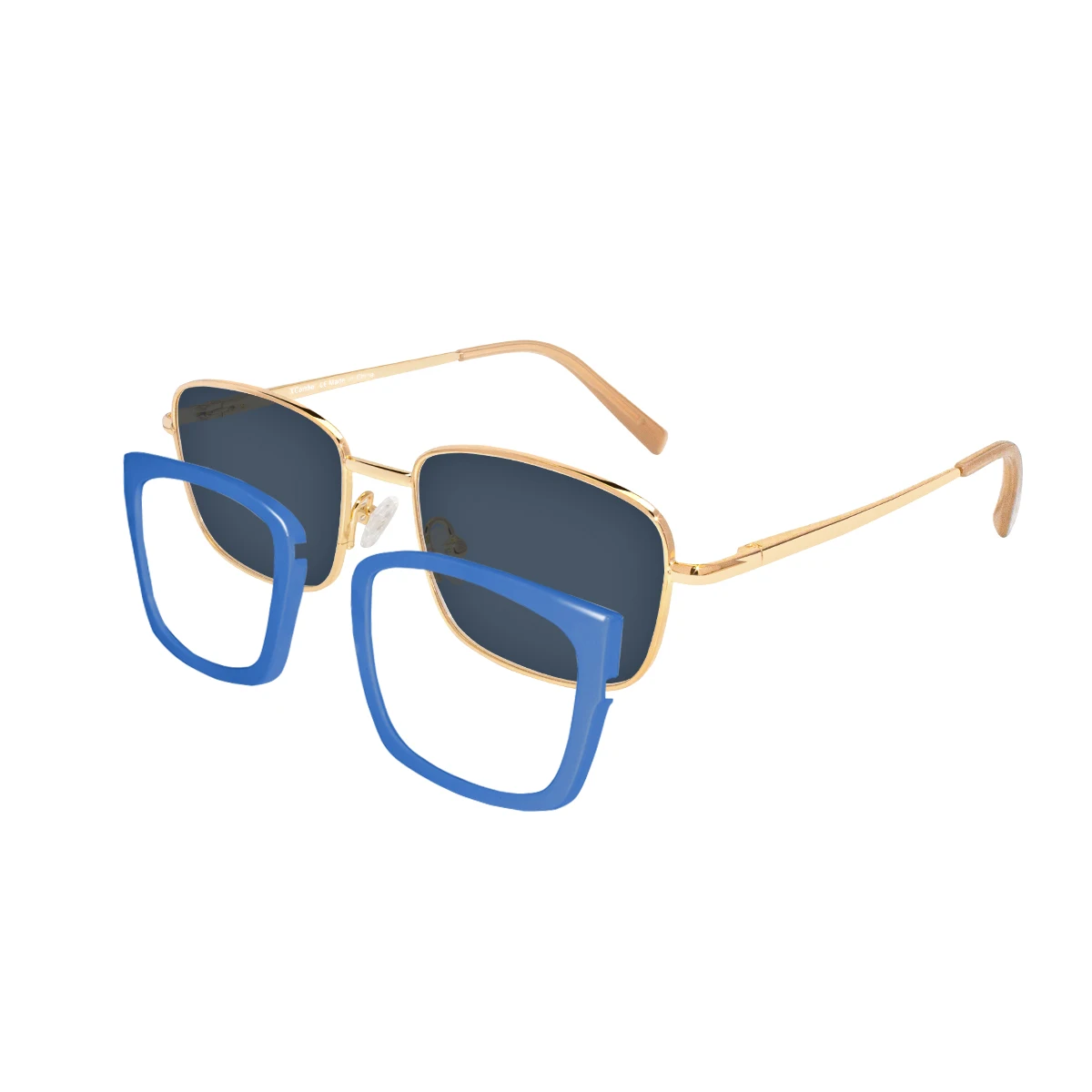
Soline Classic Gold Sunglasses – Wide Rectangle, Tinted Lenses - Interchangeable Eyewear
Will Magnetic Eyeglass Frames Become a Burden?A Deep Dive Into the Safety Advantages of Lock-In Custom Fit Eyewear
Eyewear has evolved far beyond simple vision correction. Today’s consumers expect comfort, durability, style, adaptability, and above all—safety. In recent years, magnetic...
From Aerospace to Everyday Wear: The “Black Tech” of Beta Titanium and Carbon Fiber in Custom Eyewear
What do spacecraft engineering and high-performance eyewear have in common?More than you might think.Materials originally developed for aerospace and advanced engineering —...
Can Scratched Eyeglass Lenses Be Repaired? The Truth About Polishing and Scratch Removal
Few things are more frustrating than discovering scratches on your eyeglass lenses. One moment your vision feels crisp and clear; the next,...
A Breakthrough for Allergy-Sensitive Wearers: Understanding Clip-Lock Eyewear Without Welding or Metal Plating
For millions of people, wearing glasses is a daily necessity. But for individuals with sensitive skin or metal allergies, eyewear can become...
Hair Sprays and Perfumes: The Invisible Chemical Enemies Slowly Destroying Your Custom Eyeglass Frames
Custom eyeglass frames are more than vision tools—they’re personal style statements, precision-fitted accessories, and often significant financial investments. Whether crafted from premium...
Micron-Level Locking: How Black-Tech Clip Systems Keep Optical Centers from Ever Shifting
In precision eyewear manufacturing, one truth separates premium performance from mediocre optics:If the optical center moves—even slightly—the visual experience degrades.Blur creeps in.Eye...
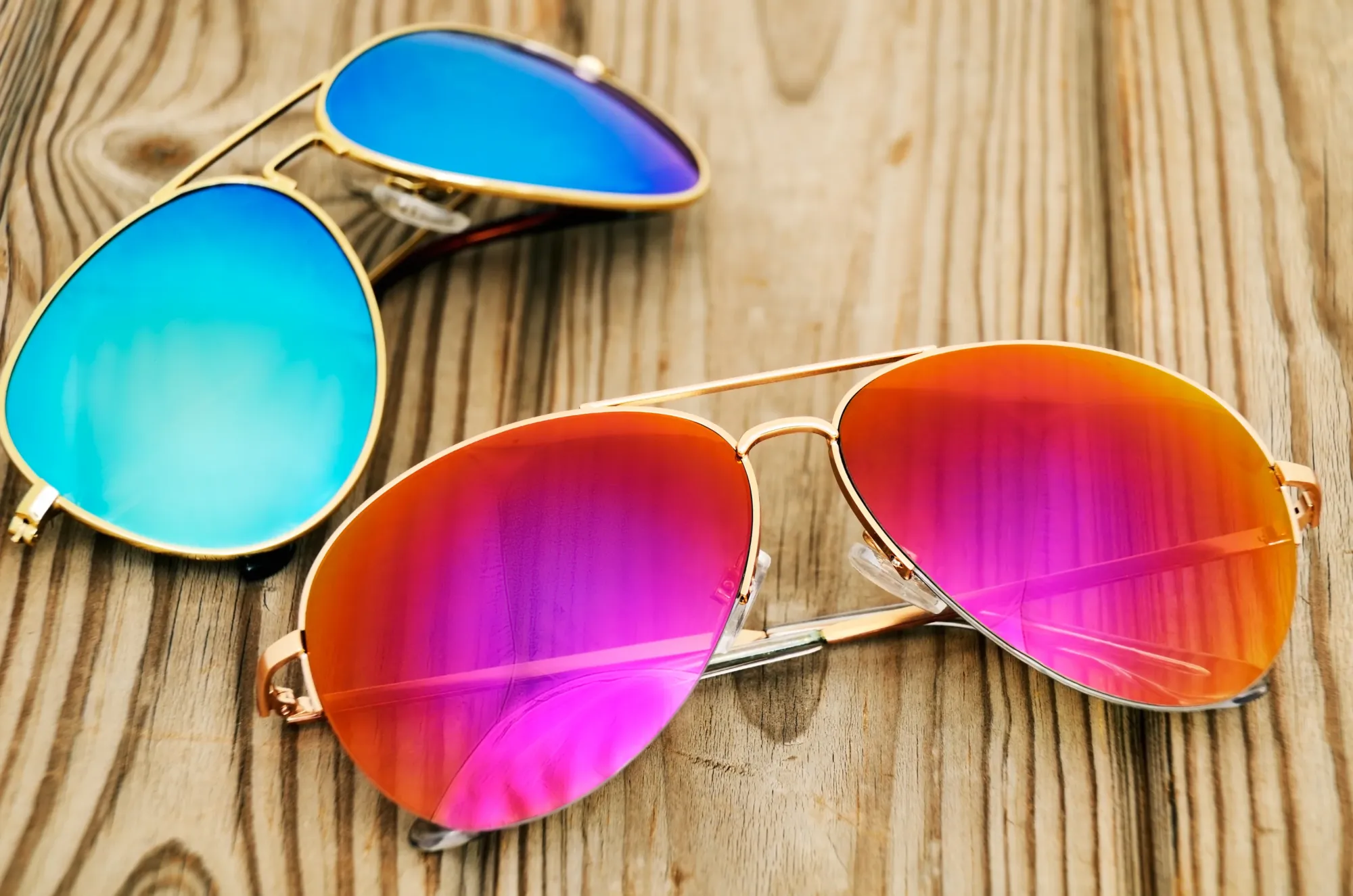
Polarized or Photochromic? How to Customize the Perfect Tinted Lenses for Your Outdoor Driving and Sports Lifestyle
Choosing the right tinted lenses is no longer just about fashion or basic sun protection. Today’s eyewear technology allows you to tailor...
Dish Soap or Hand Soap? Choosing the Right Neutral Cleaner to Protect Your Blue-Light Blocking Lens Coating
Modern eyewear does far more than improve vision. Today’s lenses often include advanced coatings designed to reduce glare, resist scratches, repel water,...
Your Second Face - A Thoughtful Conversation About Custom Glasses
There’s a moment many people remember clearly.The first time they put on glasses and looked in the mirror—not to check their vision,...
“Five O’Clock Headache”: Could Custom Eyewear Be the Cure for Your Daily Fatigue?
Around 4:30 p.m., your focus softens. By 5:00 p.m., there’s a dull pressure behind your eyes. Your temples tighten. The screen feels...
Choosing the Right Ski Goggles: Types, Features, and Tips
When you're out on the slopes, ski goggles are essential for safety and comfort. They protect your eyes from harmful UV rays,...
How to Install and Remove the Top Frame
How to Install the top frames?Step 1: Check the left and right Top Frames.Step 2: Press the first notch onto the bridge...