

Choosing the Right Ski Goggles: Types, Features, and Tips
When you're out on the slopes, ski goggles are essential for safety and comfort. They protect your eyes from harmful UV rays, reduce glare, shield against wind and snow, and improve visibility in changing light conditions. With various options like polarized, photochromic, and anti-fog lenses, selecting the right pair can feel overwhelming. This guide will help you choose the perfect ski goggles to enhance your performance and enjoyment on the slopes.
Why Are Ski Goggles Important?
Ski goggles are more than a stylish accessory—they're a necessity for winter sports. Here's why:
UV Protection
Ski goggles protect your eyes from intense UV rays, especially at high altitudes where sunlight is stronger. Reflective snow can amplify UV exposure, making goggles with 100% UV protection crucial for preventing eye strain and snow blindness.
Protection from Wind and Debris
High-speed skiing exposes your eyes to icy winds, snow, and debris like twigs or ice particles. Goggles create a barrier, ensuring a clear and comfortable ride.
Enhanced Visibility for Safety
Fogging, glare, and low-light conditions can compromise visibility. Goggles with anti-fog coatings, polarized lenses, or contrast-enhancing tints improve your ability to see hazards and navigate trails safely.
Style and Comfort
Goggles come in various designs and colors, allowing you to match your gear while maintaining comfort. A well-chosen pair enhances your ski outfit and makes for great photos of your adventure.
Types of Ski Goggles
Different types of goggles cater to various weather conditions and skiing styles. Understanding their features will help you choose the right pair.
Single-Lens Goggles
- Lightweight and affordable.
- Best for dry, moderate weather.
- More prone to fogging compared to double-lens goggles.
Double-Lens Goggles
- Features two lenses separated by an insulating air layer.
- Reduces fogging significantly.
- Ideal for humid or fluctuating weather conditions.
Polarized Goggles
- Reduces glare from reflective snow surfaces.
- Enhances contrast and visibility on sunny days.
- Suitable for bright, sunny weather.
Photochromic Goggles
- Automatically adjusts tint based on light exposure.
- Versatile for varying weather conditions.
- Offers seamless transitions between sunlight and shade.
Anti-Fog Goggles
- Equipped with coatings or ventilation systems to prevent fogging.
- Ensures clear vision in all weather conditions.
How to Choose the Right Ski Goggles
Consider Weather Conditions
- Sunny Days: Opt for darker tints or mirrored lenses to reduce glare.
- Cloudy Days: Choose lighter tints like yellow or rose for enhanced contrast.
- Foggy or Snowy Weather: Look for anti-fog coatings and clear or lightly tinted lenses.
Match Goggles to Your Skiing Style
- Alpine Skiing: Durable frames with advanced anti-fog features.
- Cross-Country Skiing: Lightweight goggles with photochromic lenses for changing light.
- Freestyle Skiing: Wide field-of-view goggles with impact-resistant frames.
Ensure Proper Fit
- Look for adjustable straps and foam padding for comfort.
- Test compatibility with your helmet to avoid gaps or discomfort.
Select the Right Lens Color
- Dark tints (e.g., black, gray) are best for bright sunlight.
- Amber, yellow, or rose lenses enhance contrast in low light.
- Photochromic lenses adapt to varying light conditions, offering versatility.
Tips for Maintaining Ski Goggles
- Clean Properly: Use a microfiber cloth and avoid harsh chemicals to prevent scratching or damaging coatings.
- Store Safely: Keep goggles in a protective case when not in use.
- Inspect Regularly: Check for damage, fogging issues, or loose straps and address them promptly.
FAQs About Ski Goggles
What lens colors are best for skiing?
Dark lenses (black or gray) reduce glare on sunny days, while yellow, rose, or amber lenses improve contrast in low-light conditions. Photochromic lenses are versatile for all lighting.
Are snow goggles and ski goggles the same?
Yes, snow goggles and ski goggles serve the same purpose: protecting your eyes from UV rays, wind, and debris while improving visibility.
What are category 4 ski goggles?
Category 4 goggles have very dark lenses that block 92-97% of sunlight, ideal for high-altitude skiing in intense sunlight but unsuitable for low-light conditions.
Can sunglasses replace ski goggles?
Sunglasses lack the full coverage, secure fit, and anti-fog features of goggles. Goggles are a safer and more practical choice for skiing.
Elevate Your Skiing Experience with the Right Goggles
Selecting the perfect ski goggles ensures protection, comfort, and style on the slopes. Consider factors like lens type, weather conditions, and fit to find a pair that suits your needs. With the right goggles, you'll enjoy better visibility, enhanced safety, and an unforgettable skiing adventure.
Share this post


- Deep Burgundy - Solid (S01)
- Red - Solid (S02)
- Burnt Orange - Solid (S03)
- Marmalade - Solid (S04)
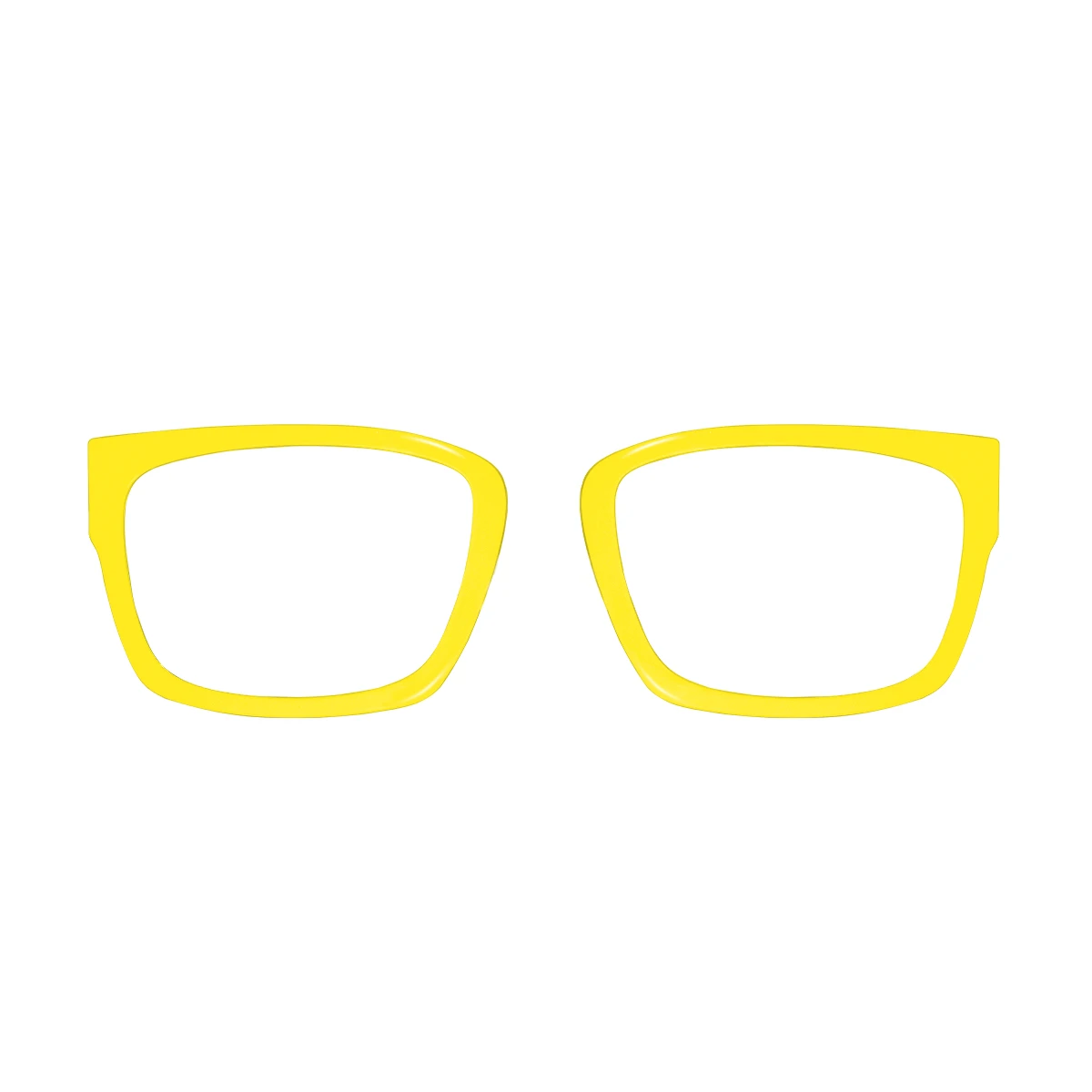
- Sunshine Yellow - Solid (S05)
- Lime Green - Solid (S06)
- Green Forest - Solid (S07)
- Sage - Solid (S08)
- Army Green - Solid (S09)
- Spruce - Solid (S10)
- Turquiise - Solid (S11)
- Cornflower blue - Solid (S12)
- Navy - Solid (S13)
- Indigo - Solid (S14)
- Blue Orchid - Solid (S15)
- Lavender - Solid (S21)
- Mauve - Solid (S16)
- Purple - Solid (S17)
- Grape - Solid (S18)
- Warm Coral - Solid (S19)
- Hot Pink - Solid (S20)
- Chocolate - Solid (S22)
- Black – Solid (S23)
- White - Solid (S24)




Protecting Your Cards and Devices: Avoiding the Hidden Risks of Strong Magnets in Everyday Life
Magnets are everywhere in modern life. From refrigerator doors and wireless chargers to phone accessories and smart home gadgets, magnetic technology has...
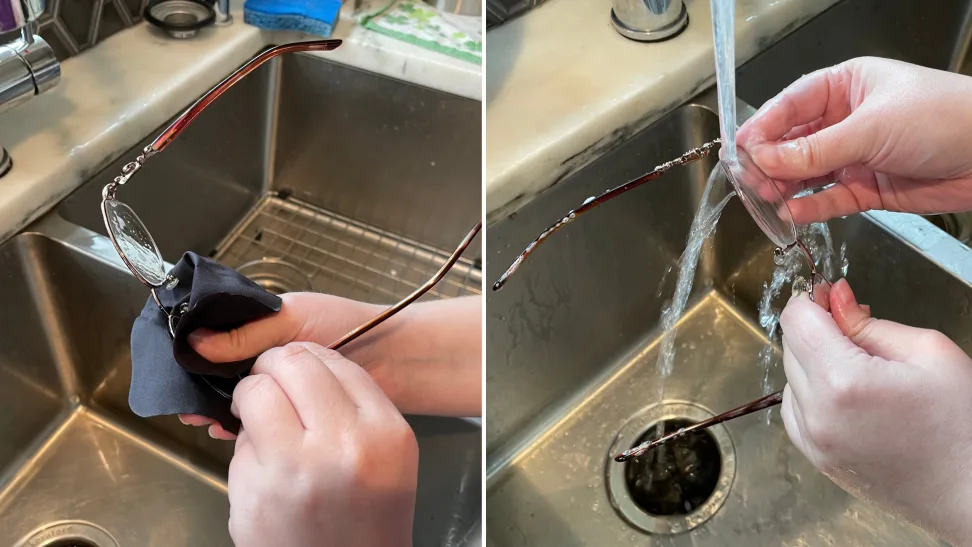
Can Dish Soap Really Clean Your Glasses? An Expert Guide to Safe Lens Care
Clean lenses can make the difference between crisp, comfortable vision and a day full of eye strain, glare, and frustration. Yet despite...
Finding Your "Signature Frames": How to Design an Eyewear Look That Defines Your Identity
Think of the most iconic figures in history and pop culture. Steve Jobs. Iris Apfel. Buddy Holly. Karl Lagerfeld. When you visualize...
Minimalist Maintenance: Spend 30 Seconds a Day and Make Your Custom Glasses Last 5 More Years
Introduction: The Hidden Lifespan of Custom EyewearCustom glasses are more than a vision correction tool — they are precision instruments tailored to...
Value & Pitfalls in Custom Eyewear: Why Prescription Glasses Cost Anywhere from $200 to $2,000
Walk into any eyewear store—or browse online—and you’ll quickly notice something confusing: prescription glasses can cost as little as $200 or soar...
A Deep Technical Breakdown: The Application of Mechanical Snap-Fit Structures in High-End Custom Eyewear
High-end custom eyewear has undergone a quiet but significant transformation over the past decade. While consumers often notice improvements in lens technology,...
A Must-Read for Glasses Wearers: Build These 5 Habits to Make Your Eyeglasses Last Three Years Longer
Eyeglasses are more than just a vision aid—they’re a daily essential, a style statement, and often a significant investment. Yet many people...
Digital Face Scanning: Marketing Hype or the Future of Millimeter-Level Eyewear Fit?
Walk into a modern optical store or browse premium eyewear brands online today, and you’ll likely encounter a bold promise: digital face...
How 3D Printing Technology Is Transforming the Custom Eyewear Experience
The Future of 3D Printed Glasses and Personalized VisionFor decades, buying glasses followed the same routine.You walked into a store.You tried on...
Nerd Glasses: Choosing the Best Pair to Match Your Style
Nerd glasses have evolved from being a stereotype to a trendy fashion statement. With their unique designs and bold frames, these glasses...
Hardcore Player’s First Choice: How Cool Are Mechanically Inspired Custom Eyewear Designs?
In a world flooded with minimalist acetate frames and safe, predictable silhouettes, a new category of eyewear is commanding attention:Mechanically inspired custom...
MirrorVision Concierge: Your All-in-One Eyewear Care Expert
Eyeglasses have become more than a simple vision correction tool. Today, they are an essential part of everyday life, personal style, workplace...