
Choosing the Right Ski Goggles: Types, Features, and Tips
When you're out on the slopes, ski goggles are essential for safety and comfort. They protect your eyes from harmful UV rays, reduce glare, shield against wind and snow, and improve visibility in changing light conditions. With various options like polarized, photochromic, and anti-fog lenses, selecting the right pair can feel overwhelming. This guide will help you choose the perfect ski goggles to enhance your performance and enjoyment on the slopes.
Why Are Ski Goggles Important?
Ski goggles are more than a stylish accessory—they're a necessity for winter sports. Here's why:
UV Protection
Ski goggles protect your eyes from intense UV rays, especially at high altitudes where sunlight is stronger. Reflective snow can amplify UV exposure, making goggles with 100% UV protection crucial for preventing eye strain and snow blindness.
Protection from Wind and Debris
High-speed skiing exposes your eyes to icy winds, snow, and debris like twigs or ice particles. Goggles create a barrier, ensuring a clear and comfortable ride.
Enhanced Visibility for Safety
Fogging, glare, and low-light conditions can compromise visibility. Goggles with anti-fog coatings, polarized lenses, or contrast-enhancing tints improve your ability to see hazards and navigate trails safely.
Style and Comfort
Goggles come in various designs and colors, allowing you to match your gear while maintaining comfort. A well-chosen pair enhances your ski outfit and makes for great photos of your adventure.
Types of Ski Goggles
Different types of goggles cater to various weather conditions and skiing styles. Understanding their features will help you choose the right pair.
Single-Lens Goggles
- Lightweight and affordable.
- Best for dry, moderate weather.
- More prone to fogging compared to double-lens goggles.
Double-Lens Goggles
- Features two lenses separated by an insulating air layer.
- Reduces fogging significantly.
- Ideal for humid or fluctuating weather conditions.
Polarized Goggles
- Reduces glare from reflective snow surfaces.
- Enhances contrast and visibility on sunny days.
- Suitable for bright, sunny weather.
Photochromic Goggles
- Automatically adjusts tint based on light exposure.
- Versatile for varying weather conditions.
- Offers seamless transitions between sunlight and shade.
Anti-Fog Goggles
- Equipped with coatings or ventilation systems to prevent fogging.
- Ensures clear vision in all weather conditions.
How to Choose the Right Ski Goggles
Consider Weather Conditions
- Sunny Days: Opt for darker tints or mirrored lenses to reduce glare.
- Cloudy Days: Choose lighter tints like yellow or rose for enhanced contrast.
- Foggy or Snowy Weather: Look for anti-fog coatings and clear or lightly tinted lenses.
Match Goggles to Your Skiing Style
- Alpine Skiing: Durable frames with advanced anti-fog features.
- Cross-Country Skiing: Lightweight goggles with photochromic lenses for changing light.
- Freestyle Skiing: Wide field-of-view goggles with impact-resistant frames.
Ensure Proper Fit
- Look for adjustable straps and foam padding for comfort.
- Test compatibility with your helmet to avoid gaps or discomfort.
Select the Right Lens Color
- Dark tints (e.g., black, gray) are best for bright sunlight.
- Amber, yellow, or rose lenses enhance contrast in low light.
- Photochromic lenses adapt to varying light conditions, offering versatility.
Tips for Maintaining Ski Goggles
- Clean Properly: Use a microfiber cloth and avoid harsh chemicals to prevent scratching or damaging coatings.
- Store Safely: Keep goggles in a protective case when not in use.
- Inspect Regularly: Check for damage, fogging issues, or loose straps and address them promptly.
FAQs About Ski Goggles
What lens colors are best for skiing?
Dark lenses (black or gray) reduce glare on sunny days, while yellow, rose, or amber lenses improve contrast in low-light conditions. Photochromic lenses are versatile for all lighting.
Are snow goggles and ski goggles the same?
Yes, snow goggles and ski goggles serve the same purpose: protecting your eyes from UV rays, wind, and debris while improving visibility.
What are category 4 ski goggles?
Category 4 goggles have very dark lenses that block 92-97% of sunlight, ideal for high-altitude skiing in intense sunlight but unsuitable for low-light conditions.
Can sunglasses replace ski goggles?
Sunglasses lack the full coverage, secure fit, and anti-fog features of goggles. Goggles are a safer and more practical choice for skiing.
Elevate Your Skiing Experience with the Right Goggles
Selecting the perfect ski goggles ensures protection, comfort, and style on the slopes. Consider factors like lens type, weather conditions, and fit to find a pair that suits your needs. With the right goggles, you'll enjoy better visibility, enhanced safety, and an unforgettable skiing adventure.
Share this post

2026 Spring/Summer Fashion Trends: When Retro Small-Frame Glasses Meet the Underarm Bag
Fashion has always had a talent for bringing the past back in unexpected ways.A silhouette that once belonged to another decade can...
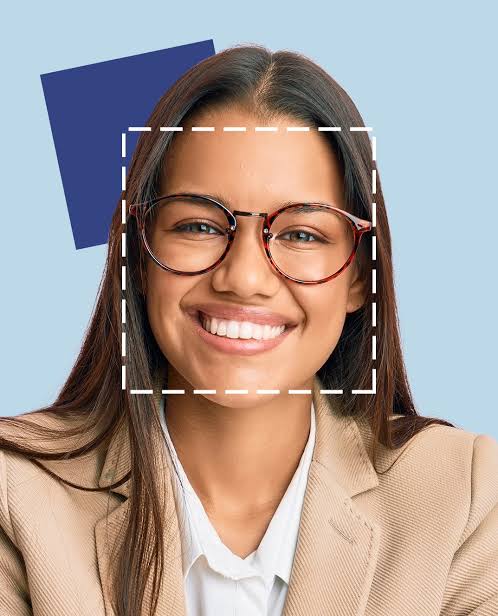
Soft Aesthetics for Girls with Square Faces: How Rounded Handbags and Gentle Eyeglass Frames Soften Facial Lines
A square face can be striking, elegant, and full of character. Defined by a broader forehead, a relatively straight jawline, and noticeable...
How to Buy Prescription Glasses Online on XCombo
Looking to buy glasses online? XCombo makes it easy to get stylish, high-quality glasses tailored to your prescription. Follow this simple step-by-step...
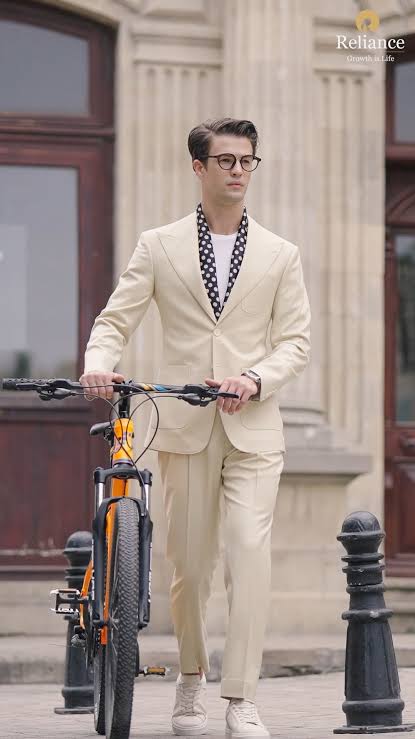
The Executive Style Code: A Career Guide to Suits, Briefcases, and Sophisticated Eyewear
In the modern workplace, professional style is about much more than wearing expensive clothes.The strongest business wardrobe communicates something before you say...
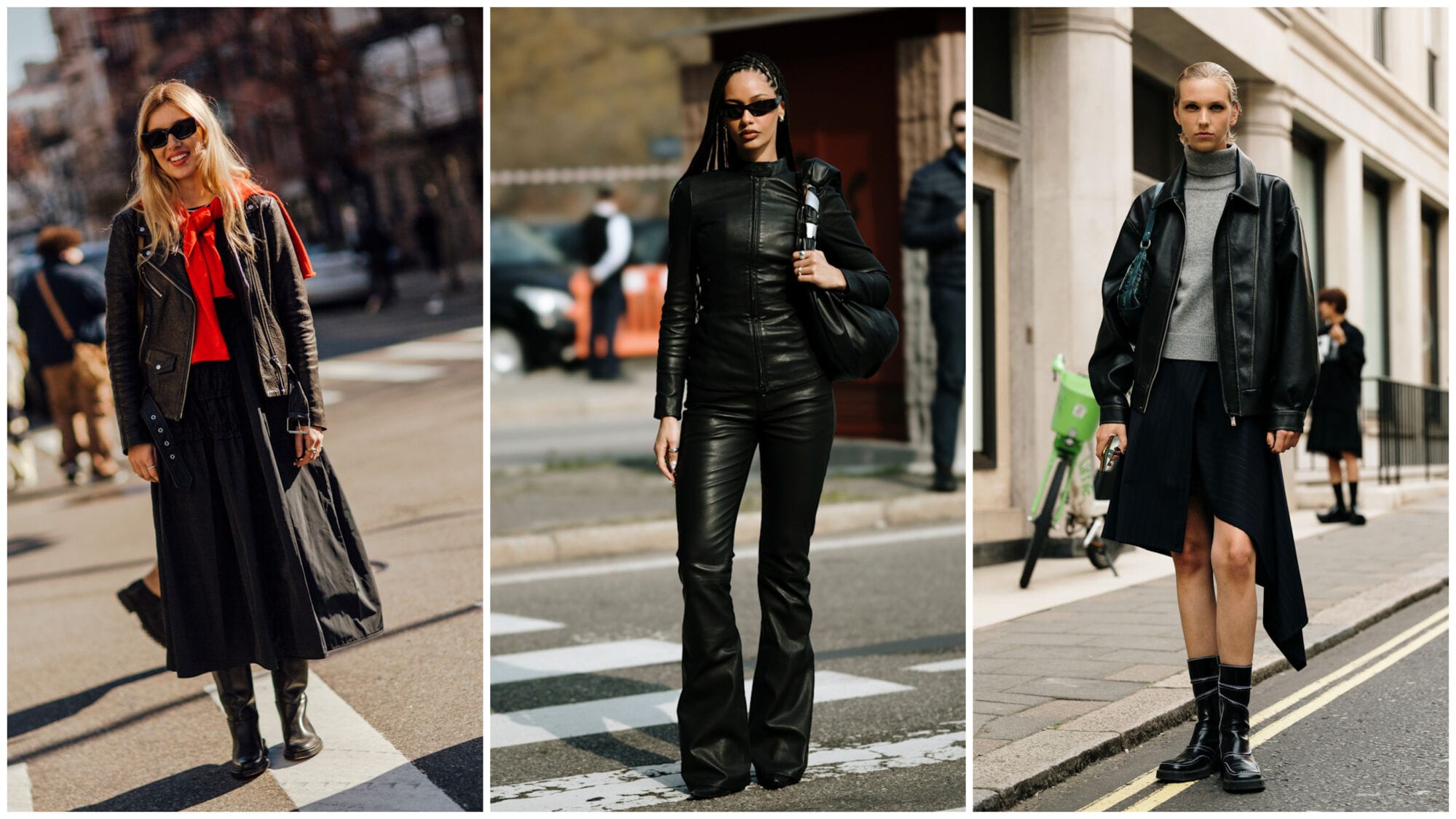
Street-Cool Style: How to Make Motorcycle Jackets, Belt Bags, and Futuristic Sunglasses Stand Out
Street fashion has never been about following every rule.It is about knowing which rules to break.A motorcycle jacket, a compact belt bag,...
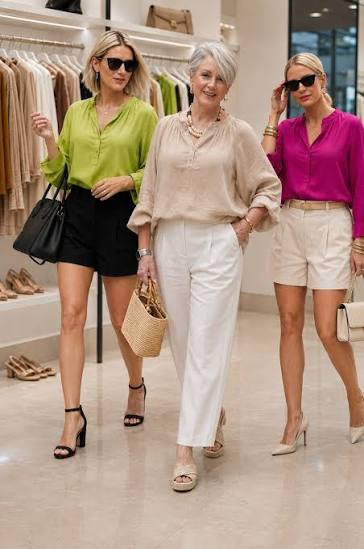
The Art of Color Coordination: How to Match Your Bag With Your Eyeglass Frames for an Effortlessly Sophisticated Look
Fashion is often about the little details.A beautifully tailored outfit can look polished, yet something may still feel incomplete. The reason is...
Dating Night Style Secrets: The Perfect Collision of an Elegant Cocktail Dress, a Chain Evening Bag, and Sophisticated Semi-Rimless Glasses
Dating night is about more than choosing an outfit. It is about creating an impression without looking like you tried too hard....
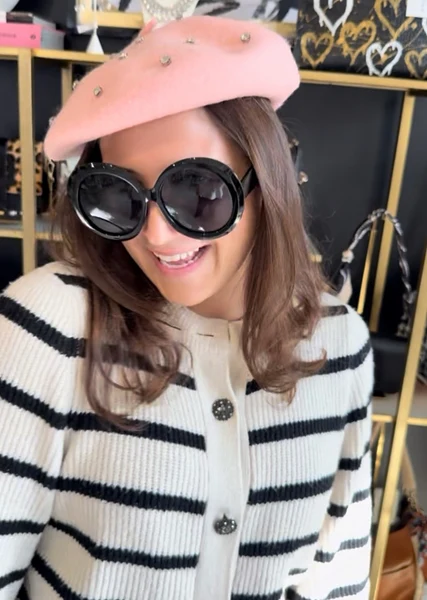
Effortless French Elegance: The Perfect Pairing of Knitwear, Tote Bags, and Cat-Eye Glasses
There is something undeniably captivating about French style.It is polished without looking overly polished, feminine without being overly delicate, and comfortable without...
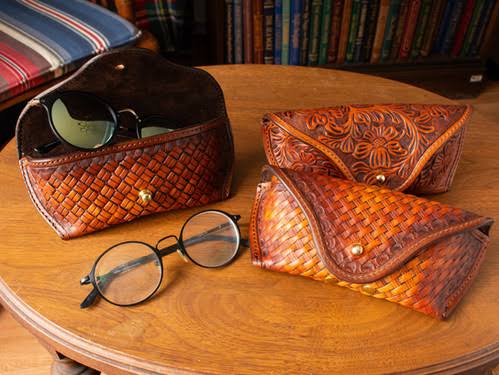
A Cross-Textural Conversation: The Tactile Collision of Leather Bags, Tweed Clothing, and Wood-Frame Eyewear
Introduction: When Materials Become the Main CharacterFashion is often discussed in terms of color, silhouette, trend, and season. Yet some of the...
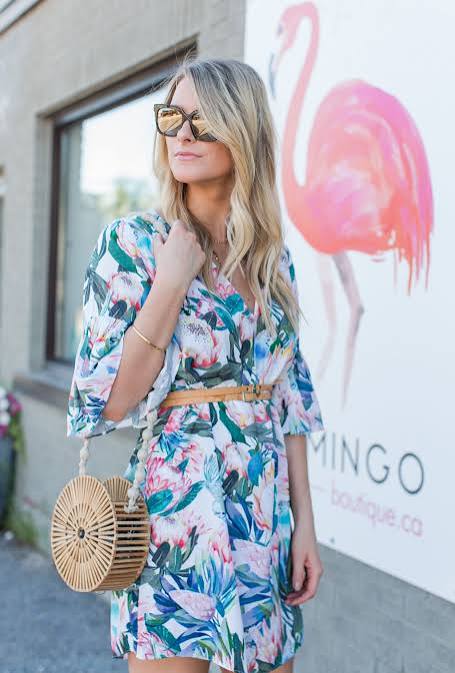
The Ultimate Guide to Vacation-Style Outfits: Floral Dresses, Straw Bags, and Round Sunglasses for Summer
Summer is the season of relaxed mornings, warm afternoons, outdoor dinners, weekend getaways, and long-awaited vacations. It is also the perfect time...
The Romance of Earth Tones in Fall: The Color Aesthetics of Trench Coats, Saddle Bags, and Tea-Tinted Sunglasses
Introduction: Falling in Love With the Colors of AutumnThere is something irresistibly romantic about autumn fashion.As summer fades, bright colors gradually give...
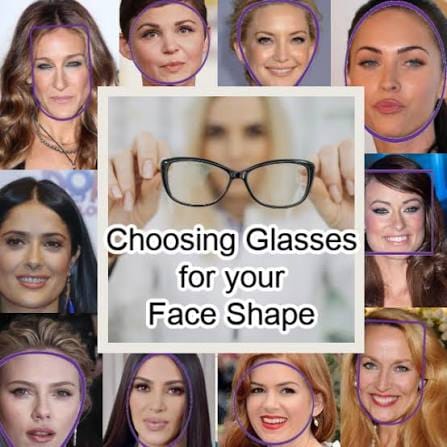
Best Glasses for Your Face Shape: Round, Square, Oval & More
Introduction: The Right Glasses Can Transform Your Entire AppearanceChoosing a pair of glasses is about much more than simply correcting your vision....