


Polarized or Photochromic? How to Customize the Perfect Tinted Lenses for Your Outdoor Driving and Sports Lifestyle
Choosing the right tinted lenses is no longer just about fashion or basic sun protection. Today’s eyewear technology allows you to tailor lenses precisely to how you live, drive, and move outdoors. Whether you spend hours behind the wheel, cycle through changing light conditions, hike mountain trails, or play high-speed sports, your lenses can be customized to improve comfort, safety, and performance.
One of the most common questions people face when selecting performance eyewear is this: Should you choose polarized lenses or photochromic lenses? The answer depends less on trends and more on how your eyes interact with light throughout your daily activities.
This guide breaks down the science, real-world applications, advantages, trade-offs, and customization strategies professionals use when helping clients design lenses suited specifically to outdoor driving and sports. By the end, you’ll understand exactly which lens type—or combination—fits your lifestyle.
Understanding Why Lens Choice Matters More Than Ever
Modern outdoor environments expose our eyes to far more visual stress than in the past. Urban glare from glass buildings, reflective highways, LED headlights, water surfaces, and digital screens all contribute to eye fatigue.
Poor lens selection can lead to:
- Reduced visual contrast while driving
- Slower reaction times in bright environments
- Eye strain during long outdoor sessions
- Headaches caused by fluctuating brightness
- Reduced depth perception in sports
Professionally customized lenses are designed not just to block sunlight but to optimize how your brain processes visual information.
Before choosing, it helps to understand how polarized and photochromic technologies work.
What Are Polarized Lenses?
Polarized lenses are engineered to reduce horizontal glare, which occurs when sunlight reflects off flat surfaces such as:
- Roads
- Water
- Snow
- Car hoods
- Glass buildings
This reflected light vibrates in a horizontal direction, creating intense brightness and visual noise. Polarized filters block that specific orientation of light waves while allowing useful light to pass through.
Key Benefits of Polarized Lenses
1. Dramatic Glare Reduction
Drivers immediately notice clearer vision on sunny highways.
2. Improved Contrast and Clarity
Objects appear sharper, especially in high-reflection environments.
3. Reduced Eye Fatigue
Your eyes work less to interpret visual information.
4. Better Color Perception
Colors appear richer without oversaturation.
Ideal Activities for Polarized Lenses
- Long-distance driving
- Fishing and boating
- Beach activities
- Golf
- Hiking in open terrain
Many professional drivers and outdoor athletes consider polarization essential rather than optional.
What Are Photochromic Lenses?
Photochromic lenses automatically adjust their tint level based on UV exposure. Indoors or at night, they remain clear or lightly tinted. Outdoors, they darken in response to sunlight.
This adaptive technology makes them extremely versatile.
How Photochromic Technology Works
The lenses contain light-sensitive molecules that change structure when exposed to ultraviolet light. This reaction causes the lens to darken. When UV exposure decreases, the molecules revert to their original state.
Key Advantages
1. Automatic Adaptation
No need to switch between glasses.
2. Consistent Visual Comfort
Eyes adjust smoothly across lighting environments.
3. Everyday Convenience
Ideal for people constantly moving indoors and outdoors.
4. UV Protection at All Times
Ideal Activities
- Commuting between indoor and outdoor spaces
- Cycling through shaded and sunny routes
- Walking or running at varying times of day
- General outdoor lifestyles
Polarized vs. Photochromic: The Core Differences
Understanding how these lenses behave in real environments helps clarify the decision.
| Feature | Polarized Lenses | Photochromic Lenses |
|---|---|---|
| Primary Function | Reduce glare | Adjust tint automatically |
| Best For | Bright reflective environments | Changing light conditions |
| Driving Performance | Excellent glare control | Good but varies by UV exposure |
| Indoor Use | Remain tinted | Become clear |
| Reaction Speed | Instant | Gradual adjustment |
| Sports Use | High-sun activities | Multi-environment sports |
Neither option is universally better—the choice depends on usage patterns.
Driving Habits: The Most Important Decision Factor
Your driving routine often determines the best lens choice.
Highway Drivers
If you frequently drive long distances during daylight, polarized lenses provide unmatched comfort by eliminating road glare and reflections from other vehicles.
They help reduce squinting and improve visibility of lane markings and hazards.
Urban Commuters
City driving includes tunnels, parking garages, and shaded streets. Photochromic lenses may offer better adaptability when transitioning between lighting conditions.
However, some drivers prefer polarized lenses combined with lighter tint levels.
Professional Drivers
Delivery drivers, rideshare operators, and logistics professionals often benefit from hybrid solutions, such as polarized lenses with adaptive coatings.
Sports Performance: Matching Lenses to Movement
Different sports demand different visual priorities.
Cycling
Cyclists experience rapidly changing light conditions. Photochromic lenses excel here because they adapt automatically during shaded forest trails and open sunlight.
Water Sports
Polarization is almost mandatory. Without it, surface reflections obscure underwater visibility and increase eye strain.
Running and Trail Sports
Athletes moving through mixed environments often prefer adaptive lenses that maintain visibility without needing eyewear changes.
Snow and Mountain Activities
High-altitude glare makes polarization extremely beneficial, especially when combined with contrast-enhancing tints.
Lens Tint Colors and Their Hidden Advantages
Lens color dramatically affects performance.
Gray Tint
- True color perception
- Ideal for driving
- Balanced brightness reduction
Brown or Amber
- Enhanced contrast
- Excellent for sports and variable terrain
Green
- Reduced glare with natural color balance
- Comfortable for long wear
Yellow or Rose
- Improved low-light contrast
- Useful for dawn or dusk activities
Professionals often customize tint density based on regional sunlight intensity and activity duration.
Can You Combine Polarized and Photochromic Technologies?
Yes—and this is where customization becomes powerful.
Modern lenses can integrate:
- Polarization filters
- Photochromic adaptation
- Anti-reflective coatings
- Scratch resistance
- Blue-light filtering layers
These hybrid lenses provide glare reduction while still adapting to changing brightness levels.
However, they may cost more and react slightly slower than dedicated single-function lenses.
Common Mistakes People Make When Choosing Lenses
Choosing Based Only on Appearance
Style matters, but function should come first.
Ignoring Activity Patterns
Your primary outdoor activity should guide lens selection.
Overlooking Climate
Cloudy regions benefit differently from lens technology compared to high-sun environments.
Assuming Darker Means Better
Excessively dark lenses can reduce contrast and slow reaction time.
Maintenance Tips for Long-Term Lens Performance
Proper care extends lens lifespan and preserves optical clarity.
Cleaning Best Practices
- Use microfiber cloths only
- Rinse dust before wiping
- Avoid paper towels
- Use lens-safe cleaning solutions
Storage Habits
- Store in protective cases
- Avoid dashboard heat exposure
- Keep away from abrasive materials
Inspection Routine
Check regularly for:
- Coating wear
- Micro-scratches
- Reduced glare performance
Replacing lenses before severe degradation maintains optimal eye protection.
How Professionals Customize Lenses Step by Step
Optical professionals typically follow a structured process:
- Lifestyle assessment
- Driving habit evaluation
- Sport and activity analysis
- Light sensitivity discussion
- Climate and location considerations
- Frame compatibility testing
- Tint and coating selection
This systematic approach ensures lenses enhance real-world performance rather than simply meeting general standards.
Future Trends in Smart Lens Technology
Eyewear innovation continues evolving rapidly.
Emerging developments include:
- Faster photochromic reaction speeds
- Enhanced polarization clarity
- Smart adaptive tint algorithms
- Integrated sensors for brightness optimization
- Lightweight high-durability materials
As technology improves, customization will become increasingly precise.
Who Should Choose Polarized Lenses?
You are likely a strong candidate if you:
- Drive frequently in bright sunlight
- Spend time near water or snow
- Experience glare sensitivity
- Prefer consistent tint levels
- Want maximum visual sharpness outdoors
Who Should Choose Photochromic Lenses?
These may suit you better if you:
- Move between indoor and outdoor environments often
- Want one pair of glasses for all-day use
- Participate in mixed-light sports
- Prefer convenience over manual switching
The Hybrid Solution: When You Want the Best of Both Worlds
Many outdoor enthusiasts ultimately choose lenses combining polarization and adaptive tinting. While slightly more expensive, they reduce the need for multiple eyewear pairs.
For people balancing driving, commuting, and recreation, hybrid lenses often deliver the most practical long-term value.
Final Thoughts: Designing Lenses Around Your Life
The polarized vs. photochromic debate isn’t about which technology is superior—it’s about alignment with your lifestyle.
Think of lenses as performance equipment rather than accessories. The right customization improves safety, reduces fatigue, enhances clarity, and allows you to stay focused on the road or your sport.
Before making a decision, evaluate:
- Where you spend most outdoor time
- How lighting conditions change throughout your day
- Whether glare or brightness fluctuations bother you more
- How often you switch environments
When lenses match your habits, you don’t just see better—you experience outdoor activities with greater comfort and confidence.
In the end, the perfect tinted lenses are not chosen from a shelf. They are designed around you.
Share this post
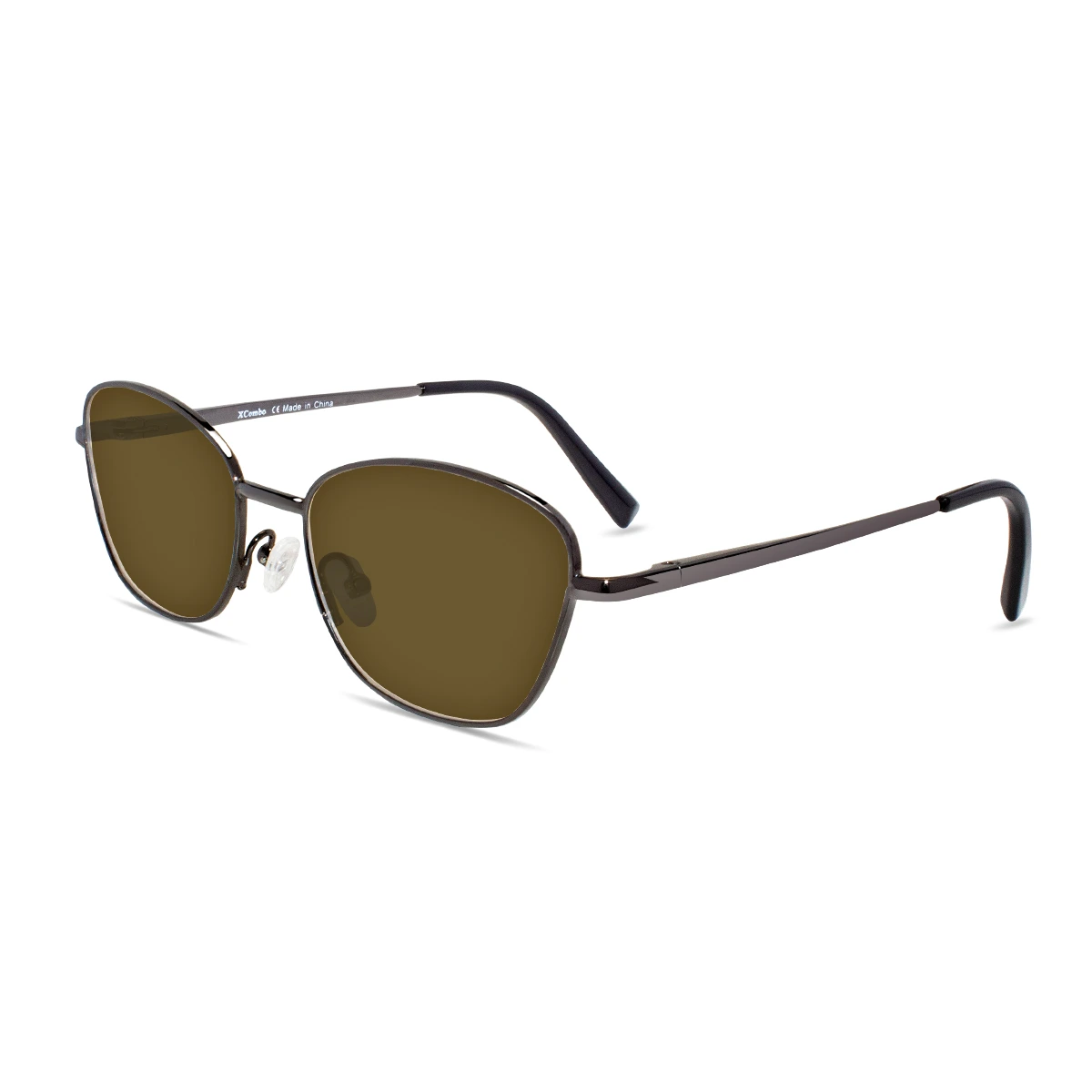
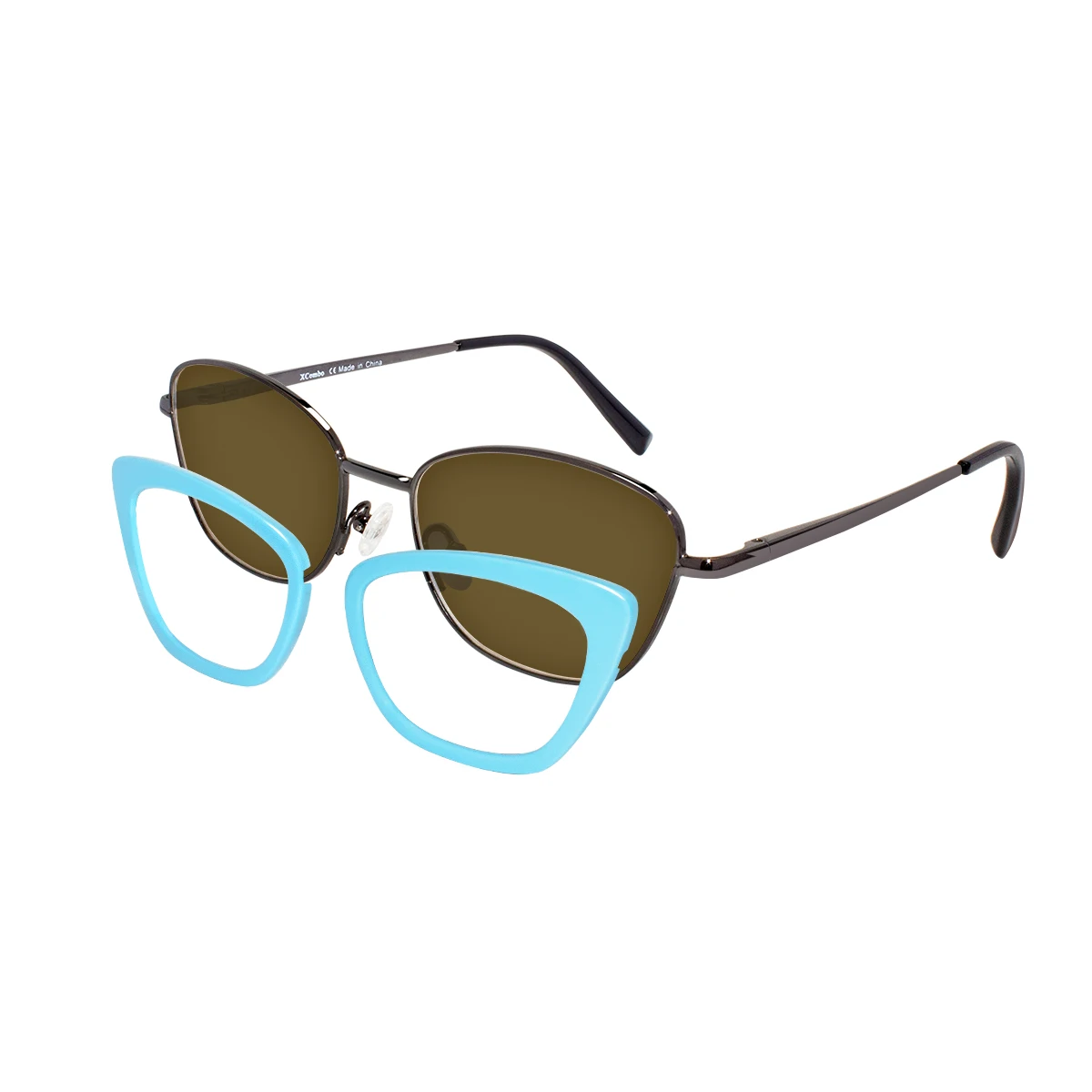
Mira Gunmetal Gray Metal Sunglasses – Wide Cat Eye, Tinted Lenses - Interchangeable Eyewear
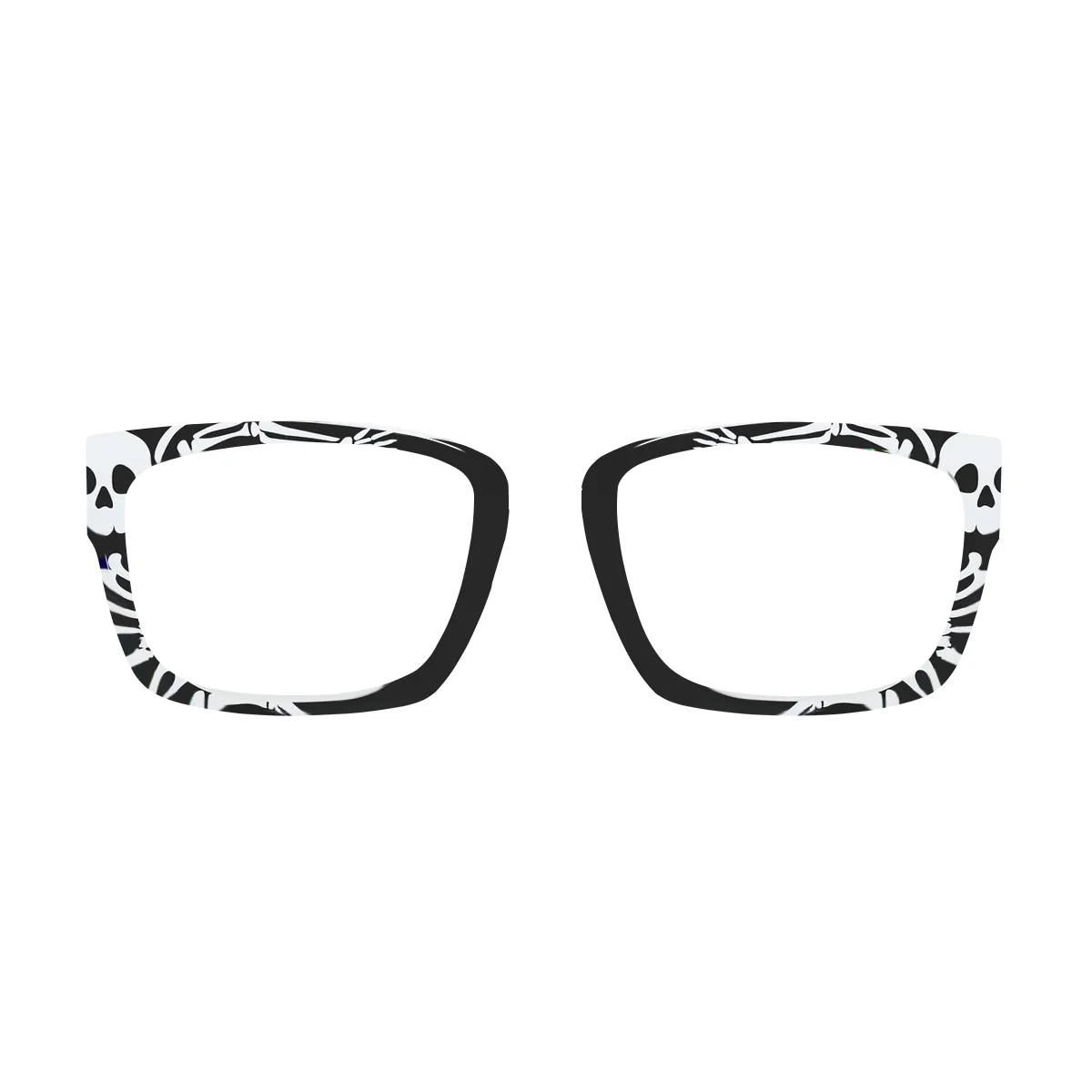
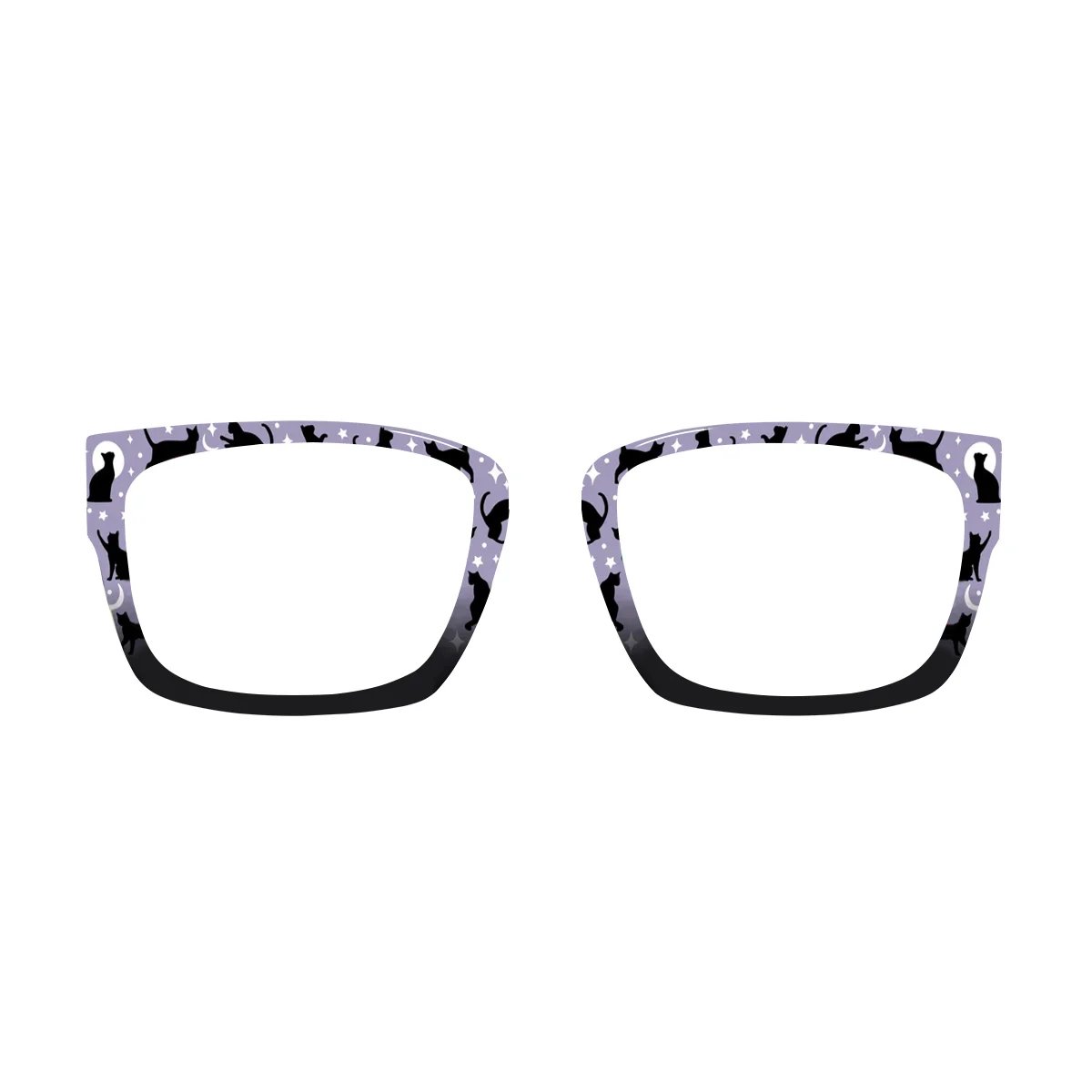
- Bone Rattle (PH01)
- Haunted Plaid (PH02)
- Pumpkin King (PH03)
- Night Sky Bat (PH04)
- Pumpkin Parade (PH05)
- Spooky Duo (PH06)
- Witch’s Cat (PH07)
- Mint Ghost (PH08)
- Dark Spell (PH09)
- Midnight Meow (PH10)
- Ghost Mosaic (PH11)
- Skull Storm (PH13)
- Wicked Glow (PH14)
- Haunted Gray (PH15)
- Phantom Mosaic (PH16)
- Midnight Dots (PH17)
- Haunted Medley (PH18)
- Nightmare Mix (PH19)
- Ghost Fade (PH20)
- Candy Curse (PH26)
- Ghost Drift (PH21)
- Pumpkin Fusion (PH22)
- Shadow Spirit (PH23)
- Spooky Toon (PH24)
- Demon Grin (PH25)
- Autumn Bloom (PH27)
Halloween Collection Top Frame for Soline
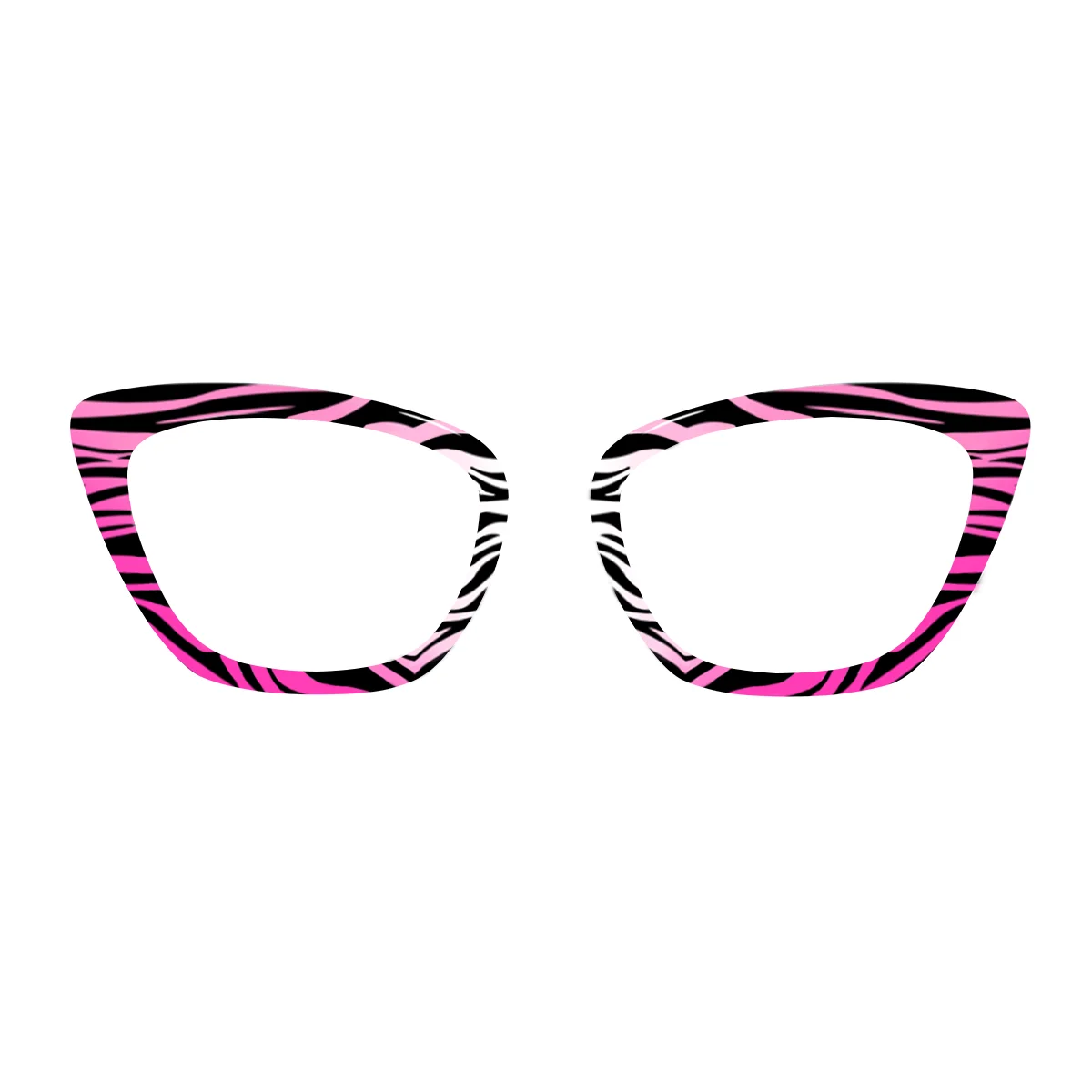





Mira Ice Blue Interchangeable Base Frame – Wide Cat-Eye Metal Glasses
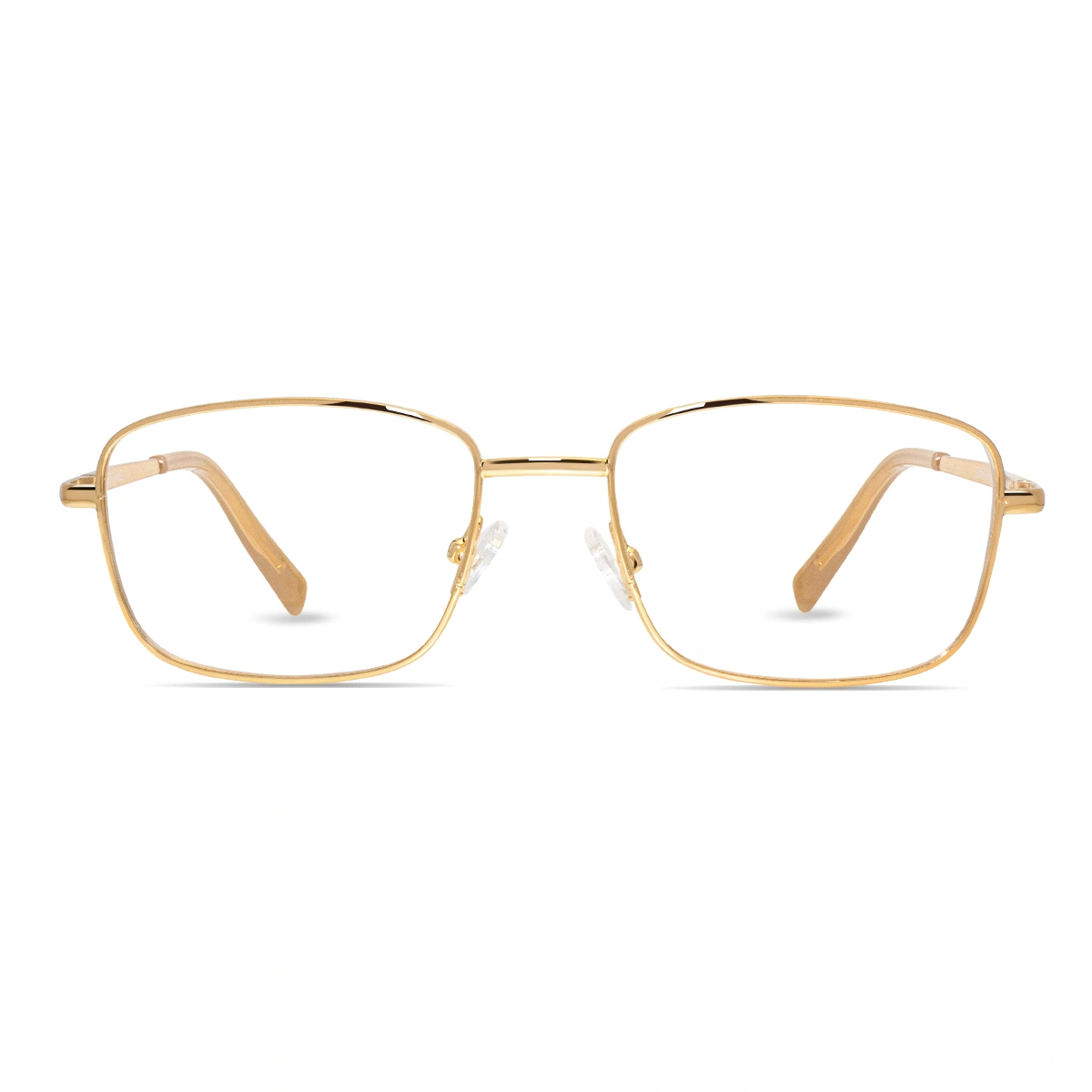
Soline Classic Gold Base Frame for Interchangeable Toppers – Wide Metal Rectangle Glasses
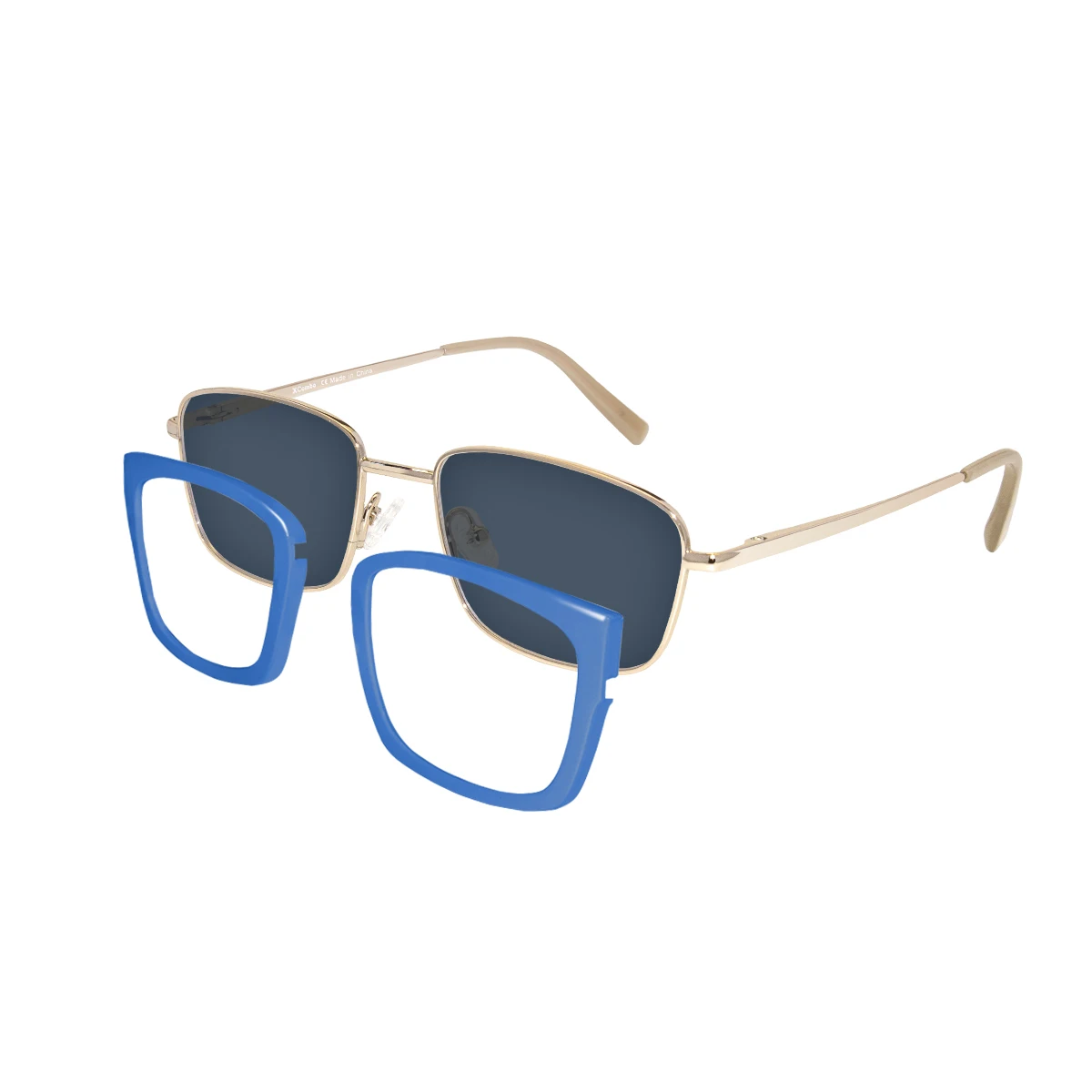
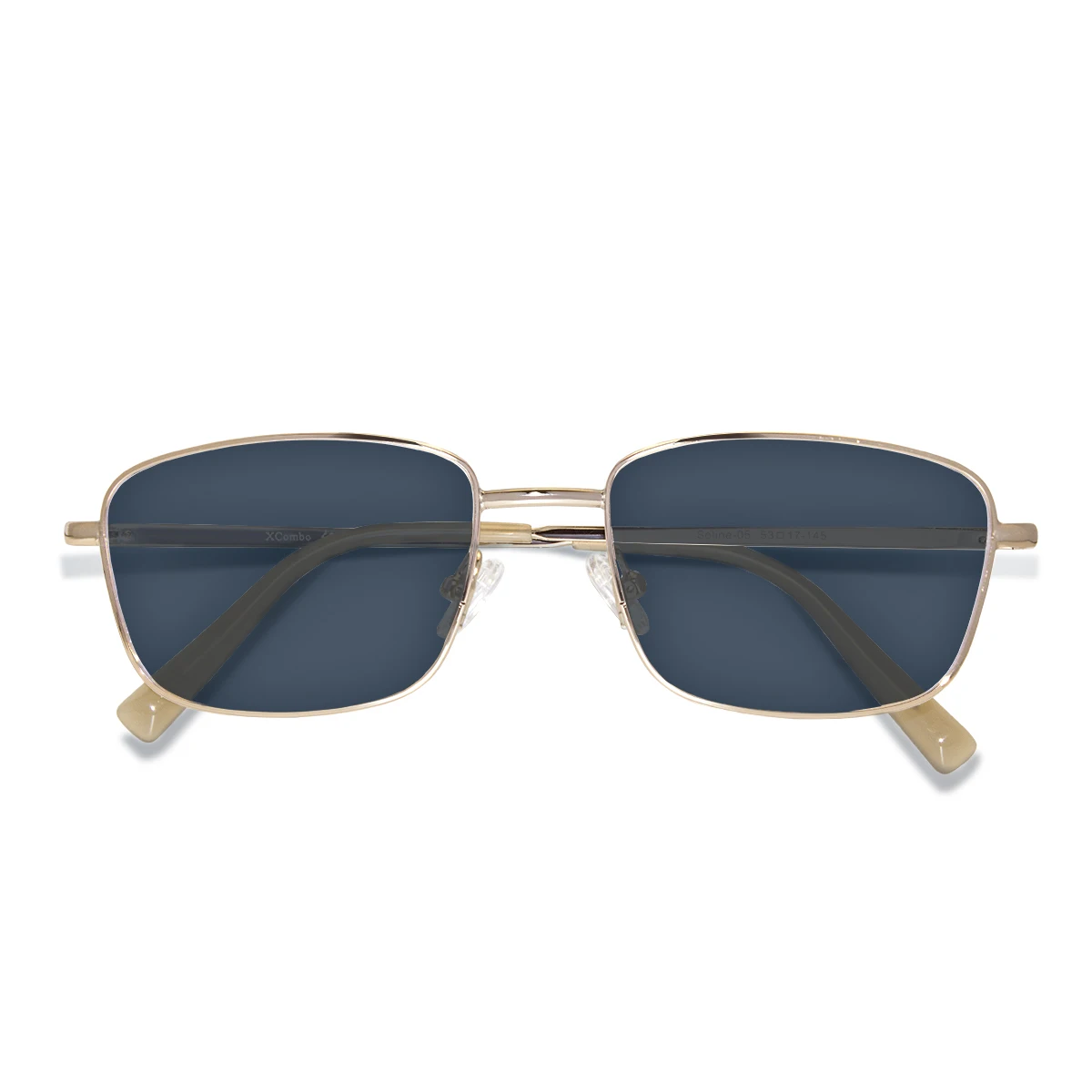
Soline Light Gold Interchangeable Sunglasses – Wide Rectangle, Tinted Lenses
Mira Classic Gold Metal Sunglasses – Wide Cat Eye, Tinted Lenses - Interchangeable Eyewear
Nose Pads Turning Yellow? The Complete Guide to Replacing Original Parts for Custom Eyeglasses
Custom eyeglasses are more than just vision tools — they are daily essentials, personal style statements, and long-term investments. Whether you wear...
The Pilot’s Choice: Why Mechanical Snap-Fit Eyewear Is Essential in Precision Visual Environments
In aviation, small details determine safety, performance, and decision-making speed. Pilots operate in environments where visual clarity is not simply about comfort...
Refuse the Shake: The Ultimate Stability Experience Delivered by Mechanical Snap-Fit Custom Eyewear
For most people, eyeglasses are judged by appearance first and comfort second. Stability — the ability of glasses to remain perfectly positioned...
Are Metal Frame Glasses Still in Style?
Metal frame glasses have maintained their popularity due to their sleek design, durability, and versatility. These eyeglasses, which come in a variety...
Long-Term Ownership Guide: How to Choose a Timeless Custom Eyewear Frame That Never Goes Out of Style and Is Easy to Refresh
Eyewear has evolved far beyond vision correction. Today, glasses function as personal identity, fashion statement, daily tool, and long-term investment all at...
If You Could Design the Future: What Features Would Your Dream Modular Eyeglasses Have?
Eyeglasses have come a long way from the simple corrective lenses first used centuries ago. Today, they serve multiple roles: vision correction,...
Titanium Alloy vs. Aerospace Carbon Fiber: Which Custom Material Is the Ultimate Solution for Sensitive Skin?
For people with sensitive skin or allergy-prone conditions, everyday accessories can become unexpected sources of discomfort. Items designed for long-term wear —...
Can Scratched Eyeglass Lenses Be Repaired? The Truth About Polishing and Scratch Removal
Few things are more frustrating than discovering scratches on your eyeglass lenses. One moment your vision feels crisp and clear; the next,...
How to Clean Your Eyeglasses the Right Way: 5 Simple Steps to Say Goodbye to Scratches
Eyeglasses are an essential part of daily life for millions of people. Whether you rely on them for vision correction, blue light...
The Hidden Secret of Custom Temple Length: Why Biometric Measurement Is the Only Real Solution to Ear Pain From Glasses
For millions of eyeglass wearers, discomfort behind the ears is treated as an unavoidable part of daily life. Red pressure marks, soreness...
Office Blue Light Protection, Outdoor UV Defense The Functional Logic Behind Modular Combination Glasses
We spend hours staring at digital screens in offices, homes, and cafés. Then we step outside into intense sunlight, exposed to ultraviolet...
Best Browline Glasses for Men: A Timeless Style Choice
Browline glasses are known for their distinctive design, featuring a thicker upper frame that accentuates the browline. Originally popular in the 1940s...