


The Pilot’s Choice: Why Mechanical Snap-Fit Eyewear Is Essential in Precision Visual Environments
In aviation, small details determine safety, performance, and decision-making speed. Pilots operate in environments where visual clarity is not simply about comfort — it is directly connected to situational awareness, reaction time, and operational accuracy.
While cockpit technology has evolved dramatically over the past decades, one critical tool remains deeply personal and surprisingly complex: eyewear.
From commercial airline captains to military aviators and private pilots, eyewear must perform under extreme demands — vibration, pressure changes, long flight hours, shifting light conditions, and constant headset use. Traditional screw-based eyeglass construction, once standard, increasingly reveals limitations in these precision environments.
This is why mechanical snap-fit eyewear, sometimes called modular or clip-lock eyewear systems, has gained growing attention among pilots and professionals working in high-precision visual settings.
These designs are not merely aesthetic innovations. They represent an engineering response to real operational challenges.
This article explores why mechanical snap-fit glasses have become uniquely suited for aviation environments and why their design principles extend far beyond cockpit use.
Vision in Aviation: More Than Seeing Clearly
To understand why eyewear design matters so much to pilots, it’s important to understand the nature of aviation vision itself.
Pilots rely on multiple visual systems simultaneously:
- Instrument panel monitoring
- Outside horizon scanning
- Peripheral motion detection
- Rapid focal transitions
- Low-light interpretation
- Glare management
Unlike typical daily vision tasks, aviation requires constant switching between near, intermediate, and far focus distances — often within seconds.
Eyewear must support this without distraction.
Even minor instability in frame positioning can introduce visual fatigue or delayed perception.
The Hidden Problems with Traditional Eyewear in Cockpits
Conventional glasses rely heavily on screws, hinges, and fixed assemblies. While adequate for everyday use, these designs face several weaknesses in aviation conditions.
1. Vibration-Induced Loosening
Aircraft vibrations, even in commercial jets, gradually loosen micro screws.
Loose hinges lead to:
- Misalignment
- Uneven pressure
- Shifting lenses during head movement
A pilot adjusting glasses mid-flight is more than inconvenient — it interrupts concentration.
2. Headset Compatibility Issues
Pilots wear headsets for extended periods.
Traditional hinges create pressure points where temples meet headset seals, causing:
- Pain after long flights
- Reduced noise isolation
- Frame deformation
3. Maintenance Challenges
Tiny screws require specialized tools.
Unexpected loosening during travel or operations creates reliability concerns.
4. Structural Failure Risk
Repeated opening and closing cycles stress hinge joints — a common failure point in traditional frames.
What Is Mechanical Snap-Fit Eyewear?
Mechanical snap-fit eyewear replaces screws and complex hinges with engineered elastic connections.
Instead of rotating around a metal pin, components connect using precision-designed locking geometries.
Key characteristics include:
- Tool-free assembly
- Elastic retention mechanisms
- Modular components
- Replaceable parts
- Reduced mechanical complexity
The frame flexes within controlled limits and returns to its original shape.
Why Snap-Fit Systems Excel in Precision Environments
Snap-fit eyewear aligns closely with aviation requirements because it reduces mechanical uncertainty.
Stability Without Micro Components
Fewer small moving parts mean fewer failure points.
Pilots benefit from predictable frame behavior under vibration.
Consistent Alignment
Snap-fit connections maintain structural symmetry, ensuring lenses remain correctly positioned relative to the eyes.
Consistent alignment reduces visual strain during long flights.
Distributed Flexibility
Instead of stress concentrating at hinges, flexibility spreads across engineered zones.
This improves durability during repeated use.
The Importance of Frame Stability for Instrument Reading
Cockpit instruments demand precise visual interpretation.
Pilots frequently scan:
- Altitude indicators
- Navigation displays
- Digital flight systems
- Backup analog gauges
Even millimeter-level frame movement changes optical alignment.
Snap-fit structures minimize micro-shifts, preserving visual consistency during turbulence or rapid head movement.
Reduced Pressure Points During Long Flights
Comfort is not luxury in aviation — it is performance support.
Traditional hinges create rigid pressure areas behind ears.
Snap-fit temples often use flexible geometries that adapt to headset compression.
Benefits include:
- Even pressure distribution
- Reduced fatigue
- Improved headset seal
- Longer wear tolerance
Pilots flying multi-hour routes experience measurable comfort improvements.
Weight Reduction and Cognitive Fatigue
Mechanical snap-fit frames frequently use advanced engineering polymers rather than heavy metal assemblies.
Lower weight reduces muscle strain around:
- Nose bridge
- Temples
- Neck posture
Over long flights, reduced physical discomfort translates into improved cognitive endurance.
Modular Design: A Critical Advantage for Pilots
Pilots operate across varying light environments:
- Bright daylight above clouds
- Low-light dusk conditions
- Night cockpit operations
Snap-fit eyewear enables modular adaptability.
Examples include:
- Interchangeable lenses
- Clip-on filters
- Replaceable nose bridges
- Adjustable temple components
Instead of owning multiple frames, pilots adapt one system.
Reliability Under Temperature and Pressure Changes
Aircraft cabins experience temperature fluctuations and pressure variations.
Traditional materials expand unevenly around metal hinges.
Snap-fit polymer systems often demonstrate better dimensional stability, maintaining fit consistency.
This reliability matters when equipment must function predictably across environments.
Reduced Maintenance Dependency
Aviation professionals value systems requiring minimal intervention.
Snap-fit eyewear eliminates common maintenance issues:
- No loose screws
- No hinge lubrication
- Fewer repair visits
Modular replacement allows quick restoration if parts wear out.
Materials Science Behind Aviation-Ready Snap-Fit Frames
The success of snap-fit eyewear depends heavily on material selection.
Common high-performance materials include:
Advanced Polyamides
Offer flexibility and fatigue resistance ideal for repeated stress cycles.
Memory Polymers
Return to original shape after deformation.
Impact-Resistant Composites
Protect against accidental drops in confined cockpit spaces.
These materials balance elasticity and strength — essential for snap mechanisms.
Optical Precision and Lens Positioning
Lens positioning relative to the eye affects optical accuracy.
Snap-fit structures maintain consistent geometry, supporting:
- Progressive lenses
- Blue-light filters
- Anti-glare coatings
- Prescription accuracy
Stable positioning reduces adaptation time when shifting gaze.
Safety Considerations in Emergency Situations
In emergency scenarios, equipment reliability becomes critical.
Snap-fit eyewear offers advantages:
- Frames resist sudden breakage.
- Components detach safely under extreme force.
- Reduced sharp metal components lower injury risk.
Design simplicity contributes to operational safety.
Lessons Aviation Teaches About Everyday Eyewear
Technologies developed for demanding environments often migrate into daily consumer products.
What benefits pilots also benefits:
- Surgeons
- Engineers
- Designers
- Gamers
- Remote workers
Any activity requiring sustained visual focus gains from stable, lightweight eyewear.
The Psychological Effect of Reliable Equipment
Pilots rely on trust in tools.
When eyewear remains stable and comfortable, cognitive attention remains focused on flight tasks rather than physical adjustments.
This subtle psychological benefit enhances performance consistency.
Comparing Snap-Fit Frames to Traditional Hinged Frames
| Feature | Traditional Frames | Snap-Fit Frames |
|---|---|---|
| Moving Parts | Multiple | Minimal |
| Maintenance | Frequent | Low |
| Vibration Resistance | Moderate | High |
| Comfort with Headsets | Variable | Excellent |
| Modularity | Limited | High |
| Long-Term Alignment | Degrades | Stable |
Why Aviation Trends Influence Consumer Design
Historically, aviation innovations have influenced everyday products:
- GPS navigation
- Noise-canceling headphones
- Performance fabrics
Snap-fit eyewear represents a similar transition — engineering solutions developed for precision environments entering mainstream lifestyle use.
The Future of Precision Eyewear
Emerging innovations may further enhance snap-fit designs:
- Adaptive tension frames
- Smart sensor integration
- Ultra-light composite materials
- Custom-fit modular geometry
As wearable technology evolves, mechanical simplicity paired with material intelligence will likely define next-generation eyewear.
Choosing Snap-Fit Eyewear Inspired by Pilot Needs
When selecting frames inspired by aviation performance, consider:
- Flexible but stable temples
- Lightweight materials
- Modular replaceability
- Secure lens retention
- Balanced pressure distribution
These characteristics improve both comfort and durability.
Beyond Aviation: Precision Visual Environments Everywhere
Modern life increasingly mirrors cockpit conditions:
- Multi-screen workflows
- High-focus digital tasks
- Extended concentration periods
- Rapid attention shifts
Eyewear that minimizes distraction becomes increasingly valuable.
Final Thoughts
Mechanical snap-fit eyewear represents more than a design trend. It reflects a shift toward engineering-driven comfort and reliability shaped by environments where performance cannot be compromised.
Pilots operate in one of the most demanding visual environments imaginable, and their equipment choices reveal important truths about design priorities: stability over complexity, adaptability over rigidity, and reliability over tradition.
By eliminating unnecessary mechanical weaknesses and embracing advanced materials and modular construction, snap-fit eyewear delivers consistent alignment, long-term comfort, and dependable performance — qualities essential not only in aviation but in any precision-focused activity.
As eyewear continues evolving, the influence of aviation principles reminds us that the best designs often emerge from solving real-world challenges where failure is not an option.
In the cockpit and beyond, clarity depends not only on lenses but on the invisible engineering holding everything perfectly in place.
Share this post







- Deep Burgundy - Solid (S01)
- Red - Solid (S02)
- Burnt Orange - Solid (S03)
- Marmalade - Solid (S04)
- Sunshine Yellow - Solid (S05)
- Lime Green - Solid (S06)
- Green Forest - Solid (S07)
- Sage - Solid (S08)
- Army Green - Solid (S09)
- Spruce - Solid (S10)
- Turquiise - Solid (S11)
- Cornflower blue - Solid (S12)
- Navy - Solid (S13)
- Indigo - Solid (S14)
- Blue Orchid - Solid (S15)
- Lavender - Solid (S21)
- Mauve - Solid (S16)
- Purple - Solid (S17)
- Grape - Solid (S18)
- Warm Coral - Solid (S19)
- Hot Pink - Solid (S20)
- Chocolate - Solid (S22)
- Black – Solid (S23)
- White - Solid (S24)
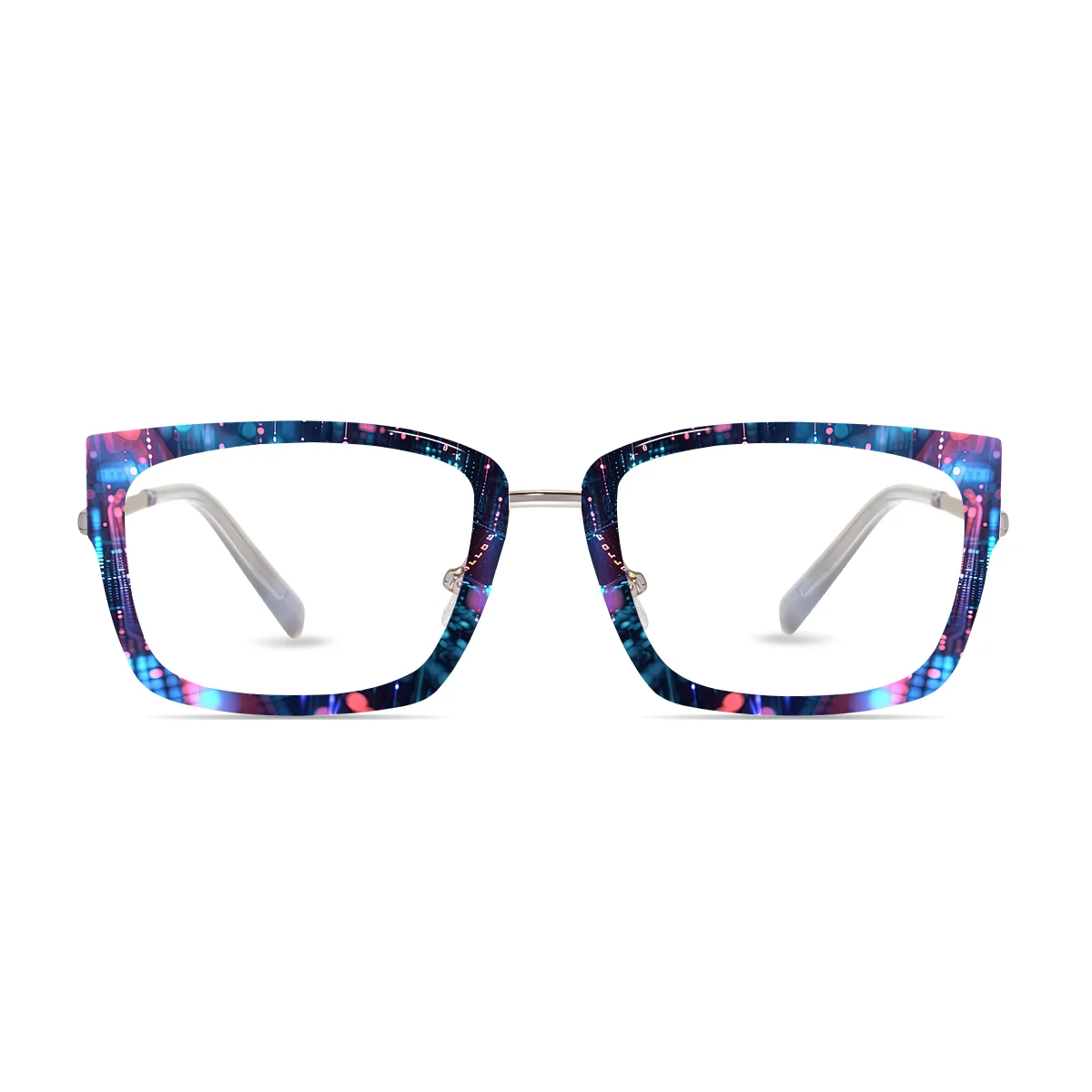
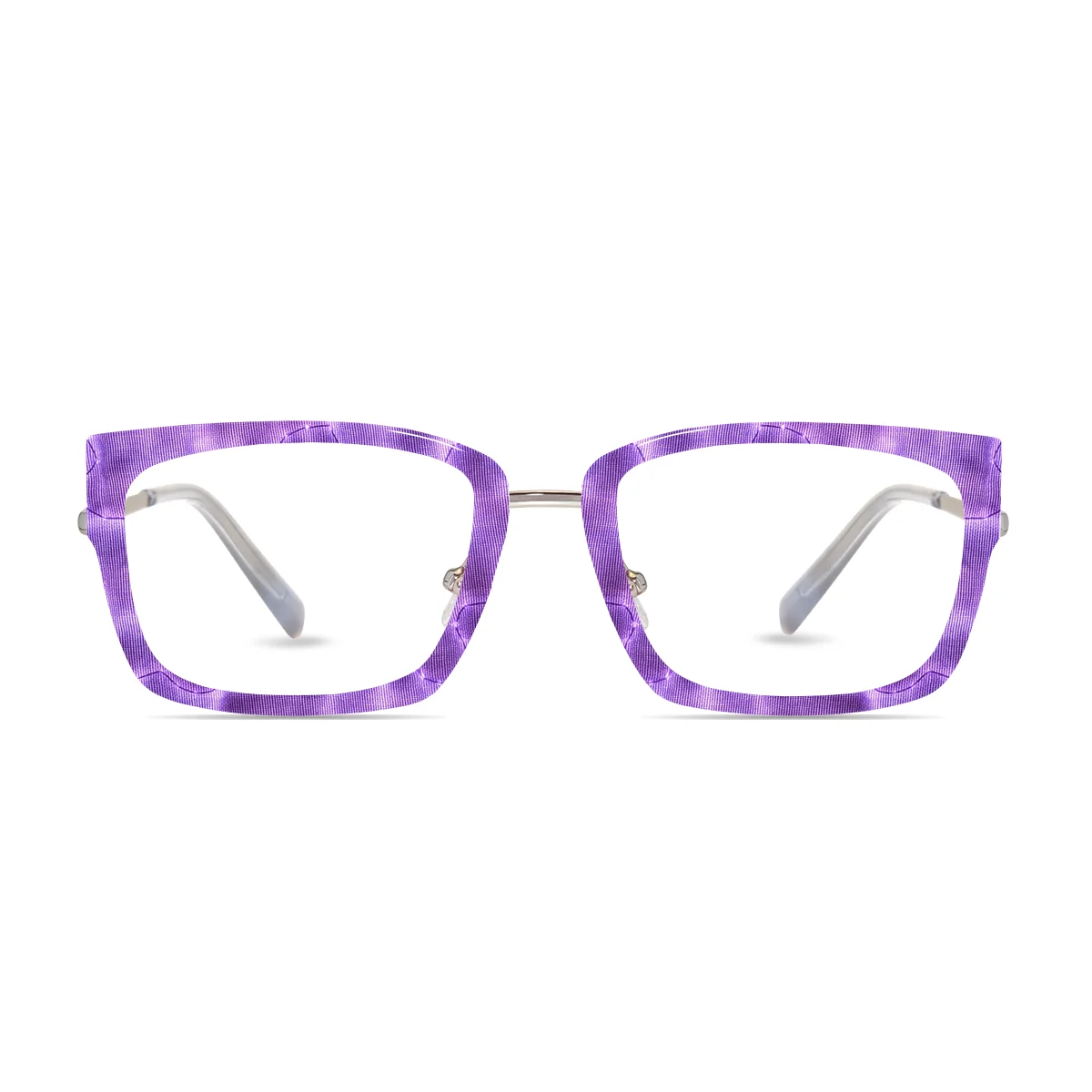
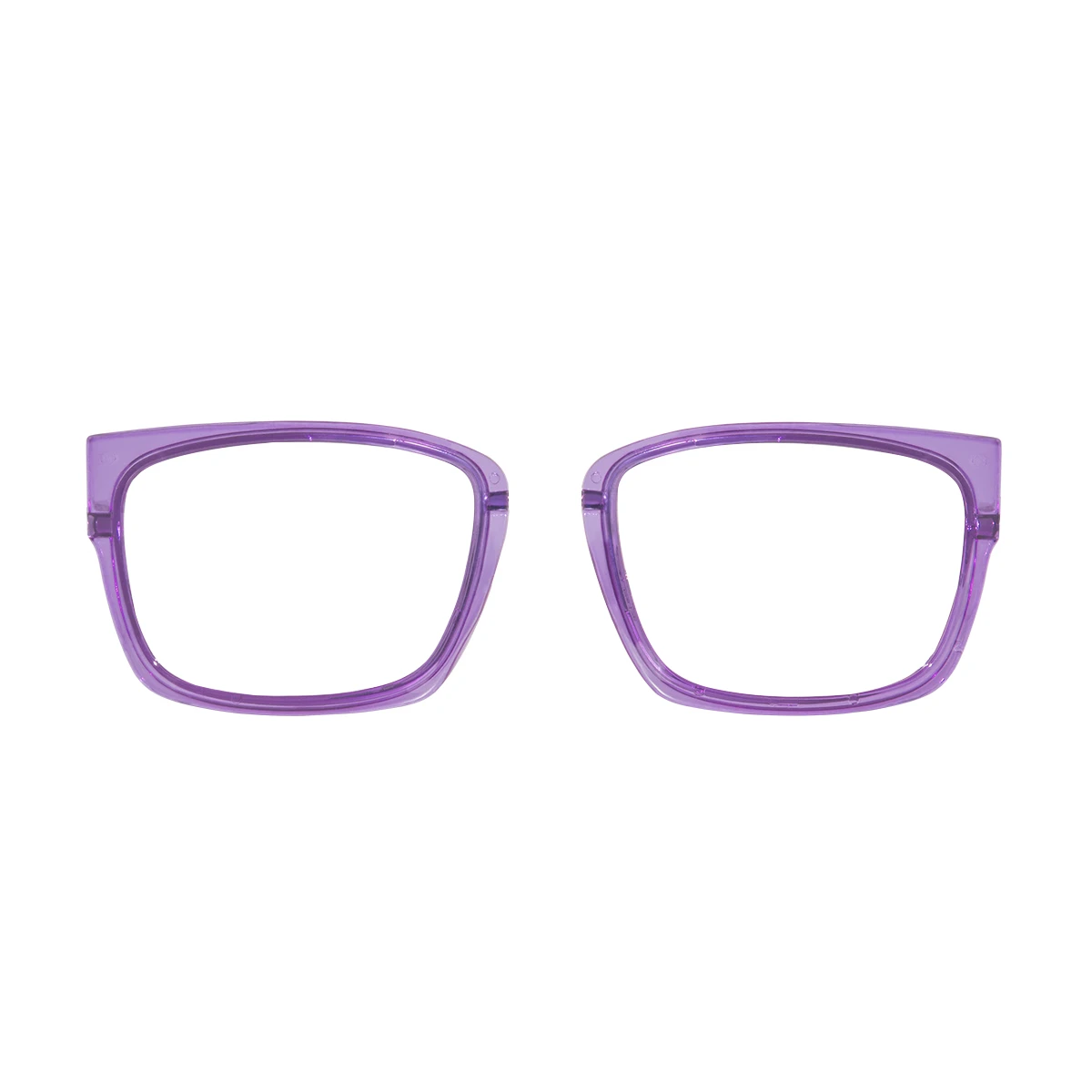
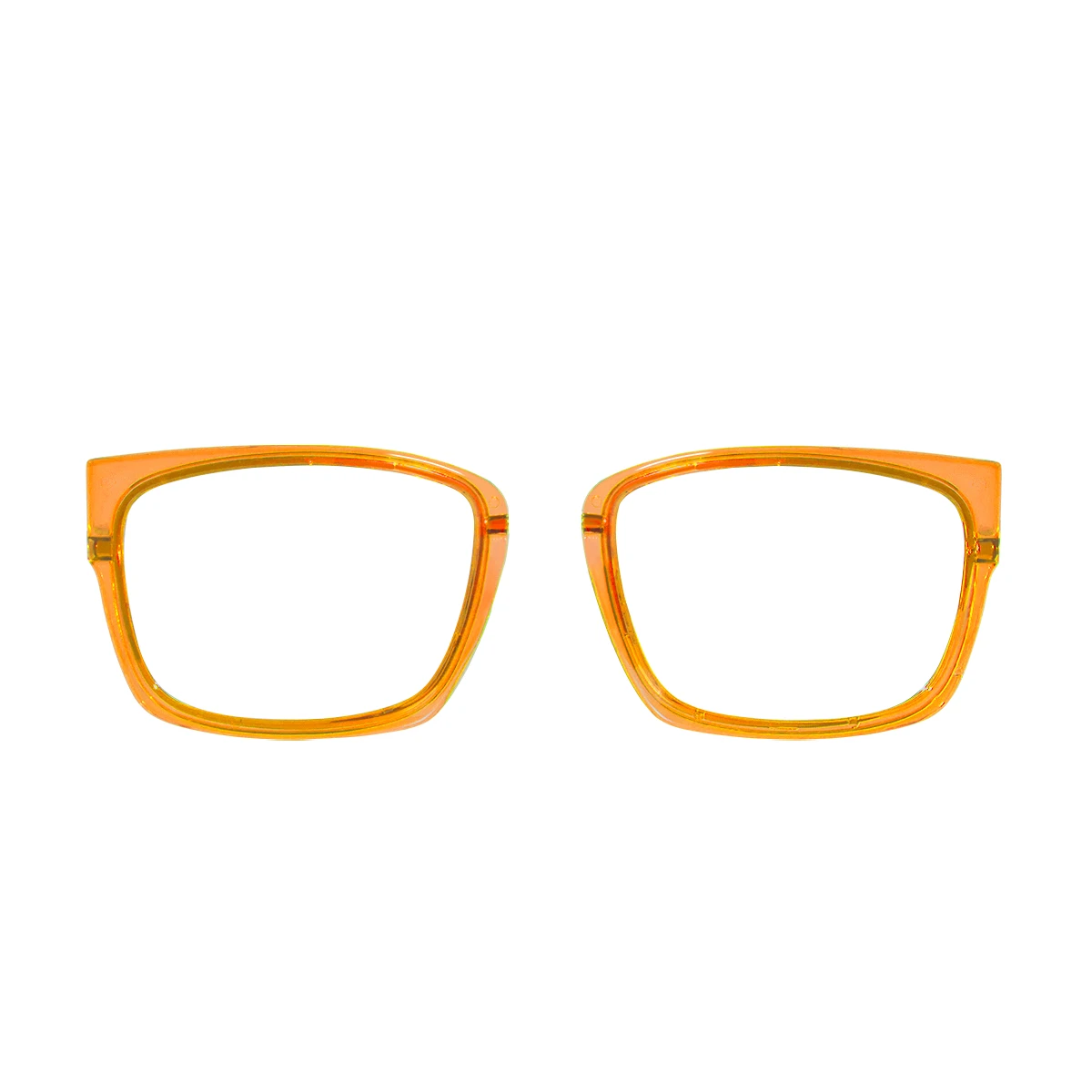
- Burgundy – Crystal (C01)
- Red – Crystal(C02)
- Burnt Orange – Crystal(C03)
- Marmalade – Crystal(C04)
- Sunshine Yellow – Crystal(C05)
- Lime Green – Crystal(C06)
- Sage – Crystal(C08)
- Green Forest – Crystal(C07)
- Army Green – Crystal(C09)
- Spruce – Crystal(C10)
- Turquiise – Crystal(C11)
- Cornflower– Crystal(C12)
- Navy – Crystal(C13)
- Indigo – Crystal(C14)
- Blue Orchid – Crystal(C15)
- Mauve – Crystal(C16)
- Lavender – Crystal(C21)
- Purple – Crystal(C17)
- Grape – Crystal(C18)
- Coral – Crystal(C19)
- Hot Pink – Crystal(C20)
- Chocolate – Crystal(C22)




The Mystery of the “Red Mark”: Why Your Nose Bridge Deserves a Custom Curvature Design
For millions of people who wear glasses every day, there is a familiar experience that often goes unnoticed until it becomes uncomfortable:...
The 3 “Hidden Costs” of Custom Eyewear: Accessories, Maintenance, and Prescription Accuracy — Are Online Custom Glasses Really Worth It?
When shopping for custom eyewear, most people focus on the sticker price. Whether it’s $150 from an online retailer or $1,200 from...
How to Clean Your Eyeglasses the Right Way: 5 Simple Steps to Say Goodbye to Scratches
Eyeglasses are an essential part of daily life for millions of people. Whether you rely on them for vision correction, blue light...
Ultrasonic Cleaners: Savior or Silent Killer for Custom Eyewear? A Professional Guide to Safe Cleaning and Costly Mistakes
Custom eyewear has evolved far beyond simple vision correction. Today’s prescription glasses often feature precision-engineered lenses, specialized coatings, lightweight materials, and carefully...
Digital Life Customization: Blue-Light Protection and Focus Optimization Solutions for Programmers and Designers
Modern work lives increasingly unfold behind screens. Programmers write thousands of lines of code daily, designers spend hours refining pixels and typography,...
Glasses Match Your Skin Tone Too? How Modular Eyewear Gives You a “New Face” Every Day
For years, most people have chosen glasses based on just two things:prescription accuracy and frame shape.But fashion has moved forward—and eyewear is...
Lens World Restoration: Inside the Professional Eyewear Maintenance Laboratory
Eyeglasses are no longer simple vision tools.For millions of people, they represent daily functionality, personal style, digital productivity, eye protection, and even...
From “People Adapting to Glasses” to “Glasses Made for People”: Inside the Complete Process of High-End Custom Eyewear
For most of modern history, buying glasses followed a simple but flawed principle: people adjusted themselves to fit available frames. Customers walked...

How to Protect Your Eyeglass Lenses from Chemical Damage While Applying Makeup and Hairspray
Eyeglasses have become more than just vision correction tools. For many people, they are everyday essentials, fashion accessories, professional necessities, and long-term...
The Zenith of Lightweight: The "Black Tech" Revolution in Customized Eyewear Materials
For the discerning eyewear wearer, the struggle has always been a trade-off between personality and pressure. We crave the bold, architectural lines...
A Blessing for the Nearsighted: The Advanced Guide to Eyeglass Maintenance
For millions of nearsighted people, eyeglasses are far more than a fashion accessory. They are an essential tool for daily life, helping...
3D Printed Glasses: High-Tech Gimmick or the Future of Personalized Vision Protection?
Eyewear has always balanced two worlds: medical necessity and personal expression. For decades, glasses were manufactured using standardized molds, limited sizing systems,...