


From “People Adapting to Glasses” to “Glasses Made for People”: Inside the Complete Process of High-End Custom Eyewear
For most of modern history, buying glasses followed a simple but flawed principle: people adjusted themselves to fit available frames. Customers walked into optical stores, tried on standardized designs, and selected the closest approximation to comfort and style. Minor adjustments followed, but the fundamental structure of the glasses remained unchanged.
Today, that model is rapidly evolving.
Advances in digital scanning, precision manufacturing, material science, and data-driven design have introduced a new philosophy — eyewear built specifically for the individual wearer. High-end custom glasses no longer rely on averages or compromises. Instead, they are engineered around facial anatomy, visual behavior, and lifestyle needs.
This shift marks the transition from “glasses searching for a wearer” to “glasses engineered for a human.”
In this deep dive, we’ll explore the entire journey of premium custom eyewear in 2026: from facial analysis and optical measurement to digital modeling, fabrication, fitting, and long-term performance optimization.
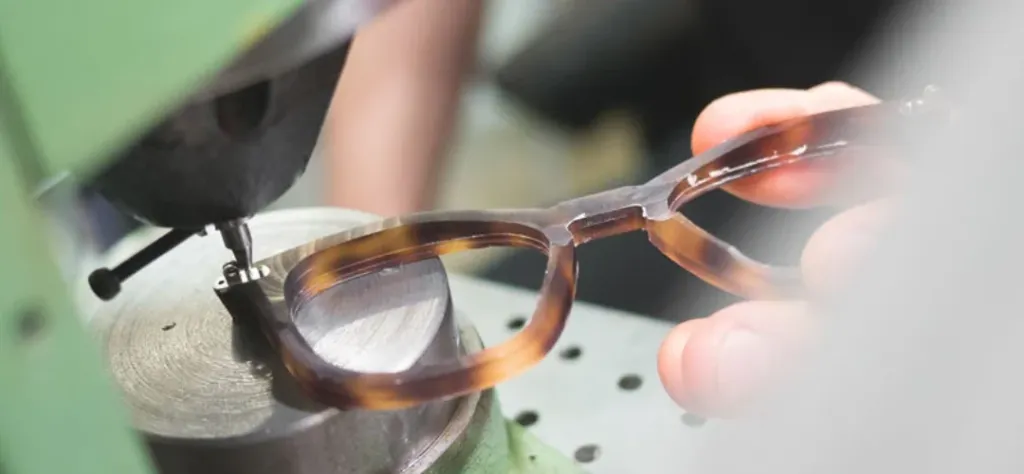
Why Traditional Glasses Were Never Truly Personalized
Mass-produced eyewear evolved during an era when manufacturing efficiency mattered more than customization.
Standard frames are typically produced in limited size categories:
- small
- medium
- large
Yet human faces vary across dozens of dimensions, including:
- bridge height and angle
- facial symmetry
- ear positioning
- cheekbone structure
- eye spacing
- head curvature
Even slight mismatches create discomfort, slipping, or suboptimal optical alignment.
Traditional adjustments — bending temples or swapping nose pads — attempt to compensate after production rather than designing correctly from the start.
The Philosophy Behind High-End Custom Eyewear
Custom eyewear treats glasses as precision wearable equipment, similar to orthopedic footwear or professional athletic gear.
The goals include:
- perfect weight distribution
- accurate optical positioning
- long-term comfort
- visual performance optimization
- aesthetic harmony with facial features
Instead of adapting a finished product, manufacturers design frames around biometric data.
Step 1: Lifestyle and Vision Consultation
The process begins long before measurements.
A detailed consultation evaluates how glasses will be used daily.
Topics often include:
- screen time duration
- reading habits
- outdoor activity levels
- driving frequency
- occupational requirements
- lighting environments
Two people with identical prescriptions may require completely different frame geometries based on lifestyle.
For example:
- programmers benefit from optimized downward gaze angles.
- drivers need stable peripheral alignment.
- creatives may prioritize color accuracy.
Custom design starts with behavior, not fashion.
Step 2: Advanced Facial Scanning
Modern custom eyewear relies on precise digital scanning.
Using structured light or multi-camera systems, scanners capture thousands of data points across the face.
Measurements include:
- pupillary distance
- nose bridge curvature
- ear height asymmetry
- temple pressure zones
- facial contour depth
Unlike manual measurements, digital scans capture three-dimensional geometry with sub-millimeter accuracy.
This data forms the foundation of personalization.
Step 3: Dynamic Posture Analysis
A breakthrough in recent years involves analyzing how people naturally hold their heads.
Static measurements alone are insufficient because posture changes optical alignment.
Technicians evaluate:
- natural head tilt
- reading posture
- walking gaze angle
- sitting vs standing orientation
Frames are then designed so lenses align perfectly during real-world use rather than laboratory positioning.
Step 4: Optical Parameter Mapping
High-end customization goes beyond frame fit.
Optical engineers analyze how lenses interact with the wearer’s eyes.
Critical parameters include:
- vertex distance (eye-to-lens spacing)
- pantoscopic tilt (lens angle)
- wrap angle
- optical center placement
Incorrect alignment can reduce prescription effectiveness even when lenses are technically accurate.
Custom eyewear ensures visual correction performs as intended.
Step 5: Digital Frame Design
Once biometric and optical data are collected, designers build a digital frame model.
Software adjusts dozens of variables simultaneously:
- frame width
- bridge geometry
- temple curvature
- weight balance
- lens positioning
- pressure distribution
AI-assisted systems now simulate comfort before production begins, predicting pressure points and stability.
Design becomes a blend of engineering and aesthetics.
Step 6: Material Selection
High-end custom glasses emphasize material performance as much as shape.
Common premium materials include:
Titanium Alloys
- extremely lightweight
- corrosion resistant
- flexible yet strong
Advanced Polymers
- impact resistant
- customizable textures
- temperature stability
Bio-Based Composites
- sustainable alternatives
- reduced environmental impact
Material choice affects durability, comfort, and overall wearing experience.
Step 7: Precision Manufacturing
Unlike mass production, custom frames are made individually.
Manufacturing methods may include:
- CNC micro-machining
- additive manufacturing (3D printing)
- laser sintering
- hand finishing
Each frame is built according to a single wearer’s data profile.
This eliminates compromises required for mold-based production.
Step 8: Hand Finishing and Quality Control
Even in highly digital workflows, craftsmanship remains essential.
Technicians refine:
- edge smoothness
- hinge resistance
- surface finishing
- structural balance
Every frame undergoes inspection to ensure measurements match design specifications precisely.
High-end eyewear blends technology with artisan skill.
Step 9: Custom Lens Integration
Lenses are not simply inserted into frames.
They are manufactured specifically for the frame geometry and wearer data.
Advanced lenses incorporate:
- personalized progressive zones
- optimized peripheral clarity
- reduced distortion fields
- tailored focal transitions
Lens performance depends heavily on frame positioning, making customization critical.
Step 10: Precision Fitting Session
When glasses are delivered, adjustments are minimal because fit was pre-engineered.
The fitting session focuses on:
- confirming alignment
- verifying visual comfort
- fine-tuning temple tension
- evaluating real-world stability
Many wearers experience immediate comfort compared to traditional break-in periods.
Step 11: Adaptation Monitoring
Premium providers often include follow-up evaluations.
Wearers may report:
- pressure sensations
- visual adaptation feedback
- lifestyle performance observations
Minor refinements can be implemented digitally for future iterations.
Custom eyewear becomes an evolving system rather than a one-time purchase.
Why Custom Glasses Feel Different
The difference is subtle but powerful.
Users often notice:
- reduced need for adjustments
- stable positioning throughout the day
- lighter perceived weight
- clearer peripheral vision
- fewer pressure marks
Comfort improves because forces distribute evenly across anatomical structures.
The Role of Data and Artificial Intelligence
AI increasingly enhances customization by:
- analyzing facial patterns
- predicting comfort outcomes
- recommending frame proportions
- optimizing lens geometry
Over time, systems learn from large datasets, improving future designs.
Eyewear begins to resemble personalized medical equipment rather than fashion accessories.
Style Personalization Beyond Fit
Customization also enhances aesthetics.
Designers consider:
- facial proportions
- skin tone compatibility
- hairstyle interaction
- personal style preferences
Frames complement individual identity rather than following generic trends.
Sustainability Advantages
Custom production reduces waste.
Benefits include:
- on-demand manufacturing
- minimal excess inventory
- longer product lifespan
- repairable components
High-end custom eyewear aligns with growing demand for durable, responsible consumption.
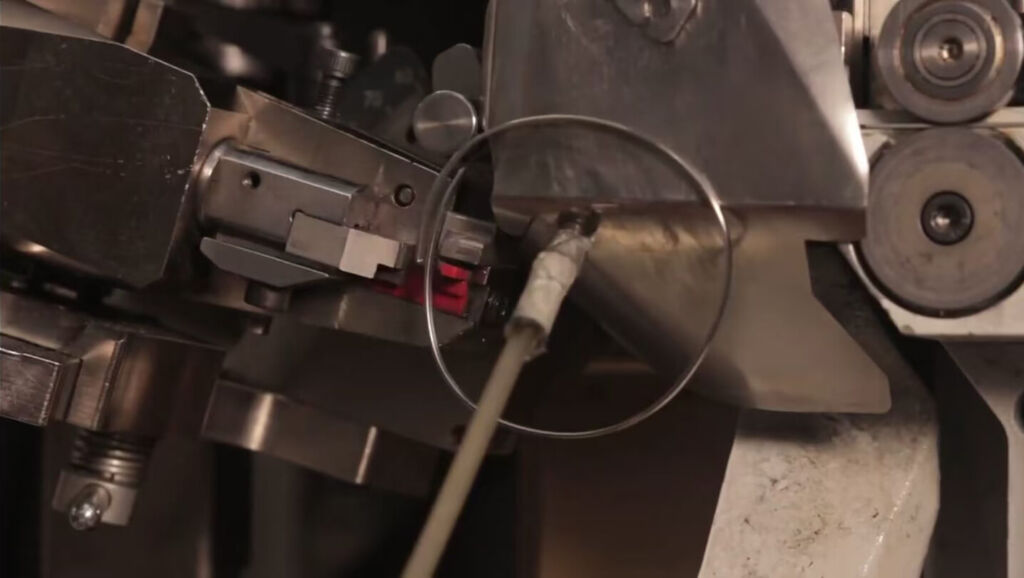
Who Benefits Most From Custom Eyewear?
While anyone can enjoy personalization, certain groups see major advantages.
High Prescription Wearers
Precise alignment improves optical accuracy.
Long-Hour Screen Users
Comfort reduces fatigue.
Hard-to-Fit Faces
Custom geometry eliminates slipping or pressure.
Professionals Requiring Precision Vision
Designers, surgeons, engineers, and drivers benefit from optimized optics.
Cost vs Long-Term Value
Custom eyewear typically costs more upfront.
However, value emerges through:
- longer durability
- fewer replacements
- improved comfort
- better visual performance
Many wearers find total ownership cost comparable over time.
Common Misconceptions About Custom Glasses
Myth: Custom Means Only Luxury Fashion
Customization focuses primarily on ergonomics and vision performance.
Myth: Measurements Take Too Long
Modern scanning takes minutes.
Myth: Adjustments Are Impossible Later
Most systems allow refinement and reproduction using stored data.
The Future: Fully Personalized Vision Ecosystems
The next evolution may include:
- adaptive lenses linked to wearable devices
- biometric vision tracking
- automated prescription updates
- smart materials adjusting fit dynamically
Custom eyewear becomes part of a broader personalized health ecosystem.
From Mass Production to Human-Centered Design
The transformation from standardized glasses to human-centered engineering reflects a larger shift in consumer expectations.
People increasingly expect products that adapt to them — not the reverse.
Eyewear, worn daily and closely tied to physical comfort, is one of the most logical industries for personalization to flourish.
Final Thoughts: The End of Compromise in Eyewear
For generations, glasses represented compromise: acceptable comfort, approximate fit, and functional vision correction. High-end custom eyewear changes that equation entirely.
By combining biometric scanning, digital design, advanced materials, and precision manufacturing, modern custom glasses align with individual anatomy and behavior in ways previously impossible.
The journey from “finding glasses that fit” to “creating glasses that belong uniquely to you” represents more than technological progress. It signals a new philosophy — one where everyday tools are engineered around human individuality.
As customization becomes more accessible in the coming years, future generations may look back at standardized eyewear the same way we view one-size-fits-all clothing today: functional, but fundamentally outdated.
The era of people adapting to glasses is ending.
The era of glasses built for people has already begun.
Share this post
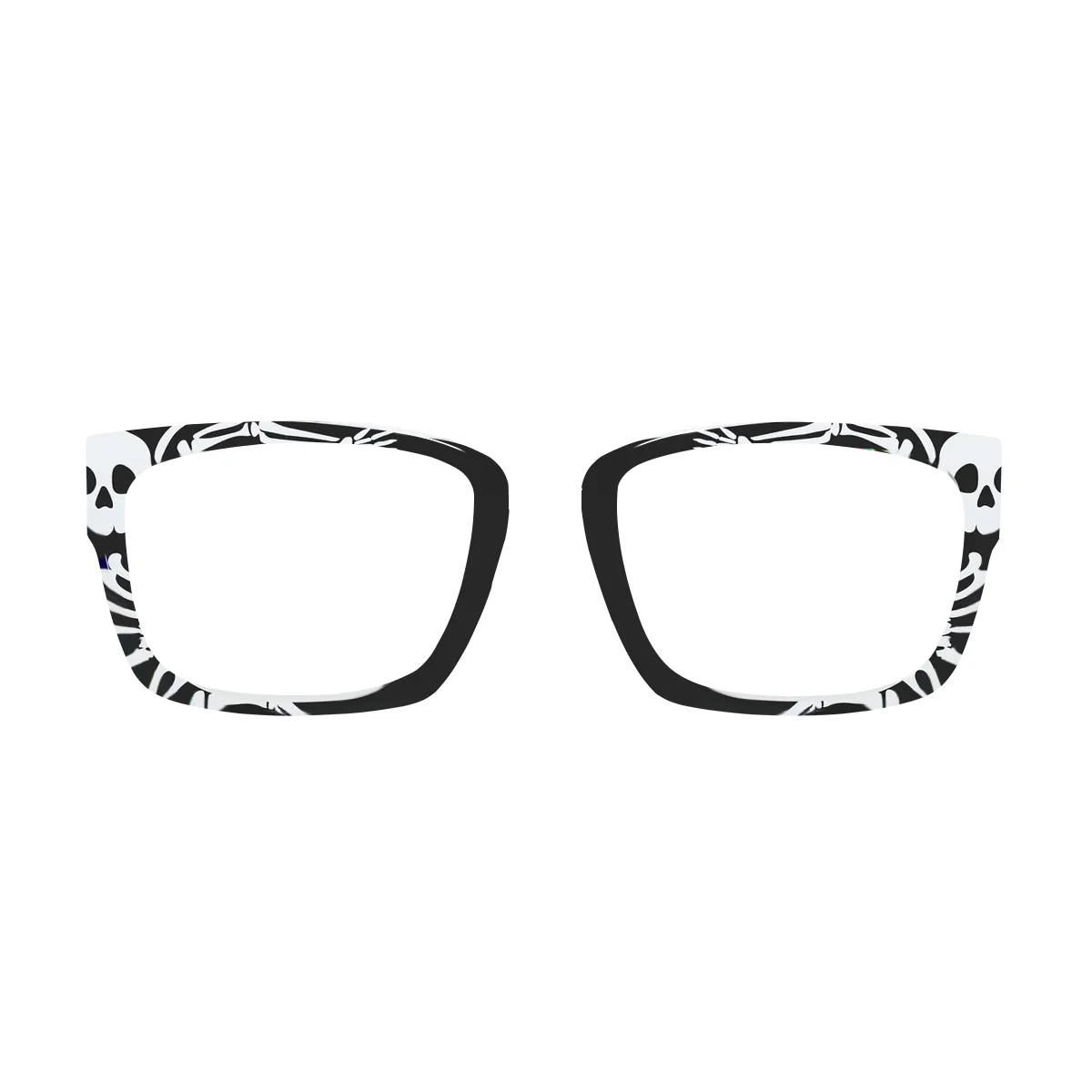
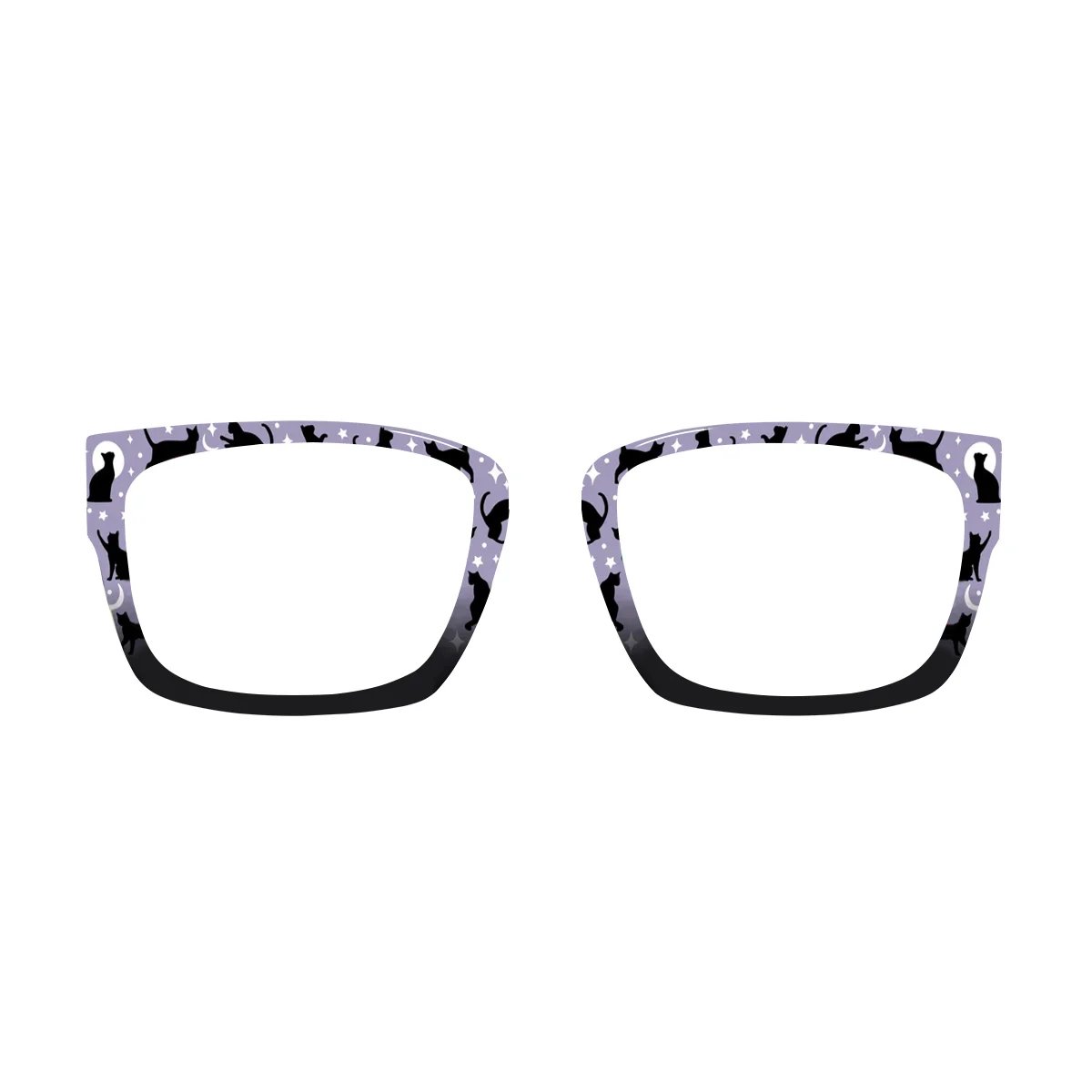
- Bone Rattle (PH01)
- Haunted Plaid (PH02)
- Pumpkin King (PH03)
- Night Sky Bat (PH04)
- Pumpkin Parade (PH05)
- Spooky Duo (PH06)
- Witch’s Cat (PH07)
- Mint Ghost (PH08)
- Dark Spell (PH09)
- Midnight Meow (PH10)
- Ghost Mosaic (PH11)
- Skull Storm (PH13)
- Wicked Glow (PH14)
- Haunted Gray (PH15)
- Phantom Mosaic (PH16)
- Midnight Dots (PH17)
- Haunted Medley (PH18)
- Nightmare Mix (PH19)
- Ghost Fade (PH20)
- Candy Curse (PH26)
- Ghost Drift (PH21)
- Pumpkin Fusion (PH22)
- Shadow Spirit (PH23)
- Spooky Toon (PH24)
- Demon Grin (PH25)
- Autumn Bloom (PH27)
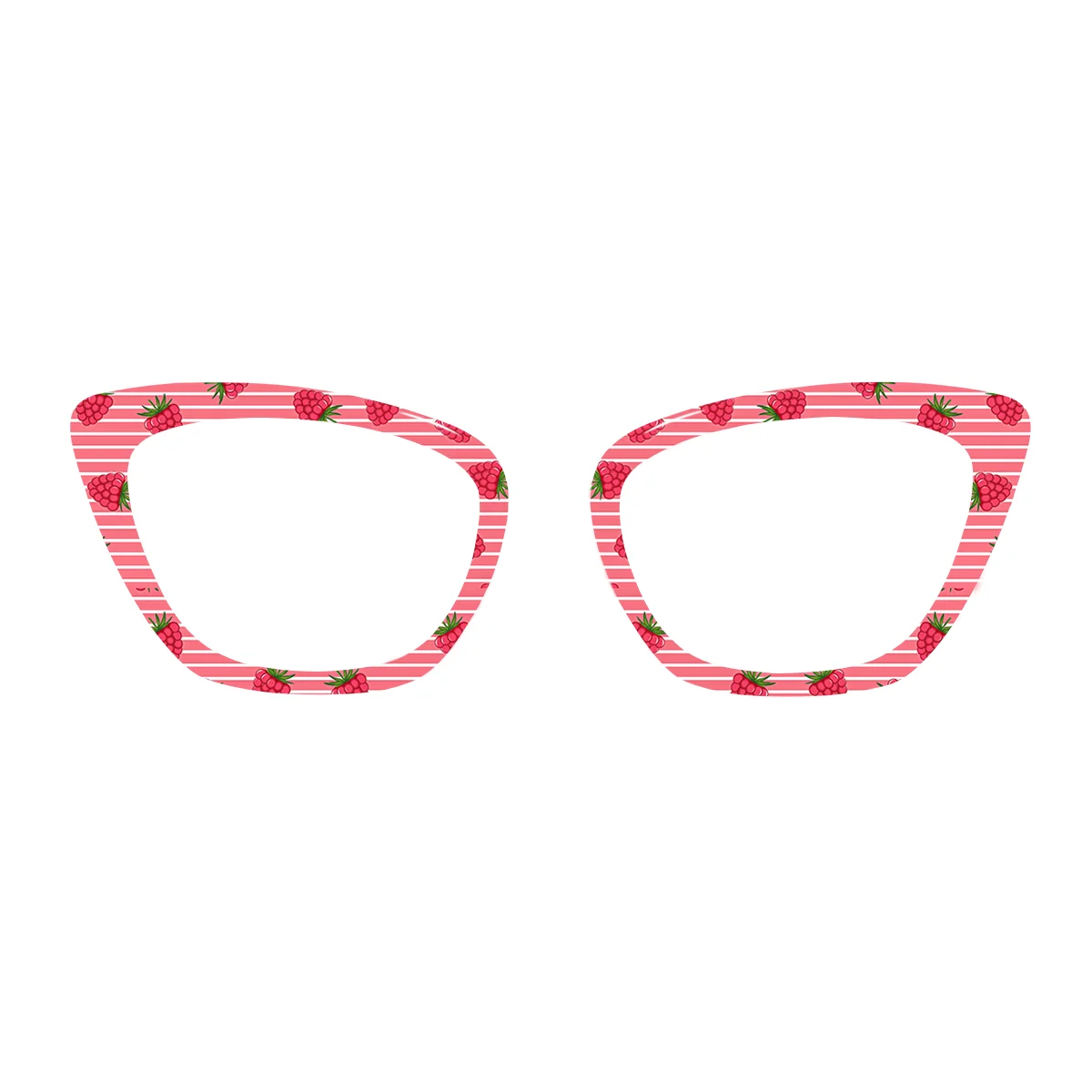



- Deep Burgundy - Solid (S01)
- Red - Solid (S02)
- Burnt Orange - Solid (S03)
- Marmalade - Solid (S04)
- Sunshine Yellow - Solid (S05)
- Lime Green - Solid (S06)
- Green Forest - Solid (S07)
- Sage - Solid (S08)
- Army Green - Solid (S09)
- Spruce - Solid (S10)
- Turquiise - Solid (S11)
- Cornflower blue - Solid (S12)
- Navy - Solid (S13)
- Indigo - Solid (S14)
- Blue Orchid - Solid (S15)
- Lavender - Solid (S21)
- Mauve - Solid (S16)
- Purple - Solid (S17)
- Grape - Solid (S18)
- Warm Coral - Solid (S19)
- Hot Pink - Solid (S20)
- Chocolate - Solid (S22)
- Black – Solid (S23)
- White - Solid (S24)


3D Printed Glasses: High-Tech Gimmick or the Future of Personalized Vision Protection?
Eyewear has always balanced two worlds: medical necessity and personal expression. For decades, glasses were manufactured using standardized molds, limited sizing systems,...
Why You Shouldn’t Wear Your Glasses on Top of Your Head: The “Invisible Killer” of Frame Lifespan
For many people, placing glasses on top of the head feels like second nature. It’s quick, convenient, and seems harmless—especially when you...
A Blessing for the Nearsighted: The Advanced Guide to Eyeglass Maintenance
For millions of nearsighted people, eyeglasses are far more than a fashion accessory. They are an essential tool for daily life, helping...
The Mystery of Electronic Interference: Why Snap-Fit Eyeglass Frames Are a Better Choice for Heavy Tech Users
Modern life is surrounded by invisible signals. Smartphones, wireless headphones, laptops, smartwatches, VR headsets, and countless connected devices continuously emit electromagnetic energy....
The Anti-Slip Revolution: A Tech-Focused Guide to Maintaining Low Bridge Eyewear
If you have a lower nasal bridge—a common facial feature for many of Asian, African, or Mediterranean descent—you know the "Eyewear Struggle."...
Minimalist Maintenance: Spend 30 Seconds a Day and Make Your Custom Glasses Last 5 More Years
Introduction: The Hidden Lifespan of Custom EyewearCustom glasses are more than a vision correction tool — they are precision instruments tailored to...
The 3 “Hidden Costs” of Custom Eyewear: Accessories, Maintenance, and Prescription Accuracy — Are Online Custom Glasses Really Worth It?
When shopping for custom eyewear, most people focus on the sticker price. Whether it’s $150 from an online retailer or $1,200 from...
The Secret Weapon for Sculpting Your Face: How to Customize Eyewear Based on Your Cheekbones and Brow Shape
When it comes to elevating your appearance, most people think about hairstyles, makeup, or wardrobe upgrades. But there’s one transformative accessory that...
Are Progressive Reading Glasses a Good Choice for You?
Progressive reading glasses have become increasingly popular as an all-in-one solution for people with multiple vision needs. These lenses combine different prescriptions...
Acetate vs Plastic Glasses Frames: Which is Better?
When selecting eyewear, understanding the differences between acetate and plastic frames can help you make the best choice for your needs. Both...
Can Scratched Eyeglass Lenses Be Repaired? The Truth About Polishing and Scratch Removal
Few things are more frustrating than discovering scratches on your eyeglass lenses. One moment your vision feels crisp and clear; the next,...

Say Goodbye to Blurry Vision: How to Effectively Remove Grease and Oil Buildup from Eyeglasses
For millions of people, eyeglasses are an essential part of daily life. Whether used for reading, driving, working, gaming, studying, or simply...