

The Anti-Slip Revolution: A Tech-Focused Guide to Maintaining Low Bridge Eyewear
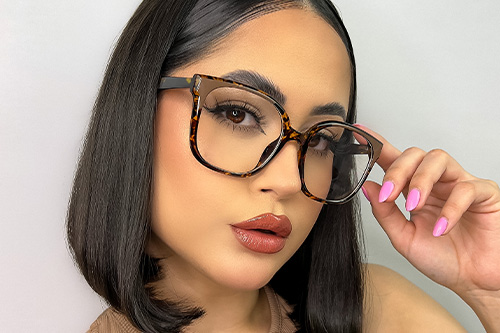
If you have a lower nasal bridge—a common facial feature for many of Asian, African, or Mediterranean descent—you know the "Eyewear Struggle." You find a pair of stunning custom frames, but within ten minutes of wearing them, they’ve migrated halfway down your nose. You find yourself doing the "optical shrug" (that quick upward tilt of the head) every thirty seconds just to keep your vision centered.
For the custom eyewear connoisseur, the solution is often high-tech anti-slip nose pads. Whether they are integrated silicone builds or specialized adhesive polymers, these small components are the "tires" of your glasses—they provide the grip that keeps the machine on the road.
However, these pads are subjected to constant chemical warfare from skin oils, sweat, and makeup. If you want to maintain that "locked-in" fit, you need to understand the science of anti-slip maintenance. Here is your masterclass in keeping your frames exactly where they belong.
1. The Physics of the Slip: Why Low Bridges Need Help
In traditional eyewear design, the weight of the glasses is distributed across the "bridge" of the nose. For a low bridge, there is less vertical surface area for the frames to grip. This means the glasses rely almost entirely on static friction.
When you sweat or produce sebum (skin oil), you create a microscopic layer of "lubricant" between the frame and your skin. On a low bridge, gravity wins this battle quickly. Anti-slip pads work by using "high-tack" materials that increase the coefficient of friction, effectively "grabbing" the skin even in the presence of moisture.
2. Material Science: Silicone vs. Ultra-Thin Polymers
Not all anti-slip solutions are the same. Depending on your custom frame material (3D-printed polyamide, acetate, or titanium), your maintenance routine will differ.
- Medical-Grade Silicone: This is the most common anti-slip material. It is soft, hypoallergenic, and "sticky." However, silicone is porous. It absorbs skin oils over time, which eventually causes the material to turn yellow and lose its grip.
- Non-Slip Adhesive Polymers: These are ultra-thin (often 0.5mm) stickers designed for minimalist frames. They use a "micro-texture" to mimic the grip of a gecko’s foot. These are less about "cushion" and all about "traction."
3. The "Grip Restoration" Cleaning Protocol
Most people lose their "anti-slip" effectiveness not because the pads are worn out, but because they are "blinded" by oils.
The Weekly Deep Clean:
- The Degreaser: Use a single drop of clear, pH-neutral dish soap (like Dawn). Avoid soaps with "moisturizers" or "lotions," as these add more oils back onto the pads.
- The Soft Scrub: Use a dedicated soft-bristled toothbrush to gently agitate the surface of the nose pads. This clears the "pores" of the silicone.
- The Alcohol Wipe (Use Caution): For metal frames with screw-in pads, a quick wipe with 70% isopropyl alcohol will restore the "tackiness" instantly. Warning: Never use alcohol on 3D-printed or acetate frames, as it can "fog" or crack the material.

4. When to Swap: The "Replacement Triggers"
Anti-slip pads are "consumables." They aren't meant to last as long as the frames. You should replace your pads if you notice:
- The "Slime" Factor: If the pads feel slippery even immediately after cleaning.
- Loss of Elasticity: If the silicone feels "gummy" or starts to peel away at the edges.
- Discoloration: A yellow or cloudy appearance indicates the material has absorbed enough bacteria and oil to compromise its structural integrity.
5. The Pro Guide to Replacing Adhesive Pads
If you are using adhesive "stick-on" pads for your low-bridge custom frames, the "how" of the replacement is just as important as the "what."
Step 1: Complete Solvent Strip. Use a specialized adhesive remover or a mild citrus-based cleaner to ensure every trace of the old glue is gone. If the surface isn't "squeaky clean," the new pads will slide off within 24 hours. Step 2: The "Anchor" Placement. Use tweezers—not your fingers—to handle the new pads. The oils from your fingertips will ruin the adhesive before it even touches the glasses. Step 3: The 24-Hour Cure. Once applied, do not wear the glasses for at least 4 hours (ideally 24). The pressure-sensitive adhesive needs time to "bond" with the frame material to create a permanent seal.
6. The "Anatomical" Adjustment: The Hidden Secret
Sometimes, no amount of anti-slip tech can fix a poorly balanced frame. If your glasses are "front-heavy" (common with thick lenses), they will always slide.
- The "Counterweight" Fix: A professional optician can add a subtle "ear-hook" curve to the back of the temple arms. This shifts the center of gravity backward, taking the pressure off the nose pads and allowing the anti-slip material to do its job with less effort.
Summary: Stability is Style
A signature look isn't just about how the glasses look on the shelf; it’s about how they sit on your face. By mastering the maintenance of your anti-slip tech, you eliminate the distraction of the "optical shrug" and reclaim your focus.
Your custom eyewear was designed to be a seamless extension of your identity. With the right grip and a clean bridge, you can ensure it stays that way.
Is Your Frame Still Not Quite Level?
Even with perfect grip, "low bridge" anatomy can sometimes cause the glasses to sit too low, cutting off your field of vision.

Share this post


- Bone Rattle (PH01)
- Haunted Plaid (PH02)
- Pumpkin King (PH03)
- Night Sky Bat (PH04)
- Pumpkin Parade (PH05)
- Spooky Duo (PH06)
- Witch’s Cat (PH07)
- Mint Ghost (PH08)
- Dark Spell (PH09)
- Midnight Meow (PH10)
- Ghost Mosaic (PH11)
- Skull Storm (PH13)
- Wicked Glow (PH14)
- Haunted Gray (PH15)
- Phantom Mosaic (PH16)
- Midnight Dots (PH17)
- Haunted Medley (PH18)
- Nightmare Mix (PH19)
- Ghost Fade (PH20)
- Candy Curse (PH26)
- Ghost Drift (PH21)
- Pumpkin Fusion (PH22)
- Shadow Spirit (PH23)
- Spooky Toon (PH24)
- Demon Grin (PH25)
- Autumn Bloom (PH27)
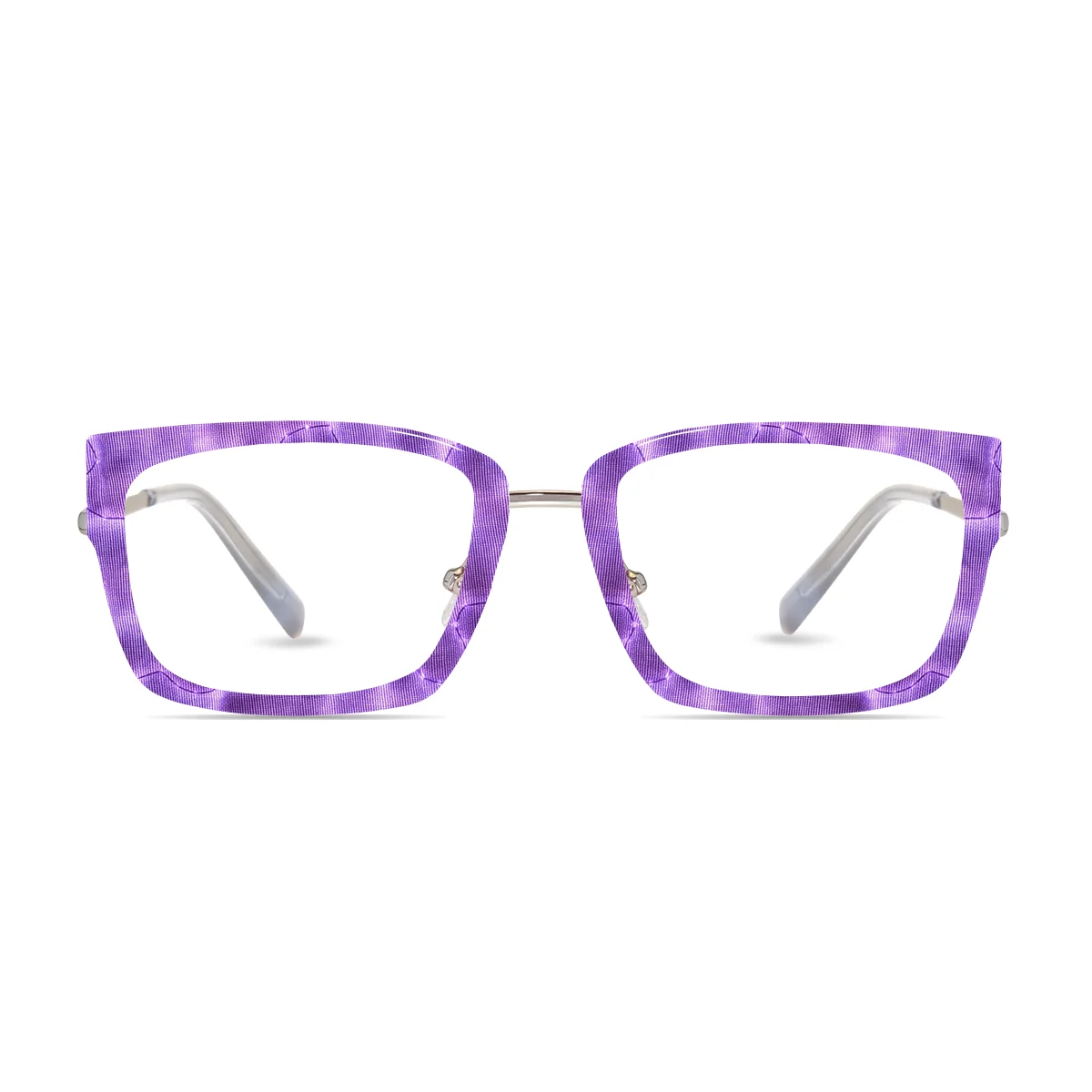
Halloween Collection Top Frame for Soline
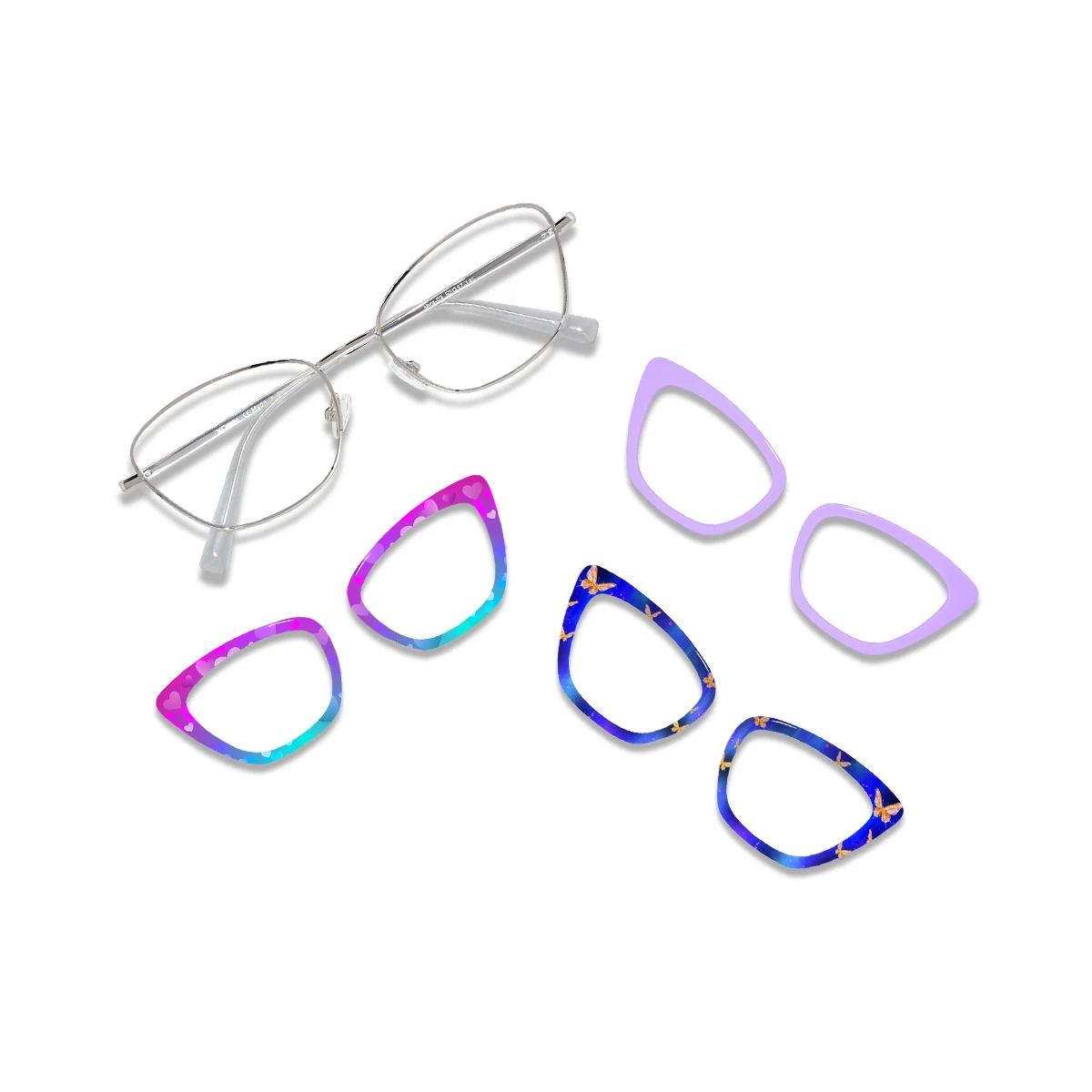
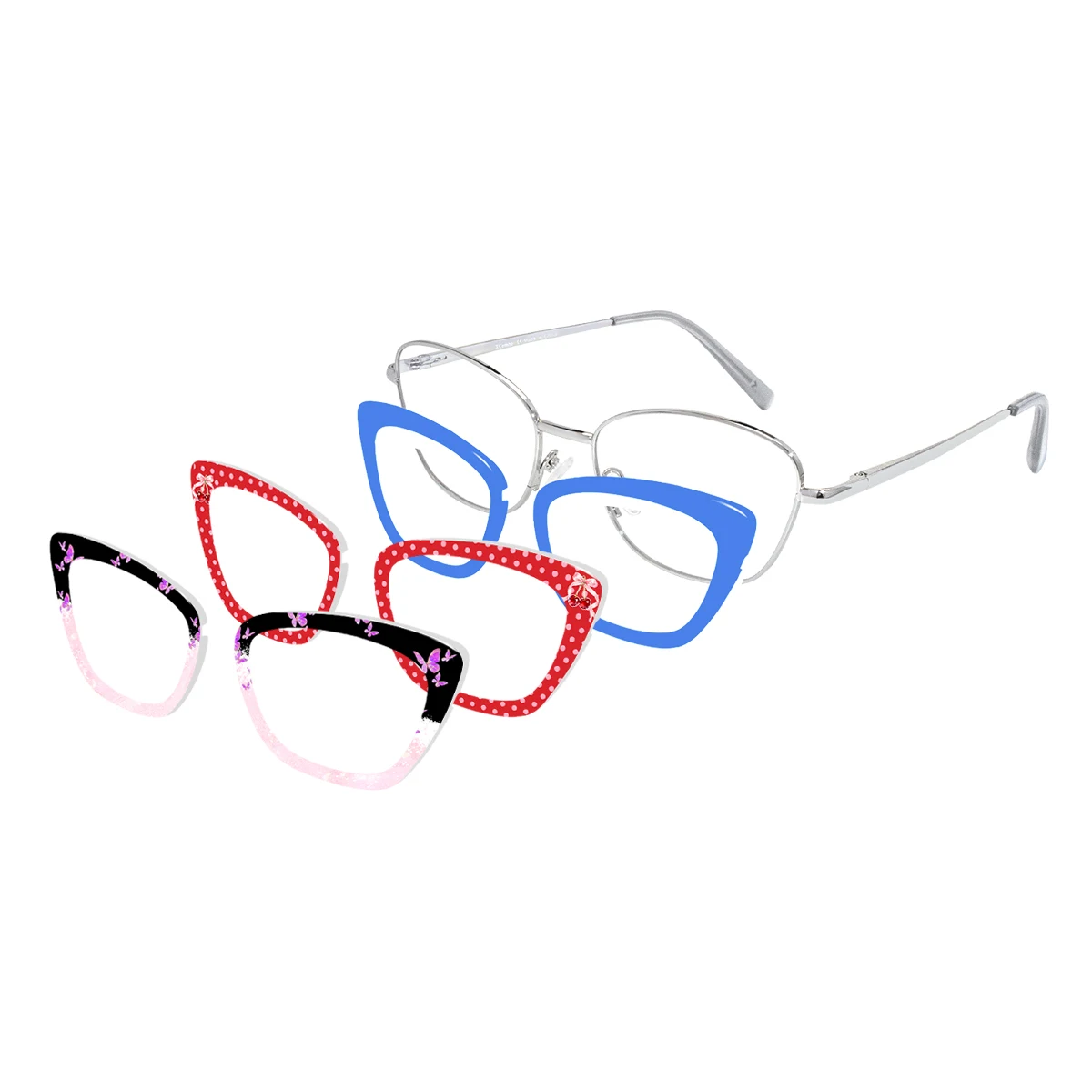
1 Base Frame + 3 Toppers | Interchangeable Glasses Bundle | Magnet-free Modular Eyewear | Cat Eye


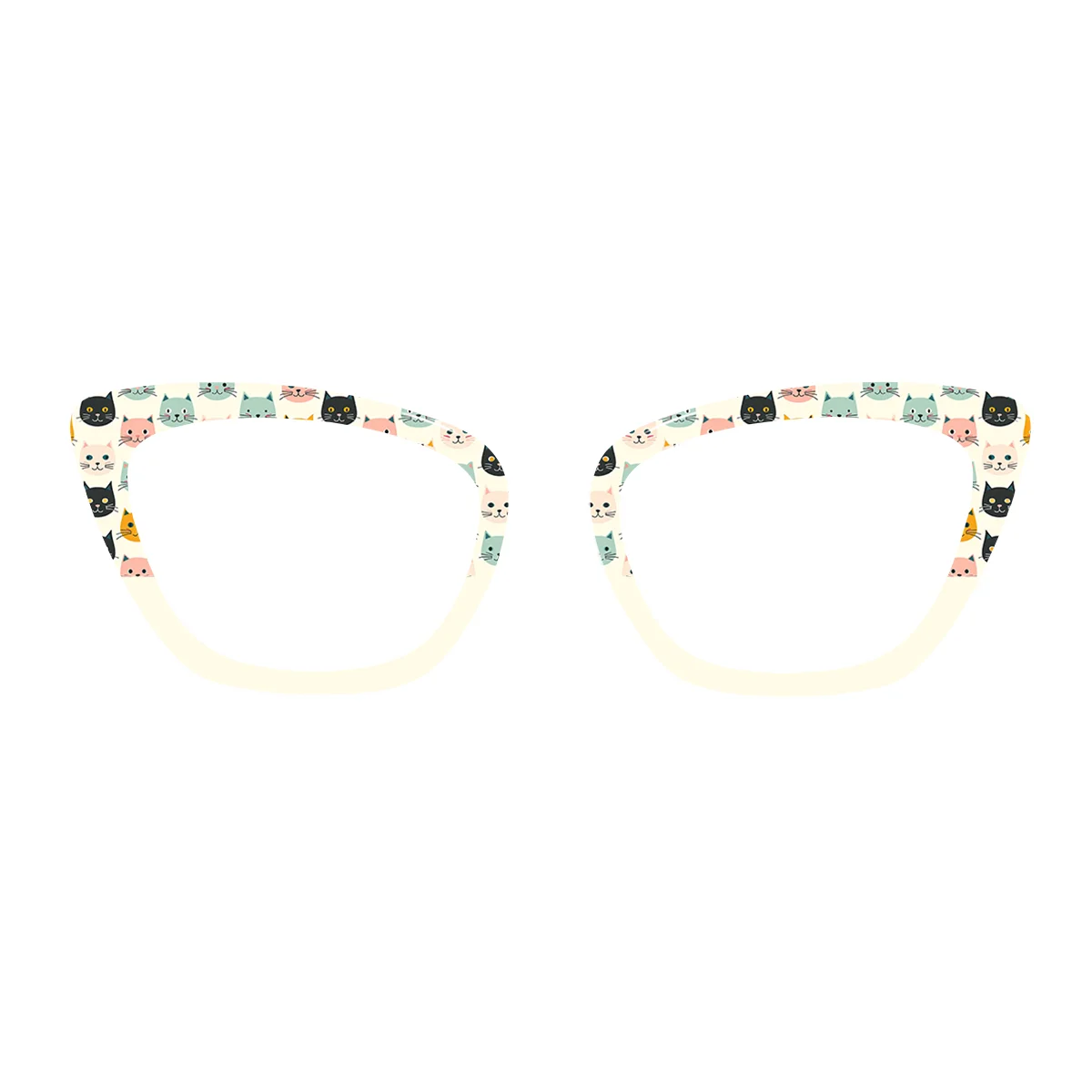
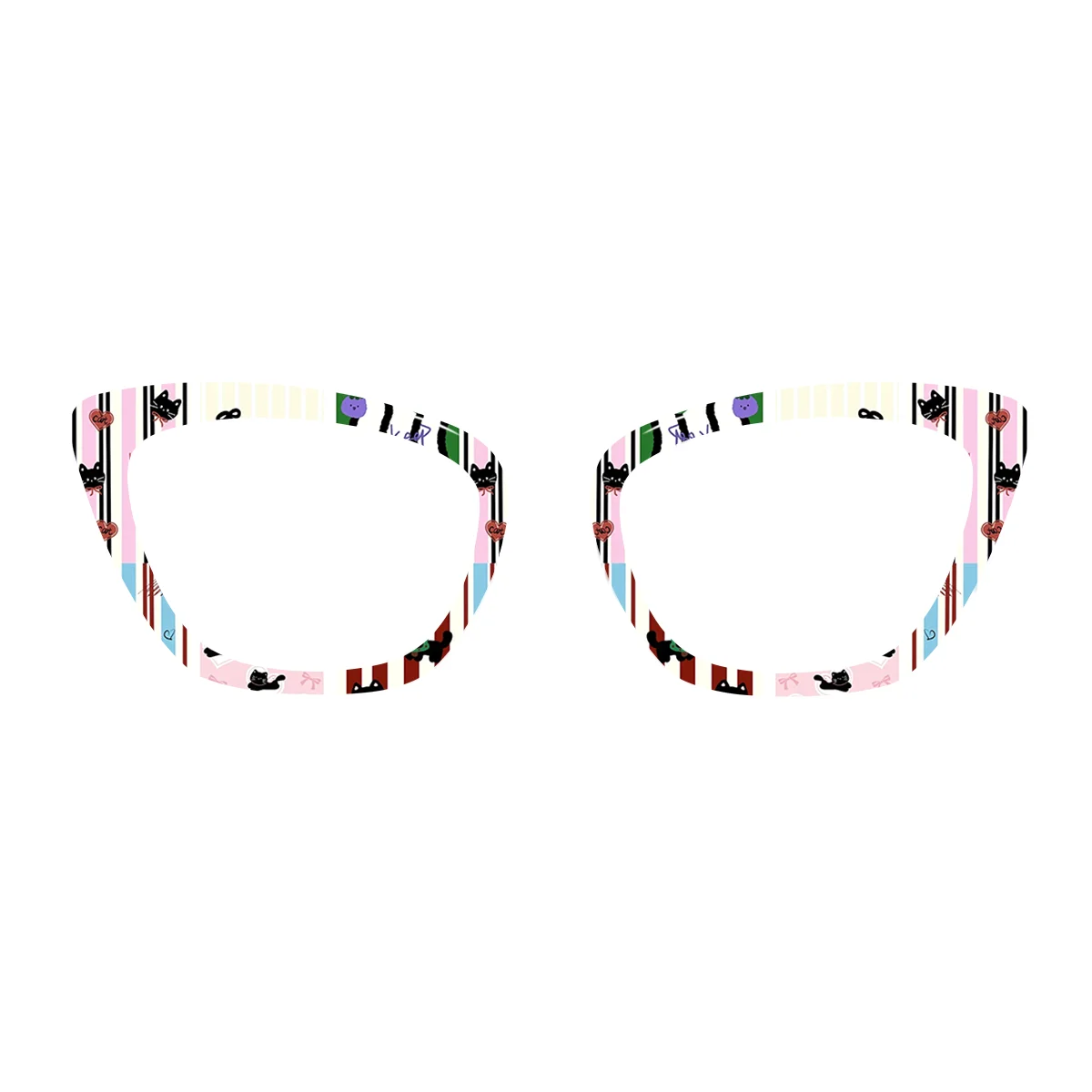
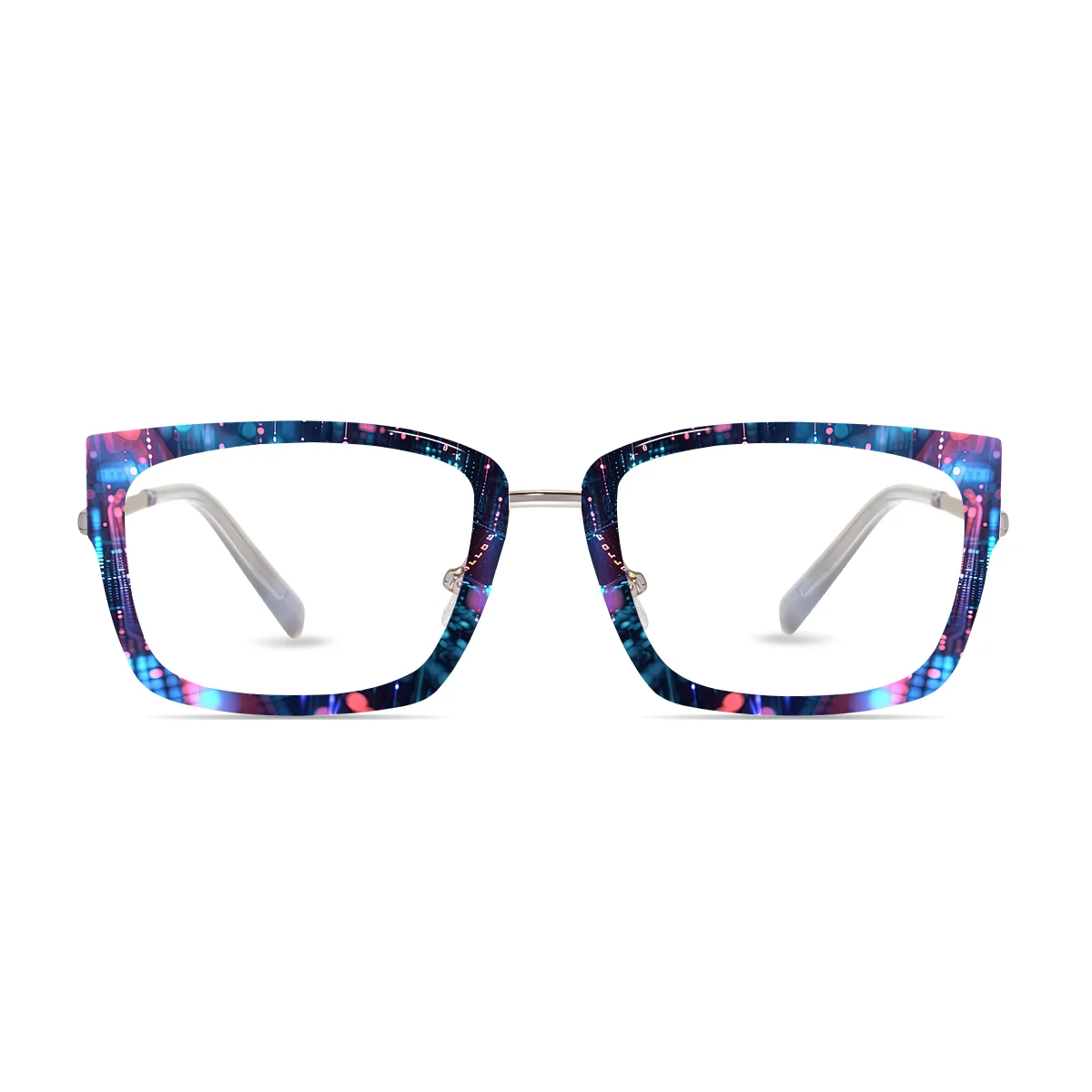
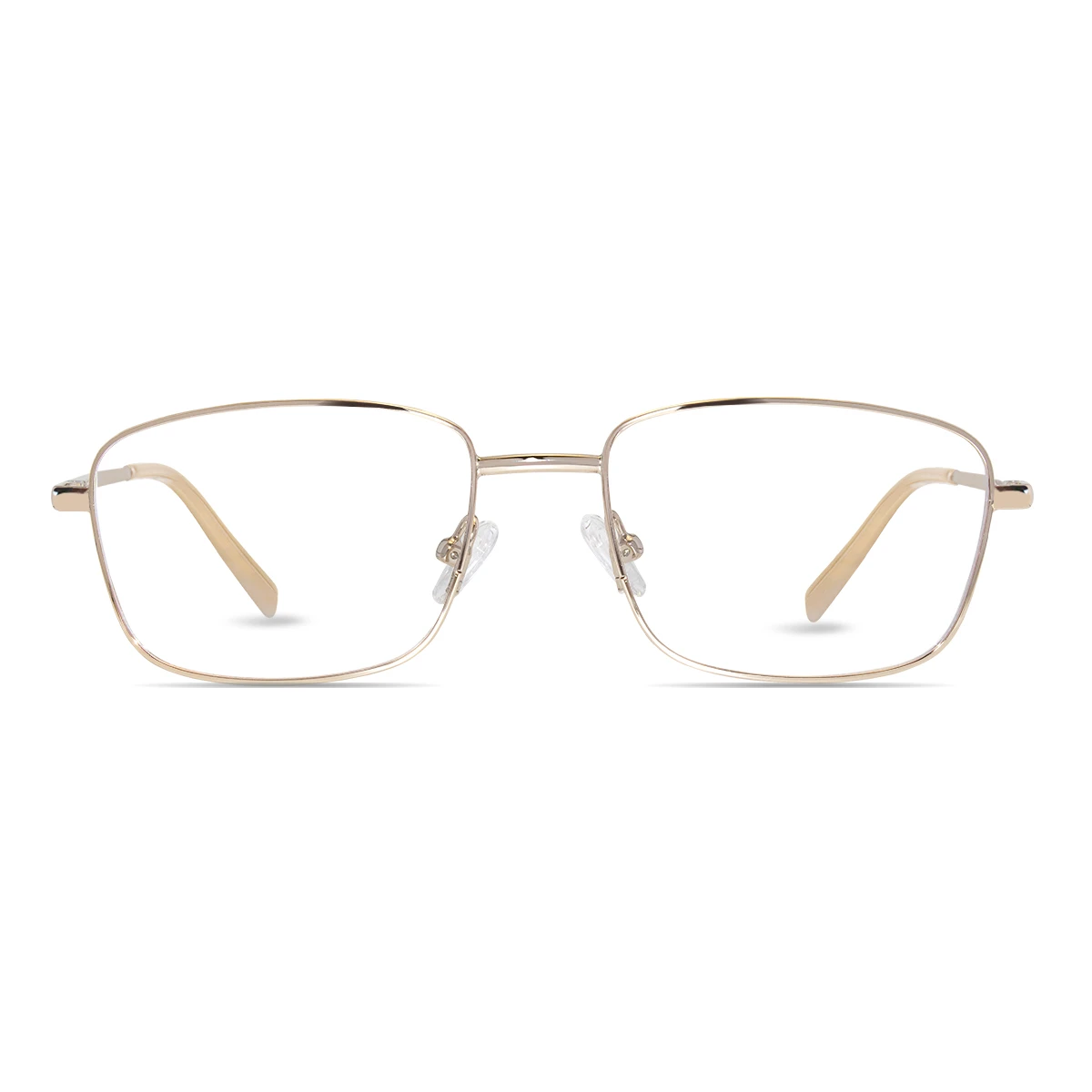
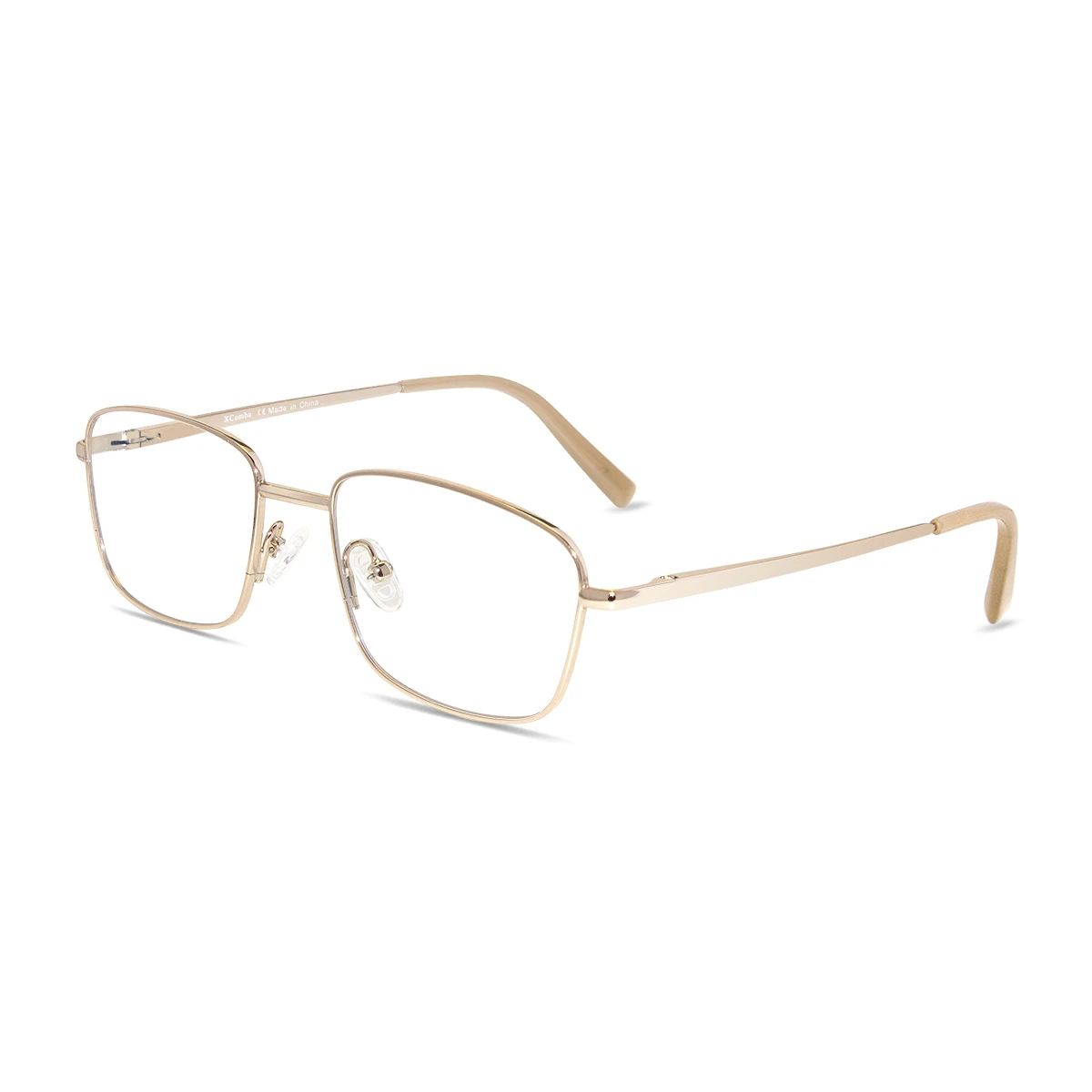
Soline Light Gold Base Frame for Interchangeable Toppers – Wide Rectangle Metal Glasses
Engineering & Technology Showdown: Screwless Snap-Fit Custom Eyewear — Decoding the Structural Philosophy Behind German and Japanese Custom Brands
Introduction: When Eyewear Becomes EngineeringEyeglasses have quietly transformed from simple vision tools into sophisticated engineering systems. What once relied on tiny screws,...
Are Progressive Reading Glasses a Good Choice for You?
Progressive reading glasses have become increasingly popular as an all-in-one solution for people with multiple vision needs. These lenses combine different prescriptions...
Buy the Best Butterfly Glasses
Eyeglasses are more than just a vision aid; they are an essential fashion statement. Among the many styles available, butterfly glasses stand...
The Mystery of Electronic Interference: Why Snap-Fit Eyeglass Frames Are a Better Choice for Heavy Tech Users
Modern life is surrounded by invisible signals. Smartphones, wireless headphones, laptops, smartwatches, VR headsets, and countless connected devices continuously emit electromagnetic energy....
The Complete Maintenance Guide for 3D-Printed Eyewear: How to Care for Your High-End Custom Frames
3D-printed eyewear has redefined what it means to own a pair of glasses. No longer limited by mass production molds, today’s frames...
Beyond the Optical Clone: Reclaiming Your Identity in the Era of Mass-Produced Eyewear
In the modern age of "Fast Fashion," we are living through a crisis of homogeneity. Walk into any coffee shop in Brooklyn,...
DIY Your Signature Custom Eyewear: The Hottest Global Mix-and-Match Modular Glasses Trends
Sunglass tintColored fashion overlayBlue-light filterMirrored finishPatterned decorative layerThese allow instant visual transformation.Interchangeable LensesAdvanced systems allow users to swap lenses for different purposes:Prescription...
Are Pink Glasses in Style?
Pink glasses are a timeless symbol of charm and personality. They evoke feelings of compassion, love, and hope, making them a popular...
Custom Glasses Hurting Your Ears? Before You Return Them, Try These Expert Adjustment Solutions
You finally receive your custom glasses — the frame looks perfect, the lenses are clear, and everything matches your style. But after...
Students, Read This: How to Achieve “Eyewear Freedom” on a Limited Budget with Smart Mix-and-Match Accessories
For students, glasses are not optional. They’re essential.You wear them to lectures.You wear them to late-night study sessions.You wear them during presentations,...
Digital Life Customization: Blue-Light Protection and Focus Optimization Solutions for Programmers and Designers
Modern work lives increasingly unfold behind screens. Programmers write thousands of lines of code daily, designers spend hours refining pixels and typography,...
Say Goodbye to Grease: How to Thoroughly Clean Sweat, Oil, and Salt Buildup Inside Your Eyeglass Frames During Summer
Summer brings longer days, brighter sunlight, outdoor activities—and a frustrating problem for anyone who wears glasses daily: sweat and oil buildup on...