


The Complete Maintenance Guide for 3D-Printed Eyewear: How to Care for Your High-End Custom Frames
3D-printed eyewear has redefined what it means to own a pair of glasses. No longer limited by mass production molds, today’s frames can be custom-designed to match your face shape, style preferences, and functional needs with remarkable precision. The result is a blend of comfort, innovation, and individuality that traditional eyewear often struggles to achieve.
But with this level of customization comes a new responsibility: proper maintenance. Unlike standard frames, 3D-printed glasses are made using advanced materials and manufacturing techniques that require specific care practices. If you’ve invested in high-end custom frames, knowing how to maintain them is essential for preserving their performance, appearance, and longevity.
This comprehensive guide will walk you through everything you need to know—from daily cleaning routines to long-term storage strategies—so you can keep your 3D-printed eyewear in excellent condition for years to come.
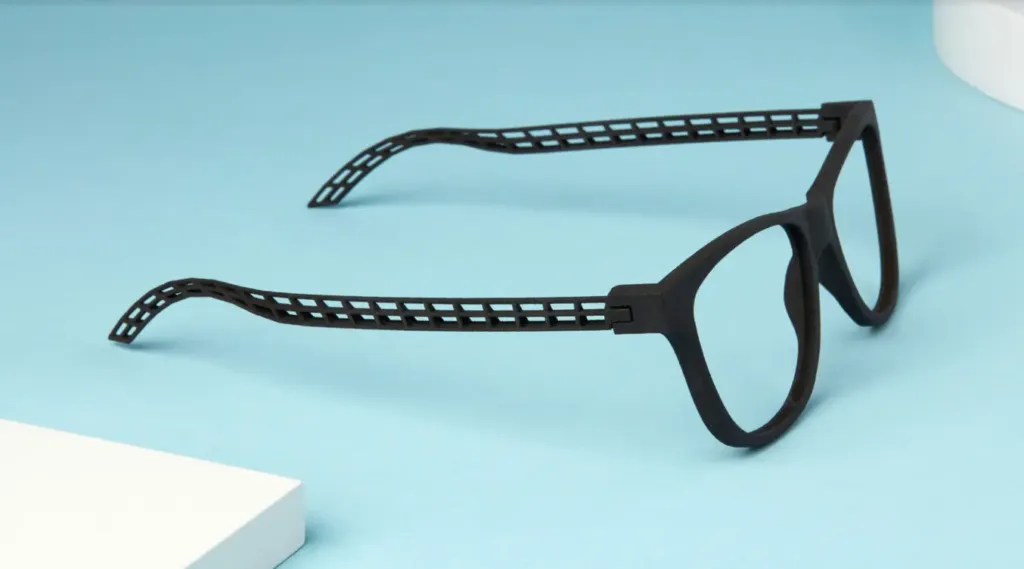
Understanding 3D-Printed Eyewear Materials
Before diving into maintenance, it’s important to understand what your frames are made of. Most 3D-printed glasses use advanced polymers such as:
- Nylon-based materials (often referred to as PA12)
- Flexible thermoplastics
- Resin-based composites
These materials are selected for their strength, flexibility, and lightweight properties. However, they also have unique characteristics that influence how they should be handled.
Key Material Traits
- Porosity: Some 3D-printed materials have microscopic pores that can trap dirt and oils
- Flexibility: Designed to bend slightly without breaking, but excessive force can still cause damage
- Surface Texture: Often matte or slightly textured, which can accumulate debris more easily than glossy finishes
Understanding these traits helps explain why proper care is so important.
Daily Cleaning: The Foundation of Longevity
Cleaning your glasses regularly is the simplest and most effective way to maintain them.
Step-by-Step Cleaning Routine
- Rinse with Lukewarm Water
This removes dust and loose particles that could scratch the surface during cleaning. - Apply a Gentle Cleanser
Use a mild, non-abrasive soap. Avoid harsh chemicals or alcohol-based cleaners, which can degrade certain materials. - Gently Clean with Your Fingers
Pay attention to areas that come into contact with your skin, such as the nose bridge and temples. - Rinse Thoroughly
Make sure no soap residue remains. - Dry with a Microfiber Cloth
Avoid paper towels or rough fabrics, which can cause micro-scratches.
Frequency
- Daily cleaning is ideal for regular wearers
- At minimum, clean your glasses several times a week
Deep Cleaning for Stubborn Build-Up
Over time, oils, sweat, and environmental debris can accumulate in hard-to-reach areas.
When to Deep Clean
- Visible buildup around hinges or joints
- Persistent odors
- Reduced comfort due to residue
How to Do It Safely
- Use a soft-bristled brush (like a clean toothbrush)
- Combine with mild soap and warm water
- Gently scrub without applying excessive pressure
Avoid soaking your frames for extended periods, especially if they include metal components.
Protecting Against Environmental Damage
3D-printed frames are durable, but they’re not indestructible. Environmental factors can have a significant impact over time.
Heat Exposure
High temperatures can warp or weaken certain materials.
Avoid:
- Leaving glasses in a hot car
- Placing them near heaters or direct sunlight for extended periods
UV Exposure
Prolonged exposure to UV rays can cause discoloration or material degradation.
Tip: Store your glasses in a protective case when not in use.
Moisture and Humidity
While most 3D-printed materials are water-resistant, excessive moisture can still cause issues.
Best Practices:
- Dry your glasses thoroughly after cleaning
- Avoid storing them in damp environments
Handling Your Glasses Properly
How you handle your glasses on a daily basis plays a major role in their lifespan.
Use Both Hands
Always put on and remove your glasses using both hands. This prevents uneven stress on the frame and maintains alignment.
Avoid Placing Them Face Down
This can scratch the lenses and potentially damage the frame structure.
Don’t Wear Them on Your Head
As convenient as it may seem, placing your glasses on your head can stretch the temples and distort the frame over time.
Storage: Keeping Your Frames Safe
Proper storage is just as important as cleaning.
Use a Hard Case
A sturdy case protects your glasses from:
- Physical impact
- Dust and debris
- Accidental bending
Choose the Right Location
Store your glasses in a cool, dry place away from direct sunlight.
Lens Care: Complementing Frame Maintenance
While this guide focuses on frames, lens care is equally important.
Cleaning Tips
- Use lens-specific cleaning solutions
- Avoid household cleaners
- Wipe with a microfiber cloth
Scratch Prevention
- Never clean dry lenses
- Avoid placing glasses in pockets without protection
Adjustments and Fit Maintenance
Even custom frames may require occasional adjustments.
Signs You Need an Adjustment
- Glasses slide down your nose
- Uneven pressure on ears
- Lenses not aligned properly
Professional vs. DIY
Minor adjustments can sometimes be done at home, but for best results, consult an optical professional—especially for high-end frames.
Traveling with 3D-Printed Eyewear
Travel introduces additional risks, from pressure changes to rough handling.
Travel Tips
- Always use a protective case
- Keep glasses in your carry-on
- Bring a cleaning kit for convenience
Long-Term Care Strategies
Maintaining your glasses over the long term requires consistency.
Routine Checks
- Inspect for signs of wear or damage
- Tighten loose screws if applicable
- Monitor fit and comfort
Replacement Parts
Some 3D-printed frames allow for component replacement, such as temples or nose pads. Take advantage of this to extend the life of your eyewear.
Common Mistakes to Avoid
Even with the best intentions, certain habits can shorten the lifespan of your glasses.
Using Harsh Chemicals
These can degrade materials and damage finishes.
Ignoring Small Issues
Minor misalignments or loose components can worsen over time if not addressed.
Improper Cleaning Tools
Rough fabrics or abrasive materials can cause surface damage.
Sustainability and Care
One of the advantages of 3D-printed eyewear is its potential for sustainability. Proper maintenance supports this by reducing the need for frequent replacements.
Extend, Don’t Replace
By taking care of your frames, you minimize waste and maximize the value of your investment.
The Future of Eyewear Maintenance
As 3D printing technology continues to evolve, so will maintenance practices.
Emerging Trends
- Self-healing materials
- Enhanced coatings مقاومة للخدش
- Smart frames with integrated sensors
These innovations may simplify care routines in the future, but for now, proper maintenance remains essential.
Final Thoughts
3D-printed eyewear represents the cutting edge of personalization and design. With their custom fit and advanced materials, these frames offer a level of comfort and style that’s hard to match.
However, they also require thoughtful care. By adopting proper cleaning habits, protecting your frames from environmental damage, and handling them with care, you can ensure that your high-end custom glasses remain in excellent condition.
Ultimately, maintaining your eyewear isn’t just about preserving an accessory—it’s about protecting an investment in your vision, comfort, and personal style. With the right approach, your 3D-printed frames can continue to perform beautifully for years to come.
Share this post




- Bone Rattle (PH01)
- Haunted Plaid (PH02)
- Pumpkin King (PH03)
- Night Sky Bat (PH04)
- Pumpkin Parade (PH05)
- Spooky Duo (PH06)
- Witch’s Cat (PH07)
- Mint Ghost (PH08)
- Dark Spell (PH09)
- Midnight Meow (PH10)
- Ghost Mosaic (PH11)
- Skull Storm (PH13)
- Wicked Glow (PH14)
- Haunted Gray (PH15)
- Phantom Mosaic (PH16)
- Midnight Dots (PH17)
- Haunted Medley (PH18)
- Nightmare Mix (PH19)
- Ghost Fade (PH20)
- Candy Curse (PH26)
- Ghost Drift (PH21)
- Pumpkin Fusion (PH22)
- Shadow Spirit (PH23)
- Spooky Toon (PH24)
- Demon Grin (PH25)
- Autumn Bloom (PH27)


- Burgundy – Crystal (C01)
- Red – Crystal(C02)
- Burnt Orange – Crystal(C03)
- Marmalade – Crystal(C04)
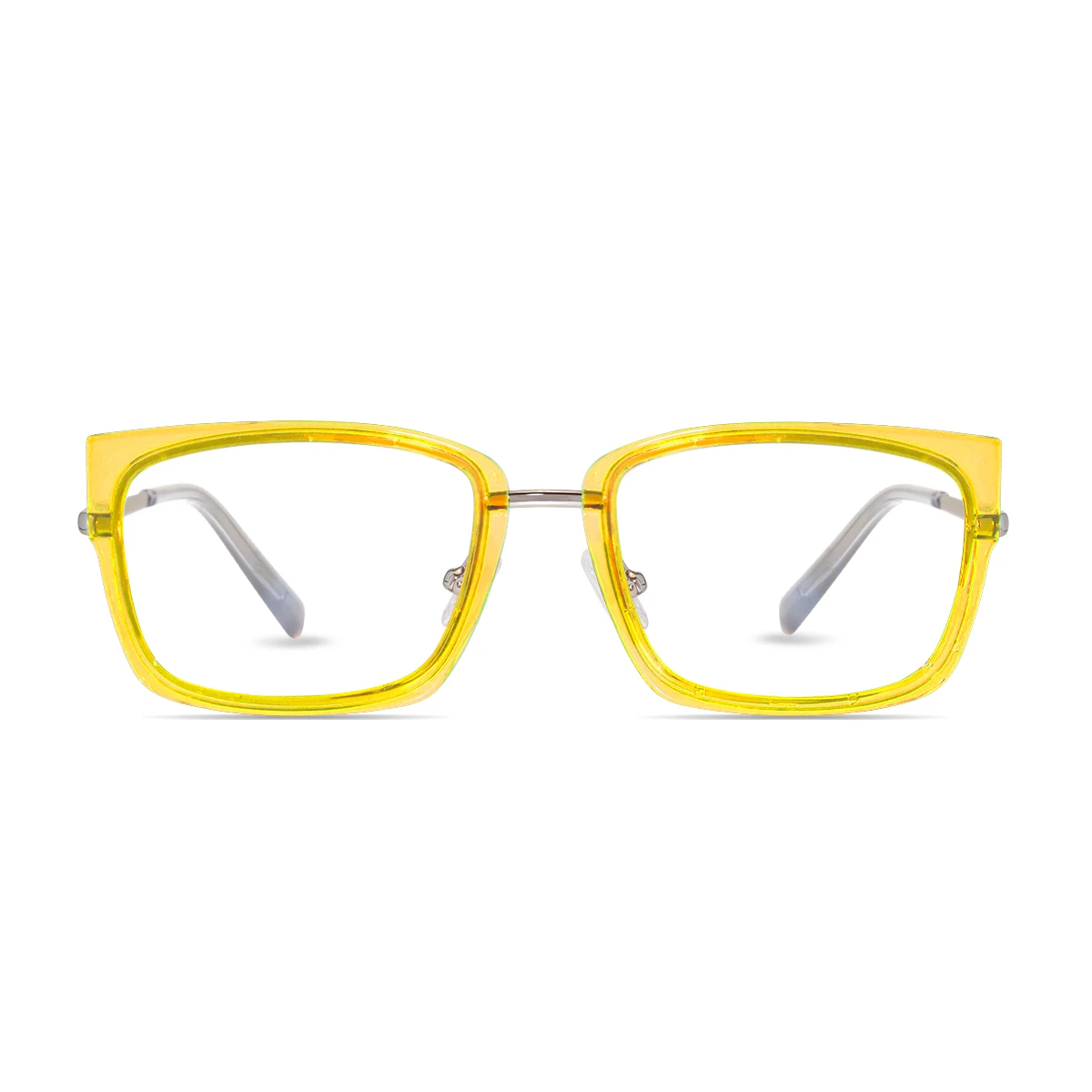
- Sunshine Yellow – Crystal(C05)
- Lime Green – Crystal(C06)
- Sage – Crystal(C08)
- Green Forest – Crystal(C07)
- Army Green – Crystal(C09)
- Spruce – Crystal(C10)
- Turquiise – Crystal(C11)
- Cornflower– Crystal(C12)
- Navy – Crystal(C13)
- Indigo – Crystal(C14)
- Blue Orchid – Crystal(C15)
- Mauve – Crystal(C16)
- Lavender – Crystal(C21)
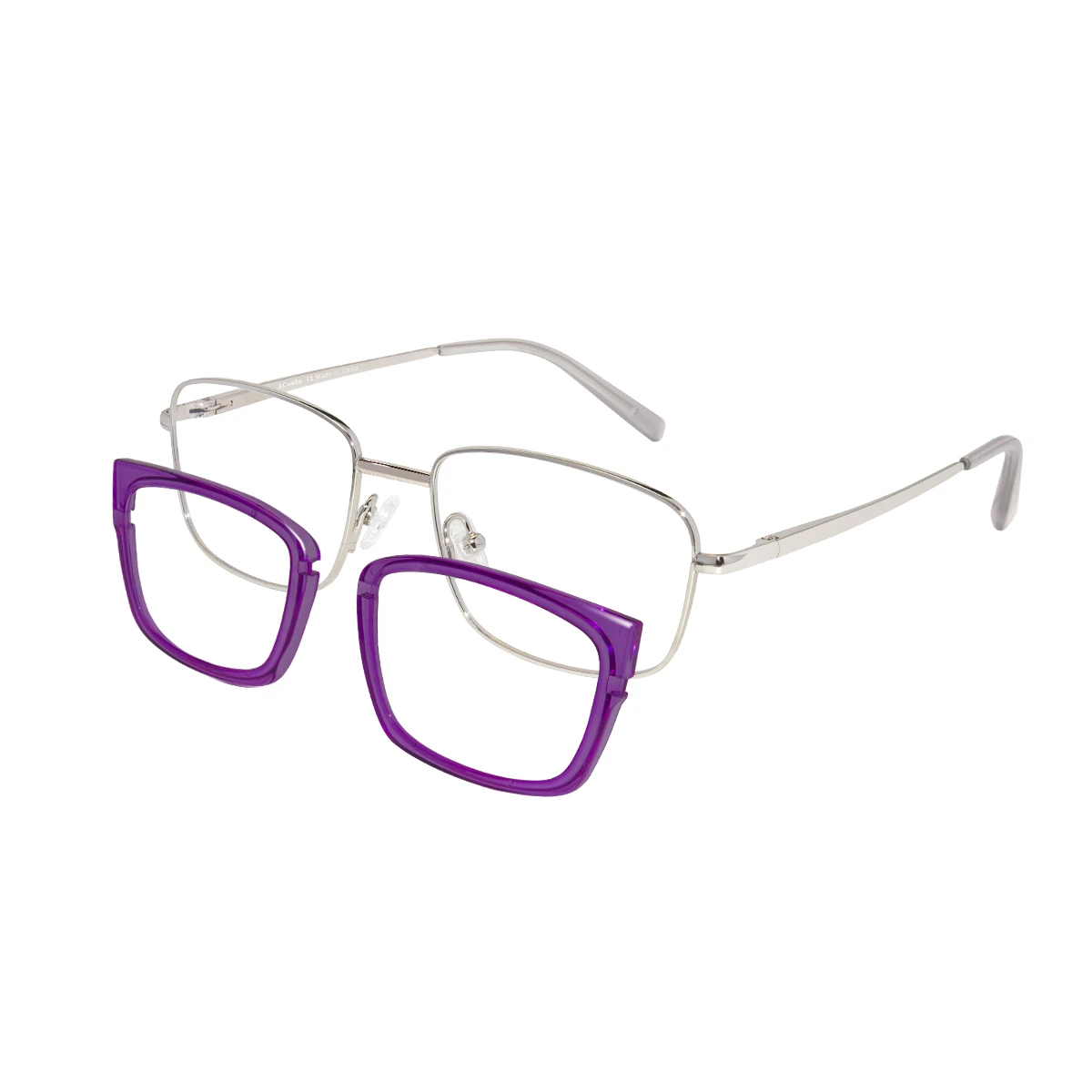
- Purple – Crystal(C17)
- Grape – Crystal(C18)
- Coral – Crystal(C19)
- Hot Pink – Crystal(C20)
- Chocolate – Crystal(C22)




Why “Snap-Lock” Is the Real Smart Tech: A Modular Eyewear Breakthrough That Moves Beyond Magnetic Weakness
In the past decade, modular eyewear has gone from niche experiment to mainstream innovation. Interchangeable lenses, clip-on sun shields, magnetic frames, and...
3D Printed Glasses: High-Tech Gimmick or the Future of Personalized Vision Protection?
Eyewear has always balanced two worlds: medical necessity and personal expression. For decades, glasses were manufactured using standardized molds, limited sizing systems,...
Goodbye to “Magnetic Slip-Off”: Why Clip-Lock Eyewear Frames Outperform Magnetic Frames in Dynamic Lifestyles
In today’s fast-moving world, eyewear isn’t just a vision tool — it’s performance gear. Whether you’re commuting through crowded subway platforms, chasing...
Clear Vision, Clear Life: The Ultimate Eyeglass Care Guide for Everyday Living
Eyeglasses are more than just vision tools. For millions of people, they are essential daily companions that improve productivity, confidence, comfort, and...
The 3 “Hidden Costs” of Custom Eyewear: Accessories, Maintenance, and Prescription Accuracy — Are Online Custom Glasses Really Worth It?
When shopping for custom eyewear, most people focus on the sticker price. Whether it’s $150 from an online retailer or $1,200 from...
The "One and Done" Investment: Why Custom Eyewear Is Actually Cheaper Than the "Cheap" Alternative
In the world of personal finance, there is a concept known as the "Boots Theory" of socioeconomic unfairness. Coined by author Terry...
Do Titanium Eyeglass Frames Experience “Fatigue”? Three Key Ways to Extend the Lifespan of High-Strength Metal Frames
Titanium eyeglass frames have earned a reputation for being nearly indestructible. Lightweight yet strong, corrosion-resistant yet flexible, they are often marketed as...
Why Your Custom Glasses Keep Getting Loose: Material Flexibility Indicators You Must Check Before Buying
Custom eyewear is often associated with precision, comfort, and premium craftsmanship. Many buyers expect that once they invest in tailored glasses, the...
Optics & Lens Matching: Why Premium Custom Frames Deserve the Right ZEISS or SEIKO Lenses
When you invest in a pair of high-end custom eyeglass frames, you are not simply purchasing an accessory—you are commissioning a precision...
Are Ultrasonic Cleaners Worth Buying? A Complete Deep-Cleaning Review for Eyeglasses at Home
For anyone who wears glasses daily, one frustration never seems to disappear:No matter how often you wipe your lenses, they never stay...
Eye Care Diary: Giving Your Lenses a “Mini Makeover”
For many people, eyeglasses are more than a vision correction tool. They are part of daily life, personal style, work performance, digital...
Value & Pitfalls in Custom Eyewear: Why Prescription Glasses Cost Anywhere from $200 to $2,000
Walk into any eyewear store—or browse online—and you’ll quickly notice something confusing: prescription glasses can cost as little as $200 or soar...