

The “One and Done” Investment: Why Custom Eyewear Is Actually Cheaper Than the “Cheap” Alternative
In the world of personal finance, there is a concept known as the "Boots Theory" of socioeconomic unfairness. Coined by author Terry Pratchett, the logic is simple: A person who spends $50 on a pair of cheap boots that last six months will spend $500 over ten years, yet still have wet feet. Meanwhile, the person who can afford $150 for a pair of high-quality boots will still be wearing them ten years later, having spent only $150.
In the 2020s, this theory has found a new home: Your face.
We are currently living in an era of "Disposable Eyewear." Fueled by fast-fashion optical chains and $19 online blowouts, many consumers have fallen into a cycle of "Frequent Replacement." We buy a pair of glasses, they lose their shape in four months, the "anti-glare" coating starts peeling in six, and by the end of the year, we’re back at the checkout counter.
It’s time to run the "Black Tech" economic audit on your vision. When you look at the Total Cost of Ownership (TCO), the jump from "Off-the-Shelf" to "Bespoke Custom" isn't just a luxury—it’s a savvy financial move. In this 4,000-word deep dive, we are going to do the math on custom eyewear and explain why a "One and Done" investment is the secret to both a healthier wallet and a sharper image.

1. The Anatomy of the "Cheap Glass" Debt
Why do low-cost glasses fail so quickly? It’s not just "bad luck"; it’s engineered obsolescence.
The Material Fatigue
Mass-produced frames are typically made from injection-molded plastics or low-grade monel metal alloys. These materials have "Low Elastic Memory." Every time you take your glasses off with one hand or rest them on your head, the material stretches. Because it lacks high-end structural integrity, it stays stretched. Within months, the glasses are sliding down your nose, requiring a "professional adjustment" that often ends with the frame snapping.
The Coating Collapse
On cheap lenses, the "Blue Light Filter" or "Anti-Reflective" layer is often just a topical spray-on film. It is highly susceptible to thermal expansion and micro-scratches. Once that film begins to "craze" (creating a spider-web pattern), the lens is effectively ruined, forcing a total replacement.
2. The Custom Advantage: Materials that Defy Time
When you invest in bespoke eyewear, you aren't just paying for a "brand name." You are paying for Aerospace-Grade Materials that are designed to last for a decade, not a season.
Beta-Titanium: The "Forever" Metal
Bespoke frames often utilize $\beta$-Titanium. This is a "Black Tech" alloy that is virtually indestructible under normal wear.
- The Economic Impact: It doesn't corrode from skin oils or sweat. It doesn't snap under tension. While a steel frame might last 12 months, a $\beta$-Titanium frame can easily last 5 to 10 years.
High-Density (HD) Acetate
Unlike the "buttery" plastic used in fast-fashion frames, HD Acetate is compressed for years before being milled. It holds its "Bespoke Fit" permanently. You won't spend money on monthly adjustments because the material remembers the exact shape of your head.
3. Doing the Math: The 5-Year Cost Comparison
Let’s look at the cold, hard numbers. We will compare a "Budget Recurring" model with a "Bespoke Investment" model over a 5-year period.
Scenario A: The "Budget" Cycle
- Year 1: Initial Pair ($150) + Eye Strain Consultation (due to poor fit).
- Year 2: Replacement Pair after frames snap ($150).
- Year 3: New Pair due to coating peel/scratches ($150) + Adjustment fees.
- Year 4: Replacement after "fast-fashion" trend dies ($150).
- Year 5: Fifth Pair ($150).
- Total 5-Year Spend: $750+ (and you spent five years wearing mediocre, uncomfortable glasses).
Scenario B: The "Bespoke" Investment
- Year 1: Custom 3D-Scanned, $\beta$-Titanium/HD Acetate Frames ($500–$600).
- Years 2–5: Maintenance Cost: $0.
- Total 5-Year Spend: $500–$600.
The Result: Not only is the custom option cheaper by $150–$250, but the Value Per Wear is significantly higher. You are wearing a masterpiece every day rather than a disposable plastic tool.
4. The "Invisible" Savings: Productivity and Health
The economic argument for custom eyewear extends beyond the price tag of the frames. It includes the Opportunity Cost of poor vision and discomfort.
Eliminating "The Five O'Clock Headache"
Standard glasses often have a mismatched "Optical Center." If the lenses aren't perfectly aligned with your pupils (which custom 3D scanning ensures), your brain has to work harder to merge the images. This leads to Digital Eye Strain.
- The Math: If poor glasses cost you just 10 minutes of productivity a day due to headaches or eye fatigue, that’s 40+ hours of lost time per year. For a professional, that lost time is worth thousands of dollars.
Dermatological Savings
Cheap metals (nickel/monel) often cause skin reactions, leading to rashes or "green marks" on the nose. The medical-grade biocompatibility of titanium and high-end resins eliminates the need for skin treatments or the purchase of "nose pad covers" and other band-aid solutions.
5. Sustainability: The "Green" Dividend
In 2026, the cost of being "wasteful" is more than just financial; it's environmental. The eyewear industry produces millions of tons of plastic waste every year.
By choosing a "Bespoke Born" frame, you are opting out of the "Fast-Fashion" waste stream. Custom frames are often made-to-order, meaning there is zero unsold inventory sitting in a landfill. Investing in quality is an act of environmental stewardship that also happens to save you money.
6. How to Identify a "True Investment" Frame
If you’re ready to make the switch, look for these "Black Tech" hallmarks to ensure your investment is actually "One and Done":
- 3D Facial Mapping: The provider should use digital scans to ensure anatomical alignment.
- Integrated Hinges: Avoid "soldered" hinges. Look for "frictionless" or "screwless" designs which are the most common points of failure in cheap glasses.
- Lens Coatings with Warranties: A high-end lens should come with a multi-year "No-Crazing" guarantee.
- Material Pedigree: Ask for Japanese Titanium or Italian HD Acetate.
7. Conclusion: The Luxury of Not Having to Buy Again
Wealthy people often buy things "once." They buy the best, and then they stop thinking about it. Custom eyewear offers you that same luxury. It removes the recurring "chore" of shopping for glasses, the recurring pain of a poor fit, and the recurring drain on your bank account.
When you invest in bespoke eyewear, you aren't just buying glasses. You are buying 5,000 days of comfort. And when you do the math, that’s the best bargain in the optical world.
Ready to end the "Replacement Cycle"?
Would you like me to help you calculate your Personal Value-Per-Wear based on your current eyewear habits and prescription type?
Share this post


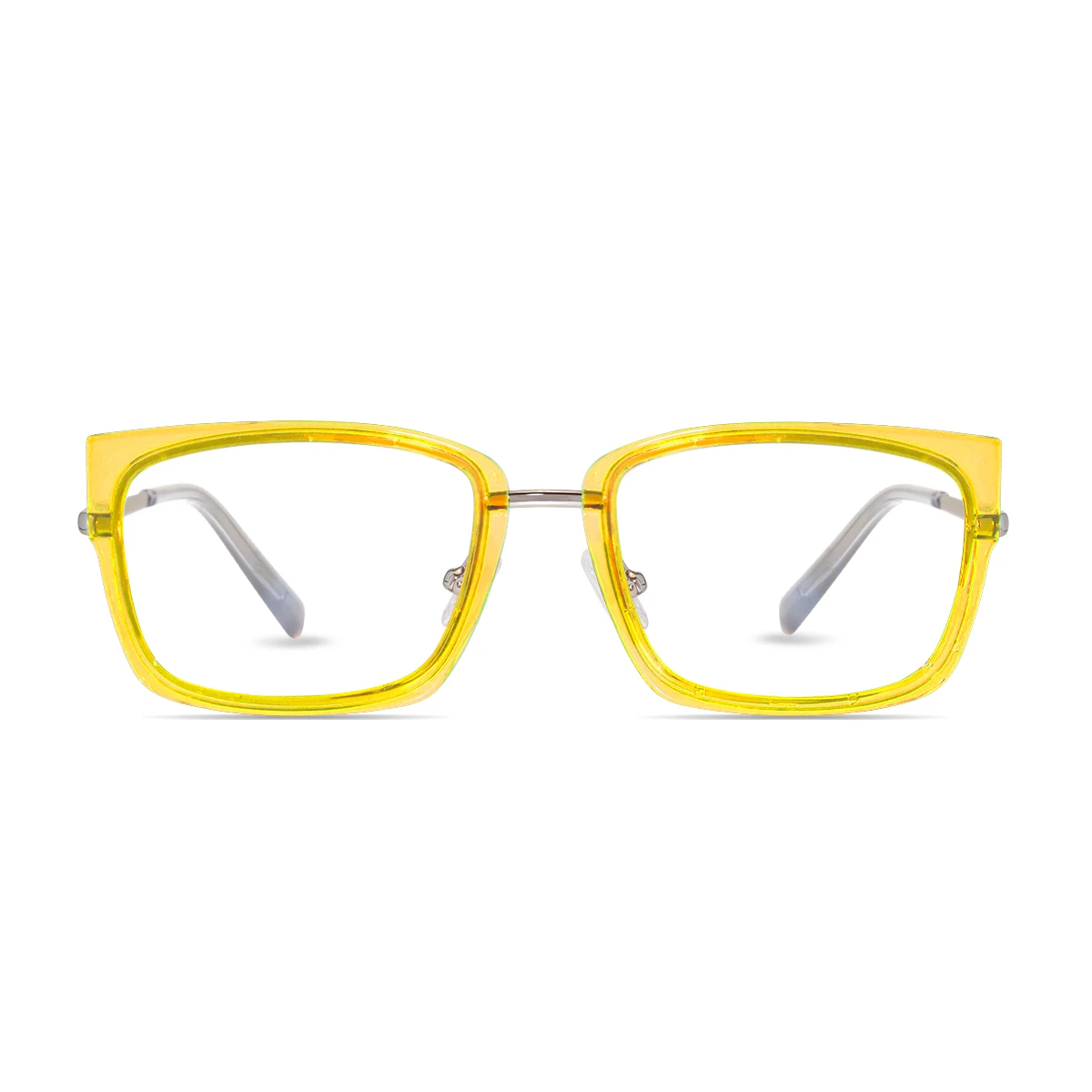
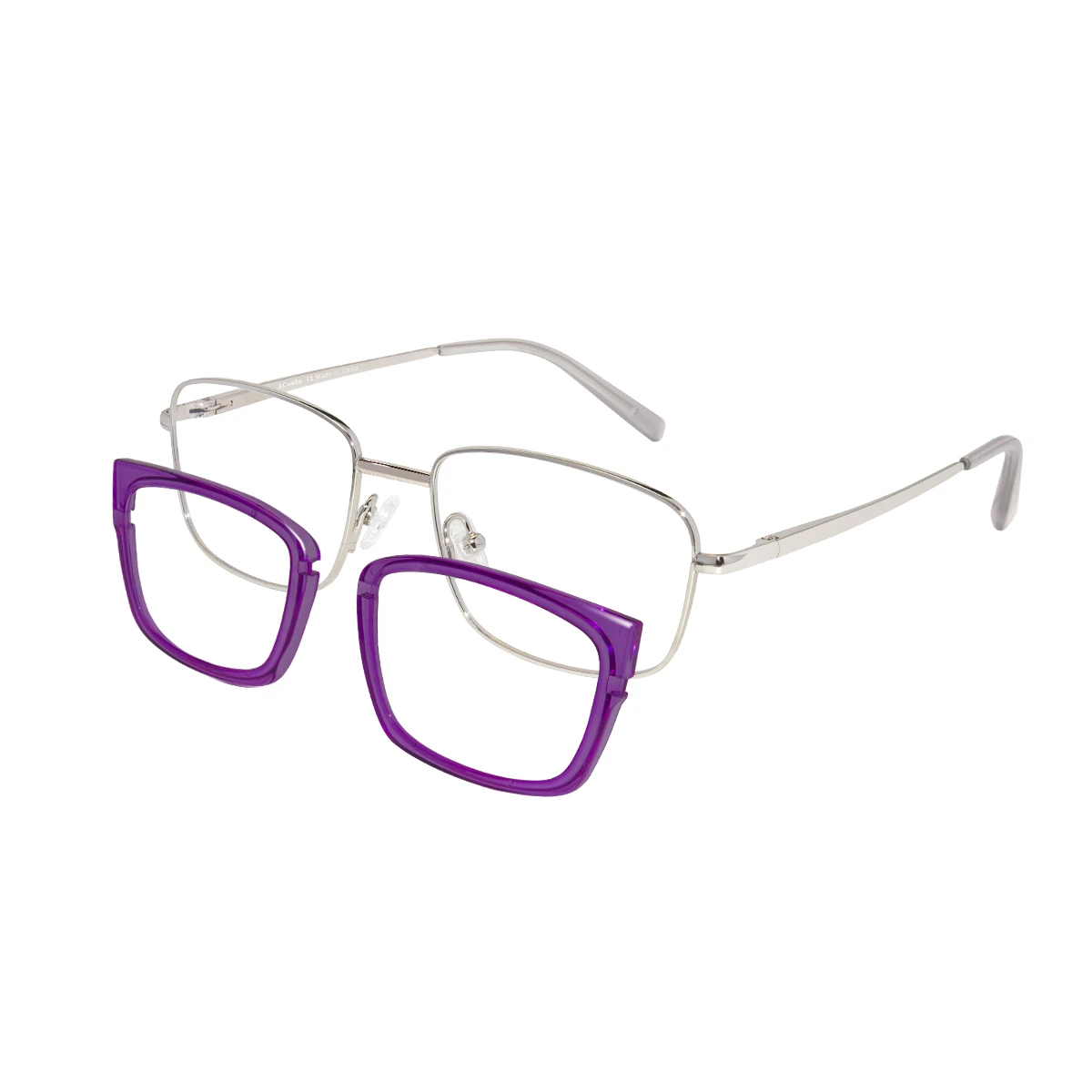
- Burgundy – Crystal (C01)
- Red – Crystal(C02)
- Burnt Orange – Crystal(C03)
- Marmalade – Crystal(C04)
- Sunshine Yellow – Crystal(C05)
- Lime Green – Crystal(C06)
- Sage – Crystal(C08)
- Green Forest – Crystal(C07)
- Army Green – Crystal(C09)
- Spruce – Crystal(C10)
- Turquiise – Crystal(C11)
- Cornflower– Crystal(C12)
- Navy – Crystal(C13)
- Indigo – Crystal(C14)
- Blue Orchid – Crystal(C15)
- Mauve – Crystal(C16)
- Lavender – Crystal(C21)
- Purple – Crystal(C17)
- Grape – Crystal(C18)
- Coral – Crystal(C19)
- Hot Pink – Crystal(C20)
- Chocolate – Crystal(C22)





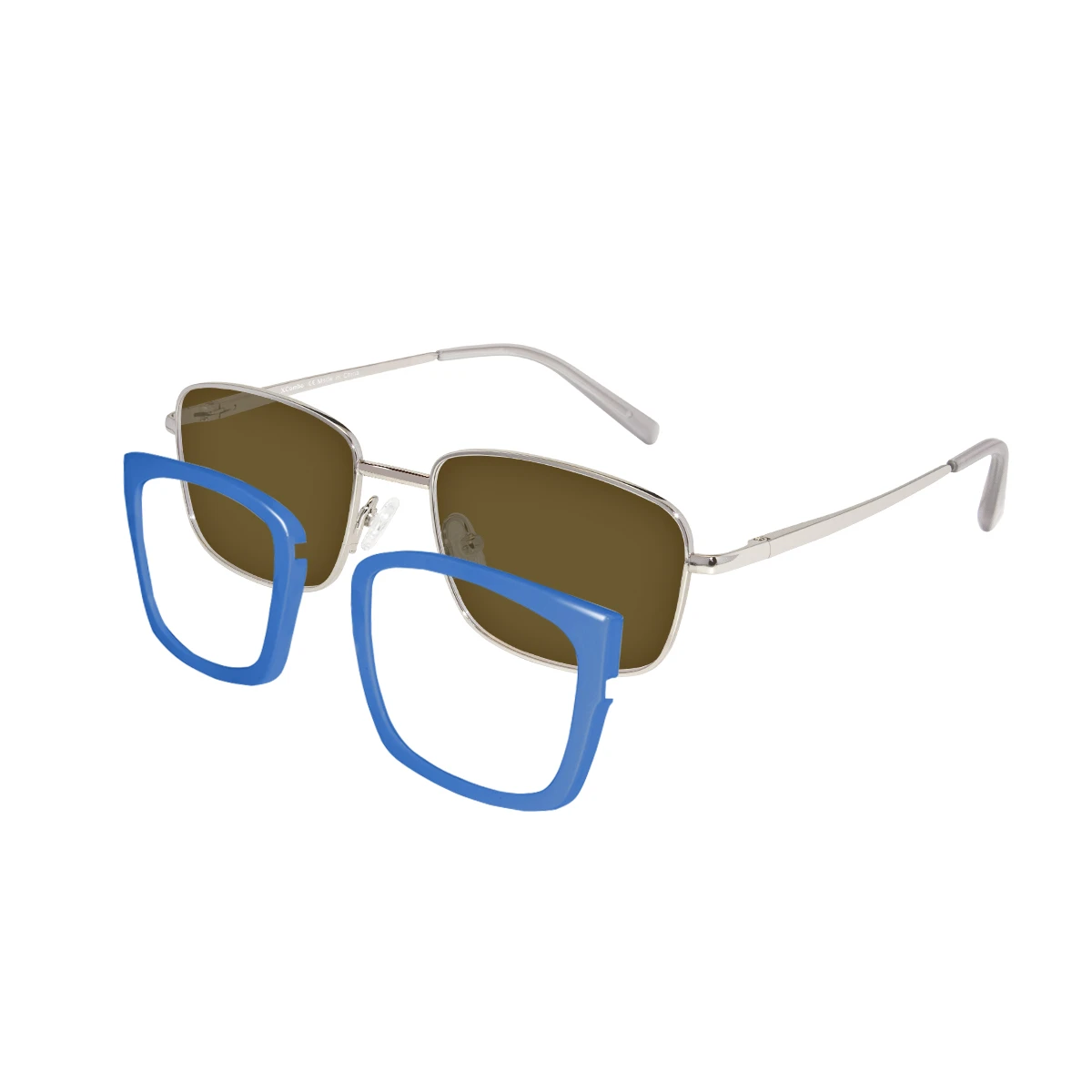
A Deep Technical Breakdown: The Application of Mechanical Snap-Fit Structures in High-End Custom Eyewear
High-end custom eyewear has undergone a quiet but significant transformation over the past decade. While consumers often notice improvements in lens technology,...
How 3D Printing Technology Is Transforming the Custom Eyewear Experience
The Future of 3D Printed Glasses and Personalized VisionFor decades, buying glasses followed the same routine.You walked into a store.You tried on...
he Ultimate Street Style Accessory - What Do the Magnetic Custom Glasses Bloggers Can’t Stop Wearing Actually Look Like?
Scroll through Instagram.Pause on a street style reel.Watch a “Get Ready With Me” video from your favorite fashion blogger.At some point, you’ll...
Scratch-Free Vision: The Science of Daily Eyewear Care
For millions of people, glasses are among the most frequently used personal items. Whether you wear prescription eyeglasses, blue light blocking glasses,...

Are Ultrasonic Cleaners Worth Buying? A Complete Deep-Cleaning Review for Eyeglasses at Home
For anyone who wears glasses daily, one frustration never seems to disappear:No matter how often you wipe your lenses, they never stay...
Stop Using Your Shirt to Clean Your Glasses: What a Microscope Reveals About the Damage to Custom Lens Coatings
If you wear glasses every day, chances are you’ve done it countless times: your lenses get smudged, you grab the corner of...

The Active Athlete’s Eyewear Survival Guide: How to Prevent Impact Damage and Sweat Wear
For athletes and fitness enthusiasts, eyewear isn’t just an accessory—it’s essential gear. Whether you’re sprinting under the sun, grinding through a high-intensity...
Why You Shouldn’t Wear Your Glasses on Top of Your Head: The “Invisible Killer” of Frame Lifespan
For many people, placing glasses on top of the head feels like second nature. It’s quick, convenient, and seems harmless—especially when you...
Total Cost of Ownership: Comparing the Lifespan of Cheap Eyeglass Frames vs. Custom Quality Frames
When shopping for new glasses, most people focus on the sticker price. A $29 frame seems like a steal. A $250 custom...
Why Clip-Lock Eyewear Frames Outlast Traditional Magnetic Accessories: The Engineering Behind Long-Term Durability
Introduction: Convenience vs. Longevity in Modern Eyewear DesignEyewear has evolved far beyond simple vision correction. Today’s glasses often serve multiple functions —...
Magnets Lose Strength, Mechanical Closures Last: An Economic Audit of Custom Eyewear as a Long-Term Investment
In a marketplace driven by novelty, convenience, and clever marketing, magnetic eyeglass frames have gained attention for their snap-on ease and modular...
The Hidden Calling Card of High Performers: How Custom Eyewear Instantly Elevates Your Executive Presence
In today’s competitive professional landscape, success is rarely defined by skills alone. Expertise, intelligence, and experience matter—but so does perception. Before you...