


Why You Shouldn’t Wear Your Glasses on Top of Your Head: The “Invisible Killer” of Frame Lifespan
For many people, placing glasses on top of the head feels like second nature. It’s quick, convenient, and seems harmless—especially when you only need your glasses intermittently. Whether you’re stepping indoors, reading something up close, or just taking a short break from wearing them, pushing your frames up onto your head can feel like the easiest solution.
But what if this everyday habit is quietly damaging your eyewear?
What appears to be a minor convenience is actually one of the most common—and overlooked—causes of premature frame wear. Over time, this simple action can distort the structure of your glasses, weaken key components, and shorten their lifespan significantly.
In this deep dive, we’ll explore why wearing glasses on your head is more harmful than it seems, how it affects different frame materials, and what you can do instead to protect your investment while maintaining comfort and style.

The Anatomy of Eyeglass Frames: Why Structure Matters
To understand why this habit is problematic, it helps to first understand how eyeglass frames are designed.
A typical pair of glasses consists of several key components:
- Front frame: Holds the lenses in place
- Temples (arms): Extend over your ears to secure the glasses
- Hinges: Connect the temples to the front frame
- Bridge: Rests on your nose
Each part is carefully engineered to maintain a specific alignment. When worn properly, the temples apply gentle, balanced pressure to keep the glasses stable on your face.
This balance is crucial. Even small deviations can affect both comfort and functionality.
What Happens When You Wear Glasses on Your Head
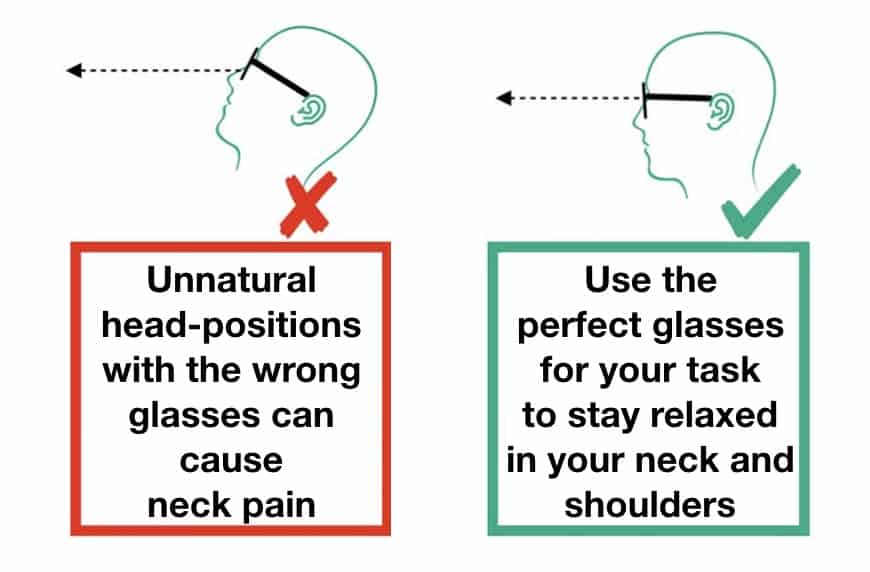
When you place your glasses on top of your head, you’re forcing the temples to spread wider than they were designed to.
1. Overextension of the Temples
Your head is typically wider at the top than at the sides near your ears. This means the temples are stretched outward beyond their natural resting position.
Over time, this leads to:
- Loss of tension
- Permanent widening of the frame
- Reduced grip when worn normally
Once the temples lose their original shape, your glasses may start slipping down your nose—a common complaint that often traces back to this habit.
2. Stress on the Hinges
The hinges are small but critical components. They’re designed for repeated opening and closing within a specific range.
When you stretch the temples over your head:
- Hinges experience additional lateral stress
- Screws may loosen more quickly
- Metal fatigue can develop over time
Eventually, this can result in misalignment or even hinge failure.
3. Frame Warping
Depending on the material, your frames may gradually warp when subjected to repeated stress.
Signs of warping include:
- Uneven temple alignment
- Lenses sitting at different angles
- Pressure points on your nose or ears
Warped frames don’t just look off—they can also affect how your lenses perform, especially if you wear prescription glasses.
4. Increased Risk of Drops and Damage
Glasses perched on your head are more likely to fall off, especially when:
- You bend forward
- You look down suddenly
- You remove clothing like hats or jackets
A fall from head height can easily result in scratched lenses, bent frames, or worse.
How Different Materials React to This Habit
Not all frames respond the same way to being stretched repeatedly. However, none are immune.
Plastic Frames
Plastic frames, including acetate, are particularly prone to permanent deformation.
- They may not return to their original shape after being stretched
- Heat from your head can make them more pliable, increasing the risk of warping
Metal Frames
Metal frames are more flexible, but that doesn’t mean they’re safe.
- Repeated stress can cause metal fatigue
- Hinges and joints are still vulnerable
- Over time, they may lose their original tension
Memory Materials
Some modern frames use “memory” materials designed to return to their original shape.
While more resilient, they still have limits. Constant overstretching can eventually degrade their performance.
The Hidden Cost of a Small Habit
At first glance, wearing your glasses on your head doesn’t seem like a big deal. But over months or years, the cumulative effect can be significant.
Shortened Lifespan
Frames that could last several years may need replacement much sooner due to structural damage.
Frequent Adjustments
You may find yourself visiting optical shops more often for:
- Tightening screws
- Realigning frames
- Adjusting fit
These small inconveniences add up over time.
Reduced Comfort
As frames lose their shape, they become less comfortable to wear. Pressure points, slipping, and uneven fit can turn a well-designed pair of glasses into a daily annoyance.
Why This Habit Is So Common
If it’s so damaging, why do so many people do it?
Convenience
It’s faster than folding your glasses and putting them away.
Accessibility
Keeping glasses on your head makes them easy to grab when needed.
Habit
For many, it’s simply something they’ve always done without thinking about the consequences.
Better Alternatives to Protect Your Glasses
Breaking the habit doesn’t mean sacrificing convenience. There are several practical alternatives that keep your glasses safe without adding much effort.
1. Use a Protective Case
This is the safest option. A hard-shell case protects against:
- Physical damage
- Dust and debris
- Accidental drops
Yes, it takes a few extra seconds—but it can add years to your glasses’ lifespan.
2. Hang Them on Your Shirt
If you need quick access, hooking the temples onto your collar or shirt neckline is a better option than placing them on your head.
Just be mindful when bending over.
3. Use a Glasses Strap
Straps or retainers keep your glasses around your neck when not in use. They’re especially useful for:
- Outdoor activities
- Reading glasses
- Frequent on-and-off use
4. Place Them on a Stable Surface
When at home or in the office, simply placing your glasses on a table or desk is often the easiest and safest choice.
Small Habits That Extend Frame Lifespan
In addition to avoiding head placement, a few simple practices can make a big difference.
Clean Them Properly
Use microfiber cloths and appropriate cleaning solutions to avoid scratches.
Handle with Both Hands
Putting on and removing glasses with both hands reduces stress on the frame.
Store Them Carefully
Avoid leaving glasses in extreme temperatures, such as inside a hot car.
Signs Your Glasses Have Been Affected
If you’ve been wearing your glasses on your head regularly, here are some signs to watch for:
- Glasses slide down your nose more than before
- Temples feel looser or uneven
- Frames look slightly crooked
- You experience new pressure points
If you notice these issues, it may be time for an adjustment—or to reconsider your habits.
When Professional Adjustment Can Help
Opticians can often correct minor misalignments, including:
- Tightening hinges
- Reshaping temples
- Realigning frames
However, repeated damage may eventually become irreversible.
A Long-Term Perspective
Glasses are more than just a functional accessory. They’re an investment in your vision, comfort, and personal style.
Treating them with care isn’t about being overly cautious—it’s about preserving something you rely on every day.
Final Thoughts
Wearing your glasses on top of your head might seem harmless, but it’s one of the most common causes of frame damage. From overstretched temples to weakened hinges, the effects are subtle at first but accumulate over time.
The good news is that this “invisible killer” is entirely preventable. By adopting a few simple habits and choosing smarter alternatives, you can significantly extend the life of your glasses and maintain their comfort and performance.
Sometimes, the smallest changes make the biggest difference. In this case, keeping your glasses off your head could be the key to keeping them in great shape for years to come.
Share this post




- Burgundy – Crystal (C01)
- Red – Crystal(C02)
- Burnt Orange – Crystal(C03)
- Marmalade – Crystal(C04)
- Sunshine Yellow – Crystal(C05)
- Lime Green – Crystal(C06)
- Sage – Crystal(C08)
- Green Forest – Crystal(C07)
- Army Green – Crystal(C09)
- Spruce – Crystal(C10)
- Turquiise – Crystal(C11)
- Cornflower– Crystal(C12)
- Navy – Crystal(C13)
- Indigo – Crystal(C14)
- Blue Orchid – Crystal(C15)
- Mauve – Crystal(C16)
- Lavender – Crystal(C21)
- Purple – Crystal(C17)
- Grape – Crystal(C18)
- Coral – Crystal(C19)
- Hot Pink – Crystal(C20)
- Chocolate – Crystal(C22)






- Burgundy – Crystal (C01)
- Red – Crystal(C02)
- Burnt Orange – Crystal(C03)
- Marmalade – Crystal(C04)
- Sunshine Yellow – Crystal(C05)
- Lime Green – Crystal(C06)
- Sage – Crystal(C08)
- Green Forest – Crystal(C07)
- Army Green – Crystal(C09)
- Spruce – Crystal(C10)
- Turquiise – Crystal(C11)
- Cornflower– Crystal(C12)
- Navy – Crystal(C13)
- Indigo – Crystal(C14)
- Blue Orchid – Crystal(C15)
- Mauve – Crystal(C16)
- Lavender – Crystal(C21)
- Purple – Crystal(C17)
- Grape – Crystal(C18)
- Coral – Crystal(C19)
- Hot Pink – Crystal(C20)
- Chocolate – Crystal(C22)
What Do the Numbers on Your Glasses Mean? Complete Guide to Frame Measurements
Ever noticed the small numbers inside your glasses frame and wondered what they meant? These numbers aren’t just random; they represent essential...
Your Second Face - A Thoughtful Conversation About Custom Glasses
There’s a moment many people remember clearly.The first time they put on glasses and looked in the mirror—not to check their vision,...
Say Goodbye to the “Glasses Slip”: A Complete Ergonomic Guide to Custom Nose Pads for Low Nose Bridge Face Shapes
Eyeglasses are meant to improve vision, enhance comfort, and complement personal style — not constantly slide down your face. Yet for millions...
A Blessing for the Nearsighted: The Advanced Guide to Eyeglass Maintenance
For millions of nearsighted people, eyeglasses are far more than a fashion accessory. They are an essential tool for daily life, helping...
The No-Duplication Lab - A Complete Guide to Custom Glasses That Never Looks Like Anyone Else’s
In a world where trends spread faster than taste, eyewear has quietly become one of the last personal frontiers.You can wear the...
The Complete Maintenance Guide for 3D-Printed Eyewear: How to Care for Your High-End Custom Frames
3D-printed eyewear has redefined what it means to own a pair of glasses. No longer limited by mass production molds, today’s frames...
Understanding Diopters: What You Need to Know About Your Eyeglass Prescription
When you receive an eye prescription, it may appear as a series of numbers instead of the usual medical instructions. These numbers...
Magnets Lose Strength, Mechanical Closures Last: An Economic Audit of Custom Eyewear as a Long-Term Investment
In a marketplace driven by novelty, convenience, and clever marketing, magnetic eyeglass frames have gained attention for their snap-on ease and modular...
How to Choose the Best VLT for Ski Goggles
Ever noticed how the world looks different through ski goggles? That's all thanks to VLT, or Visible Light Transmission. Think of it...
Can You Replace Lenses in Old Frames?
Over time, your vision may change, requiring a new prescription for corrective lenses. However, this doesn’t necessarily mean you need to replace...
Stop Using Your Shirt to Clean Your Glasses: What a Microscope Reveals About the Damage to Custom Lens Coatings
If you wear glasses every day, chances are you’ve done it countless times: your lenses get smudged, you grab the corner of...
“One-Step” Investment: Why Custom Glasses Save You Money in the Long Run
When it comes to eyewear, many people focus on upfront cost rather than long-term value. It’s easy to fall into the trap...