
The Secret Weapon for Sculpting Your Face: How to Customize Eyewear Based on Your Cheekbones and Brow Shape
When it comes to elevating your appearance, most people think about hairstyles, makeup, or wardrobe upgrades. But there’s one transformative accessory that sits front and center on your face—literally shaping how others perceive your features: your glasses.
The right frame doesn’t just correct vision. It balances proportions, sharpens angles, softens harsh lines, and enhances your natural bone structure. The wrong frame? It can exaggerate asymmetry, weigh down your features, and disrupt harmony.
If you’ve ever tried on multiple pairs of glasses and felt that something was “off” but couldn’t explain why, the answer likely lies in two critical facial elements:
- Your cheekbones
- Your brow shape
In this in-depth guide, you’ll learn how to analyze your bone structure, understand the relationship between brows and frames, and choose customized eyewear that enhances your natural facial architecture instead of fighting against it.
Why Cheekbones and Brows Matter More Than Face Shape Alone
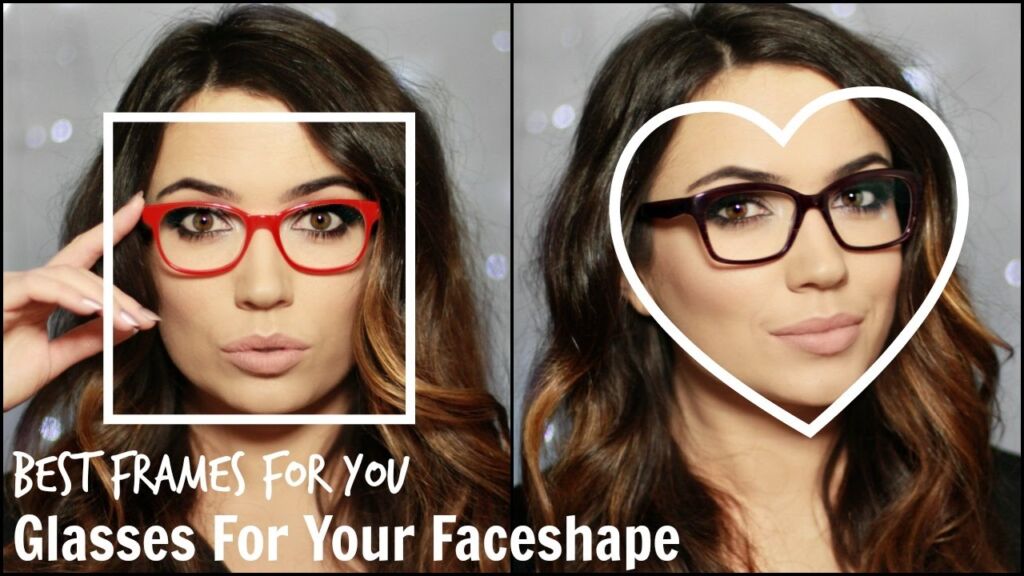
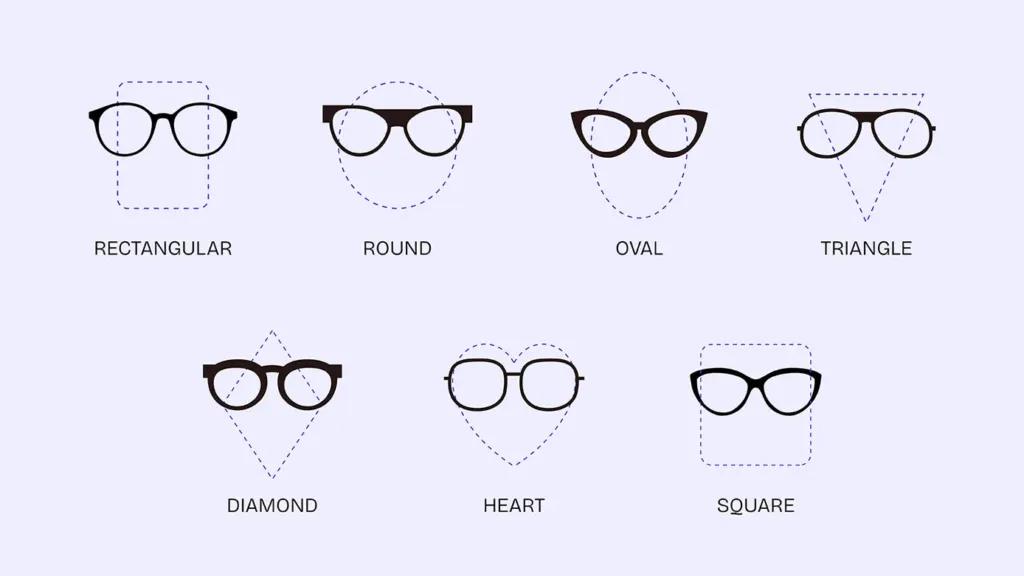
Most style guides focus on general face shapes: oval, round, square, heart, or diamond. While that’s helpful, it’s not precise enough.
Two people with “oval” faces can look completely different depending on:
- Cheekbone height
- Cheekbone width
- Brow thickness
- Brow arch
- Brow-to-eye distance
- Brow prominence
Eyewear sits between the brows and cheekbones—making these features the real decision-makers when customizing frames.
Step One: Identify Your Cheekbone Structure
Stand in front of a mirror with your hair pulled back and neutral lighting. Look at the widest part of your face. For most people, that’s the cheekbone area.
There are three main cheekbone categories:
1. High and Prominent Cheekbones
Characteristics:
- Noticeable contour under the eyes
- Slight shadow beneath cheekbone
- Angular mid-face
Common in:
- Diamond face shapes
- Some oval faces
- Many Mediterranean and East Asian facial structures
Goal with frames: Avoid adding excessive width that overemphasizes the mid-face.
2. Wide Cheekbones with Softer Edges
Characteristics:
- Broad mid-face
- Less sharp contour
- Balanced width
Goal with frames: Add subtle vertical structure without increasing horizontal width.
3. Low or Subtle Cheekbones
Characteristics:
- Minimal contour under eyes
- Softer facial transition from eyes to jaw
- Less mid-face definition
Goal with frames: Create lift and visual structure.
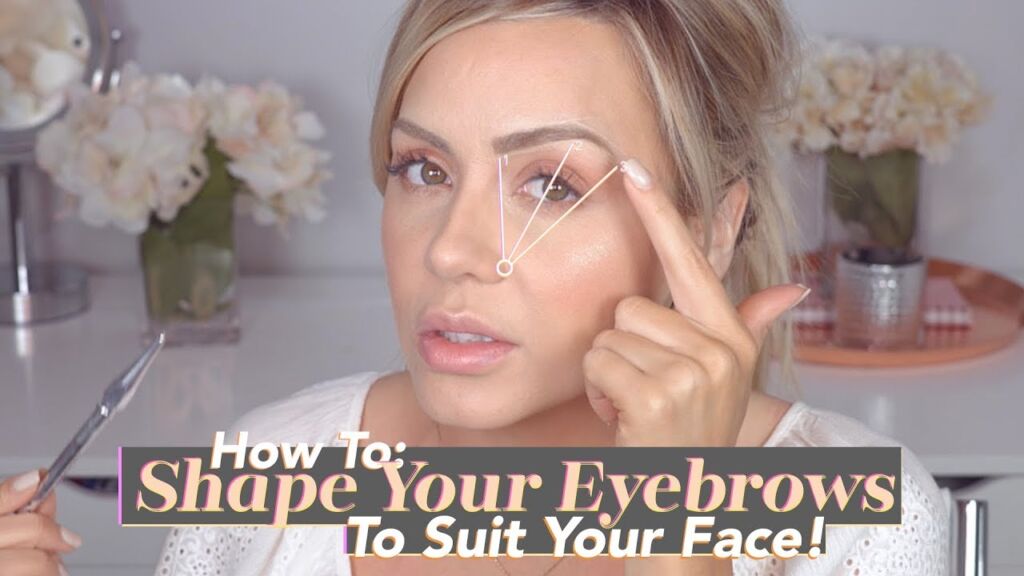
Step Two: Analyze Your Brow Shape
Your eyebrows create the top boundary for your frames. If glasses clash with your brow shape, the entire look feels misaligned.
Look at:
- Brow thickness
- Brow arch
- Brow straightness
- Distance between brows and eyes
- Brow prominence (flat vs. protruding)
Brow Shape Categories
Straight Brows
- Minimal arch
- Horizontal emphasis
- Clean, structured look
Softly Arched Brows
- Gentle curve
- Balanced proportions
High Arched Brows
- Dramatic lift
- Angular energy
Thick or Bold Brows
- Strong visual weight
- Dominant upper face
Thin or Light Brows
- Delicate upper structure
- Minimal framing power
Your frame should complement—not compete with—your brow.
The Golden Rule: The Frame Should Follow the Brow Line
A classic eyewear principle: the top line of your glasses should mimic or harmonize with your natural brow line.
If your brows arch dramatically but your frames are rigid and flat, it creates tension. If your brows are straight but your frames curve heavily upward, it feels exaggerated.
Harmony equals elegance.
Custom Frame Strategies for High Cheekbones
If you have strong, defined cheekbones, your goal is balance—not exaggeration.
Best Frame Types:
- Slim rectangular frames
- Subtle cat-eye shapes (not extreme)
- Lightweight metal frames
- Medium-width silhouettes
Avoid:
- Oversized round frames
- Ultra-wide acetate styles
- Thick bottom-heavy frames
High cheekbones already command attention. Frames should refine, not overwhelm.
Custom Frame Strategies for Wide Mid-Face
If your cheekbones are the widest part of your face:
Choose:
- Slightly narrower frames
- Frames with gentle curves
- Styles with vertical emphasis
- Clear or lightweight materials
Avoid:
- Heavy horizontal bars
- Thick temples that add width
- Bold, wide shapes
The goal is subtle elongation and slimming.
Custom Frame Strategies for Subtle Cheekbones
If your mid-face lacks definition, frames can add structure.
Ideal Options:
- Slightly angular frames
- Medium-thickness acetate
- Geometric shapes
- Structured top lines
These styles create visual lift and contour.
Matching Frames to Straight Brows
Straight brows communicate structure and minimalism.
Best frames:
- Rectangular
- Square
- Thin metal
- Modern, clean silhouettes
Avoid:
- Dramatic cat-eye shapes
- Overly curved top lines
Consistency enhances sophistication.
Matching Frames to Softly Arched Brows
Soft arches are versatile.
They pair beautifully with:
- Rounded rectangles
- Subtle cat-eye frames
- Classic acetate styles
- Medium thickness
This brow type offers the most flexibility in customization.
Matching Frames to High Arched Brows
High arches add drama.
To complement:
- Choose frames that mirror the arch subtly
- Consider soft cat-eye designs
- Look for upward sweep without exaggeration
Avoid:
- Extremely flat top frames
- Heavy horizontal emphasis
The frame should echo—not fight—the arch.
Bold Brows Require Strategic Balance
Thick brows already frame your face powerfully.
Options:
- Thin metal frames for contrast
- Semi-rimless styles
- Clear acetate
- Lightweight designs
Avoid heavy, thick frames that create visual overload.
Thin Brows Benefit from Added Structure
If your brows are light or thin, frames can compensate.
Choose:
- Slightly thicker acetate
- Defined top lines
- Darker colors
This restores visual balance.
Bridge Fit and Cheekbone Interaction
The bridge of your glasses affects how frames sit relative to cheekbones.
Low bridge:
- Frames may slide and touch cheeks
- Choose adjustable nose pads
- Consider custom low-bridge fit
High bridge:
- Standard fit works well
- Avoid excessive downward tilt
Custom bridge adjustments prevent glasses from resting awkwardly on high cheekbones.
The Importance of Frame Width
Your frame width should align with:
- Outer cheekbone edge
- Brow width
- Temple alignment
Too narrow:
- Pinched look
- Emphasizes width
Too wide:
- Overpowers features
- Slides down nose
Custom sizing ensures proportional harmony.
Color Strategy Based on Bone Structure
High cheekbones:
- Neutral tones
- Subtle patterns
- Avoid overly bold contrasts
Soft cheekbones:
- Slightly darker tones
- Structured finishes
Bold brows:
- Lighter frames for balance
Light brows:
- Medium to dark frames for definition
Color reinforces structure.
The Role of Thickness and Weight
Frame thickness influences perception.
Thick frames:
- Add dominance
- Create stronger facial boundaries
Thin frames:
- Appear intellectual
- Lighter, refined aesthetic
Choose thickness based on how much structural enhancement your face needs.
Custom Acetate vs. Metal Frames
Acetate:
- Stronger visual presence
- More sculptural
Metal:
- Minimalist
- Clean and refined
High cheekbones often benefit from lighter materials. Subtle bone structures can handle acetate’s added structure.
Avoiding Cheek Contact
One common issue: glasses resting on cheekbones when you smile.
Solutions:
- Proper nose pad adjustment
- Correct lens height
- Slightly smaller frame size
- Higher bridge fit
Custom fitting eliminates this distraction.
Symmetry Correction Through Frame Design
Most faces are asymmetrical.
Custom frames can:
- Adjust temple length
- Balance lens height
- Slightly tilt alignment
Small adjustments dramatically improve harmony.
How Professionals Approach Custom Eyewear
Expert opticians analyze:
- Face width ratio
- Brow-to-lens distance
- Cheekbone prominence
- Vertical thirds of the face
- Personal style goals
This level of detail transforms eyewear from accessory to architectural enhancement.
The Confidence Factor
When frames align with your bone structure:
- You stop adjusting them
- They feel natural
- You project confidence effortlessly
People respond to visual harmony subconsciously.
Common Mistakes to Avoid
- Choosing trends over proportion
- Ignoring brow alignment
- Going oversized without considering cheek width
- Selecting frames purely by color
- Skipping professional adjustments
Precision always beats impulse.
When to Consider Fully Custom Frames
If you:
- Struggle to find good fit
- Have high cheekbones and low bridge
- Notice constant sliding
- Feel most frames overpower your features
Custom-built frames may be the best long-term investment.
The Transformation Effect
The right frame can:
- Slim the face
- Lift the mid-face
- Balance strong brows
- Add definition to soft contours
- Enhance eye focus
- Create proportional elegance
The difference can be subtle yet powerful.
Final Thoughts: Sculpt, Don’t Mask
Eyewear shouldn’t hide your features. It should sculpt and refine them.
Your cheekbones create structure.
Your brows create expression.
Your frames should unite both.
When chosen strategically, customized eyewear becomes more than a necessity—it becomes a design tool for your face.
The secret isn’t in following generic face-shape charts.
It’s in understanding your bone structure.
And once you do, the transformation is immediate.
Because when proportion meets precision, your entire presence changes—before you even say a word.
Share this post
1 Base Frame + 3 Toppers | Interchangeable Glasses Bundle | Magnet-free Modular Eyewear | Rectangle


Mira Ice Blue Interchangeable Base Frame – Wide Cat-Eye Metal Glasses


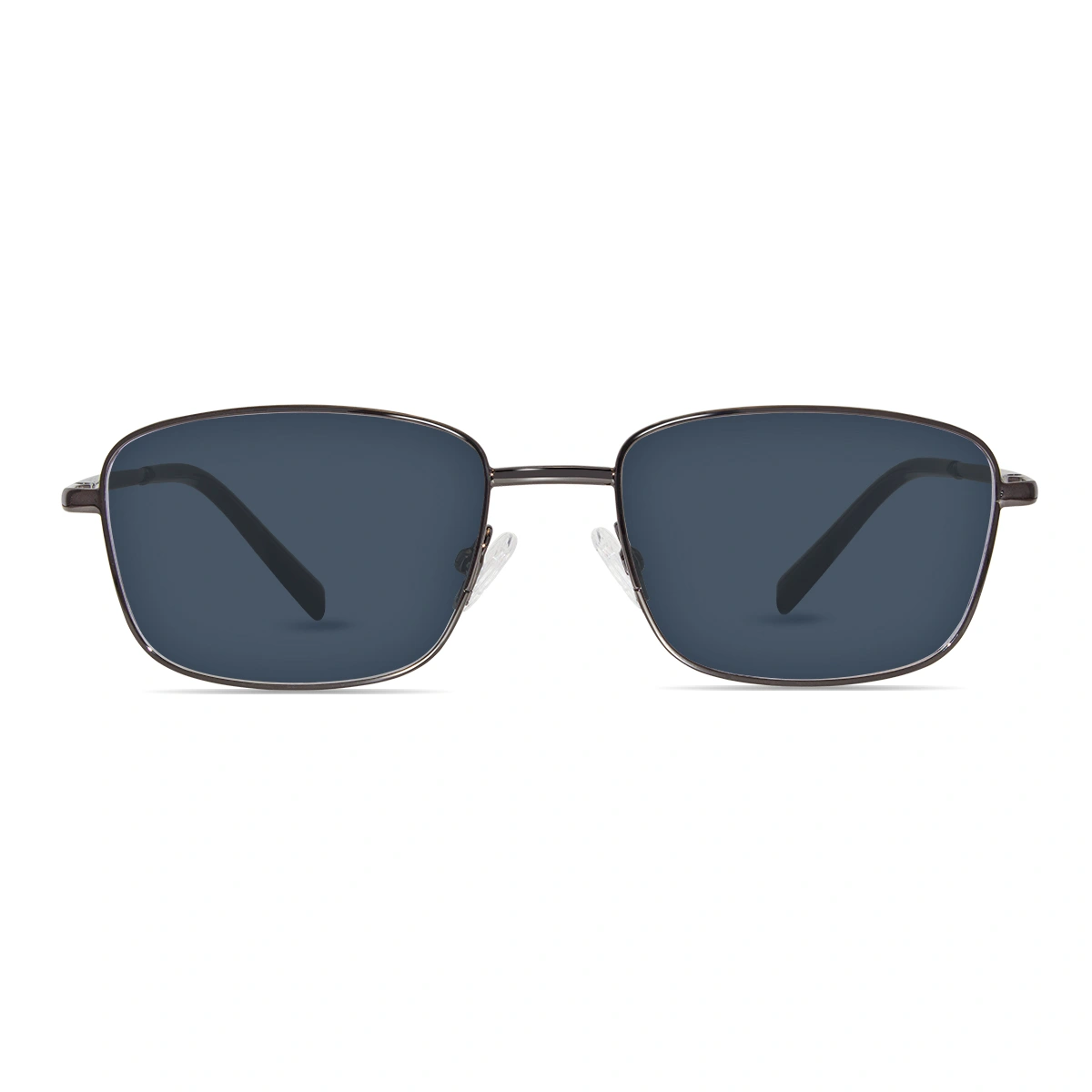
Soline Gunmetal Gray Sunglasses – Wide Rectangle, Tinted Lenses - Interchangeable Eyewear

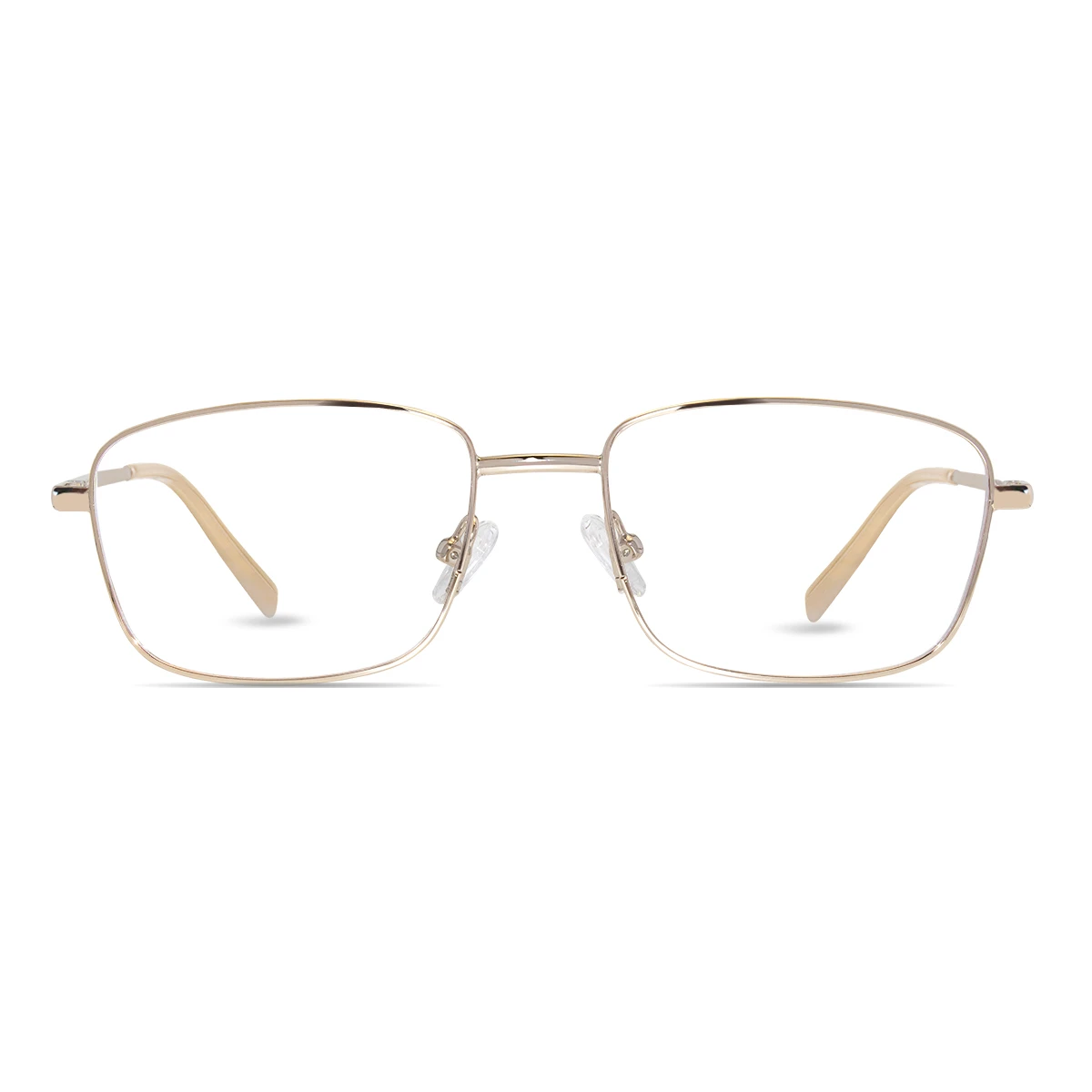
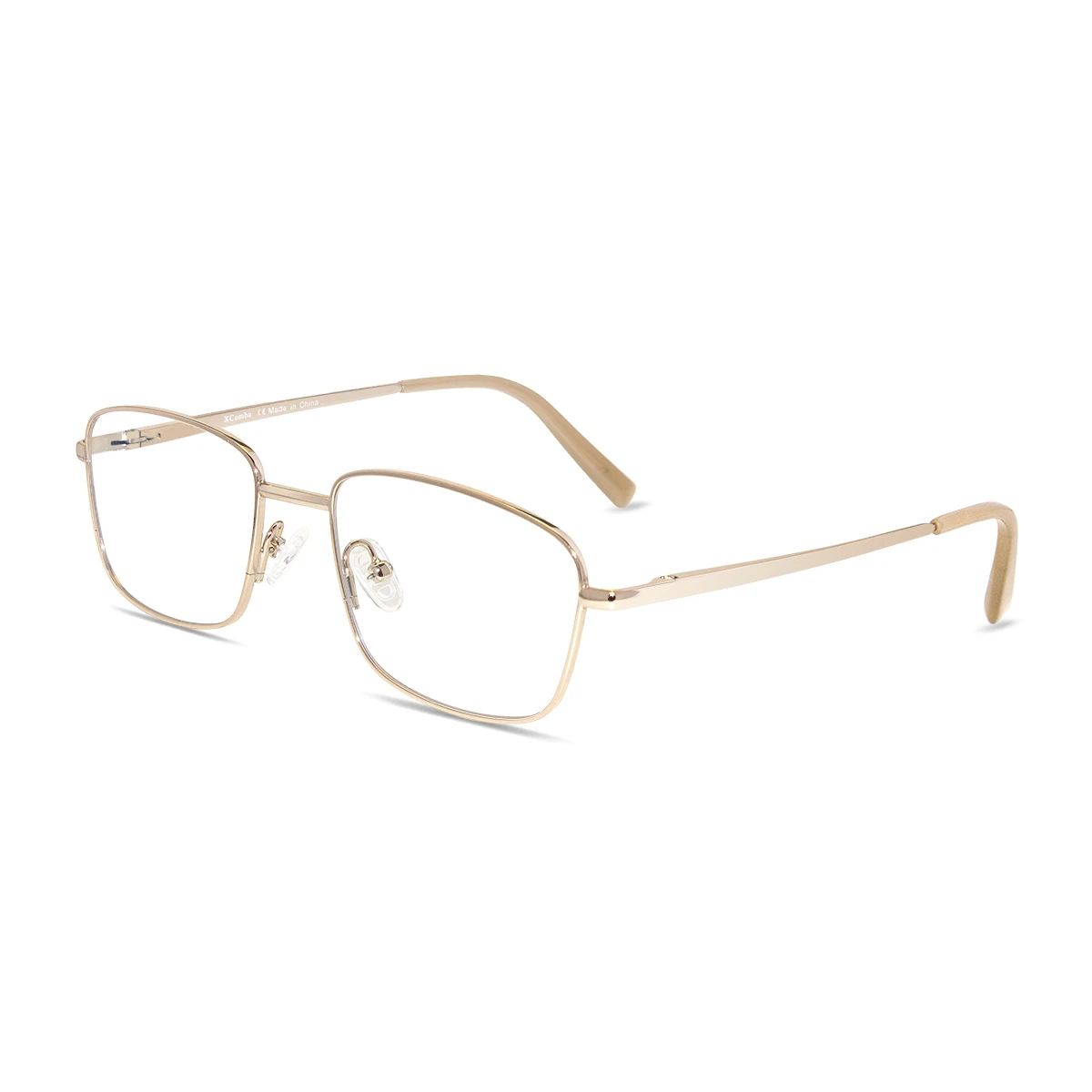
Soline Light Gold Base Frame for Interchangeable Toppers – Wide Rectangle Metal Glasses
- Burgundy – Crystal (C01)
- Red – Crystal(C02)
- Burnt Orange – Crystal(C03)
- Marmalade – Crystal(C04)
- Sunshine Yellow – Crystal(C05)
- Lime Green – Crystal(C06)
- Sage – Crystal(C08)
- Green Forest – Crystal(C07)
- Army Green – Crystal(C09)
- Spruce – Crystal(C10)
- Turquiise – Crystal(C11)
- Cornflower– Crystal(C12)
- Navy – Crystal(C13)
- Indigo – Crystal(C14)
- Blue Orchid – Crystal(C15)
- Mauve – Crystal(C16)
- Lavender – Crystal(C21)
- Purple – Crystal(C17)
- Grape – Crystal(C18)
- Coral – Crystal(C19)
- Hot Pink – Crystal(C20)
- Chocolate – Crystal(C22)
Crystal Color Toppers + Soline Rectangle Base Frame – Modular Eyewear Simple Set
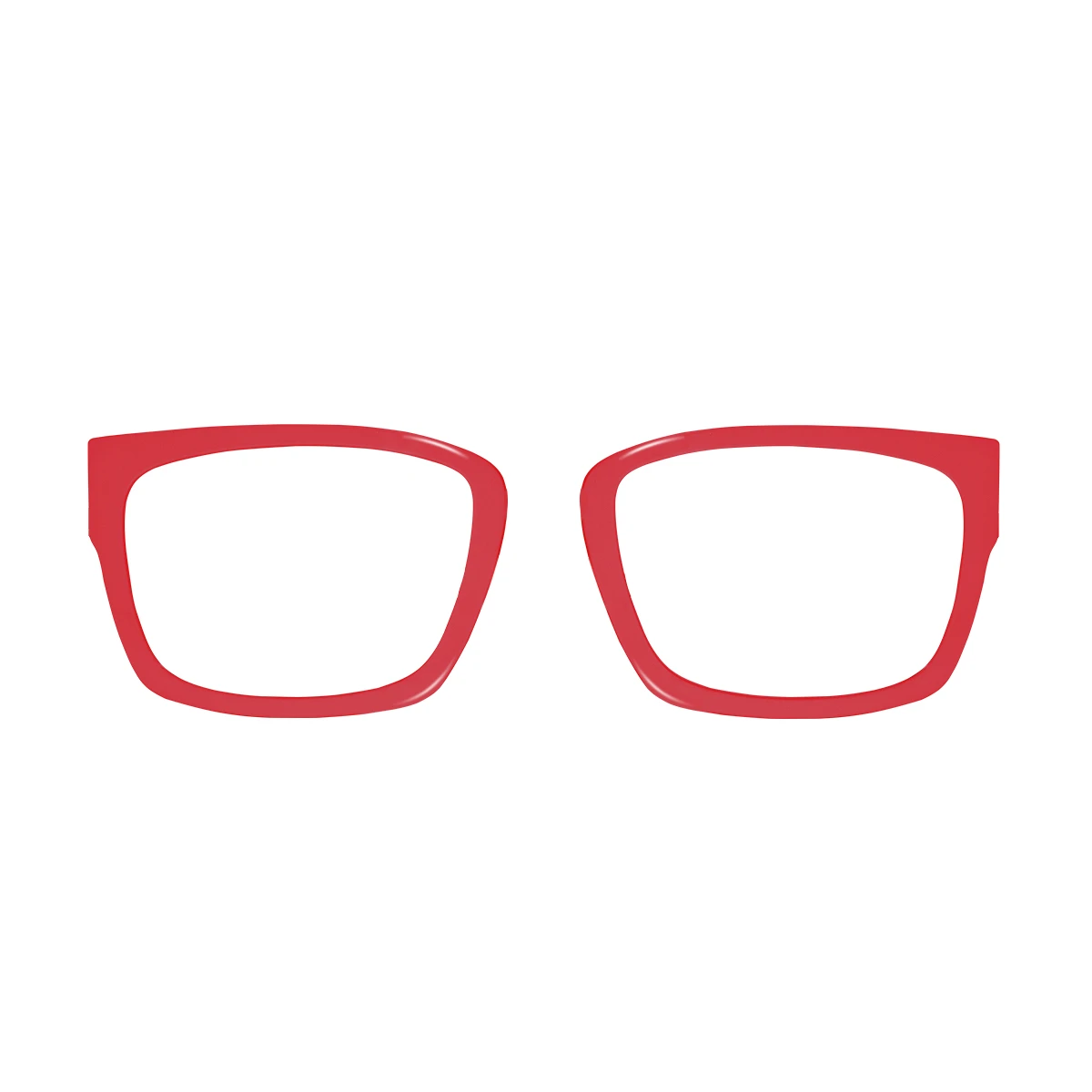
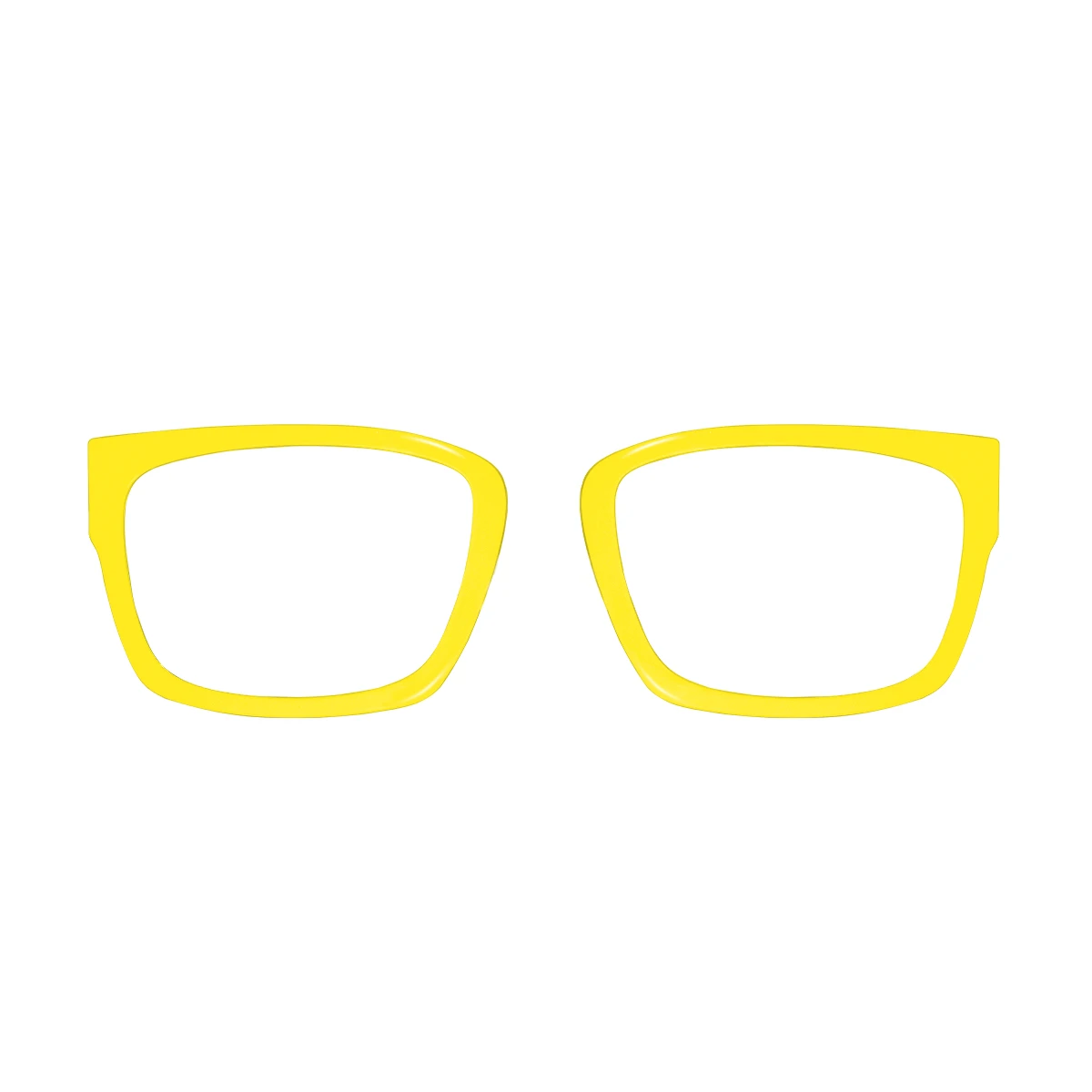
- Deep Burgundy - Solid (S01)
- Red - Solid (S02)
- Burnt Orange - Solid (S03)
- Marmalade - Solid (S04)
- Sunshine Yellow - Solid (S05)
- Lime Green - Solid (S06)
- Green Forest - Solid (S07)
- Sage - Solid (S08)
- Army Green - Solid (S09)
- Spruce - Solid (S10)
- Turquiise - Solid (S11)
- Cornflower blue - Solid (S12)
- Navy - Solid (S13)
- Indigo - Solid (S14)
- Blue Orchid - Solid (S15)
- Lavender - Solid (S21)
- Mauve - Solid (S16)
- Purple - Solid (S17)
- Grape - Solid (S18)
- Warm Coral - Solid (S19)
- Hot Pink - Solid (S20)
- Chocolate - Solid (S22)
- Black – Solid (S23)
- White - Solid (S24)
Solid Color Series Top Frames for Soline Rectangle Frame | 24 Colors Modular Glasses Toppers
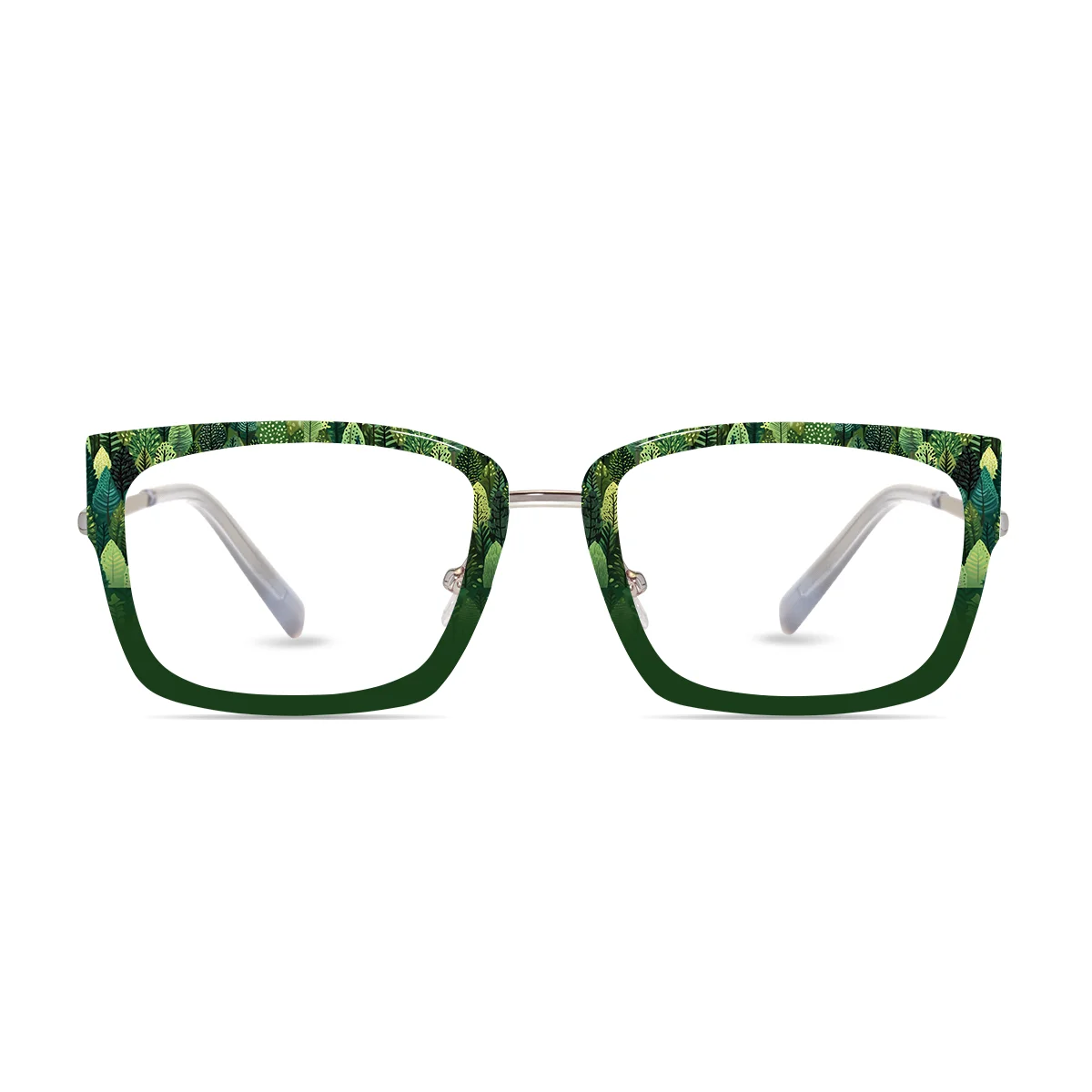
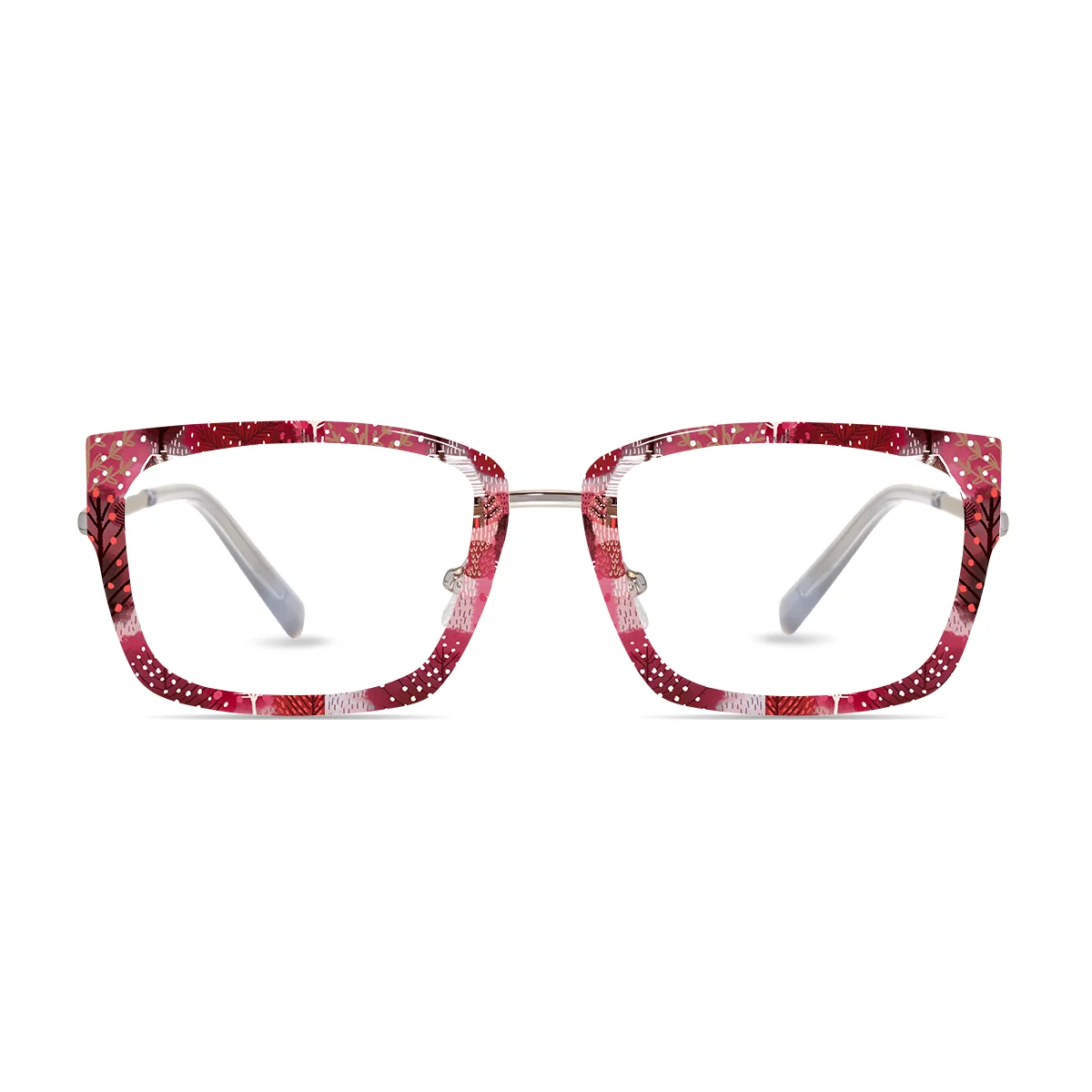
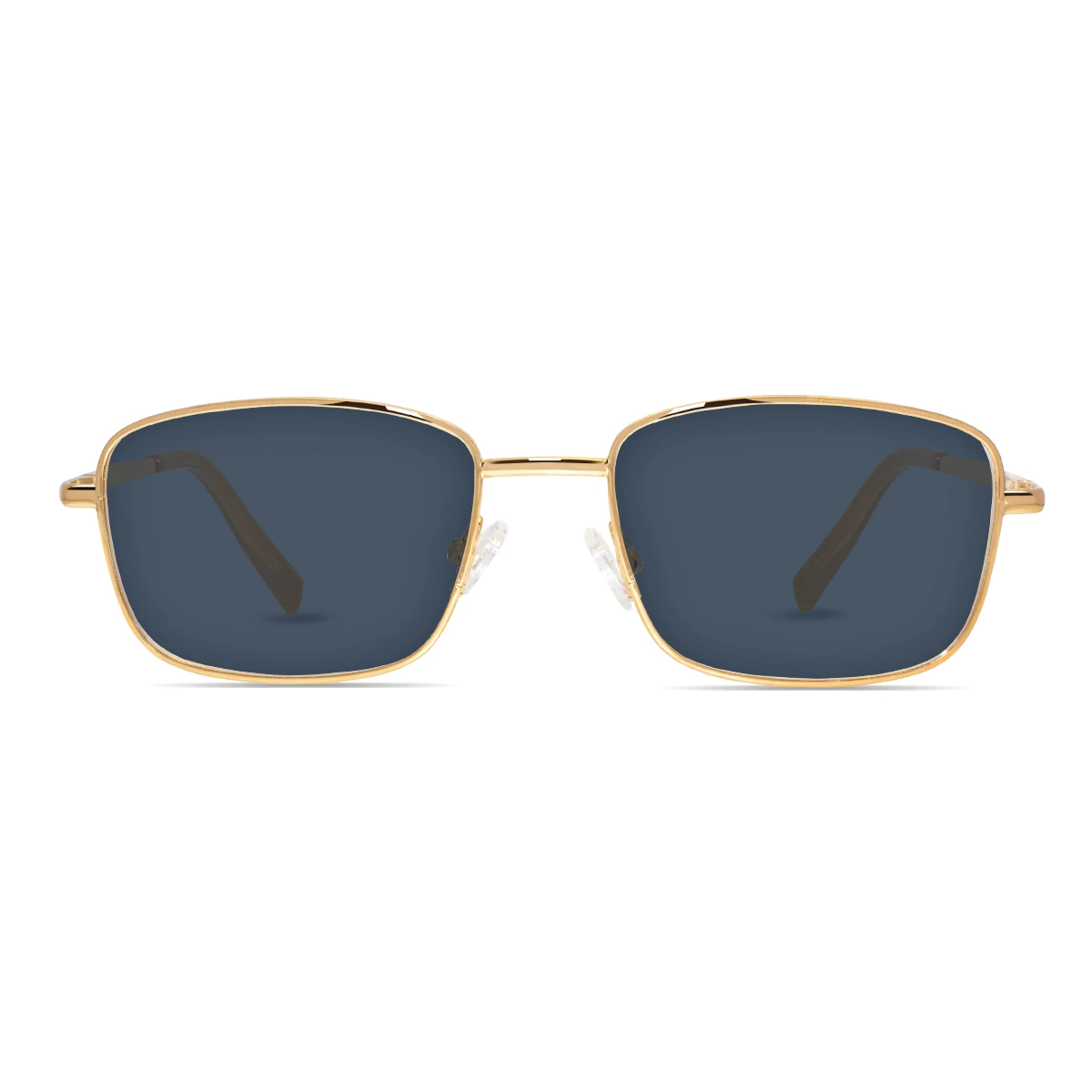
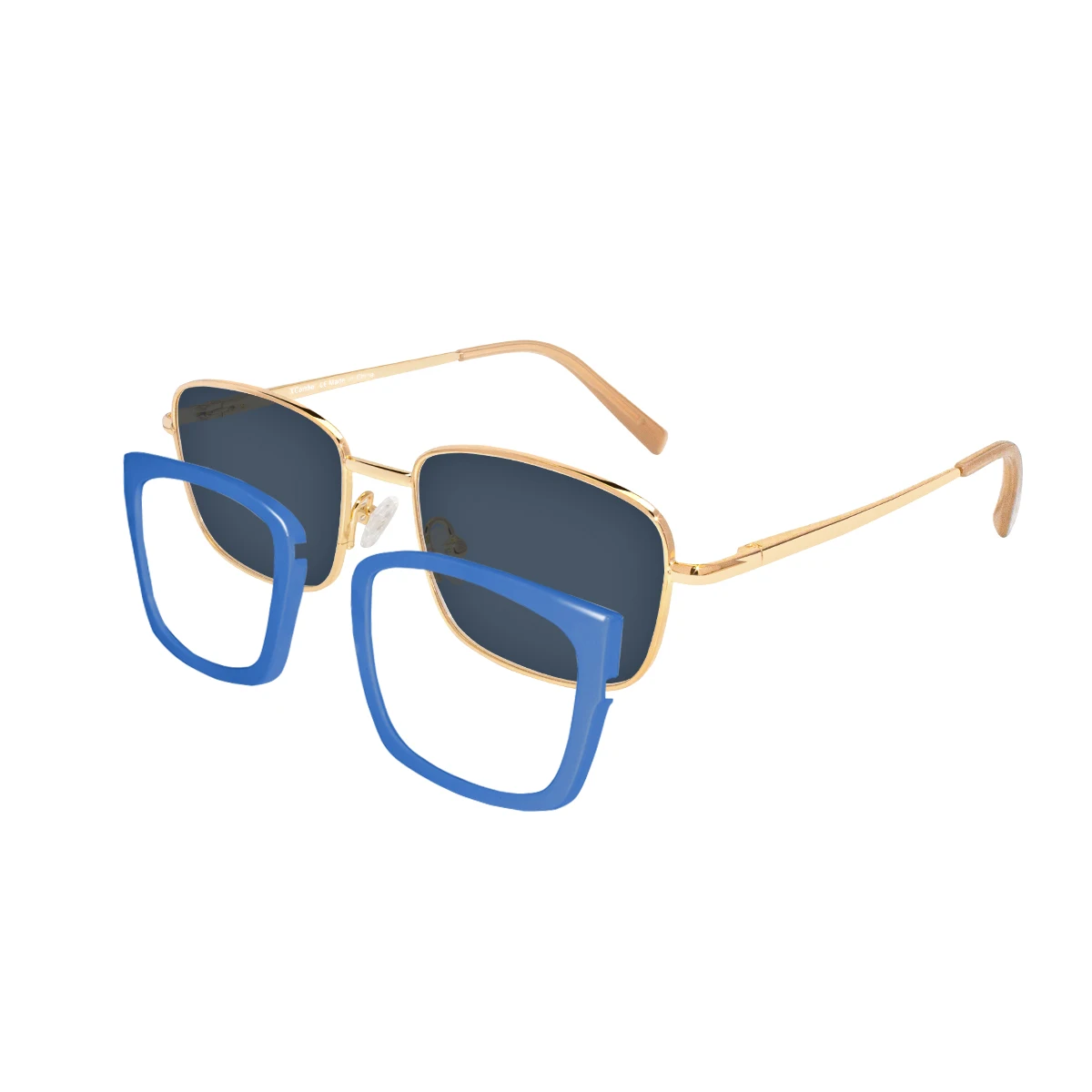
Soline Classic Gold Sunglasses – Wide Rectangle, Tinted Lenses - Interchangeable Eyewear


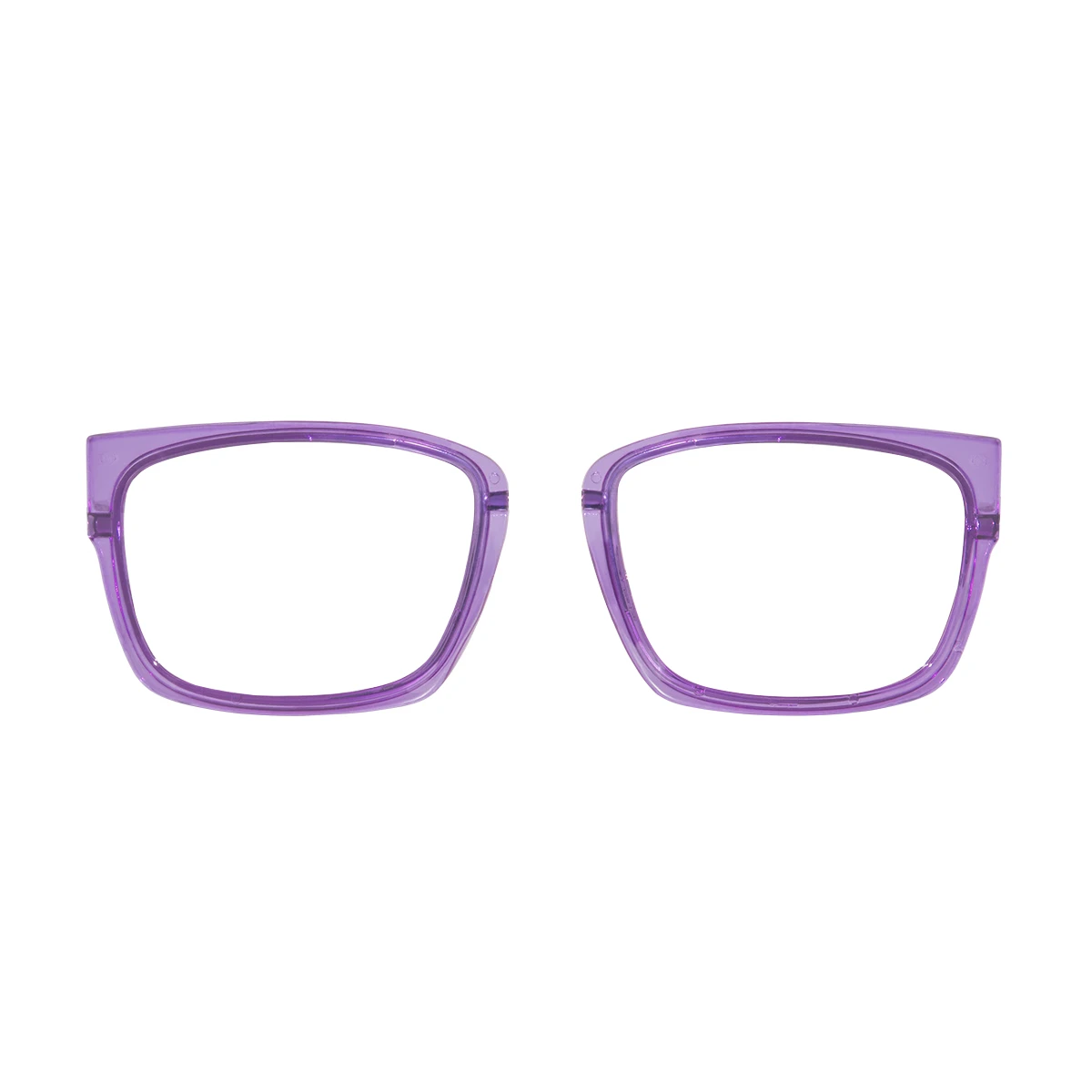
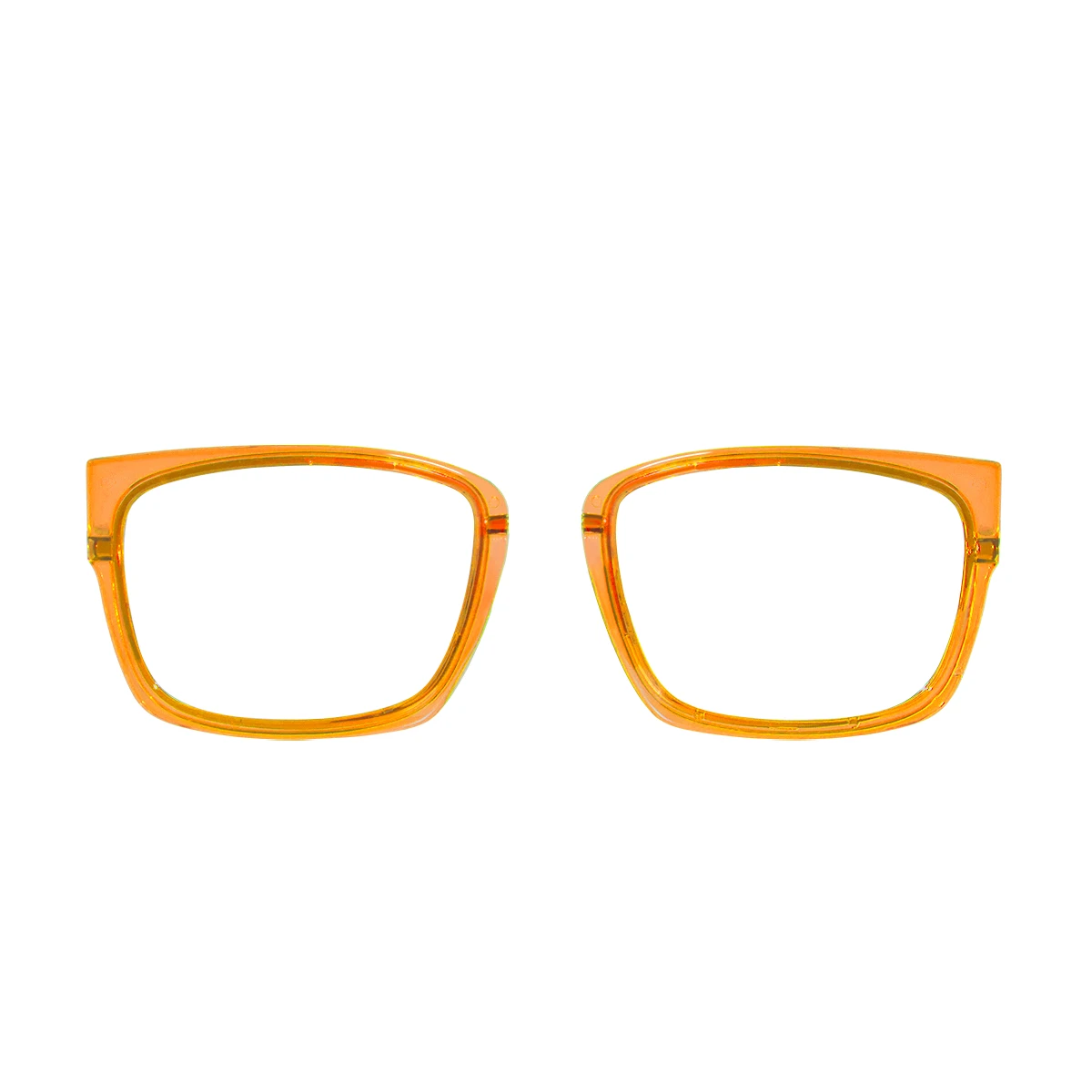
- Burgundy – Crystal (C01)
- Red – Crystal(C02)
- Burnt Orange – Crystal(C03)
- Marmalade – Crystal(C04)
- Sunshine Yellow – Crystal(C05)
- Lime Green – Crystal(C06)
- Sage – Crystal(C08)
- Green Forest – Crystal(C07)
- Army Green – Crystal(C09)
- Spruce – Crystal(C10)
- Turquiise – Crystal(C11)
- Cornflower– Crystal(C12)
- Navy – Crystal(C13)
- Indigo – Crystal(C14)
- Blue Orchid – Crystal(C15)
- Mauve – Crystal(C16)
- Lavender – Crystal(C21)
- Purple – Crystal(C17)
- Grape – Crystal(C18)
- Coral – Crystal(C19)
- Hot Pink – Crystal(C20)
- Chocolate – Crystal(C22)
Crystal Color Top Frames for Soline Rectangle Wide Base Frame | Interchangeable Glasses Toppers
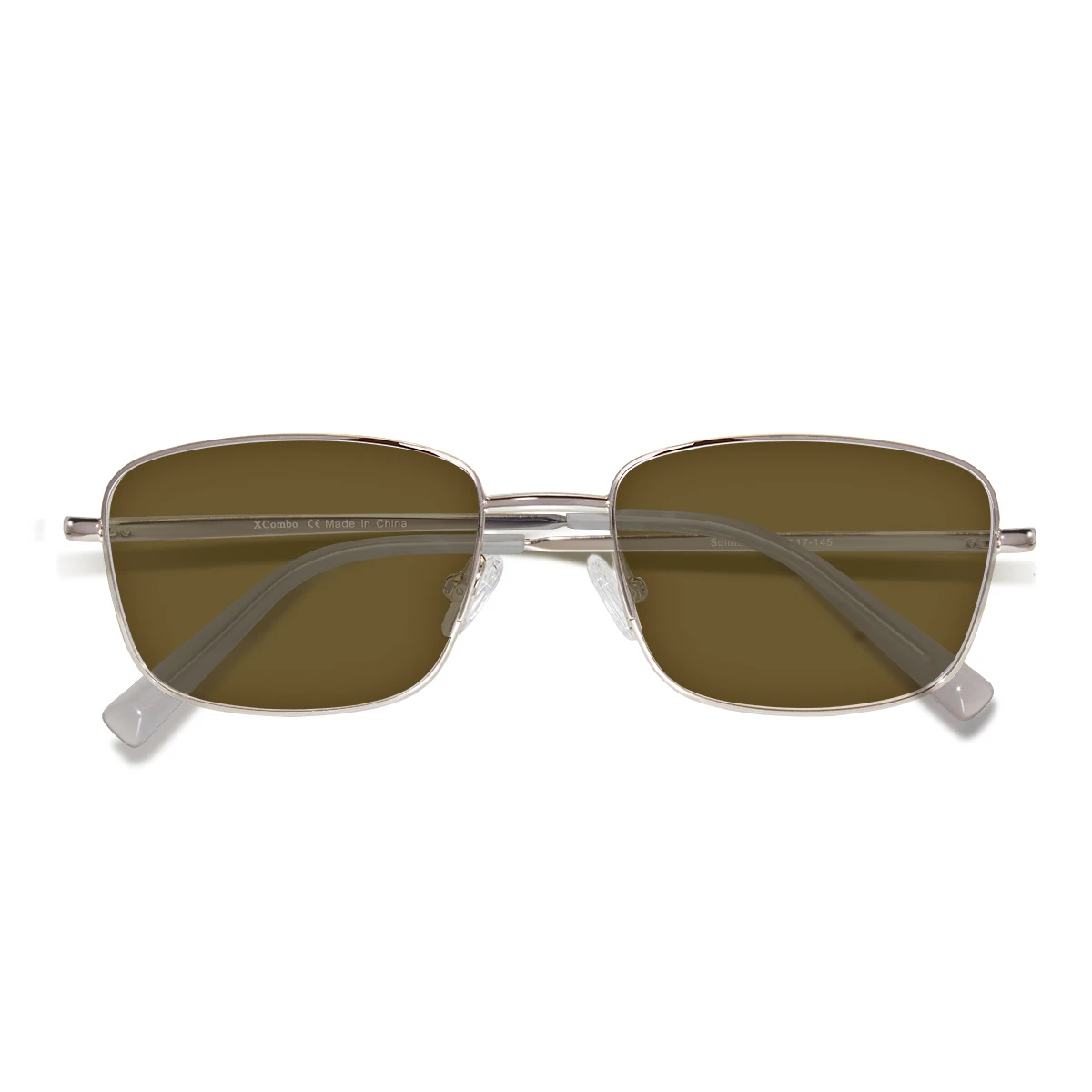
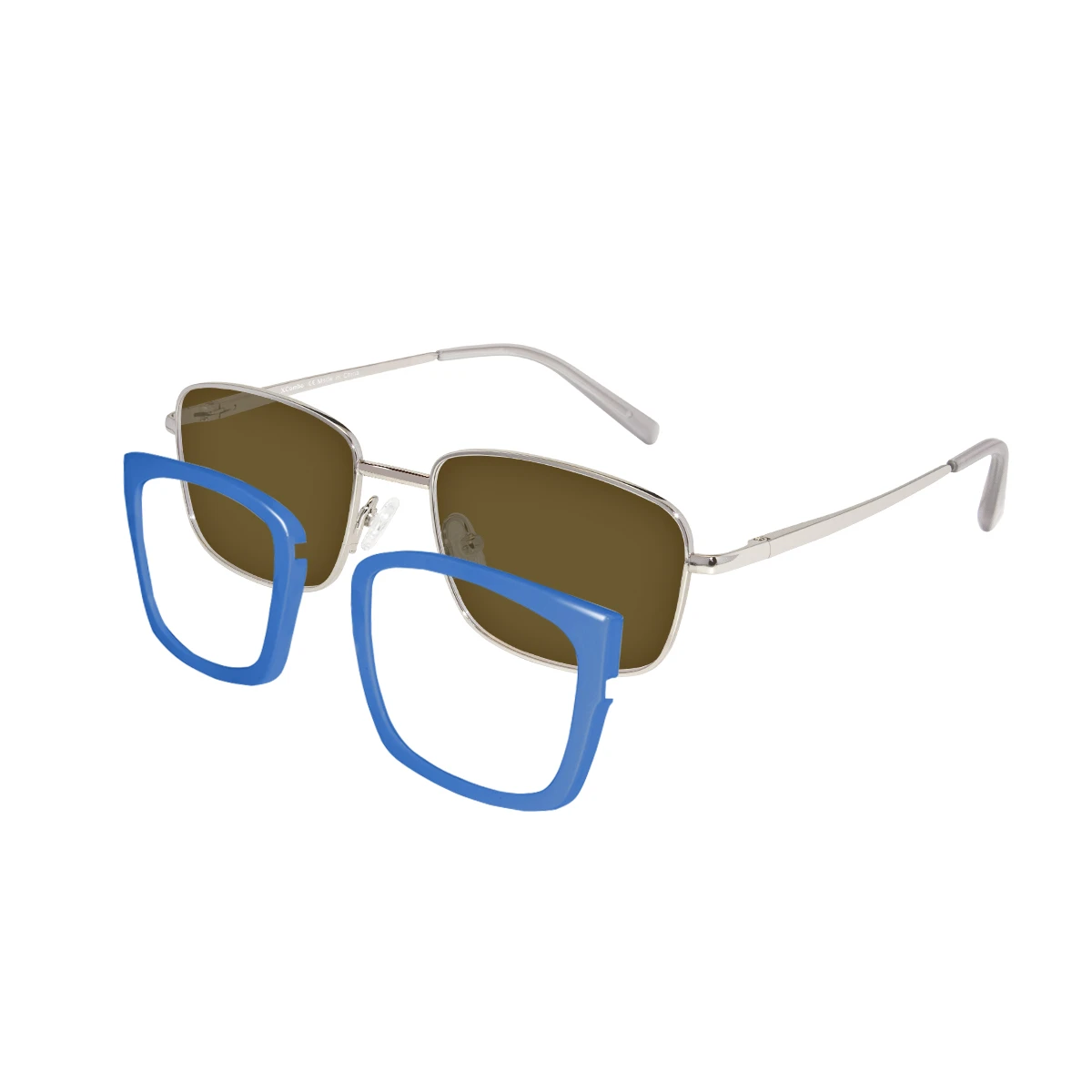
Soline Interchangeable Sunglasses – Metallic Silver, Wide Rectangle, Tinted Lenses
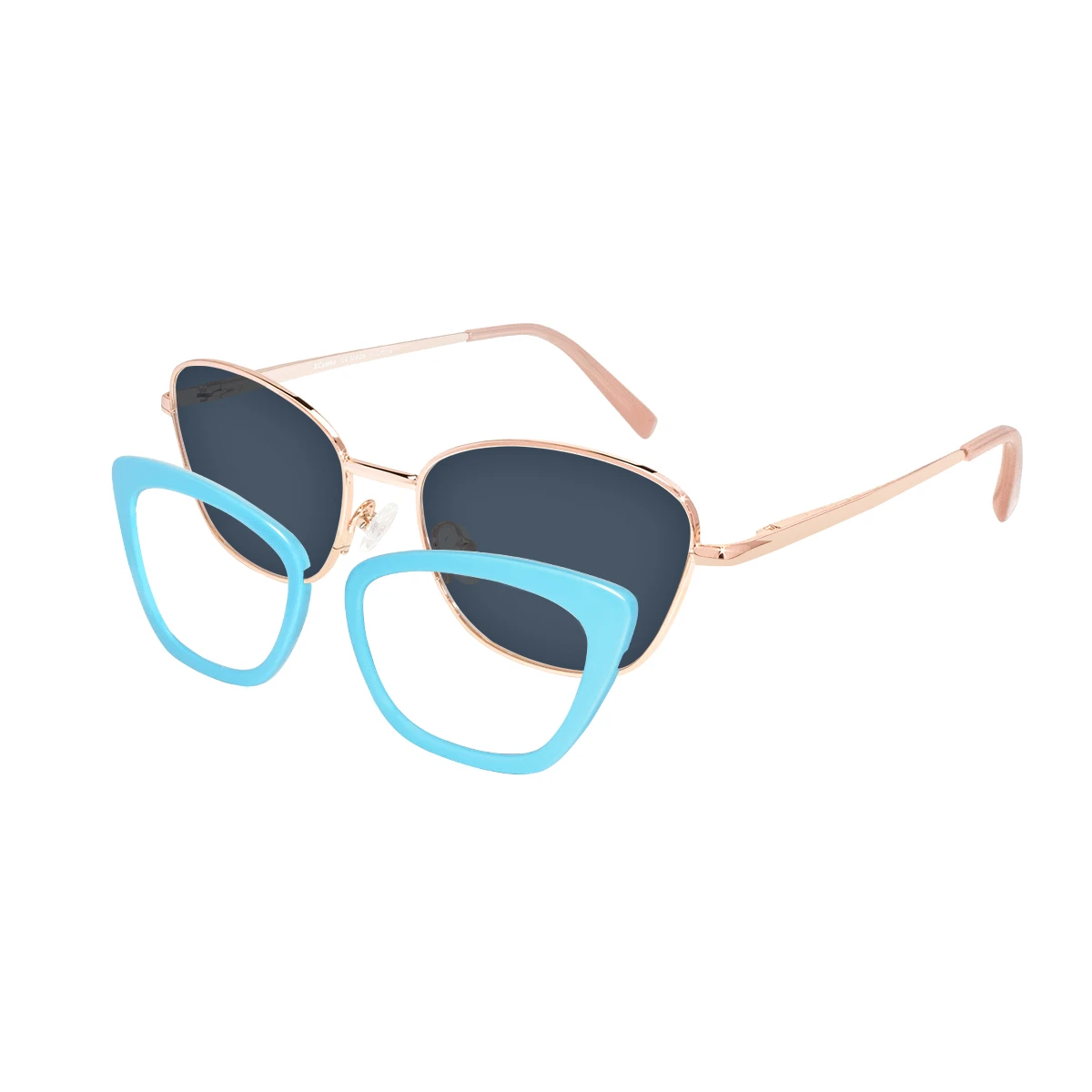
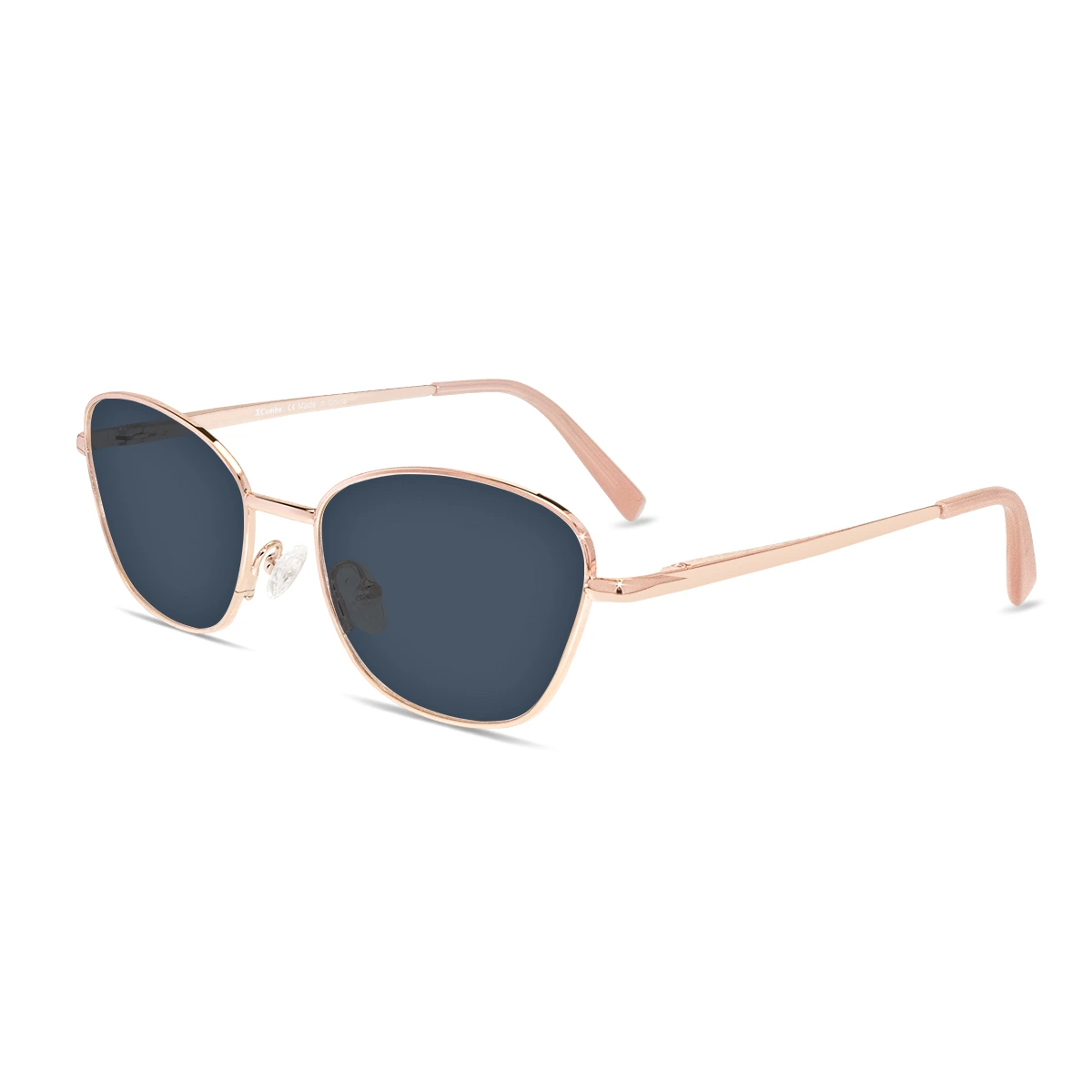
Mira Rose Gold Wide Cat Eye Sunglasses – Metal Frame, Tinted Lenses - Interchangeable Eyewear
The Mystery of the “Red Mark”: Why Your Nose Bridge Deserves a Custom Curvature Design
For millions of people who wear glasses every day, there is a familiar experience that often goes unnoticed until it becomes uncomfortable:...
How to Clean 3D-Printed Glasses Properly: Avoid These Chemicals to Protect Your Frame’s Texture and Finish
3D-printed eyewear is redefining what modern glasses can be. Lightweight structures, customized fits, intricate geometries, and innovative materials have transformed frames from...
Understanding Diopters: What You Need to Know About Your Eyeglass Prescription
When you receive an eye prescription, it may appear as a series of numbers instead of the usual medical instructions. These numbers...
How Custom Frame Height Can Perfectly Balance Your Midface Proportions: The Ultimate Guide to Eyewear Geometry and Facial Harmony
Eyeglasses are often chosen for vision correction or style, but few people realize that frames are also powerful tools of facial architecture....
DIY Your Signature Custom Eyewear: The Hottest Global Mix-and-Match Modular Glasses Trends
Sunglass tintColored fashion overlayBlue-light filterMirrored finishPatterned decorative layerThese allow instant visual transformation.Interchangeable LensesAdvanced systems allow users to swap lenses for different purposes:Prescription...
Can Dish Soap Really Clean Your Glasses? An Expert Guide to Safe Lens Care
Clean lenses can make the difference between crisp, comfortable vision and a day full of eye strain, glare, and frustration. Yet despite...
Micron-Level Locking: How Black-Tech Clip Systems Keep Optical Centers from Ever Shifting
In precision eyewear manufacturing, one truth separates premium performance from mediocre optics:If the optical center moves—even slightly—the visual experience degrades.Blur creeps in.Eye...
The Zenith of Lightweight: The "Black Tech" Revolution in Customized Eyewear Materials
For the discerning eyewear wearer, the struggle has always been a trade-off between personality and pressure. We crave the bold, architectural lines...
From a Materials Science Perspective: What Materials Work Best for Custom Eyewear with Mechanical Snap-Fit Structures?
Modern eyewear design has moved far beyond simple hinges and screws. As customization becomes the new standard in optical products, designers and...
What Do the Numbers on Your Glasses Mean? Complete Guide to Frame Measurements
Ever noticed the small numbers inside your glasses frame and wondered what they meant? These numbers aren’t just random; they represent essential...
What to Do When Your Glasses Screws Come Loose: The Complete Emergency Eyeglass Repair Kit Guide
Few everyday frustrations are as unexpectedly disruptive as a loose screw in your eyeglasses. One moment your glasses feel perfectly normal, and...
Not Just Prescription Power: Why Facial Measurement Data Is the Real Key to Perfect Eyewear
When most people think about buying glasses, they focus on one thing: prescription strength. Whether it’s nearsightedness, farsightedness, or astigmatism, the assumption...