

How to Clean 3D-Printed Glasses Properly: Avoid These Chemicals to Protect Your Frame’s Texture and Finish
3D-printed eyewear is redefining what modern glasses can be. Lightweight structures, customized fits, intricate geometries, and innovative materials have transformed frames from mass-produced accessories into precision-engineered personal objects.
But with innovation comes a new challenge many owners don’t expect:
Traditional glasses cleaning methods can quietly damage 3D-printed frames.
What works perfectly for acetate or metal frames may gradually dull, weaken, or discolor 3D-printed materials. Harsh cleaners, alcohol-based wipes, and even common household products can alter surface textures or compromise structural integrity over time.
If you’ve invested in 3D-printed glasses — whether for comfort, sustainability, or advanced design — proper cleaning isn’t just about hygiene. It’s about preserving texture, color depth, flexibility, and long-term durability.
This guide explains how to clean 3D-printed eyewear safely, which chemicals to avoid, and how small daily habits can protect the unique qualities that make these frames special.
Why 3D-Printed Glasses Require Different Care
Unlike traditional frames carved from solid sheets of acetate or bent from metal wire, 3D-printed frames are built layer by layer using additive manufacturing.
This process creates microscopic characteristics that influence cleaning behavior:
- Micro-textured surfaces
- Controlled porosity
- Complex internal structures
- Specialized polymers or nylon composites
These features allow for lightweight strength and customization — but they also make frames more sensitive to chemical exposure.
Cleaning methods designed for smooth, non-porous materials may interact differently with layered surfaces.
Common Materials Used in 3D-Printed Eyewear
Understanding your frame material helps explain why certain cleaners are risky.
1. Nylon (PA12)
One of the most common materials in premium 3D-printed eyewear.
Characteristics:
- Strong yet flexible
- Slightly porous surface
- Matte or soft-touch finish
Sensitive to:
- Strong solvents
- Oil-stripping chemicals
2. Resin-Based Prints
Often used for highly detailed designs.
Characteristics:
- Smooth surface
- Rigid structure
- Fine detail resolution
Sensitive to:
- Alcohol exposure
- UV degradation combined with chemicals
3. Composite or Powder-Fused Polymers
Advanced blends designed for durability and comfort.
Characteristics:
- Lightweight
- Engineered textures
- Dye-infused coloration
Sensitive to:
- Abrasive cleaners
- Chemical whitening agents
The Biggest Cleaning Mistake People Make
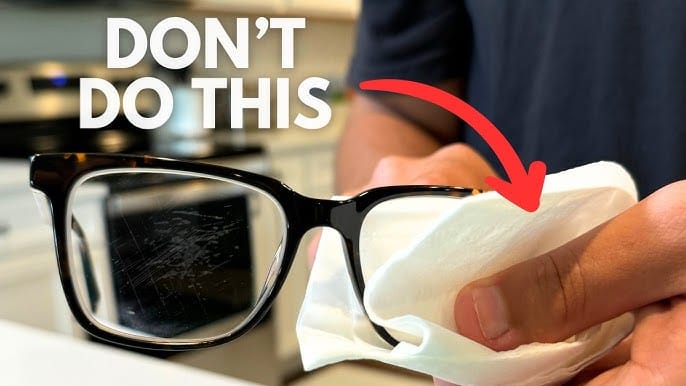
Many people treat glasses cleaning wipes as universally safe.
In reality, disposable lens wipes frequently contain:
- Isopropyl alcohol
- Ammonia derivatives
- Fast-evaporating solvents
These ingredients clean lenses effectively but may gradually dry out polymer structures.
Over time, this can lead to:
- Fading color
- Chalky surfaces
- Reduced flexibility
- Micro-cracking
Damage often appears months later, making the cause difficult to identify.
Chemicals You Should Avoid Using on 3D-Printed Frames
1. Alcohol (Isopropyl or Ethanol)
Alcohol removes oils efficiently but also extracts plasticizers that maintain flexibility.
Long-term effects include:
- Surface dryness
- Loss of matte texture
- Increased brittleness
Alcohol exposure is one of the leading causes of premature aging in polymer frames.
2. Acetone or Nail Polish Remover
Even minimal exposure can permanently damage many printed materials.
Possible results:
- Surface melting
- Glossy patches
- Structural weakening
Never use acetone near your eyewear.
3. Ammonia-Based Cleaners
Common in glass and household cleaners.
Risks include:
- Color fading
- Surface stress marks
- Material degradation
4. Bleach or Disinfectant Sprays
Strong oxidizing agents attack polymers at a molecular level.
Even diluted solutions can cause discoloration.
5. Vinegar or Acidic Cleaners
Often recommended as natural cleaners, but acidity can alter dye stability and surface coatings.
Natural does not always mean safe.
The Safe Way to Clean 3D-Printed Glasses (Step-by-Step)
Step 1: Rinse With Lukewarm Water
Always start by rinsing frames under gentle running water.
This removes dust particles that could scratch surfaces during wiping.
Avoid hot water, which may warp certain polymers.
Step 2: Use Mild Soap Only
Choose a fragrance-free dish soap without moisturizers or antibacterial additives.
Apply a tiny drop using fingertips.
Gently clean:
- Nose pads
- Temple arms
- Hinges
- Frame edges
Avoid scrubbing aggressively.
Step 3: Focus on Texture-Friendly Cleaning
Because printed frames may have micro-textures, use soft circular motions rather than back-and-forth rubbing.
This preserves uniform surface appearance.
Step 4: Rinse Thoroughly
Soap residue can attract dirt if left behind.
Rinse carefully around hinges and joints.
Step 5: Air Dry or Pat Dry
Use a microfiber cloth to gently pat dry.
Avoid paper towels or tissues, which contain wood fibers that scratch surfaces.
How Often Should You Clean 3D-Printed Frames?
Recommended routine:
- Daily: Quick rinse or microfiber wipe
- Weekly: Full gentle wash
- Monthly: Deep inspection and detailed cleaning
Frequent light cleaning is safer than occasional aggressive cleaning.
Why Texture Matters in 3D-Printed Eyewear
One defining feature of 3D-printed frames is tactile texture.
Unlike glossy acetate, many designs intentionally maintain:
- Matte finishes
- Soft-touch surfaces
- Micro-grain structures
Harsh cleaners polish these textures unintentionally, creating uneven shine patches.
Once texture changes, restoration is difficult.
Lens Cleaning vs Frame Cleaning: Treat Them Separately
A key habit professionals recommend:
Clean lenses and frames using different methods.
Lens sprays often contain solvents safe for coatings but not ideal for frames.
Spray onto cloth first — never directly onto frames.
Travel Cleaning Tips
When traveling, avoid using:
- Hotel hand soap (often moisturizing)
- Sanitizing wipes
- Bathroom surface cleaners
Instead, carry:
- Small microfiber cloth
- Travel-size gentle soap
- Protective case
Consistency prevents accidental damage.
The Hidden Enemy: Sunscreen and Cosmetics
Many users notice frame discoloration near temples or nose areas.
The culprit is often:
- Sunscreen
- Foundation
- Hair spray
- Styling products
These contain oils and chemicals that accumulate in textured surfaces.
Clean glasses after heavy product use to prevent buildup.
Storage Habits That Reduce Cleaning Needs
Proper storage minimizes contamination.
Best practices:
- Store in breathable cases
- Avoid sealed humid environments
- Keep away from heat sources
- Never place lenses downward
Less exposure means less aggressive cleaning later.
Signs Your Cleaning Routine Is Too Harsh
Watch for early warning signs:
- Surface turning shiny in spots
- Color fading unevenly
- Frame feeling stiffer
- Fine white stress lines
If these appear, switch immediately to gentler methods.
Can Ultrasonic Cleaners Be Used?
Ultrasonic cleaners are popular for jewelry and traditional eyewear.
For 3D-printed frames:
Use caution.
Safe only if:
- Low power setting
- Short cleaning cycles
- Mild detergent solution
High-frequency vibration may stress layered structures over time.
Professional Cleaning: When Is It Necessary?
Consider professional service if:
- Oil buildup becomes embedded
- Hinges accumulate debris
- Frames feel sticky despite washing
Optical professionals use controlled cleaning solutions designed for delicate materials.
Long-Term Care for Preserving Appearance
Maintaining 3D-printed eyewear isn’t complicated — it’s consistent.
Key habits include:
- Gentle cleaning
- Chemical awareness
- Proper storage
- Regular inspection
Small preventative actions dramatically extend frame lifespan.
Why Proper Care Protects Sustainability Benefits
Many people choose 3D-printed glasses because of reduced material waste and sustainable manufacturing.
Extending product lifespan enhances these environmental benefits.
Less replacement means fewer resources consumed.
Care routines become part of responsible ownership.
Frequently Asked Questions
Can I use regular eyeglass spray?
Yes for lenses, but avoid direct contact with frames unless labeled safe for polymers.
Are baby wipes safe?
Usually not. Many contain alcohol or preservatives.
Is hand sanitizer okay in emergencies?
Only on lenses temporarily — never soak frames.
The Future of Eyewear Maintenance
As eyewear technology evolves, care routines evolve as well.
3D printing introduces materials optimized for comfort and innovation, but these materials reward thoughtful maintenance rather than aggressive cleaning.
Owners who understand material behavior enjoy frames that maintain their original feel and appearance for years.
Final Thoughts: Cleaning Is Preservation, Not Just Hygiene
3D-printed glasses are more than vision tools — they are precision-crafted objects shaped by advanced manufacturing.
Protecting them doesn’t require complicated products or expensive treatments. It simply requires avoiding harsh chemicals and adopting gentler habits aligned with modern materials.
Warm water. Mild soap. Soft handling.
These simple practices preserve texture, color, flexibility, and comfort — ensuring your frames continue to look and feel exactly as intended.
Because the goal of cleaning isn’t just to make glasses look new today.
It’s to help them stay exceptional tomorrow.
Share this post
Soline Ice Blue Interchangeable Base Frame – Wide Rectangle Metal Glasses
Soline Interchangeable Sunglasses – Metallic Silver, Wide Rectangle, Tinted Lenses


Mira Classic Gold Metal Sunglasses – Wide Cat Eye, Tinted Lenses - Interchangeable Eyewear


1 Base Frame + 3 Toppers | Interchangeable Glasses Bundle | Magnet-free Modular Eyewear | Cat Eye
Living a Multifaceted Life: How Custom Modular Eyewear Defines Your Personal Identity
Yet for years, eyewear has tried to force all these identities into one fixed frame.In a world where people change roles, moods,...
The Secret Weapon for Sculpting Your Face: How to Customize Eyewear Based on Your Cheekbones and Brow Shape
When it comes to elevating your appearance, most people think about hairstyles, makeup, or wardrobe upgrades. But there’s one transformative accessory that...
How Mechanical Clip Systems Make Quick Temple Replacement Possible: The Future of Modular Eyewear Design
Eyewear has evolved far beyond simple vision correction. Today, glasses are fashion statements, performance tools, and everyday essentials that must adapt to...
Why Your Glasses Keep Getting Looser Over Time: How Improper Handling Causes Hidden Structural Damage
Glasses are designed to be durable, precise, and comfortable. Yet many people notice the same frustrating pattern: a new pair fits perfectly...
Summer Warning: Why You Should Never Leave Your Eyeglasses in a Hot Car
When summer arrives, most people think about beach days, road trips, and long hours of sunshine. But with rising temperatures comes a...
Are Pink Glasses in Style?
Pink glasses are a timeless symbol of charm and personality. They evoke feelings of compassion, love, and hope, making them a popular...