


What Do the Numbers on Your Glasses Mean? Complete Guide to Frame Measurements
Ever noticed the small numbers inside your glasses frame and wondered what they meant? These numbers aren’t just random; they represent essential measurements that help you choose the right glasses. Understanding them can make shopping for new frames easier, whether you're replacing an old pair or buying glasses for the first time.
In this guide, we’ll break down what each number means and how you can use them to find the perfect pair of glasses that fit comfortably and suit your style.
Where to Find Your Glasses Frame Size
You can typically find the frame measurements on the inner side of the temple (the arm of the glasses). Look closely; the numbers may be printed, etched, or stamped into the frame. If you can't find them, check both sides of the temple, or even on the nose pads for metal frames.
Common Frame Size Format
The frame size is usually presented in a series of three numbers, such as 52-18-140. Here's what each number represents:
- First number (52): Lens width
- Second number (18): Bridge width
- Third number (140): Temple length
All these measurements are given in millimeters.
Understanding Lens Width
The first number (lens width) indicates how wide each lens is. For example, a lens width of 52mm is considered standard for many adults.
Lens Width and Face Size
- Narrower Faces: If you have a narrow face, go for lenses between 40mm and 48mm.
- Wider Faces: If you have a wider face, consider lenses ranging from 54mm to 62mm.
The right lens width is important for comfort and ensuring the glasses fit within the natural width of your face.
Signs Your Lens Width May Be Incorrect
- Glasses extend beyond your face: The lens width might be too wide.
- Glasses pinch or hurt your temples: The lens width might be too small.
- Pupils aren't centered in the lens: This could also be a sign of an incorrect lens width.
If you're unsure, it's better to go with a slightly smaller size to avoid frames that feel too loose or unbalanced.
Understanding Bridge Width
The bridge width is the distance between the lenses, which sits across your nose. The middle number, like 18mm in the example 52-18-140, represents this measurement.
Ideal Bridge Width Based on Nose Structure
- Higher Nose Bridges: Choose a bridge width of 18mm to 21mm.
- Lower or Flatter Nose Bridges: Opt for a smaller bridge width of 14mm to 17mm.
- Average Nose Bridges: Standard bridge widths between 16mm and 18mm work for most people.
Signs Your Bridge Width Isn’t Right
- Too Wide: If your glasses slide down, the bridge is too wide.
- Too Narrow: Pinching or red marks on your nose suggest a narrower bridge.
- Uneven Fit: If the glasses tilt, it may be due to an incorrect bridge width.
Understanding Temple Length
The last number (temple length) refers to the length of the arms that extend over your ears. In our example, 140mm is a common temple length.
Choosing the Right Temple Length
- Short Temples (135mm): For smaller faces or shorter distances from temple to ear.
- Standard Temples (140-145mm): Ideal for most adult sizes.
- Long Temples (150mm+): Best for larger faces or longer distances from temple to ear.
Signs Your Temple Length Isn’t Right
- Too Long: If the temples extend too far beyond your ears, they may be too long.
- Too Short: If they feel tight or press behind your ears, the length is too short.
How Frame Measurements Work Together
Calculating Total Frame Width
To determine the total frame width, add the lens width twice and the bridge width. For example:
- 52-18-140 → Total Width = 52 + 52 + 18 = 122mm
How Frame Measurements Affect Fit
- Wide Lens + Narrow Bridge: Creates balance for round or wider faces.
- Small Lens + Wide Bridge: Softens features and provides stability for square or narrow faces.
- Medium Lens + Medium Bridge: Offers a versatile fit for most face shapes.
- Wide Lens + Long Temple: Best for larger faces or those who want extra stability.
Choosing the Right Frames for Your Face Shape
Round Faces
- Recommended Measurements: Wide lens (52-54mm), narrow bridge (16-17mm)
- Effect: Creates length and slims the face
Square Faces
- Recommended Measurements: Balanced lens (48-50mm), medium bridge (18-20mm)
- Effect: Softens angular features
Heart-Shaped Faces
- Recommended Measurements: Medium lens (50-52mm), wider bridge (18-20mm)
- Effect: Balances facial proportions
Oval Faces
- Recommended Measurements: Flexible fit with most measurements
- Effect: Works with various styles
What to Do If Your Glasses Don’t Fit Well
- Frames Slide: Try a smaller bridge width or longer temples.
- Frames Pinch: Look for a wider bridge or different temple curve.
- Frames Look Unbalanced: Adjust the proportions between the lens width and bridge.
- Frames Feel Heavy: Consider how the measurements distribute the weight across the frame.
Share this post


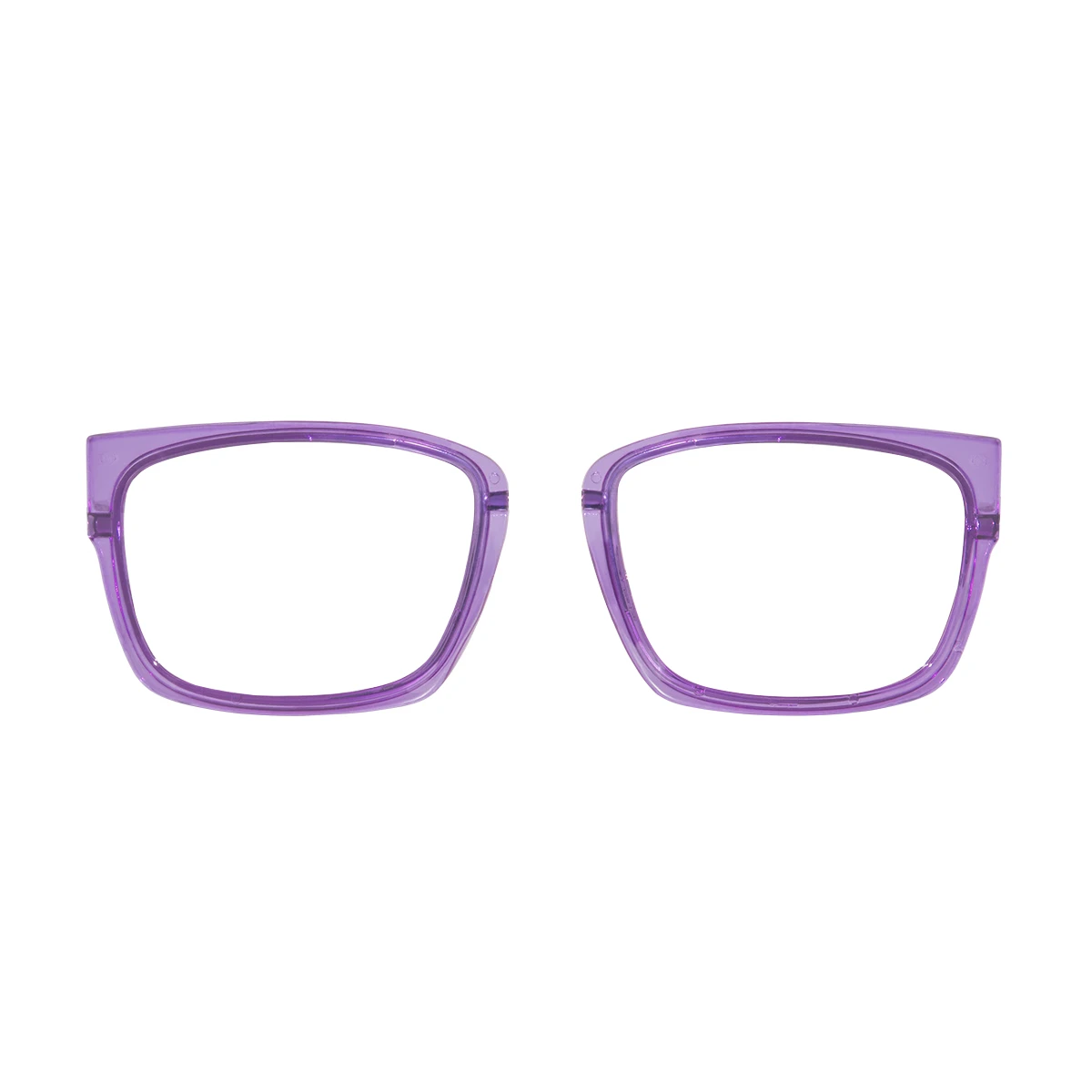
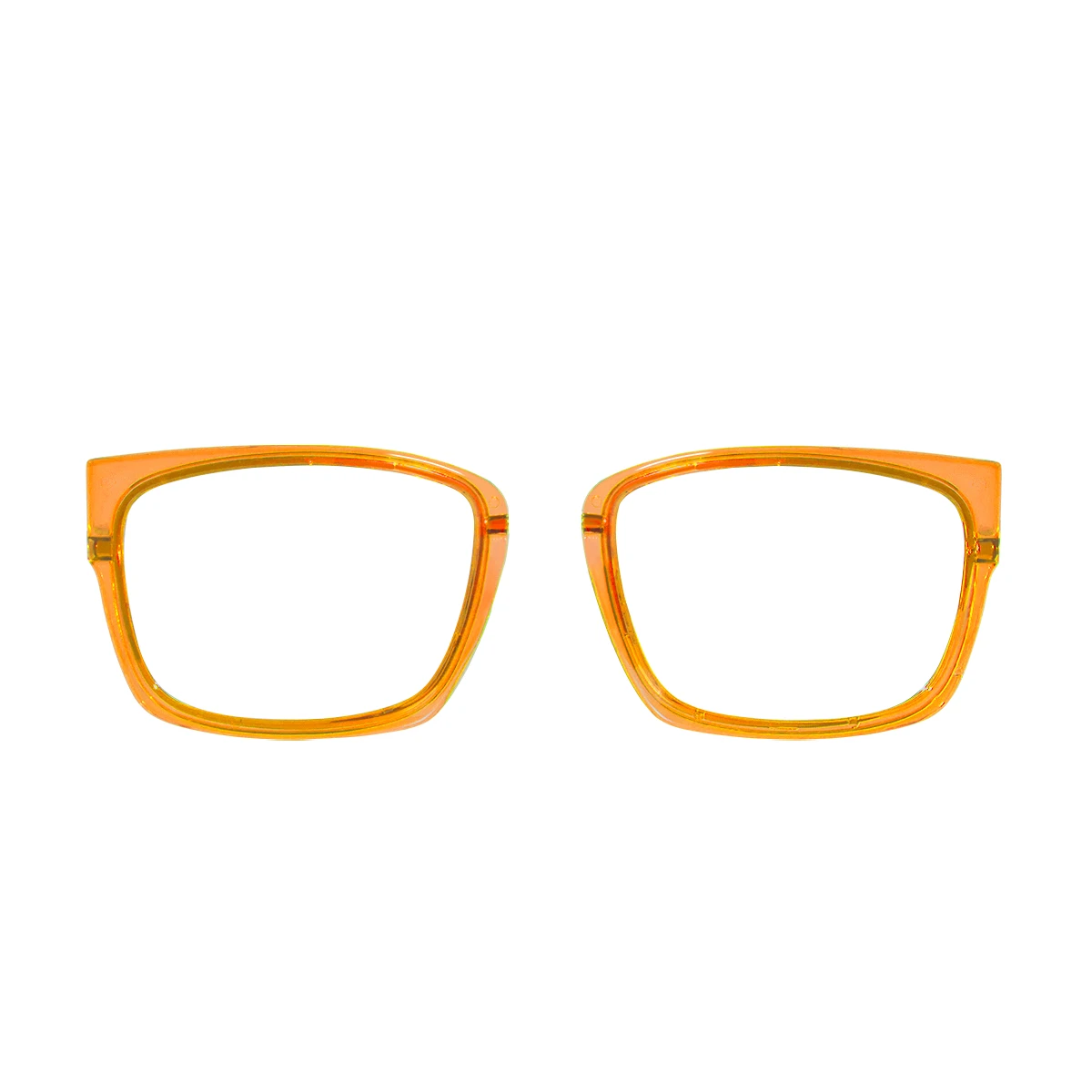
- Burgundy – Crystal (C01)
- Red – Crystal(C02)
- Burnt Orange – Crystal(C03)
- Marmalade – Crystal(C04)
- Sunshine Yellow – Crystal(C05)
- Lime Green – Crystal(C06)
- Sage – Crystal(C08)
- Green Forest – Crystal(C07)
- Army Green – Crystal(C09)
- Spruce – Crystal(C10)
- Turquiise – Crystal(C11)
- Cornflower– Crystal(C12)
- Navy – Crystal(C13)
- Indigo – Crystal(C14)
- Blue Orchid – Crystal(C15)
- Mauve – Crystal(C16)
- Lavender – Crystal(C21)
- Purple – Crystal(C17)
- Grape – Crystal(C18)
- Coral – Crystal(C19)
- Hot Pink – Crystal(C20)
- Chocolate – Crystal(C22)


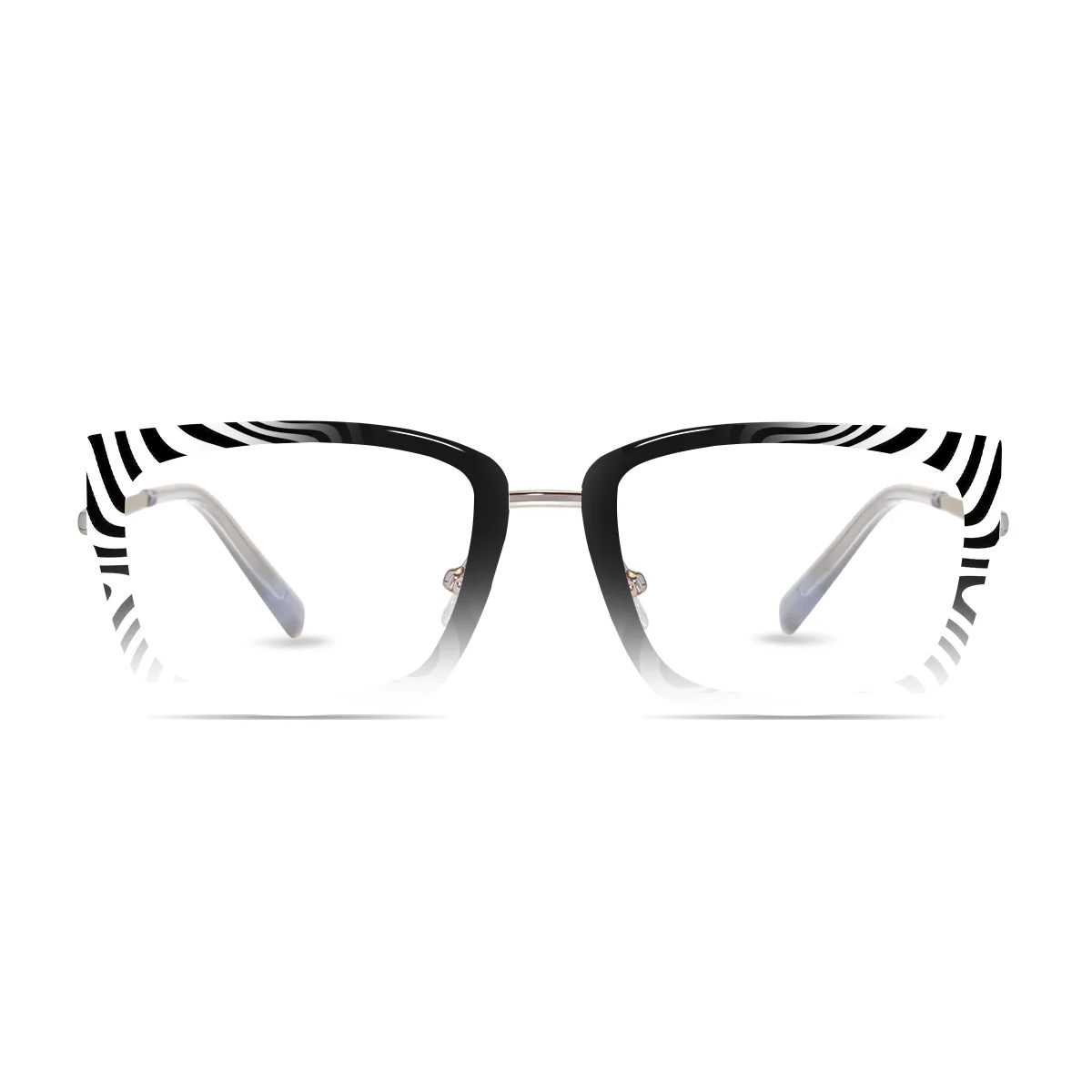
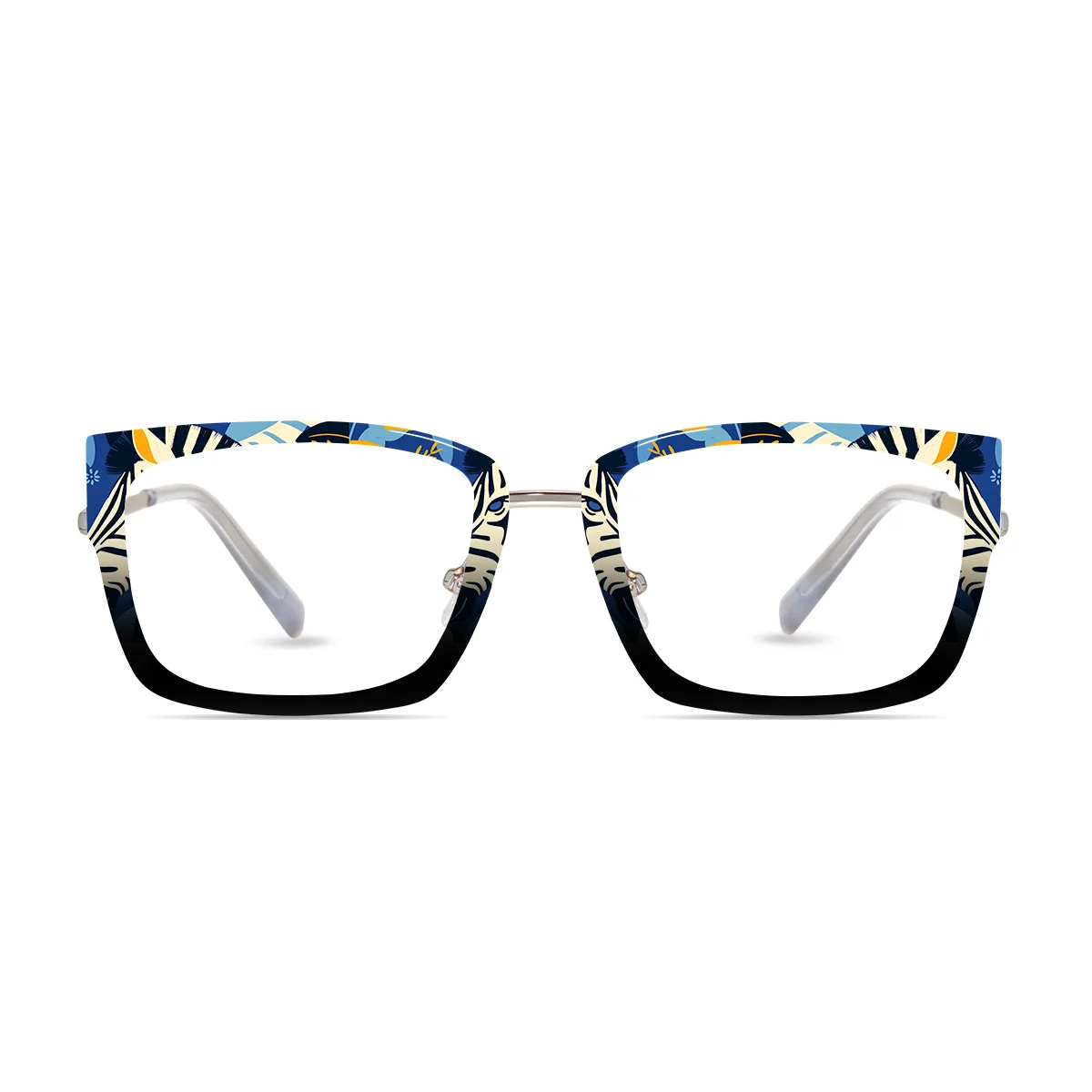



- Deep Burgundy - Solid (S01)
- Red - Solid (S02)
- Burnt Orange - Solid (S03)
- Marmalade - Solid (S04)
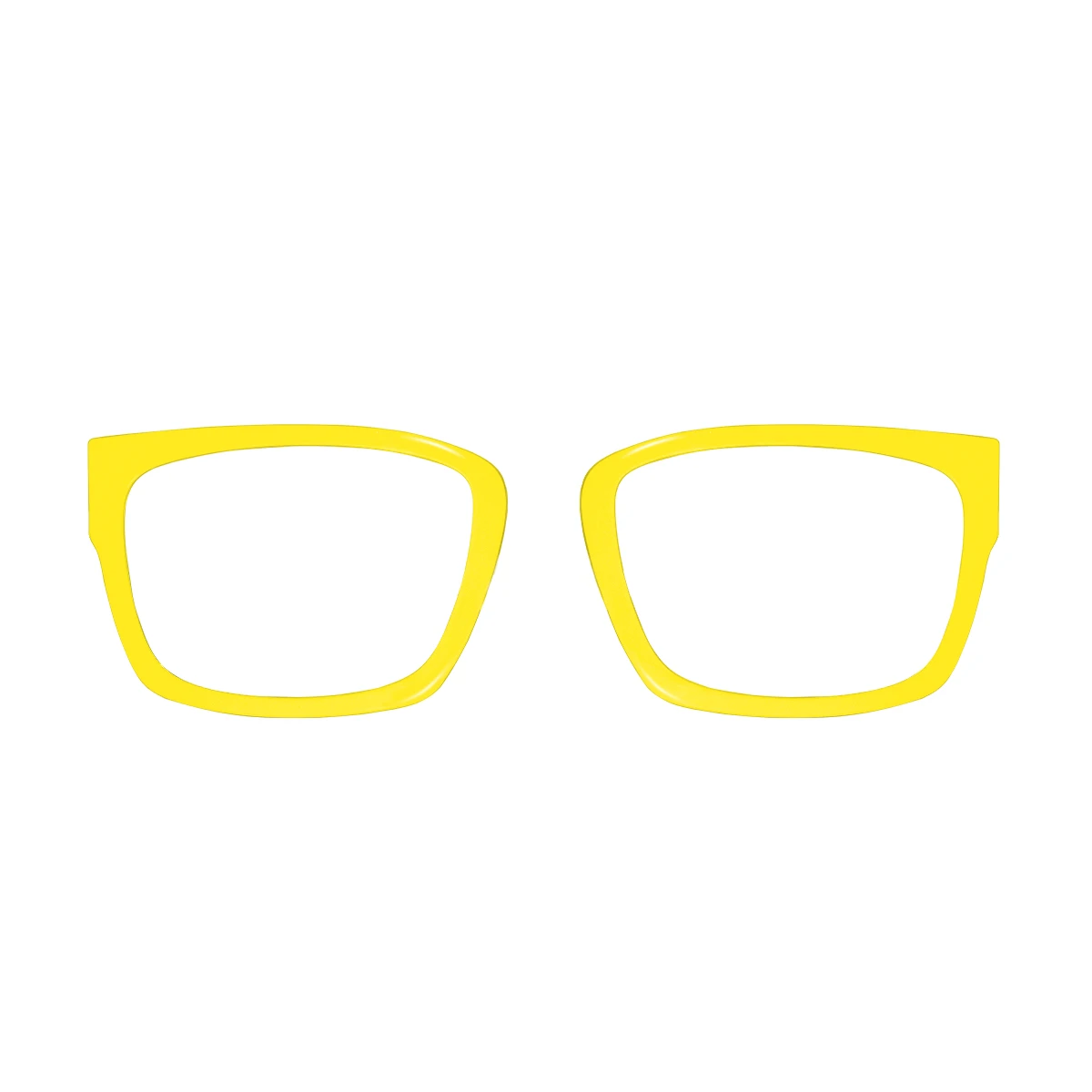
- Sunshine Yellow - Solid (S05)
- Lime Green - Solid (S06)
- Green Forest - Solid (S07)
- Sage - Solid (S08)
- Army Green - Solid (S09)
- Spruce - Solid (S10)
- Turquiise - Solid (S11)
- Cornflower blue - Solid (S12)
- Navy - Solid (S13)
- Indigo - Solid (S14)
- Blue Orchid - Solid (S15)
- Lavender - Solid (S21)
- Mauve - Solid (S16)
- Purple - Solid (S17)
- Grape - Solid (S18)
- Warm Coral - Solid (S19)
- Hot Pink - Solid (S20)
- Chocolate - Solid (S22)
- Black – Solid (S23)
- White - Solid (S24)





Is It Time for New Glasses? 4 Signs Maintenance Can’t Save Them Anymore
Introduction: When “Good Enough” Stops Being GoodMost people hold onto their glasses longer than they should. It’s understandable—frames still look okay, lenses...
Protecting Your Cards and Devices: Avoiding the Hidden Risks of Strong Magnets in Everyday Life
Magnets are everywhere in modern life. From refrigerator doors and wireless chargers to phone accessories and smart home gadgets, magnetic technology has...
Micron-Level Locking: How Black-Tech Clip Systems Keep Optical Centers from Ever Shifting
In precision eyewear manufacturing, one truth separates premium performance from mediocre optics:If the optical center moves—even slightly—the visual experience degrades.Blur creeps in.Eye...
Minimalist Maintenance: Spend 30 Seconds a Day and Make Your Custom Glasses Last 5 More Years
Introduction: The Hidden Lifespan of Custom EyewearCustom glasses are more than a vision correction tool — they are precision instruments tailored to...
3D Printed Eyewear: Gimmick or the Future? Achieving Micron-Level Precision in Bespoke Optics
For decades, the experience of buying glasses has remained remarkably stagnant. You walk into a brightly lit store, try on dozens of...
How To Measure Frame Size
Choosing the proper size is crucial for ensuring your glasses fit perfectly. To determine your ideal size, you can either check the...
From Matte to Glossy Again: Professional Restoration Solutions for Worn Custom Eyewear Frames
Introduction: When Premium Frames Start Losing Their Original FinishCustom eyewear frames are more than vision tools—they are personal style statements, daily companions,...
Digital Face Scanning: Marketing Hype or the Future of Millimeter-Level Eyewear Fit?
Walk into a modern optical store or browse premium eyewear brands online today, and you’ll likely encounter a bold promise: digital face...
Zero-Screw Design: Why Mechanical Snap-Fit Structures Are the Future of Custom Eyewear
Introduction: The Tiny Screw That Defined an IndustryFor more than a century, eyewear design has relied on one surprisingly fragile component: the...
To the One and Only You - The Aesthetics of Custom Glasses
In a world where trends spread faster than taste, eyewear has quietly become one of the last personal frontiers.You can wear the...
Not Just Prescription Power: Why Facial Measurement Data Is the Real Key to Perfect Eyewear
When most people think about buying glasses, they focus on one thing: prescription strength. Whether it’s nearsightedness, farsightedness, or astigmatism, the assumption...
How Mechanical Snap-Fit Custom Eyeglasses End the Frustration of Losing Tiny Screws
For decades, the structure of eyeglasses has remained largely unchanged. Two lenses, a frame, hinges, and a pair of microscopic screws holding...