

Is It Time for New Glasses? 4 Signs Maintenance Can’t Save Them Anymore
Introduction: When “Good Enough” Stops Being Good
Most people hold onto their glasses longer than they should. It’s understandable—frames still look okay, lenses still “kind of” work, and replacing them feels like an unnecessary expense. So you clean them more carefully, tighten a screw here and there, maybe even ignore the small annoyances that creep in over time.
But here’s the reality: glasses are precision tools, not just accessories. When they start to fail, they don’t always do so dramatically. Instead, they degrade slowly—affecting your vision, comfort, and even your long-term eye health.
At some point, no amount of cleaning, adjusting, or repair will bring them back to their original performance. Knowing when that point arrives can save you from headaches, eye strain, and unnecessary frustration.
This guide breaks down four clear signals that it’s time to replace your glasses—no matter how well you’ve maintained them.

Why Glasses Don’t Last Forever
Before diving into the warning signs, it’s important to understand why glasses wear out in the first place.
Daily Wear and Tear
Everyday use exposes your glasses to:
- Dust and debris
- Skin oils and sweat
- Temperature changes
- Accidental drops and pressure
Over time, these factors degrade both lenses and frames.
Coating Degradation
Modern lenses often include coatings such as:
- Anti-reflective layers
- Scratch resistance
- Blue light filters
These coatings are not permanent. They wear down with use, cleaning, and environmental exposure.
Subtle Structural Changes
Frames can slowly:
- Warp
- Loosen
- Lose alignment
Even minor changes can affect how lenses sit in front of your eyes.
Signal #1: Persistent Scratches That Affect Vision
The Problem
A few light scratches might seem harmless. But when scratches become widespread or deep, they start to interfere with how light passes through the lens.
What It Feels Like
- Glare increases, especially at night
- Bright lights appear starburst-like
- Vision seems slightly hazy or distorted
Why Maintenance Won’t Help
No cleaning method can remove scratches. In fact, improper cleaning often causes them in the first place.
Once the lens surface is damaged:
- Light scatters unpredictably
- Optical clarity is permanently reduced
When to Replace
If scratches are noticeable during normal use—not just under bright inspection—it’s time for new lenses.
Signal #2: Worn-Out Lens Coatings
The Problem
Lens coatings degrade over time, even with proper care.
Signs of Coating Failure
- Peeling or patchy areas
- Rainbow-like discoloration
- Increased glare or reflections
- Difficulty seeing clearly in bright environments
Why It Matters
Coatings are not just cosmetic—they improve:
- Visual clarity
- Light transmission
- Eye comfort
When they fail, your lenses may technically still “work,” but the experience becomes noticeably worse.
Why You Can’t Fix It
Once coatings break down:
- They cannot be restored
- Polishing often makes the issue worse
Replacement is the only real solution.
Signal #3: Frequent Eye Strain or Headaches
The Problem
If your eyes feel tired or strained after wearing your glasses, something isn’t right.
Common Symptoms
- Headaches after screen use
- Difficulty focusing
- Needing to squint
- Feeling like your vision isn’t “sharp enough”
Possible Causes
- Outdated prescription
- Lens misalignment
- Frame warping
- Optical center shifting
Why Adjustments Aren’t Enough
Even if your frames are adjusted:
- The lenses may no longer match your current vision needs
- Small misalignments can’t always be corrected
When to Replace
If discomfort persists despite cleaning and minor adjustments, it’s time to update your glasses—and likely your prescription.
Signal #4: Frames That No Longer Fit Properly
The Problem
Frames are the foundation of your glasses. When they lose their shape, everything else suffers.
Warning Signs
- Glasses slide down your nose constantly
- Uneven pressure on your ears
- Frames feel loose or unstable
- Lenses sit crooked in front of your eyes
What Causes It
- Material fatigue
- Heat exposure
- Repeated bending and adjustments
Why Repairs Have Limits
You can only adjust frames so many times before:
- They weaken
- They lose structural integrity
- They stop holding alignment
When to Replace
If adjustments no longer hold or the frame keeps shifting out of place, it’s time for a new pair.
Bonus Signal: Your Lifestyle Has Changed
Even if your glasses are technically functional, they may no longer suit your needs.
Examples
- Increased screen time
- More outdoor activity
- New work environment
- Driving more at night
Why It Matters
Modern lenses can be customized for:
- Digital eye strain
- Blue light exposure
- UV protection
- Anti-glare performance
Upgrading your glasses can significantly improve comfort and efficiency.
The Hidden Costs of Holding On Too Long
Delaying replacement might seem cost-effective—but it often leads to:
Reduced Productivity
Blurry or uncomfortable vision slows you down.
Increased Eye Fatigue
Straining to see clearly puts extra stress on your eyes.
Safety Risks
Poor vision can affect:
- Driving
- Navigating unfamiliar environments
- Performing detailed tasks
How Long Should Glasses Last?
On average:
- Lenses: 1–2 years
- Frames: 1–3 years
However, this varies based on:
- Usage
- Care habits
- Environmental exposure
How to Extend the Life of Your Glasses
Even though replacement is inevitable, proper care can delay it.
Best Practices
- Use a microfiber cloth for cleaning
- Store glasses in a protective case
- Avoid placing them lens-down
- Clean regularly with lens-safe solutions
What to Look for in Your Next Pair
When it’s time to replace your glasses, consider:
Lens Features
- Anti-reflective coating
- Scratch resistance
- Blue light filtering
Frame Quality
- Durable materials
- Proper fit
- Lightweight design
Comfort and Fit
- Proper nose bridge alignment
- Balanced weight distribution
- Secure but comfortable fit
Building Better Habits Moving Forward
Replacing your glasses is also an opportunity to improve your routine.
Simple Upgrades
- Keep a cleaning kit with you
- Schedule regular eye exams
- Avoid using improper cleaning materials
The Psychological Barrier to Replacement
Many people delay replacing glasses because:
- “They still work”
- Cost concerns
- Attachment to a familiar look
But holding on too long often creates more problems than it solves.
A Practical Self-Check Routine
Ask yourself:
- Do I notice scratches during daily use?
- Are my lenses harder to clean than before?
- Do my eyes feel tired after wearing them?
- Do my frames stay in place without adjustment?
If you answer “no” to any of these, it may be time to upgrade.
Conclusion: Know When to Let Go
Glasses are essential tools for seeing clearly and living comfortably. But like any tool, they wear out. Maintenance can extend their life—but it can’t reverse permanent damage or outdated performance.
The four key signals—scratched lenses, coating failure, eye strain, and poor frame fit—are clear indicators that your glasses are no longer doing their job.
Recognizing these signs early allows you to:
- Maintain clear vision
- Protect your eye health
- Improve daily comfort
Replacing your glasses isn’t just about getting something new—it’s about restoring the clarity and confidence you rely on every day.
If your current pair is holding you back, it’s probably time to move on.

Share this post


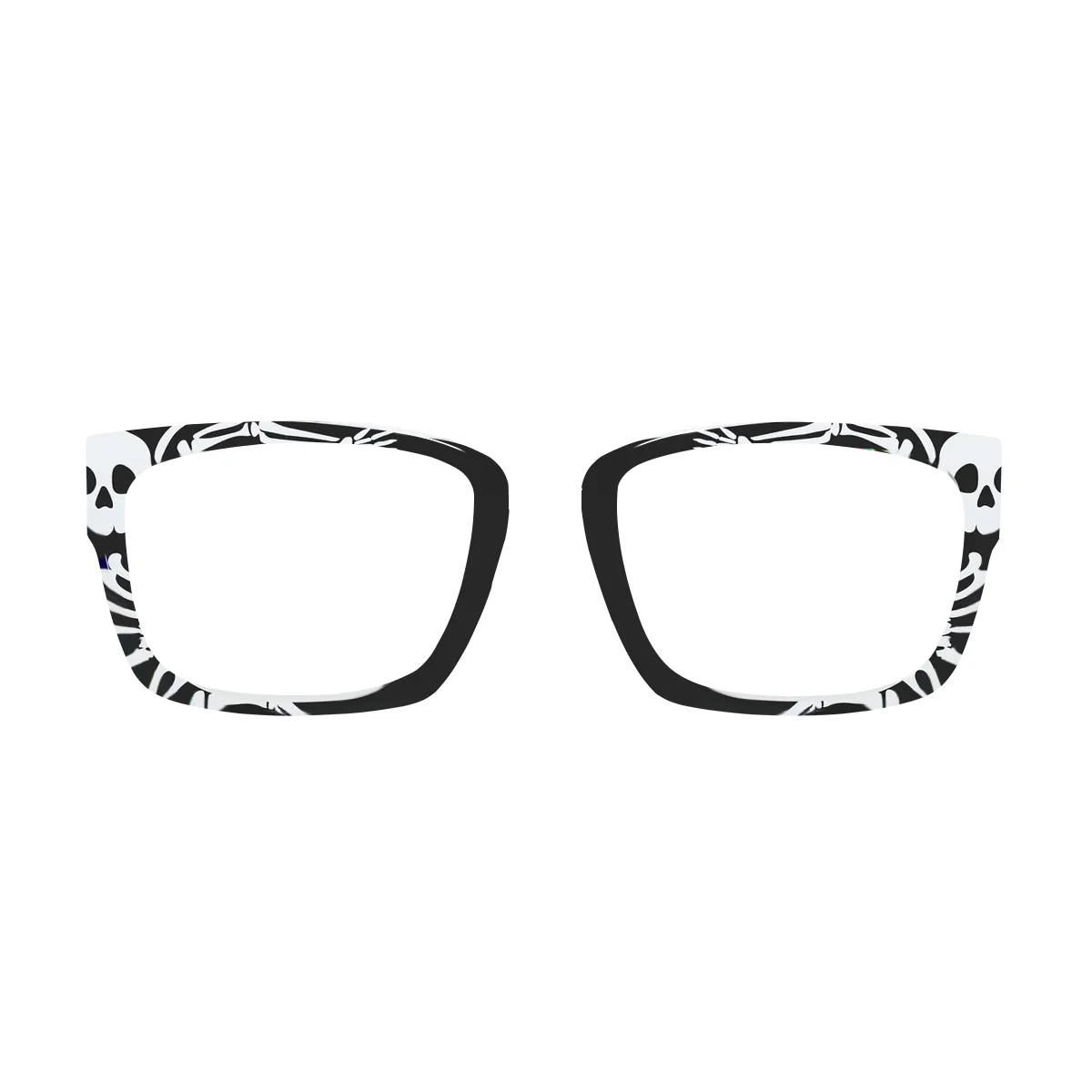
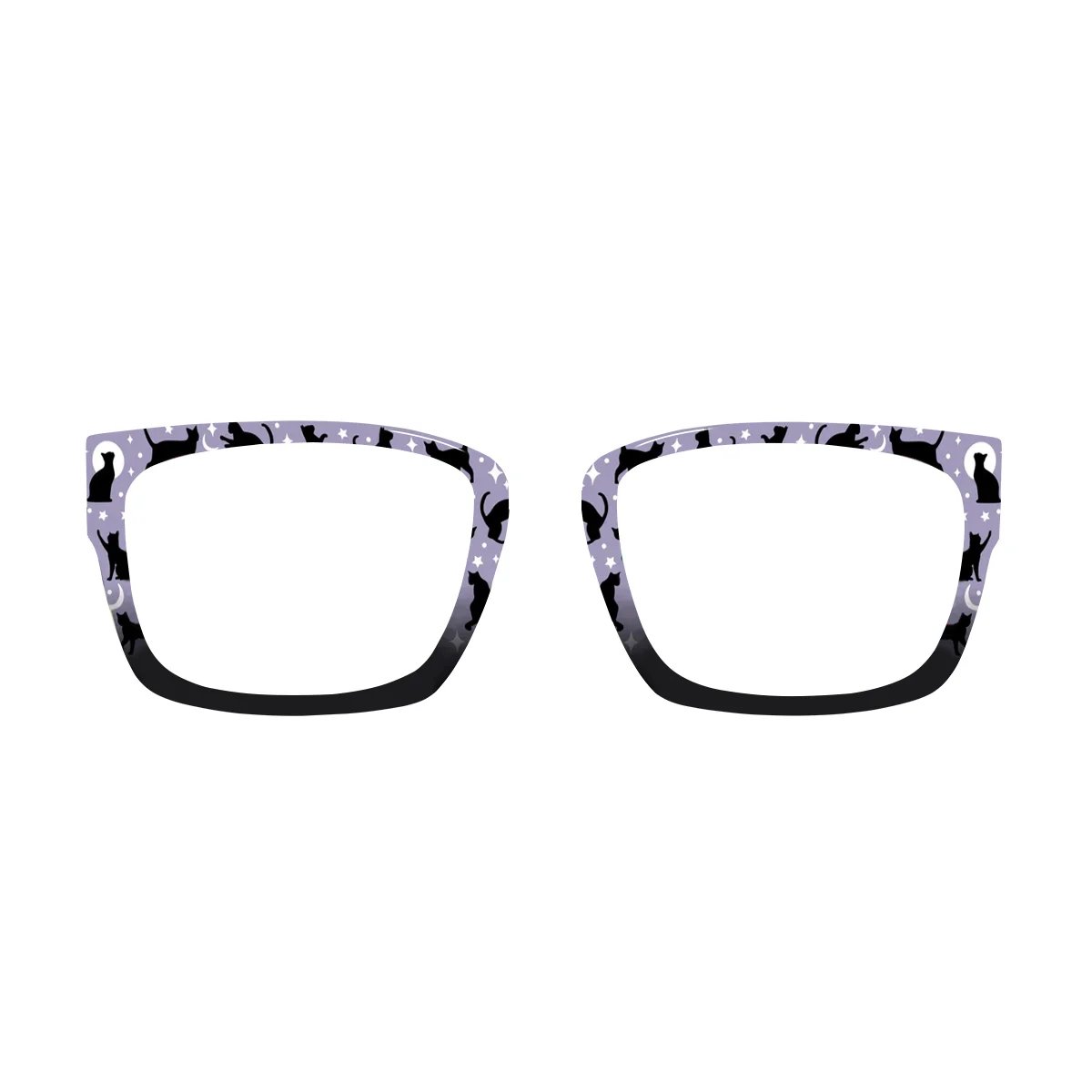
- Bone Rattle (PH01)
- Haunted Plaid (PH02)
- Pumpkin King (PH03)
- Night Sky Bat (PH04)
- Pumpkin Parade (PH05)
- Spooky Duo (PH06)
- Witch’s Cat (PH07)
- Mint Ghost (PH08)
- Dark Spell (PH09)
- Midnight Meow (PH10)
- Ghost Mosaic (PH11)
- Skull Storm (PH13)
- Wicked Glow (PH14)
- Haunted Gray (PH15)
- Phantom Mosaic (PH16)
- Midnight Dots (PH17)
- Haunted Medley (PH18)
- Nightmare Mix (PH19)
- Ghost Fade (PH20)
- Candy Curse (PH26)
- Ghost Drift (PH21)
- Pumpkin Fusion (PH22)
- Shadow Spirit (PH23)
- Spooky Toon (PH24)
- Demon Grin (PH25)
- Autumn Bloom (PH27)








Office Blue Light Protection, Outdoor UV Defense The Functional Logic Behind Modular Combination Glasses
We spend hours staring at digital screens in offices, homes, and cafés. Then we step outside into intense sunlight, exposed to ultraviolet...
Exploring Aerospace Materials in Modern Custom Eyeglasses
Eyeglasses are no longer just simple tools for vision correction. In the modern world, they have evolved into sophisticated products that blend...
How to Clean 3D-Printed Glasses Properly: Avoid These Chemicals to Protect Your Frame’s Texture and Finish
3D-printed eyewear is redefining what modern glasses can be. Lightweight structures, customized fits, intricate geometries, and innovative materials have transformed frames from...
Clear Isn’t Enough: How to Maintain Long-Term Transparency in High-Transmission Custom Lenses
Introduction: Why True Clarity Goes Beyond ShineWhen people think about clean eyeglass lenses, they usually imagine brightness—lenses that look shiny, polished, and...
Not Just Prescription Power: Why Facial Measurement Data Is the Real Key to Perfect Eyewear
When most people think about buying glasses, they focus on one thing: prescription strength. Whether it’s nearsightedness, farsightedness, or astigmatism, the assumption...
Say Goodbye to Blurry Vision: How to Effectively Remove Grease and Oil Buildup from Eyeglasses
For millions of people, eyeglasses are an essential part of daily life. Whether used for reading, driving, working, gaming, studying, or simply...
3D Printed Eyewear: Gimmick or the Future? Achieving Micron-Level Precision in Bespoke Optics
For decades, the experience of buying glasses has remained remarkably stagnant. You walk into a brightly lit store, try on dozens of...
From Aerospace to Everyday Wear: The “Black Tech” of Beta Titanium and Carbon Fiber in Custom Eyewear
What do spacecraft engineering and high-performance eyewear have in common?More than you might think.Materials originally developed for aerospace and advanced engineering —...
Screwless Glasses Maintenance Guide: Daily Care Tips for Precision Mechanical Eyewear
Screwless glasses are becoming increasingly popular among people who value lightweight comfort, minimalist design, and advanced engineering. Unlike traditional eyewear that relies...
Fan Unboxing: I Bought a Box of Interchangeable Eyeglass Temples—and Now I Can’t Stop Swapping Them
There are impulse buys… and then there are purchases that quietly change your daily routine.When I ordered a box of interchangeable eyeglass...
Long-Term Ownership Guide: How to Choose a Timeless Custom Eyewear Frame That Never Goes Out of Style and Is Easy to Refresh
Eyewear has evolved far beyond vision correction. Today, glasses function as personal identity, fashion statement, daily tool, and long-term investment all at...
How Mechanical Snap-Fit Custom Eyeglasses End the Frustration of Losing Tiny Screws
For decades, the structure of eyeglasses has remained largely unchanged. Two lenses, a frame, hinges, and a pair of microscopic screws holding...