
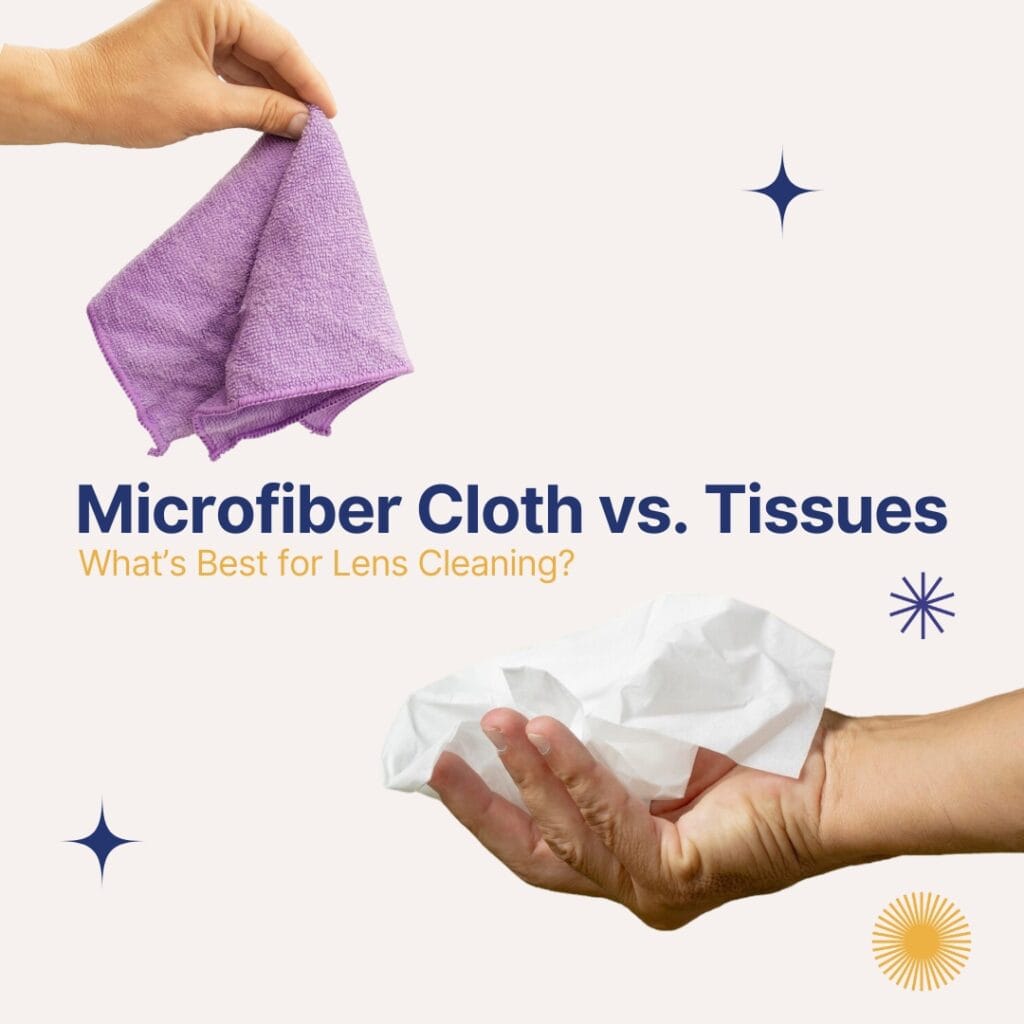
Microfiber Cloth vs. Paper Towels: Why the Wrong Cleaning Tool Can Ruin Your Lenses
Most people don’t think twice about how they clean their lenses. Whether it’s eyeglasses, camera lenses, or screens, the instinct is simple: grab whatever is nearby and wipe away smudges. For many, that “whatever” ends up being a paper towel, a napkin, or even a shirt sleeve.
It seems harmless—until it isn’t.
Over time, using the wrong cleaning material can leave behind microscopic scratches, degrade protective coatings, and permanently reduce clarity. What starts as a quick fix can quietly damage some of your most used and expensive optical surfaces.
On the other hand, microfiber cloths are specifically designed to clean delicate surfaces safely and effectively. The difference between these two options isn’t just about convenience—it’s about preservation, performance, and long-term value.
This guide explores why microfiber cloths outperform paper towels, how improper cleaning damages lenses, and what you should do instead to keep your optics in pristine condition.
Understanding Modern Lenses: More Than Just Glass
Today’s lenses are far more advanced than simple glass surfaces.
Common Lens Materials
- Polycarbonate
- High-index plastic
- Glass (less common but still used)
These materials are often softer than traditional glass, making them more vulnerable to scratches.
Protective Coatings
Most lenses include multiple coatings, such as:
- Anti-reflective coatings
- Scratch-resistant layers
- UV protection
- Blue light filtering
While these coatings improve performance, they are delicate. Improper cleaning can wear them down over time.
The Hidden Problem With Paper Towels
At first glance, paper towels seem soft and safe. In reality, they’re one of the worst materials you can use on lenses.
1. Rough Fiber Structure
Paper towels are made from wood pulp fibers. Under a microscope, these fibers are:
- Coarse
- Irregular
- Abrasive
Even though they feel soft to your hands, they can act like fine sandpaper on delicate surfaces.
2. Embedded Debris
Paper products can contain:
- Tiny wood fragments
- Mineral residues
- Manufacturing byproducts
These particles increase the risk of scratching.
3. Lack of Dirt Trapping Ability
Paper towels push dirt around instead of lifting it away. This means:
- Dust particles get dragged across the lens
- Scratches accumulate over time
4. Disposable Doesn’t Mean Safe
The convenience of disposable cleaning often leads to:
- Rushed cleaning habits
- Reusing partially dirty towels
- Increased friction on the lens
Why Microfiber Cloths Are Superior
Microfiber cloths are engineered specifically for delicate cleaning tasks.
1. Ultra-Fine Fibers
Microfiber is made of extremely fine synthetic fibers—much thinner than a human hair.
This allows it to:
- Clean surfaces gently
- Reach into microscopic crevices
- Remove oils and dirt effectively
2. Electrostatic Properties
Microfiber generates a slight electrostatic charge that:
- Attracts dust and debris
- Lifts particles off the surface
This reduces the risk of dragging contaminants across the lens.
3. Non-Abrasive Design
Unlike paper towels, microfiber cloths are:
- Smooth
- Consistent in texture
- Safe for coated surfaces
4. Reusability and Consistency
When properly maintained, microfiber cloths:
- Provide consistent cleaning performance
- Reduce waste
- Offer long-term value
How Scratches Actually Happen
Many people assume scratches come from major impacts. In reality, most damage occurs gradually.
Micro-Scratches Add Up
Each time you wipe a lens with an abrasive material:
- Tiny scratches form
- Light begins to scatter
- Clarity decreases
The Snowball Effect
Once scratches begin:
- They trap more dirt
- Cleaning becomes less effective
- Damage accelerates
The Cost of Improper Cleaning
Using the wrong tool doesn’t just affect appearance—it impacts performance and cost.
Reduced Visual Clarity
Scratched lenses can cause:
- Glare
- Blurred vision
- Eye strain
Shortened Lifespan
Damaged coatings wear out faster, leading to:
- Premature replacement
- Higher long-term costs
Compromised Optical Performance
For camera lenses or specialty optics, scratches can:
- Affect image quality
- Reduce sharpness
- Lower resale value
Best Practices for Cleaning Lenses
Choosing the right cloth is only part of the equation.
Step 1: Remove Loose Debris First
Before wiping:
- Rinse with water or use air to remove dust
This prevents particles from scratching the surface.
Step 2: Use a Cleaning Solution
Apply a lens-safe solution to:
- Break down oils
- Loosen smudges
Avoid household cleaners that contain ammonia or alcohol unless specifically approved.
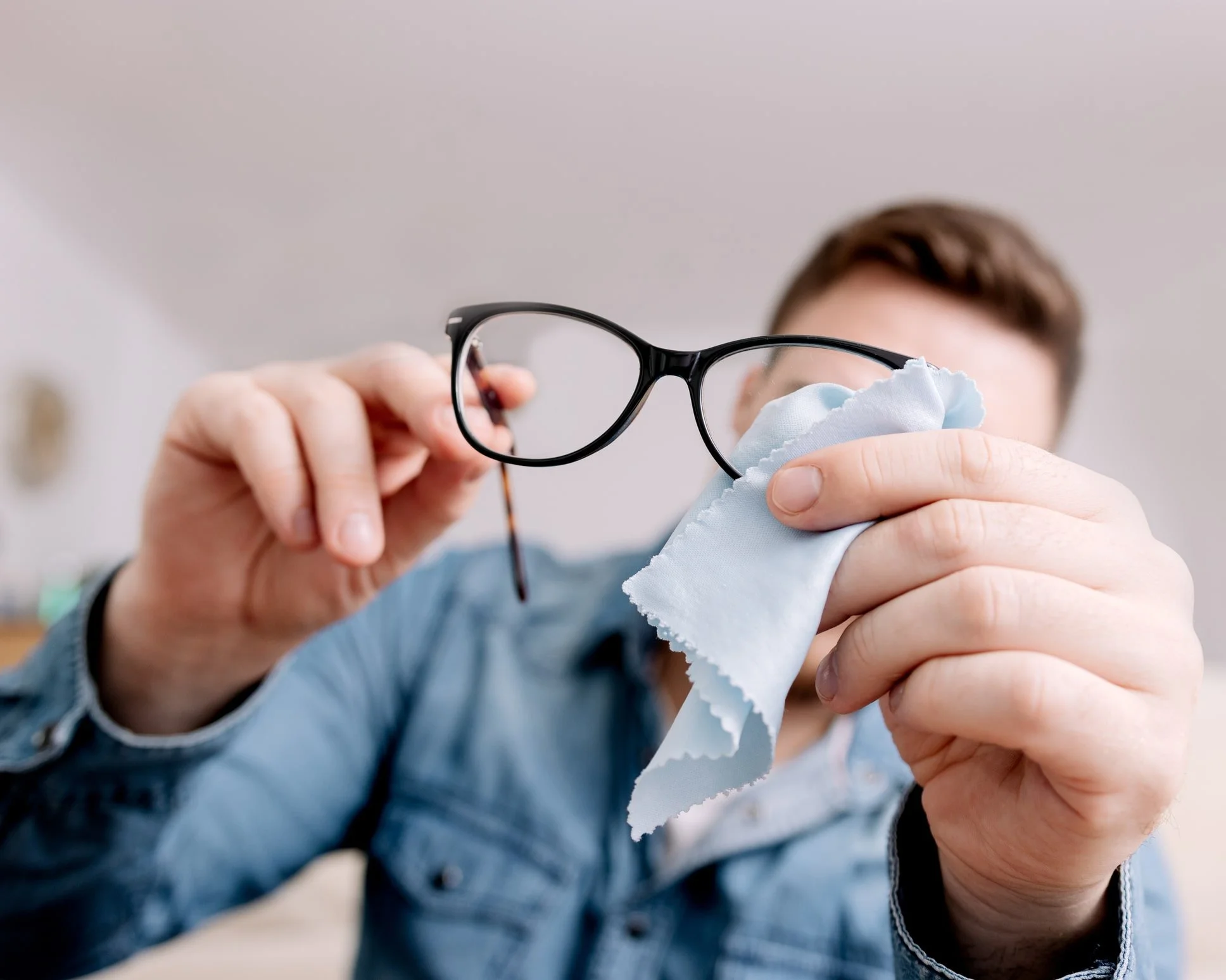
Step 3: Use a Clean Microfiber Cloth
Gently wipe in:
- Circular motions
- Light pressure
Never scrub aggressively.
Step 4: Keep Your Cloth Clean
A dirty microfiber cloth can become harmful.
Wash regularly using:
- Mild detergent
- No fabric softener
Air dry or use low heat.
Common Mistakes to Avoid
Even with the right tools, bad habits can cause damage.
Using Clothing
Shirts and sleeves may contain:
- Dust
- Dirt
- Rough fibers
Cleaning Dry Lenses
Dry wiping increases friction and scratch risk.
Reusing Dirty Cloths
A contaminated cloth can do more harm than good.
Microfiber Cloth Maintenance Tips
To maximize effectiveness:
- Store in a clean, sealed pouch
- Wash regularly
- Replace when worn out
Proper care ensures consistent performance.
Comparing Microfiber and Paper Towels Side by Side
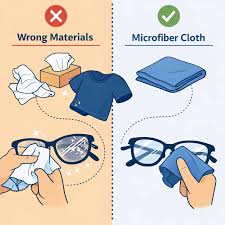
| Feature | Microfiber Cloth | Paper Towels |
|---|---|---|
| Fiber Structure | Ultra-fine, smooth | Coarse, irregular |
| Scratch Risk | Very low | High |
| Dirt Removal | Lifts and traps | Pushes around |
| Reusability | High | Single-use |
| Coating Safety | Safe | Damaging over time |
When Paper Towels Might Be Acceptable
In rare cases, paper towels can be used for:
- Cleaning non-delicate surfaces
- Initial drying of non-optical items
But for lenses, they should be avoided entirely.
The Psychology of Convenience
Why do people still use paper towels?
- They’re always available
- They seem harmless
- They’re quick and disposable
But convenience often leads to long-term damage. Switching to microfiber requires a small habit change with significant benefits.
Environmental Considerations
Microfiber cloths also offer sustainability advantages:
- Reduced waste
- Longer lifespan
- Lower resource consumption over time
Paper towels, in contrast, contribute to continuous waste.
Future Trends in Lens Cleaning
The cleaning industry continues to evolve.
Expect innovations such as:
- Advanced microfiber blends
- Anti-bacterial cloths
- Improved cleaning solutions
However, the core principle remains the same: gentle, non-abrasive cleaning is essential.
Real-World Scenarios
Eyeglasses
Daily cleaning makes proper tools essential to prevent long-term damage.
Camera Lenses
High-value equipment requires the safest cleaning methods available.
Screens and Devices
Modern displays also benefit from microfiber cleaning.
Building Better Cleaning Habits
Small changes can make a big difference:
- Keep a microfiber cloth with your lenses
- Avoid using whatever is “closest”
- Clean regularly but gently
Consistency is key.
Conclusion: The Right Tool Makes All the Difference
Cleaning your lenses might seem like a minor task, but it has a major impact on performance, longevity, and overall experience.
Paper towels may be convenient, but they come with hidden risks—abrasion, scratches, and gradual damage that adds up over time. Microfiber cloths, on the other hand, are designed to protect and preserve delicate surfaces.
By choosing the right cleaning tool and adopting proper techniques, you can:
- Maintain crystal-clear vision
- Extend the life of your lenses
- Avoid unnecessary replacement costs
In the end, it’s not just about cleaning—it’s about protecting what you rely on every day.
A simple switch in your cleaning routine can make all the difference between lenses that last for years and ones that degrade far too soon.
Share this post





- Deep Burgundy - Solid (S01)
- Red - Solid (S02)
- Burnt Orange - Solid (S03)
- Marmalade - Solid (S04)
- Sunshine Yellow - Solid (S05)
- Lime Green - Solid (S06)
- Green Forest - Solid (S07)
- Sage - Solid (S08)
- Army Green - Solid (S09)
- Spruce - Solid (S10)
- Turquiise - Solid (S11)
- Cornflower blue - Solid (S12)
- Navy - Solid (S13)
- Indigo - Solid (S14)
- Blue Orchid - Solid (S15)
- Lavender - Solid (S21)
- Mauve - Solid (S16)
- Purple - Solid (S17)
- Grape - Solid (S18)
- Warm Coral - Solid (S19)
- Hot Pink - Solid (S20)
- Chocolate - Solid (S22)
- Black – Solid (S23)
- White - Solid (S24)


The “Invisible” Companion in Daily Life: My 30-Day Journey from Ready-Made Glasses to Custom Eyewear
There are some things in life you don’t notice—until they change.For years, my glasses were just… there. I wore ready-made frames from...
How 3D Printing Makes Impossible Shapes Possible: Unlocking Complex Structures Beyond Traditional Craftsmanship
For centuries, manufacturing and craftsmanship have been limited by the physical constraints of tools, materials, and human hands. Traditional fabrication methods —...
Multifocal Lens Fitting: How Custom Frames Precisely Align with Your Visual Center
For millions of people, vision correction isn’t as simple as a single prescription. As our eyes age, the need to see clearly...
How to Measure Pupillary Distance(PD)?
What Is Pupillary Distance(PD)?Pupillary Distance (PD) is the measurement, in millimeters, between the centers of your two pupils. This measurement is essential...
Why Expensive Designer Frames Sometimes Feel Less Comfortable Than Affordable Custom Glasses
Luxury branding has powerful influence.Walk into a high-end optical boutique and you’ll see familiar names displayed under soft lighting, often associated with...
Digital Life Customization: Blue-Light Protection and Focus Optimization Solutions for Programmers and Designers
Modern work lives increasingly unfold behind screens. Programmers write thousands of lines of code daily, designers spend hours refining pixels and typography,...
Why “Snap-Lock” Is the Real Smart Tech: A Modular Eyewear Breakthrough That Moves Beyond Magnetic Weakness
In the past decade, modular eyewear has gone from niche experiment to mainstream innovation. Interchangeable lenses, clip-on sun shields, magnetic frames, and...
Why Do Your Glasses Keep Sliding Down? The Physics Behind “Rebellious Nose Pads” — and How to Fix It for Good
Few daily annoyances are as subtle yet persistent as glasses that won’t stay in place. You push them up while reading. They...
Summer Inside Your Lenses: The Ultimate Eyeglass Cleaning Battle for Hot Weather
Summer is the season of sunshine, beach trips, outdoor adventures, road travel, sports, and endless hours under bright blue skies. But for...
How to Protect Your Eyeglass Lenses from Chemical Damage While Applying Makeup and Hairspray
Eyeglasses have become more than just vision correction tools. For many people, they are everyday essentials, fashion accessories, professional necessities, and long-term...
Engineering & Technology Showdown: Screwless Snap-Fit Custom Eyewear — Decoding the Structural Philosophy Behind German and Japanese Custom Brands
Introduction: When Eyewear Becomes EngineeringEyeglasses have quietly transformed from simple vision tools into sophisticated engineering systems. What once relied on tiny screws,...
How to Choose the Best VLT for Ski Goggles
Ever noticed how the world looks different through ski goggles? That's all thanks to VLT, or Visible Light Transmission. Think of it...