

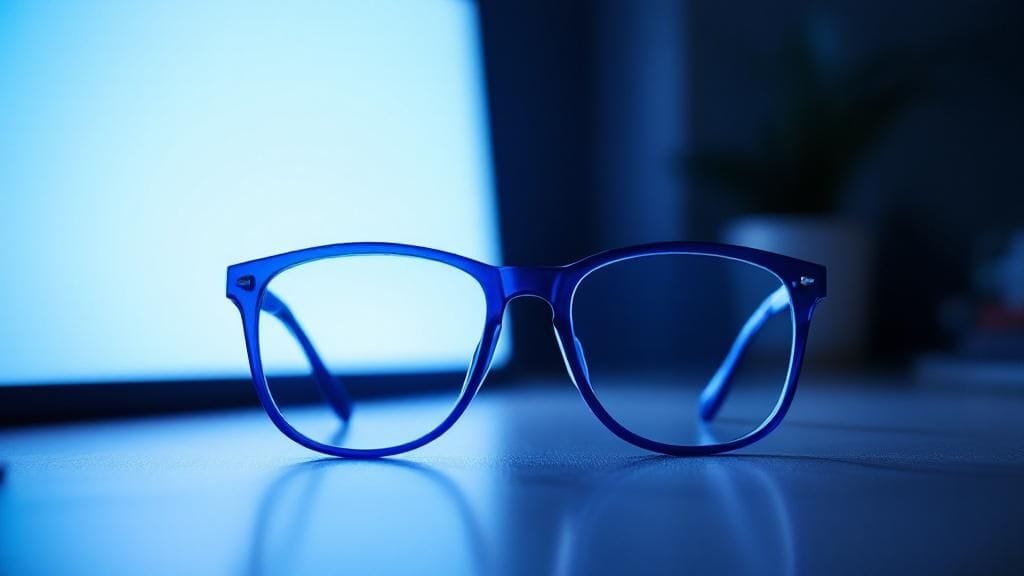
Digital Life Customization: Blue-Light Protection and Focus Optimization Solutions for Programmers and Designers
Modern work lives increasingly unfold behind screens. Programmers write thousands of lines of code daily, designers spend hours refining pixels and typography, and creative professionals constantly shift between devices. While technology enhances productivity, it also introduces a new challenge: visual fatigue caused by prolonged digital exposure.
Headaches, dry eyes, blurred vision, neck strain, and difficulty focusing are no longer rare complaints—they are everyday realities for people working in digital environments. Standard eyewear solutions often fail to address the unique visual demands of coding and design work.
This is where digital-life customization comes in: a personalized approach combining blue-light management, focus-distance optimization, and ergonomically designed lenses tailored specifically for programmers and designers.
This comprehensive guide explores how customized optical solutions improve comfort, accuracy, and long-term eye health in screen-intensive professions.

The Rise of Screen-Centered Work
Unlike traditional office environments, digital professionals rarely maintain a single viewing distance.
A typical workday may include:
- Laptop coding sessions
- External monitor workflows
- Tablet sketching or prototyping
- Smartphone debugging or communication
- Video meetings
- Late-night reading or research
Each activity requires different focusing distances and visual behaviors.
Traditional single-vision glasses assume a fixed viewing distance—usually far vision. That assumption no longer matches how modern professionals work.
Why Programmers and Designers Experience More Eye Strain
Although both professions rely on screens, their visual challenges differ.
Programmers
- Long uninterrupted focus periods
- High contrast text environments
- Small fonts and dense information
- Frequent vertical scrolling
- Multi-monitor setups
Programmers often maintain a fixed posture while shifting eye focus repeatedly across multiple screen zones.
Designers
- Color-critical work
- Fine detail inspection
- Constant zoom adjustments
- Rapid focus shifts between tools and canvas
- Brightness and contrast sensitivity
Designers require both accuracy and comfort simultaneously.
Because of these differences, visual optimization must go beyond generic blue-light glasses.
Understanding Digital Eye Strain
Digital eye strain—sometimes called computer vision syndrome—results from several combined factors:
- Reduced blinking frequency
- Continuous near focus
- Artificial lighting exposure
- Screen glare
- Blue-light wavelength exposure
- Improper viewing distances
Symptoms include:
- Eye fatigue
- Burning sensations
- Blurred vision
- Difficulty refocusing
- Neck and shoulder tension
- Sleep disruption
Customized optics address these causes at their source rather than treating symptoms alone.
Blue Light: What It Is and Why It Matters
Blue light exists naturally in sunlight but is also emitted strongly by LEDs and digital displays.
Screen-emitted blue light typically falls within the 400–500 nm wavelength range.
Excess exposure can contribute to:
- Visual discomfort
- Increased glare perception
- Reduced contrast sensitivity
- Circadian rhythm disruption at night
For professionals working 8–12 hours daily on screens, managing blue light becomes essential.
The Myth of “One-Size-Fits-All” Blue-Light Glasses
Many mass-market products claim universal protection, but effectiveness varies widely.
Common limitations include:
- Overly aggressive color tinting
- Reduced color accuracy
- Non-optimized lens geometry
- Lack of distance customization
For designers especially, inaccurate color perception can compromise professional output.
A customized approach balances protection and visual fidelity.
Blue-Light Optimization vs. Blue-Light Blocking
Modern optical science focuses on optimization, not elimination.
Goals include:
- Reducing harmful peaks
- Maintaining natural color rendering
- Improving contrast
- Minimizing glare
Selective filtering provides comfort without distorting visual work.
Focus Distance: The Hidden Cause of Fatigue
Most people underestimate how critical viewing distance is.
Typical digital distances:
- Smartphone: 12–16 inches
- Laptop: 20–24 inches
- Desktop monitor: 24–32 inches
- Secondary monitor: varies widely
Standard prescriptions rarely account for these intermediate ranges.
Eyes must constantly refocus, forcing eye muscles to work continuously.
What Is Focus Optimization?
Focus optimization customizes lenses for specific working distances rather than general vision categories.
This includes:
- Intermediate-distance correction
- Expanded near-vision zones
- Reduced accommodation effort
- Smooth focus transitions
For digital professionals, optimized lenses significantly reduce muscle strain.
Occupational Lens Design Explained
Digital lifestyle lenses differ from traditional progressives.
They prioritize:
- Wide intermediate viewing area
- Stable screen focus
- Minimal distortion
- Natural head posture
Instead of walking vision, these lenses support desk-based workflows.
Customization Factors for Programmers
Programmers benefit from lenses designed around coding behavior.
Key adjustments include:
Wider Intermediate Zone
Allows viewing multiple monitors without head movement.
Reduced Peripheral Distortion
Improves scanning efficiency across long lines of code.
Contrast Enhancement
Makes text easier to read during long sessions.
Anti-Glare Coatings
Essential for dark-mode interfaces.
Customization Factors for Designers
Designers require different optical priorities.
Accurate Color Transmission
Minimal tint distortion is critical.
High Resolution Optics
Sharp edges for pixel-level detail.
Flexible Focus Zones
Support frequent zooming and sketching.
Balanced Blue-Light Filtering
Protection without altering hues.
Lens Technologies Supporting Digital Work
Modern lens manufacturing uses digital freeform surfacing.
Benefits include:
- Individualized optical calculations
- Frame-specific optimization
- Personalized eye movement modeling
- Improved peripheral clarity
Each lens becomes uniquely tailored to the wearer’s habits.
Blue-Light Coatings vs. Embedded Filters
Two main technologies exist:
Surface Coatings
Reflect portions of blue light while maintaining clarity.
Advantages:
- Neutral appearance
- Preserved color accuracy
Material-Level Filters
Built into lens material itself.
Advantages:
- Consistent filtering
- Long-term durability
Choice depends on professional needs.
The Importance of Anti-Reflective Coatings
Glare is one of the biggest contributors to fatigue.
Premium anti-reflective coatings:
- Reduce reflections from screens
- Improve contrast
- Enhance night comfort
- Increase lens transparency
For programmers working in dark environments, this feature is essential.
Ergonomics and Vision: The Missing Connection
Even perfect lenses cannot compensate for poor workstation setup.
Recommended positioning:
- Screen slightly below eye level
- 20–30 inch viewing distance
- Minimal overhead lighting glare
- Adjustable chair support
Optical customization works best alongside ergonomic improvements.
Multi-Device Optimization
Many professionals switch between devices constantly.
Customized lenses can account for:
- Dual-monitor spacing
- Laptop-to-tablet transitions
- Standing desk workflows
- Mobile device usage
Measurement of real working distances dramatically improves comfort.
Reducing Accommodation Stress
Accommodation refers to how eye muscles adjust focus.
Constant near work forces muscles into prolonged contraction.
Optimized lenses:
- Reduce focusing demand
- Stabilize visual zones
- Prevent end-of-day fatigue
Users often report improved concentration and fewer headaches.

Sleep and Evening Screen Use
Blue-light exposure at night may suppress melatonin production.
Customized solutions may include:
- Evening-use lenses
- Adaptive filtering levels
- Separate indoor eyewear
This helps maintain natural sleep cycles without sacrificing productivity.
Frame Selection Matters Too
Lens performance depends partly on frame geometry.
Ideal frames for digital lenses:
- Moderate lens height
- Stable nose fit
- Proper pantoscopic tilt
- Lightweight materials
Poor frame alignment reduces optimization effectiveness.
Signs You Need Digital Vision Customization
You may benefit from customized lenses if you experience:
- Eye fatigue after screen work
- Frequent blinking or dryness
- Difficulty focusing between devices
- Neck strain from leaning forward
- Increased light sensitivity
- Reduced productivity late in the day
These symptoms often indicate visual system overload rather than prescription errors.
Measuring for Personalized Digital Lenses
Professional fitting may include:
- Monocular pupillary distance
- Working distance measurement
- Eye dominance analysis
- Frame positioning data
- Head posture evaluation
These measurements allow precise optical alignment.
Productivity Benefits Reported by Users
Digital professionals frequently notice:
- Longer comfortable work sessions
- Faster focus changes
- Reduced need for breaks
- Improved visual clarity
- Less mental fatigue
Visual comfort directly supports cognitive performance.
Long-Term Eye Health Considerations
Chronic strain does not permanently damage eyesight but can reduce comfort and efficiency.
Preventive optimization helps:
- Maintain stable vision habits
- Reduce muscle stress
- Improve workplace wellness
- Support sustainable screen use
As digital work expands, proactive care becomes increasingly important.
Future Trends in Digital Vision
Emerging developments include:
- AI-driven lens personalization
- Eye-tracking optimization
- Adaptive filtering technologies
- Smart lenses responding to lighting conditions
The future of eyewear is personalized, dynamic, and lifestyle-driven.
Building Your Ideal Digital Vision Setup
A complete solution combines:
- Customized lenses
- Blue-light optimization
- Proper workstation ergonomics
- Screen brightness management
- Regular visual breaks
- Correct posture habits
Together, these elements create a sustainable digital workflow.
Practical Daily Habits for Eye Comfort
Simple routines enhance lens performance:
- Follow the 20-20-20 rule
- Blink consciously during coding
- Adjust screen brightness to room lighting
- Use dark mode wisely
- Maintain hydration
Small habits make large differences over time.
Final Thoughts: Designing Vision for the Digital Era
Programmers and designers shape the digital world—but their vision systems were never designed for endless screen exposure. Generic eyewear solutions cannot fully support modern workflows that demand precision, endurance, and visual flexibility.
Digital-life customization bridges the gap between technology and human biology. By combining blue-light optimization with focus-distance personalization, customized optical solutions reduce fatigue, improve clarity, and support long-term comfort.
The goal is not merely clearer sight—it is sustainable vision performance.
When your lenses match your workflow as precisely as your tools match your craft, productivity feels effortless, creativity flows more naturally, and long hours at the screen become healthier and more comfortable.
In the modern digital era, optimized vision is no longer a luxury—it is an essential part of professional performance.
Share this post
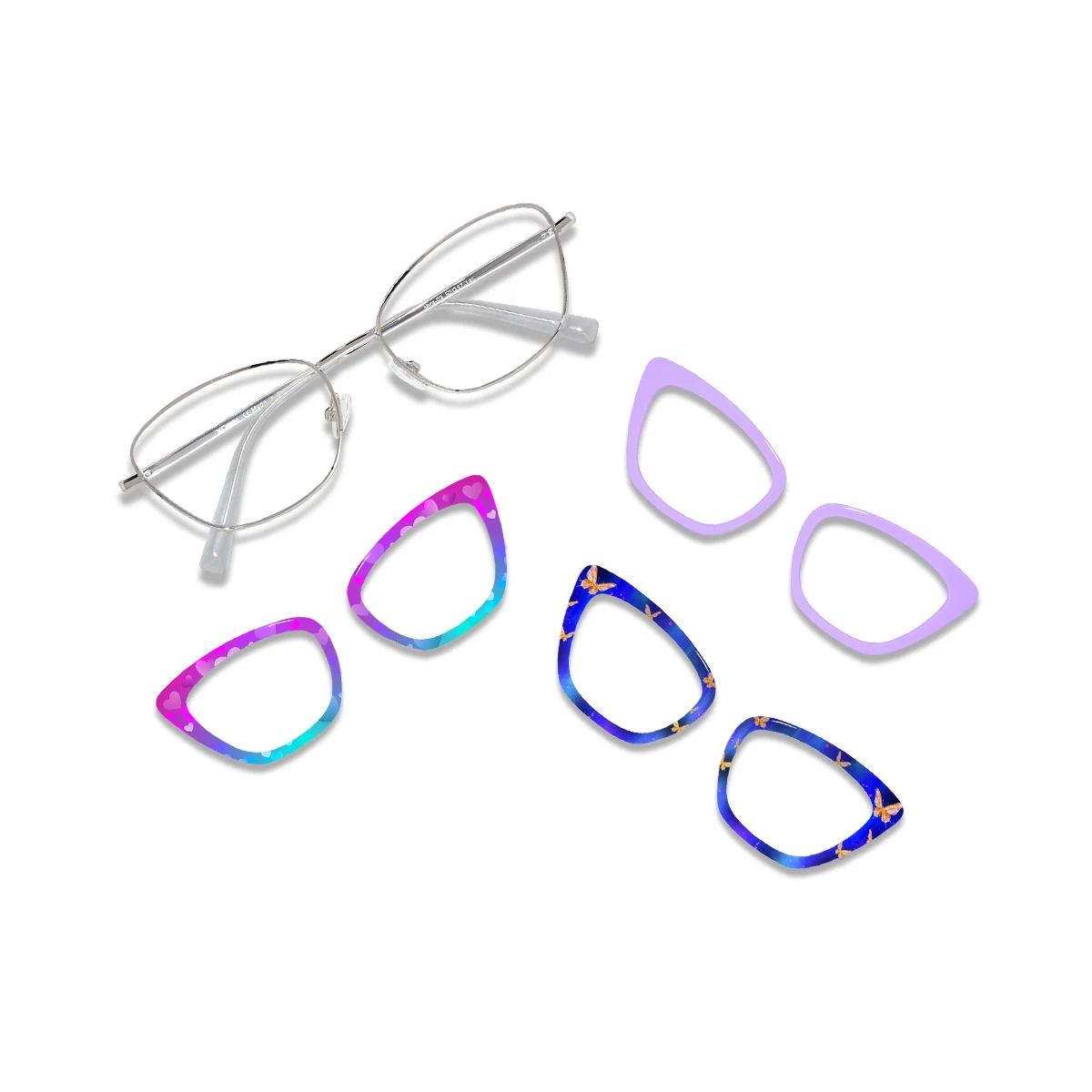
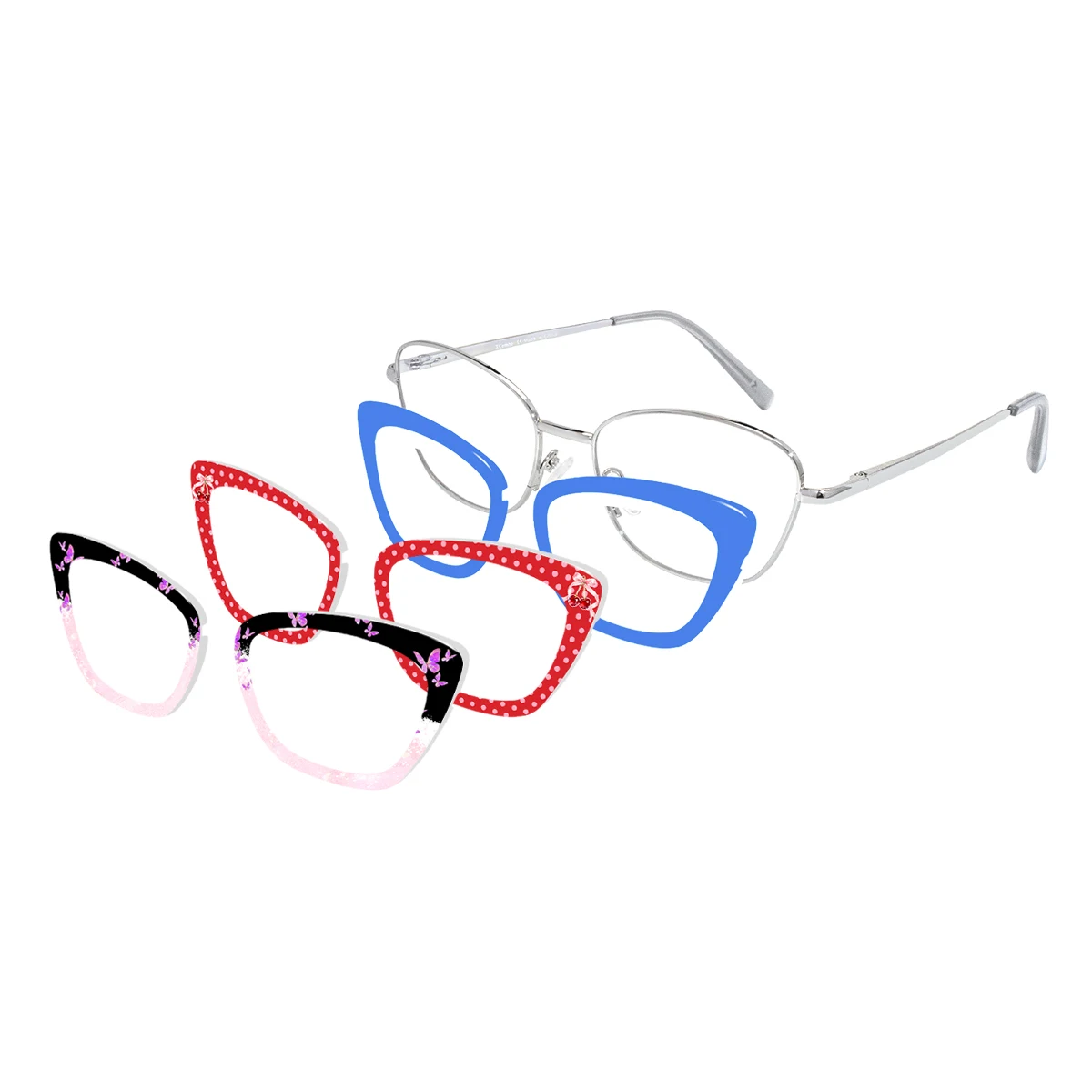
1 Base Frame + 3 Toppers | Interchangeable Glasses Bundle | Magnet-free Modular Eyewear | Cat Eye
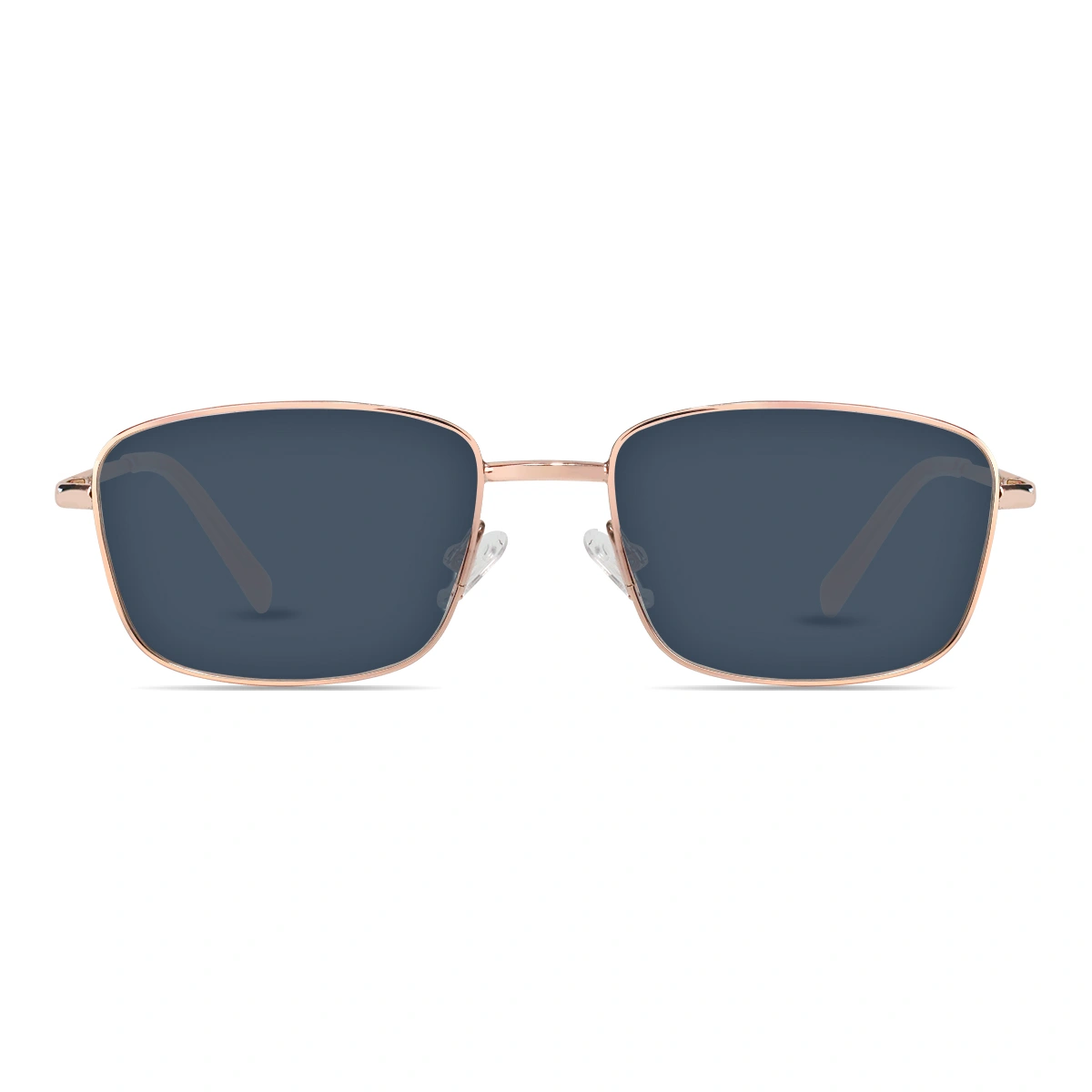
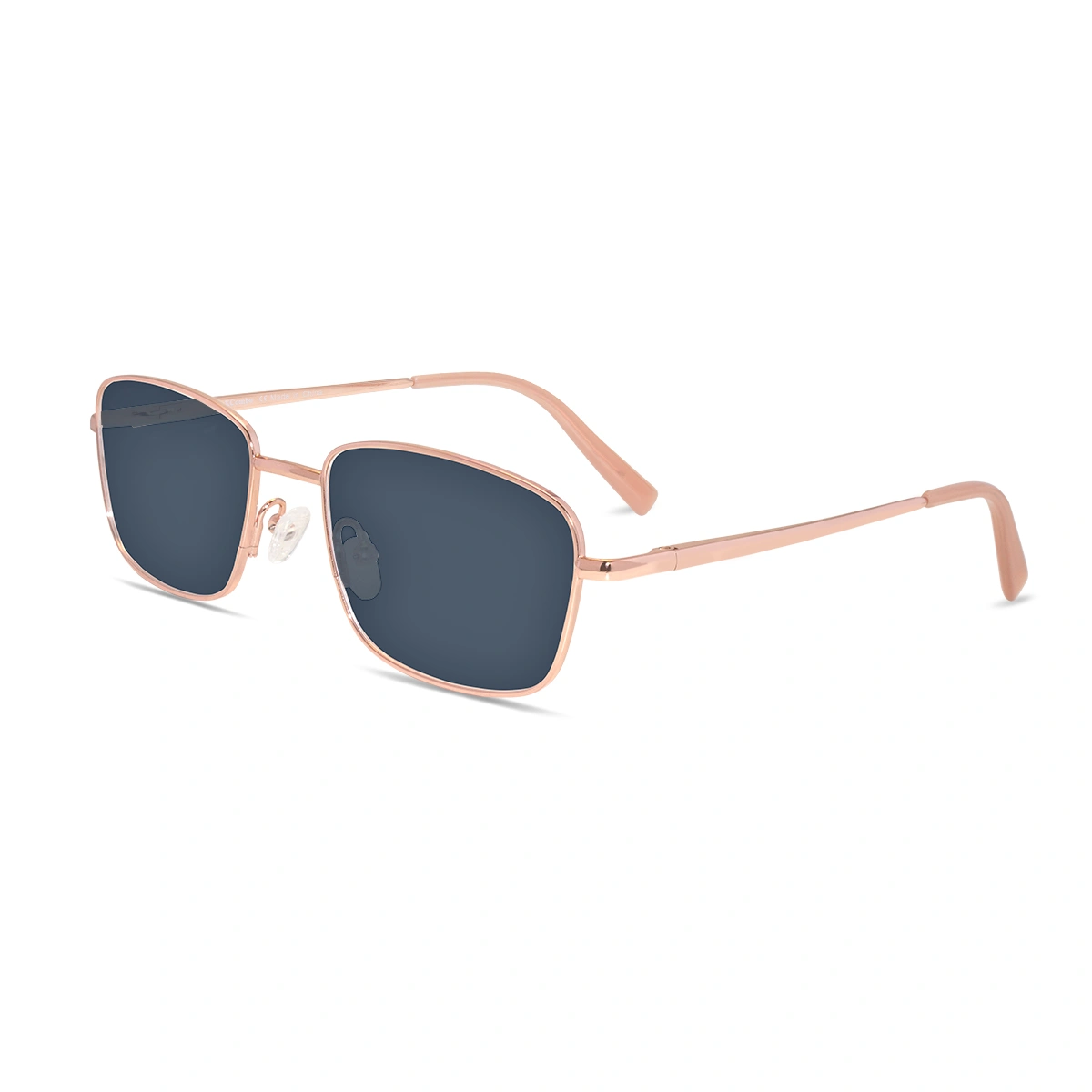
Soline Rose Gold Interchangeable Sunglasses – Wide Rectangle, Tinted Lenses
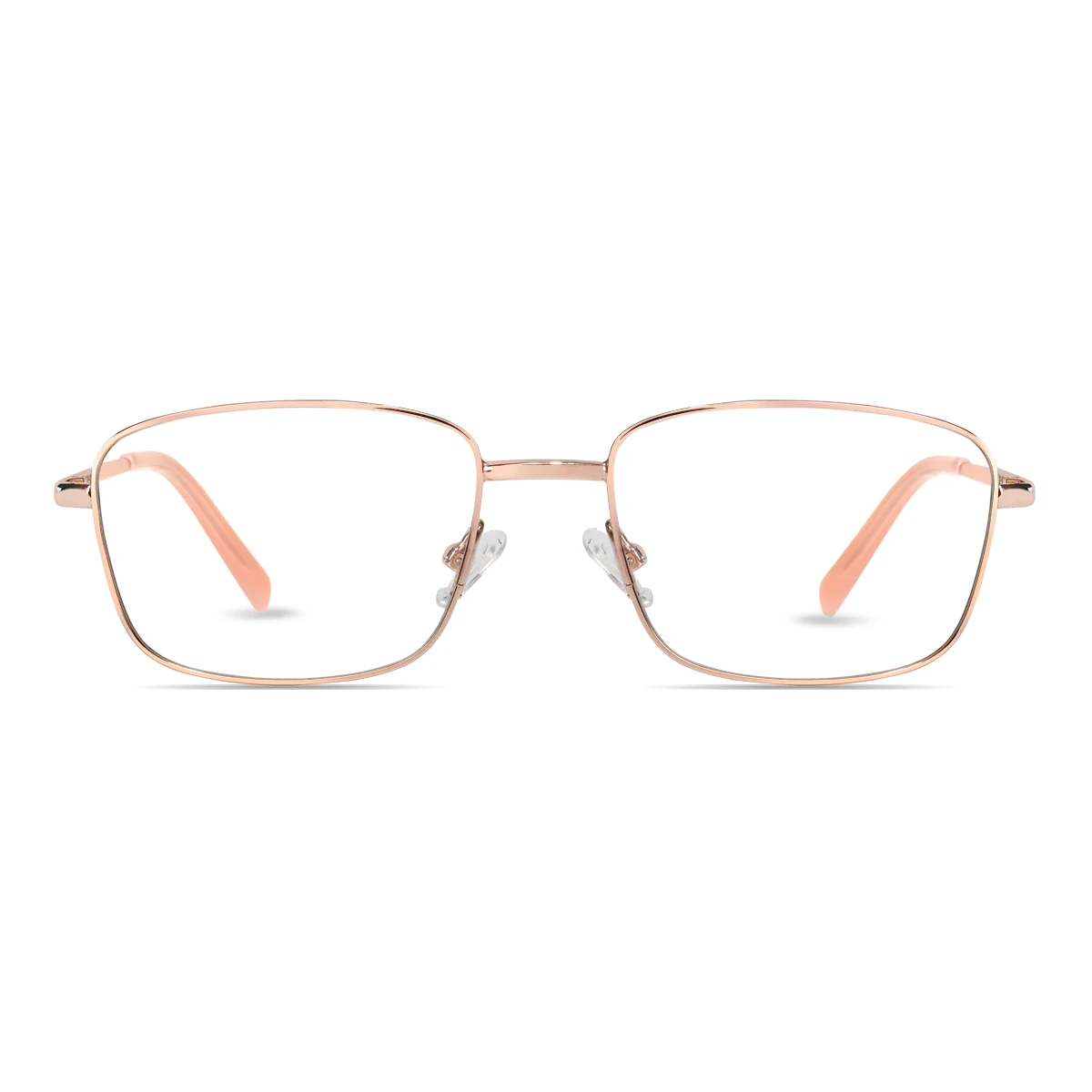
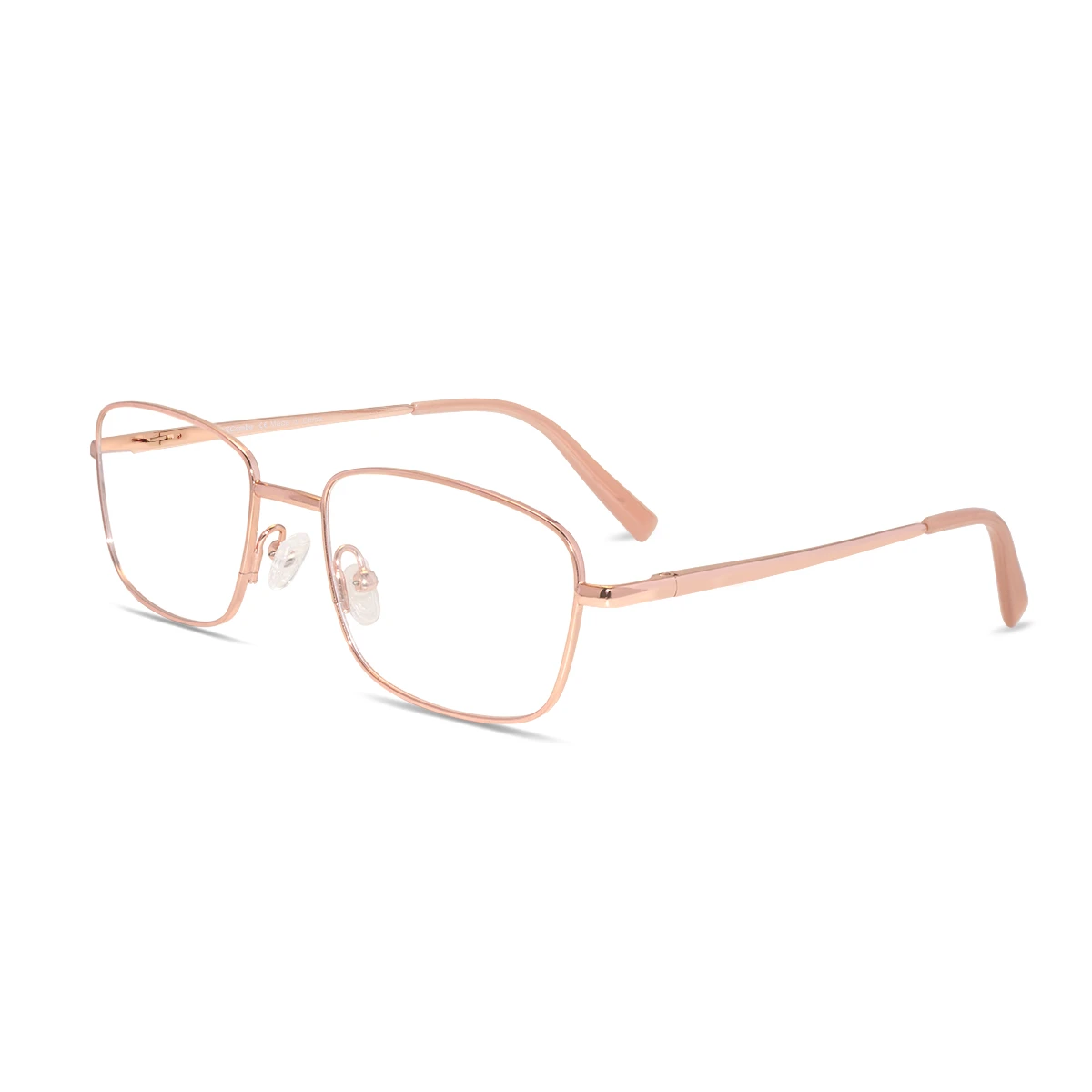
Soline Rose Gold Interchangeable Base Frame – Wide Rectangle Metal Glasses


Mira Classic Gold Interchangeable Base Frame – Wide Cat-Eye Metal Glasses


Mira Rose Gold Wide Cat Eye Sunglasses – Metal Frame, Tinted Lenses - Interchangeable Eyewear
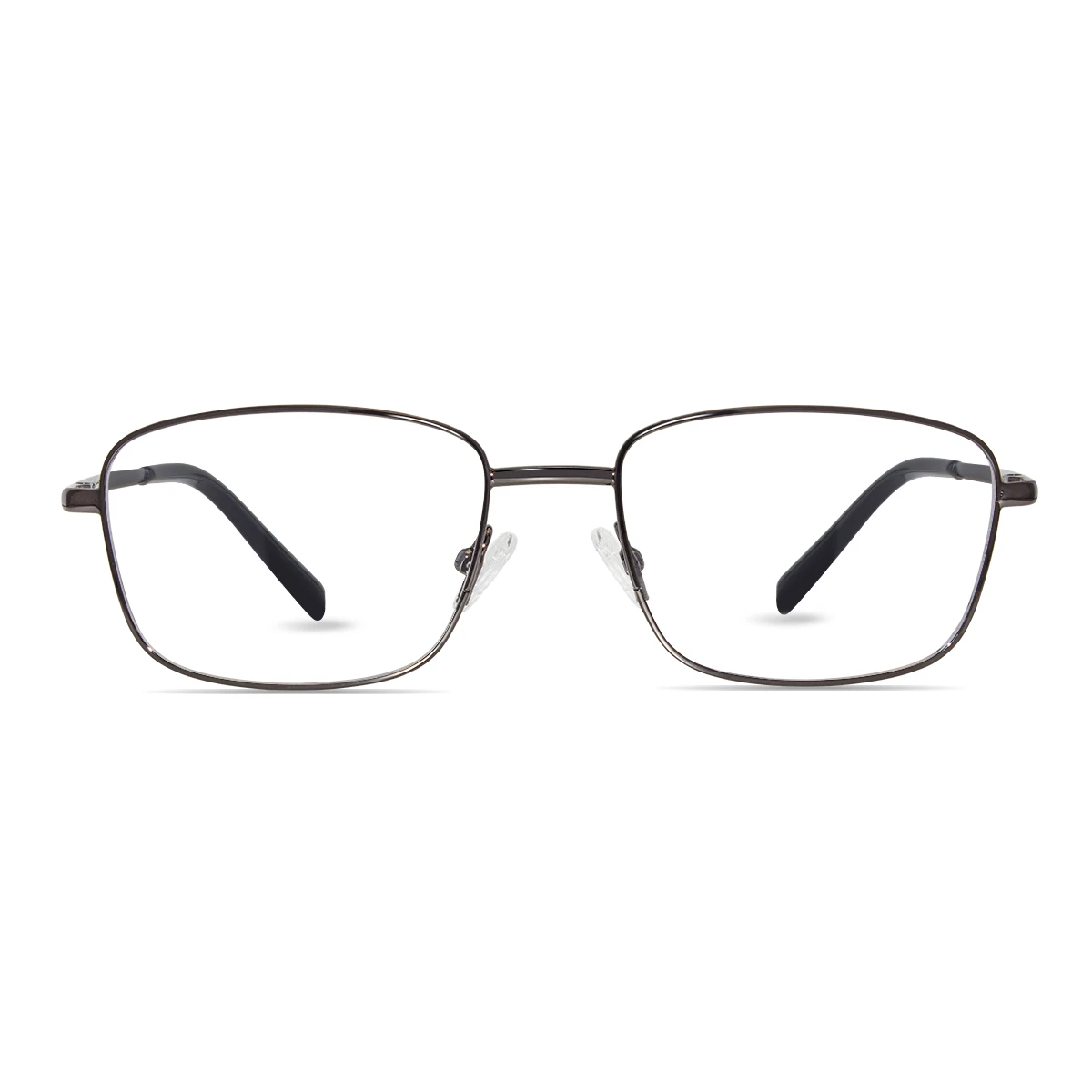

Soline Gunmetal Gray Interchangeable Base Frame – Wide Rectangle Metal Glasses


Mira Rose Gold Interchangeable Base Frame – Wide Cat-Eye Metal Glasses
Soline Ice Blue Sunglasses – Wide Rectangle, Tinted Lenses - Interchangeable Eyewear




1 Base Frame + 5 Toppers | Interchangeable Glasses Bundle | Magnet-free Modular Eyewear | Rectangle
Screwless Glasses Maintenance Guide: Daily Care Tips for Precision Mechanical Eyewear
Screwless glasses are becoming increasingly popular among people who value lightweight comfort, minimalist design, and advanced engineering. Unlike traditional eyewear that relies...
Polarized or Photochromic? How to Customize the Perfect Tinted Lenses for Your Outdoor Driving and Sports Lifestyle
Choosing the right tinted lenses is no longer just about fashion or basic sun protection. Today’s eyewear technology allows you to tailor...
Are Progressive Reading Glasses a Good Choice for You?
Progressive reading glasses have become increasingly popular as an all-in-one solution for people with multiple vision needs. These lenses combine different prescriptions...
Understanding Diopters: What You Need to Know About Your Eyeglass Prescription
When you receive an eye prescription, it may appear as a series of numbers instead of the usual medical instructions. These numbers...
Students, Read This: How to Achieve “Eyewear Freedom” on a Limited Budget with Smart Mix-and-Match Accessories
For students, glasses are not optional. They’re essential.You wear them to lectures.You wear them to late-night study sessions.You wear them during presentations,...
Micron-Level Locking: How Black-Tech Clip Systems Keep Optical Centers from Ever Shifting
In precision eyewear manufacturing, one truth separates premium performance from mediocre optics:If the optical center moves—even slightly—the visual experience degrades.Blur creeps in.Eye...
3D Printed Eyewear: Gimmick or the Future? Achieving Micron-Level Precision in Bespoke Optics
For decades, the experience of buying glasses has remained remarkably stagnant. You walk into a brightly lit store, try on dozens of...
Mechanical Harmony in Eyewear: How Precision Spring Snap Systems Create the Perfect Fit
You put on a new pair of frames. They look great in the mirror. The lenses are clear. The design fits your...
Why “Snap-Lock” Is the Real Smart Tech: A Modular Eyewear Breakthrough That Moves Beyond Magnetic Weakness
In the past decade, modular eyewear has gone from niche experiment to mainstream innovation. Interchangeable lenses, clip-on sun shields, magnetic frames, and...
Optics & Lens Matching: Why Premium Custom Frames Deserve the Right ZEISS or SEIKO Lenses
When you invest in a pair of high-end custom eyeglass frames, you are not simply purchasing an accessory—you are commissioning a precision...
Gravity’s Grudge: Why Your Glasses Keep Sliding Down (And How Your Frames Are Trying to Tell You Something)
We’ve all been there. You’re in the middle of a high-stakes board meeting, leaning over a delicious plate of pasta, or simply...
Hardcore Player’s First Choice: How Cool Are Mechanically Inspired Custom Eyewear Designs?
In a world flooded with minimalist acetate frames and safe, predictable silhouettes, a new category of eyewear is commanding attention:Mechanically inspired custom...