


Engineering & Technology Showdown: Screwless Snap-Fit Custom Eyewear — Decoding the Structural Philosophy Behind German and Japanese Custom Brands
Introduction: When Eyewear Becomes Engineering
Eyeglasses have quietly transformed from simple vision tools into sophisticated engineering systems. What once relied on tiny screws, hinges, and manual assembly is now increasingly defined by precision mechanics, advanced materials science, and structural intelligence. Among the most fascinating developments in modern eyewear design is the rise of screwless snap-fit structures — frames assembled through engineered geometry rather than traditional fasteners.
At first glance, removing screws from glasses might sound like a minor design change. In reality, it represents a profound shift in how engineers think about durability, customization, repairability, and user experience.
Nowhere is this transformation more visible than in high-end custom eyewear emerging from Germany and Japan. While both countries share reputations for precision manufacturing, their philosophies diverge dramatically. German brands often emphasize structural robustness and mechanical certainty, while Japanese makers pursue harmony, flexibility, and human-centered ergonomics.
This article explores the engineering principles behind snap-fit eyewear systems, compares German and Japanese structural approaches, and explains why screwless customization may represent the future of premium eyewear design.
The Problem with Screws: Why Traditional Eyewear Needed Reinvention
For decades, screws were the backbone of eyewear construction. Hinges connected temples to frames, nose pads were adjustable through miniature fasteners, and maintenance meant tightening tiny components that inevitably loosened over time.
However, screws introduce several persistent engineering challenges:
1. Mechanical Fatigue
Repeated opening and closing of temples generates cyclic stress. Over time, screws loosen due to vibration and micro-movement, leading to misalignment or failure.
2. Maintenance Dependency
Users must periodically tighten screws or visit optical shops for repairs. Losing a screw can render glasses unusable instantly.
3. Corrosion and Wear
Sweat, humidity, and skin oils accelerate corrosion, especially in small metal components with high stress concentration.
4. Manufacturing Complexity
Each screw adds assembly steps, tolerance stacking, and quality control risks.
Engineers began asking a fundamental question:
What if eyewear could hold itself together purely through structural design?
This question gave birth to snap-fit eyewear systems.
Understanding Snap-Fit Engineering
Snap-fit structures are not new. They are widely used in aerospace interiors, automotive panels, medical devices, and consumer electronics. But applying them to eyewear requires extreme precision because frames must balance flexibility, comfort, and long-term durability.
A snap-fit connection works through elastic deformation — one component temporarily flexes during assembly and then returns to its original shape, locking parts together.
Key engineering principles include:
- Controlled material elasticity
- Predictable deformation zones
- Stress distribution management
- Repeatable assembly forces
- Micron-level tolerance control
Unlike screws, snap-fit joints rely on geometry rather than friction.
In eyewear, this means hinges, bridges, and nose pad systems can be designed as integrated mechanical ecosystems rather than separate parts.
Why Custom Eyewear Accelerated Snap-Fit Innovation
Customization changed everything.
Traditional mass-produced frames prioritize manufacturing efficiency. Custom eyewear, however, focuses on individual facial geometry, weight distribution, and personalized comfort.
Snap-fit structures enable customization advantages such as:
- Modular component replacement
- Adjustable tension without tools
- Reduced component count
- Lightweight construction
- Precision alignment
When combined with CNC machining or advanced additive manufacturing, snap-fit systems allow designers to create structures impossible with screw-based assembly.
German Engineering Philosophy: Precision Through Structural Authority
German custom eyewear brands approach snap-fit design with a mindset rooted in mechanical engineering traditions.
Core Philosophy: Stability First
German engineering emphasizes predictability, rigidity, and long-term reliability. Every structural decision aims to eliminate uncertainty.
Key characteristics include:
1. Monolithic Construction
Frames are often milled from single titanium sheets or blocks, minimizing weak connection points.
2. Defined Mechanical Stops
Temple movement is carefully limited by engineered boundaries rather than flexible deformation alone.
3. Load Path Optimization
Stress is distributed along calculated pathways to prevent localized fatigue.
4. Replaceable Modules
Even without screws, components can be detached through controlled mechanical release systems.
German designers treat eyewear almost like miniature industrial machinery — every movement measurable, every tolerance intentional.
Engineering Mindset
Instead of asking, “How flexible can this be?” German engineers ask:
“How controlled can motion become?”
The result is eyewear that feels precise, stable, and mechanically confident.
Japanese Engineering Philosophy: Harmony Between Structure and Human Motion
Japanese custom eyewear takes a fundamentally different approach.
Core Philosophy: Flexibility Equals Comfort
Rather than enforcing rigid structure, Japanese designers seek equilibrium between frame mechanics and human anatomy.
Key principles include:
1. Elastic Responsiveness
Frames subtly adapt to facial movement, reducing pressure points.
2. Minimalist Component Logic
Designers remove visual and mechanical excess, allowing structure to appear effortless.
3. Human-Centered Tolerances
Instead of purely mechanical tolerances, adjustments account for skin softness, temperature changes, and daily wear patterns.
4. Continuous Curvature Design
Transitions between frame sections are smooth, avoiding stress concentration zones.
Japanese engineering often borrows concepts from traditional craftsmanship, where flexibility and resilience coexist.
Engineering Mindset
The guiding question becomes:
“How can structure disappear while function improves?”
The wearer feels comfort without noticing engineering complexity.
Snap-Fit Hinges: The Battlefield of Structural Innovation
The hinge represents the most challenging component in screwless eyewear.
A successful snap-fit hinge must:
- Withstand thousands of opening cycles
- Maintain alignment
- Provide smooth motion
- Avoid permanent deformation
German Approach
German designs frequently use interlocking precision-machined elements with defined rotational axes. Motion feels deliberate and stable, similar to high-quality mechanical instruments.
Japanese Approach
Japanese hinges often rely on spring elasticity or material memory. Movement feels softer, adapting dynamically to head width and motion.
Both approaches solve the same problem through opposing philosophies: control versus adaptability.
Material Science Behind Screwless Frames
Snap-fit eyewear is impossible without advanced materials.
Common materials include:
Beta Titanium
- High elasticity
- Excellent fatigue resistance
- Lightweight yet strong
Memory Alloys
Allow controlled deformation without permanent bending.
High-Performance Polymers
Used in hybrid designs for silent snapping mechanisms and shock absorption.
Material selection determines how much deformation is safe — a critical factor in snap-fit longevity.
German designs often prioritize strength-to-stability ratios, while Japanese designs optimize elastic recovery and tactile comfort.
Customization Engineering: Beyond Aesthetic Personalization
True customization goes far beyond color or lens shape.
Snap-fit systems enable structural customization such as:
- Adjustable bridge geometry
- Interchangeable temple lengths
- Variable tension hinges
- Modular nose pad systems
Because components can be detached without screws, adjustments become faster and more precise.
This transforms eyewear from a static product into a configurable system.
Manufacturing Precision: Where Microns Matter
Snap-fit success depends on extremely tight tolerances.
A deviation of even 0.02 mm can cause:
- Loose connections
- Excessive stress
- Assembly failure
German manufacturing typically relies on high-precision CNC machining and metrology verification.
Japanese manufacturing often combines precision machining with artisan-level finishing, ensuring tactile smoothness alongside accuracy.
Both methods require deep integration between design and production — engineers must predict how materials behave after machining, polishing, and coating.
Durability Testing: Engineering for Decades
Screwless eyewear undergoes extensive lifecycle testing.
Common tests include:
- Tensile stress cycles
- Temperature expansion simulations
- Sweat corrosion exposure
- Repeated hinge motion testing
- Impact resistance evaluation
German testing protocols emphasize measurable endurance metrics.
Japanese testing frequently incorporates real-world wear simulations, analyzing comfort degradation over time.
User Experience as Engineering Output
The most remarkable aspect of snap-fit eyewear is that users rarely notice it.
Instead, they experience:
- Silent operation
- Balanced weight distribution
- Reduced pressure fatigue
- Stable lens alignment
- Minimal maintenance
Engineering success becomes invisible.
The absence of screws removes both mechanical noise and psychological friction — users no longer worry about loosening parts.
Sustainability Advantages of Screwless Design
Snap-fit systems also improve environmental sustainability.
Benefits include:
- Fewer components
- Easier disassembly
- Reduced replacement waste
- Longer product lifespan
- Repair instead of replacement
Because parts can be swapped without destructive processes, frames remain usable for years longer than traditional designs.
This aligns with growing demand for durable, repairable products.
The Cultural Dimension of Engineering
The contrast between German and Japanese eyewear reflects deeper cultural engineering traditions.
German Tradition
- Industrial revolution heritage
- Mechanical determinism
- Precision as reliability
Japanese Tradition
- Craftsmanship lineage
- Material sensitivity
- Harmony between object and user
Neither philosophy is superior — they simply prioritize different definitions of perfection.
The Future: Hybrid Structural Intelligence
The next generation of custom eyewear will likely merge both approaches.
Emerging trends include:
- AI-assisted ergonomic modeling
- Parametric frame geometry
- Adaptive materials
- Tool-free modular ecosystems
- 3D-printed snap structures
Future frames may dynamically adjust stiffness depending on wear conditions, combining German predictability with Japanese adaptability.
Why Screwless Design Matters for Consumers
For wearers, the benefits translate into everyday improvements:
- No loose screws
- Reduced repairs
- Improved comfort
- Lightweight feel
- Long-term structural stability
Snap-fit eyewear shifts value from decoration to engineering quality.
Consumers increasingly recognize that invisible structure determines real comfort.
Lessons for Designers and Engineers
Snap-fit custom eyewear teaches broader engineering lessons:
- Complexity can be reduced through smarter geometry.
- Material behavior matters as much as shape.
- Human factors must guide mechanical design.
- Precision enables simplicity.
- Engineering philosophy influences user emotion.
The most advanced products are not those with the most parts — but those where structure replaces hardware.
Conclusion: Engineering Without Visible Engineering
Screwless snap-fit eyewear represents more than a technical innovation. It signals a philosophical evolution in product design.
German custom brands demonstrate how structure can achieve mechanical certainty and longevity. Japanese brands reveal how flexibility and human sensitivity can redefine comfort.
Together, they prove that engineering excellence is not merely about strength or precision, but about understanding how objects live alongside people.
The future of eyewear will likely contain fewer visible mechanisms and more intelligent structures — designs where geometry performs the work once assigned to screws, and where customization becomes a natural extension of engineering logic.
In the end, the true victory of snap-fit eyewear is subtle:
The best engineering disappears, leaving only effortless experience behind.

Share this post




Soline Metallic Silver Interchangeable Base Frame – Wide Rectangle Metal Glasses

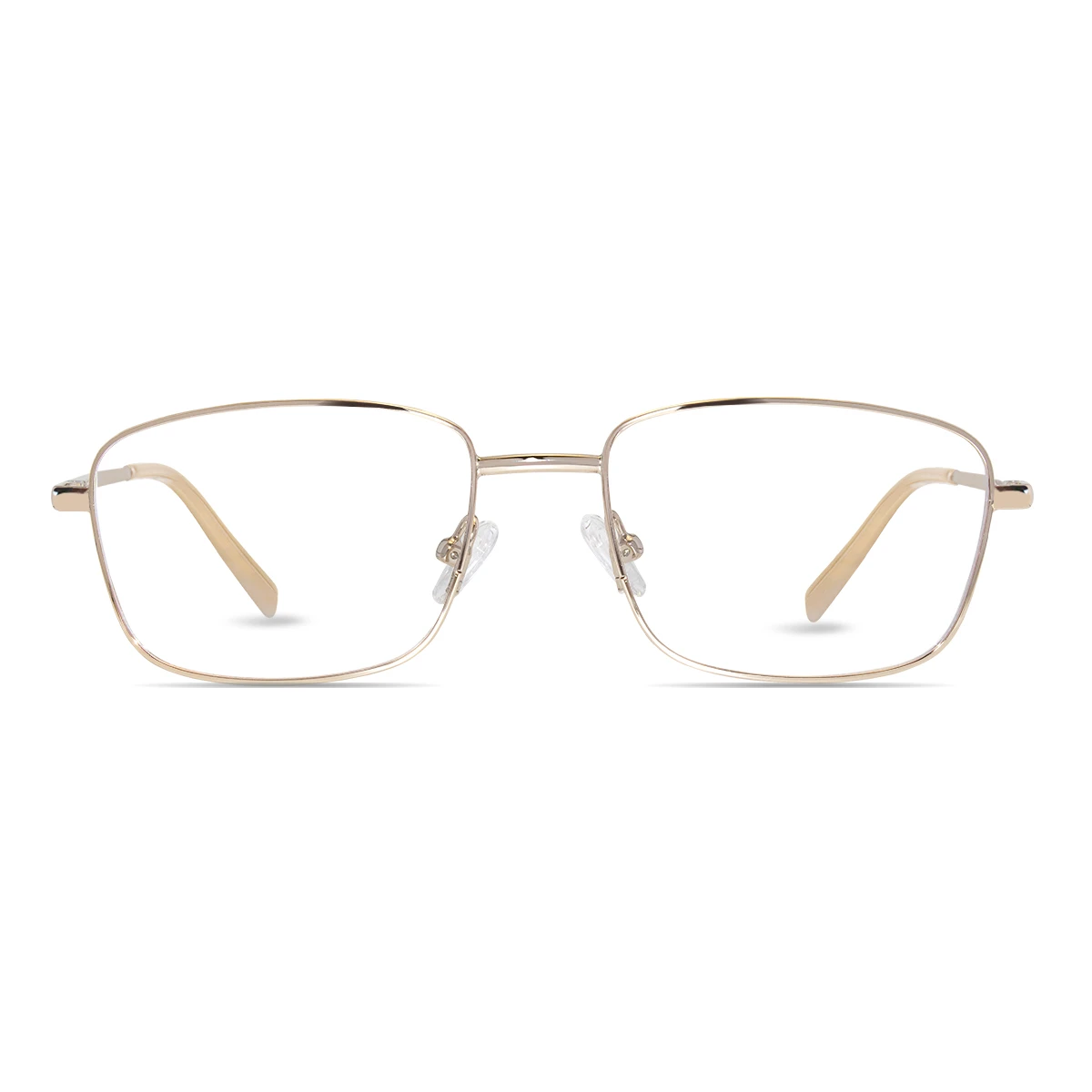
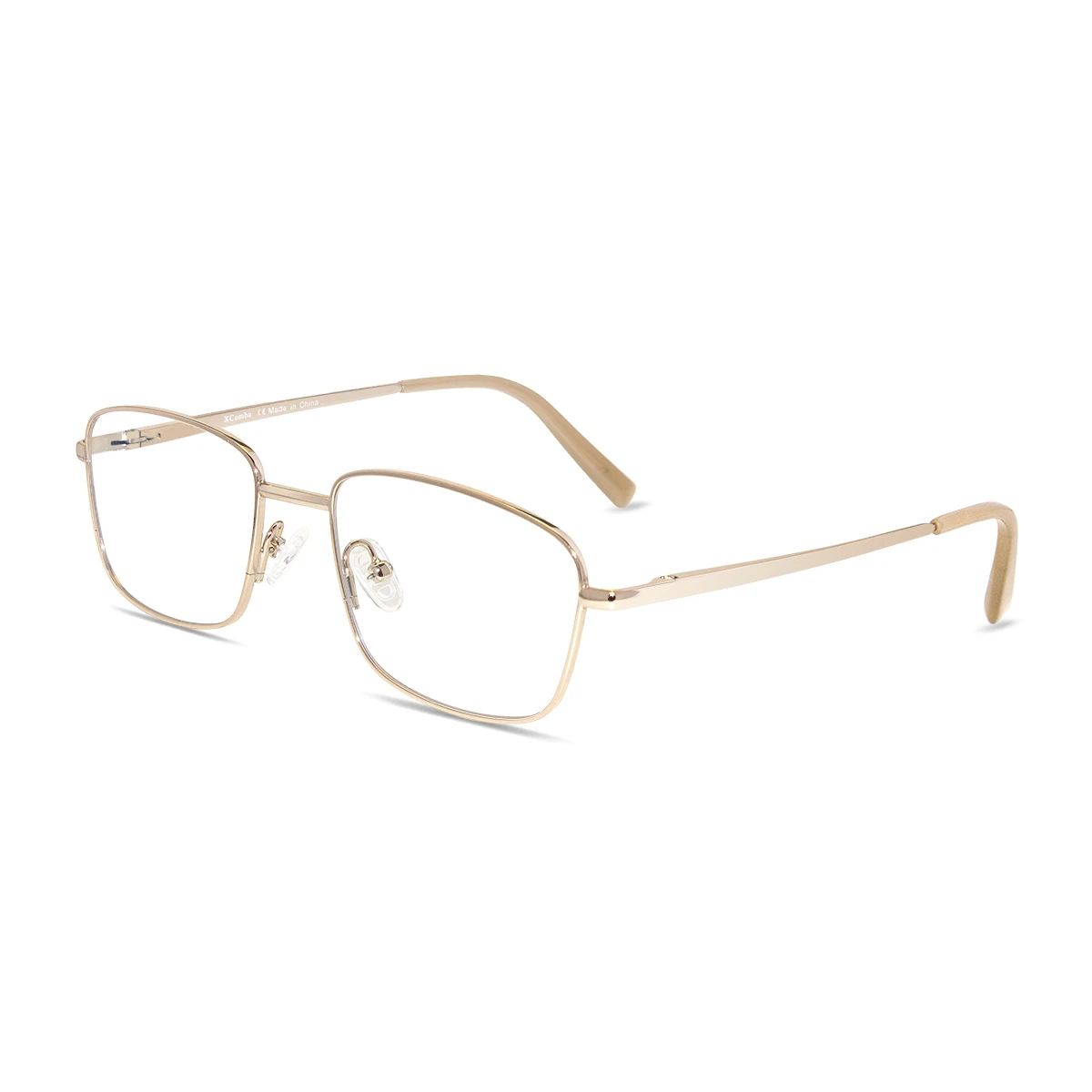
Soline Light Gold Base Frame for Interchangeable Toppers – Wide Rectangle Metal Glasses
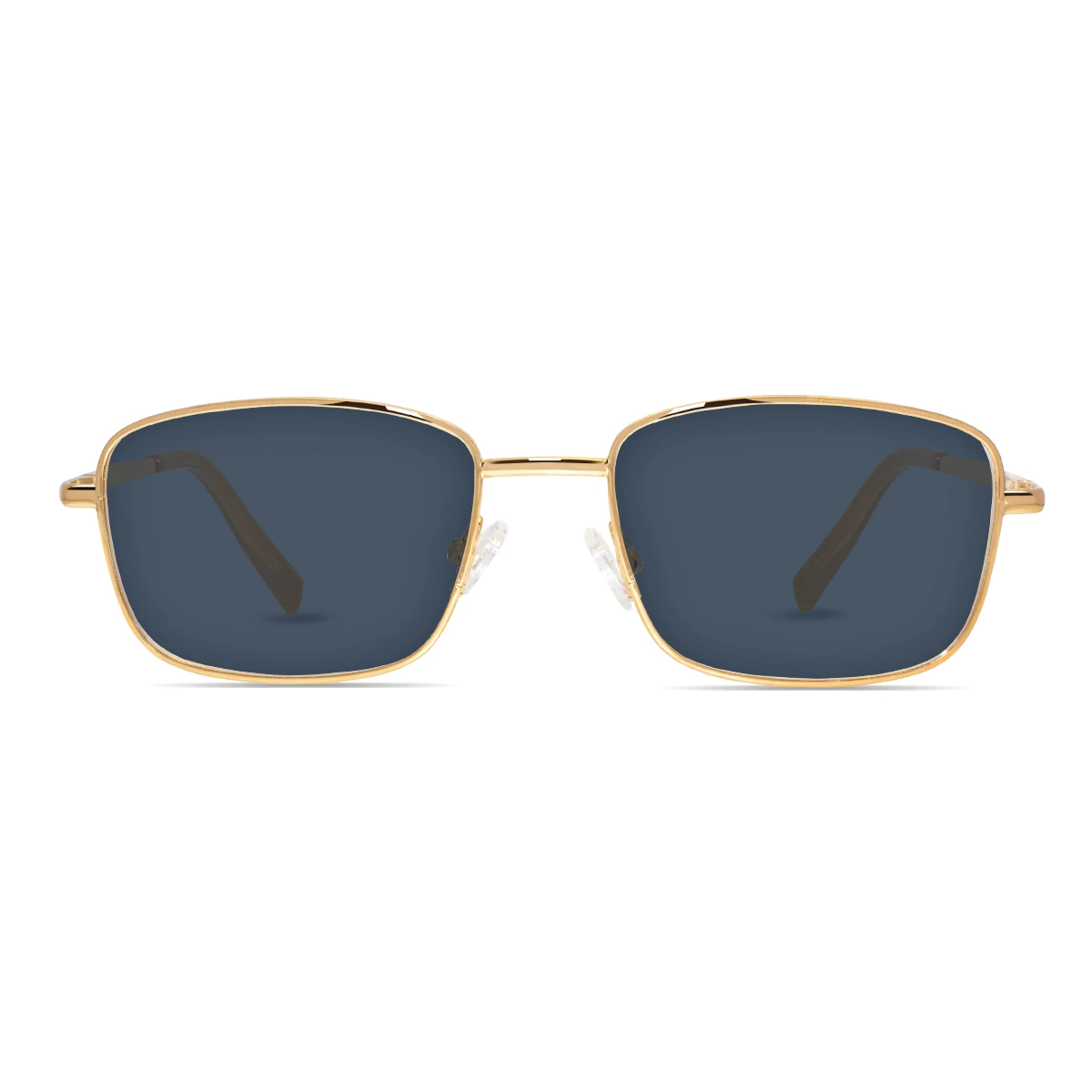
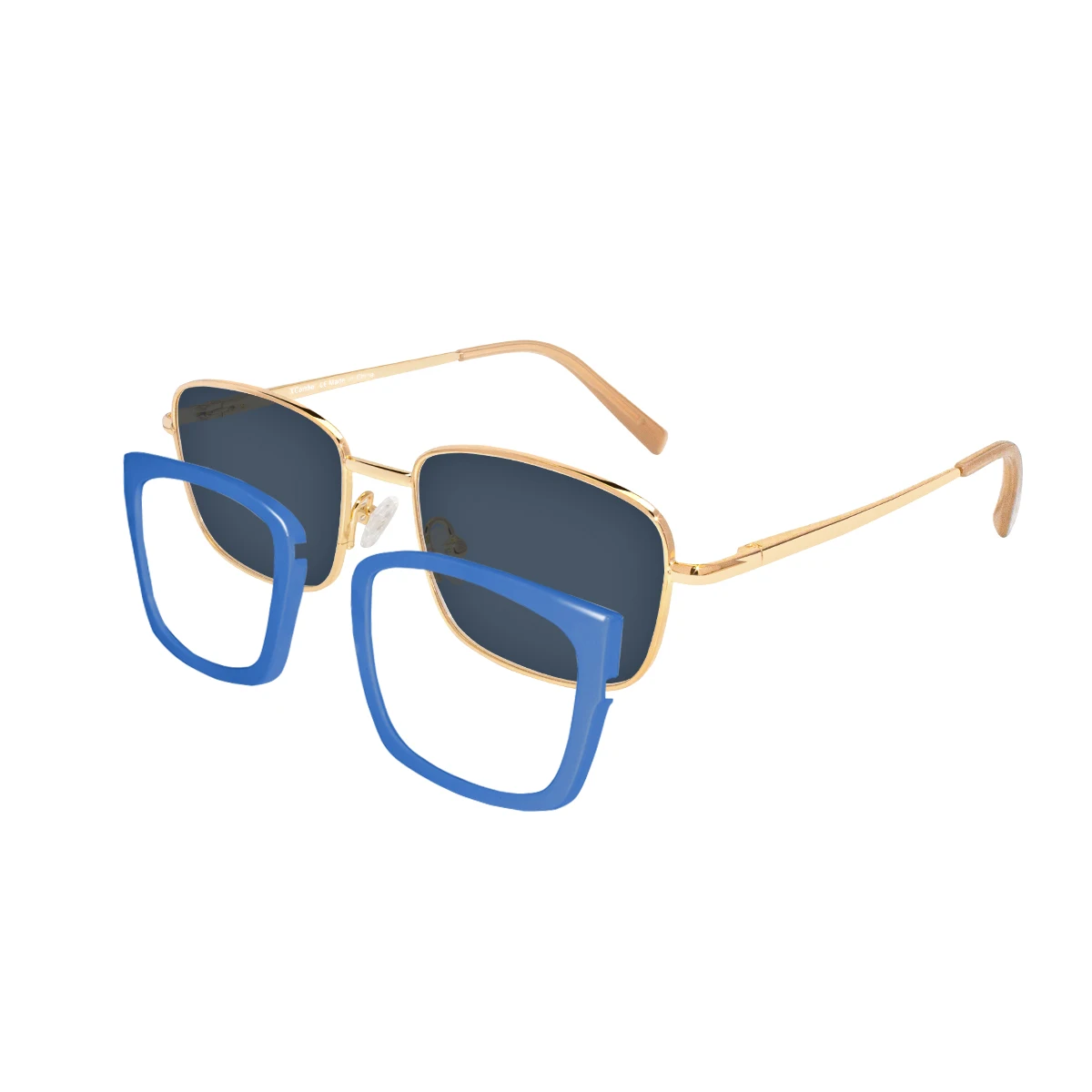
Soline Classic Gold Sunglasses – Wide Rectangle, Tinted Lenses - Interchangeable Eyewear
- Burgundy – Crystal (C01)
- Red – Crystal(C02)
- Burnt Orange – Crystal(C03)
- Marmalade – Crystal(C04)
- Sunshine Yellow – Crystal(C05)
- Lime Green – Crystal(C06)
- Sage – Crystal(C08)
- Green Forest – Crystal(C07)
- Army Green – Crystal(C09)
- Spruce – Crystal(C10)
- Turquiise – Crystal(C11)
- Cornflower– Crystal(C12)
- Navy – Crystal(C13)
- Indigo – Crystal(C14)
- Blue Orchid – Crystal(C15)
- Mauve – Crystal(C16)
- Lavender – Crystal(C21)
- Purple – Crystal(C17)
- Grape – Crystal(C18)
- Coral – Crystal(C19)
- Hot Pink – Crystal(C20)
- Chocolate – Crystal(C22)
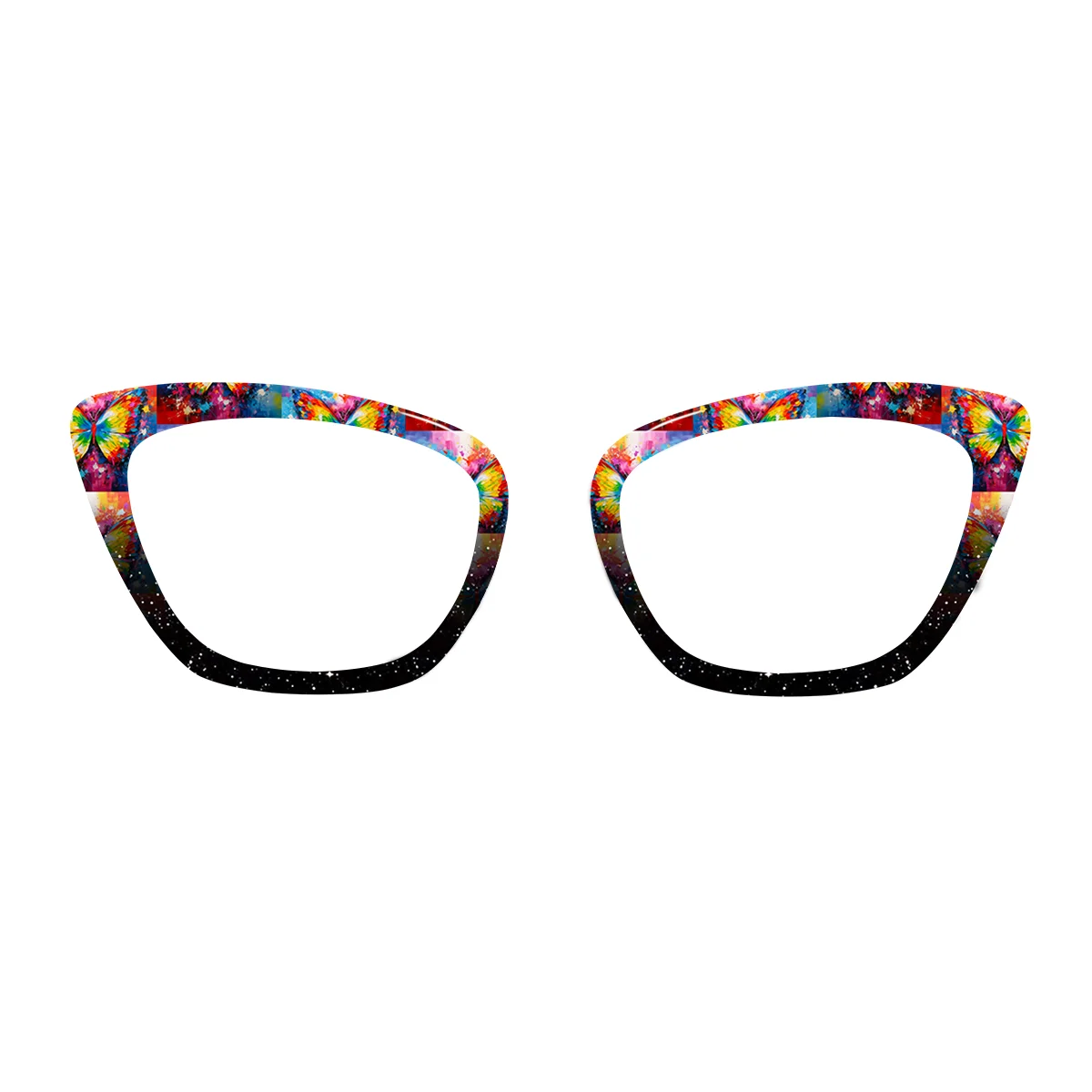
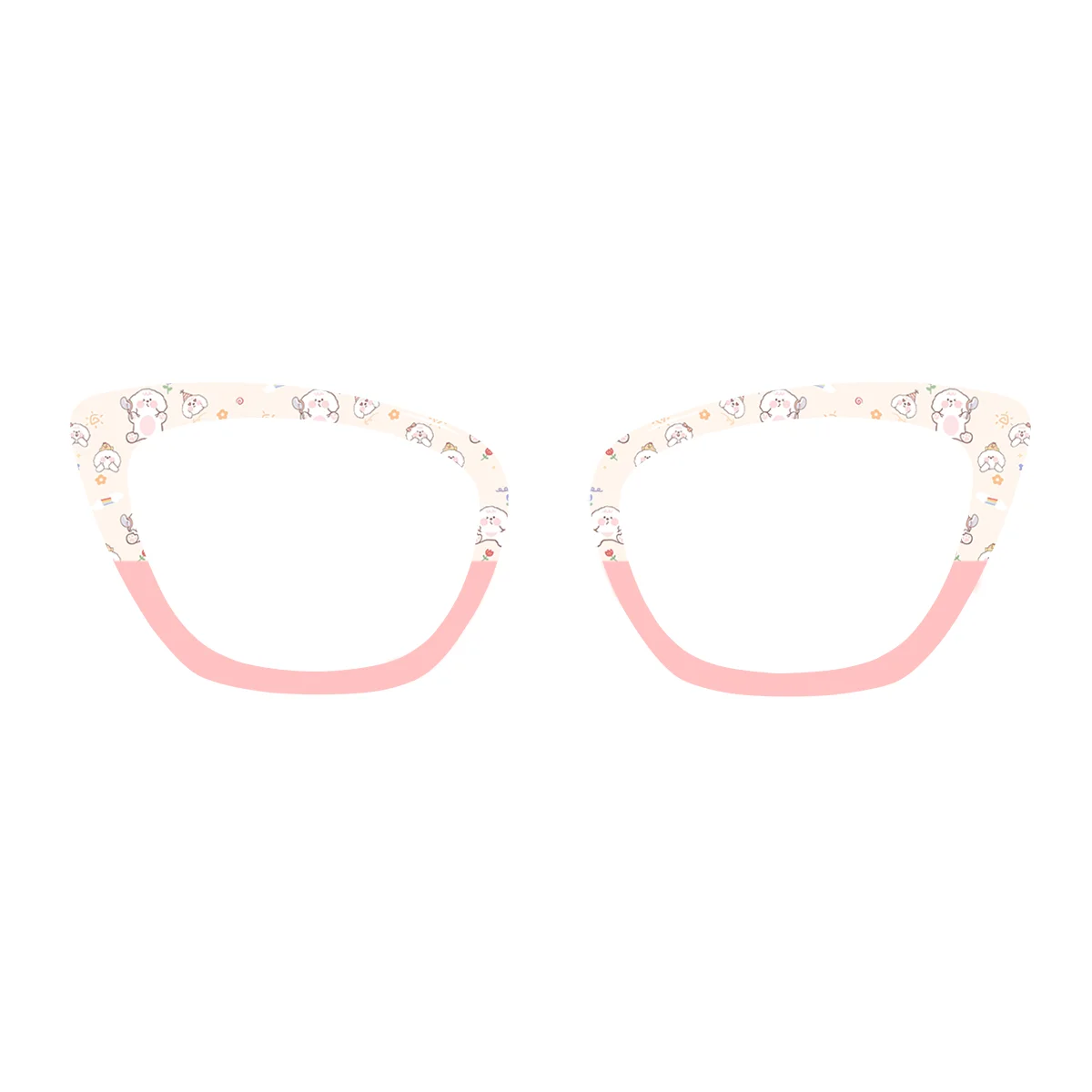
Crystal Color Top Frame for Soline


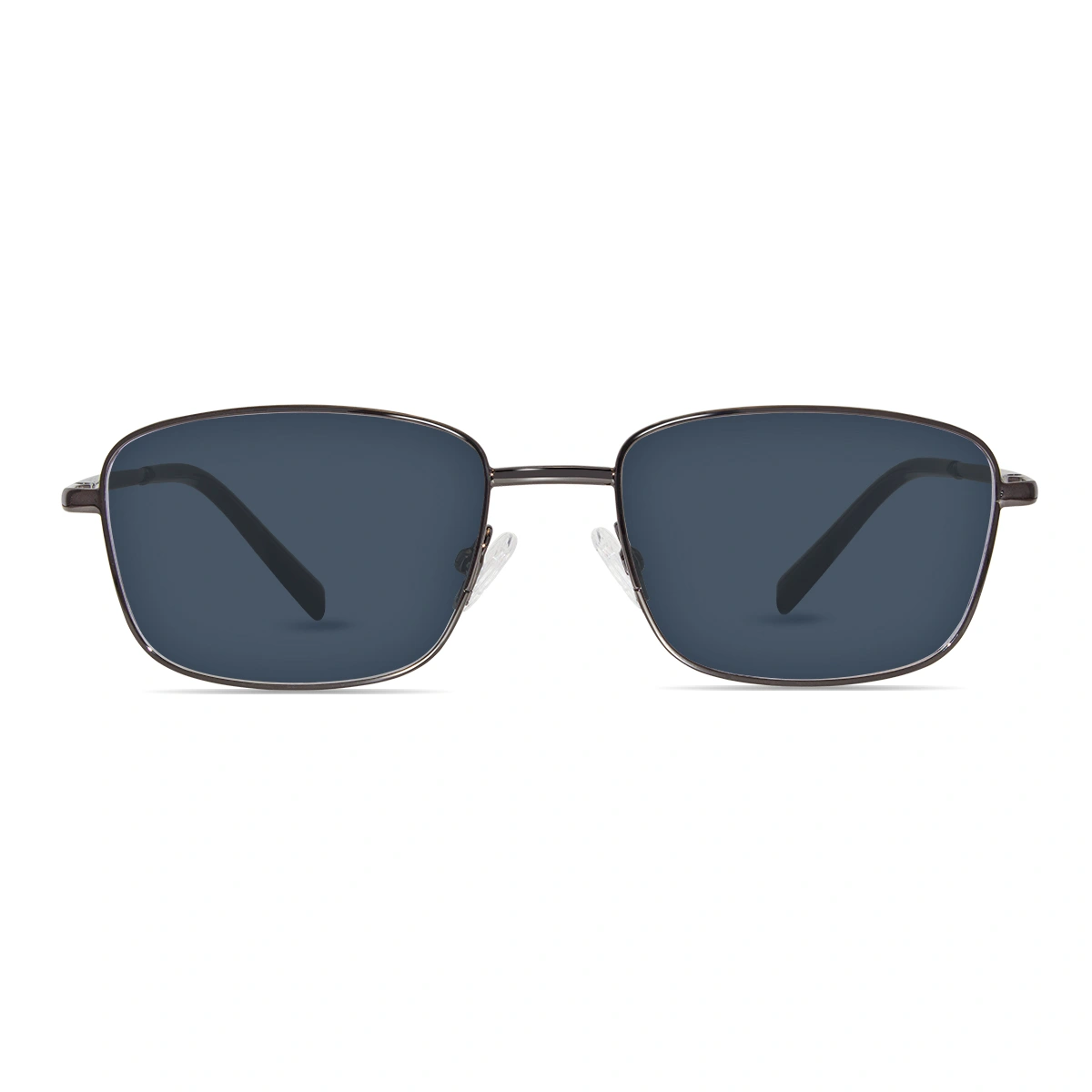
Soline Gunmetal Gray Sunglasses – Wide Rectangle, Tinted Lenses - Interchangeable Eyewear
Are the Glasses of the Future “Assembled,” Not Made? An Exclusive Interview with a High-End Custom Eyewear Designer
The world of eyewear is undergoing a dramatic transformation. What was once a simple vision correction tool has evolved into a highly...
The Mystery of the “Red Mark”: Why Your Nose Bridge Deserves a Custom Curvature Design
For millions of people who wear glasses every day, there is a familiar experience that often goes unnoticed until it becomes uncomfortable:...
Modular Glasses vs Traditional Glasses
A Deep, Real-World Test of Pros, Cons, and Everyday PerformanceFor a long time, glasses were simple:You chose a pair.You wore them everywhere.That...
The Art of Weight Distribution: Why Balance Matters More Than Absolute Weight in Custom Eyewear
When people shop for eyeglasses, one question dominates the conversation:“How much do they weigh?”It sounds logical. Lighter must mean more comfortable —...
Are Metal Frame Glasses Still in Style?
Metal frame glasses have maintained their popularity due to their sleek design, durability, and versatility. These eyeglasses, which come in a variety...

How to Tell If Your Glasses Need Professional Realignment and Adjustment
A good pair of glasses should feel comfortable, provide clear vision, and fit securely throughout the day. But over time, even high-quality...
How to Clean Your Eyeglasses the Right Way: 5 Simple Steps to Say Goodbye to Scratches
Eyeglasses are an essential part of daily life for millions of people. Whether you rely on them for vision correction, blue light...
Discover the Best Black Glasses
Black glasses are a timeless choice for eyewear enthusiasts. Their classic appeal, versatile nature, and ability to pair with any outfit make...
Crafted to Perfection - The Art of Custom Glasses
Eyewear, once a deeply personal object, has quietly become disposable. Frames are mass-produced, faces are averaged, and individuality is trimmed down to...
The Mystery of Electronic Interference: Why Snap-Fit Eyeglass Frames Are a Better Choice for Heavy Tech Users
Modern life is surrounded by invisible signals. Smartphones, wireless headphones, laptops, smartwatches, VR headsets, and countless connected devices continuously emit electromagnetic energy....
Can Scratched Eyeglass Lenses Be Repaired? The Truth About Polishing and Scratch Removal
Few things are more frustrating than discovering scratches on your eyeglass lenses. One moment your vision feels crisp and clear; the next,...
Magnets Lose Strength, Mechanical Closures Last: An Economic Audit of Custom Eyewear as a Long-Term Investment
In a marketplace driven by novelty, convenience, and clever marketing, magnetic eyeglass frames have gained attention for their snap-on ease and modular...