


The Art of Weight Distribution: Why Balance Matters More Than Absolute Weight in Custom Eyewear
When people shop for eyeglasses, one question dominates the conversation:
“How much do they weigh?”
It sounds logical. Lighter must mean more comfortable — right?
Not necessarily.
In reality, comfort in eyewear has far less to do with total weight and far more to do with how that weight is distributed across your face. Two frames may weigh exactly the same, yet one disappears on your face while the other becomes unbearable after an hour.
This difference lies in an often-overlooked principle: weight distribution and balance.
Custom eyewear designers understand something mass-produced frames often ignore — the human face is not symmetrical, standardized, or static. Comfort emerges from harmony between structure, geometry, and biomechanics, not simply grams on a scale.
In this article, we’ll explore the science, craftsmanship, and design philosophy behind balanced eyewear, and why personalized weight distribution transforms not only comfort but also posture, durability, and long-term wearability.
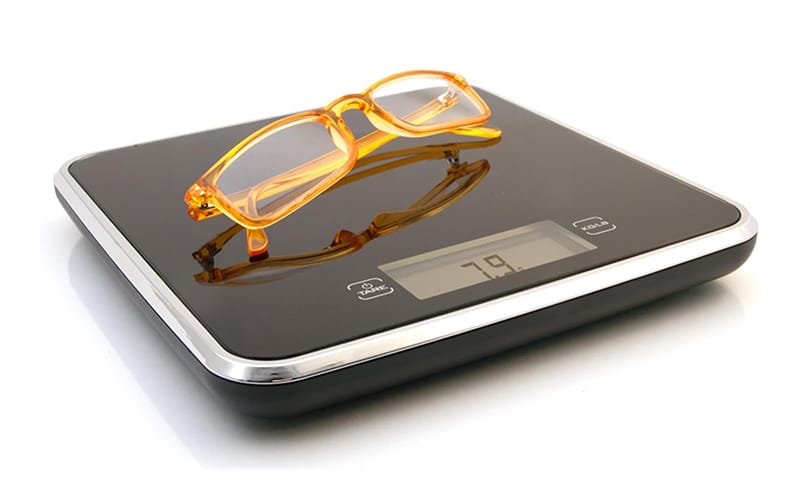
Why Absolute Weight Became a Marketing Obsession
Over the last decade, eyewear marketing has leaned heavily into ultralight materials:
- Titanium frames
- Rimless constructions
- Thin acetate blends
- Flexible polymers
Numbers became selling points:
- 9 grams
- 7 grams
- even 5 grams
Consumers naturally assumed lighter equals better.
But this comparison ignores a fundamental ergonomic truth:
The human body responds to pressure, not weight alone.
A poorly balanced 7-gram frame can feel heavier than a perfectly balanced 18-gram frame.
Why?
Because discomfort is caused by localized pressure points, not total mass.
Imagine holding:
- a grocery bag evenly balanced in both hands
- versus the same weight hanging from one finger
Same weight. Completely different experience.
Eyewear works exactly the same way.
Understanding the Mechanics of Eyewear Balance
To understand balance, we must look at how glasses interact with the face.
Eyeglasses rest on three primary contact zones:
- The nose bridge
- The ears (via temples)
- The sides of the head
These points form what designers call a support triangle.
When weight is evenly distributed across this triangle, the frame feels stable and nearly weightless. When imbalance occurs, one area compensates, leading to fatigue or pain.
The Hidden Physics
Even small misalignments create torque — rotational force — around the nose bridge.
Common causes include:
- Lenses that are too heavy for the frame structure
- Incorrect temple length
- Poor center-of-gravity placement
- Frames wider or narrower than facial anatomy
The result?
Your nose becomes the primary load-bearing structure, and discomfort begins.
Why Custom Eyewear Changes Everything
Mass-produced eyewear is built for averages.
Custom eyewear is built for you.
And averages rarely fit real humans.
Every face differs in:
- Nose height
- Bridge width
- Ear alignment
- Cheekbone prominence
- Head curvature
- Pupillary distance
- Facial asymmetry (which everyone has)
Custom frames account for these variables before manufacturing even begins.
Instead of forcing your face to adapt to the glasses, the glasses adapt to your face.
This dramatically improves balance.
The Center of Gravity: The Invisible Comfort Factor
One of the most critical aspects of eyewear design is the center of gravity.
If the center of gravity sits too far forward:
- Glasses slide down the nose
- Pressure increases on nasal pads
- Frequent adjustments become necessary
If it sits too far back:
- Temples press behind ears
- Headaches may occur
- Frames feel tight despite correct sizing
Custom eyewear designers reposition weight through:
- Material thickness variation
- Lens seating depth
- Temple geometry
- Bridge engineering
The wearer never sees these adjustments — but immediately feels them.
Lens Weight: The Silent Contributor
Many people blame frames for discomfort when lenses are actually responsible.
High prescriptions significantly increase lens mass, especially with:
- high-index lenses
- progressive lenses
- blue-light filtering layers
- photochromic treatments
Without balance optimization, heavy lenses pull frames forward.
Custom eyewear compensates by:
- adjusting frame thickness strategically
- redistributing mass toward temples
- optimizing hinge placement
- refining bridge angle
The goal is equilibrium, not minimalism.
Materials Matter — But Not the Way You Think
Material discussions often focus only on density.
However, stiffness and flexibility matter equally.
Titanium
Light and strong, but improper geometry can still create imbalance.
Acetate
Heavier but excellent for distributing weight evenly due to structural stability.
Stainless Steel
Provides rigidity useful for precise balance control.
Hybrid Constructions
Combine materials to place strength exactly where needed.
A heavier material, intelligently engineered, often produces superior comfort compared to ultralight alternatives.
The Role of the Nose Bridge
The nose bridge acts as the primary stabilizer.
In standard frames, bridges come in limited shapes:
- keyhole
- saddle
- adjustable pads
But noses vary dramatically.
Custom bridges account for:
- nasal slope
- asymmetry
- skin sensitivity
- pressure tolerance
Even millimeter-level adjustments dramatically change perceived weight.
When properly fitted, the nose does not carry the glasses — it merely guides them.
Temple Design: The Unsung Hero of Balance
Temples do far more than hold glasses in place.
They function as counterweights.
Custom temples are designed with:
- precise curvature
- calibrated tension
- individualized length
- weight compensation
Balanced temples transfer load from the nose to the skull’s stronger structures.
This reduces fatigue during long wear sessions.
Why Heavier Frames Sometimes Feel Better
This surprises many first-time custom eyewear buyers.
A slightly heavier frame can feel dramatically more comfortable.
Why?
Because stability reduces micro-movements.
Constant small adjustments force facial muscles to engage unconsciously. Over hours, this creates strain.
Balanced frames stay put, allowing muscles to relax.
Comfort becomes passive rather than managed.
Facial Asymmetry: The Secret Nobody Talks About
Almost no human face is perfectly symmetrical.
One ear may sit higher.
One cheekbone may project more.
One side of the nose may carry pressure differently.
Mass-produced frames assume symmetry.
Custom eyewear compensates for asymmetry through:
- hinge angle adjustments
- uneven temple shaping
- subtle bridge alignment corrections
These micro-adjustments eliminate pressure hotspots.
Posture and Long-Term Comfort
Poorly balanced eyewear affects more than your nose.
It can influence:
- head tilt
- neck alignment
- shoulder tension
- visual focus habits
When glasses constantly slip, wearers unconsciously adjust posture.
Over months or years, this contributes to fatigue and discomfort far beyond eyewear itself.
Balanced frames encourage neutral posture and natural viewing angles.
The Psychological Dimension of Balance
Comfort is not purely physical.
When glasses feel unstable, your brain continuously monitors them.
This creates cognitive distraction.
Balanced eyewear disappears from awareness — a state designers call perceptual invisibility.
You stop thinking about your glasses entirely.
Ironically, the best eyewear is the kind you forget you’re wearing.
Craftsmanship vs Mass Production
Custom eyewear involves iterative refinement.
Typical steps include:
- Facial measurement analysis
- Frame geometry modeling
- Material selection based on prescription
- Prototype fitting
- Micro-adjustments
- Final balancing
Each stage focuses on equilibrium rather than minimal weight.
Mass production cannot economically replicate this process.
Signs Your Glasses Are Poorly Balanced
Many wearers assume discomfort is unavoidable.
Common warning signs include:
- red marks on the nose
- slipping during conversations
- pressure behind ears
- headaches after long wear
- constant repositioning
- uneven frame tilt
These are balance problems, not weight problems.
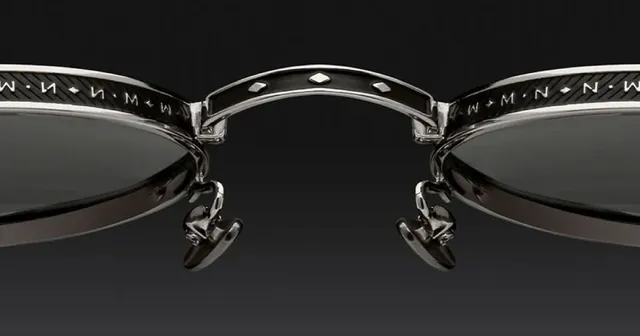
How Custom Designers Achieve Balance
Professional frame makers apply several techniques:
Weight Mapping
Analyzing where grams accumulate across the frame.
Dynamic Testing
Evaluating comfort during movement, not just static fitting.
Counterbalancing
Adding structural mass strategically to offset lens weight.
Pressure Distribution Analysis
Ensuring no single point bears excessive load.
These processes transform wearing experience.
The Longevity Advantage
Balanced frames experience less mechanical stress.
Benefits include:
- reduced hinge wear
- fewer adjustments required
- improved structural durability
- longer lifespan
Imbalance accelerates fatigue in materials, especially at hinge joints.
Comfort and durability are closely connected.
Why Online Measurements Often Fall Short
Digital sizing tools provide useful starting points but cannot capture:
- tactile pressure response
- skin elasticity
- movement dynamics
- subtle asymmetry
Balance requires physical interaction and skilled adjustment.
This is why in-person customization or advanced fitting processes remain valuable.
Custom Eyewear and Lifestyle Adaptation
Different lifestyles require different balance strategies.
Office Professionals
Need stability for prolonged screen viewing.
Active Wearers
Require secure counterbalance during motion.
Frequent Travelers
Benefit from pressure distribution minimizing fatigue.
Creative Professionals
Often prioritize larger lenses requiring careful weight compensation.
Customization aligns balance with daily behavior.
The Future of Balanced Eyewear
Emerging technologies are reshaping customization:
- 3D facial scanning
- AI-assisted frame modeling
- precision CNC manufacturing
- advanced lightweight composites
These innovations allow designers to control weight distribution at unprecedented levels.
The focus is shifting from lighter products to smarter ones.
Choosing Comfort Over Numbers
When evaluating eyewear, consider asking:
- Where does the frame rest most comfortably?
- Does pressure feel evenly distributed?
- Do the glasses stay stable when moving?
- Do you forget you’re wearing them?
These questions matter more than grams listed on a specification sheet.
The Philosophy Behind True Comfort
Custom eyewear reflects a broader design principle:
Comfort emerges from balance, not reduction.
Removing material is easy.
Achieving harmony is difficult.
Designers must balance physics, anatomy, aesthetics, and craftsmanship simultaneously.
The result is not merely eyewear — it is wearable engineering.
Final Thoughts: Balance Is the Real Luxury
For decades, eyewear conversations focused on trends, materials, and weight statistics.
But true comfort lives in subtler details.
Balanced eyewear:
- distributes pressure naturally
- stabilizes vision
- reduces fatigue
- enhances posture
- disappears into daily life
Absolute weight is measurable.
Balance is experiential.
And once you experience properly balanced custom eyewear, the difference becomes impossible to ignore.
The next time you try on glasses, resist the urge to ask how light they are.
Instead, ask a better question:
How do they carry their weight?
Because in eyewear — as in design, architecture, and even life — harmony matters more than numbers.

Share this post


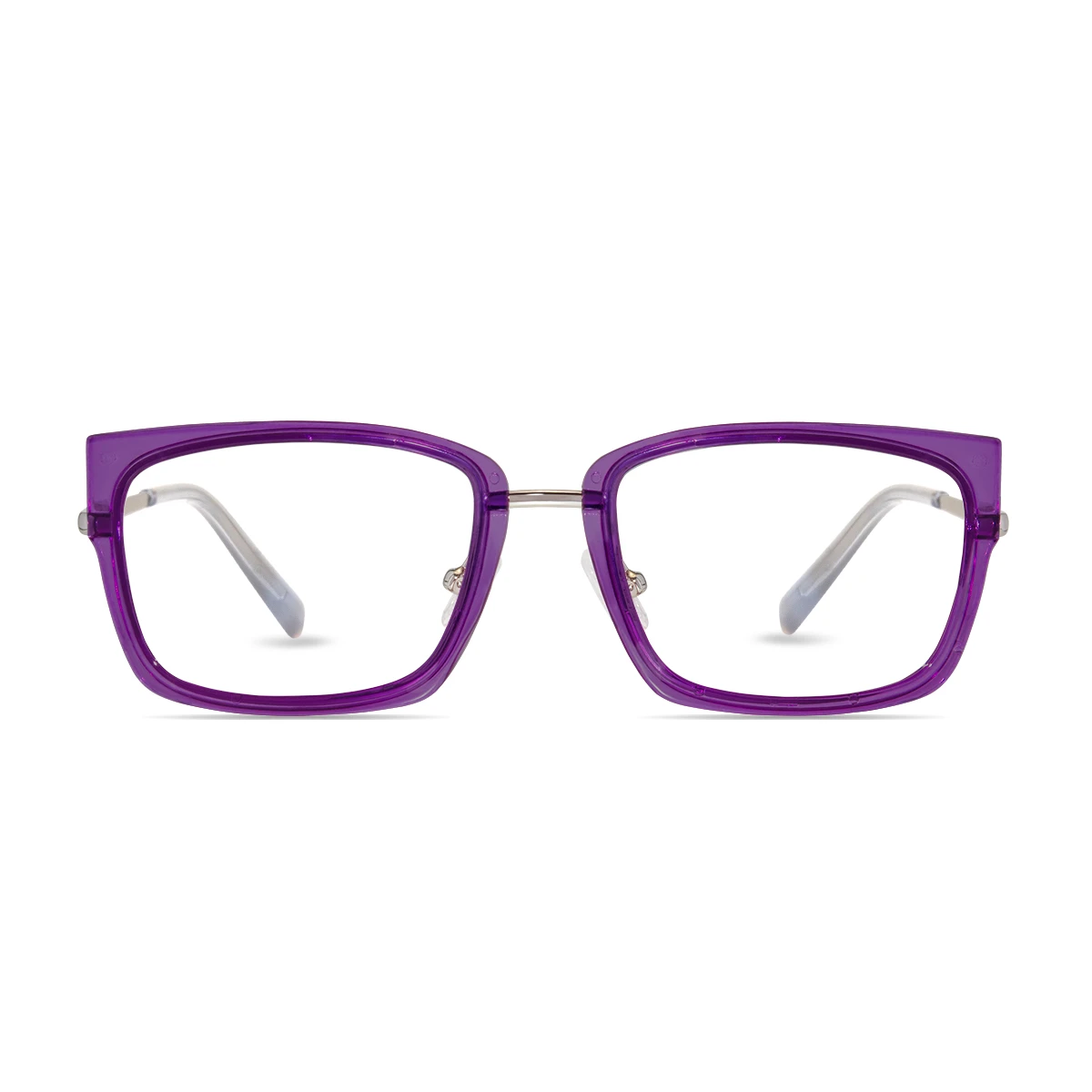
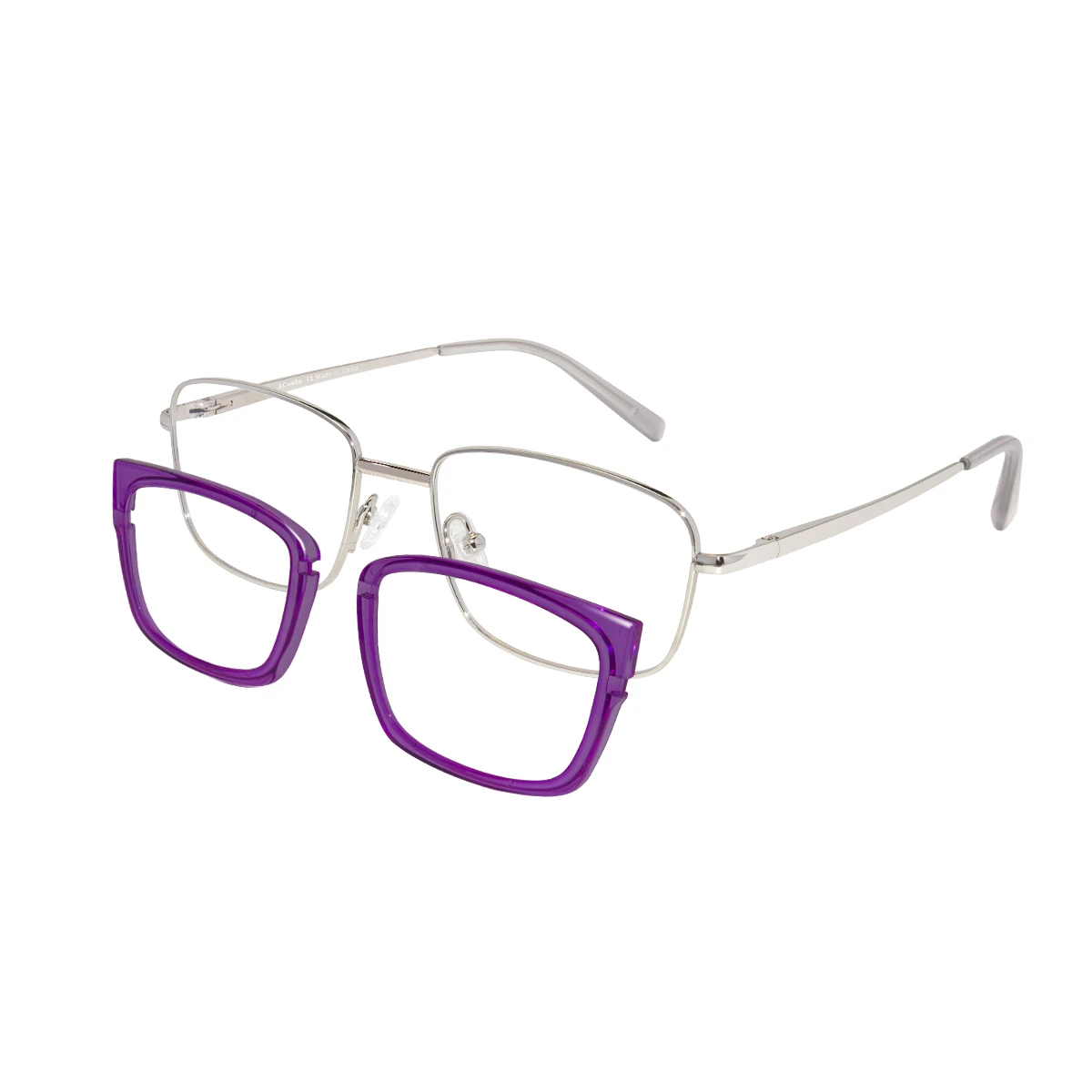
- Burgundy – Crystal (C01)
- Red – Crystal(C02)
- Burnt Orange – Crystal(C03)
- Marmalade – Crystal(C04)
- Sunshine Yellow – Crystal(C05)
- Lime Green – Crystal(C06)
- Sage – Crystal(C08)
- Green Forest – Crystal(C07)
- Army Green – Crystal(C09)
- Spruce – Crystal(C10)
- Turquiise – Crystal(C11)
- Cornflower– Crystal(C12)
- Navy – Crystal(C13)
- Indigo – Crystal(C14)
- Blue Orchid – Crystal(C15)
- Mauve – Crystal(C16)
- Lavender – Crystal(C21)
- Purple – Crystal(C17)
- Grape – Crystal(C18)
- Coral – Crystal(C19)
- Hot Pink – Crystal(C20)
- Chocolate – Crystal(C22)
Crystal Color Top Frame + Metallic Silver Base - Soline
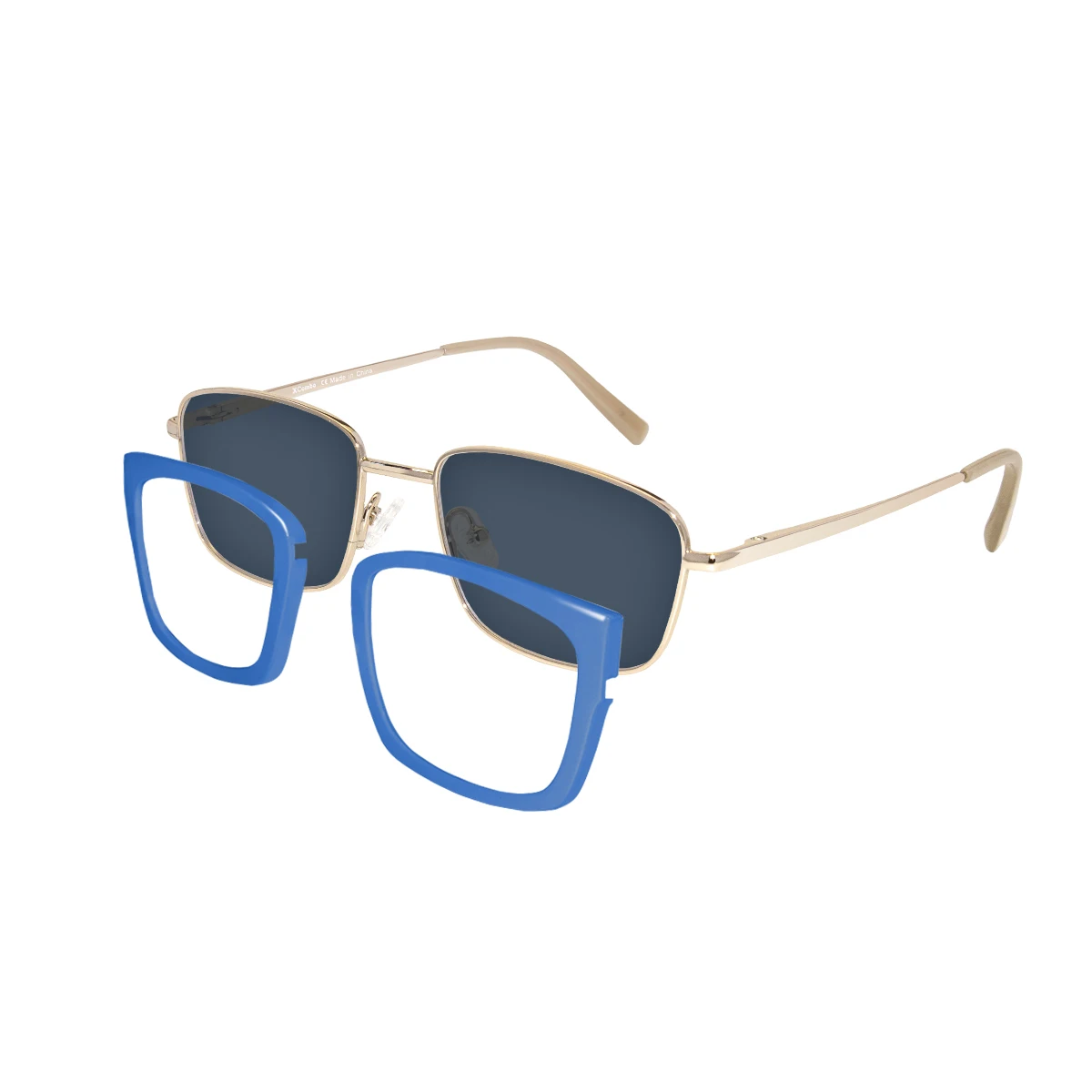
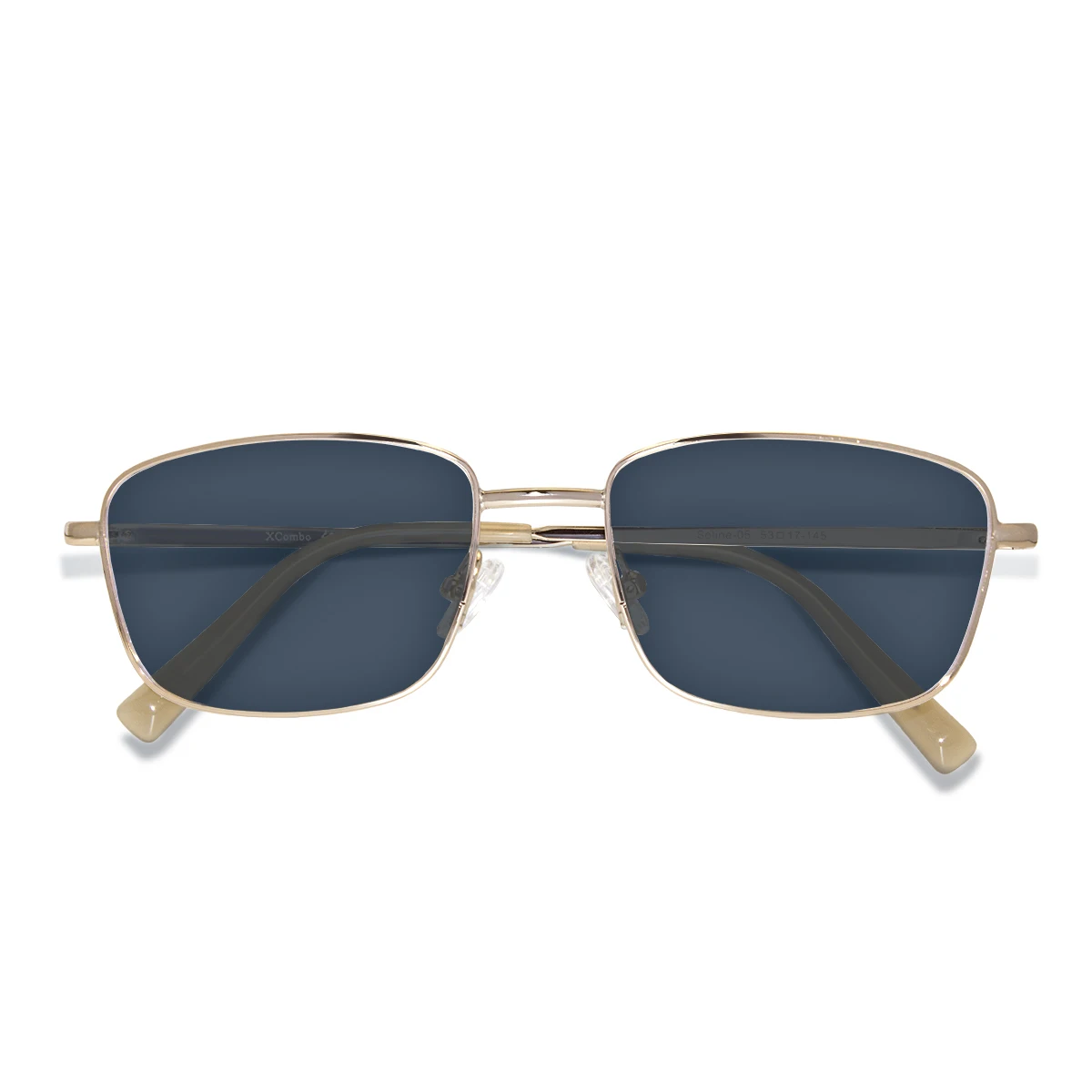
Soline Light Gold Interchangeable Sunglasses – Wide Rectangle, Tinted Lenses


Mira Gunmetal Gray Interchangeable Base Frame – Wide Cat-Eye Metal Glasses
From Matte to Glossy Again: Professional Restoration Solutions for Worn Custom Eyewear Frames
Introduction: When Premium Frames Start Losing Their Original FinishCustom eyewear frames are more than vision tools—they are personal style statements, daily companions,...
Can You Replace Lenses in Old Frames?
Over time, your vision may change, requiring a new prescription for corrective lenses. However, this doesn’t necessarily mean you need to replace...
The Balance of Lightness and Strength: The Wearing Aesthetics of Mechanical Clip Eyewear
Eyewear has always lived at the intersection of function and expression. For centuries, glasses were designed primarily to correct vision, with aesthetics...
High-Impact Protection: Why Professional Athletes Choose Clip-Lock Eyewear Over Magnetic Glasses
In elite sports, equipment is never an afterthought. Every gram, every hinge, every millimeter of alignment can influence performance. Professional athletes train...
How Should Your Glasses Fit for Comfort and Style?
Choosing the right pair of eyeglasses involves not only selecting the perfect frame design but also ensuring a proper fit for maximum...
Do Photochromic Lenses Block Blue Light?
Photochromic lenses are a modern eyewear innovation that changes color when exposed to ultraviolet (UV) light, darkening significantly under sunlight. These lenses,...
Gravity’s Grudge: Why Your Glasses Keep Sliding Down (And How Your Frames Are Trying to Tell You Something)
We’ve all been there. You’re in the middle of a high-stakes board meeting, leaning over a delicious plate of pasta, or simply...
From a Materials Science Perspective: What Materials Work Best for Custom Eyewear with Mechanical Snap-Fit Structures?
Modern eyewear design has moved far beyond simple hinges and screws. As customization becomes the new standard in optical products, designers and...
Mechanical Harmony in Eyewear: How Precision Spring Snap Systems Create the Perfect Fit
You put on a new pair of frames. They look great in the mirror. The lenses are clear. The design fits your...
Multifocal Lens Fitting: How Custom Frames Precisely Align with Your Visual Center
For millions of people, vision correction isn’t as simple as a single prescription. As our eyes age, the need to see clearly...
Digital Face Scanning: Marketing Hype or the Future of Millimeter-Level Eyewear Fit?
Walk into a modern optical store or browse premium eyewear brands online today, and you’ll likely encounter a bold promise: digital face...
Goodbye to “Magnetic Slip-Off”: Why Clip-Lock Eyewear Frames Outperform Magnetic Frames in Dynamic Lifestyles
In today’s fast-moving world, eyewear isn’t just a vision tool — it’s performance gear. Whether you’re commuting through crowded subway platforms, chasing...