


Do Photochromic Lenses Block Blue Light?
Photochromic lenses are a modern eyewear innovation that changes color when exposed to ultraviolet (UV) light, darkening significantly under sunlight. These lenses, also known as light-adaptive or transition lenses, are popular for their convenience and functionality. Additionally, photochromic lenses provide protection against harmful blue light, making them an appealing choice for both outdoor and screen use. Below, we’ll explore how these lenses work, their benefits, and tips for maintaining them.
What Are Photochromic Lenses?
The Development of Photochromic Lenses
Photochromic lenses have gained significant popularity in recent years due to their practical and stylish nature. However, their history dates back to the 1960s, with consumer-ready versions introduced in the early 1990s. Since then, advancements in lens technology have made photochromic lenses widely accessible, including the introduction of photochromic contact lenses.
How Photochromic Lenses Work
Photochromic lenses contain photochromic dyes that undergo a chemical reaction when exposed to UV light. This reaction causes the lenses to darken in response to sunlight, and the intensity of the color change depends on the level of UV exposure. Indoors or in low light, the lenses revert to their clear or lightly tinted state, offering seamless adaptability to various lighting conditions.
Do Photochromic Lenses Block Blue Light?
Protection Against Blue Light
Although photochromic lenses are primarily designed to block UV light, they also provide effective protection against blue light. These lenses can reduce blue light exposure from natural sources like sunlight as well as artificial sources such as digital screens. This dual functionality makes them a great choice for people concerned about digital eye strain or outdoor light sensitivity.
Benefits of Photochromic Lenses
- UV Protection
Photochromic lenses offer complete UV protection in all stages, helping prevent eye conditions such as cataracts, macular degeneration, and corneal damage. - Convenience
These lenses eliminate the need to switch between regular glasses and prescription sunglasses. They quickly adjust to light conditions, providing comfort and ease for wearers on the go.
Tips for Maintaining Photochromic Lenses
Proper care of photochromic lenses is essential to preserve their performance and longevity. Here are some tips to keep your lenses in top condition:
Daily Cleaning Routine
- Clean your lenses daily using mild liquid soap and water. Avoid soaps with added moisturizers or harsh chemicals, as these can damage the lens coating.
- Use a microfiber cloth to gently dry the lenses, ensuring you don’t scratch the surface.
Handle With Care
- Wash your hands before cleaning your glasses to prevent transferring dirt or oils onto the lenses.
- Store your glasses in a protective case when not in use, particularly when carrying them in a bag or purse.
Avoid Extreme Conditions
Keep your lenses away from high heat or prolonged exposure to direct sunlight when not in use, as this can affect their photochromic properties.
By understanding the functionality and benefits of photochromic lenses, you can make an informed choice when selecting the best lenses for your needs. Whether you’re looking for UV protection, blue light filtering, or enhanced convenience, photochromic lenses provide an excellent solution for modern eyewear users.
Share this post
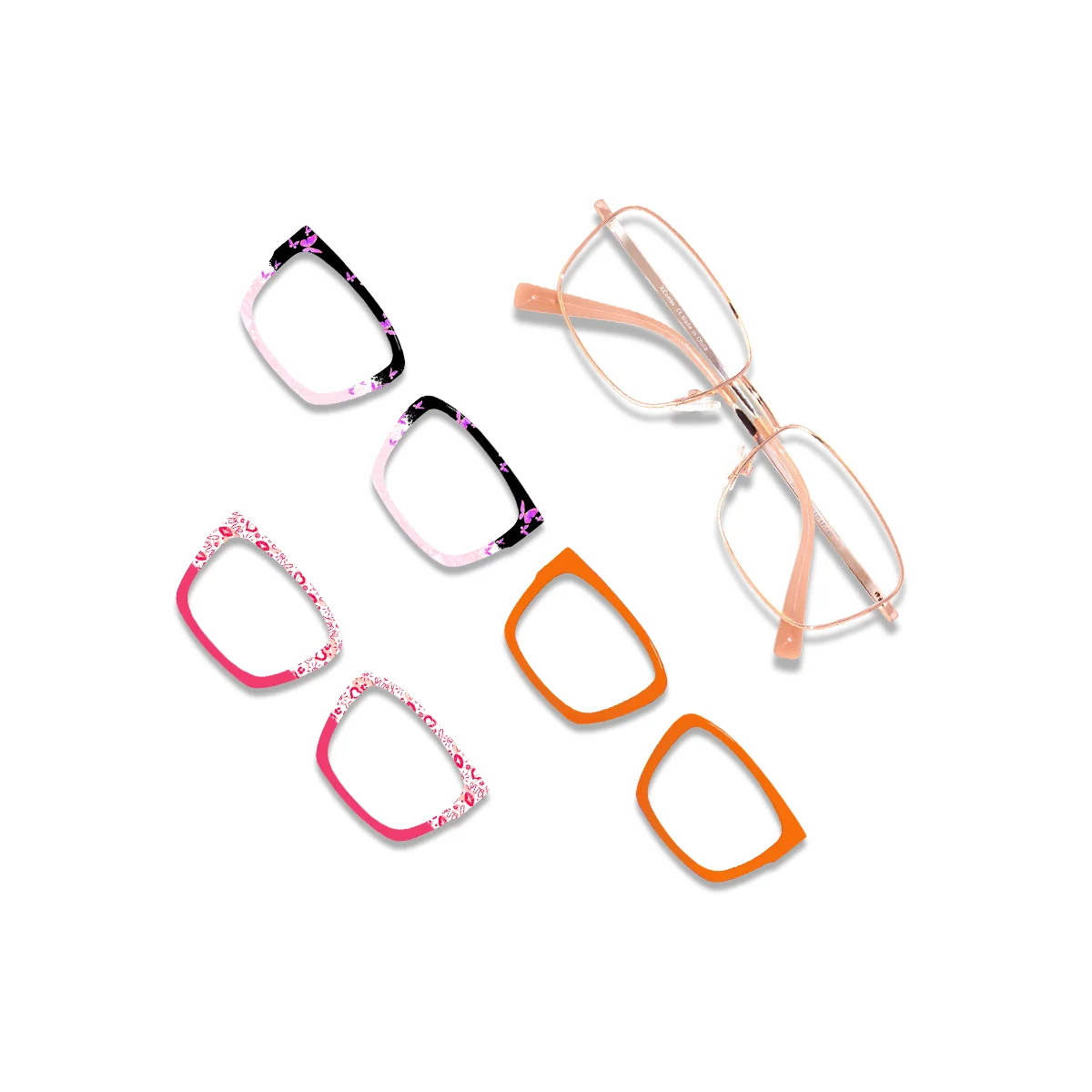
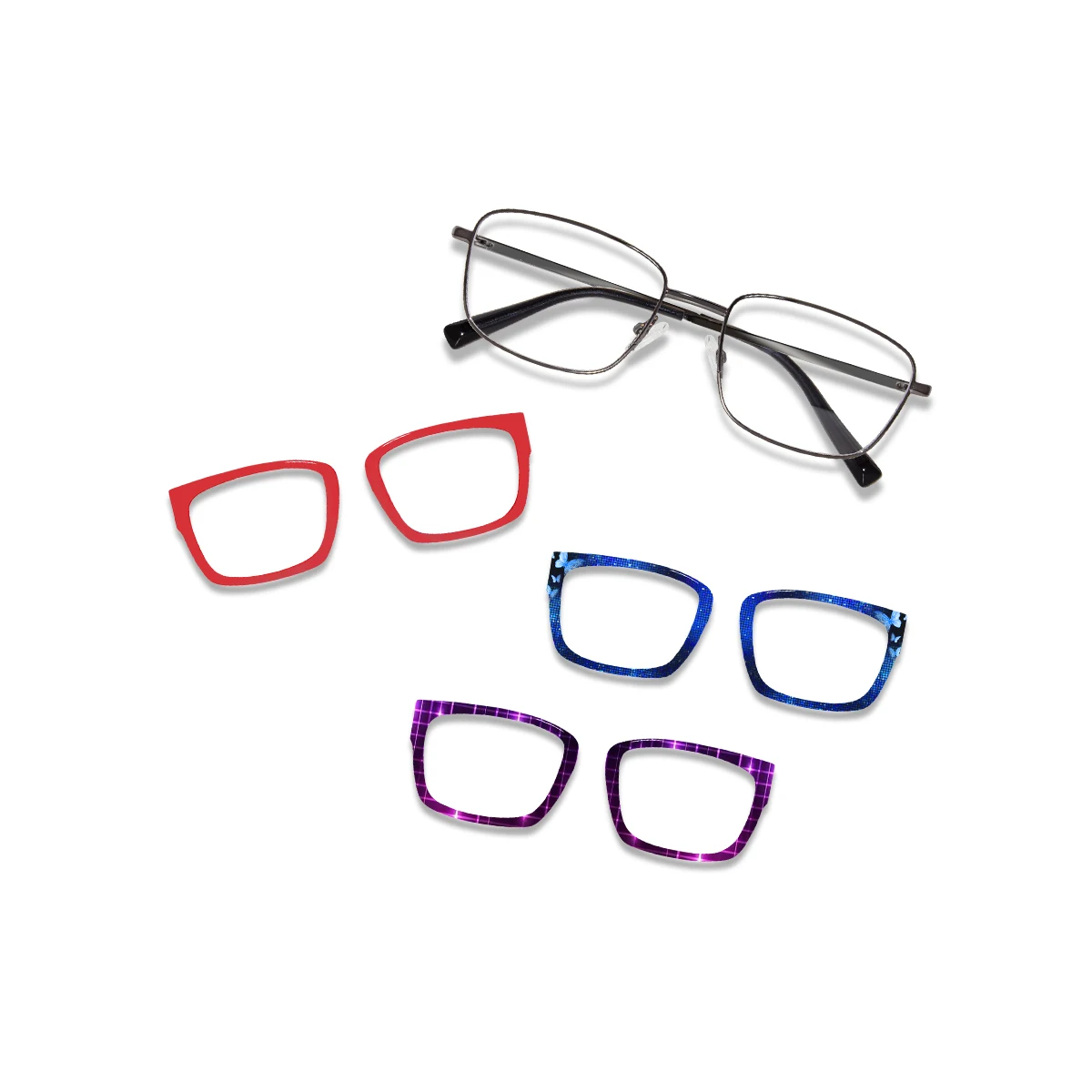






- Burgundy – Crystal (C01)
- Red – Crystal(C02)
- Burnt Orange – Crystal(C03)
- Marmalade – Crystal(C04)
- Sunshine Yellow – Crystal(C05)
- Lime Green – Crystal(C06)
- Sage – Crystal(C08)
- Green Forest – Crystal(C07)
- Army Green – Crystal(C09)
- Spruce – Crystal(C10)
- Turquiise – Crystal(C11)
- Cornflower– Crystal(C12)
- Navy – Crystal(C13)
- Indigo – Crystal(C14)
- Blue Orchid – Crystal(C15)
- Mauve – Crystal(C16)
- Lavender – Crystal(C21)
- Purple – Crystal(C17)
- Grape – Crystal(C18)
- Coral – Crystal(C19)
- Hot Pink – Crystal(C20)
- Chocolate – Crystal(C22)




Long-Term Ownership Guide: How to Choose a Timeless Custom Eyewear Frame That Never Goes Out of Style and Is Easy to Refresh
Eyewear has evolved far beyond vision correction. Today, glasses function as personal identity, fashion statement, daily tool, and long-term investment all at...
In-Store Try-On vs. Cloud-Based Measurement: A Deep Dive Into the Experience Gap
The eyewear industry is undergoing a quiet but profound transformation. For decades, purchasing glasses meant visiting a physical store, trying on multiple...
Finding Your "Signature Frames": How to Design an Eyewear Look That Defines Your Identity
Think of the most iconic figures in history and pop culture. Steve Jobs. Iris Apfel. Buddy Holly. Karl Lagerfeld. When you visualize...
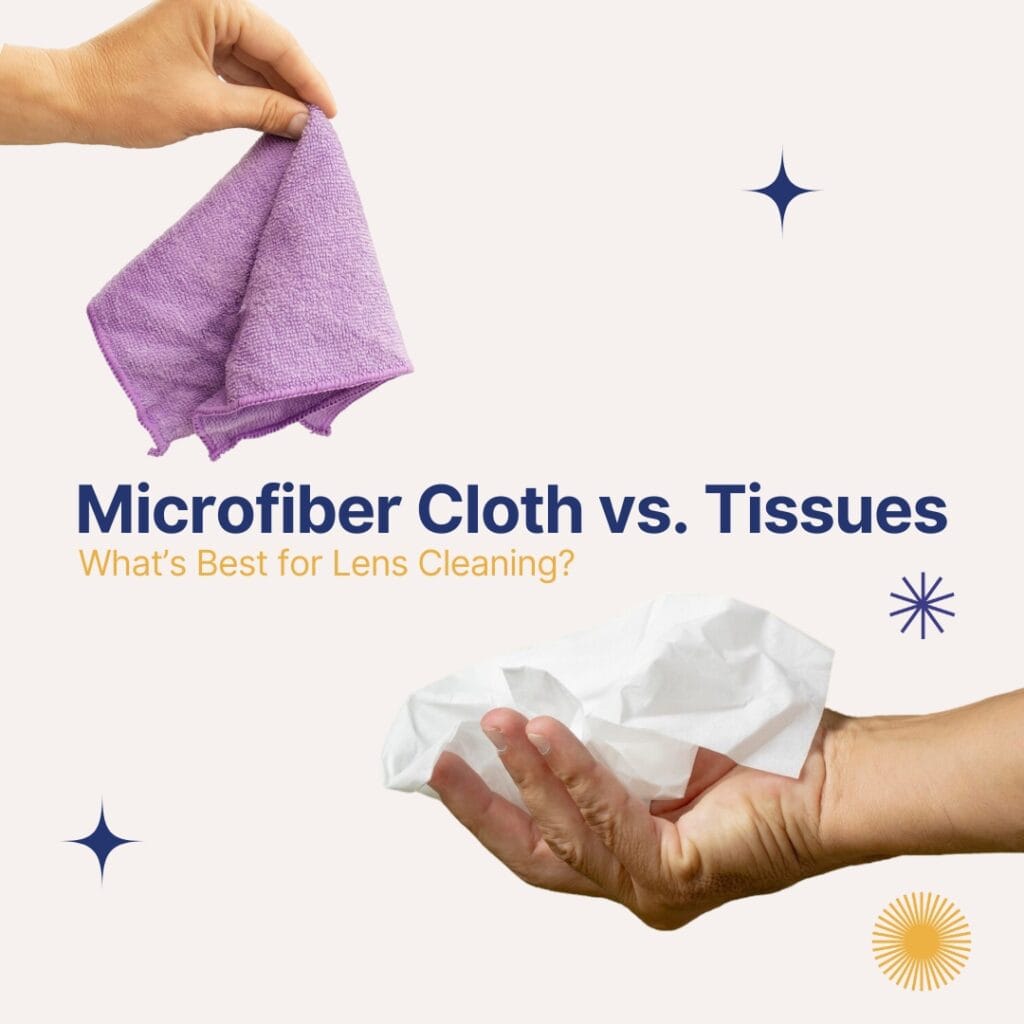
Microfiber Cloth vs. Paper Towels: Why the Wrong Cleaning Tool Can Ruin Your Lenses
Most people don’t think twice about how they clean their lenses. Whether it’s eyeglasses, camera lenses, or screens, the instinct is simple:...
How to Properly Wear and Care for Ski Goggles
Ski goggles are essential for protecting your eyes on the slopes, providing clear vision and shielding against harmful elements like UV rays,...
Ultrasonic Cleaners: Savior or Silent Killer for Custom Eyewear? A Professional Guide to Safe Cleaning and Costly Mistakes
Custom eyewear has evolved far beyond simple vision correction. Today’s prescription glasses often feature precision-engineered lenses, specialized coatings, lightweight materials, and carefully...
Buy One, Get Five? Are Interchangeable Combo Glasses a Smart Investment—or Just a Marketing Gimmick?
If you’ve ever browsed online eyewear stores or social media ads, you’ve probably seen this pitch. A single pair of glasses, combined...
Best Browline Glasses for Men: A Timeless Style Choice
Browline glasses are known for their distinctive design, featuring a thicker upper frame that accentuates the browline. Originally popular in the 1940s...
Gravity’s Grudge: Why Your Glasses Keep Sliding Down (And How Your Frames Are Trying to Tell You Something)
We’ve all been there. You’re in the middle of a high-stakes board meeting, leaning over a delicious plate of pasta, or simply...
Stop Using Your Shirt to Clean Your Glasses: What a Microscope Reveals About the Damage to Custom Lens Coatings
If you wear glasses every day, chances are you’ve done it countless times: your lenses get smudged, you grab the corner of...
Why Your Next Pair of Custom Glasses Shouldn’t Have Screws
Eyeglasses have come a long way from the fragile metal frames and thick lenses that once defined vision correction. Modern eyewear now...
A Breakthrough for Allergy-Sensitive Wearers: Understanding Clip-Lock Eyewear Without Welding or Metal Plating
For millions of people, wearing glasses is a daily necessity. But for individuals with sensitive skin or metal allergies, eyewear can become...