


In-Store Try-On vs. Cloud-Based Measurement: A Deep Dive Into the Experience Gap
The eyewear industry is undergoing a quiet but profound transformation. For decades, purchasing glasses meant visiting a physical store, trying on multiple frames, and relying on an optician’s expertise to find the perfect fit. Today, digital innovation has introduced a new alternative: cloud-based measurement and virtual try-on experiences.
Consumers can now measure their faces using smartphones, preview frames through augmented reality, and order prescription glasses without ever stepping into a store. This shift raises an important question: how does the traditional in-store try-on experience compare with cloud-based measurement, and which one delivers better results?
The answer lies in understanding the experience gap between these two approaches. This gap is not just about technology—it involves psychology, accuracy, trust, convenience, and personalization. In this article, we’ll explore these dimensions in depth to help you understand which approach aligns best with different user needs and business models.
The Evolution of Eyewear Shopping
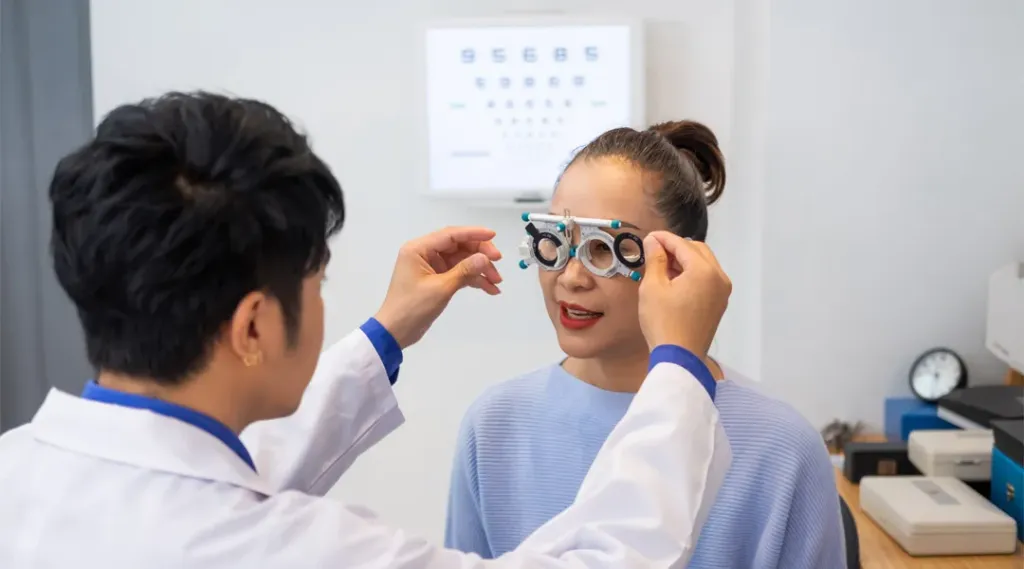
Historically, eyewear retail has been rooted in physical interaction. Customers relied on mirrors, lighting conditions, and in-person feedback to make decisions. The tactile nature of trying on frames—feeling their weight, adjusting the fit, and seeing how they complement facial features—has long been considered essential.
However, advancements in mobile technology, artificial intelligence, and computer vision have enabled cloud-based measurement systems to replicate parts of this experience digitally. These systems can analyze facial dimensions, recommend frame sizes, and simulate how glasses will look on a user’s face.
The transition from physical to digital is not just a change in medium—it’s a shift in how consumers perceive value, trust information, and make purchasing decisions.
What Is In-Store Try-On?
In-store try-on refers to the traditional process of visiting an optical shop or eyewear retailer to physically test frames before purchasing.
Key Features
- Physical interaction with frames
- Immediate feedback from mirrors and staff
- Professional fitting and adjustments
- Real-time comparison between multiple options
Strengths of In-Store Try-On
1. Tactile Experience
Customers can feel the material, weight, and build quality of frames. This sensory feedback plays a crucial role in decision-making.
2. Accurate Fit Assessment
Opticians can adjust frames on the spot, ensuring proper alignment with the nose bridge, ears, and face shape.
3. Human Guidance
Professional advice helps customers choose frames that suit their face shape, lifestyle, and prescription needs.
4. Emotional Confidence
Seeing oneself in a mirror provides a sense of certainty that is hard to replicate digitally.
What Is Cloud-Based Measurement?
Cloud-based measurement uses digital tools—typically smartphones or webcams—to capture facial data and recommend eyewear accordingly.
Key Features
- AI-powered facial scanning
- Virtual try-on using augmented reality
- Automated size and fit recommendations
- Remote ordering and delivery
Strengths of Cloud-Based Measurement
1. Convenience
Users can shop anytime, anywhere, without visiting a store.
2. Speed
The entire process—from measurement to purchase—can take minutes.
3. Scalability
Brands can serve a global audience without physical locations.
4. Data-Driven Personalization
Algorithms analyze user data to suggest frames that match preferences and facial structure.
The Core Experience Gap
While both approaches aim to help customers find the right eyewear, the experience they deliver differs significantly. Let’s break down the key areas where this gap is most evident.
1. Sensory Engagement
In-Store Try-On
The physical experience engages multiple senses:
- Touch: Feeling frame materials
- Sight: Observing reflections in real lighting
- Movement: Testing comfort during head motion
This multi-sensory interaction builds confidence and reduces uncertainty.
Cloud-Based Measurement
Digital experiences rely primarily on visual simulation. While augmented reality has improved significantly, it still lacks:
- True depth perception
- Accurate material representation
- Real-world lighting variations
Gap Insight:
The absence of tactile feedback remains one of the biggest limitations of cloud-based systems.
2. Accuracy of Fit
In-Store Try-On
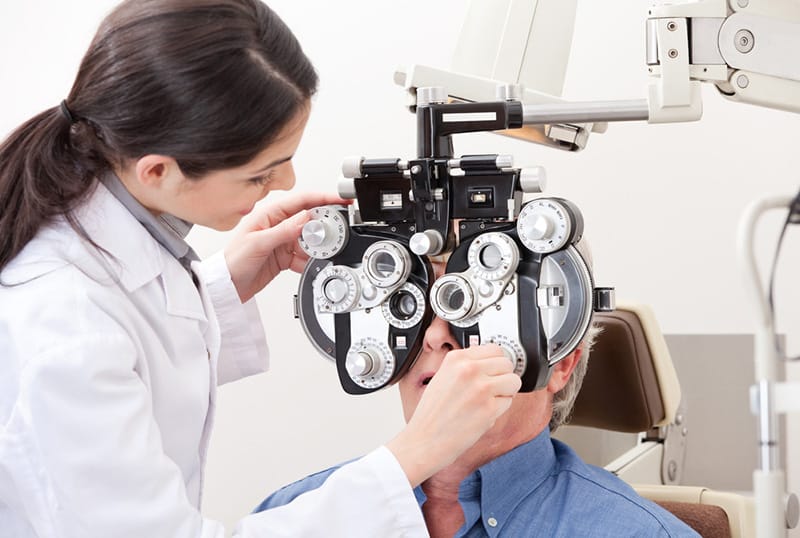
Opticians measure:
- Pupillary distance (PD)
- Bridge width
- Temple length
They also make real-time adjustments to ensure comfort and alignment.
Cloud-Based Measurement
Digital tools estimate measurements using:
- Facial recognition algorithms
- Camera-based scaling
- Machine learning models
While accuracy has improved, it can still be affected by:
- Camera quality
- Lighting conditions
- User positioning
Gap Insight:
Cloud-based measurement is approaching acceptable accuracy for many users, but it may still fall short for complex prescriptions or sensitive fits.
3. Decision Confidence
In-Store Try-On
Customers benefit from:
- Immediate visual confirmation
- Feedback from staff or companions
- The ability to compare multiple frames physically
This reduces hesitation and increases purchase confidence.
Cloud-Based Measurement
Users rely on:
- Screen-based previews
- Algorithmic recommendations
- Reviews and ratings
Despite advancements, some users experience “decision anxiety” due to the lack of physical validation.
Gap Insight:
Confidence levels tend to be higher in physical environments, especially for first-time buyers.
4. Personalization
In-Store Try-On
Personalization is driven by human expertise. Opticians consider:
- Face shape
- Skin tone
- Lifestyle needs
- Prescription requirements
Cloud-Based Measurement
Personalization is data-driven. Systems analyze:
- Facial geometry
- Purchase history
- Style preferences
Gap Insight:
Human intuition vs. algorithmic precision—each has strengths, but combining both often yields the best results.
5. Convenience and Accessibility
In-Store Try-On
- Requires travel
- Limited by store hours
- May involve waiting times
Cloud-Based Measurement
- Available 24/7
- Accessible from any location
- Eliminates travel and queues
Gap Insight:
Cloud-based solutions clearly outperform in convenience and accessibility.
6. Speed of Purchase
In-Store Try-On
The process can take hours or even multiple visits.
Cloud-Based Measurement
Users can complete the process in minutes.
Gap Insight:
Digital experiences significantly reduce time-to-purchase.
7. Trust and Reliability
In-Store Try-On
Trust is built through:
- Face-to-face interaction
- Professional expertise
- Immediate problem resolution
Cloud-Based Measurement
Trust depends on:
- Technology accuracy
- Brand reputation
- User reviews
Gap Insight:
Traditional methods still hold an advantage in perceived reliability.
Psychological Factors Behind the Experience Gap
The difference between these two approaches is not just functional—it’s deeply psychological.
1. Risk Perception
Buying eyewear involves both functional and aesthetic considerations. Mistakes can be costly and inconvenient.
- In-store try-on reduces perceived risk
- Cloud-based measurement increases perceived uncertainty
2. Control vs. Guidance
- Digital platforms give users more control
- Physical stores provide guided experiences
Different users prefer different levels of autonomy.
3. Instant Gratification vs. Delayed Satisfaction
- In-store purchases offer immediate ownership
- Online orders involve waiting for delivery
This affects overall satisfaction.
Who Benefits Most From Each Approach?
In-Store Try-On Is Ideal For:
- First-time eyewear buyers
- People with complex prescriptions
- Customers who prioritize comfort and fit
- Those who value human interaction
Cloud-Based Measurement Is Ideal For:
- Repeat buyers with known preferences
- Tech-savvy consumers
- Busy individuals seeking convenience
- Brands targeting global audiences
Bridging the Gap: Hybrid Experiences
Many leading eyewear brands are now combining both approaches to create hybrid experiences.
Examples of Hybrid Models
- Online measurement + in-store pickup
- Virtual try-on + optional physical fitting
- Data-driven recommendations + human consultation
This approach aims to:
- Retain the convenience of digital tools
- Preserve the trust and accuracy of physical interactions
Technological Advancements Narrowing the Gap
Cloud-based measurement is evolving rapidly. Key innovations include:
1. Advanced Computer Vision
Improves facial recognition accuracy and measurement precision.
2. Augmented Reality Enhancements
Provides more realistic frame simulations.
3. 3D Facial Mapping
Captures depth and contours for better fit predictions.
4. AI Personal Styling
Offers recommendations based on trends and individual preferences.
As these technologies mature, the experience gap will continue to shrink.
Challenges Facing Cloud-Based Measurement
Despite its advantages, digital eyewear shopping still faces several challenges:
- Inconsistent measurement accuracy
- Limited tactile feedback
- Dependence on device quality
- User error during scanning
Addressing these issues is critical for wider adoption.
Business Implications for Eyewear Brands
The choice between in-store and cloud-based experiences has significant implications for business strategy.
Cost Structure
- Physical stores require higher operational costs
- Digital platforms offer lower overhead and higher scalability
Customer Acquisition
- Online channels enable broader reach
- Physical stores provide stronger local presence
Brand Differentiation
- Technology can be a key differentiator
- Personalized service remains a competitive advantage
The Future of Eyewear Shopping
The future is not about replacing one model with another—it’s about integration.
We can expect:
- Seamless transitions between online and offline experiences
- More accurate and immersive digital tools
- Increased use of data to personalize recommendations
- Greater emphasis on customer experience
As consumer expectations evolve, brands that successfully bridge the gap will lead the market.
Final Thoughts
The experience gap between in-store try-on and cloud-based measurement reflects a broader tension between physical and digital retail.
In-store try-on offers unmatched sensory engagement, accuracy, and emotional confidence. It remains the gold standard for fit and personalization, especially for complex needs.
Cloud-based measurement, on the other hand, excels in convenience, speed, and scalability. It empowers users to shop on their own terms and opens new opportunities for global reach.
Rather than viewing these approaches as competitors, it’s more useful to see them as complementary. Each serves different customer needs and use cases.
For consumers, the best choice depends on priorities—whether that’s precision, convenience, or confidence. For businesses, the challenge lies in designing experiences that combine the strengths of both.
As technology continues to evolve, the line between physical and digital will blur even further. The ultimate goal is not just to replicate the in-store experience online, but to create something even better—an experience that is accurate, intuitive, and seamlessly integrated into everyday life.
Share this post




- Deep Burgundy - Solid (S01)
- Red - Solid (S02)
- Burnt Orange - Solid (S03)
- Marmalade - Solid (S04)
- Sunshine Yellow - Solid (S05)
- Lime Green - Solid (S06)
- Green Forest - Solid (S07)
- Sage - Solid (S08)
- Army Green - Solid (S09)
- Spruce - Solid (S10)
- Turquiise - Solid (S11)
- Cornflower blue - Solid (S12)
- Navy - Solid (S13)
- Indigo - Solid (S14)
- Blue Orchid - Solid (S15)
- Lavender - Solid (S21)
- Mauve - Solid (S16)
- Purple - Solid (S17)
- Grape - Solid (S18)
- Warm Coral - Solid (S19)
- Hot Pink - Solid (S20)
- Chocolate - Solid (S22)
- Black – Solid (S23)
- White - Solid (S24)

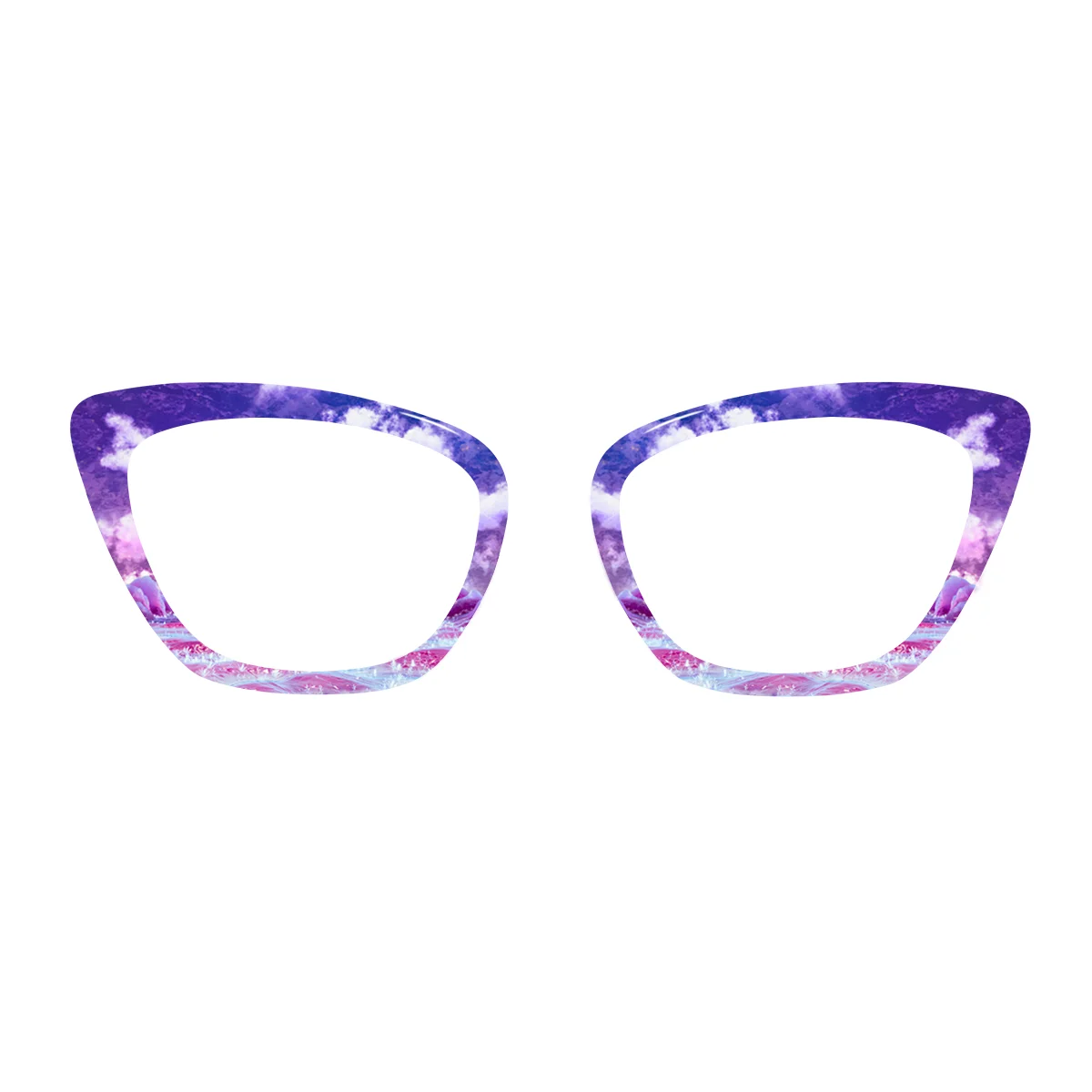
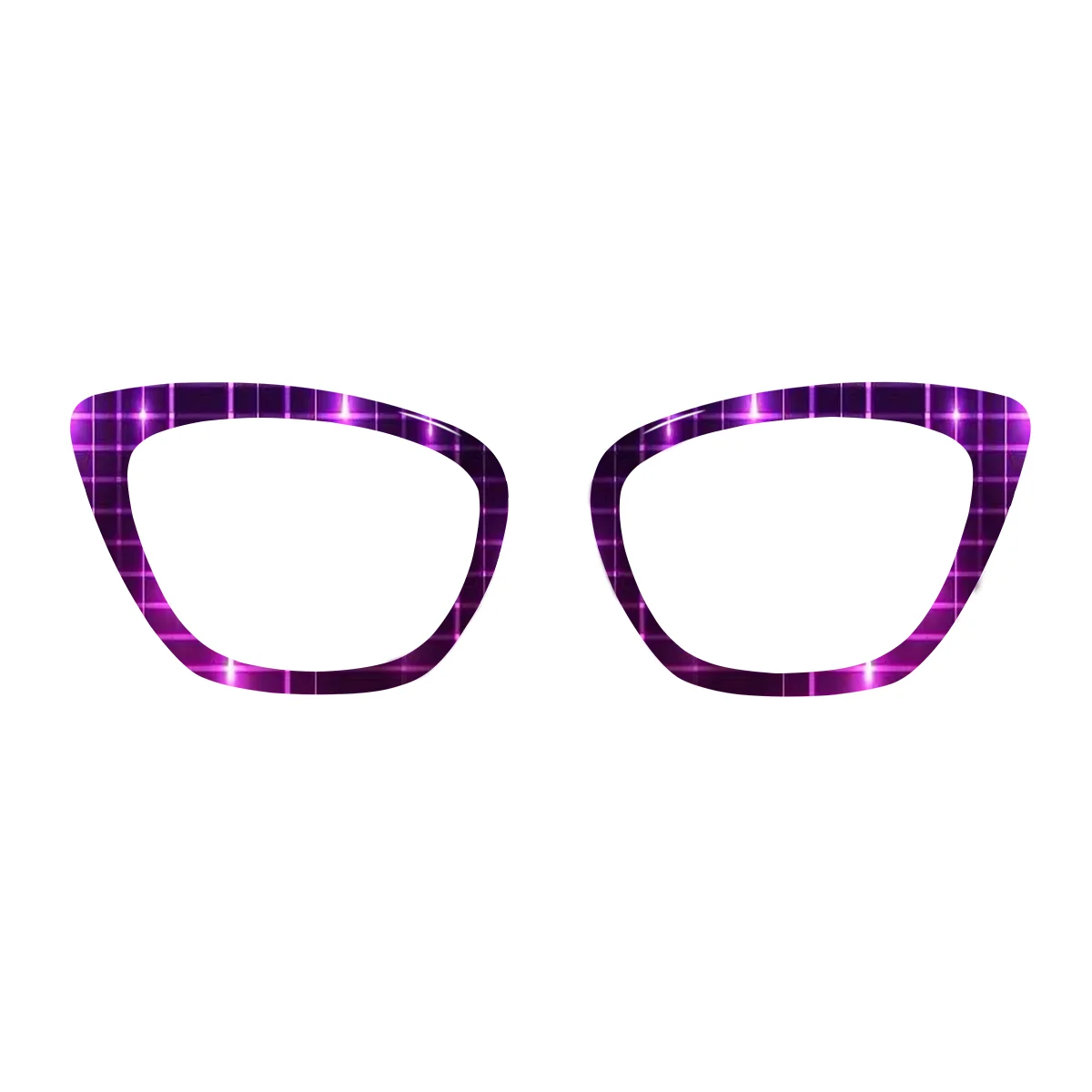


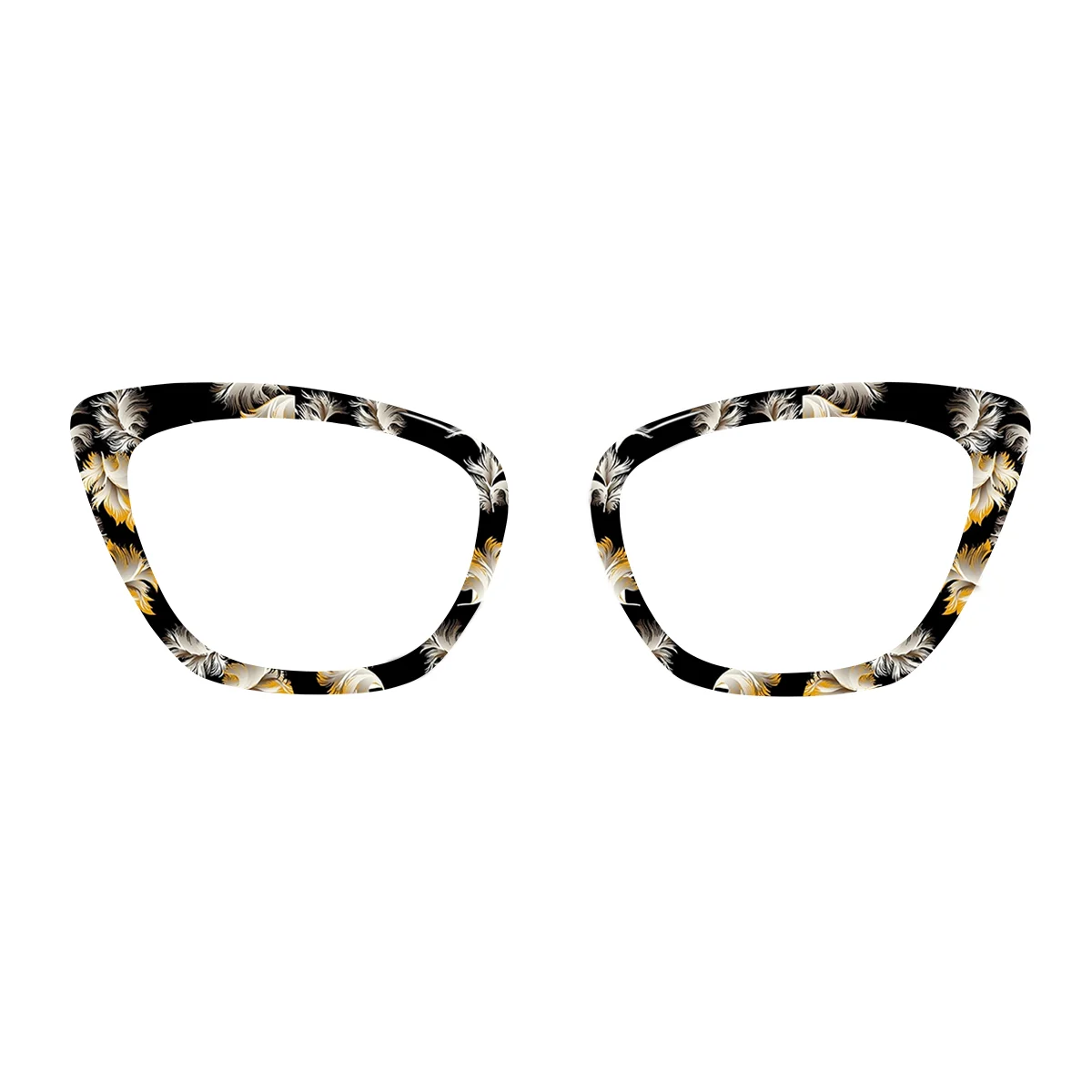


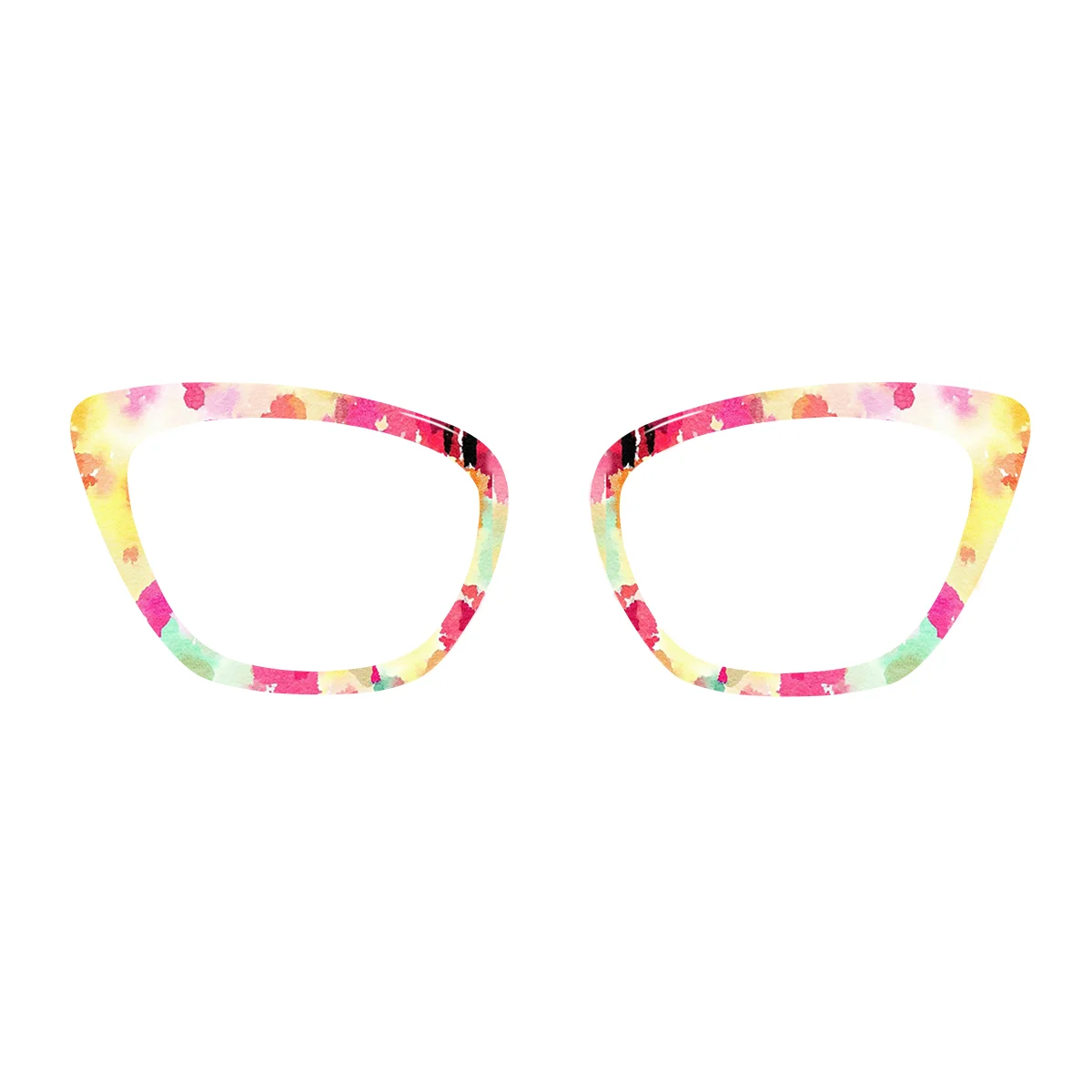
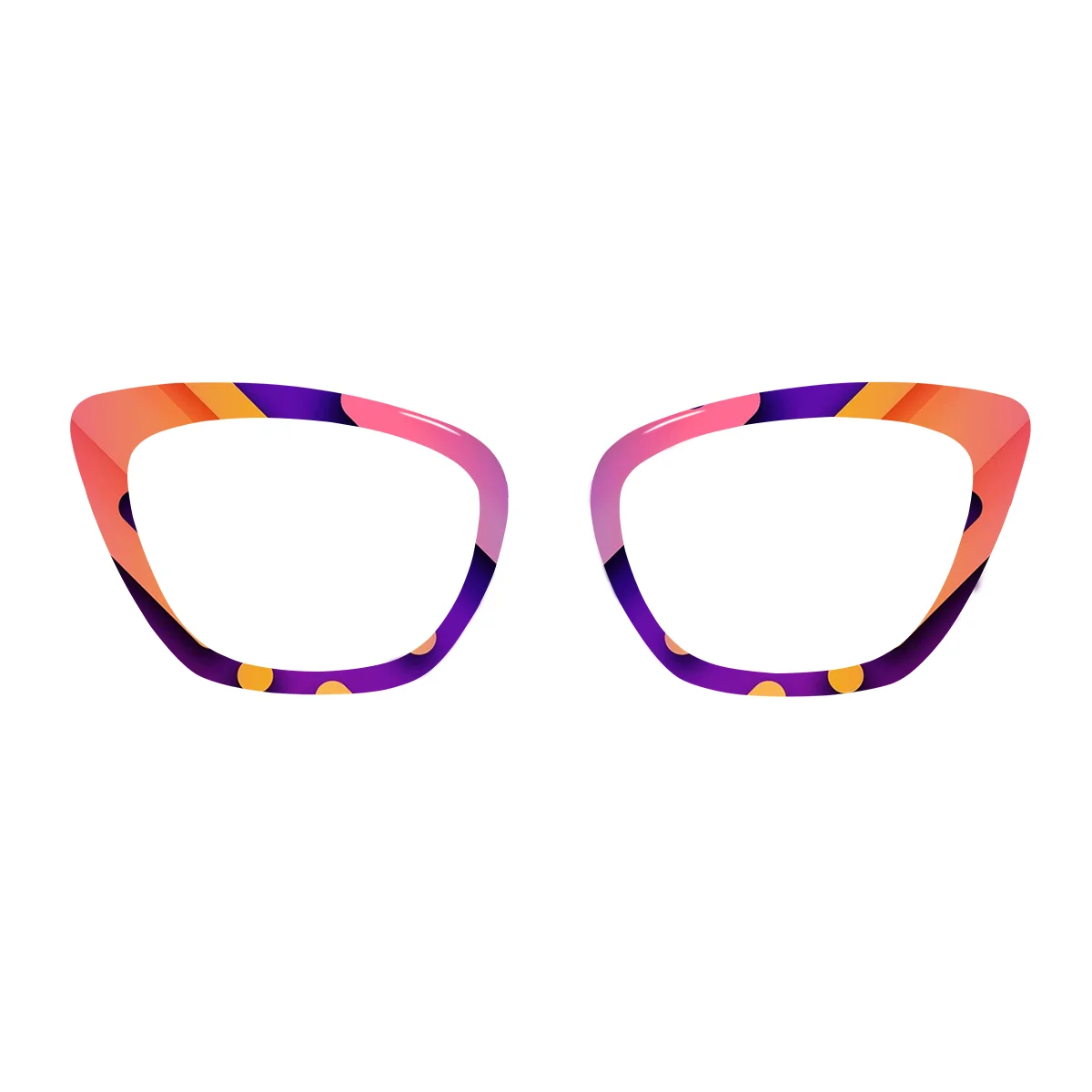
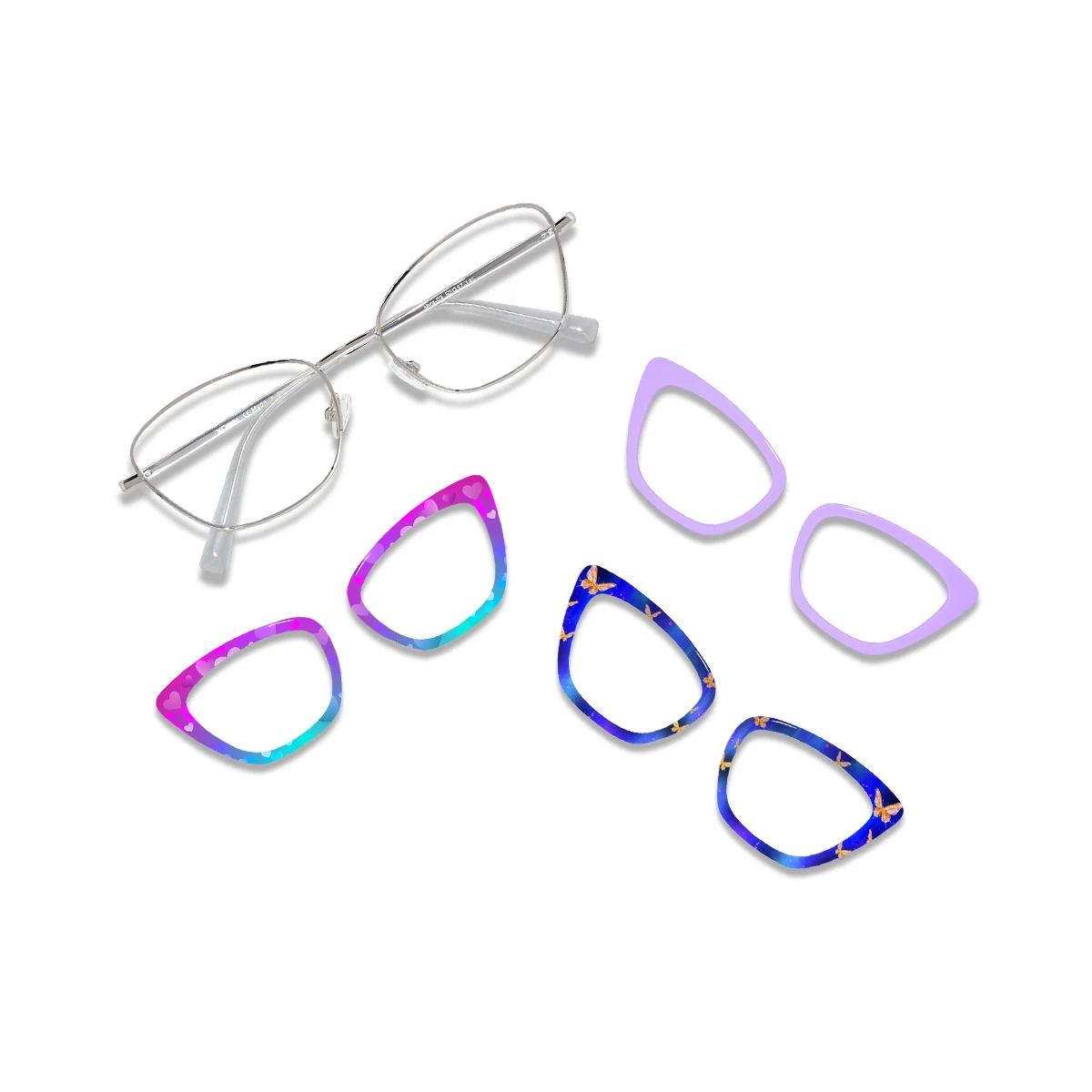
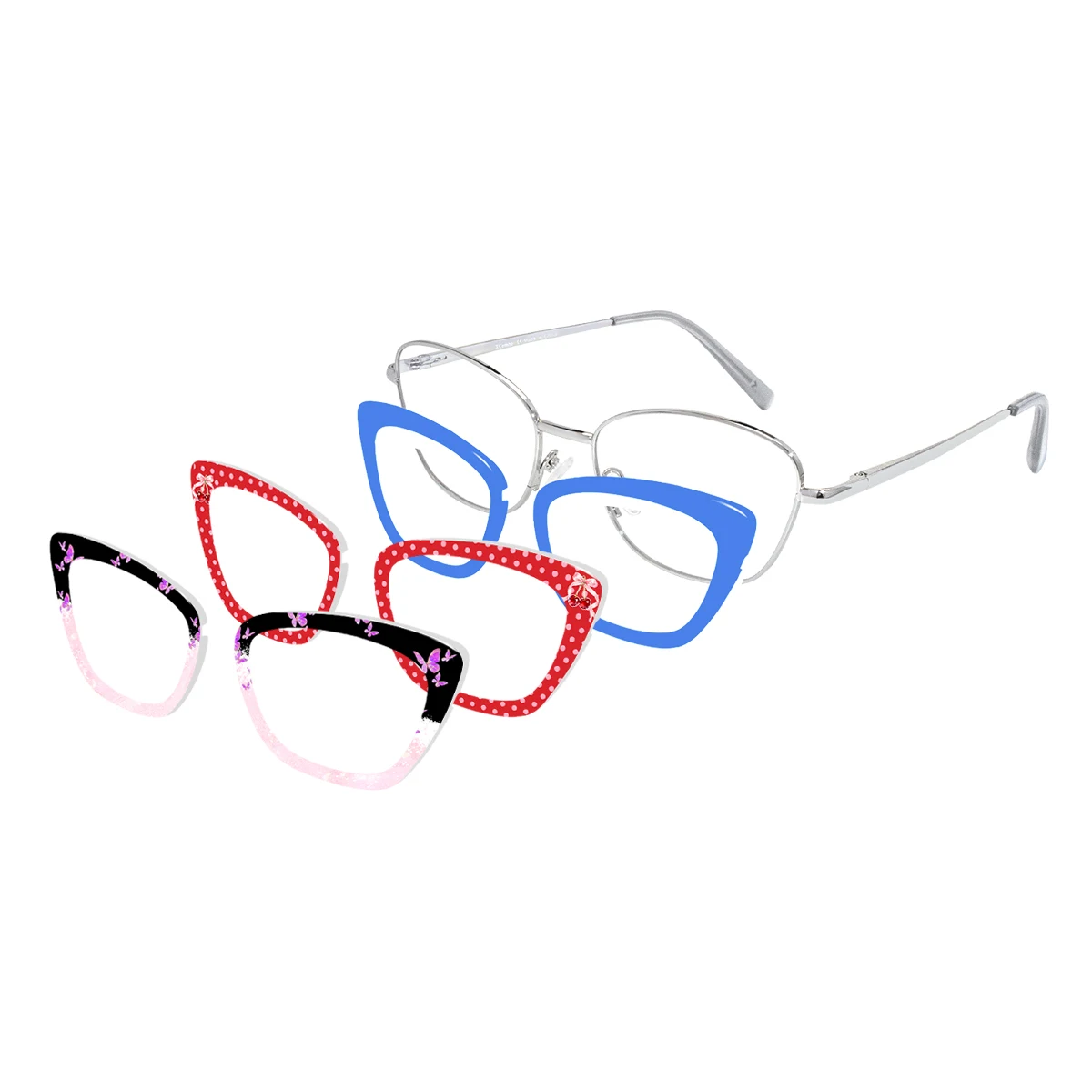
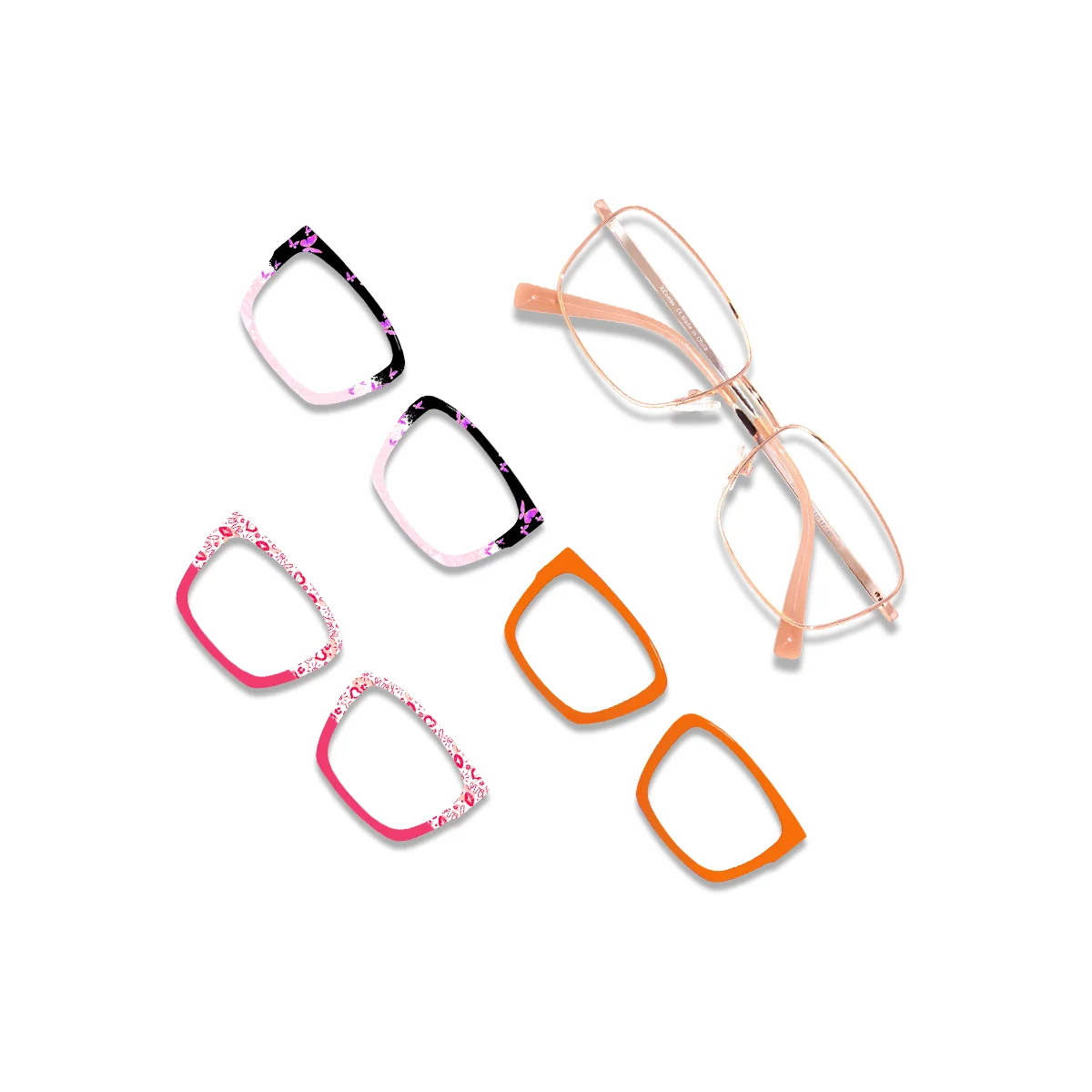
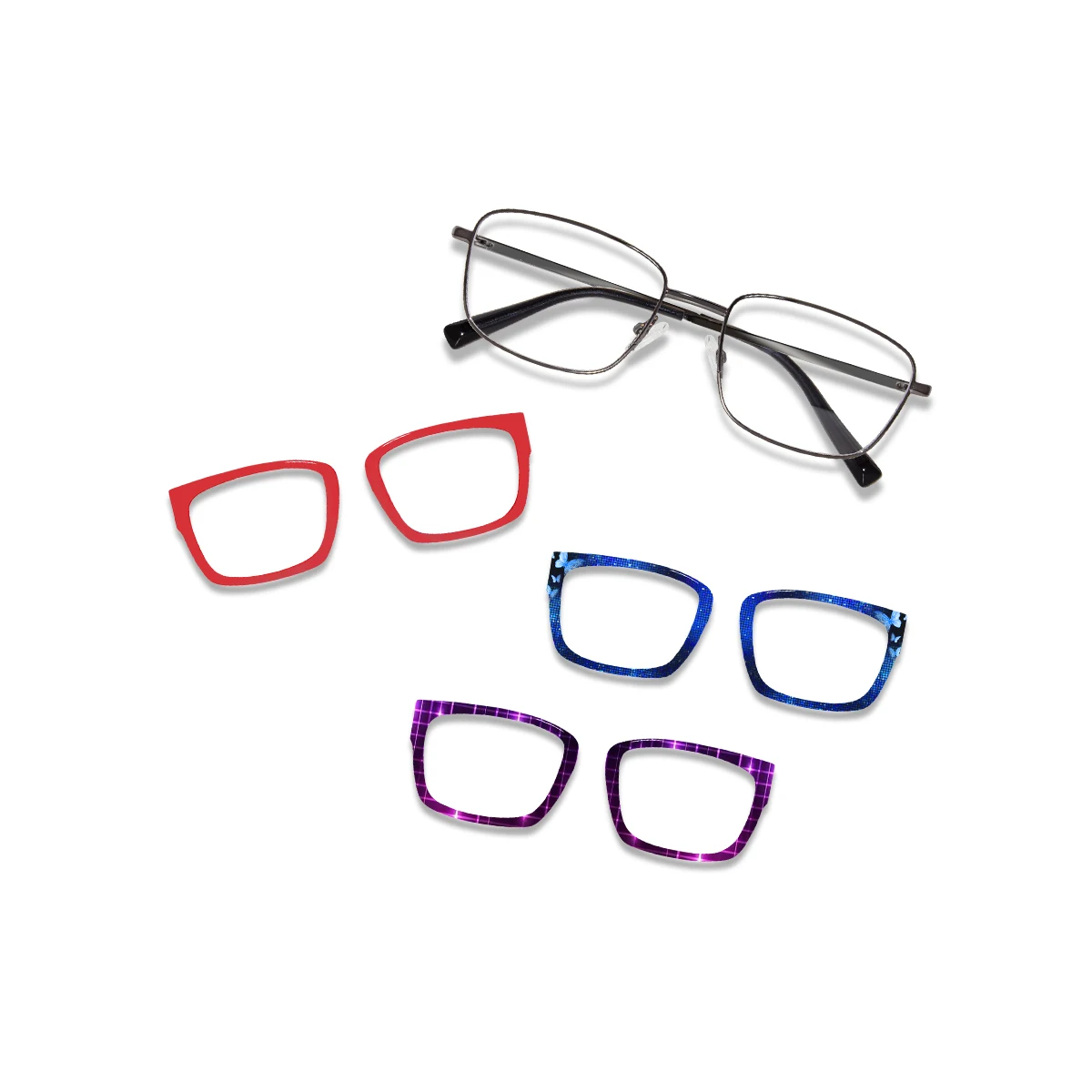
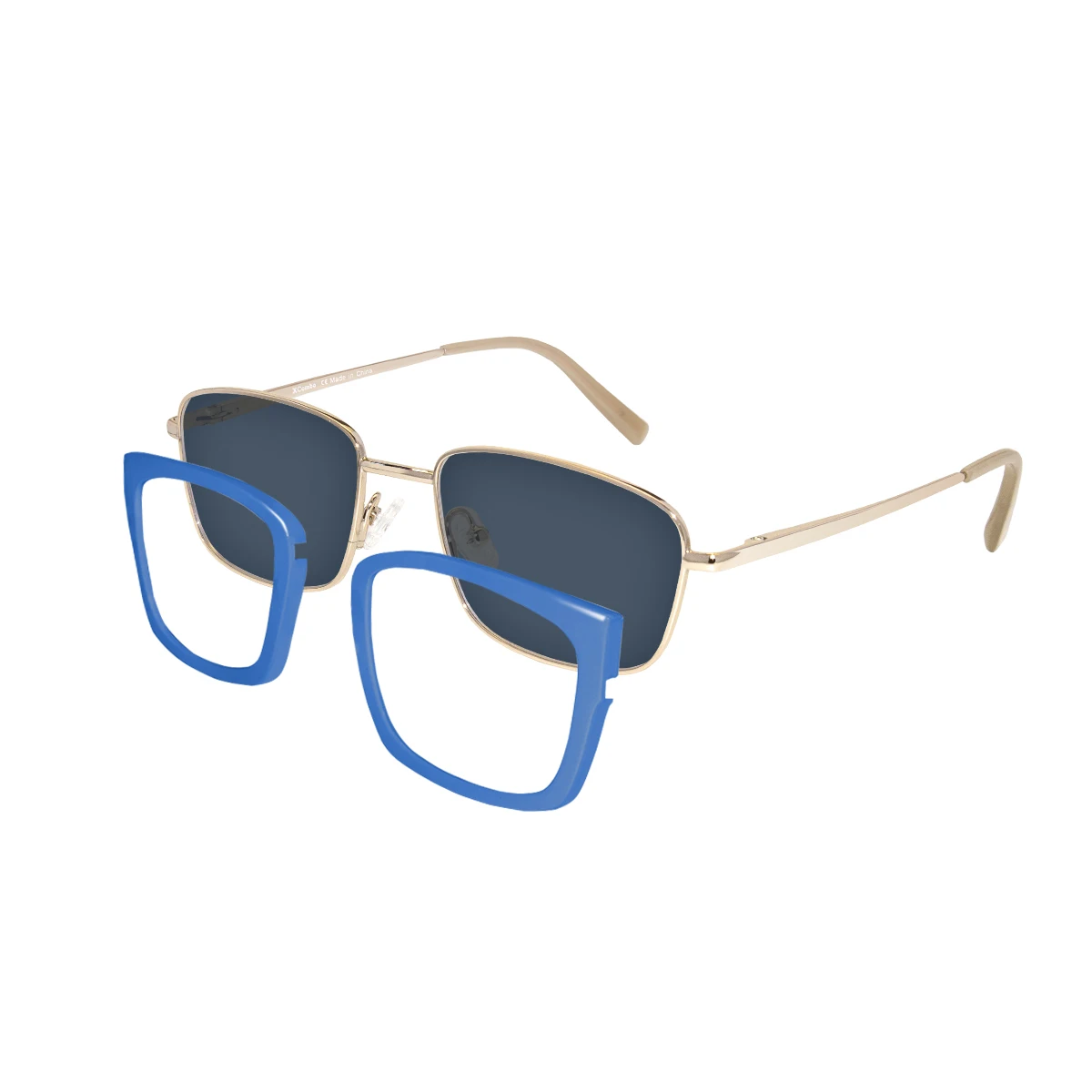
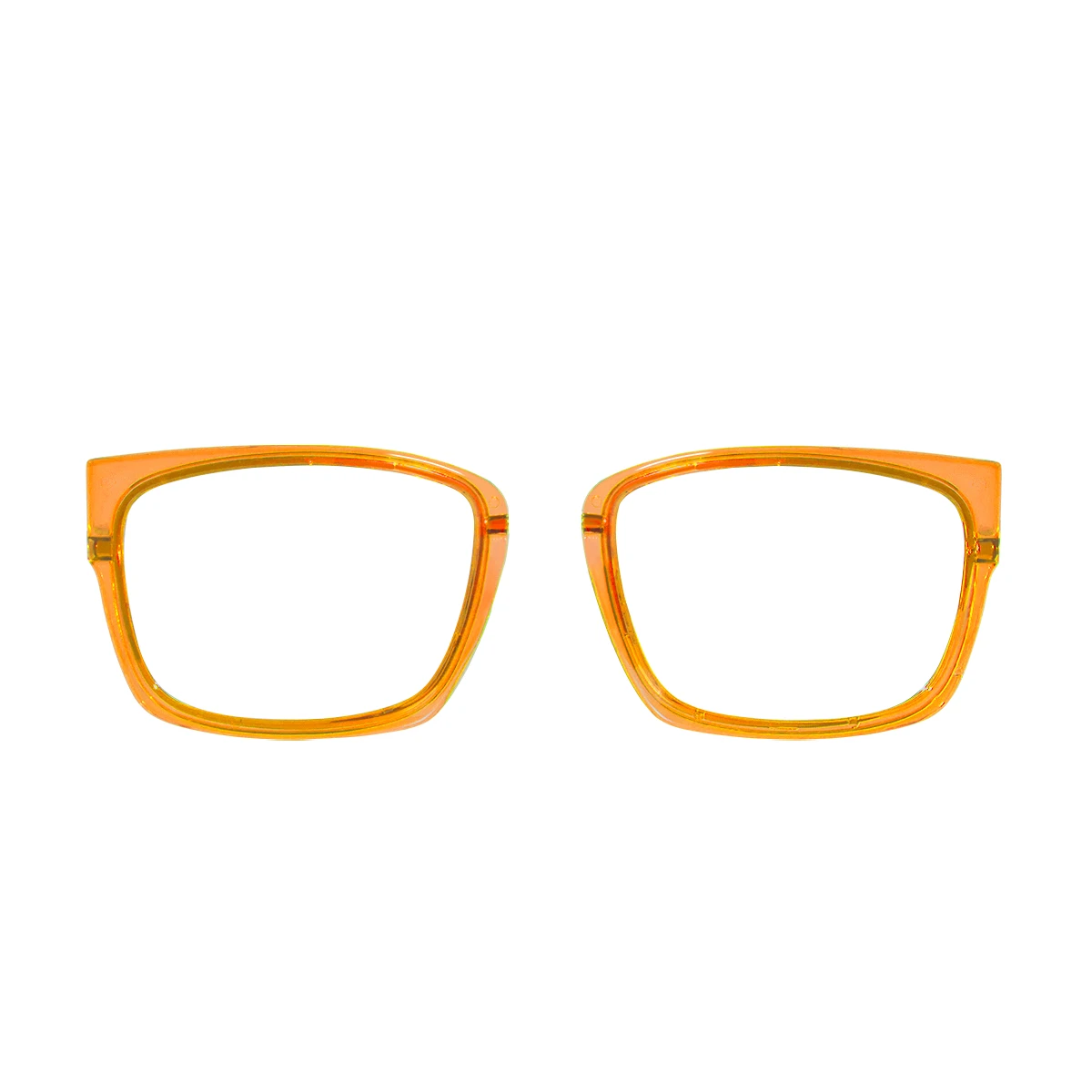
- Burgundy – Crystal (C01)
- Red – Crystal(C02)
- Burnt Orange – Crystal(C03)
- Marmalade – Crystal(C04)
- Sunshine Yellow – Crystal(C05)
- Lime Green – Crystal(C06)
- Sage – Crystal(C08)
- Green Forest – Crystal(C07)
- Army Green – Crystal(C09)
- Spruce – Crystal(C10)
- Turquiise – Crystal(C11)
- Cornflower– Crystal(C12)
- Navy – Crystal(C13)
- Indigo – Crystal(C14)
- Blue Orchid – Crystal(C15)
- Mauve – Crystal(C16)
- Lavender – Crystal(C21)
- Purple – Crystal(C17)
- Grape – Crystal(C18)
- Coral – Crystal(C19)
- Hot Pink – Crystal(C20)
- Chocolate – Crystal(C22)
Beyond the Optical Clone: Reclaiming Your Identity in the Era of Mass-Produced Eyewear
In the modern age of "Fast Fashion," we are living through a crisis of homogeneity. Walk into any coffee shop in Brooklyn,...
Are Progressive Reading Glasses a Good Choice for You?
Progressive reading glasses have become increasingly popular as an all-in-one solution for people with multiple vision needs. These lenses combine different prescriptions...
Digital Face Scanning: Marketing Hype or the Future of Millimeter-Level Eyewear Fit?
Walk into a modern optical store or browse premium eyewear brands online today, and you’ll likely encounter a bold promise: digital face...
Office Blue Light Protection, Outdoor UV Defense The Functional Logic Behind Modular Combination Glasses
We spend hours staring at digital screens in offices, homes, and cafés. Then we step outside into intense sunlight, exposed to ultraviolet...
Stop Buying Fixed FramesWhy Interchangeable Combo Glasses Are the Future of Eyewear
You walked into an optical store.You tried on dozens of frames.You picked one.And then you lived with that choice—every day, every outfit,...
One Frame, Many Faces: The Structural Integrity Advantages of Multi-Function Clip-On Eyewear Systems
Modern eyewear is evolving beyond a single-purpose accessory. For decades, glasses were designed to perform one function at a time—vision correction, sun...
How to Clean 3D-Printed Glasses: Avoid These Chemicals to Protect Your Frame’s Texture and Finish
3D-printed eyewear has transformed how people think about glasses. Instead of mass-produced frames that look identical on everyone, modern additive manufacturing allows...
The Balance of Lightness and Strength: The Wearing Aesthetics of Mechanical Clip Eyewear
Eyewear has always lived at the intersection of function and expression. For centuries, glasses were designed primarily to correct vision, with aesthetics...
Are Pink Glasses in Style?
Pink glasses are a timeless symbol of charm and personality. They evoke feelings of compassion, love, and hope, making them a popular...
Travel Essential Guide: How to Safely Protect Your Custom-Shaped Eyeglass Frames in Your Luggage
Traveling is exciting — new cities, new experiences, and a break from routine. But for people who wear custom-shaped eyeglass frames, travel...
Do Photochromic Lenses Block Blue Light?
Photochromic lenses are a modern eyewear innovation that changes color when exposed to ultraviolet (UV) light, darkening significantly under sunlight. These lenses,...
How Mechanical Snap-Fit Custom Eyeglasses End the Frustration of Losing Tiny Screws
For decades, the structure of eyeglasses has remained largely unchanged. Two lenses, a frame, hinges, and a pair of microscopic screws holding...