


No More Ear Pain: How Custom Eyeglass Frames Solve 12-Hour Wear Discomfort
If you wear glasses all day, you know the feeling.
It starts as a faint pressure behind your ears. By mid-afternoon, that pressure turns into soreness. By evening, the arms of your frames feel like clamps. You take your glasses off and rub the tender spots, only to put them back on because you can’t see without them.
For millions of professionals, students, drivers, healthcare workers, and remote employees, glasses aren’t optional—they’re a 12-hour necessity. And yet, frame discomfort has become so normalized that many people assume ear pain is simply “part of wearing glasses.”
It isn’t.
If your ears hurt after long wear, your frames are likely the problem—not your anatomy. The solution may not be lighter lenses or frequent breaks. It may be custom eyeglass frames designed specifically for your head shape, ear position, and daily routine.
In this in-depth guide, we’ll break down why standard frames cause pain, how custom frame design eliminates pressure points, and what to look for if you want all-day comfort without sacrificing style or durability.
Why Do Glasses Hurt Behind the Ears?
Most glasses discomfort comes from poor weight distribution and improper fit.
The temples (the arms of your glasses) rest on and around your ears. If they are:
- Too tight
- Too short
- Too long
- Misaligned
- Poorly angled
They create continuous pressure on sensitive cartilage and skin.
Now multiply that pressure by 8, 10, or 12 hours a day.
Even slight misalignment becomes painful over time.
The Anatomy of Eyeglass Discomfort
To understand how custom frames help, you need to understand where the pain originates.
1. The Mastoid Area
This is the bony region just behind your ear. If temple arms press too tightly against this area, you’ll feel deep, aching soreness.
2. The Top of the Ear (Helix)
Frames that clamp downward cause irritation on the upper cartilage.
3. The Back Curve of the Ear
If temple tips are too straight or too aggressively curved, they dig into soft tissue.
4. Uneven Pressure Points
If one ear sits slightly higher than the other (which is extremely common), poorly adjusted frames create asymmetric pressure—leading to one-sided pain.
Standard frames rarely account for these anatomical differences.
Custom frames do.
Why Off-the-Shelf Frames Often Fail
Most mass-produced eyeglass frames are designed using average head measurements. The problem?
There is no true “average” head.
Common issues with standard frames include:
- Fixed temple length
- Limited curvature options
- Uniform bridge design
- Minimal adjustability
- Generic hinge tension
When you buy frames off the rack, you’re adapting your head to the frame—not the other way around.
That’s where problems begin.
The 12-Hour Wear Test
If you wear glasses for:
- Office work
- Driving
- Remote meetings
- Healthcare shifts
- Retail shifts
- Academic study
You need frames designed for endurance.
Short-term comfort in a store mirror does not equal long-term comfort at hour ten.
Custom frames consider sustained wear, not just first impressions.
How Custom Eyeglass Frames Eliminate Ear Pain
Custom frames focus on precision fit across several critical factors:
1. Temple Length Customization
Temple arms typically come in standard lengths like 135mm, 140mm, or 145mm. But a few millimeters make a major difference.
If temples are too short:
- They pull forward.
- They create pressure behind the ears.
If too long:
- Frames slide down.
- Weight shifts to your nose.
Custom sizing ensures proper balance.
2. Adjustable Temple Angles
The angle at which the temple meets the frame front determines how pressure is distributed.
A slight outward flare may relieve tension. A subtle inward adjustment may improve stability.
Custom adjustments align with your ear position and head width.
3. Personalized Temple Tip Curvature
Temple tips should follow the natural curve of your ear—not fight it.
Custom shaping prevents:
- Digging
- Sharp pressure
- Skin irritation
- Slippage
Proper curvature distributes weight evenly.
4. Balanced Weight Distribution
Heavier lenses, especially high prescriptions, can increase pressure behind the ears.
Custom frames address this by:
- Choosing lightweight materials
- Adjusting bridge support
- Balancing frame front weight
- Reinforcing hinge alignment
The result: less strain at the ear contact points.
Materials Matter More Than You Think
Not all frame materials feel the same after 12 hours.
Acetate
Pros:
- Durable
- Stylish
- Customizable
Cons:
- Heavier than some alternatives
Titanium
Pros:
- Ultra-lightweight
- Hypoallergenic
- Flexible
Cons:
- Higher price point
Stainless Steel
Pros:
- Strong
- Lightweight
Cons:
- Less customizable than acetate
Custom frame consultations often include material recommendations based on wear time and skin sensitivity.
The Role of Proper Hinge Tension
Hinges control how tightly frames grip your head.
If hinge tension is too strong:
- Constant squeezing pressure
- Ear soreness
- Headaches
If too loose:
- Slipping
- Constant readjustment
Custom frames allow precise hinge calibration.
Why Ear Height Asymmetry Matters
Here’s something most people don’t realize:
Your ears are not perfectly level.
Even a small height difference changes how glasses sit. Standard frames don’t compensate for this, causing one side to press harder.
Custom fitting includes micro-adjustments to equalize pressure.
How Nose Fit Affects Ear Pain
It might seem unrelated, but poor nose bridge fit increases ear discomfort.
If your glasses slide down constantly:
- You push them up repeatedly.
- Pressure shifts backward.
- Temples dig in harder.
A properly fitted bridge reduces backward strain.
Custom eyewear evaluates both nose and ear support simultaneously.
The Impact of Long Workdays
Modern lifestyles demand extended eyewear use.
- 8-hour desk jobs
- 10-hour retail shifts
- 12-hour hospital rotations
- Long commutes
Your frames should function like ergonomic equipment—not fashion accessories alone.
Just as you wouldn’t use a poorly fitted office chair for 12 hours, you shouldn’t tolerate poorly fitted frames.
Signs Your Frames Need Customization
- Red marks behind ears
- Tenderness when removing glasses
- Frequent headaches
- Frames sliding down constantly
- Uneven pressure on one side
- Skin irritation or soreness
- Needing to take glasses off for relief
These are not normal. They are fixable.
Custom Frames vs. Frame Adjustments
You might wonder: can’t an optician just adjust my current frames?
Sometimes, yes.
Minor discomfort can often be resolved with:
- Temple bending
- Nose pad adjustment
- Hinge tightening
However, structural limitations remain if:
- Temple length is wrong
- Frame width is incorrect
- Material is too rigid
- Weight is unbalanced
Custom frames address design from the ground up.
Frame Width and Head Shape
Frames that are too narrow squeeze your temples. Frames too wide shift weight unevenly.
Custom sizing considers:
- Head circumference
- Temple-to-temple width
- Facial proportions
The result is even distribution rather than localized pressure.
Active Lifestyles and Frame Stability
If you:
- Move frequently
- Bend forward often
- Work in physical environments
You need stability without tightness.
Custom frames can include:
- Grip-enhanced temple tips
- Flexible hinges
- Lightweight materials
Stability should never require squeezing.
Skin Sensitivity and Allergies
Some individuals develop irritation from nickel or other metals in frames.
Symptoms include:
- Redness
- Itching
- Inflammation behind ears
Custom frames offer hypoallergenic options that eliminate contact reactions.
Long-Term Effects of Ignoring Frame Pain
Chronic ear pressure can lead to:
- Persistent soreness
- Skin breakdown
- Headaches
- Tension neck pain
- Reduced wear time
If you remove glasses frequently due to discomfort, your vision and productivity suffer.
Comfort supports performance.
The Custom Fitting Process
A comprehensive fitting may include:
- Measuring temple length
- Assessing ear height symmetry
- Checking head width
- Evaluating bridge fit
- Testing hinge tension
- Weight balancing lenses
- Fine-tuning temple curvature
The goal is zero pressure hotspots.
The Psychological Benefit of Comfort
When glasses feel weightless:
- You forget you’re wearing them.
- You focus better.
- You feel less distracted.
- Your posture improves.
- Your work endurance increases.
Comfort enhances confidence.
Cost vs. Comfort: Is It Worth It?
Custom frames may cost more upfront.
But consider:
- 12 hours per day
- 5–7 days per week
- 365 days per year
That’s over 4,000 hours annually.
Investing in comfort for something you wear that long is practical—not indulgent.
Pairing Custom Frames With Proper Lens Selection
Comfort doesn’t stop at the frame.
Lightweight lens materials, proper lens thickness, and anti-reflective coatings reduce overall strain and balance.
The best results come from treating eyewear as a complete system.
Maintenance Tips for Long-Term Comfort
Even custom frames need upkeep.
- Avoid stretching frames over your head.
- Store in a protective case.
- Clean gently with proper cloth.
- Schedule periodic adjustments.
- Avoid leaving frames in hot cars.
Heat can warp materials and alter fit.
Who Benefits Most From Custom Frames?
- Healthcare professionals
- Teachers
- Office workers
- Students
- Retail staff
- Drivers
- Anyone wearing glasses over 8 hours daily
If you rely on glasses all day, you deserve frames built for endurance.
Final Thoughts: Stop Accepting Pain as Normal
Ear pain from glasses is not inevitable.
It’s not something you simply tolerate. It’s a signal that your frames aren’t designed for your anatomy or your lifestyle.
Custom eyeglass frames solve the root problem—pressure imbalance—through precise measurement, material selection, and structural alignment.
When properly fitted, glasses should feel secure but not tight, stable but not restrictive, present but almost unnoticeable.
After all, if you’re wearing something for 12 hours a day, it shouldn’t leave you counting the minutes until you can take it off.
Comfort isn’t a luxury.
It’s a requirement.
Share this post




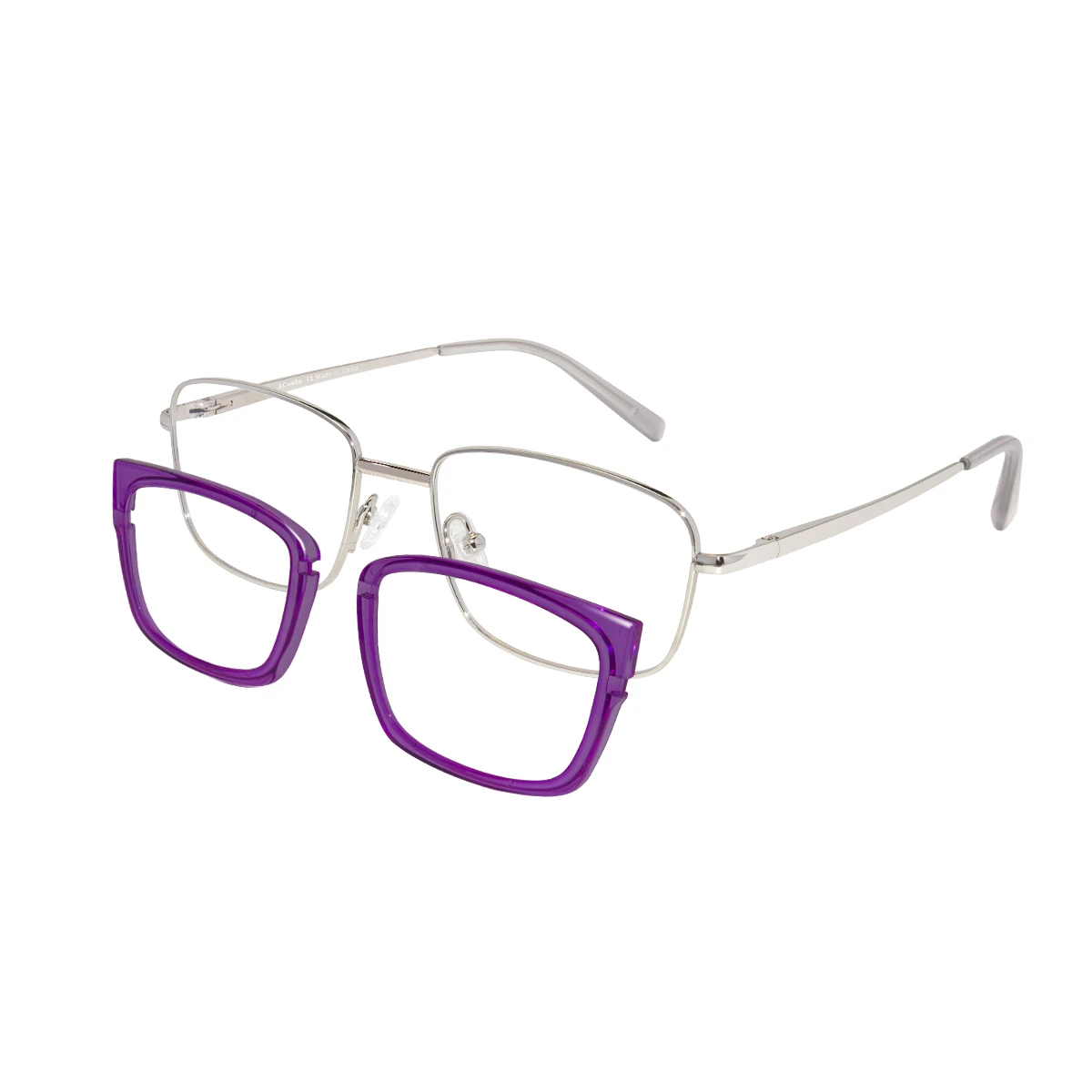
- Burgundy – Crystal (C01)
- Red – Crystal(C02)
- Burnt Orange – Crystal(C03)
- Marmalade – Crystal(C04)
- Sunshine Yellow – Crystal(C05)
- Lime Green – Crystal(C06)
- Sage – Crystal(C08)
- Green Forest – Crystal(C07)
- Army Green – Crystal(C09)
- Spruce – Crystal(C10)
- Turquiise – Crystal(C11)
- Cornflower– Crystal(C12)
- Navy – Crystal(C13)
- Indigo – Crystal(C14)
- Blue Orchid – Crystal(C15)
- Mauve – Crystal(C16)
- Lavender – Crystal(C21)
- Purple – Crystal(C17)
- Grape – Crystal(C18)
- Coral – Crystal(C19)
- Hot Pink – Crystal(C20)
- Chocolate – Crystal(C22)






The Steam Trap: The Scientific Reason Why Your Shower is Killing Your Custom Lenses
We’ve all done it. You’re in a rush, you’re hopping in the shower, and you keep your glasses on—perhaps to see which...
Zero-Screw Design: Why Mechanical Snap-Fit Structures Are the Future of Custom Eyewear
Introduction: The Tiny Screw That Defined an IndustryFor more than a century, eyewear design has relied on one surprisingly fragile component: the...
The Philosophy of Clear Vision: How to Make Your Eyeglasses Last Longer
Eyeglasses are often thought of as simple accessories—something we put on in the morning and take off before bed. But for millions...
The Architecture of Presence: Why Custom Eyewear is the Secret to "Magnetic Eyes"
Walk into any home improvement store in the United States and you’ll see rows of blackout curtains promising better sleep, lower energy...
Students, Read This: How to Achieve “Eyewear Freedom” on a Limited Budget with Smart Mix-and-Match Accessories
For students, glasses are not optional. They’re essential.You wear them to lectures.You wear them to late-night study sessions.You wear them during presentations,...
Why “Snap-Lock” Is the Real Smart Tech: A Modular Eyewear Breakthrough That Moves Beyond Magnetic Weakness
In the past decade, modular eyewear has gone from niche experiment to mainstream innovation. Interchangeable lenses, clip-on sun shields, magnetic frames, and...

Say Goodbye to Blurry Vision: How to Effectively Remove Grease and Oil Buildup from Eyeglasses
For millions of people, eyeglasses are an essential part of daily life. Whether used for reading, driving, working, gaming, studying, or simply...
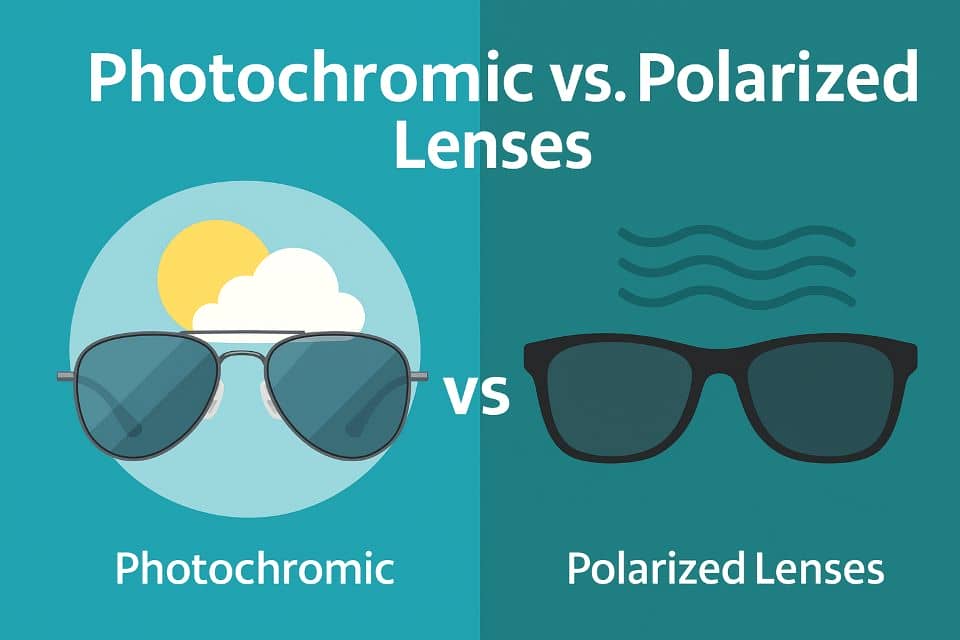
Polarized vs. Photochromic Lenses: How to Customize the Perfect Tint for Your Driving and Outdoor Lifestyle
When it comes to choosing the right eyewear for outdoor activities, the decision goes far beyond style. The lenses you wear can...
The Pilot’s Choice: Why Mechanical Snap-Fit Eyewear Is Essential in Precision Visual Environments
In aviation, small details determine safety, performance, and decision-making speed. Pilots operate in environments where visual clarity is not simply about comfort...
Living a Multifaceted Life: How Custom Modular Eyewear Defines Your Personal Identity
Yet for years, eyewear has tried to force all these identities into one fixed frame.In a world where people change roles, moods,...
Exploring Aerospace Materials in Modern Custom Eyeglasses
Eyeglasses are no longer just simple tools for vision correction. In the modern world, they have evolved into sophisticated products that blend...
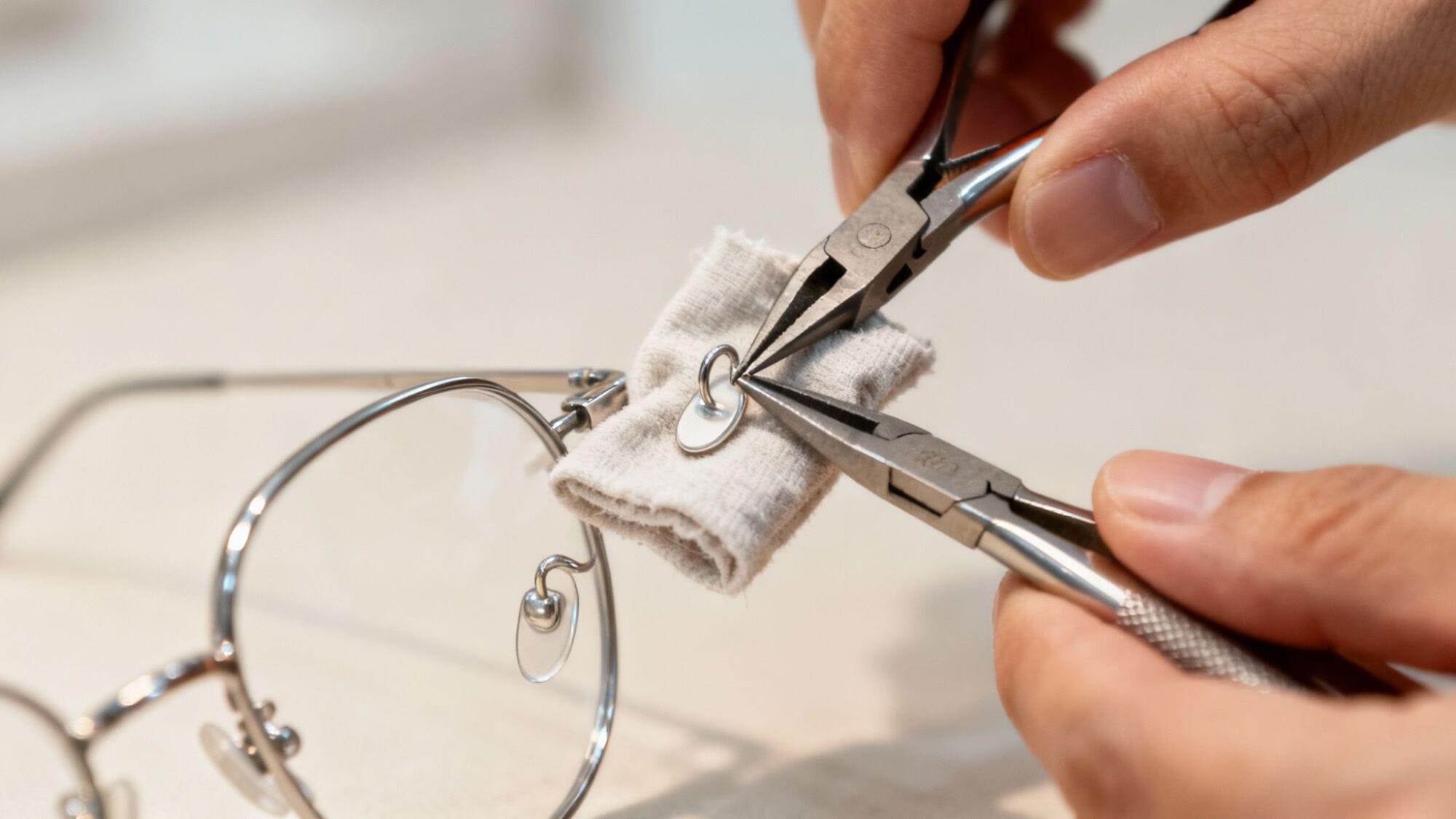
Eyeglass Frame Adjustment: DIY Fine-Tuning and Maintenance Tips for a Perfect Fit
Improve comfortEnhance visual alignmentHingesHinges connect the temples to the frame front.Loose hinges can lead to:Crooked framesPoor fitIncreased wear and tearRegular hinge maintenance...