Lenses And Coatings
At XCombo.com, we are committed to providing high-quality prescription lenses tailored to every pair of frames you purchase. Our affordable and reliable lens service offers precision and value, ensuring each pair of glasses is crafted with the utmost accuracy and quality.
Types of Lenses for Glasses
Single Vision Lenses
Single vision lenses are the most commonly prescribed type of lenses, designed to correct vision at one specific distance. These lenses are made with a single prescription power throughout the entire lens, making them ideal for individuals who need a correction for either distance, intermediate, or near vision.
These lenses are widely used for different visual needs, including the correction of nearsightedness (myopia), farsightedness (hyperopia), and astigmatism. Since they focus on only one field of vision, they are the simplest type of lens and are usually the first option for those requiring corrective eyewear.
Near vision lenses

Near vision lenses are primarily used for people who are farsighted (hyperopic). They help users see close objects more clearly, such as when reading books, working on a computer, or sewing. They are typically prescribed for people who have trouble focusing on objects that are close to them.
Distance Vision Lenses

These lenses are designed to help individuals see objects clearly at a distance. They are ideal for people who are nearsighted (myopic) and have difficulty seeing things far away, such as road signs or the board in a classroom. These lenses are typically worn throughout the day, especially for driving, watching TV, or other activities that require clear long-distance vision.
Progressive Lenses

Progressive lenses provide a seamless transition between distance, intermediate, and near vision. They accommodate various viewing zones in a single lens, allowing you to see far-off objects, use a computer comfortably, and read up-close with ease. These lenses offer the closest experience to natural vision, making them an excellent choice for multifunctional eyeglasses.
Bifocal Lenses

Bifocal lenses provide a distinct separation between the distance and the reading part of the glasses by utilizing a segmented half-shaped circle in the bottom portion of the lenses for magnification. This segment causes a visible line on the lens. For these type of lenses, the PD (Pupillary Distance) measurement is very important to ensure that the center of vision is placed correctly on the lenses.
Lens Coatings for Enhanced Protection and Performance
UV PROTECTION Coating
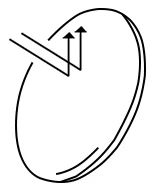
A UV protection coating contains a transparent dye that effectively blocks ultraviolet rays, safeguarding your eyes from potential harm caused by UV exposure.
ANTI-SCRATCH Coating
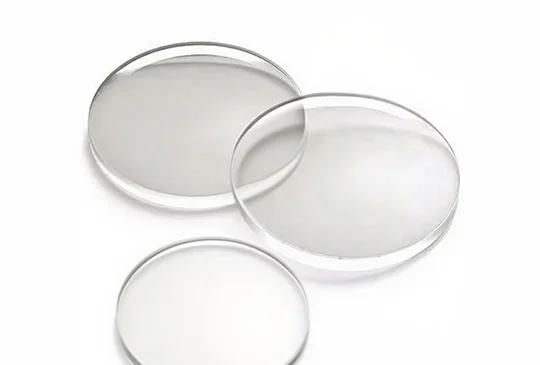
Lenses with an anti-scratch coating are treated to be more durable and resistant to scratches, extending their lifespan and maintaining their clarity over time.
ANTI-REFLECTIVE Coating
This advanced coating minimizes glare and reflections, making lenses appear clearer and less noticeable. It enhances vision while working on computers, driving in bright sunlight, or navigating environments with high glare.
Conclusion: Find the Right Lenses and Coatings for Your Glasses
Understanding the types of lenses and coatings available ensures you select the best options for your visual needs and lifestyle. At XCombo.com, we strive to provide tailored lens solutions, enhancing your comfort, clarity, and overall eyewear experience.
Share this post
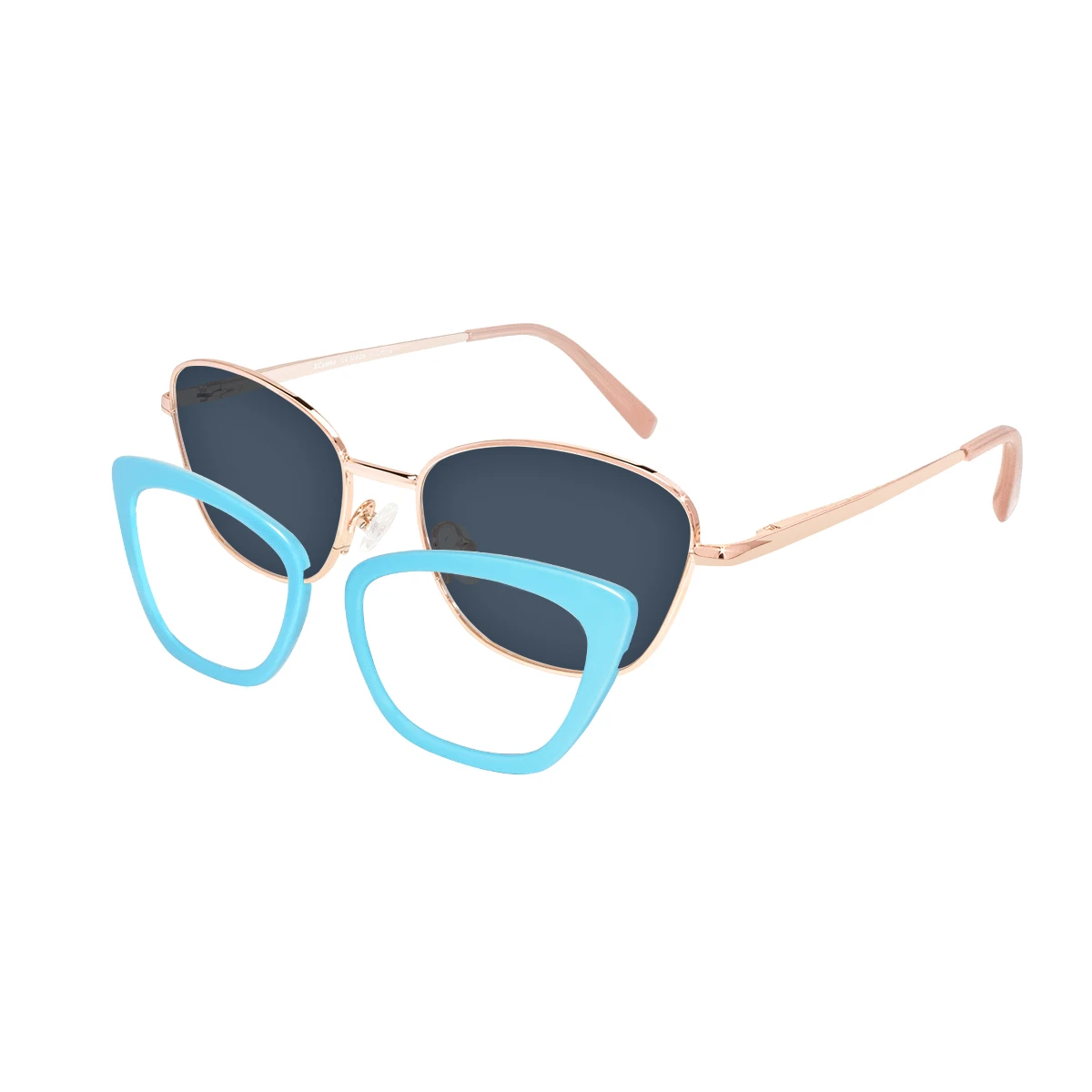
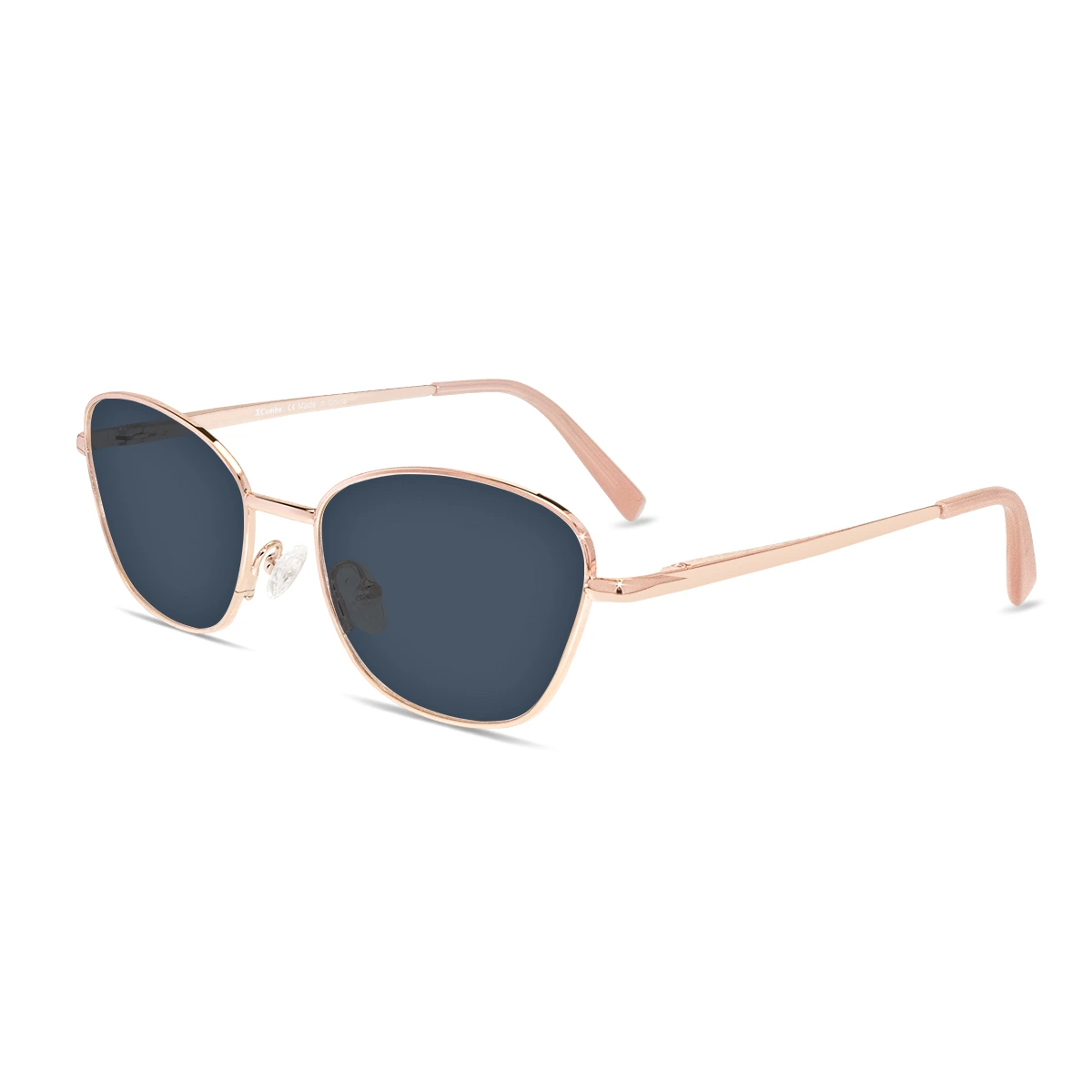
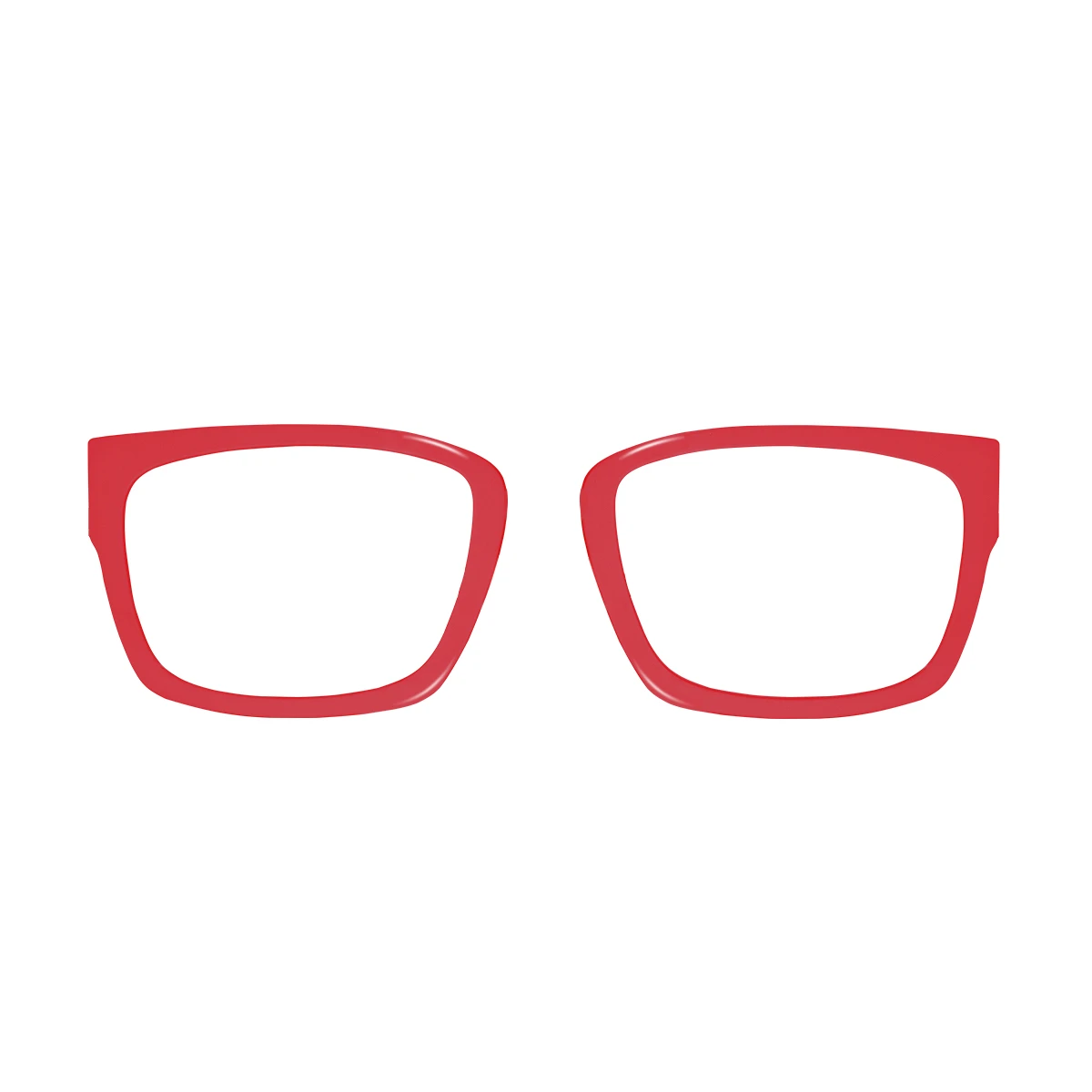
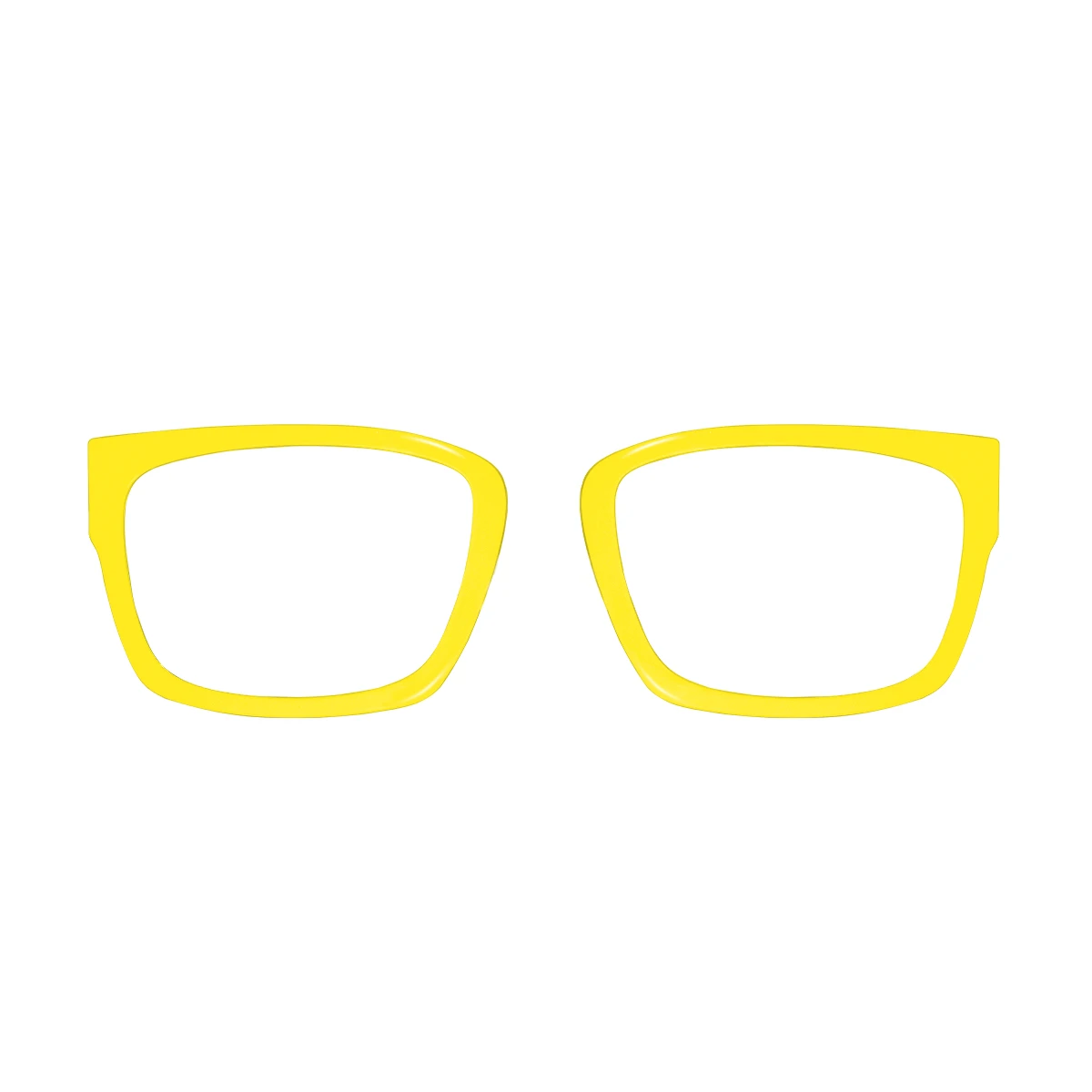
- Deep Burgundy - Solid (S01)
- Red - Solid (S02)
- Burnt Orange - Solid (S03)
- Marmalade - Solid (S04)
- Sunshine Yellow - Solid (S05)
- Lime Green - Solid (S06)
- Green Forest - Solid (S07)
- Sage - Solid (S08)
- Army Green - Solid (S09)
- Spruce - Solid (S10)
- Turquiise - Solid (S11)
- Cornflower blue - Solid (S12)
- Navy - Solid (S13)
- Indigo - Solid (S14)
- Blue Orchid - Solid (S15)
- Lavender - Solid (S21)
- Mauve - Solid (S16)
- Purple - Solid (S17)
- Grape - Solid (S18)
- Warm Coral - Solid (S19)
- Hot Pink - Solid (S20)
- Chocolate - Solid (S22)
- Black – Solid (S23)
- White - Solid (S24)


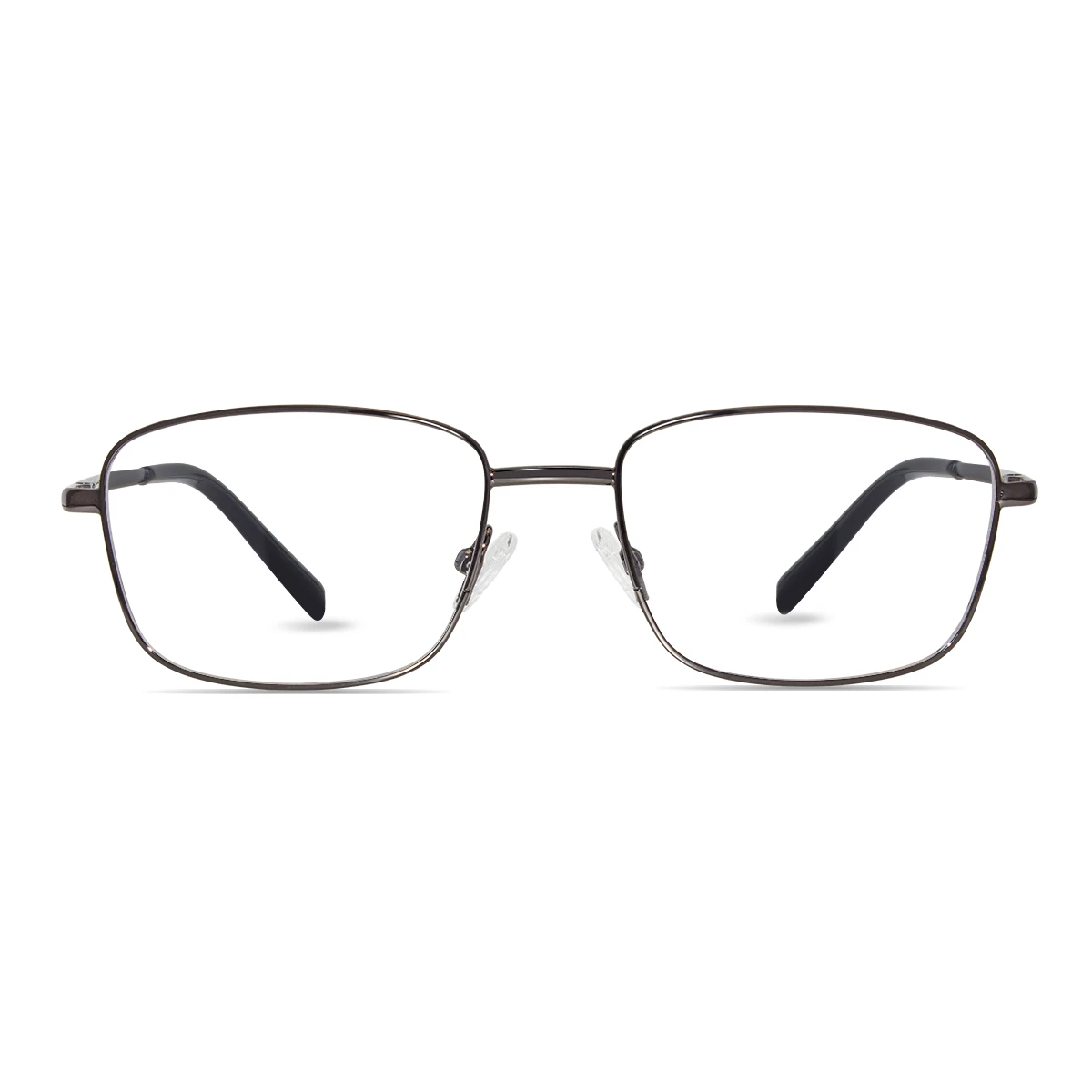

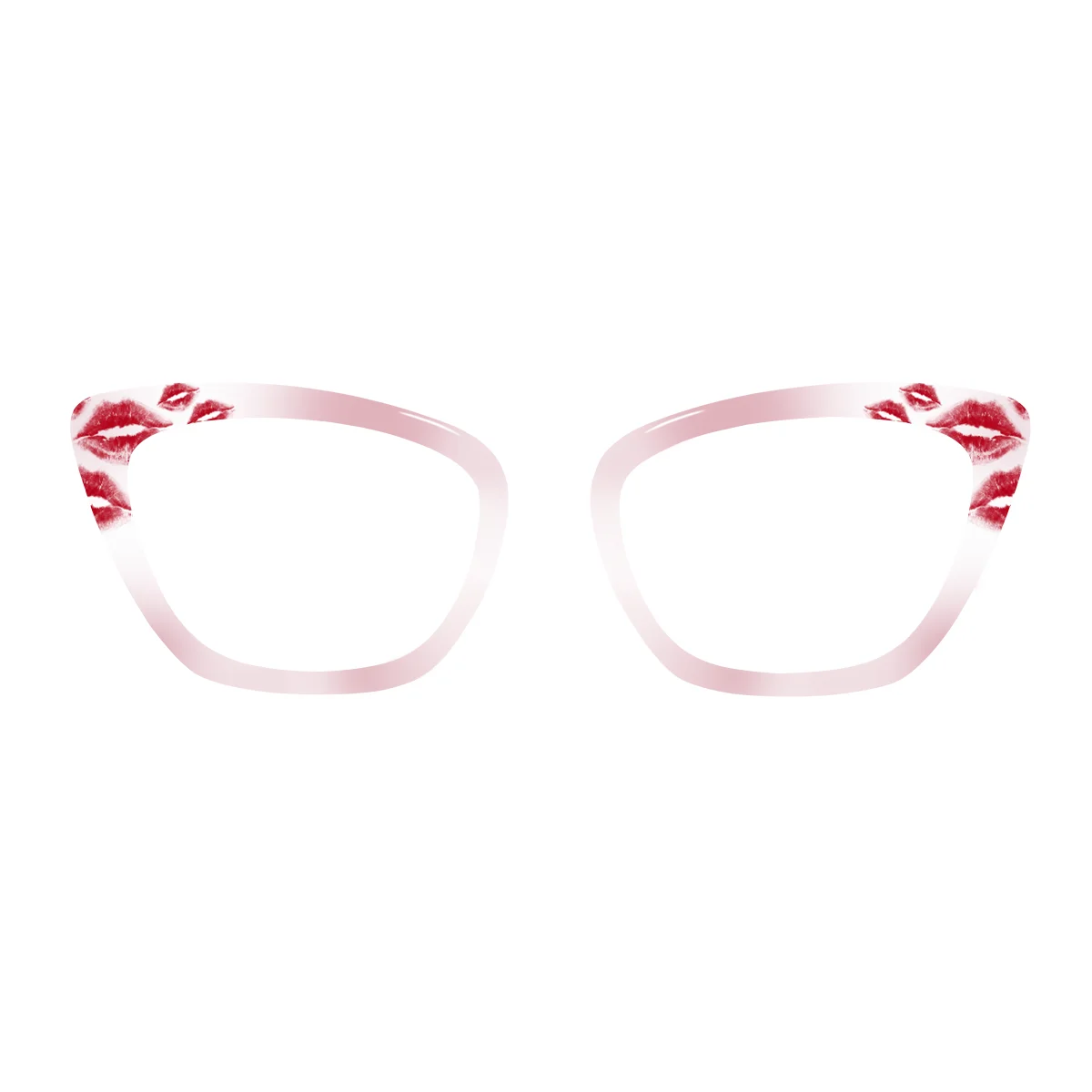
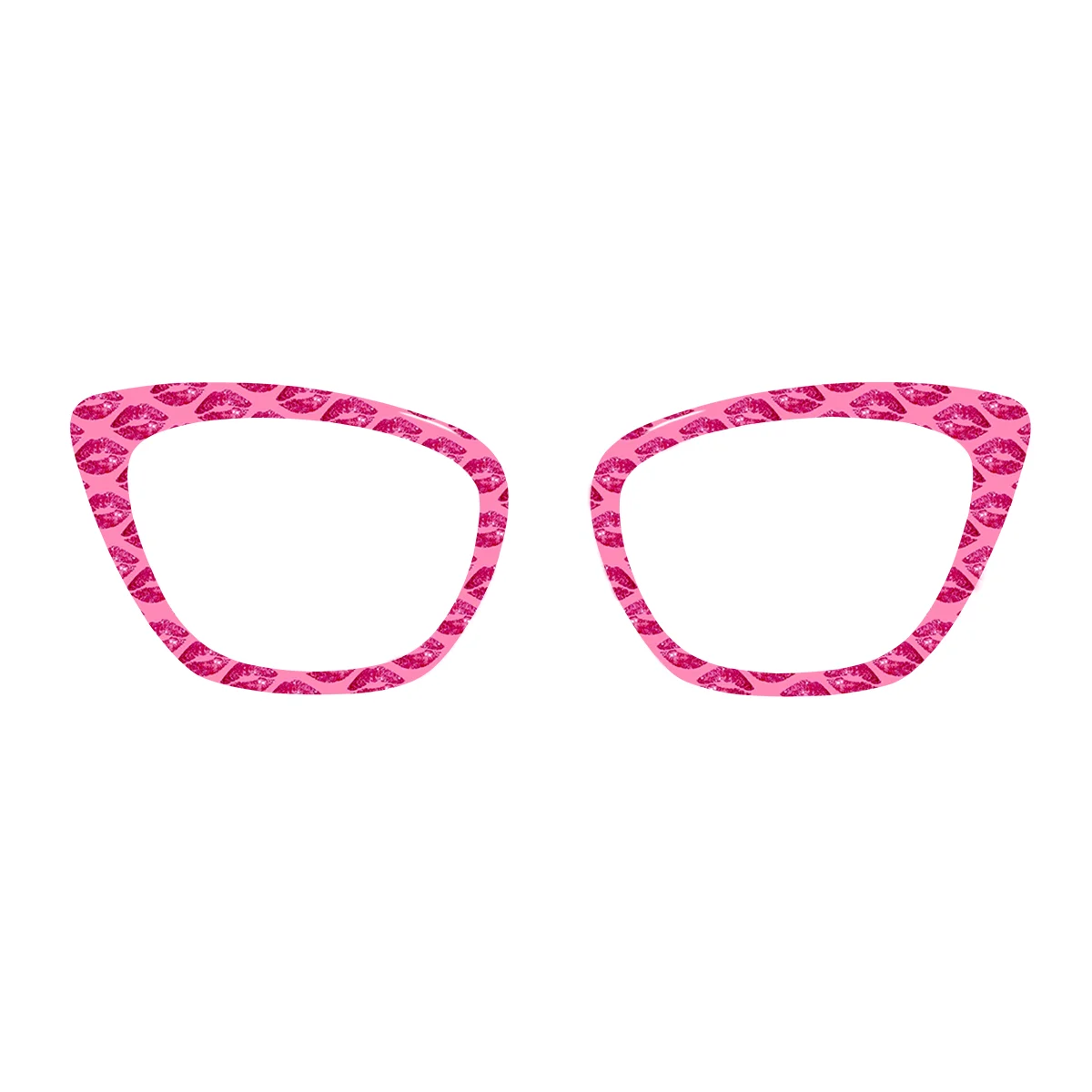
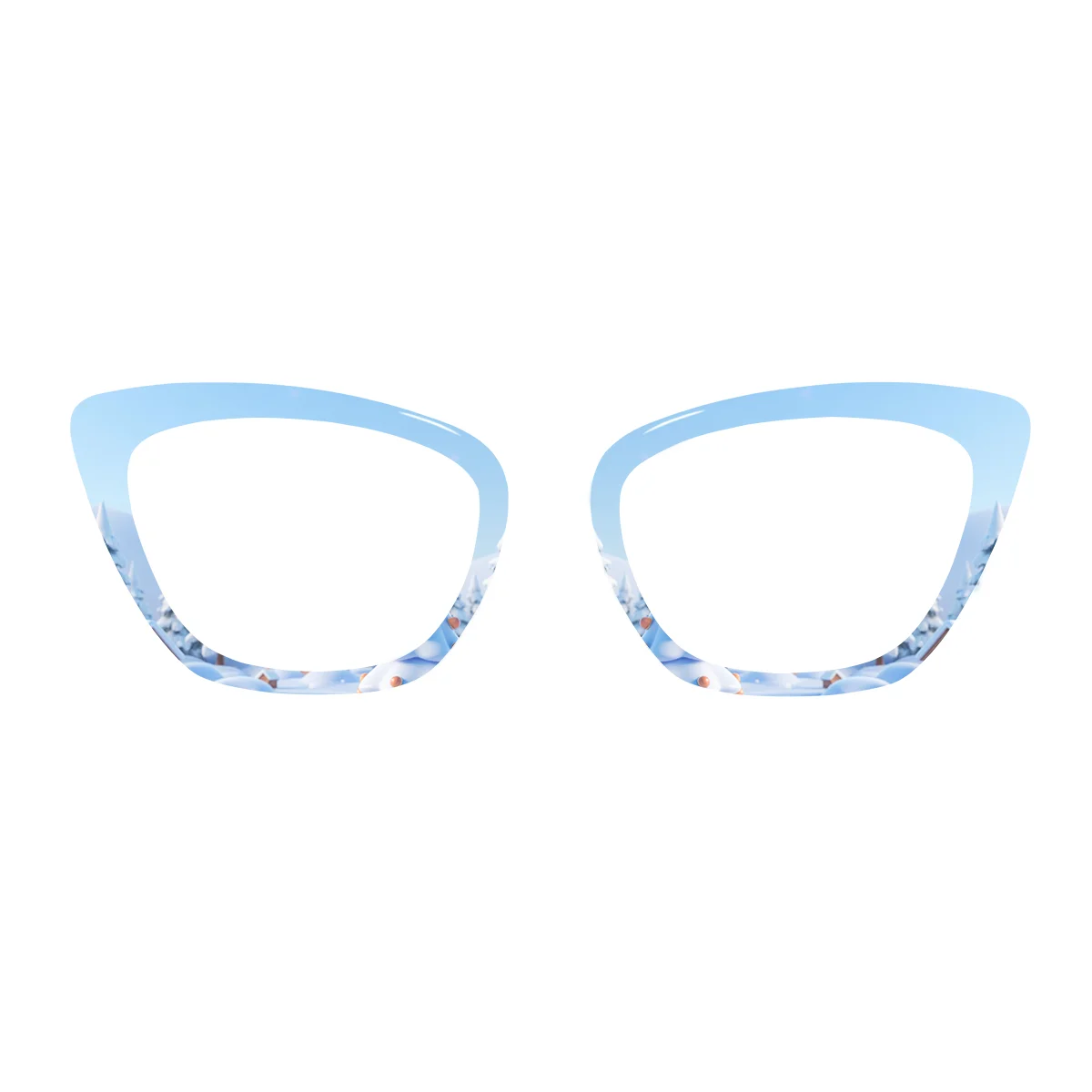
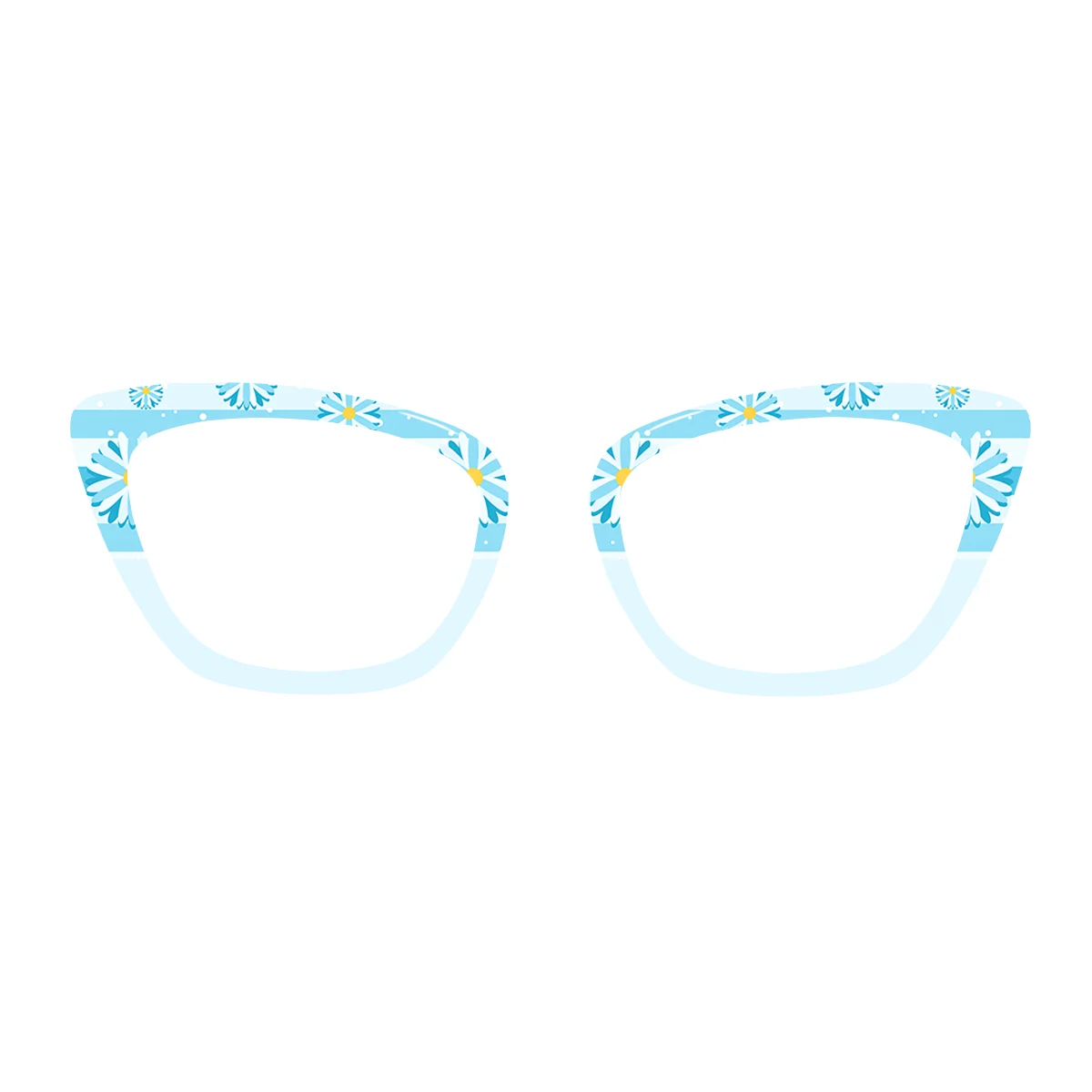
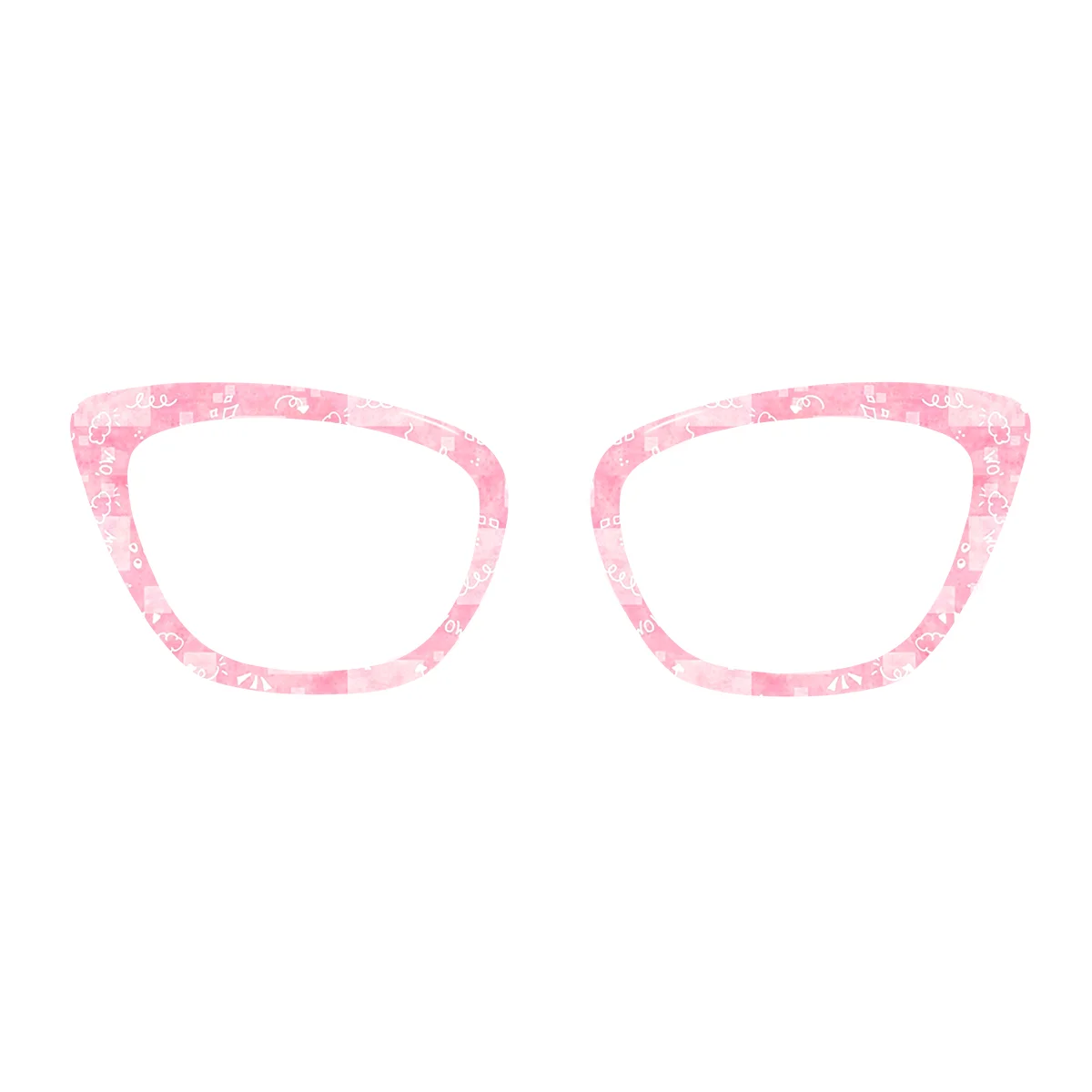
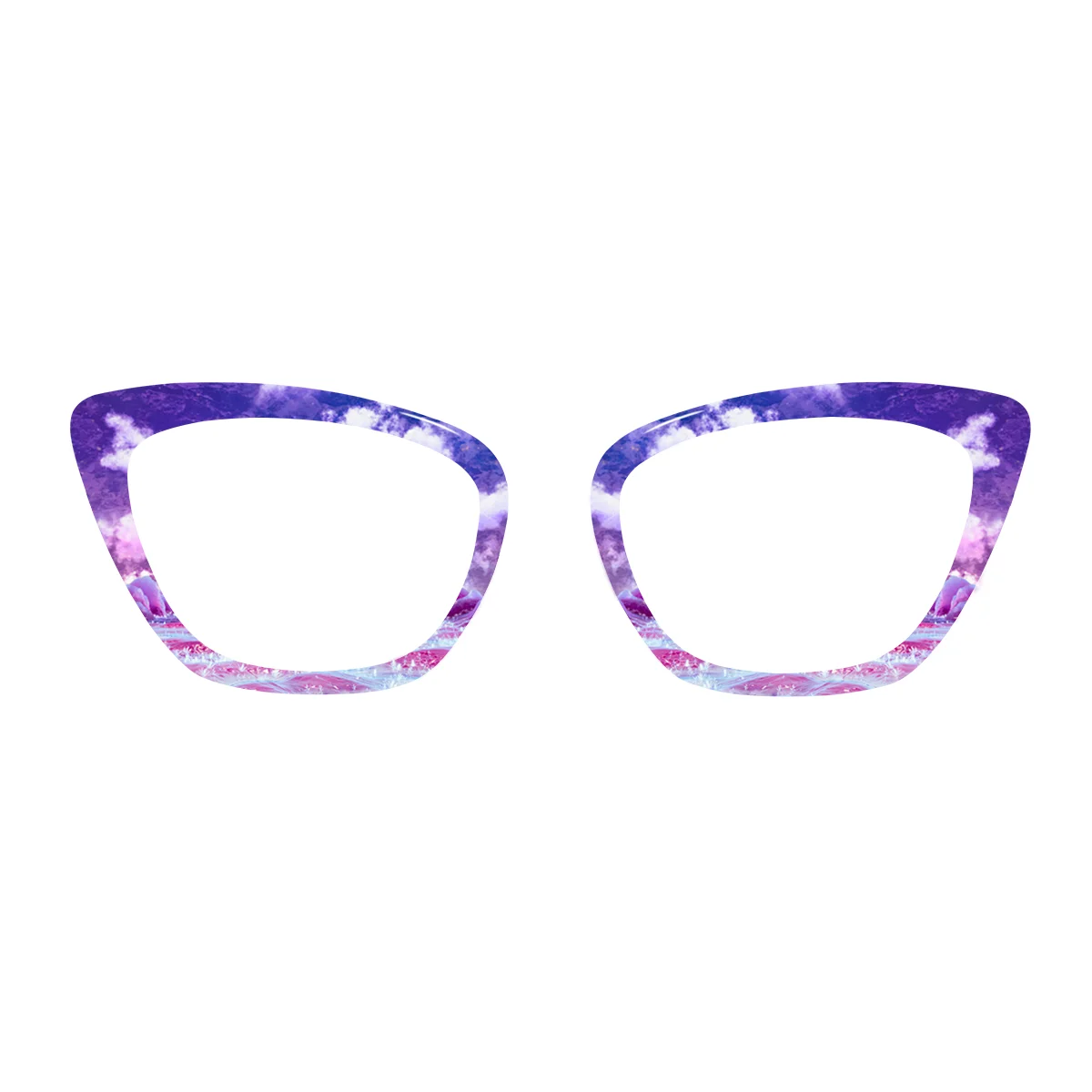
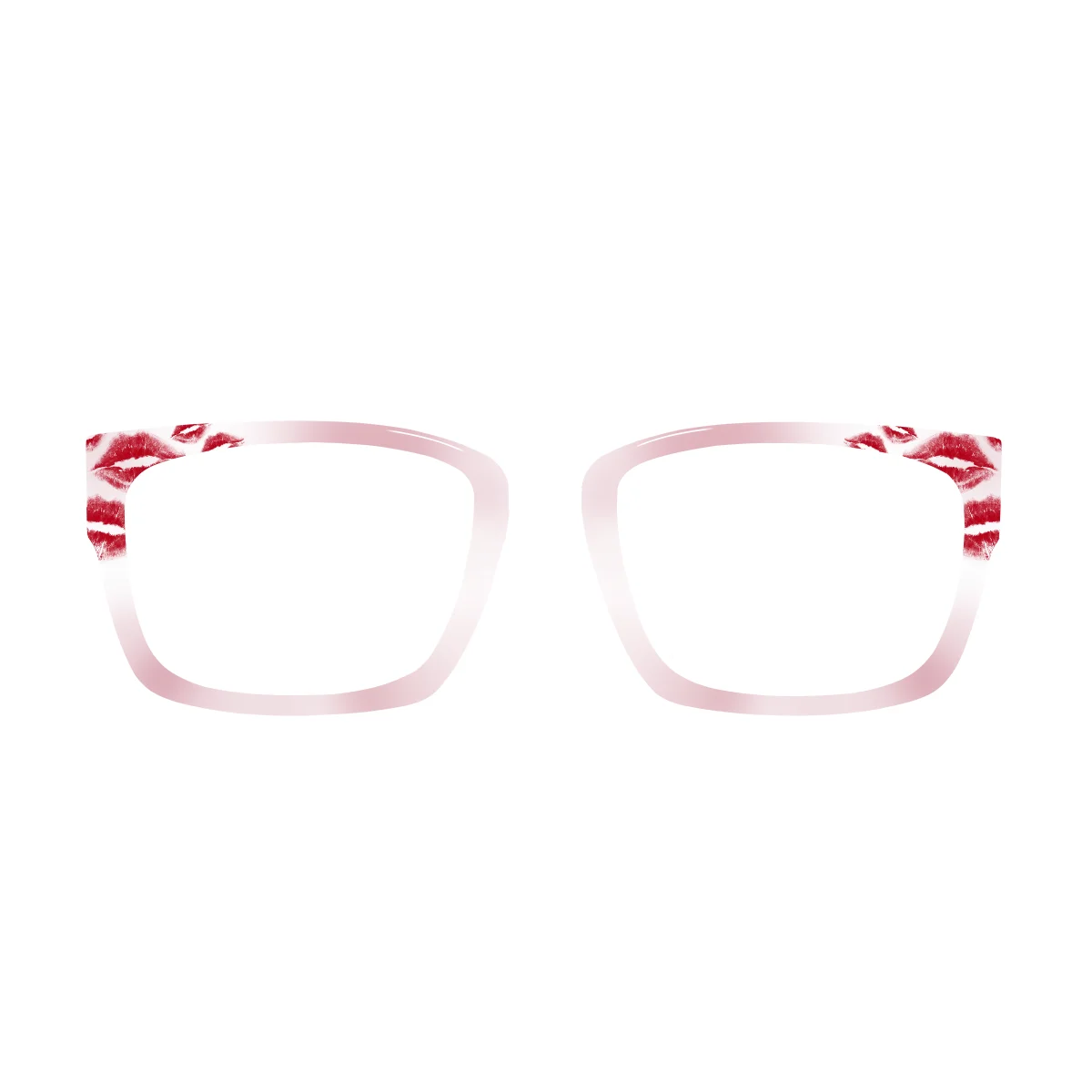
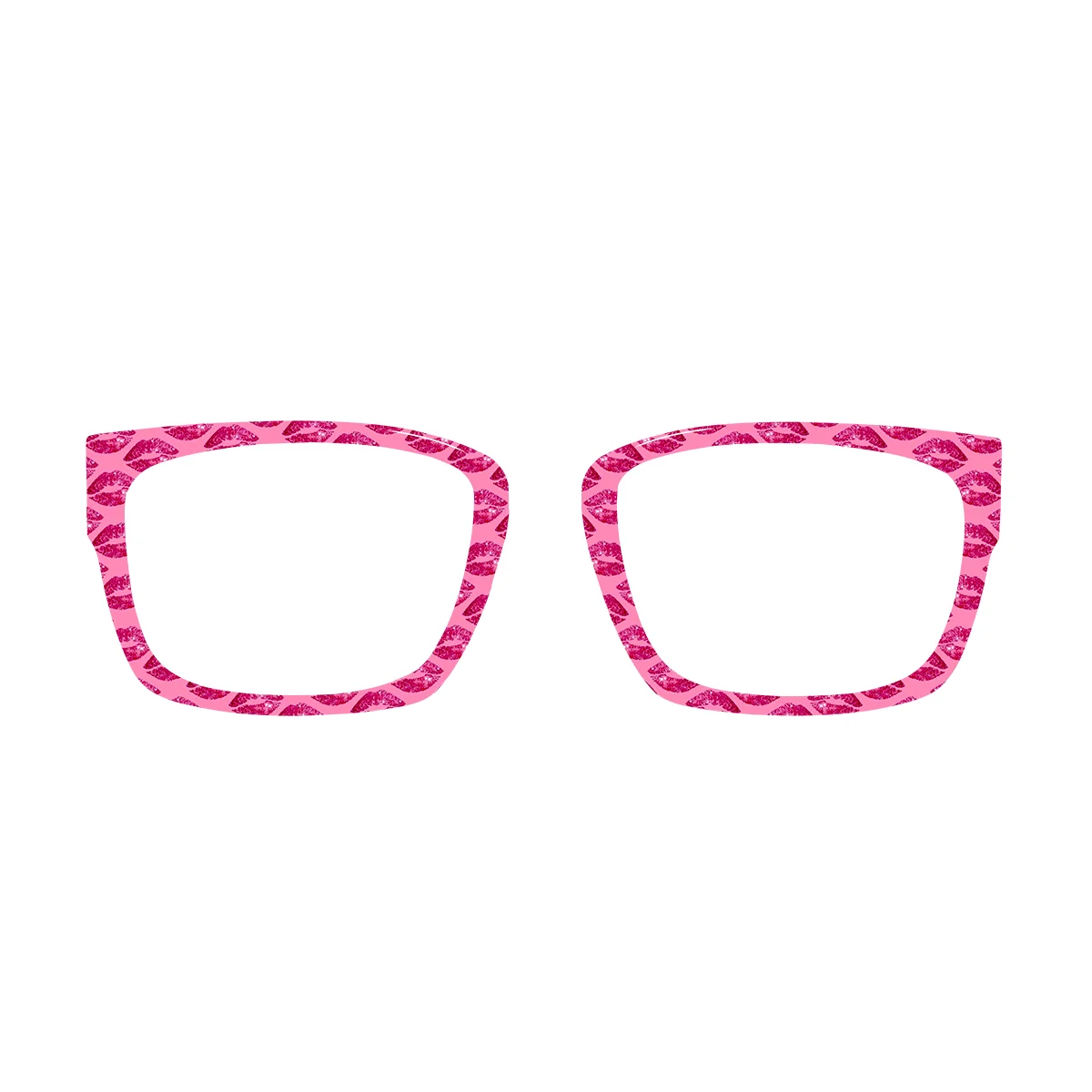


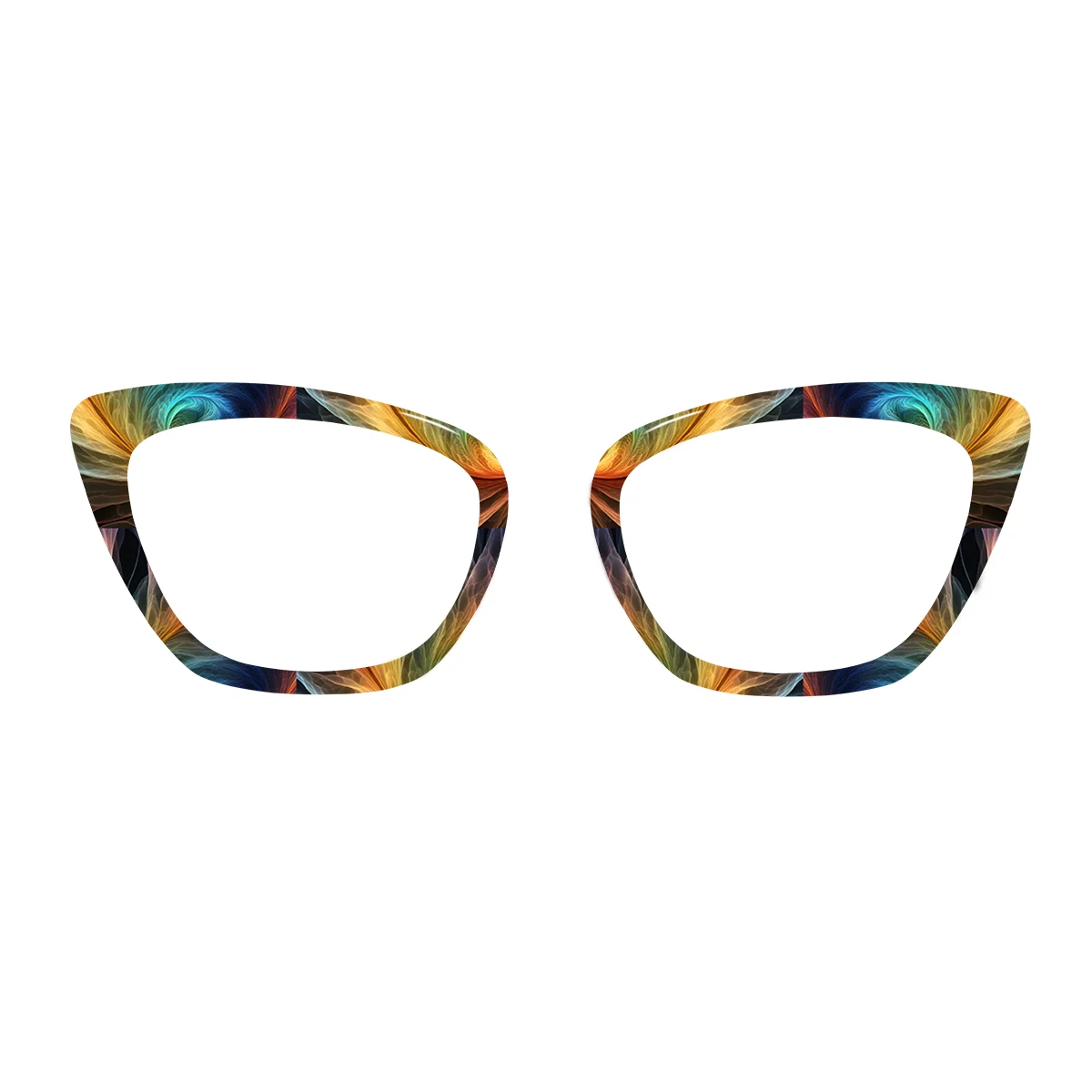
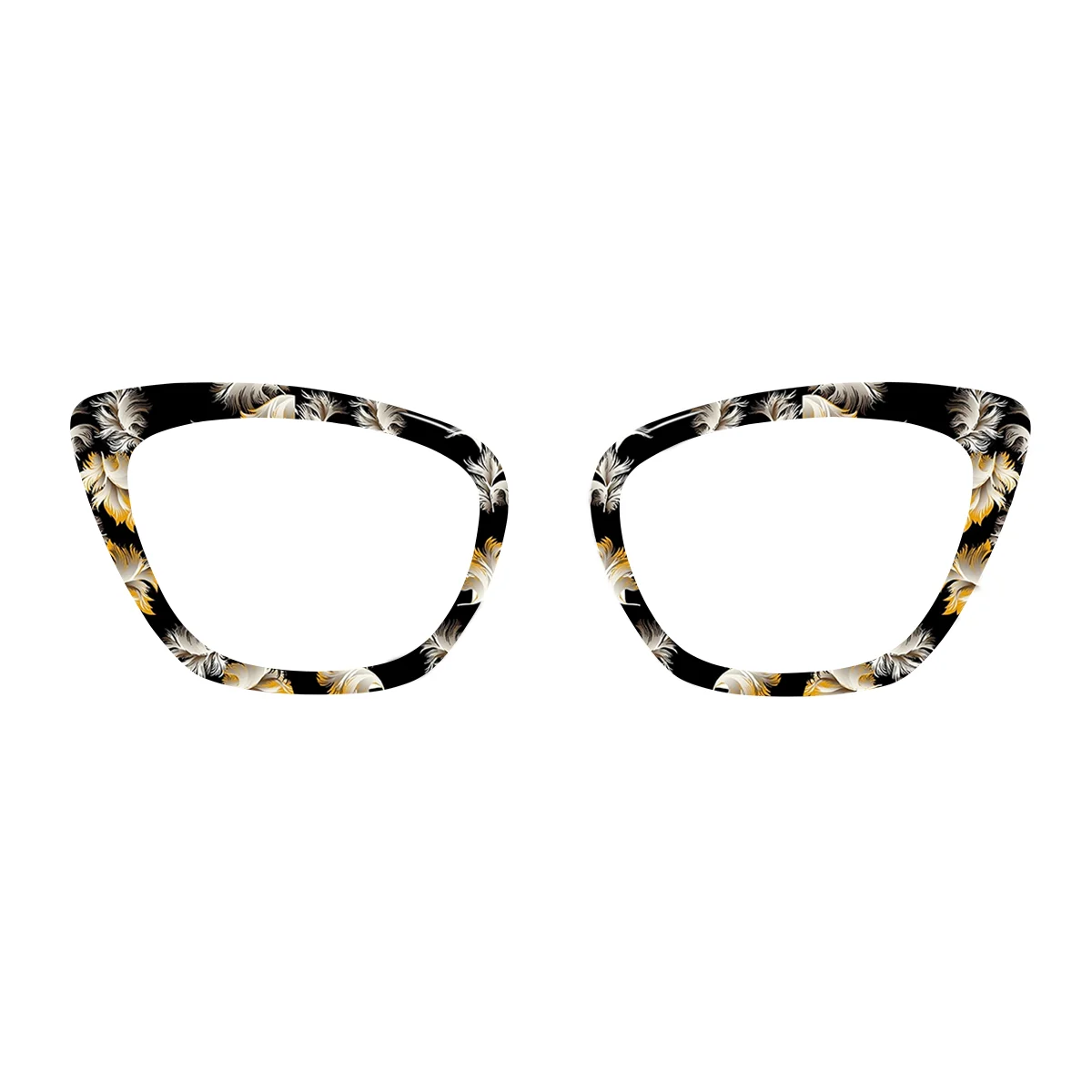
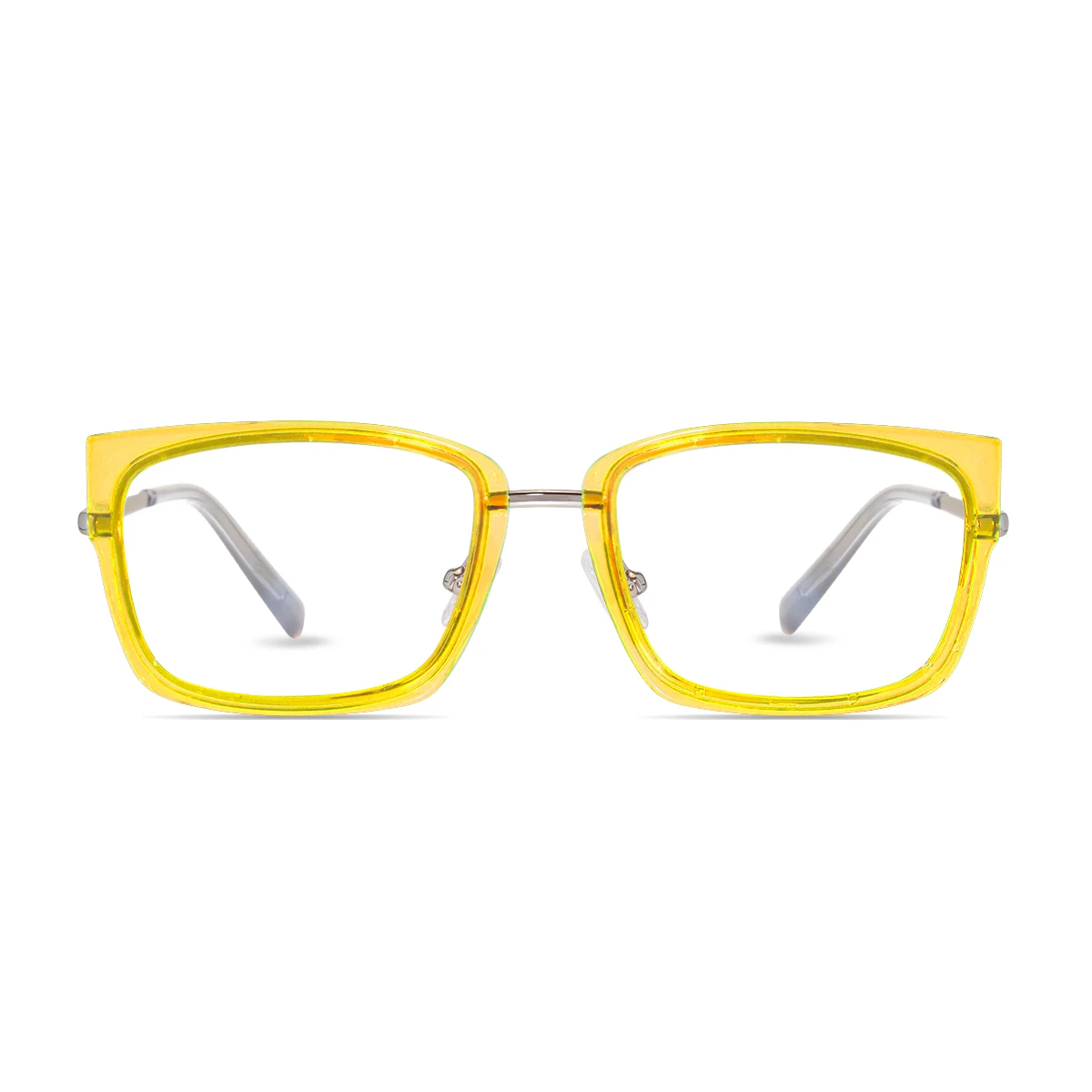
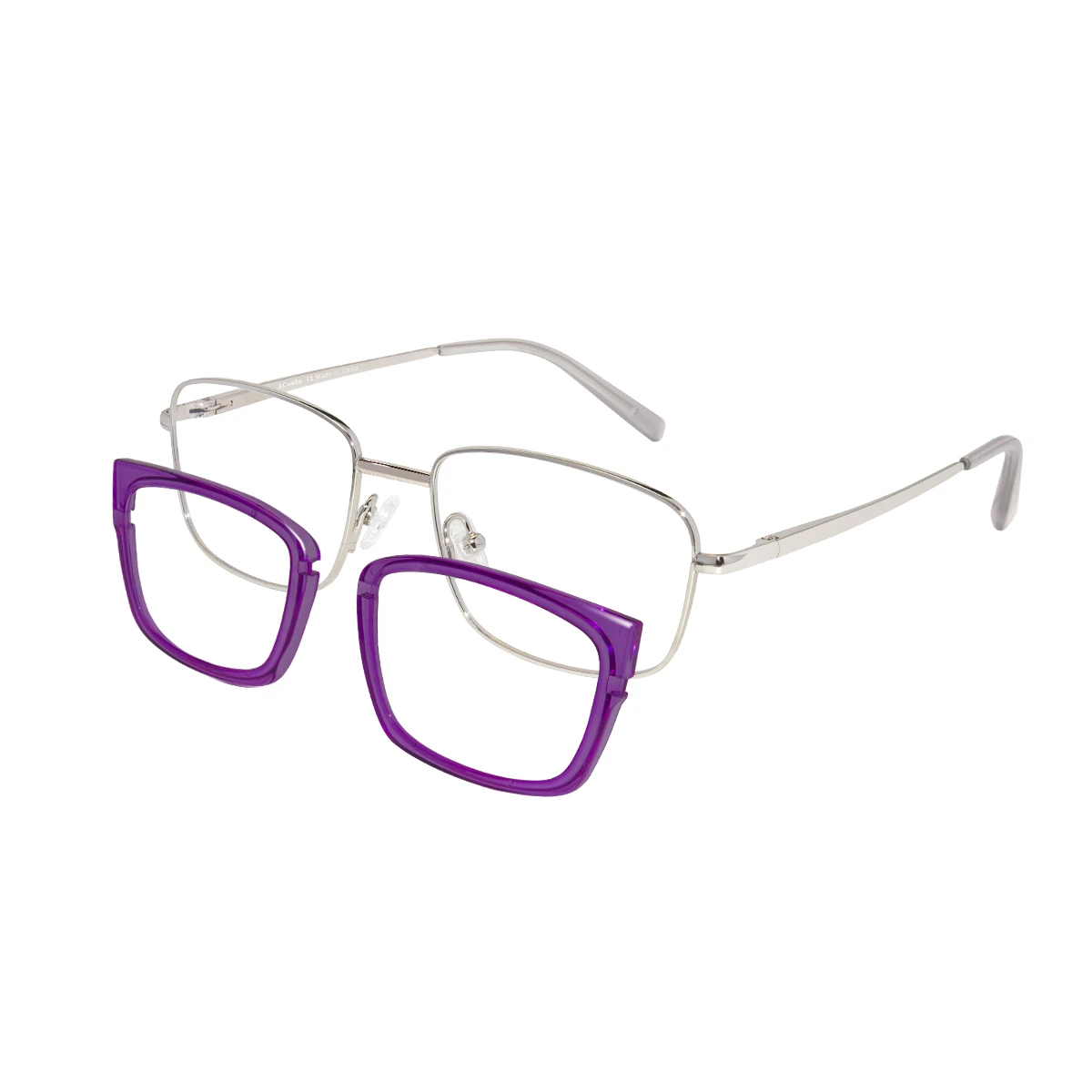
- Burgundy – Crystal (C01)
- Red – Crystal(C02)
- Burnt Orange – Crystal(C03)
- Marmalade – Crystal(C04)
- Sunshine Yellow – Crystal(C05)
- Lime Green – Crystal(C06)
- Sage – Crystal(C08)
- Green Forest – Crystal(C07)
- Army Green – Crystal(C09)
- Spruce – Crystal(C10)
- Turquiise – Crystal(C11)
- Cornflower– Crystal(C12)
- Navy – Crystal(C13)
- Indigo – Crystal(C14)
- Blue Orchid – Crystal(C15)
- Mauve – Crystal(C16)
- Lavender – Crystal(C21)
- Purple – Crystal(C17)
- Grape – Crystal(C18)
- Coral – Crystal(C19)
- Hot Pink – Crystal(C20)
- Chocolate – Crystal(C22)




High Index Lenses: Pros, Cons, and Essential Information
High index lenses are a lightweight and thinner alternative to regular lenses, designed to correct high refractive errors like nearsightedness, farsightedness, and...
What Affects the Thickness of Glasses Lenses?
When choosing new glasses, most people are excited about selecting a stylish frame, but for some, the thickness of the lenses is...
Transition Lenses – The Pros And Cons
Transition lenses are specially designed to adapt to varying light conditions, allowing users to see clearly whether they're in bright sunlight or...
Trifocal Lenses: Advantages, Disadvantages, and Key Insights
Trifocal lenses are a popular choice for those struggling with presbyopia, a condition that affects near, intermediate, and distance vision. These lenses...
Anti-Fatigue Lenses: Benefits, Uses, and Tips
In today’s digital age, most people spend hours in front of computer screens, binge-watching shows, or reading books with small print. These...
Trivex Lenses Explained: Differences, Advantages, and Considerations
Trivex lenses have gained significant attention in the eyewear industry as an advanced alternative to traditional lenses. Known for their durability, lightweight...
Varifocal Lenses: How They Work, Benefits, and Drawbacks
Varifocal lenses, also known as progressive lenses, provide seamless vision correction for various distances. They eliminate the need for multiple pairs of...
Understanding CYL, AXIS, and SPH in Eye Prescriptions
When you receive an eye prescription, you may notice terms like CYL, AXIS, and SPH. These are essential measurements that help determine...
Bifocal Lenses: Benefits and Drawbacks Explained
If you’re struggling to see both near and far distances clearly, bifocal lenses may be a practical solution. These lenses combine two...
What Are Photochromic Lenses (Transition Lenses)? A Complete Guide
Photochromic lenses, also known as transition lenses, have become a popular choice for many eyeglass wearers. These lenses adjust automatically to changing...