
Scratch-Free Vision: The Science of Daily Eyewear Care
For millions of people, glasses are among the most frequently used personal items. Whether you wear prescription eyeglasses, blue light blocking glasses, reading glasses, or polarized sunglasses, your lenses work hard every day to provide clear vision and protect your eyes from the outside world.
Yet despite investing in high-quality frames and advanced lens technology, many people unknowingly shorten the life of their eyewear through poor maintenance habits. Wiping lenses with a shirt sleeve, placing glasses face-down on a table, or tossing them into a backpack without protection may seem harmless, but over time these small actions lead to scratches, coating damage, loose hinges, and reduced visual clarity.
The good news is that keeping your glasses in excellent condition doesn't require expensive products or complicated routines. A few science-backed habits can dramatically extend the lifespan of your eyewear, preserve lens coatings, and help you avoid unnecessary replacement costs.
This complete guide explores why eyeglass lenses scratch so easily, how modern lens coatings work, the correct way to clean and store your glasses, common maintenance mistakes, and practical daily habits that keep your eyewear looking and performing like new.
Why Scratches Are More Than Just a Cosmetic Problem
Many people think of a small lens scratch as a minor inconvenience. After all, if you can still see through the lens, what's the big deal?
In reality, even tiny surface imperfections can have a surprisingly large impact on visual comfort and long-term eye health.
Reduced Optical Clarity
Scratches scatter incoming light, creating subtle distortions that reduce image sharpness. While a single hairline scratch may seem insignificant, dozens of microscopic scratches can noticeably affect the quality of your vision.
Increased Glare and Light Reflection
Damaged lenses often produce additional glare, especially while driving at night or working under bright office lighting. Headlights, digital screens, and sunlight can become more distracting when light reflects unpredictably across scratched surfaces.
Greater Eye Fatigue
Your eyes and brain constantly work together to process visual information. When lenses become scratched or cloudy, your visual system has to compensate, which may contribute to eye strain, headaches, and reduced comfort during extended wear.
Shorter Lens Lifespan
Surface scratches gradually weaken protective coatings, making lenses more vulnerable to dirt, moisture, and further damage. Eventually, replacing the lenses becomes the only practical solution.
Preventing scratches isn't just about keeping your glasses attractive—it's about preserving their function and maximizing your investment.
Understanding What Modern Eyeglass Lenses Are Made Of
To care for your glasses properly, it's helpful to understand the materials involved.
Unlike older generations of eyewear, most modern lenses are not made from traditional glass. Today's lenses typically use lightweight plastics that offer improved comfort and impact resistance.
Polycarbonate Lenses
Polycarbonate is one of the most common lens materials because it is lightweight, durable, and highly resistant to impact. It is frequently used for children's glasses, sports eyewear, and safety glasses.
However, polycarbonate is naturally softer than glass, making protective coatings essential for scratch resistance.
CR-39 Plastic Lenses
CR-39 lenses provide excellent optical quality and are lighter than glass. They offer better natural scratch resistance than polycarbonate but still benefit from hard protective coatings.
High-Index Lenses
High-index materials allow stronger prescriptions to be made thinner and lighter. These premium lenses often include multiple coatings but require careful maintenance to preserve their surface quality.
Glass Lenses
Although less common today, glass lenses remain highly scratch-resistant. Their downside is increased weight and a greater risk of shattering upon impact.
The Role of Lens Coatings
Modern eyeglass lenses are far more advanced than a simple piece of transparent material. Most premium lenses include multiple protective layers designed to improve performance.
Scratch-Resistant Coating
This hard coating acts as the first line of defense against everyday wear. It significantly improves durability but does not make the lens completely scratch-proof.
Anti-Reflective (AR) Coating
Anti-reflective coatings reduce glare and improve visual clarity, especially during nighttime driving or computer use. Because these coatings are extremely thin, they require gentle cleaning techniques.
UV Protection
Many lenses include built-in ultraviolet protection that helps shield the eyes from harmful UVA and UVB radiation.
Blue Light Filtering
Blue light filtering technology has become increasingly popular among office workers and digital device users. These coatings should also be treated carefully to prevent surface damage.
The more advanced the lens coating system, the more important proper maintenance becomes.
What Actually Causes Lens Scratches?
Contrary to popular belief, most scratches don't happen because someone drops their glasses. Instead, they result from repeated exposure to tiny abrasive particles and improper handling.
Dust and Dirt
Dust particles often contain tiny mineral fragments that are harder than plastic lens surfaces. Wiping dusty lenses without rinsing them first essentially drags these particles across the coating.
Sand and Outdoor Debris
Beach trips, hiking adventures, and windy environments expose lenses to fine sand and grit. Even invisible particles can leave microscopic scratches when rubbed across the surface.
Clothing Fibers
Many people instinctively clean glasses with a T-shirt, paper towel, or jacket sleeve. Unfortunately, these materials may contain rough fibers or trapped debris that gradually wear away the lens coating.
Household Chemicals
Glass cleaners, ammonia-based sprays, bleach, and certain disinfectants can damage lens coatings, making them more vulnerable to scratches and peeling.
The Correct Way to Clean Your Glasses
Proper cleaning is perhaps the single most important step in preventing lens damage.
Step 1: Wash Your Hands
Before touching your glasses, wash your hands with soap and water to remove dirt, grease, or lotions that could transfer onto the lenses.
Step 2: Rinse the Lenses
Hold your glasses under a gentle stream of lukewarm water. This removes loose dust and grit that could scratch the surface during wiping.
Avoid hot water, which may damage certain lens coatings over time.
Step 3: Apply a Lens-Safe Cleaner
Use a cleaner specifically designed for eyeglasses or a small drop of mild lotion-free dish soap. Gently rub both sides of the lenses and the frame.
Avoid products containing:
- Ammonia.
- Acetone.
- Vinegar-based industrial cleaners.
- Household window sprays.
- Abrasive cleaning powders.
Step 4: Rinse Again
Carefully rinse away all soap residue to prevent streaking and buildup.
Step 5: Dry with a Clean Microfiber Cloth
Use a soft, lint-free microfiber cloth designed for optical lenses. Pat or gently wipe the lenses dry without applying excessive pressure.
Why Microfiber Cloths Work Better
Not all cleaning materials are created equal.
Microfiber cloths are made from ultra-fine synthetic fibers that trap dust and oils rather than dragging them across the lens surface. Their soft texture minimizes friction while effectively removing smudges.
To keep a microfiber cloth effective:
- Wash it regularly with mild detergent.
- Avoid fabric softeners, which leave residue.
- Let it air dry.
- Store it in a clean pouch when not in use.
A dirty microfiber cloth can become just as damaging as a paper towel if grit accumulates within the fibers.
The Biggest Eyeglass Care Mistakes People Make
Many common habits seem harmless but significantly increase the risk of scratches.
Cleaning Lenses with Clothing
Your shirt, hoodie, or jacket sleeve may feel soft, but fabric can trap dust, sand, and tiny particles that act like sandpaper.
Using Paper Towels or Tissues
Wood fibers found in paper products are surprisingly abrasive. Repeated use can create fine scratches that gradually reduce lens clarity.
Placing Glasses Face-Down
Setting glasses on a desk or countertop with the lenses touching the surface almost guarantees eventual scratching.
Always place glasses with the lenses facing upward or store them in a protective case.
Leaving Glasses Loose in a Bag
Keys, coins, pens, chargers, and other everyday items can rub against lenses inside backpacks or handbags. Even a short commute can leave permanent marks.
Using Household Cleaning Products
Many multi-purpose cleaners contain chemicals that degrade anti-reflective and scratch-resistant coatings over time.
The Science of Proper Eyeglass Storage
How you store your glasses is just as important as how you clean them.
Use a Hard Protective Case
A rigid eyeglass case provides the best protection against accidental impacts and pressure. It also keeps lenses away from abrasive objects during travel.
Keep Glasses Away from Extreme Heat
Leaving glasses inside a hot car can warp plastic frames and weaken lens coatings. Excessive heat may also cause anti-reflective layers to separate or crack.
Avoid High-Humidity Environments
Bathrooms may seem like a convenient place to leave glasses overnight, but repeated exposure to steam and humidity can gradually affect coatings and metal frame components.
How to Protect Your Glasses During Outdoor Activities
Outdoor adventures expose eyewear to additional risks, including dust, sweat, moisture, and impacts.
Hiking and Camping
Use a neck strap or retainer to reduce the chance of dropping your glasses. Carry a compact hard case when the glasses are not in use.
Beach Trips
Sand is one of the biggest enemies of optical lenses. Rinse lenses with clean water before wiping away any salt spray or sand particles.
Cycling and Running
Sports eyewear with wraparound frames provides additional protection from airborne debris while reducing the likelihood of accidental drops.
Travel
Keep a travel-sized lens cleaning spray and microfiber cloth in your bag. Avoid placing glasses in seat pockets, luggage compartments, or unprotected pockets.
Maintaining the Frame Is Just as Important
Lens care often gets all the attention, but the frame itself also requires routine maintenance.
Check the Hinges
Loose hinges can cause glasses to fit poorly and increase the likelihood of accidental drops. Tighten small screws periodically using an eyeglass repair kit.
Clean Nose Pads
Nose pads collect skin oils, makeup, and dirt, which can affect comfort and hygiene. Clean them gently using mild soap and a soft brush.
Inspect for Misalignment
Bent frames can place uneven pressure on the lenses, increasing the chance of stress-related damage. Have adjustments performed by an optical professional when necessary.
Can Scratched Lenses Be Repaired?
This is one of the most common questions among eyeglass owners.
Unfortunately, truly scratched coated lenses cannot usually be restored to their original condition. Many online "scratch removal" tricks involving toothpaste, baking soda, or furniture polish may temporarily mask surface marks but often damage the protective coatings even further.
If scratches interfere with vision or create noticeable glare, replacing the lenses is generally the safest and most effective solution.
The best strategy is prevention rather than repair.
Building a Daily Eyewear Care Routine
Taking care of your glasses doesn't need to be complicated. A simple five-minute routine can significantly extend their lifespan.
Every Morning
- Check for fingerprints or dust.
- Clean lenses if necessary using proper methods.
- Inspect the frame for loose screws or alignment issues.
During the Day
- Handle glasses by the temples or bridge rather than touching the lenses.
- Use a hard case whenever the glasses are not being worn.
- Avoid placing lenses directly on surfaces.
Every Evening
- Rinse away accumulated dust and oils.
- Wipe with a clean microfiber cloth.
- Store glasses safely in their case before bed.
Once a Month
- Wash your microfiber cloth thoroughly.
- Deep clean the frames and nose pads.
- Inspect hinges and screws.
- Replace worn accessories if needed.
Why Good Eyewear Maintenance Saves Money
Quality prescription lenses and designer frames can represent a significant investment. Proper maintenance protects that investment in several ways:
- Extends lens lifespan.
- Preserves expensive specialty coatings.
- Reduces the need for premature replacements.
- Maintains clear, comfortable vision.
- Prevents costly frame repairs.
- Keeps your glasses looking new for longer.
A few minutes of preventive care each day can save hundreds of dollars over the lifetime of your eyewear.
Final Thoughts: Clear Vision Starts with Smart Habits
Scratches are not an unavoidable part of wearing glasses. Most lens damage develops gradually through small daily habits that are easy to overlook—cleaning with the wrong materials, storing glasses carelessly, or exposing them to unnecessary environmental stress.
Fortunately, the solution is equally simple. Understanding how modern lenses and coatings work allows you to care for them in ways that preserve both their appearance and their performance. Rinsing lenses before wiping them, using a clean microfiber cloth, storing glasses in a hard case, and avoiding harsh chemicals are all small actions that produce long-term benefits.
The goal of proper eyewear care isn't perfection—it's consistency. By building a science-based maintenance routine into your daily life, you can reduce scratches, maintain crystal-clear vision, and help your favorite pair of glasses stay comfortable, functional, and attractive for years to come.
After all, your glasses help you see the world more clearly every single day. Giving them the care they deserve is one of the easiest ways to protect both your vision and your investment.
Share this post

2026 Spring/Summer Fashion Trends: When Retro Small-Frame Glasses Meet the Underarm Bag
Fashion has always had a talent for bringing the past back in unexpected ways.A silhouette that once belonged to another decade can...
Soft Aesthetics for Girls with Square Faces: How Rounded Handbags and Gentle Eyeglass Frames Soften Facial Lines
A square face can be striking, elegant, and full of character. Defined by a broader forehead, a relatively straight jawline, and noticeable...
How to Buy Prescription Glasses Online on XCombo
Looking to buy glasses online? XCombo makes it easy to get stylish, high-quality glasses tailored to your prescription. Follow this simple step-by-step...

The Executive Style Code: A Career Guide to Suits, Briefcases, and Sophisticated Eyewear
In the modern workplace, professional style is about much more than wearing expensive clothes.The strongest business wardrobe communicates something before you say...

Street-Cool Style: How to Make Motorcycle Jackets, Belt Bags, and Futuristic Sunglasses Stand Out
Street fashion has never been about following every rule.It is about knowing which rules to break.A motorcycle jacket, a compact belt bag,...

The Art of Color Coordination: How to Match Your Bag With Your Eyeglass Frames for an Effortlessly Sophisticated Look
Fashion is often about the little details.A beautifully tailored outfit can look polished, yet something may still feel incomplete. The reason is...
Dating Night Style Secrets: The Perfect Collision of an Elegant Cocktail Dress, a Chain Evening Bag, and Sophisticated Semi-Rimless Glasses
Dating night is about more than choosing an outfit. It is about creating an impression without looking like you tried too hard....

Effortless French Elegance: The Perfect Pairing of Knitwear, Tote Bags, and Cat-Eye Glasses
There is something undeniably captivating about French style.It is polished without looking overly polished, feminine without being overly delicate, and comfortable without...
A Cross-Textural Conversation: The Tactile Collision of Leather Bags, Tweed Clothing, and Wood-Frame Eyewear
Introduction: When Materials Become the Main CharacterFashion is often discussed in terms of color, silhouette, trend, and season. Yet some of the...

The Ultimate Guide to Vacation-Style Outfits: Floral Dresses, Straw Bags, and Round Sunglasses for Summer
Summer is the season of relaxed mornings, warm afternoons, outdoor dinners, weekend getaways, and long-awaited vacations. It is also the perfect time...
The Romance of Earth Tones in Fall: The Color Aesthetics of Trench Coats, Saddle Bags, and Tea-Tinted Sunglasses
Introduction: Falling in Love With the Colors of AutumnThere is something irresistibly romantic about autumn fashion.As summer fades, bright colors gradually give...
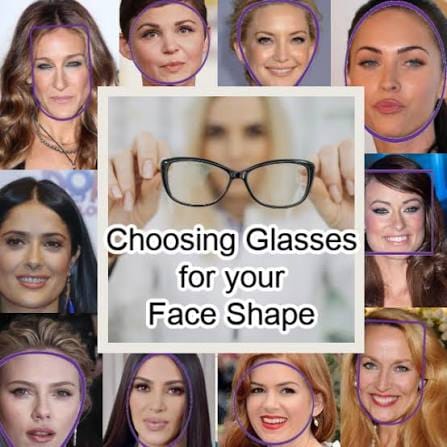
Best Glasses for Your Face Shape: Round, Square, Oval & More
Introduction: The Right Glasses Can Transform Your Entire AppearanceChoosing a pair of glasses is about much more than simply correcting your vision....