
How to Choose the Best VLT for Ski Goggles
Ever noticed how the world looks different through ski goggles? That's all thanks to VLT, or Visible Light Transmission. Think of it as sunglasses for the snow; it determines how much light reaches your eyes. The right VLT ensures you're not squinting in bright sun or struggling to see on cloudy days. Let’s dive into why VLT matters, how to select the right one for any weather, and tips to maintain your ski goggles.
What Is VLT in Ski Goggles?
Understanding VLT
VLT, or Visible Light Transmission, measures the percentage of visible light that passes through your goggles’ lens. For example:
- Low VLT (5-20%): Allows less light through, ideal for sunny days.
- High VLT (50-90%): Allows more light through, perfect for cloudy or overcast weather.
Manufacturers measure VLT with precision tools, helping categorize lenses to suit different light conditions.
Why Does VLT Matter?
Benefits of the Right VLT
- Clear Vision: Improves contrast and depth perception, crucial for avoiding obstacles.
- Reduces Eye Strain: Prevents fatigue, allowing you to ski longer without discomfort.
- Adaptable to Weather: Prepares you for sudden changes, like fog or bright sunlight.
- Enhanced Safety: Clearer vision helps make quick decisions, reducing accidents.
Different Weather Conditions and VLT
- Sunny Days: Bright sunlight can be blinding; low VLT lenses filter out the excess light.
- Cloudy Days: High VLT lenses brighten your view, making it easier to navigate.
- Variable Light: Photochromic lenses adapt dynamically to changing light conditions.
How to Choose the Right VLT for Ski Goggles
Match VLT to Weather Conditions
- Sunny Weather: Choose goggles with 10-20% VLT and dark tints like black or gray.
- Cloudy or Foggy Days: Opt for 60-90% VLT with lighter tints such as yellow or amber.
- Mixed Weather: A 30-50% VLT lens strikes a balance for variable conditions.
- Frequent Light Changes: Photochromic lenses automatically adjust to light changes.
| Weather Condition | VLT Range | Recommended Tint |
|---|---|---|
| Bright, Sunny Days | 10-20% | Black, Gray, Mirrored |
| Cloudy, Snowy Weather | 60-90% | Yellow, Amber, Gold |
| Variable Conditions | 30-50% | Red, Green, Blue |
| Changing Light | Photochromic | Adapts Automatically |
Types of VLT Ski Goggles
Lens Options for Every Condition
- Low VLT (0-20%): Best for bright sunlight with dark tints or mirrored finishes.
- Medium VLT (21-50%): Versatile for both sunny and cloudy days; common colors include red and blue.
- High VLT (51-80%): Ideal for overcast weather with lighter shades like yellow or pink.
- Very High VLT (81-100%): Clear lenses for low-light or nighttime skiing.
- Photochromic Lenses: Adaptive lenses that adjust based on the surrounding light.
Tips to Maintain Your Ski Goggles
Easy Maintenance Practices
- Proper Storage: Use a soft pouch to protect lenses from scratches.
- Gentle Cleaning: Wipe with a microfiber cloth; avoid harsh chemicals.
- Drying: Let goggles air dry completely before storing.
- Avoid Heat: Don’t use radiators or hair dryers; heat can warp the lenses.
- Protect the Inner Lens: Avoid touching or cleaning the inside, as it may damage the anti-fog coating.
- Cool Storage: Store in a cool, dry place away from sunlight.
Final Thoughts: Select Your Perfect VLT Ski Goggles
Choosing the right VLT is as simple as matching it to the weather. Use low VLT lenses for sunny conditions and high VLT ones for cloudy days. For all-weather convenience, photochromic lenses are your best bet. Take care of your goggles, and they’ll take care of your vision, letting you enjoy the slopes safely and comfortably season after season!
Share this post
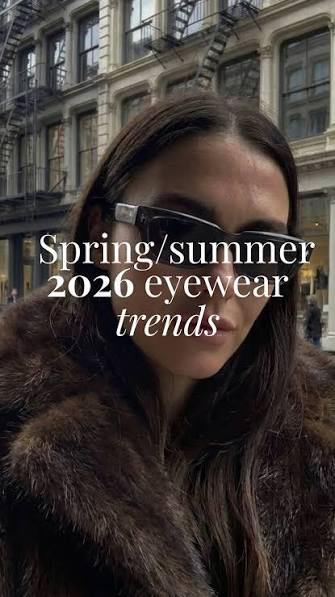
2026 Spring/Summer Fashion Trends: When Retro Small-Frame Glasses Meet the Underarm Bag
Fashion has always had a talent for bringing the past back in unexpected ways.A silhouette that once belonged to another decade can...
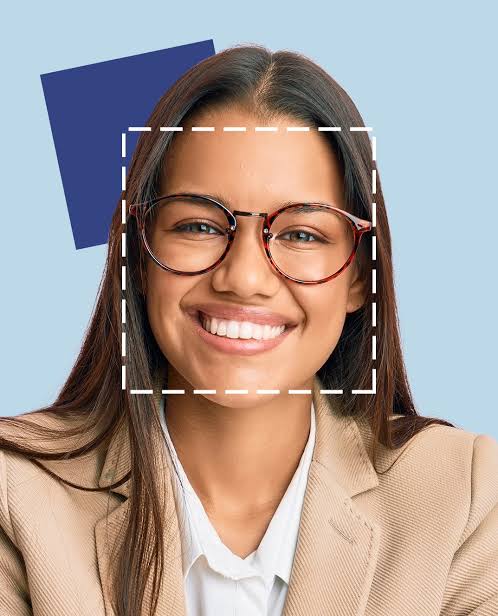
Soft Aesthetics for Girls with Square Faces: How Rounded Handbags and Gentle Eyeglass Frames Soften Facial Lines
A square face can be striking, elegant, and full of character. Defined by a broader forehead, a relatively straight jawline, and noticeable...
How to Buy Prescription Glasses Online on XCombo
Looking to buy glasses online? XCombo makes it easy to get stylish, high-quality glasses tailored to your prescription. Follow this simple step-by-step...
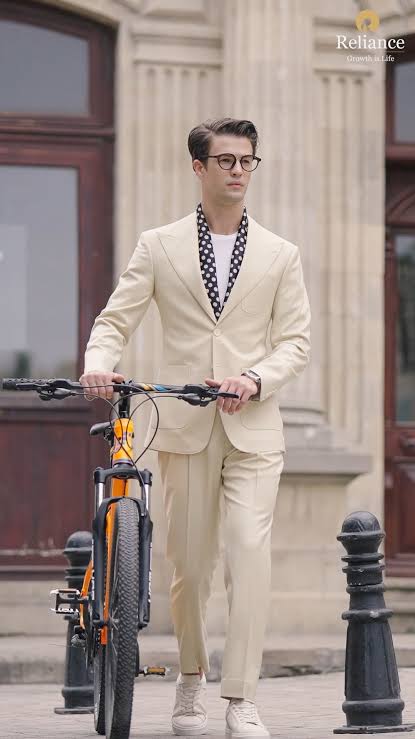
The Executive Style Code: A Career Guide to Suits, Briefcases, and Sophisticated Eyewear
In the modern workplace, professional style is about much more than wearing expensive clothes.The strongest business wardrobe communicates something before you say...
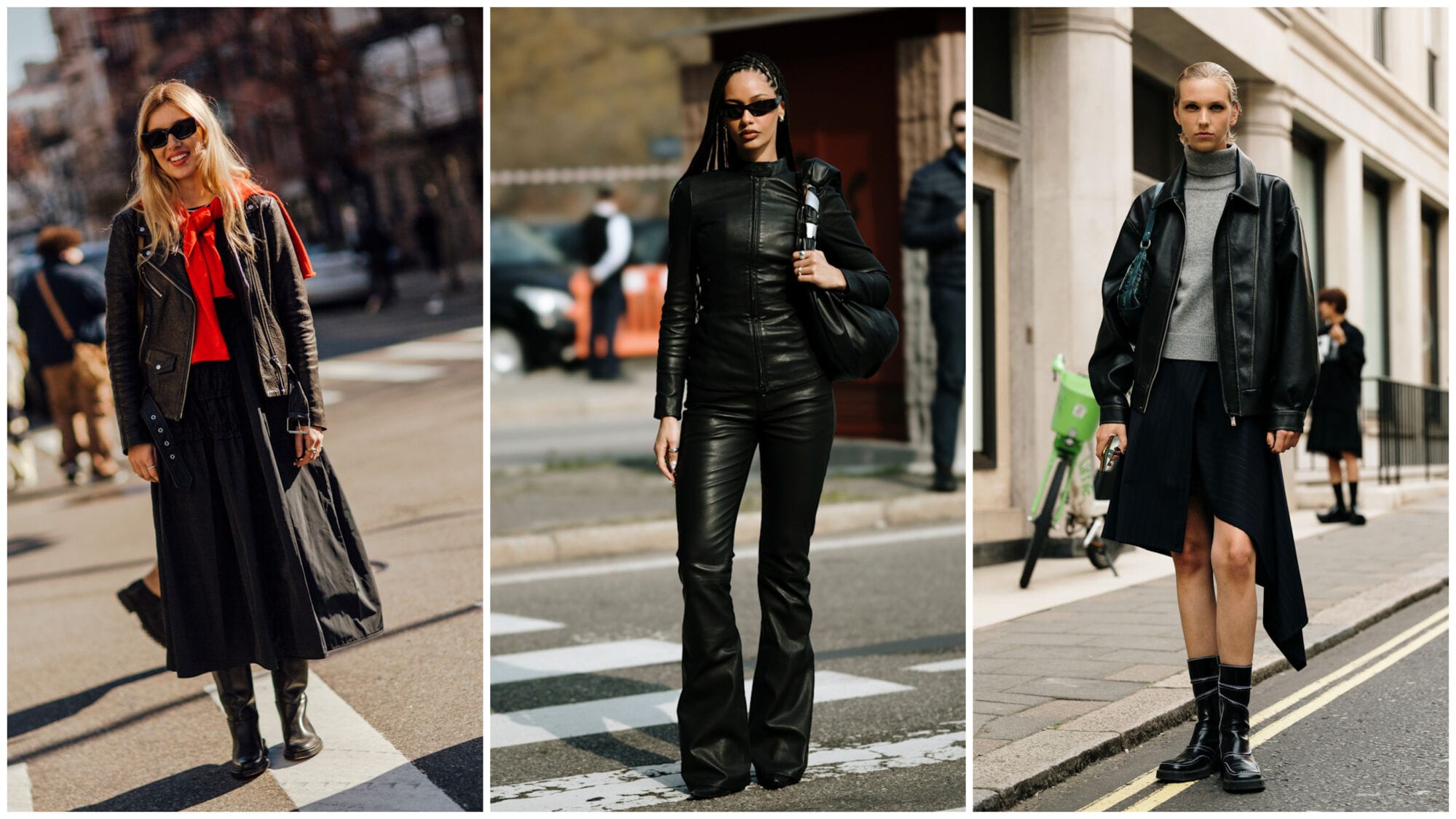
Street-Cool Style: How to Make Motorcycle Jackets, Belt Bags, and Futuristic Sunglasses Stand Out
Street fashion has never been about following every rule.It is about knowing which rules to break.A motorcycle jacket, a compact belt bag,...
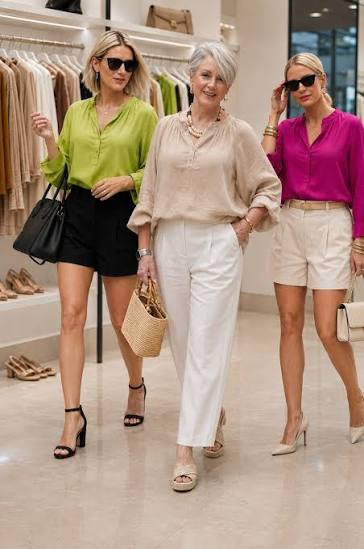
The Art of Color Coordination: How to Match Your Bag With Your Eyeglass Frames for an Effortlessly Sophisticated Look
Fashion is often about the little details.A beautifully tailored outfit can look polished, yet something may still feel incomplete. The reason is...
Dating Night Style Secrets: The Perfect Collision of an Elegant Cocktail Dress, a Chain Evening Bag, and Sophisticated Semi-Rimless Glasses
Dating night is about more than choosing an outfit. It is about creating an impression without looking like you tried too hard....
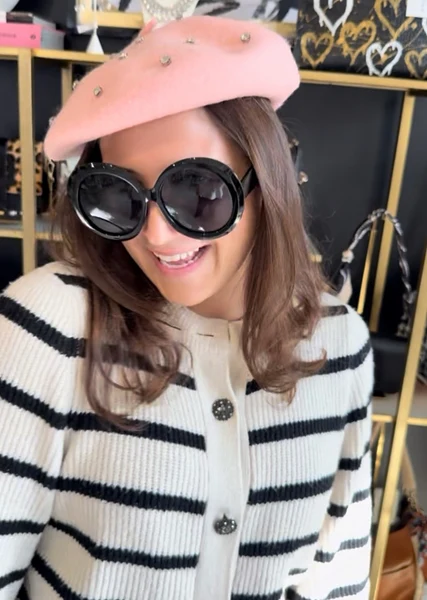
Effortless French Elegance: The Perfect Pairing of Knitwear, Tote Bags, and Cat-Eye Glasses
There is something undeniably captivating about French style.It is polished without looking overly polished, feminine without being overly delicate, and comfortable without...
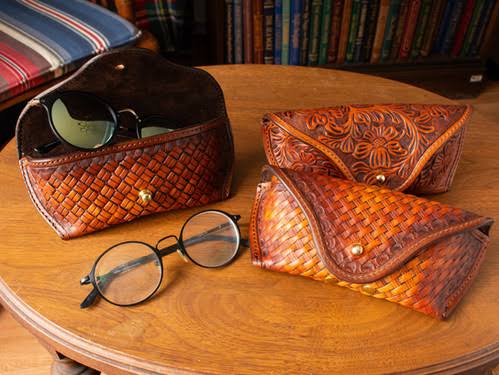
A Cross-Textural Conversation: The Tactile Collision of Leather Bags, Tweed Clothing, and Wood-Frame Eyewear
Introduction: When Materials Become the Main CharacterFashion is often discussed in terms of color, silhouette, trend, and season. Yet some of the...
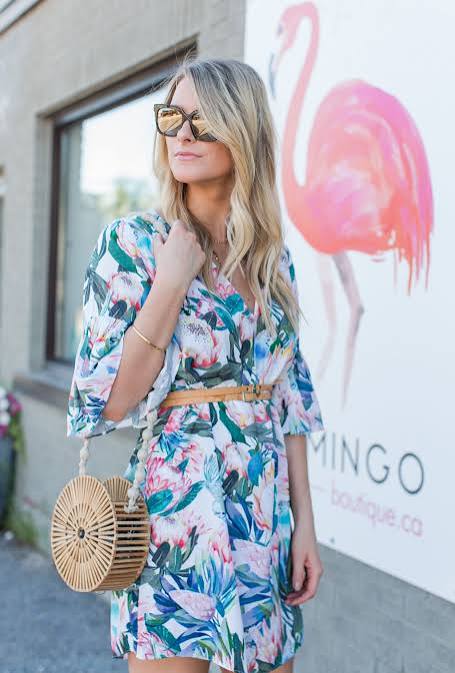
The Ultimate Guide to Vacation-Style Outfits: Floral Dresses, Straw Bags, and Round Sunglasses for Summer
Summer is the season of relaxed mornings, warm afternoons, outdoor dinners, weekend getaways, and long-awaited vacations. It is also the perfect time...
The Romance of Earth Tones in Fall: The Color Aesthetics of Trench Coats, Saddle Bags, and Tea-Tinted Sunglasses
Introduction: Falling in Love With the Colors of AutumnThere is something irresistibly romantic about autumn fashion.As summer fades, bright colors gradually give...
Best Glasses for Your Face Shape: Round, Square, Oval & More
Introduction: The Right Glasses Can Transform Your Entire AppearanceChoosing a pair of glasses is about much more than simply correcting your vision....