
The Zero-Gravity Vision: How Material Science Makes Custom Frames Lighter Than a Sheet of Paper
In the world of high-end optics, there is a "Sound Barrier" that designers have been trying to break for decades. It is the 5-gram limit. To put that in perspective, a standard sheet of American A4 (Letter) paper weighs approximately 4.5 to 5 grams. For a long time, the idea that a pair of durable, functional, and stylish custom glasses could weigh less than that piece of paper was dismissed as science fiction.
But we have officially entered the era of Ultra-Lightweight Engineering.
Today, the "Black Tech" of material science has converged with bespoke manufacturing to create frames that don't just sit on your face—they float. For the millions of people who suffer from "eyewear fatigue"—those red marks on the bridge of the nose, the tension headaches behind the ears, and the constant need to push slipping frames back up—this is a life-changing evolution.
In this deep dive, we will explore the radical material shifts and architectural breakthroughs that allow modern custom frames to achieve the "Lightness Limit."
1. The Burden of Traditional Frames
Before we appreciate the new, we must understand the "heavy" past. Traditional eyewear relies on materials that, while durable, are fundamentally dense.
- Standard Acetate: While beautiful, a solid acetate frame can weigh between 25 and 40 grams.
- Monel and Nickel Silvers: Common in mid-range metal frames, these alloys are heavy and can cause skin irritation over time.
- The Leverage Problem: It’s not just the weight; it’s the distribution. When a frame is "front-heavy," it uses your nose as a fulcrum, increasing the perceived weight and causing discomfort.
2. The Hero of the Story: $\beta$-Titanium (Beta-Titanium)
If there is one material that has done more to lighten our faces than any other, it is Beta-Titanium. While pure titanium is light, Beta-Titanium is an alloy that represents a quantum leap in "Black Tech" performance.
The Molecular Secret
Beta-titanium is processed to exist in a specific crystalline phase. This gives it "Super-Elasticity." Designers can draw this metal into wires as thin as 0.5mm.
- Weight: It has a density of roughly $4.5g/cm^3$, nearly half that of stainless steel.
- The "Sheet of Paper" Test: By using a "rimless" or "minimalist" custom design with Beta-Titanium temples, the frame chassis can be reduced to a staggering 2.5 to 3 grams.
This material allows for a "Bespoke Tension Fit." Because it is so flexible, a custom designer can calibrate the "grip" of the temples to your exact head width, ensuring the glasses stay on through friction rather than weight.
3. High-Density Acetate (HD Acetate): Slimming Down the Classics
Many people love the bold, intellectual look of a thick frame but can't handle the weight. This led to the development of HD Acetate.
Traditional acetate is made from wood pulp and cotton fibers, but it is naturally soft. To keep it from warping, it has to be thick. HD Acetate, however, uses a specialized high-pressure seasoning process and a different plasticizer mix.
- The Result: The material becomes much stiffer and more stable.
- The Weight Hack: Because it is stiffer, designers can mill the frame to be 30% thinner than a standard frame while maintaining the same structural integrity. You get the "Bold" look with a "Paper" feel.
4. 3D-Printed Polyamide: The Lattice Revolution
The most futuristic path to the 5-gram limit is Selective Laser Sintering (SLS) using high-performance Polyamide 12 (PA12).
Bespoke 3D printing is a game-changer because it allows for "Generative Design." Instead of a solid block of plastic, designers can create a frame with a hollow internal lattice.
- The Physics: Much like a bird's bone, the frame is solid on the outside but filled with a microscopic honeycomb structure on the inside.
- The Custom Fit: Since the frame is "born" from a 3D scan of your face, the bridge is carved to match the exact slope of your nose, distributing those few grams of weight over a larger surface area, making them feel even lighter than they actually are.
5. Carbon Fiber: Aerospace Precision on Your Face
We see it on supercars and racing yachts, and now, it’s on our faces. Carbon Fiber Composites offer the highest strength-to-weight ratio of any material in the optical industry.
A custom carbon fiber frame is made of ultra-thin layers of carbon weave bonded with resin.
- Extreme Rigidity: It doesn't stretch or warp. This means a custom designer can make the frame incredibly thin without it becoming "floppy."
- Zero Thermal Expansion: Unlike metal or plastic, carbon fiber doesn't expand in the heat. This means your "Bespoke Fit" stays perfect whether you’re in a sauna or on a ski slope.
6. Comparison: Breaking Down the Grams
| Material | Frame Style | Est. Weight (Frame Only) | Comparison |
| Standard Acetate | Classic Bold | 30g - 40g | A handful of coins |
| Stainless Steel | Traditional Metal | 15g - 20g | Three credit cards |
| HD Acetate | Modern Bold | 8g - 12g | Two AAA batteries |
| Beta-Titanium | Minimalist/Wire | 2g - 4g | One A4 Sheet of Paper |
| 3D Polyamide | Bespoke Design | 3g - 5g | One A4 Sheet of Paper |
7. The Role of Customization in "Perceived Weight"
It is a common design axiom: "A perfectly fitted heavy object feels lighter than a poorly fitted light object."
This is why customization is the final "Black Tech" ingredient. A bespoke frame uses a 3-point anatomical fit:
- The Bridge: Spread the weight across the nasal bone, avoiding the sensitive soft tissue.
- The Temples: Curve the arms to follow the mastoid bone behind the ear.
- The Pantoscopic Tilt: Angle the lenses so the center of gravity doesn't pull the frames forward.
By using material science to lower the actual weight and bespoke engineering to lower the perceived weight, we reach the "Zero-Gravity" limit.
8. Conclusion: The Future is Weightless
We no longer have to suffer for our vision. The evolution from heavy horn and iron to Beta-Titanium and 3D-printed lattices has turned eyewear from a "burden" into an "extension of the self." When a frame weighs less than a sheet of paper, the barrier between you and the world disappears.
Are you tired of feeling the "weight" of your vision?
Would you like me to help you analyze which material technology is best for your specific prescription—especially if you have "high-index" needs?
Share this post

The Ultimate Guide to Vacation-Style Outfits: Floral Dresses, Straw Bags, and Round Sunglasses for Summer
Summer is the season of relaxed mornings, warm afternoons, outdoor dinners, weekend getaways, and long-awaited vacations. It is also the perfect time...
The Romance of Earth Tones in Fall: The Color Aesthetics of Trench Coats, Saddle Bags, and Tea-Tinted Sunglasses
Introduction: Falling in Love With the Colors of AutumnThere is something irresistibly romantic about autumn fashion.As summer fades, bright colors gradually give...
Best Glasses for Your Face Shape: Round, Square, Oval & More
Introduction: The Right Glasses Can Transform Your Entire AppearanceChoosing a pair of glasses is about much more than simply correcting your vision....
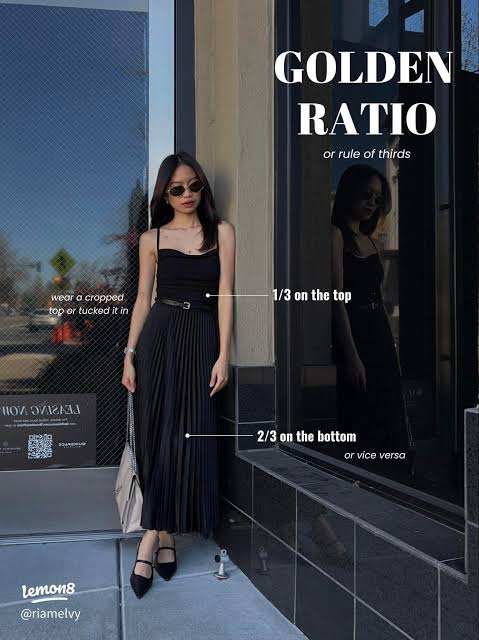
From Head to Toe: The Golden Ratio for Styling Glasses, Clothing, and Bags
Introduction: The Secret to Looking Polished From Head to ToeGreat style is rarely about wearing the most expensive clothes, following every trend,...

Minimalist Style: How Glasses and Bags Add the Perfect Finishing Touch to Black, White, and Gray Outfits
Minimalist fashion is often described as simple, effortless, and timeless. But creating a truly polished minimalist outfit is not as easy as...

Effortless Style: The Perfect Chemistry of Oversized Sweatshirts, Crossbody Bags, and Vintage Metal-Frame Glasses
Introduction: Why Relaxed Style Feels So RightFashion does not always have to look carefully calculated.Sometimes, the most appealing outfit is the one...

The Symphony of Metallic Elements: The Art of Layering Belt Buckles, Chain Bags, and Metal Frames
Introduction: When Metal Becomes a Fashion LanguageFashion has always been a conversation between materials, shapes, and personal expression. Among all design elements,...
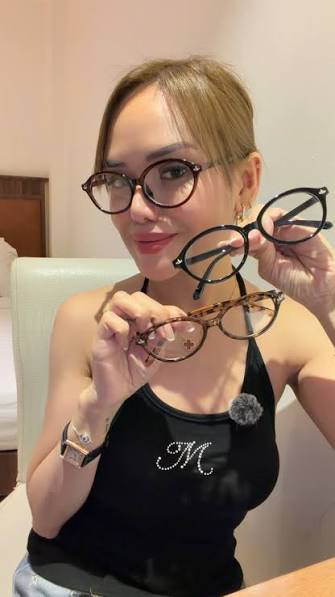
Eyeglasses as the Finishing Touch: How to Make Your Frames Blend Perfectly Into Your Everyday Outfits
Eyeglasses are more than a tool for clearer vision. Today, they are one of the most powerful accessories in a modern wardrobe....
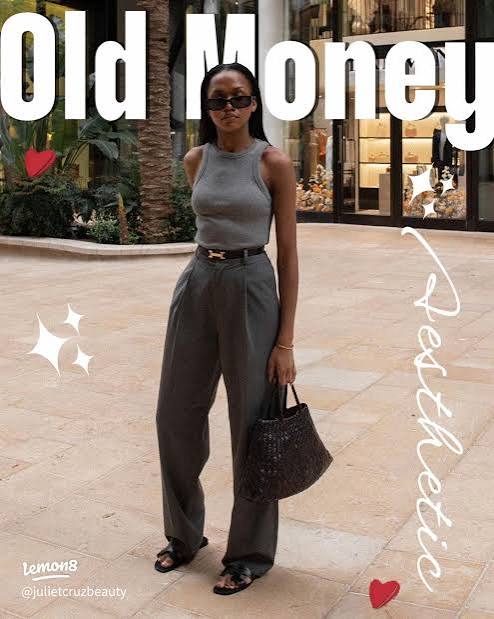
Old Money Style Guide: How Cashmere Coats, Premium Leather Bags, and Classic Black Frame Glasses Create Timeless Elegance
Introduction: Understanding the True Meaning of Old Money FashionFashion trends come and go, but true elegance has always been about something deeper...
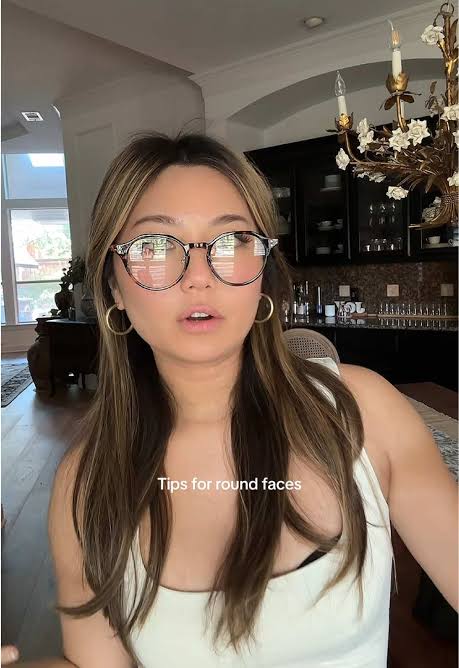
The Ultimate Style Rescue for Round-Faced Women: How Necklines, Bag Placement, and Geometric Glasses Create a Slimmer Look
Introduction: Redefining Beauty Beyond Face ShapeFor many women with round faces, getting dressed can sometimes feel like a constant battle. The cheeks...
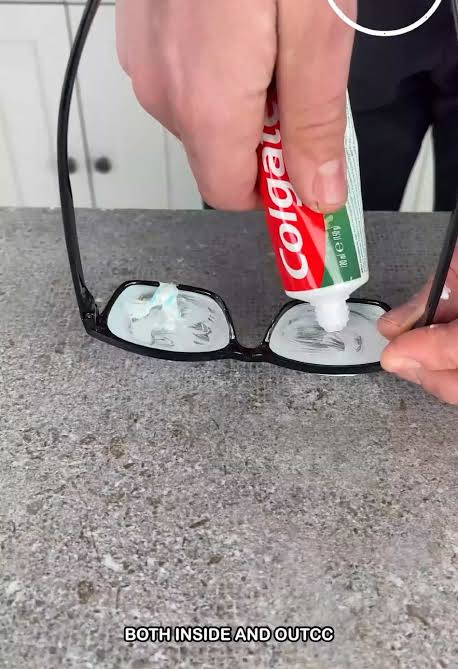
One Swipe, Crystal Clear: The Ultimate Guide to Efficient Eyeglass Cleaning
Introduction: Clear Vision Starts With Proper Lens CareFor millions of people around the world, eyeglasses are an essential part of daily life....

Eyeglasses as the Finishing Touch to Your Outfit: How Frame Shapes Can Elevate Your Style
Introduction: Eyeglasses as the Ultimate Fashion AccessoryWhen people think about fashion accessories, they often consider watches, jewelry, handbags, shoes, or clothing details....