
One Swipe, Crystal Clear: The Ultimate Guide to Efficient Eyeglass Cleaning
Introduction: Clear Vision Starts With Proper Lens Care
For millions of people around the world, eyeglasses are an essential part of daily life. They help us see clearly, work efficiently, drive safely, and enjoy everyday activities with greater comfort. However, even the highest-quality lenses cannot perform at their best when covered with fingerprints, dust, oil, and environmental residue.
A pair of dirty glasses does more than create an annoying blurry view. Smudged lenses can reduce visual clarity, create distracting glare, and make your eyes work harder to focus. Many people repeatedly wipe their glasses throughout the day but still struggle with streaks, scratches, and stubborn stains because they use the wrong cleaning methods.
The good news is that keeping eyeglasses crystal clear does not require complicated equipment or expensive solutions. With the right cleaning techniques, proper tools, and a few simple habits, anyone can maintain spotless lenses in just a few seconds.
The phrase “one swipe, crystal clear” is not just about speed. It represents an efficient approach to eyeglass cleaning—removing dirt effectively while protecting delicate lens coatings and extending the life of your eyewear.
This complete guide explains how to clean glasses correctly, which tools work best, common mistakes to avoid, and professional tips for achieving perfectly clear lenses every day.
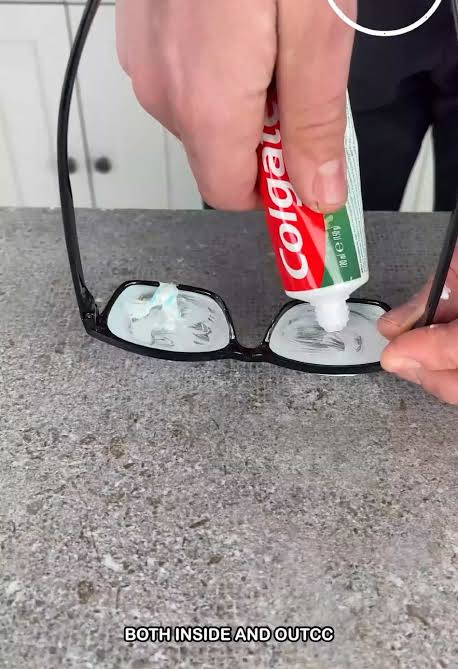
Why Clean Eyeglasses Matter More Than You Think
Many people treat eyeglass cleaning as a quick task they perform only when their vision becomes noticeably blurry. However, regular lens maintenance plays an important role in both comfort and eyewear durability.
1. Clearer Vision and Better Visual Comfort
The main purpose of eyeglasses is to provide sharp vision. When lenses are covered with:
- Fingerprints
- Skin oils
- Dust particles
- Makeup residue
- Water spots
- Environmental pollution
light transmission becomes uneven.
Even a thin layer of oil can create:
- Blurred areas
- Glare around lights
- Reduced contrast
- Eye fatigue
Clean lenses allow your eyes to receive a clearer image, reducing unnecessary focusing effort.
2. Protecting Expensive Lens Coatings
Modern eyeglasses often include advanced coatings, such as:
- Anti-reflective coatings
- Scratch-resistant layers
- Blue light filtering coatings
- UV protection layers
- Water-repellent treatments
These coatings improve lens performance but require proper care.
Using rough fabrics, household cleaners, or incorrect wiping methods can gradually damage these protective layers.
A proper cleaning routine helps maintain:
- Optical clarity
- Coating durability
- Lens appearance
- Long-term performance
3. Improving Hygiene
Eyeglasses are constantly exposed to the outside environment.
Throughout the day, lenses and frames collect:
- Dust
- Sweat
- Oil from skin
- Bacteria from hands
- Airborne particles
Because glasses sit close to your eyes, nose, and face, regular cleaning helps maintain better personal hygiene.
Understanding What Makes Eyeglasses Dirty
Before learning the best cleaning methods, it helps to understand what you are actually removing.
Different types of lens contamination require different approaches.
Fingerprints and Skin Oil
Fingerprints are the most common reason glasses look dirty.
They contain:
- Natural skin oils
- Sweat
- Moisture
- Tiny particles from daily activities
Oil-based stains cannot always be removed effectively with a dry cloth alone. Simply spreading the oil around can create cloudy streaks.
A proper cleaner helps break down oil molecules and remove them completely.
Dust and Fine Particles
Dust may seem harmless, but tiny particles can create scratches when rubbed aggressively.
Common sources include:
- Clothing fibers
- Indoor dust
- Outdoor pollution
- Sand particles
- Workplace debris
Before wiping, removing loose particles is important.
Water Marks and Mineral Deposits
Water droplets may leave behind visible spots after drying.
This happens because tap water often contains minerals such as:
- Calcium
- Magnesium
- Other dissolved substances
These deposits can create cloudy marks that require more than simple wiping.
Makeup and Cosmetic Residue
For many eyeglass wearers, makeup residue is a daily cleaning challenge.
Common areas affected include:
- Nose pads
- Lower lens edges
- Frame corners
Cosmetic oils can build up over time and require regular cleaning.
The Right Tools for Fast and Effective Eyeglass Cleaning
Achieving a spotless result depends heavily on using suitable cleaning tools.
Not every cloth or liquid is safe for optical lenses.
1. Microfiber Cleaning Cloth: The Essential Tool
A high-quality microfiber cloth is one of the safest options for eyeglass cleaning.
Unlike ordinary fabrics, microfiber materials contain extremely fine fibers designed to:
- Capture dust
- Absorb oil
- Remove fingerprints
- Minimize scratching risk
The structure of microfiber allows it to lift particles away from the lens surface instead of simply moving dirt around.
However, even microfiber cloths require proper care.
A dirty cloth can become a source of scratches because trapped particles may rub against the lens.
Best practices:
- Wash microfiber cloths regularly
- Avoid fabric softener
- Store them in a clean case
- Replace damaged cloths
2. Lens Cleaning Spray
A dedicated eyeglass cleaning spray is designed specifically for optical surfaces.
Quality lens cleaners help:
- Break down oil
- Remove fingerprints
- Reduce streaks
- Protect coatings
Avoid using random household cleaners because many contain chemicals that may damage lens coatings.
Examples of products to avoid include:
- Window cleaners
- Bathroom cleaners
- Strong detergents
- Alcohol-based solutions not designed for lenses
Eyeglass lenses are precision optical products and require gentle treatment.
3. Lens Cleaning Wipes
Pre-moistened lens wipes are convenient for:
- Travel
- Office use
- Outdoor activities
- Emergency cleaning
They provide a quick solution when water and spray cleaners are unavailable.
However, users should choose wipes specifically made for glasses.
Low-quality wipes may:
- Leave residue
- Dry too quickly
- Contain rough materials
4. Clean Water
Clean water remains one of the simplest and most effective cleaning resources.
Rinsing glasses before wiping helps remove loose particles that could cause scratches.
For best results:
- Use clean running water.
- Gently rinse both sides of the lenses.
- Remove excess water carefully.
- Dry with a clean microfiber cloth.
The Step-by-Step Method for Perfectly Clean Glasses
A professional cleaning process does not need to take several minutes. Following the correct steps can achieve excellent results quickly.
Step 1: Wash Your Hands First
Many people forget this step.
Your fingers naturally contain:
- Oil
- Sweat
- Dirt
- Hand lotion residue
Cleaning glasses with dirty hands simply transfers more contamination onto the lenses.
Use:
- Mild soap
- Clean water
Dry your hands completely before handling your glasses.
Step 2: Rinse Away Loose Particles
Never immediately rub dry lenses covered with dust.
Small particles can act like tiny abrasives.
A quick rinse removes:
- Dust
- Sand
- Surface debris
This greatly reduces the chance of scratches.
Step 3: Apply Lens Cleaner
Apply a small amount of lens cleaning solution.
Avoid excessive liquid because too much moisture may collect around:
- Frame edges
- Nose pads
- Hinges
A few drops are usually enough.
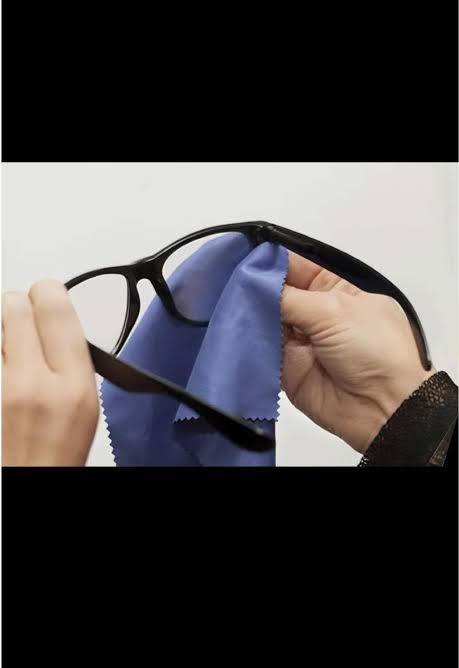
Step 4: Wipe Using Gentle Circular Motions
Use a clean microfiber cloth.
Hold the glasses by the frame rather than pressing directly on the lenses.
Clean:
- Front lens surfaces
- Back lens surfaces
- Frame areas
- Nose pads
Use gentle movements instead of strong pressure.
The goal is removal, not friction.
Step 5: Inspect Under Light
After cleaning, check the lenses from different angles.
Look for:
- Remaining fingerprints
- Streaks
- Water spots
- Dust particles
A final inspection ensures maximum clarity.
Common Eyeglass Cleaning Mistakes That Can Damage Your Lenses
Many people clean their glasses every day, but they unknowingly use methods that shorten lens life. Proper cleaning is not only about removing dirt—it is also about protecting delicate optical surfaces.
Avoiding common mistakes can help your glasses remain clear, comfortable, and durable for years.
Mistake 1: Using Clothing to Wipe Glasses
One of the most common habits is wiping glasses with a shirt, jacket, or tissue.
Although this seems convenient, clothing fabrics are not designed for optical cleaning.
They may contain:
- Dust particles
- Tiny fibers
- Dirt from daily activities
- Rough textures
When these particles move across the lens surface, they can create microscopic scratches.
Over time, repeated wiping may damage:
- Anti-reflective coatings
- Protective layers
- Lens clarity
A microfiber cloth is always a safer choice.
Mistake 2: Cleaning Dry, Dusty Lenses With Pressure
When people notice blurry lenses, their first reaction is often to rub harder.
However, pressure does not remove particles—it pushes them across the lens surface.
This creates friction between:
- Dust particles
- Lens coatings
- Cleaning material
The result may be:
- Fine scratches
- Reduced transparency
- Permanent coating damage
A better approach is to remove loose particles first through rinsing or gentle air blowing.
Mistake 3: Using Paper Towels or Facial Tissues
Paper products may feel soft, but they are not suitable for eyeglass lenses.
Many tissues contain:
- Wood fibers
- Strengthening agents
- Rough microscopic structures
These materials can gradually wear down lens coatings.
Paper towels are especially risky because they are designed for cleaning surfaces, not precision optical products.
Mistake 4: Using Household Cleaning Chemicals
Many household cleaners are designed for:
- Glass windows
- Kitchen surfaces
- Mirrors
- Metal objects
However, eyeglass lenses are much more delicate.
Common household cleaners may contain:
- Ammonia
- Strong solvents
- Abrasive ingredients
These chemicals can damage lens coatings and reduce performance.
Always choose products specifically designed for optical lenses.
Mistake 5: Leaving Glasses in Extreme Temperatures
Cleaning is important, but storage habits matter too.
Extreme heat can damage lens coatings.
Examples include:
- Leaving glasses inside a hot car
- Placing glasses near heating equipment
- Exposing them to direct sunlight for long periods
High temperatures may cause:
- Coating peeling
- Lens deformation
- Reduced optical performance
Store glasses in a protective case whenever possible.
Understanding Different Lens Types and Their Cleaning Needs
Modern eyeglasses come with many different lens materials and coatings. Each type has unique care requirements.
Plastic Lenses
Plastic lenses are lightweight and widely used.
Advantages include:
- Comfortable wearing experience
- Impact resistance
- Affordable pricing
However, plastic lenses can attract:
- Dust
- Static electricity
- Fingerprints
Cleaning recommendations:
- Use microfiber cloths
- Avoid rough materials
- Use gentle lens cleaners
High-Index Lenses
High-index lenses are designed for stronger prescriptions while maintaining a thinner profile.
They often include advanced coatings to improve appearance and performance.
Because these lenses rely heavily on coating technology, users should avoid:
- Harsh chemicals
- Excessive rubbing
- Poor-quality wipes
Regular gentle cleaning helps maintain their premium performance.
Anti-Reflective Coated Lenses
Anti-reflective (AR) coatings improve visual comfort by reducing unwanted reflections.
They are especially useful for:
- Night driving
- Computer work
- Digital device use
However, AR coatings require careful maintenance.
Recommended practices:
- Use proper lens solutions
- Avoid abrasive fabrics
- Clean regularly rather than aggressively
Preventing buildup is easier than removing stubborn stains later.
Blue Light Filtering Lenses
Blue light filtering lenses are increasingly popular among people who spend long hours using digital devices.
These lenses often contain specialized coatings.
To protect their effectiveness:
- Avoid strong chemicals
- Clean with approved products
- Store properly when not in use
Photochromic Lenses
Photochromic lenses automatically adjust darkness according to light conditions.
Their performance depends on specialized materials inside the lens.
Proper maintenance helps ensure:
- Smooth transitions
- Longer lifespan
- Consistent performance
How Often Should You Clean Your Glasses?
There is no universal cleaning schedule because usage conditions vary.
However, most people benefit from:
Daily Quick Cleaning
A quick wipe removes:
- Fingerprints
- Fresh oil marks
- Dust
This takes only a few seconds and prevents buildup.
Weekly Deep Cleaning
A more thorough cleaning should include:
- Lens surfaces
- Frame
- Nose pads
- Temple arms
This removes accumulated oils and environmental residue.
After Special Activities
Clean your glasses after exposure to:
- Exercise
- Outdoor environments
- Beach conditions
- Construction areas
- Cooking environments
Sweat, salt, grease, and dust can accumulate quickly.
Fast Eyeglass Cleaning Solutions for Busy Lifestyles
Modern lifestyles require convenient cleaning methods.
Whether you are working, traveling, or exercising, these quick solutions can help maintain clear vision.
Office Cleaning Routine
Computer users often experience:
- Fingerprints from adjusting glasses
- Dust from indoor environments
- Eye strain caused by unclear lenses
Keep a microfiber cloth and lens spray at your desk.
A 30-second cleaning routine can improve comfort during long work sessions.
Travel Cleaning Routine
When traveling, glasses are exposed to different environments.
Carry:
- Compact microfiber cloth
- Travel-size lens cleaner
- Protective case
- Disposable lens wipes
Avoid placing glasses directly into bags where they may contact:
- Keys
- Coins
- Dust
- Other objects
Outdoor Cleaning Routine
Outdoor activities create additional challenges:
- Wind-blown dust
- Sweat
- Rain droplets
- Sunscreen residue
After outdoor use:
- Rinse glasses if possible.
- Remove surface particles.
- Dry with microfiber material.
This simple routine protects lenses during active lifestyles.
Professional Tips for Keeping Glasses Crystal Clear
Optical professionals often recommend several habits that make a noticeable difference.
Tip 1: Hold Glasses by the Frame
Avoid touching lens surfaces whenever possible.
Finger contact transfers:
- Oil
- Moisture
- Dirt
Holding glasses by the frame reduces cleaning frequency.
Tip 2: Store Glasses Properly
A protective case is one of the easiest ways to prevent damage.
Good storage prevents:
- Scratches
- Dust accumulation
- Accidental bending
When placing glasses down temporarily:
Avoid putting lenses directly against surfaces.
Tip 3: Clean Nose Pads and Frames
Many people focus only on lenses but ignore frames.
However, frames collect:
- Skin oils
- Sweat
- Makeup
- Dust
Regularly cleaning nose pads improves:
- Comfort
- Hygiene
- Appearance
Tip 4: Replace Old Cleaning Cloths
A microfiber cloth does not last forever.
Over time it collects:
- Oil
- Dust
- Cleaning residue
A dirty cloth can reduce cleaning effectiveness.
Wash or replace microfiber cloths regularly.
Why “One Swipe” Cleaning Requires the Right Technique
The idea of quick cleaning is not about rushing. It is about efficiency.
A truly effective cleaning method combines:
- The correct tools
- The right technique
- Consistent habits
Many people spend several minutes repeatedly wiping glasses because they are spreading dirt instead of removing it.
A proper cleaning process can often achieve better results in seconds.
The goal is simple:
Remove contamination.
Protect the lens.
Restore clear vision.
Eco-Friendly Eyeglass Cleaning Practices
As consumers become more environmentally conscious, sustainable cleaning habits are becoming increasingly important.
Instead of constantly using disposable products, consider:
Reusable Microfiber Cloths
High-quality microfiber cloths can be washed and reused many times.
Benefits include:
- Less waste
- Lower long-term cost
- Reliable cleaning performance
Refillable Cleaning Solutions
Some lens cleaners are available in refillable packaging.
This reduces:
- Plastic waste
- Packaging consumption
Proper Product Selection
Choosing durable cleaning tools means fewer replacements and better long-term value.
Choosing the Best Eyeglass Cleaning Products
When selecting cleaning products, consider:
Safety
Products should be:
- Lens-friendly
- Coating-safe
- Free from harsh chemicals
Convenience
Good options include:
- Portable sprays
- Travel wipes
- Compact cloths
Effectiveness
A quality cleaning product should remove:
- Oil
- Dust
- Fingerprints
- Smudges
without leaving:
- Streaks
- Residue
- Cloudiness
Final Thoughts: Clear Glasses, Clear Vision, Better Everyday Experience
Eyeglasses are precision tools that deserve proper care. Keeping lenses clean is not just about appearance—it directly affects comfort, vision quality, and the lifespan of your eyewear.
The most effective cleaning strategy is simple:
- Wash your hands before cleaning.
- Remove dust before wiping.
- Use microfiber materials.
- Choose lens-safe cleaning solutions.
- Avoid harsh chemicals and rough fabrics.
- Maintain regular cleaning habits.
With the right approach, achieving crystal-clear lenses does not require complicated routines or expensive equipment.
A clean pair of glasses provides more than sharper vision. It improves confidence, comfort, and the overall experience of wearing eyewear every day.
The secret behind “one swipe, crystal clear” is not stronger wiping—it is smarter cleaning.
Start building better lens care habits today, and your glasses will continue delivering clear vision for years to come.
Share this post

Say Goodbye to Awkward Proportions: How to Choose the Right Glasses for Your Body Shape and Bag Size
Accessories can transform an ordinary outfit into a polished, thoughtfully coordinated look. A beautiful handbag adds personality, while the right pair of...

2026 Spring/Summer Fashion Trends: When Retro Small-Frame Glasses Meet the Underarm Bag
Fashion has always had a talent for bringing the past back in unexpected ways.A silhouette that once belonged to another decade can...
Soft Aesthetics for Girls with Square Faces: How Rounded Handbags and Gentle Eyeglass Frames Soften Facial Lines
A square face can be striking, elegant, and full of character. Defined by a broader forehead, a relatively straight jawline, and noticeable...
How to Buy Prescription Glasses Online on XCombo
Looking to buy glasses online? XCombo makes it easy to get stylish, high-quality glasses tailored to your prescription. Follow this simple step-by-step...

The Executive Style Code: A Career Guide to Suits, Briefcases, and Sophisticated Eyewear
In the modern workplace, professional style is about much more than wearing expensive clothes.The strongest business wardrobe communicates something before you say...

Street-Cool Style: How to Make Motorcycle Jackets, Belt Bags, and Futuristic Sunglasses Stand Out
Street fashion has never been about following every rule.It is about knowing which rules to break.A motorcycle jacket, a compact belt bag,...

The Art of Color Coordination: How to Match Your Bag With Your Eyeglass Frames for an Effortlessly Sophisticated Look
Fashion is often about the little details.A beautifully tailored outfit can look polished, yet something may still feel incomplete. The reason is...
Dating Night Style Secrets: The Perfect Collision of an Elegant Cocktail Dress, a Chain Evening Bag, and Sophisticated Semi-Rimless Glasses
Dating night is about more than choosing an outfit. It is about creating an impression without looking like you tried too hard....

Effortless French Elegance: The Perfect Pairing of Knitwear, Tote Bags, and Cat-Eye Glasses
There is something undeniably captivating about French style.It is polished without looking overly polished, feminine without being overly delicate, and comfortable without...
A Cross-Textural Conversation: The Tactile Collision of Leather Bags, Tweed Clothing, and Wood-Frame Eyewear
Introduction: When Materials Become the Main CharacterFashion is often discussed in terms of color, silhouette, trend, and season. Yet some of the...

The Ultimate Guide to Vacation-Style Outfits: Floral Dresses, Straw Bags, and Round Sunglasses for Summer
Summer is the season of relaxed mornings, warm afternoons, outdoor dinners, weekend getaways, and long-awaited vacations. It is also the perfect time...
The Romance of Earth Tones in Fall: The Color Aesthetics of Trench Coats, Saddle Bags, and Tea-Tinted Sunglasses
Introduction: Falling in Love With the Colors of AutumnThere is something irresistibly romantic about autumn fashion.As summer fades, bright colors gradually give...