
Eyeglasses as the Finishing Touch: How to Make Your Frames Blend Perfectly Into Your Everyday Outfits
Eyeglasses are more than a tool for clearer vision. Today, they are one of the most powerful accessories in a modern wardrobe. The right pair of frames can sharpen a simple outfit, balance facial proportions, highlight your personal style, and even make inexpensive clothing look more polished. On the other hand, frames that clash with your clothes, coloring, or overall aesthetic can make an otherwise carefully planned outfit feel disconnected.
The good news is that you do not need a huge collection of glasses to make your eyewear work with your wardrobe. What matters most is understanding how frame shape, color, material, proportion, and styling interact with the clothes you already wear.
Whether your everyday wardrobe is classic, minimalist, business casual, preppy, modern, creative, or effortlessly relaxed, your eyeglasses can become the finishing touch that brings everything together.
This guide explores how to coordinate prescription glasses with everyday outfits, how to choose frame colors, how to match glasses with different clothing styles, and how to build a versatile eyewear wardrobe without overcomplicating your morning routine.
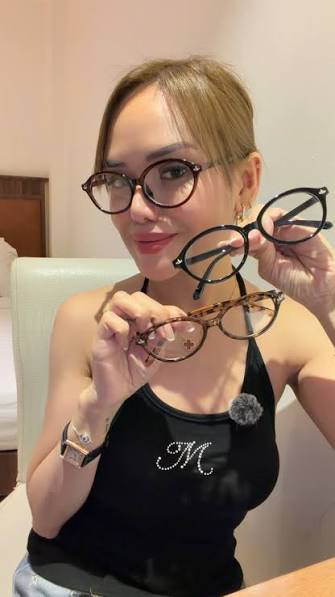
Why Eyeglasses Matter So Much in Everyday Style
Most accessories sit somewhere on the body. Eyeglasses are different because they occupy the center of your face.
That makes them highly visible.
A watch may add a subtle detail to your wrist, and a belt may quietly connect your shoes with your outfit. Eyeglasses, however, immediately influence how people perceive your face. They can make your appearance look more intellectual, sophisticated, youthful, creative, professional, relaxed, or fashion-forward.
This is why choosing glasses should not be treated as an isolated shopping decision.
Instead, think of your eyeglasses as part of your personal style system.
If your closet is filled with neutral colors, tailored clothing, knitwear, button-down shirts, and understated accessories, a classic tortoiseshell or dark acetate frame may feel naturally integrated.
If you prefer denim, graphic T-shirts, sneakers, and contemporary streetwear, a bold geometric frame might make more sense.
If your wardrobe consists primarily of soft colors and feminine silhouettes, a thin metal frame or softly rounded acetate frame can provide structure without overwhelming your appearance.
The key is harmony.
Your glasses do not necessarily need to match your clothes exactly. In fact, perfect matching can sometimes look overly deliberate. Instead, your eyewear should complement the visual language of your wardrobe.
Start With Your Personal Style
Before choosing frame colors or shapes, identify the style you naturally wear.
Look at the clothes you reach for repeatedly rather than the outfits you wish you wore.
Do you live in crisp shirts and tailored trousers? Do you prefer relaxed denim and sneakers? Are dresses and soft knitwear your everyday staples? Do you gravitate toward monochromatic black outfits?
Your answers can guide your eyewear choices.
Classic Style
Classic dressers often prefer timeless pieces such as white shirts, navy sweaters, straight-leg trousers, trench coats, loafers, and structured handbags.
For this wardrobe, consider:
- Black acetate frames
- Dark tortoiseshell
- Brown acetate
- Thin gold or silver metal
- Soft rectangular shapes
- Traditional rounded frames
Classic eyewear works particularly well because it does not compete with refined clothing.
Minimalist Style
Minimalist wardrobes often rely on simple silhouettes and neutral colors.
Black, white, gray, beige, navy, and cream dominate the closet.
For this aesthetic, clean frame designs are especially effective. Thin metal frames, translucent acetate, matte black frames, and understated rectangular silhouettes can create a polished appearance.
The goal is visual simplicity.
Preppy Style
Preppy clothing often includes polo shirts, Oxford shirts, cardigans, pleated skirts, chinos, loafers, and cable-knit sweaters.
Tortoiseshell glasses are particularly versatile with this aesthetic. Brown, amber, honey, and dark horn-inspired patterns can reinforce the traditional character of the clothing.
Round or softly squared frames can also work beautifully with preppy outfits.
Creative or Fashion-Forward Style
If your wardrobe includes unusual silhouettes, bright colors, statement accessories, or experimental layering, your glasses can become part of the creative expression.
Consider:
- Oversized frames
- Geometric shapes
- Transparent acetate
- Colorful frames
- Architectural metal designs
- Unusual brow lines
Here, your glasses do not have to disappear into the outfit.
They can intentionally become the focal point.
Choose Frames Based on Outfit Proportions
One of the most overlooked aspects of eyewear styling is proportion.
Your clothes have visual weight. Your glasses do too.
A heavily structured blazer paired with tiny, delicate frames may create an unexpected imbalance. Likewise, oversized glasses can overwhelm an outfit built around very delicate silhouettes.
Think about the visual volume of your entire look.
Oversized Clothing and Eyewear
Oversized blazers, wide-leg pants, large coats, and chunky sweaters create a strong silhouette.
Medium-to-large frames can often balance these proportions effectively.
For example, an oversized charcoal blazer, wide-leg trousers, loafers, and dark rectangular glasses create a cohesive, intentional appearance.
Fitted Clothing and Eyewear
More fitted clothing can work beautifully with medium or smaller frames.
A fitted knit top, straight-leg jeans, ankle boots, and slim metal glasses create a clean, understated combination.
This does not mean small frames are mandatory. Large frames can also work, especially when they are intentionally used as a statement accessory.
Matching Frame Colors With Your Wardrobe
Frame color is one of the easiest ways to make eyeglasses feel integrated into an outfit.
You do not need your frames to be the same color as your clothing. Instead, look for color relationships.
Black Frames
Black glasses are among the most versatile choices.
They work especially well with:
- Black
- White
- Gray
- Navy
- Denim
- Burgundy
- Camel
- Olive
Black frames create definition around the face and can make a simple outfit appear more structured.
A white shirt, black trousers, black loafers, and black eyeglasses create an especially timeless combination.
Tortoiseshell Frames
Tortoiseshell is arguably one of the most useful alternatives to black.
It offers visual interest while remaining relatively easy to style.
Brown tortoiseshell frames pair naturally with:
- Camel coats
- Cream sweaters
- Beige trousers
- Denim
- Olive jackets
- Brown leather accessories
- Navy clothing
They can also soften the appearance of a black-heavy outfit.
Transparent Frames
Clear and translucent frames are excellent for people who want eyewear to have less visual weight.
They work particularly well with minimalist wardrobes.
A translucent beige or gray frame can complement neutral clothing without introducing a strong contrasting element.
Transparent frames are also useful when you frequently change clothing colors because they are less likely to compete with your outfit.
Gold Frames
Gold metal frames can add warmth and sophistication.
They pair naturally with cream, beige, brown, camel, burgundy, navy, and warm neutrals.
A thin gold frame can also work beautifully with jewelry, particularly when other accessories have a similar warm metallic tone.
Silver Frames
Silver metal frames tend to create a cooler, sharper appearance.
They can complement:
- Black
- White
- Gray
- Navy
- Cool blue
- Charcoal
- Certain jewel tones
If your wardrobe is primarily cool-toned, silver frames may integrate particularly naturally.
Coordinate Your Glasses With Your Jewelry
One simple styling trick is to consider your glasses and jewelry as a single accessory group.
If you regularly wear gold earrings, a gold watch, and gold necklaces, warm-toned frames can create visual continuity.
If you prefer silver jewelry, silver or gunmetal frames may feel more natural.
However, matching metals is not a strict rule.
Mixing gold and silver can look modern and intentional when the rest of the outfit is relatively simple.
The important thing is to avoid having every accessory compete for attention.
If your glasses are bold and oversized, consider keeping jewelry relatively understated.
If your glasses are extremely delicate, you may have more freedom to wear statement earrings or necklaces.
Match Your Frames With Your Shoes and Bag
Your glasses do not need to match your shoes and handbag exactly, but repeating a related color can make an outfit feel more cohesive.
For example, imagine an outfit consisting of:
- A cream sweater
- Straight-leg blue jeans
- Brown loafers
- A brown leather handbag
- Brown tortoiseshell glasses
The glasses do not match the shoes exactly, but the repeated brown tones create a subtle visual connection.
The same principle works with black accessories.
A black handbag, black belt, black loafers, and black frames can create a strong framework around an otherwise neutral outfit.
This is particularly effective when wearing simple colors such as white, gray, beige, or denim.
The Role of Face Shape
While personal style should come first, face shape can help determine which frames feel balanced.
Round Faces
Angular frames can introduce definition.
Rectangular and softly squared frames often create contrast with rounded facial contours.
Square Faces
Rounded or oval frames can soften strong angles.
Thin metal frames can also create a lighter appearance.
Oval Faces
Oval faces tend to work with a wide range of frame shapes.
This gives you more freedom to experiment with different styles, from classic rectangles to rounded or geometric frames.
Heart-Shaped Faces
Frames with balanced proportions can complement a wider forehead and narrower chin.
Softly rounded or lightly upswept styles can be particularly appealing.
Long Faces
Frames with greater vertical depth can help create visual balance.
Larger lenses, stronger brow lines, or rounded silhouettes may work well.
Of course, these are guidelines rather than rules. Personal preference, facial features, hairstyle, and overall proportions all matter.
Think About Your Hairstyle, Too
Your glasses do not exist independently from your hair.
A short, structured haircut can create a strong frame around the face, making bold glasses especially striking.
Long, layered hair can soften the appearance of substantial frames.
Bangs may interact differently with oversized or angular glasses because both occupy the upper portion of the face.
When trying new frames, evaluate the entire appearance rather than looking only at the glasses.
Ask yourself:
Does the frame compete with my hairstyle?
Does it complement my facial proportions?
Does it make my eyes stand out?
Does it work with the way I normally wear my hair?
These questions can help you choose eyewear that feels natural in daily life.
Eyeglasses and Business Casual Outfits
Business casual clothing provides an excellent opportunity to use glasses as a polished finishing detail.
Consider a combination such as:
A light blue button-down shirt, navy trousers, brown loafers, and dark tortoiseshell frames.
The outfit is relatively simple, but the glasses reinforce its sophisticated character.
For a more contemporary appearance, try:
A cream knit polo, charcoal trousers, minimalist sneakers, and thin metal frames.
The glasses help bridge the gap between professional and relaxed.
If you work in an environment where appearance matters, avoid choosing frames solely because they are fashionable. Consider whether they communicate the professional image you want.
Eyeglasses With Casual Outfits
Casual clothing does not mean accessories should be ignored.
In fact, glasses can be particularly useful when an outfit is intentionally simple.
A white T-shirt, straight-leg jeans, sneakers, and statement glasses can look far more intentional than the same outfit without an accessory near the face.
For casual dressing, consider frames that reflect your personality.
Tortoiseshell creates a classic feeling.
Black creates definition.
Transparent frames feel modern.
Colorful acetate can make a basic outfit more expressive.
The right frame can turn everyday basics into a recognizable personal uniform.
Eyeglasses With Dresses and Feminine Outfits
Glasses can add structure to soft clothing.
For example, a flowing floral dress may look more contemporary when paired with structured rectangular frames.
Likewise, a delicate knit dress can be balanced by slightly bolder eyewear.
If your clothing already contains elaborate patterns, consider simpler frames.
If your clothing is relatively plain, your glasses can provide the visual interest.
This creates balance rather than competition.
How to Style Glasses With Monochromatic Outfits
Monochromatic outfits are an ideal canvas for interesting eyewear.
Suppose you are wearing an all-black outfit.
You could choose black frames for a sleek, seamless appearance.
Or you could introduce tortoiseshell glasses for warmth.
Transparent frames can create a lighter contrast.
Gold metal frames can add sophistication.
The same principle applies to gray, beige, navy, and white outfits.
When the clothing palette is restrained, accessories become more important because even small differences in texture and color become noticeable.
Building a Small Eyewear Wardrobe
You do not need ten pairs of glasses.
A practical collection can begin with two or three versatile options.
Pair One: Everyday Neutral
Choose a frame that works with most of your clothing.
Black, dark tortoiseshell, brown, or transparent frames are good starting points.
Pair Two: Lighter or More Refined
A thin metal frame or lighter acetate frame can create a different visual effect.
This pair can work particularly well with business attire, lighter clothing, or minimalist outfits.
Pair Three: Statement Frame
If you enjoy experimenting, add one distinctive frame.
It might be oversized, colorful, geometric, or vintage-inspired.
This pair is not supposed to match everything.
Its purpose is to transform simple outfits.
Create Outfit Formulas Around Your Glasses
One of the easiest ways to make eyewear part of your everyday wardrobe is to create repeatable outfit formulas.
For example:
Black Frames + White Shirt + Denim + Black Shoes
This combination is timeless and easy to recreate.
Tortoiseshell Frames + Cream Knit + Blue Jeans + Brown Leather
This creates a warm, classic appearance.
Transparent Frames + Gray Blazer + White T-Shirt + Black Trousers
This feels contemporary and minimalist.
Gold Frames + Camel Coat + Cream Sweater + Dark Denim
This creates a sophisticated, warm-toned look.
Once you identify combinations that work, getting dressed becomes much easier.
Let Your Glasses Become Part of Your Signature Look
The most stylish people are not necessarily those who constantly change their appearance.
Often, they develop recognizable visual signatures.
Eyeglasses can become part of yours.
Maybe people associate you with dark rectangular frames and crisp shirts.
Maybe your signature is tortoiseshell glasses, knitwear, and loafers.
Maybe you prefer oversized transparent frames with monochromatic clothing.
A consistent eyewear style can make your appearance more memorable.
That does not mean you should never experiment. It simply means that your glasses can become an intentional part of your visual identity.
Avoid Overmatching
One of the biggest mistakes in accessory styling is trying too hard to make everything coordinate.
Your glasses, shoes, handbag, belt, jewelry, and clothing do not all need to be identical colors.
If every element matches perfectly, the result can feel artificial.
Instead, repeat colors subtly.
For example, if your glasses contain warm brown tones, you might echo those tones in your shoes or handbag without matching them exactly.
This creates cohesion while preserving visual variety.
Consider Texture as Well as Color
Color is only one part of coordination.
Texture matters too.
Acetate frames have a different visual character from thin metal frames.
Leather shoes feel different from canvas sneakers.
Chunky knitwear has a different texture from silk.
If your outfit contains rich textures, a substantial acetate frame can feel appropriate.
If your clothing is sleek and lightweight, delicate metal eyewear may be a better match.
Think of your outfit as a composition rather than a collection of individual objects.
Seasonal Eyewear Styling
Your wardrobe changes throughout the year, and your glasses can change with it.
Spring
Spring outfits often feature lighter colors and fabrics.
Try translucent frames, light tortoiseshell, soft brown, champagne metal, or subtle color.
Summer
Summer clothing tends to be lighter and more relaxed.
Clear acetate, thin metal, and lighter neutral frames can complement linen, cotton, denim, and breezy silhouettes.
Fall
Fall is an ideal season for tortoiseshell, brown, burgundy, olive, dark amber, and warm metallic frames.
These colors work beautifully with sweaters, wool coats, leather accessories, and earthy tones.
Winter
Winter outfits often have greater visual weight.
Dark frames, oversized silhouettes, rich acetate, and strong geometric designs can work particularly well with wool coats, structured jackets, and heavier knitwear.
Don't Forget Comfort
Style should never come at the expense of comfort.
The best-looking glasses are not useful if they constantly slide down your nose, pinch behind your ears, feel too heavy, or interfere with your daily activities.
Frame width, bridge fit, temple length, lens size, and overall weight all matter.
A frame should feel comfortable enough that you can wear it for hours without constantly thinking about it.
Proper fit also affects appearance.
Even a beautiful frame can look awkward if it is too wide, too narrow, or poorly positioned on the face.
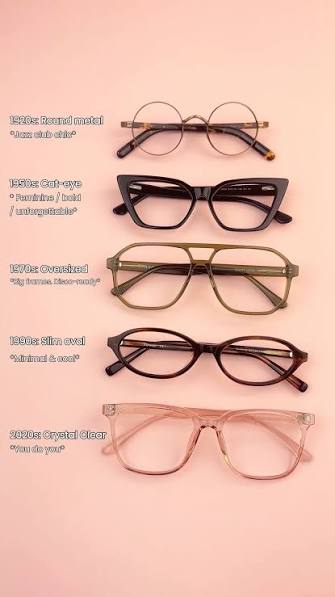
How to Make One Pair Work With Almost Everything
If you prefer owning only one pair of everyday glasses, prioritize versatility.
A medium-sized frame in black, dark tortoiseshell, brown, or transparent acetate is usually easier to integrate into a wide range of outfits than an extremely unusual color.
A classic rectangular or softly rounded shape can also provide greater flexibility.
Before purchasing, mentally test the frame with at least five outfits you already own.
Imagine it with:
- Your favorite casual outfit.
- Your usual work outfit.
- Your most formal outfit.
- Your favorite weekend look.
- Your most colorful outfit.
If the frame works across most of these situations, it is likely to become a practical everyday choice.
The Power of Contrast
Sometimes the best way to coordinate glasses is not to match them but to contrast them intentionally.
A soft cream outfit with black frames can look striking.
A dark monochromatic outfit with transparent frames can feel lighter.
A feminine dress with geometric glasses can create a modern edge.
A traditional blazer with colorful acetate frames can feel youthful and creative.
Contrast works best when it looks intentional.
The rest of the outfit should usually remain relatively controlled so the contrast has room to stand out.
Eyeglasses Can Change the Mood of an Outfit
The same clothing can communicate different personalities depending on the frames.
Imagine a simple white button-down shirt and jeans.
With thin gold glasses, the outfit can look refined.
With black rectangular frames, it can feel intellectual and structured.
With oversized transparent frames, it can look contemporary.
With colorful geometric glasses, it can become playful and artistic.
This is one reason eyewear is such a powerful accessory.
It can change the character of an outfit without requiring you to replace the clothing itself.
Common Eyewear Styling Mistakes
Choosing Frames Only Because They Are Trendy
Trends can be fun, but a frame should still work with your face and wardrobe.
Ignoring Your Existing Accessories
If you always wear warm-toned jewelry and brown leather, a very cool-toned frame may feel disconnected.
Buying a Frame That Is Too Difficult to Style
An unusual frame can be beautiful, but if it only works with one outfit, you may rarely wear it.
Wearing Too Many Statement Accessories
Bold glasses, large earrings, a statement necklace, and a dramatic handbag can compete for attention.
Choose one or two focal points.
Forgetting Proportion
Consider the size of your glasses relative to your face, hairstyle, clothing, and accessories.
Sacrificing Comfort
A frame that looks fantastic but feels uncomfortable will eventually spend more time in its case than on your face.
A Simple Daily Styling Method
If you want your glasses to integrate naturally into your wardrobe, try this five-step approach every morning.
First, choose your clothing.
Second, identify the dominant colors.
Third, select accessories.
Fourth, choose glasses that either repeat one of those colors or provide intentional contrast.
Finally, look at the entire outfit in the mirror.
Do the glasses feel connected to the rest of the outfit?
If yes, you are finished.
If they look visually disconnected, try another frame.
This process takes less than a minute once you become familiar with your wardrobe.
Your Frames Should Support Your Personality
Ultimately, there is no universal "perfect" eyeglass frame.
The best pair is the one that feels like you.
Fashion advice can provide useful guidelines, but personal style is not a mathematical equation.
If you love oversized black frames, wear them.
If you prefer tiny metal frames, embrace them.
If colorful glasses make you happy, let them become part of your wardrobe.
The purpose of styling is not to eliminate individuality.
It is to make individuality easier to express.
Final Thoughts
Eyeglasses deserve to be treated as a genuine part of your wardrobe rather than an afterthought.
Because they sit directly on your face, they have the ability to transform an outfit with surprisingly little effort. The right frames can add structure to casual clothing, sophistication to professional outfits, contrast to feminine looks, and personality to minimalist wardrobes.
The secret is not owning countless pairs.
It is understanding the relationship between your frames and the rest of your appearance.
Consider color. Consider proportion. Consider texture. Think about your hairstyle, jewelry, shoes, handbag, and the overall mood you want to create.
Most importantly, choose frames that you genuinely enjoy wearing.
When your eyeglasses feel natural with your clothes, they stop looking like a separate accessory and start becoming part of your signature style.
That is when glasses truly become the finishing touch: not something added to an outfit at the last minute, but an essential detail that makes the entire look feel complete.
Share this post
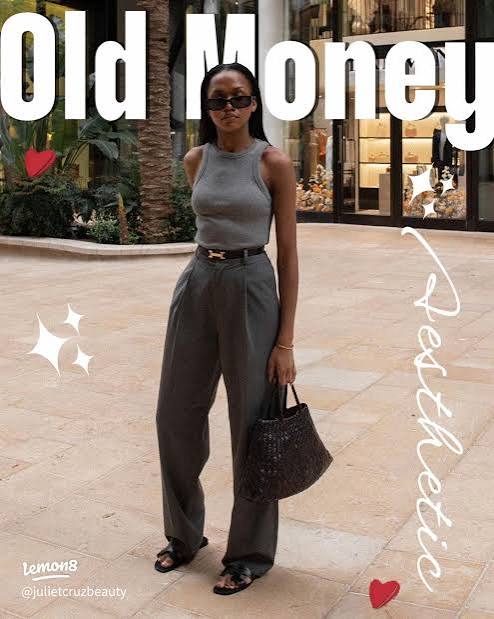
Old Money Style Guide: How Cashmere Coats, Premium Leather Bags, and Classic Black Frame Glasses Create Timeless Elegance
Introduction: Understanding the True Meaning of Old Money FashionFashion trends come and go, but true elegance has always been about something deeper...
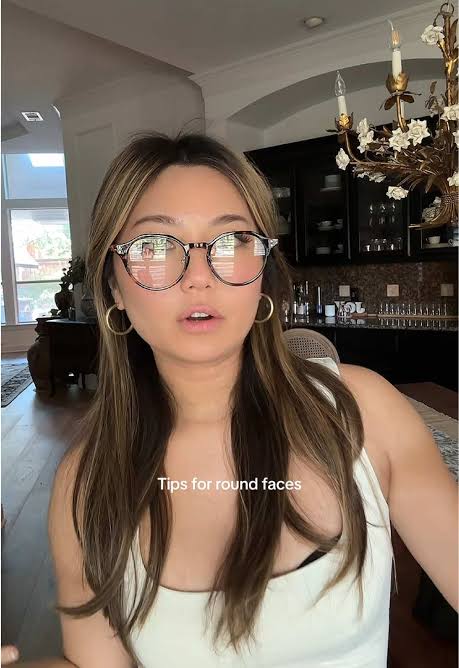
The Ultimate Style Rescue for Round-Faced Women: How Necklines, Bag Placement, and Geometric Glasses Create a Slimmer Look
Introduction: Redefining Beauty Beyond Face ShapeFor many women with round faces, getting dressed can sometimes feel like a constant battle. The cheeks...
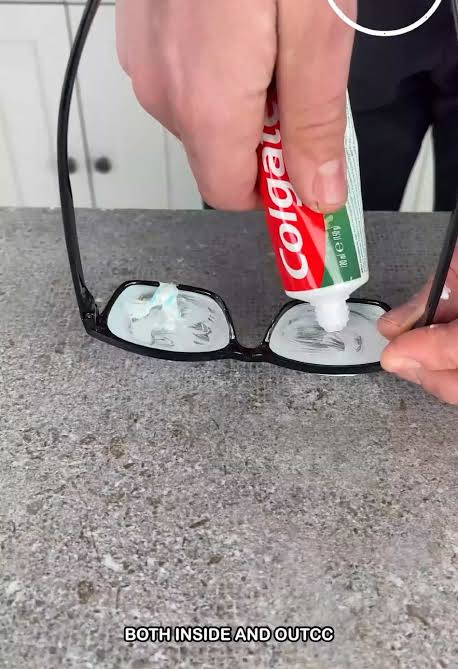
One Swipe, Crystal Clear: The Ultimate Guide to Efficient Eyeglass Cleaning
Introduction: Clear Vision Starts With Proper Lens CareFor millions of people around the world, eyeglasses are an essential part of daily life....
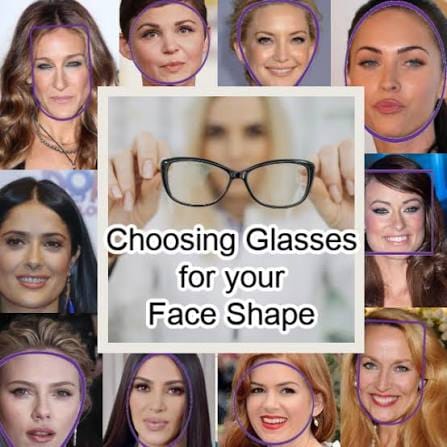
Round Face, Square Face, or Oval Face? A Step-by-Step Guide to Choosing Glasses Frames That Perfectly Complement Your Face Shape
Introduction: The Right Glasses Can Transform Your Entire AppearanceChoosing a pair of glasses is about much more than simply correcting your vision....
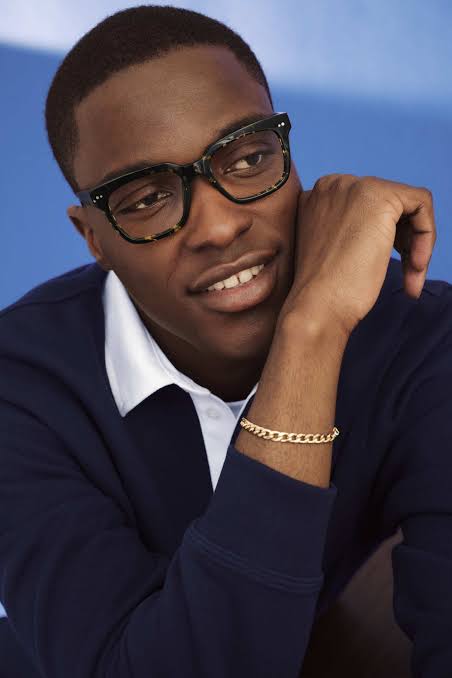
Eyeglasses as the Finishing Touch to Your Outfit: How Frame Shapes Can Elevate Your Style
Introduction: Eyeglasses as the Ultimate Fashion AccessoryWhen people think about fashion accessories, they often consider watches, jewelry, handbags, shoes, or clothing details....
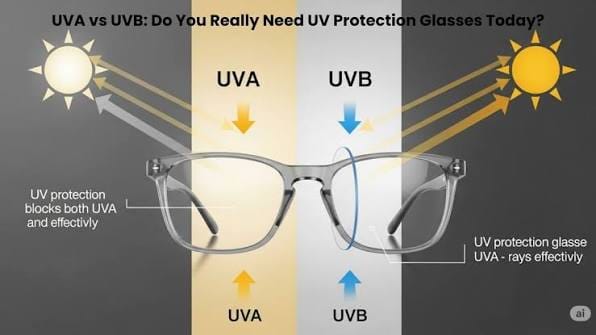
Blue Light Protection or UV Protection? Common Mistakes When Choosing Eye Protection Glasses
Introduction: Choosing the Right Eye Protection Is More Complicated Than It LooksEyeglasses have evolved far beyond simple vision correction tools. Today, consumers...
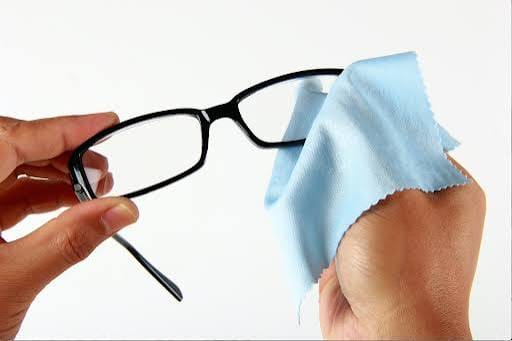
Care for Your Glasses Like You Care for Your Skin: The Complete Guide to Eyewear Maintenance
Introduction: Your Glasses Deserve More Than Just a Quick WipeMany people spend time and money caring for their skin every day.They choose...

From Office Professional to Street Style: How One Pair of Glasses Can Transform Multiple Social Looks
Introduction: The Power of Eyewear Beyond Vision CorrectionGlasses have always been more than a tool for improving vision. In modern fashion and...
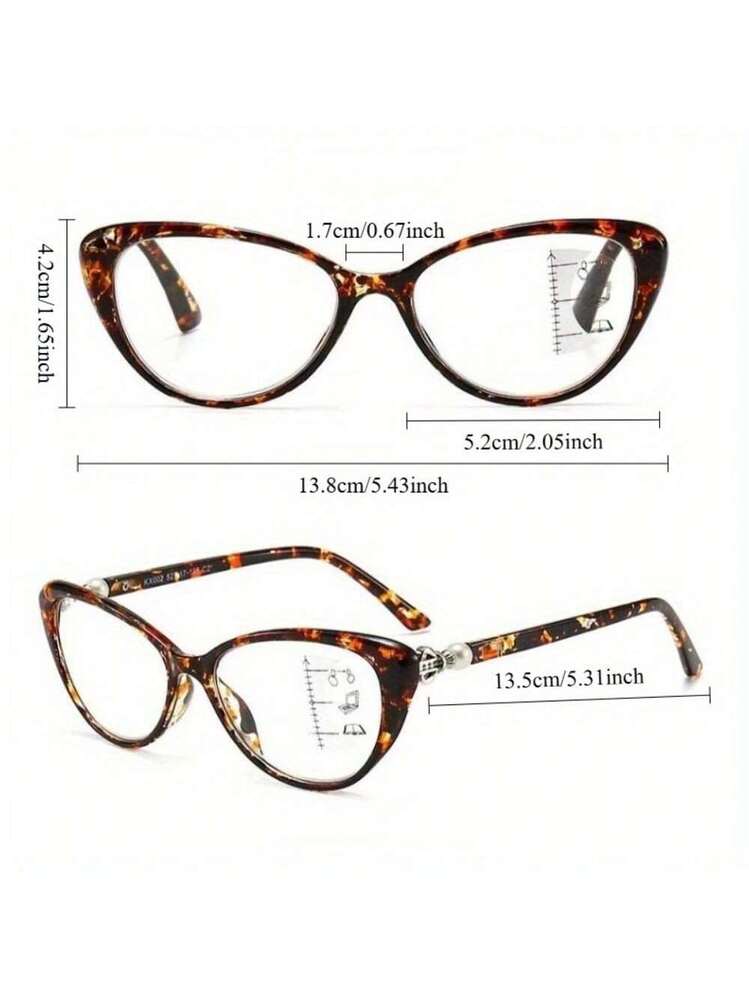
Vintage Revival: Why “Old-School Reading Glasses” Style Frames Are Becoming the New Fashion Favorite
Fashion has always been a conversation between the past and the present. Trends that once seemed outdated often return with a fresh...
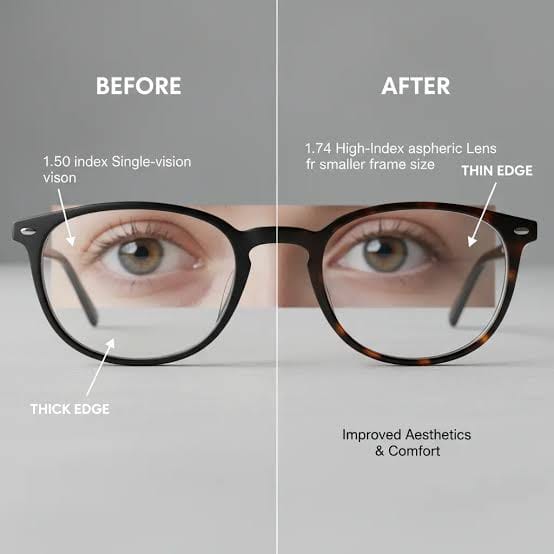
Lens Index Explained: How High Prescription Glasses Can Still Look Stylish and Sophisticated
For decades, people with strong prescriptions often felt limited when choosing eyewear. Thick lenses, heavy frames, and restricted styles seemed like unavoidable...
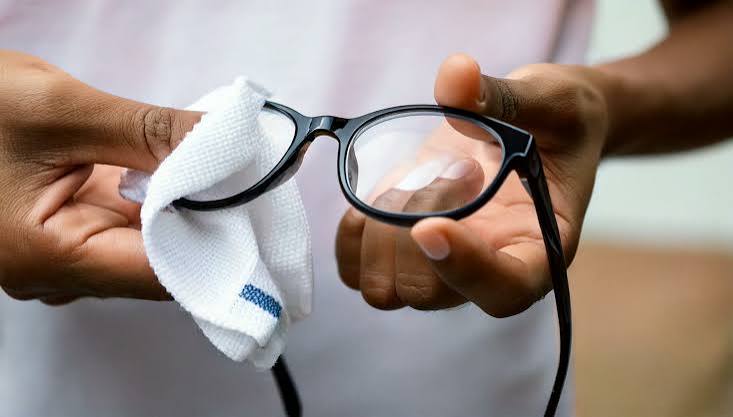
Say Goodbye to Blurry Vision: The Complete Guide to Cleaning, Maintaining, and Repairing Your Glasses Without Costly Mistakes
Whether you wear prescription glasses every day, switch between reading glasses and sunglasses, or rely on blue light filtering lenses during work,...
More Than Vision Correction: Why Plano Glasses Have Become a Must-Have Fashion Accessory for Today’s Young Adults
For decades, eyeglasses were primarily associated with vision correction. If someone wore glasses, people naturally assumed they were nearsighted, farsighted, or had...