
Does Blue Light Coating Peel Off Easily? The Real Secrets to Extending the Life of Functional Lenses
In today’s digital-first world, our eyes are under constant pressure. From laptops and smartphones to LED lighting and tablets, exposure to artificial light—especially blue light—has become unavoidable. That’s why blue light blocking lenses have surged in popularity. These lenses promise to reduce eye strain, improve sleep quality, and protect long-term visual health.
But many users eventually run into a frustrating issue: the blue light coating seems to wear off, peel, or degrade over time. What started as a crystal-clear, protective surface turns patchy, scratched, or less effective.
So, does blue light coating really peel off easily? Or is something else going on?
The truth is more nuanced—and understanding it can help you dramatically extend the lifespan of your functional lenses.
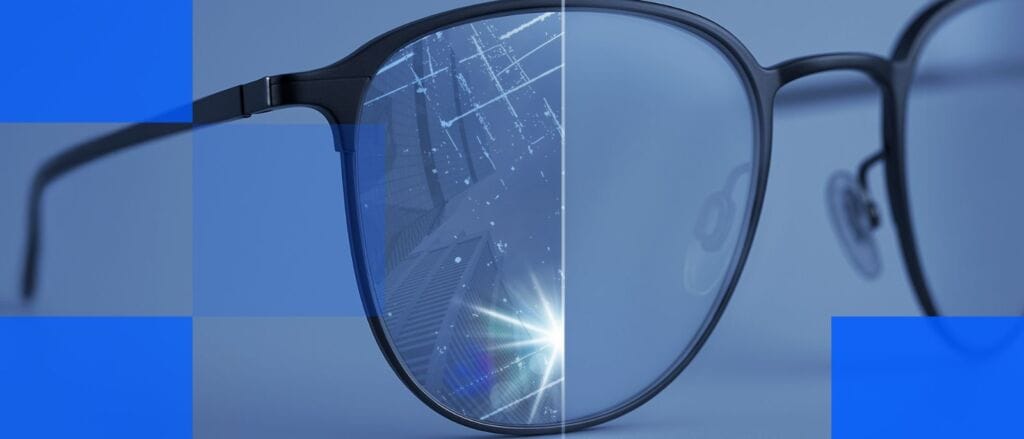
Understanding Blue Light Coating: What It Really Is
Before diving into durability, it’s important to understand what blue light coating actually is.
Blue light blocking lenses are typically enhanced with a multi-layer coating system. This is not a single paint-like layer, but a carefully engineered stack of ultra-thin films applied through advanced vacuum deposition technology.
These layers often include:
- Anti-reflective (AR) coating
- Blue light filtering layer
- Scratch-resistant coating
- Hydrophobic and oleophobic topcoat (water and oil resistance)
Each layer serves a purpose, and together they create a high-performance optical surface.
The key takeaway?
When people say “blue light coating is peeling,” they’re usually referring to damage to this multi-layer system, not just one simple coating.
Does Blue Light Coating Actually Peel Off?
Strictly speaking, high-quality coatings don’t “peel” like paint on a wall. Instead, they degrade due to mechanical wear, chemical exposure, or improper care.
What users often observe includes:
- Flaking or patchy spots
- Rainbow-like discoloration
- Fine scratches that scatter light
- Reduced clarity or glare resistance
These effects can look like peeling, but they are usually the result of layer breakdown or delamination, often triggered by external factors.
Why Coatings Fail: The Real Causes
Let’s break down the most common reasons your lens coating might deteriorate faster than expected.
1. Improper Cleaning Habits
One of the biggest culprits is how people clean their glasses.
Using:
- Paper towels
- Tissues
- Clothing (especially rough fabrics)
can create micro-scratches on the surface. Over time, these scratches weaken the coating structure, making it more prone to breakdown.
Even worse, dust particles trapped in fabric act like sandpaper.
2. Harsh Chemicals
Many people unknowingly damage their lenses by using:
- Household cleaners
- Alcohol-based sprays
- Window cleaners
These substances can break down the chemical bonds in the coating layers, leading to cloudiness or separation.
3. Heat Exposure
Heat is a silent enemy of coated lenses.
Leaving glasses in:
- A hot car
- Near ovens or heaters
- Direct sunlight for long periods
can cause the layers to expand at different rates, leading to thermal stress and delamination.
4. Poor Manufacturing Quality
Not all lenses are created equal.
Low-cost lenses often cut corners in:
- Coating thickness
- Adhesion technology
- Surface preparation
As a result, their coatings are more likely to fail prematurely.
5. Daily Wear and Tear
Even under ideal conditions, coatings are not permanent. Friction from:
- Frequent cleaning
- Sliding glasses on/off
- Contact with skin oils
gradually wears down the protective layers.
Signs Your Coating Is Failing
Knowing what to look for can help you act early.
Common warning signs include:
- Increased glare or halos
- Smudges that won’t wipe away
- Visible spots or streaks
- A “foggy” or dull appearance
If you notice these symptoms, your coating may already be compromised.
How to Extend the Life of Your Blue Light Lenses
The good news? With proper care, you can significantly extend the lifespan of your lenses—often doubling or even tripling their usability.
Here’s how.
1. Clean Your Lenses the Right Way
Proper cleaning is the single most important habit.
Best practice:
- Rinse lenses under lukewarm water
- Apply a drop of mild dish soap (lotion-free)
- Gently rub with clean fingers
- Rinse thoroughly
- Dry with a microfiber cloth
This method removes debris safely without scratching.
2. Always Use a Microfiber Cloth
Invest in high-quality microfiber cloths and keep them clean.
Avoid:
- Dirty cloths
- Fabric softener residue
- Reusing cloths without washing
A contaminated cloth can undo all your careful maintenance.
3. Store Glasses Properly
When not in use, always place your glasses in a hard protective case.
Never leave them:
- Face-down on surfaces
- Loose in bags or pockets
Physical contact is one of the fastest ways to damage coatings.
4. Avoid Extreme Temperatures
Keep your glasses in a stable environment.
Rule of thumb:
If it’s too hot or too cold for your comfort, it’s probably not safe for your lenses either.
5. Use Lens-Safe Cleaning Solutions
If you prefer sprays, make sure they are specifically designed for coated lenses.
Look for:
- Alcohol-free formulas
- Optical-grade cleaners
Avoid DIY mixtures unless you’re certain they’re safe.
6. Handle with Care
Simple habits make a big difference:
- Use both hands when putting on or removing glasses
- Avoid placing them on your head
- Don’t wipe lenses when they’re dry and dusty
These small changes reduce stress on both the frame and coatings.
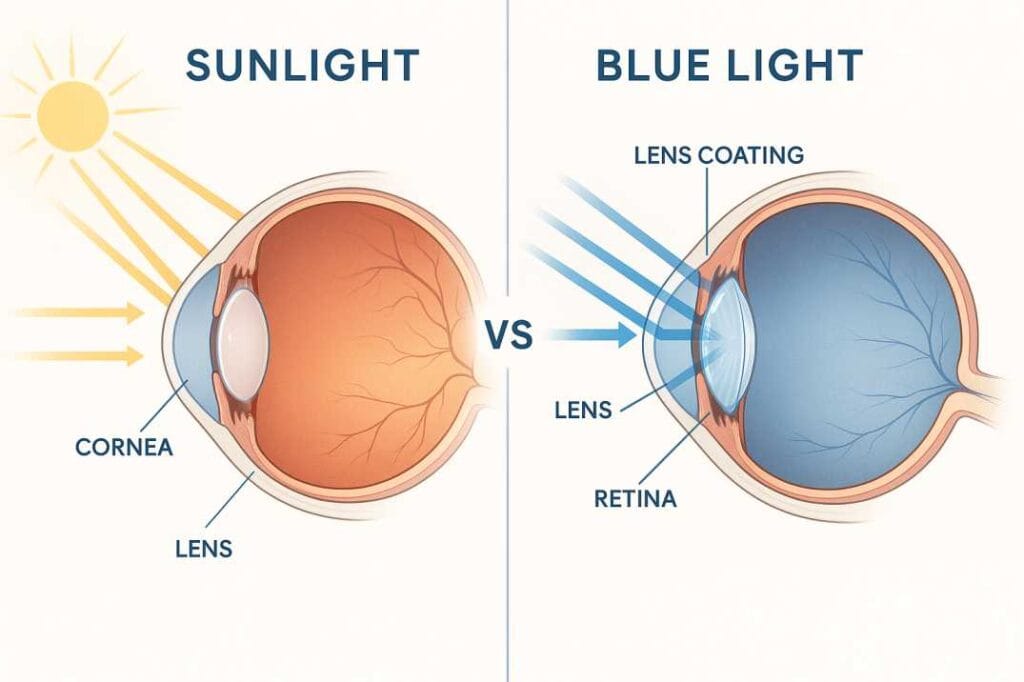
7. Choose High-Quality Lenses
Prevention starts at purchase.
When selecting lenses, prioritize:
- Reputable manufacturers
- Advanced coating technologies
- Warranty coverage
Higher-quality coatings adhere better and resist wear more effectively.
Are Blue Light Lenses Worth It Despite the Wear?
Given the potential for coating degradation, some people wonder whether blue light lenses are still worth the investment.
The answer depends on your lifestyle.
If you:
- Spend long hours on screens
- Experience digital eye strain
- Have trouble sleeping after device use
then blue light filtering lenses can provide noticeable benefits.
However, their performance depends heavily on maintenance and quality.
Think of them like a high-performance car:
They deliver excellent results—but only if you take care of them.
How Long Should Blue Light Coating Last?
With proper care, a good-quality coating can last:
- 1–2 years for heavy users
- 2–3 years for moderate users
Poor care, on the other hand, can reduce lifespan to just a few months.
When to Replace Your Lenses
Even with the best habits, coatings don’t last forever.
You should consider replacement if:
- Vision clarity is noticeably reduced
- Glare becomes distracting
- Coating damage is visibly widespread
Continuing to use damaged lenses can actually increase eye strain—the very problem you were trying to solve.
The Future of Lens Coatings
Advancements in lens technology are addressing many of these durability issues.
Newer coatings feature:
- Stronger molecular bonding
- Enhanced scratch resistance
- Better hydrophobic performance
Some premium options even integrate blue light filtering into the lens material itself, reducing reliance on surface coatings.
This shift could significantly improve longevity in the coming years.
Final Thoughts
Blue light coating doesn’t simply “peel off” under normal conditions—but it is vulnerable to damage if not properly cared for.
Most issues stem from:
- Improper cleaning
- Environmental stress
- Low-quality manufacturing
The good news is that these problems are largely preventable.
By adopting better habits—gentle cleaning, proper storage, and mindful handling—you can dramatically extend the life of your functional lenses and preserve their performance.
In a world where screen time is only increasing, taking care of your eyewear isn’t just about saving money—it’s about protecting your vision for the long term.
Your lenses work hard for you every day. With the right care, they’ll keep doing their job—clearly, comfortably, and effectively—for much longer than you might expect.
Share this post
2026 Spring/Summer Fashion Trends: When Retro Small-Frame Glasses Meet the Underarm Bag
Fashion has always had a talent for bringing the past back in unexpected ways.A silhouette that once belonged to another decade can...
Soft Aesthetics for Girls with Square Faces: How Rounded Handbags and Gentle Eyeglass Frames Soften Facial Lines
A square face can be striking, elegant, and full of character. Defined by a broader forehead, a relatively straight jawline, and noticeable...
How to Buy Prescription Glasses Online on XCombo
Looking to buy glasses online? XCombo makes it easy to get stylish, high-quality glasses tailored to your prescription. Follow this simple step-by-step...
The Executive Style Code: A Career Guide to Suits, Briefcases, and Sophisticated Eyewear
In the modern workplace, professional style is about much more than wearing expensive clothes.The strongest business wardrobe communicates something before you say...
Street-Cool Style: How to Make Motorcycle Jackets, Belt Bags, and Futuristic Sunglasses Stand Out
Street fashion has never been about following every rule.It is about knowing which rules to break.A motorcycle jacket, a compact belt bag,...

The Art of Color Coordination: How to Match Your Bag With Your Eyeglass Frames for an Effortlessly Sophisticated Look
Fashion is often about the little details.A beautifully tailored outfit can look polished, yet something may still feel incomplete. The reason is...
Dating Night Style Secrets: The Perfect Collision of an Elegant Cocktail Dress, a Chain Evening Bag, and Sophisticated Semi-Rimless Glasses
Dating night is about more than choosing an outfit. It is about creating an impression without looking like you tried too hard....
Effortless French Elegance: The Perfect Pairing of Knitwear, Tote Bags, and Cat-Eye Glasses
There is something undeniably captivating about French style.It is polished without looking overly polished, feminine without being overly delicate, and comfortable without...
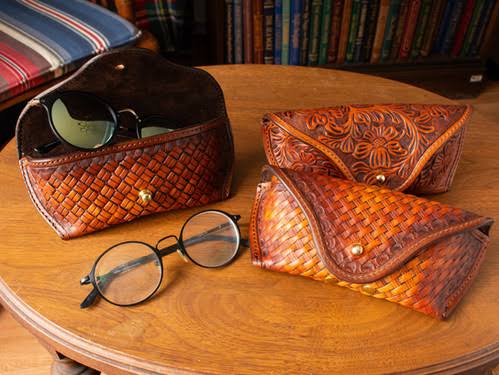
A Cross-Textural Conversation: The Tactile Collision of Leather Bags, Tweed Clothing, and Wood-Frame Eyewear
Introduction: When Materials Become the Main CharacterFashion is often discussed in terms of color, silhouette, trend, and season. Yet some of the...
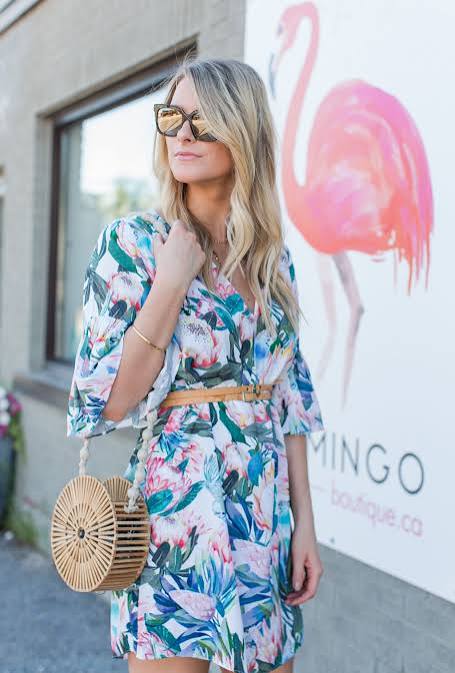
The Ultimate Guide to Vacation-Style Outfits: Floral Dresses, Straw Bags, and Round Sunglasses for Summer
Summer is the season of relaxed mornings, warm afternoons, outdoor dinners, weekend getaways, and long-awaited vacations. It is also the perfect time...
The Romance of Earth Tones in Fall: The Color Aesthetics of Trench Coats, Saddle Bags, and Tea-Tinted Sunglasses
Introduction: Falling in Love With the Colors of AutumnThere is something irresistibly romantic about autumn fashion.As summer fades, bright colors gradually give...
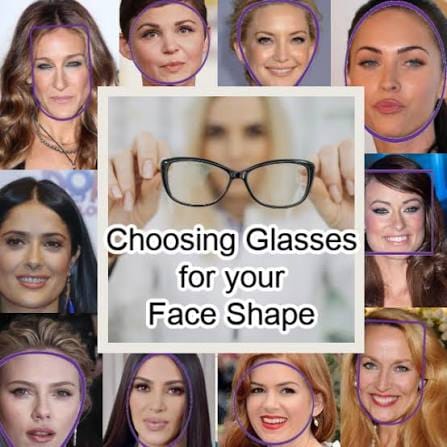
Best Glasses for Your Face Shape: Round, Square, Oval & More
Introduction: The Right Glasses Can Transform Your Entire AppearanceChoosing a pair of glasses is about much more than simply correcting your vision....