
The Active Athlete’s Eyewear Survival Guide: How to Prevent Impact Damage and Sweat Wear
For athletes and fitness enthusiasts, eyewear isn’t just an accessory—it’s essential gear. Whether you’re sprinting under the sun, grinding through a high-intensity workout, cycling across long distances, or pushing your limits on a trail run, your glasses or sports sunglasses must keep up with your pace. But here’s the reality: most standard eyewear isn’t built for movement, impact, or sweat.
Frames slip. Lenses fog. Salt corrodes coatings. One accidental drop—or worse, a collision—and your glasses are done.
If you’ve ever had to finish a workout half-blind because your glasses fogged up, or replace an expensive pair after a minor fall, you already know the frustration.
This comprehensive guide breaks down how to protect your eyewear from two of the biggest threats athletes face: impact damage and sweat-related wear. More importantly, it shows you how to choose, use, and maintain eyewear that actually performs under pressure.
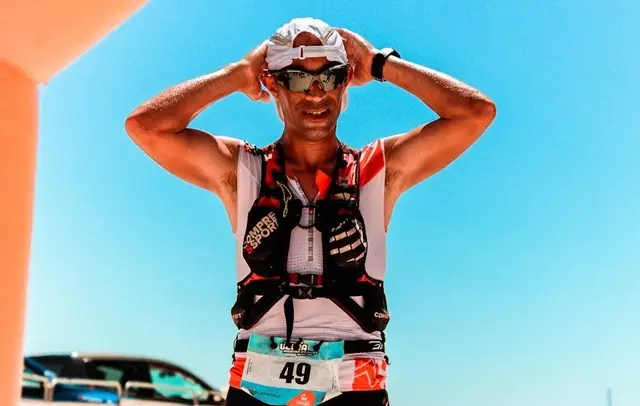
Why Regular Eyewear Fails During Sports
Before diving into solutions, it’s important to understand the problem.
Most everyday glasses are designed for static environments—offices, homes, casual walking. They’re not engineered for:
- Sudden acceleration and deceleration
- Repetitive motion
- High humidity and heat
- Constant skin contact under sweat
- Unexpected impacts
As a result, athletes often experience:
- Slipping frames
- Lens smudging and salt buildup
- Corrosion of metal components
- Warped or loosened hinges
- Cracked lenses from minor impacts
To solve these issues, you need a combination of better gear and smarter habits.
Part 1: Preventing Impact Damage
1. Choose Impact-Resistant Lens Materials
The first line of defense is your lens.
If you’re serious about protecting your eyes and your investment, avoid standard plastic lenses. Instead, opt for:
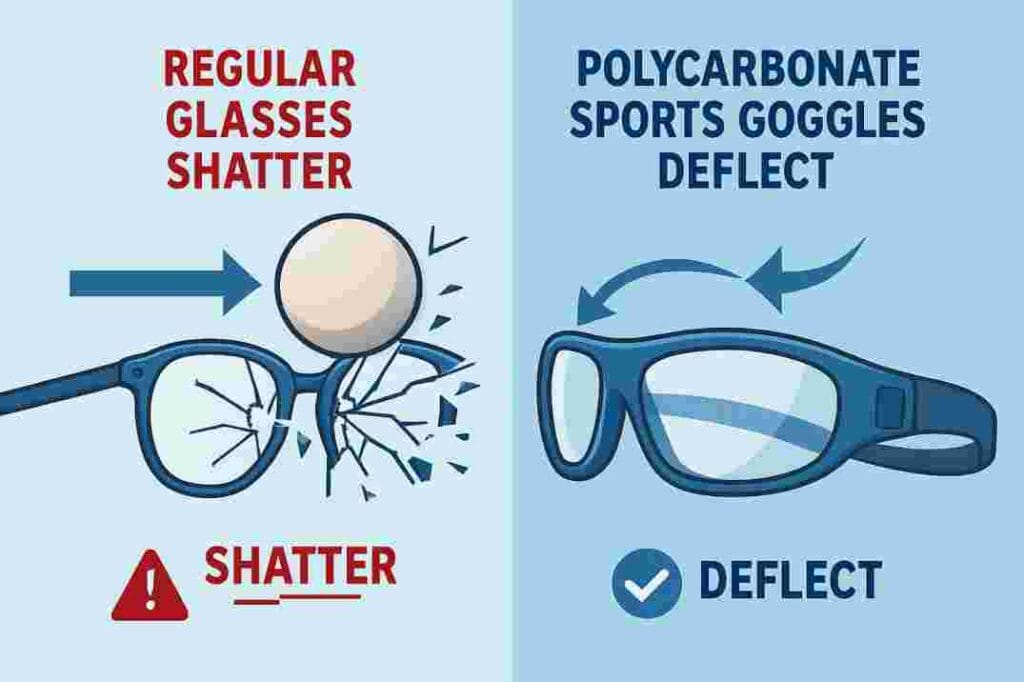
Polycarbonate lenses
- Extremely impact-resistant
- Lightweight
- Naturally blocks UV rays
- Ideal for high-speed and contact sports
Trivex lenses
- Comparable impact resistance to polycarbonate
- Better optical clarity
- Slightly lighter
These materials are widely used in safety goggles and sports eyewear for a reason—they don’t shatter easily.
2. Go for Flexible, Durable Frames
Frame material matters just as much as lenses.
Look for:
- TR90 (thermoplastic): Flexible, lightweight, and resistant to stress
- Nylon blends: Strong and impact-resistant
- Rubberized components: Absorb shock and improve grip
Avoid:
- Brittle plastics
- Heavy metal frames (unless specifically designed for sports)
A flexible frame can bend under pressure and return to shape, reducing the chance of breakage during a fall or collision.
3. Wraparound Designs Offer Better Protection
Flat frames leave your eyes exposed from the sides.
Wraparound or semi-wrap designs:
- Provide better coverage against debris
- Stay more secure during movement
- Distribute impact forces more evenly
They also improve peripheral vision—critical for sports like cycling, running, and basketball.
4. Use Retention Systems (Straps and Grips)
Even the best frames won’t help if they fall off mid-action.
Add:
- Adjustable head straps
- Non-slip nose pads
- Temple grips with rubber coating
These features keep your eyewear in place during:
- Sudden stops
- Jumps
- Direction changes
A secure fit reduces the chance of drops, which are one of the most common causes of damage.
5. Consider Sport-Specific Eyewear
Different sports have different risks.
For example:
- Cycling: Requires aerodynamic design and wind protection
- Running: Needs lightweight, bounce-free frames
- Basketball or soccer: Benefits from shatterproof lenses and snug fit
- Trail sports: Require debris protection and durability
Using general-purpose glasses in high-risk environments is asking for trouble.
6. Don’t Ignore Storage Between Sessions
A surprising amount of damage happens off the field.
Always:
- Store glasses in a hard-shell case
- Avoid tossing them into gym bags unprotected
- Keep them away from heavy objects
A $10 case can save a $200 pair of glasses.
Part 2: Preventing Sweat Damage
Sweat might seem harmless, but it’s one of the most destructive forces for eyewear.
Why?
Because sweat contains:
- Salt
- Oils
- Acids
Over time, these elements can:
- Corrode metal components
- Degrade lens coatings
- Cause discoloration
- Reduce grip effectiveness
Let’s break down how to fight back.
1. Choose Sweat-Resistant Materials
Look for frames that resist corrosion:
- TR90 and nylon frames perform well
- Stainless steel (if coated properly) can work
- Avoid untreated metals
For nose pads and temple tips:
- Silicone and rubber perform best under sweat
2. Use Hydrophobic and Anti-Oil Lens Coatings
Modern lenses can be treated with coatings that repel:
- Water
- Sweat
- Oils
Benefits include:
- Easier cleaning
- Less smudging
- Longer-lasting clarity
These coatings also reduce the buildup of salt residue, which can scratch lenses if wiped dry.
3. Clean Your Eyewear Immediately After Workouts
This is one of the most overlooked habits.
After every session:
- Rinse glasses with lukewarm water
- Use a mild soap if needed
- Dry with a microfiber cloth
Avoid:
- Wiping lenses dry when sweaty (this grinds salt into the surface)
- Using rough fabrics like shirts or towels
Consistent cleaning dramatically extends the lifespan of your eyewear.
4. Manage Sweat at the Source
Reducing sweat exposure helps protect your glasses.
Consider:
- Wearing a headband or sweatband
- Using helmets with built-in sweat channels
- Applying anti-sweat forehead products
Less sweat reaching your frames means less long-term damage.
5. Rotate Between Multiple Pairs
If you train frequently, using one pair every day accelerates wear.
Instead:
- Rotate between two or more pairs
- Allow each pair to fully dry between uses
This reduces constant exposure to moisture and extends durability.
6. Watch Out for Fogging
Sweat and heat often lead to fogged lenses, which can be dangerous.
To prevent fogging:
- Use anti-fog coatings or sprays
- Choose frames with ventilation channels
- Ensure proper fit (too tight traps heat, too loose lets in moisture)
Clear vision isn’t just about comfort—it’s about safety.
Fit: The Overlooked Factor
Even the best materials won’t help if your glasses don’t fit properly.
A good athletic fit should:
- Stay in place during movement
- Apply even pressure (no pain points)
- Sit securely on the nose without sliding
Signs of poor fit:
- Constant slipping
- Pressure behind the ears
- Needing frequent adjustments
Many brands offer adjustable nose pads and temple arms—use them.
Maintenance Habits That Make a Difference
Protecting your eyewear isn’t just about what you buy—it’s about how you treat it.
Weekly Check
- Tighten screws if needed
- Inspect for cracks or stress points
Monthly Deep Clean
- Use lens-safe cleaning solutions
- Clean hinges and frame joints
Replace Worn Components
- Nose pads
- Temple grips
Small replacements can restore performance without buying a new pair.
When to Replace Your Sports Eyewear
Even with perfect care, no eyewear lasts forever.
Replace your glasses if you notice:
- Reduced lens clarity
- Scratches affecting vision
- Loose or unstable frames
- Coating deterioration
- Persistent fogging
Using compromised eyewear during sports can increase injury risk.
Prescription Athletes: Special Considerations
If you rely on prescription lenses, your options include:
1. Prescription Sports Glasses
- Built specifically for athletic use
- Offer impact resistance and secure fit
2. Contact Lenses + Sports Sunglasses
- Greater flexibility
- Wider range of frame options
3. Clip-In Systems
- Prescription insert behind sport lenses
Each option has trade-offs in comfort, cost, and convenience.
Common Mistakes Athletes Make
Avoid these pitfalls:
- Using casual glasses for intense workouts
- Cleaning lenses with shirts or tissues
- Ignoring small frame misalignments
- Leaving glasses in hot cars (heat warps frames)
- Skipping protective cases
These habits shorten the lifespan of even the highest-quality eyewear.
The Cost of Not Protecting Your Eyewear
Let’s be practical.
Replacing damaged glasses frequently costs more than investing in:
- Proper materials
- Protective accessories
- Maintenance habits
More importantly, damaged eyewear can:
- Impair vision
- Reduce performance
- Increase injury risk
In sports, clarity and protection are non-negotiable.
Final Thoughts
Athletic performance demands gear that can keep up—and eyewear is no exception.
By choosing impact-resistant materials, ensuring a secure fit, managing sweat exposure, and maintaining your glasses properly, you can dramatically extend their lifespan and reliability.
The shift from fragile, everyday eyewear to purpose-built athletic eyewear isn’t just about durability—it’s about confidence. When your glasses stay put, stay clear, and survive whatever your workout throws at them, you can focus entirely on performance.
No distractions. No compromises.
Just clear vision and full intensity, every time you move.
Share this post

2026 Spring/Summer Fashion Trends: When Retro Small-Frame Glasses Meet the Underarm Bag
Fashion has always had a talent for bringing the past back in unexpected ways.A silhouette that once belonged to another decade can...
Soft Aesthetics for Girls with Square Faces: How Rounded Handbags and Gentle Eyeglass Frames Soften Facial Lines
A square face can be striking, elegant, and full of character. Defined by a broader forehead, a relatively straight jawline, and noticeable...
How to Buy Prescription Glasses Online on XCombo
Looking to buy glasses online? XCombo makes it easy to get stylish, high-quality glasses tailored to your prescription. Follow this simple step-by-step...
The Executive Style Code: A Career Guide to Suits, Briefcases, and Sophisticated Eyewear
In the modern workplace, professional style is about much more than wearing expensive clothes.The strongest business wardrobe communicates something before you say...
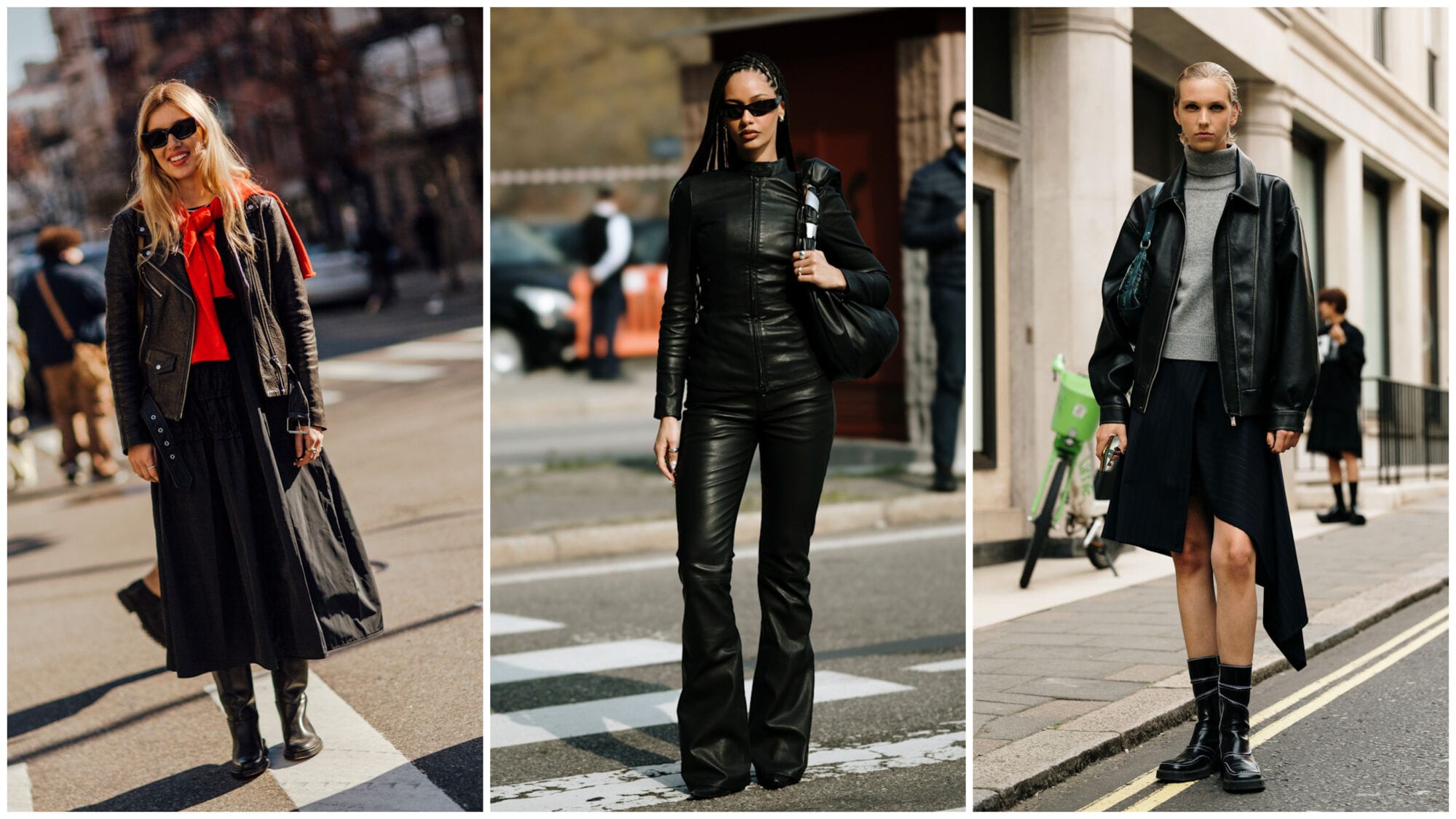
Street-Cool Style: How to Make Motorcycle Jackets, Belt Bags, and Futuristic Sunglasses Stand Out
Street fashion has never been about following every rule.It is about knowing which rules to break.A motorcycle jacket, a compact belt bag,...

The Art of Color Coordination: How to Match Your Bag With Your Eyeglass Frames for an Effortlessly Sophisticated Look
Fashion is often about the little details.A beautifully tailored outfit can look polished, yet something may still feel incomplete. The reason is...
Dating Night Style Secrets: The Perfect Collision of an Elegant Cocktail Dress, a Chain Evening Bag, and Sophisticated Semi-Rimless Glasses
Dating night is about more than choosing an outfit. It is about creating an impression without looking like you tried too hard....
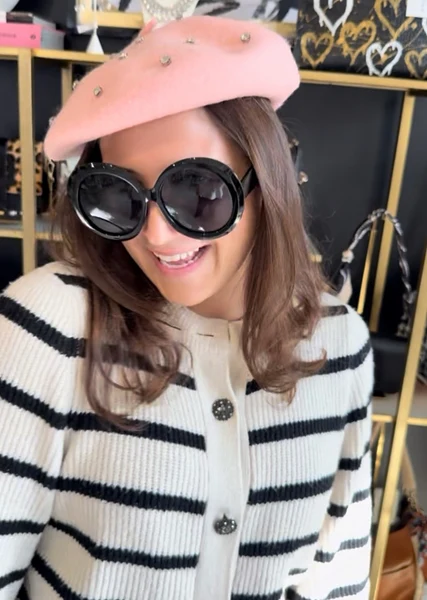
Effortless French Elegance: The Perfect Pairing of Knitwear, Tote Bags, and Cat-Eye Glasses
There is something undeniably captivating about French style.It is polished without looking overly polished, feminine without being overly delicate, and comfortable without...
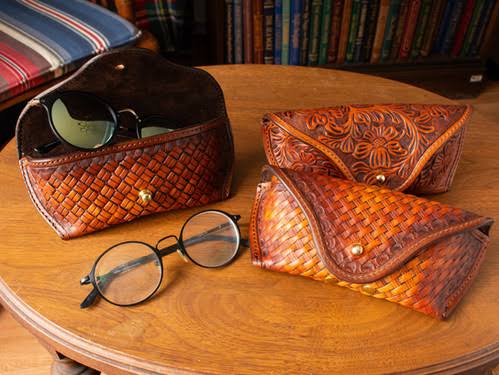
A Cross-Textural Conversation: The Tactile Collision of Leather Bags, Tweed Clothing, and Wood-Frame Eyewear
Introduction: When Materials Become the Main CharacterFashion is often discussed in terms of color, silhouette, trend, and season. Yet some of the...
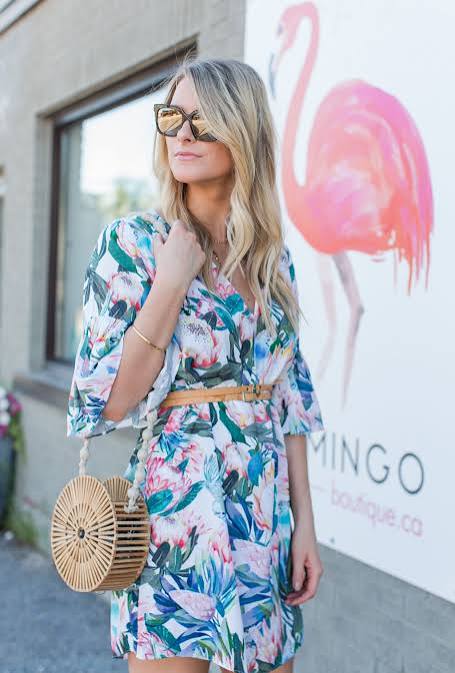
The Ultimate Guide to Vacation-Style Outfits: Floral Dresses, Straw Bags, and Round Sunglasses for Summer
Summer is the season of relaxed mornings, warm afternoons, outdoor dinners, weekend getaways, and long-awaited vacations. It is also the perfect time...
The Romance of Earth Tones in Fall: The Color Aesthetics of Trench Coats, Saddle Bags, and Tea-Tinted Sunglasses
Introduction: Falling in Love With the Colors of AutumnThere is something irresistibly romantic about autumn fashion.As summer fades, bright colors gradually give...
Best Glasses for Your Face Shape: Round, Square, Oval & More
Introduction: The Right Glasses Can Transform Your Entire AppearanceChoosing a pair of glasses is about much more than simply correcting your vision....