



Do Titanium Eyeglass Frames Experience “Fatigue”? Three Key Ways to Extend the Lifespan of High-Strength Metal Frames
Titanium eyeglass frames have earned a reputation for being nearly indestructible. Lightweight yet strong, corrosion-resistant yet flexible, they are often marketed as a premium, long-lasting choice for everyday eyewear. Many wearers assume that once they invest in titanium frames, durability is guaranteed for years without concern.
However, even advanced materials like titanium alloys are not immune to a phenomenon known as metal fatigue. Over time, repeated stress, environmental exposure, and improper handling can gradually weaken high-strength metal frames—sometimes without visible warning signs.
Understanding how fatigue affects titanium eyewear and learning how to prevent premature wear can significantly extend the usable life of your glasses. This guide explores the science behind metal fatigue, why titanium frames still require care, and three critical strategies that help preserve high-performance metal eyewear for the long term.
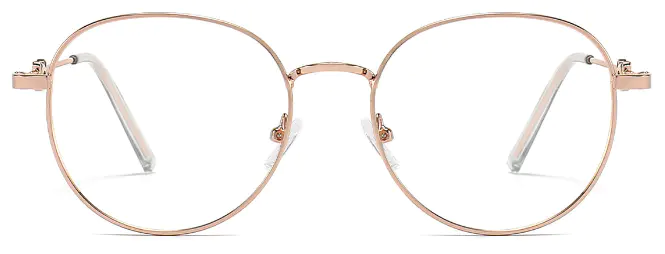
Why Titanium Frames Became So Popular
Before diving into fatigue, it helps to understand why titanium is widely used in premium eyewear manufacturing.
Exceptional Strength-to-Weight Ratio
Titanium alloys provide high structural strength while remaining extremely lightweight. This combination allows designers to create thin, minimalist frames that maintain durability without adding pressure to the nose or ears.
Corrosion Resistance
Unlike many metals, titanium naturally forms an oxide layer that protects it from rust and corrosion. Sweat, humidity, and everyday environmental exposure rarely cause visible degradation.
Flexibility and Memory
Many titanium frames can flex slightly under stress and return to their original shape. This elasticity improves comfort and reduces breakage compared with brittle materials.
Hypoallergenic Properties
Titanium is widely considered skin-friendly, making it a preferred choice for people sensitive to nickel or other alloy metals.
Despite these advantages, titanium is still subject to physical laws governing all metals—including fatigue.
What Is Metal Fatigue?
Metal fatigue refers to gradual structural weakening caused by repeated cycles of stress rather than a single strong impact.
Instead of breaking suddenly from one event, the material develops microscopic cracks that grow over time until failure occurs.
Everyday Example
Imagine bending a paperclip back and forth repeatedly. Each bend seems harmless at first, but eventually the metal snaps. The break results from accumulated stress cycles—not excessive force at any one moment.
Titanium behaves similarly, though at a much slower and less obvious rate.
Why Titanium Alloy Frames Still Experience Fatigue
Many people assume titanium cannot wear out because of its strength. In reality, strength and fatigue resistance are different properties.
Titanium alloys resist deformation well, but they still undergo:
- Micro-movement at hinge joints
- Repeated flexing during daily wear
- Temperature expansion and contraction
- Pressure from improper adjustments
Over months or years, these small stresses accumulate.
Common fatigue zones include:
- Hinges
- Bridge connections
- Temple bends
- Screw attachment points
These areas experience constant motion, making them more vulnerable than the rest of the frame.
Signs Your Titanium Frames May Be Experiencing Fatigue
Fatigue damage often develops gradually. Recognizing early symptoms helps prevent sudden failure.
Subtle Misalignment
Frames that frequently lose alignment may indicate weakened structural areas rather than accidental bending.
Loosening Hinges
If screws require repeated tightening, the surrounding metal may be slowly wearing.
Reduced Springiness
Titanium frames known for flexibility may begin feeling stiff or uneven.
Hairline Cracks
Tiny fractures near hinges or welds can signal advanced fatigue.
Because fatigue damage accumulates internally, prevention matters more than repair.
The Science Behind Stress Cycles in Eyewear
Eyeglasses experience more mechanical stress than most people realize.
Consider a typical day:
- Putting glasses on and taking them off dozens of times
- Adjusting frames with one hand
- Resting glasses on the head
- Folding and unfolding temples repeatedly
- Exposure to body heat and outdoor temperature shifts
Each action creates a stress cycle. Over years, thousands of cycles affect the metal’s internal structure.
Even high-grade titanium alloys have a fatigue limit—meaning infinite use without wear is impossible.
Key Factor #1: Reduce Repeated Mechanical Stress
The first and most important way to extend frame lifespan is minimizing unnecessary stress cycles.
Avoid One-Handed Removal
Removing glasses with one hand twists the frame unevenly, placing torque on hinges and the bridge.
Best practice:
- Use both hands.
- Pull temples outward evenly.
- Remove straight forward rather than upward.
This small habit dramatically reduces asymmetric stress.
Don’t Wear Glasses on Your Head
Placing glasses on top of the head stretches temples beyond their designed width. Over time, this weakens hinge tension and accelerates fatigue.
Instead, store glasses in a case when not in use.
Prevent Accidental Compression
Sitting on glasses or placing them lens-down introduces sudden stress spikes that accelerate crack formation.
Consistent handling habits matter more than occasional repairs.
Key Factor #2: Control Environmental Stressors
While titanium resists corrosion, environmental conditions still influence fatigue behavior.
Sweat and Skin Oils
Salt and oils accumulate in hinge areas, increasing friction and microscopic wear.
Regular cleaning reduces mechanical resistance during movement.
Recommended routine:
- Rinse frames with lukewarm water weekly.
- Use mild soap occasionally.
- Dry with a microfiber cloth.
Temperature Extremes
Rapid temperature changes cause expansion and contraction.
Examples include:
- Leaving glasses in a hot car
- Moving between air conditioning and outdoor heat
- Exposure to freezing winter air
Repeated thermal cycling contributes to long-term material stress.
Whenever possible, store eyewear at moderate temperatures.
Chemical Exposure
Household chemicals, hair products, and cleaning agents may weaken coatings or welded joints over time.
Avoid contact with:
- Alcohol sprays
- Strong detergents
- Chlorinated water
Even durable metals benefit from chemical protection.
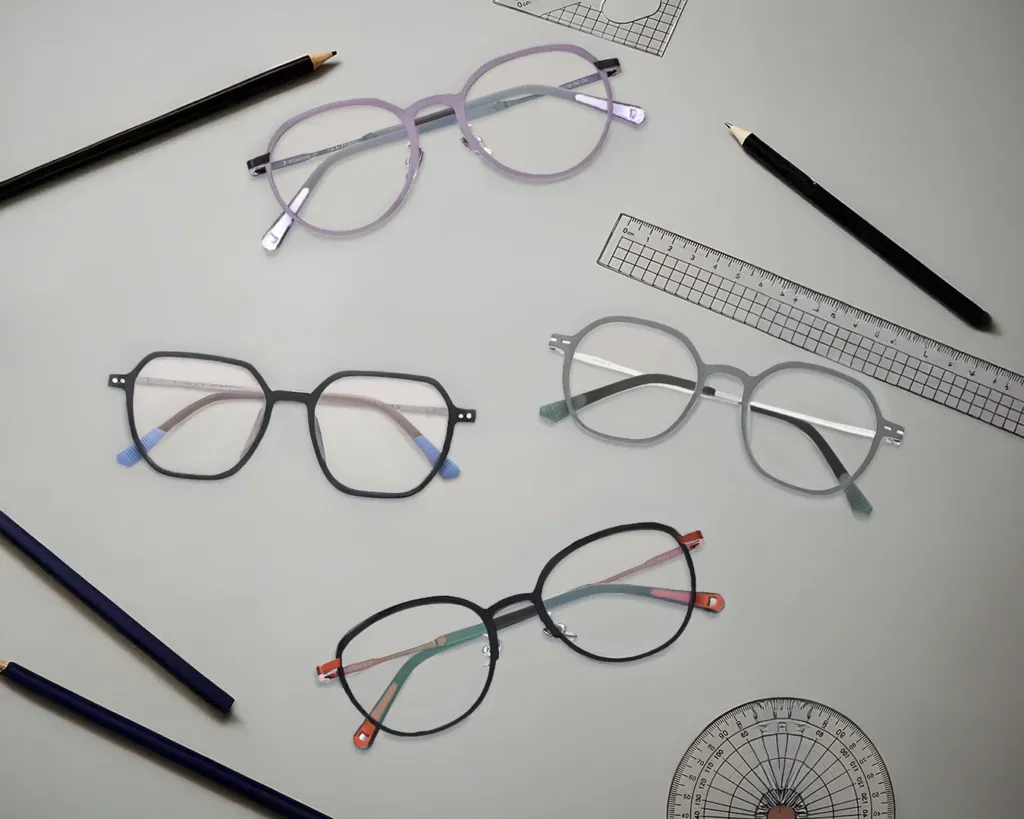
Key Factor #3: Maintain Structural Components Regularly
Maintenance is often overlooked because titanium frames appear maintenance-free. In reality, proactive care significantly extends lifespan.
Professional Adjustments
Many users attempt DIY adjustments, unintentionally creating localized stress points.
Opticians use specialized tools that distribute pressure safely.
Annual professional adjustments help maintain structural balance.
Hinge Lubrication
Micro-friction accelerates fatigue. Tiny amounts of appropriate lubrication applied professionally can reduce wear cycles.
Screw Replacement
Loose screws increase motion and vibration at joints, amplifying fatigue damage.
Replacing worn screws early prevents larger structural problems.
Understanding Titanium Alloys Used in Eyewear
Not all titanium frames are identical. Different alloys offer varying fatigue resistance.
Pure Titanium
- Lightweight
- Highly corrosion-resistant
- Moderately flexible
Beta Titanium
- Greater flexibility
- Improved fatigue resistance
- Often used in sporty or rimless designs
Titanium Memory Alloys
Designed to recover shape after bending, these alloys tolerate repeated deformation better but still benefit from proper care.
Knowing the alloy helps set realistic durability expectations.
Comparing Titanium With Other Frame Materials
Titanium vs Stainless Steel
| Feature | Titanium | Stainless Steel |
|---|---|---|
| Weight | Lighter | Heavier |
| Corrosion Resistance | Excellent | Good |
| Fatigue Resistance | High | Moderate |
| Comfort | Excellent | Moderate |
Titanium vs Aluminum
| Feature | Titanium | Aluminum |
|---|---|---|
| Strength | Higher | Lower |
| Longevity | Longer | Shorter |
| Flexibility | Better | Limited |
Titanium’s advantages remain significant—but not absolute.
Daily Habits That Extend Frame Life
Small routines make a large difference over years of use.
- Always store glasses in a hard case.
- Clean hinges regularly.
- Avoid twisting frames during cleaning.
- Use both hands when handling.
- Schedule periodic professional inspections.
Consistency matters more than expensive repairs later.
The Role of Design in Fatigue Resistance
Frame engineering strongly influences durability.
Design features that improve lifespan include:
- Reinforced hinge architecture
- Flexible temple geometry
- Stress-distributed bridge construction
- Precision welding techniques
Minimalist designs look elegant but may concentrate stress in smaller areas if poorly engineered.
Quality manufacturing often outweighs material choice alone.
How Lifestyle Affects Frame Longevity
Your daily environment plays a major role.
Active Lifestyles
Athletes and outdoor enthusiasts create more stress cycles through movement and sweat exposure.
Flexible alloys and frequent maintenance help offset increased wear.
Office Environments
Lower physical stress extends lifespan, but repeated handling still contributes to fatigue over time.
Frequent Travelers
Temperature changes and packing pressure require extra storage protection.
Understanding lifestyle demands helps users adopt better care habits.
Can Fatigue Damage Be Repaired?
Minor issues can sometimes be corrected:
- Realignment by professionals
- Screw replacement
- Hinge adjustments
However, once fatigue cracks develop, welding or repair may not restore original strength.
Prevention remains the most effective strategy.
Sustainability Benefits of Longer-Lasting Frames
Extending the life of titanium eyewear also supports environmental responsibility.
Longer usage means:
- Reduced material waste
- Less manufacturing demand
- Lower replacement frequency
- Reduced packaging and shipping impact
Durability and sustainability often go hand in hand.
Common Myths About Titanium Eyeglass Frames
“Titanium Frames Never Break”
They are highly durable but still subject to fatigue over time.
“Flexibility Means Unlimited Bending”
Repeated bending still accumulates microscopic damage.
“Maintenance Isn’t Necessary”
Proper care significantly influences lifespan.
Future Innovations in High-Strength Eyewear Metals
Advancements continue improving fatigue resistance through:
- Advanced alloy compositions
- Laser welding technologies
- Stress-analysis design software
- Hybrid material integration
Future frames may distribute mechanical stress even more efficiently, extending longevity further.
Final Thoughts: Strength Requires Smart Care
Titanium eyeglass frames represent one of the most advanced material choices in modern eyewear. Their lightweight comfort, corrosion resistance, and resilience make them ideal for everyday use. Yet even high-performance metals experience fatigue when exposed to repeated stress over time.
The good news is that lifespan depends less on material limits and more on user habits.
By focusing on three essential principles:
- Reducing unnecessary mechanical stress
- Controlling environmental exposure
- Maintaining structural components regularly
wearers can dramatically extend the life of their high-strength metal frames.
In the end, titanium doesn’t fail because it is weak—it fails because every material responds to how it is used. Treating your eyewear as precision equipment rather than disposable accessories ensures that your frames remain comfortable, functional, and reliable for many years to come.

Share this post


Mira Rose Gold Cat Eye Base Frame


Mira Metallic Silver Cat Eye Base Frame




Living a Multifaceted Life: How Custom Modular Eyewear Defines Your Personal Identity
Yet for years, eyewear has tried to force all these identities into one fixed frame.In a world where people change roles, moods,...
The Secret Weapon for Sculpting Your Face: How to Customize Eyewear Based on Your Cheekbones and Brow Shape
When it comes to elevating your appearance, most people think about hairstyles, makeup, or wardrobe upgrades. But there’s one transformative accessory that...
How Mechanical Clip Systems Make Quick Temple Replacement Possible: The Future of Modular Eyewear Design
Eyewear has evolved far beyond simple vision correction. Today, glasses are fashion statements, performance tools, and everyday essentials that must adapt to...
Why Your Glasses Keep Getting Looser Over Time: How Improper Handling Causes Hidden Structural Damage
Glasses are designed to be durable, precise, and comfortable. Yet many people notice the same frustrating pattern: a new pair fits perfectly...
Are Pink Glasses in Style?
Pink glasses are a timeless symbol of charm and personality. They evoke feelings of compassion, love, and hope, making them a popular...
One-Second Color Switch
How to Match Your Glasses Frame to Today’s Outfit—EffortlesslyLet’s be honest.You don’t wear the same outfit every day.Some days it’s clean and...