
Can Scratched Eyeglass Lenses Be Repaired? The Truth About Polishing and Scratch Removal
Few things are more frustrating than discovering scratches on your eyeglass lenses. One moment your vision feels crisp and clear; the next, light scatters across tiny marks that refuse to disappear no matter how carefully you clean them. Many people immediately begin searching for solutions—DIY polishing hacks, repair kits, or professional resurfacing services—hoping their lenses can be restored instead of replaced.
But can scratched lenses actually be repaired?
The answer surprises most eyewear users: in most cases, scratches cannot truly be fixed without compromising vision quality. Despite countless online tips suggesting toothpaste, baking soda, or polishing compounds, lens repair is far more complex than it appears.
This article explores the science behind lens scratches, explains why polishing rarely works as advertised, and reveals three essential truths about lens grinding and polishing that every glasses wearer should understand before attempting repairs.
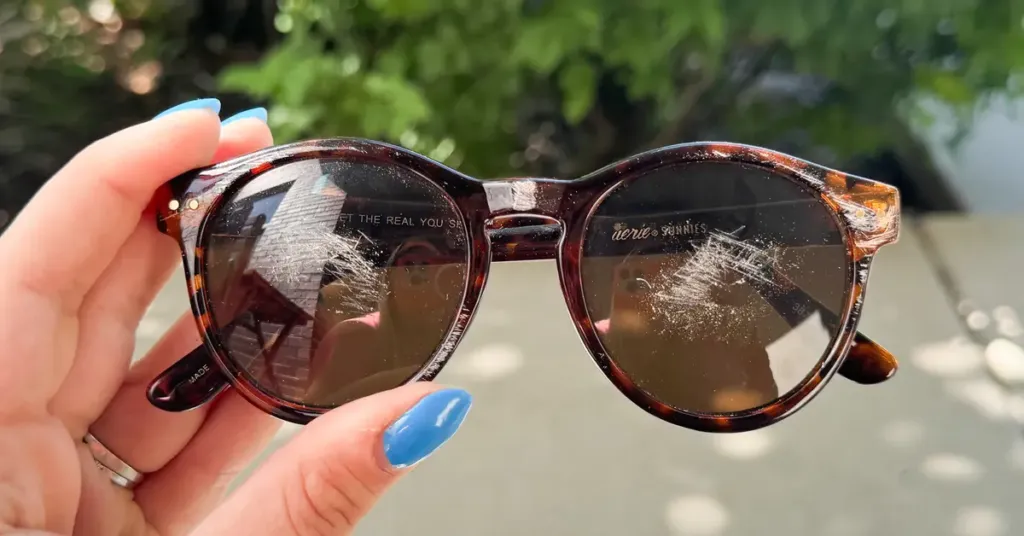
Why Lens Scratches Matter More Than Appearance
Scratches are often dismissed as cosmetic issues. In reality, they directly affect optical performance.
Modern eyeglass lenses are precision-engineered optical devices designed to guide light accurately into your eyes. Even microscopic surface damage can alter how light travels through the lens.
Common effects include:
- Increased glare and halos
- Reduced contrast sensitivity
- Eye strain and fatigue
- Difficulty driving at night
- Reduced visual sharpness
Because the human eye is extremely sensitive to light distortion, small imperfections can produce noticeable discomfort.
Understanding How Modern Lenses Are Built
To understand why scratches are difficult to repair, it helps to know how lenses are constructed.
Most modern lenses are not solid pieces of uniform material. Instead, they contain multiple layers.
Typical lens structure includes:
- Base lens material (polycarbonate, high-index plastic, or CR-39)
- Hard coat layer for scratch resistance
- Anti-reflective coating
- Hydrophobic or oleophobic coating
- Optional blue-light filtering layer
- UV protection treatments
Each layer serves a specific optical function. Scratches usually damage the outer coatings first—but repairs often remove those coatings entirely.
What Actually Causes Lens Scratches?
Scratches rarely result from a single dramatic event. Most develop gradually through daily habits.
Common causes include:
- Cleaning lenses while dry
- Using clothing instead of microfiber cloths
- Dust particles acting as abrasives
- Improper storage without a case
- Chemical exposure from cosmetics
- Paper towels or tissues
- Sand or debris during outdoor use
Even “scratch-resistant” coatings are not scratch-proof.
Why People Believe Scratches Can Be Polished Away
Online advice frequently promotes polishing as a solution because it works for certain materials like metal, glass surfaces, or car paint.
This leads to a misconception: if polishing removes scratches elsewhere, it should work on lenses too.
However, optical lenses differ fundamentally from decorative surfaces.
They require precise curvature accuracy measured in microns. Any material removal changes optical power.
Truth #1: Polishing Removes Material — and Changes Your Prescription
The most important fact about polishing is simple:
Polishing does not fill scratches. It removes surrounding material until the surface becomes level again.
On eyeglass lenses, this creates major problems.
Optical Precision Is Extremely Sensitive
Prescription lenses are shaped to exact measurements determined during eye exams.
Removing even a tiny amount of material can:
- Alter focal power
- Distort peripheral vision
- Change lens thickness balance
- Affect progressive lens zones
Unlike furniture or glass tables, lenses cannot tolerate reshaping without optical consequences.
Why Even Professional Polishing Is Limited
Optical labs use specialized grinding equipment when manufacturing lenses. These machines operate under controlled measurements tied to prescriptions.
Once lenses are finished, polishing them again without recalculating the entire optical design risks degrading visual accuracy.
This is why most optical professionals recommend replacement rather than resurfacing.
The Hidden Risk: Uneven Surface Removal
Hand polishing introduces inconsistency.
Human-applied pressure varies constantly, leading to:
- Warped optical zones
- Uneven refraction
- Localized blur spots
Even if scratches appear less visible, vision quality may worsen.
Truth #2: Lens Coatings Cannot Be Restored After Polishing
Many scratches occur within coatings rather than the base lens.
Polishing removes these coatings permanently.
Anti-Reflective Coatings
These coatings reduce glare by manipulating light waves. Once removed, glare increases significantly—especially during nighttime driving.
Hydrophobic Layers
Water-repellent coatings make cleaning easier. Polishing eliminates this benefit.
Blue-Light Filters
Some modern coatings incorporate filtering technology that cannot be reapplied outside specialized labs.
After polishing, lenses may look clearer initially but perform worse functionally.
Why DIY Scratch Repair Methods Often Make Things Worse
Popular internet solutions include:
- Toothpaste polishing
- Baking soda paste
- Car wax
- Furniture polish
- Glass etching compounds
These methods create temporary visual masking rather than true repair.
Temporary Filling Effect
Some substances fill scratches briefly, making them less visible.
But problems follow:
- Residue buildup
- Increased smudging
- Coating degradation
- Accelerated scratching
Eventually, scratches return—often more noticeable than before.
The Toothpaste Myth Explained
Toothpaste contains mild abrasives designed to polish enamel.
When used on lenses:
- It scratches soft coatings further
- Creates micro-abrasions
- Produces haze under bright light
The short-term improvement many users report comes from residue filling grooves—not repair.
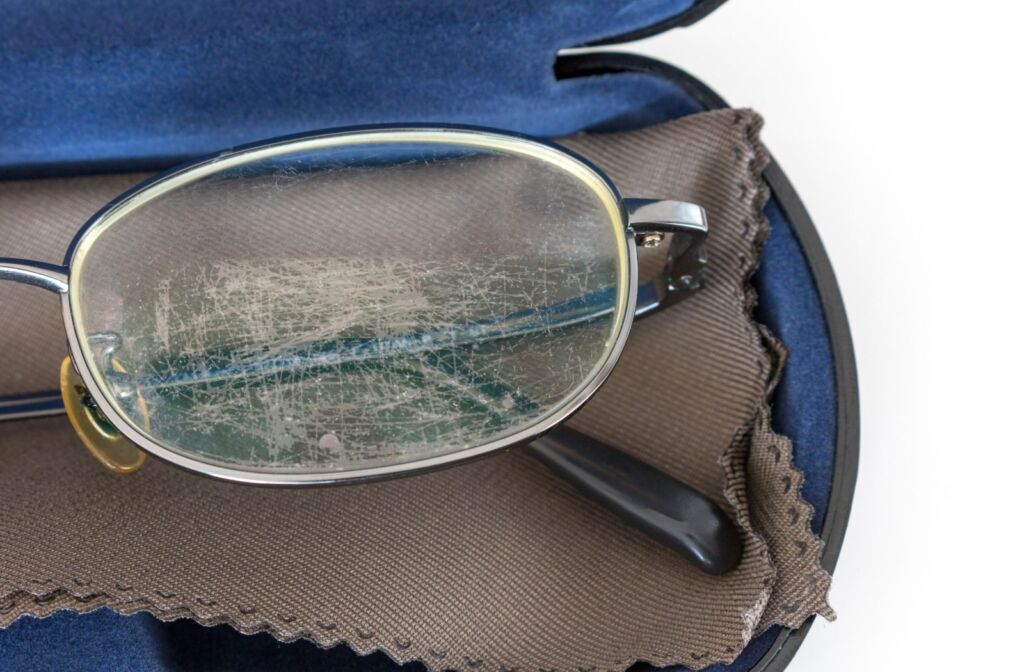
Truth #3: Deep Scratches Mean Replacement Is the Only True Solution
Once scratches penetrate beyond protective coatings into the lens substrate, restoration becomes nearly impossible.
Why Filling Scratches Doesn’t Work
Unlike automotive glass repair, lenses cannot be filled with resin because:
- Optical clarity must remain perfect
- Refractive index must match precisely
- Any mismatch causes distortion
Even professional fillers would alter light transmission.
Optical Standards Require Precision
Eyeglass lenses must meet strict visual standards.
Repair attempts often introduce subtle distortions that the brain perceives as discomfort or eye fatigue.
Replacement ensures optical integrity.
When Scratches Are Still Manageable
Not all scratches require immediate replacement.
Minor superficial marks may be tolerable if they:
- Sit outside the primary viewing zone
- Do not scatter light noticeably
- Do not cause eye strain
Proper cleaning habits can prevent worsening.
Professional Options That Actually Help
Although scratches cannot truly be repaired, professionals offer services that improve usability.
Ultrasonic Cleaning
Removes residue that exaggerates scratch visibility.
Frame Realignment
Improves visual comfort even with minor scratches.
Lens Replacement Programs
Many optical retailers offer discounted replacement lenses within warranty periods.
Preventing Future Lens Scratches
Prevention is far easier than repair.
Always Use Microfiber Cloths
Designed to lift particles rather than drag them across lenses.
Rinse Before Cleaning
Water removes abrasive dust before wiping.
Store Glasses Properly
Use hard cases when not wearing glasses.
Avoid Harsh Chemicals
Household cleaners damage coatings quickly.
Keep Lenses Away from Heat
High temperatures weaken protective layers.
Choosing Scratch-Resistant Lenses
When replacing lenses, consider:
- Advanced hard coatings
- Premium anti-reflective layers
- High-quality manufacturing standards
- Durable material types
Higher-quality coatings resist everyday wear longer.
Glass vs Plastic Lenses: Scratch Resistance Comparison
Glass lenses resist scratches better but are heavier and less impact-resistant.
Plastic lenses dominate modern eyewear because they balance safety and comfort, even though they scratch more easily.
Why Scratches Appear Worse at Night
Scratches scatter incoming light, creating starbursts around headlights and street lamps.
Anti-reflective coatings minimize this effect—another reason polishing away coatings reduces performance.
The Psychology of “Repair Instead of Replace”
People naturally prefer repair solutions because lenses can be expensive.
However, attempting repair often delays replacement while vision quality continues declining.
Clear vision should always take priority over short-term savings.
How Long Lenses Typically Last
Average lifespan depends on usage habits:
- Daily wear: 1–2 years
- Careful users: up to 3 years
- Heavy outdoor use: shorter lifespan
Scratches often mark the natural replacement cycle.
Warning Signs It’s Time for New Lenses
Consider replacement if you notice:
- Persistent glare
- Difficulty driving at night
- Eye fatigue
- Visible central scratches
- Coating peeling or haze
Vision comfort matters as much as prescription accuracy.
The Future of Scratch-Resistant Technology
Innovations include:
- Nano-ceramic coatings
- Self-healing polymers
- Enhanced hard-coat chemistry
- Multi-layer durability treatments
While improvements continue, no lens is completely scratch-proof yet.
A Smarter Approach to Lens Care
Instead of focusing on repair, adopt a maintenance mindset:
- Clean gently and frequently
- Handle frames with both hands
- Replace worn microfiber cloths regularly
- Schedule annual eye exams and lens evaluations
Consistent care extends lens life significantly.
Final Thoughts
Scratched lenses are frustrating, but understanding the reality behind polishing and repair helps prevent costly mistakes. Polishing removes material, destroys protective coatings, and can alter optical precision—making true restoration nearly impossible.
The three key truths are clear:
- Polishing changes lens shape and prescription accuracy.
- Protective coatings cannot be restored once removed.
- Deep scratches ultimately require lens replacement.
Rather than relying on risky DIY fixes, focusing on prevention and timely replacement ensures clear vision, comfortable wear, and long-term eyewear performance.
Your lenses are precision optical instruments, not simple pieces of plastic. Treating them accordingly—and knowing when repair isn’t the right solution—protects both your eyesight and your investment.
Share this post
How Should Your Glasses Fit for Comfort and Style?
Choosing the right pair of eyeglasses is about more than finding a frame design you like. A properly fitted pair of glasses...
How to Install and Remove the Top Frame
How to Install Your XCombo TopperCheck Left & RightMake sure each topper is on the correct side.Attach at the Nose BridgeAlign the...
Say Goodbye to an Awkward Look: How to Choose the Right Eyeglasses Based on Your Body Proportions and Bag Size
Eyeglasses are more than a vision-correction tool. They are also an important fashion accessory that can influence the balance, proportion, and overall...
Say Goodbye to Awkward Proportions: How to Choose the Right Glasses for Your Body Shape and Bag Size
Accessories can transform an ordinary outfit into a polished, thoughtfully coordinated look. A beautiful handbag adds personality, while the right pair of...

2026 Spring/Summer Fashion Trends: When Retro Small-Frame Glasses Meet the Underarm Bag
Fashion has always had a talent for bringing the past back in unexpected ways.A silhouette that once belonged to another decade can...

Soft Aesthetics for Girls with Square Faces: How Rounded Handbags and Gentle Eyeglass Frames Soften Facial Lines
A square face can be striking, elegant, and full of character. Defined by a broader forehead, a relatively straight jawline, and noticeable...
How to Buy Prescription Glasses Online on XCombo
Looking to buy glasses online? XCombo makes it easy to get stylish, high-quality glasses tailored to your prescription. Follow this simple step-by-step...

The Executive Style Code: A Career Guide to Suits, Briefcases, and Sophisticated Eyewear
In the modern workplace, professional style is about much more than wearing expensive clothes.The strongest business wardrobe communicates something before you say...

Street-Cool Style: How to Make Motorcycle Jackets, Belt Bags, and Futuristic Sunglasses Stand Out
Street fashion has never been about following every rule.It is about knowing which rules to break.A motorcycle jacket, a compact belt bag,...

The Art of Color Coordination: How to Match Your Bag With Your Eyeglass Frames for an Effortlessly Sophisticated Look
Fashion is often about the little details.A beautifully tailored outfit can look polished, yet something may still feel incomplete. The reason is...
Dating Night Style Secrets: The Perfect Collision of an Elegant Cocktail Dress, a Chain Evening Bag, and Sophisticated Semi-Rimless Glasses
Dating night is about more than choosing an outfit. It is about creating an impression without looking like you tried too hard....

Effortless French Elegance: The Perfect Pairing of Knitwear, Tote Bags, and Cat-Eye Glasses
There is something undeniably captivating about French style.It is polished without looking overly polished, feminine without being overly delicate, and comfortable without...