
The Hidden Dangers of Warped Glasses: How Subtle Frame Distortion Quietly Affects Your Vision
Most people think of their glasses as a simple tool—put them on, see clearly, and go about the day. But what happens when your glasses are slightly bent, twisted, or misaligned?
At first, it may seem harmless. Maybe they feel a little off, or they slide down your nose more than usual. You adjust them and move on. But over time, even minor frame distortion can have a surprising and often overlooked impact on your vision, eye comfort, and overall visual health.
In this in-depth guide, we’ll explore how warped glasses affect your eyes, the subtle symptoms you might be ignoring, and what you can do to prevent long-term damage.
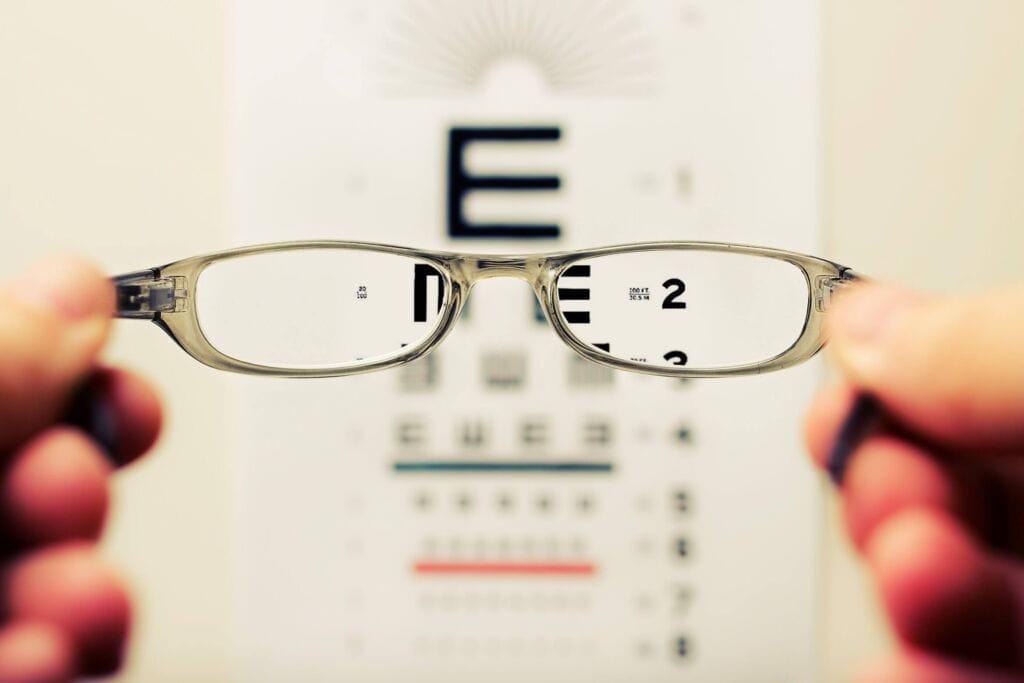
Why Proper Alignment Matters More Than You Think
Glasses aren’t just lenses attached to a frame—they’re precision optical devices.
When you get a prescription, it’s designed specifically for:
- The distance between your pupils (PD)
- The height of your eyes relative to the lenses
- The angle at which lenses sit in front of your eyes
Even small deviations in these parameters can reduce the effectiveness of your prescription.
What Happens When Glasses Warp?
When frames bend or shift:
- Lenses may no longer align with your pupils
- The optical center moves off-axis
- The angle of the lenses changes
This creates unintended visual distortions that your eyes must constantly compensate for.
The Science Behind Optical Misalignment
To understand the impact, it helps to look at how lenses work.
Prescription lenses are designed so that light passes through a specific point—the optical center—before entering your eye. This ensures accurate focus and minimal distortion.
When your glasses are warped:
- Light enters at incorrect angles
- Peripheral distortion increases
- Your brain receives inconsistent visual signals
Over time, this can lead to visual strain and adaptation issues.
Subtle Signs Your Glasses May Be Warped
The tricky part is that warped glasses don’t always cause obvious problems right away.
Common Early Symptoms
- Mild headaches, especially after long periods of use
- Eye fatigue or strain
- Slight blurriness that comes and goes
- Difficulty focusing when switching distances
- Feeling like your vision is “off” but not clearly wrong
Because these symptoms are subtle, many people attribute them to screen time, stress, or lack of sleep.
How Warped Glasses Affect Your Vision Over Time
1. Increased Eye Strain
Your eyes are constantly trying to correct the misalignment caused by distorted lenses.
This leads to:
- Overworking eye muscles
- Faster fatigue
- Reduced visual comfort
2. Distorted Depth Perception
When each lens is slightly misaligned, your brain struggles to merge the images correctly.
This can affect:
- Hand-eye coordination
- Spatial awareness
- Activities like driving or sports
3. Blurred or Uneven Vision
Even if your prescription is accurate, warped frames can make one eye work harder than the other.
This imbalance may cause:
- Uneven clarity
- Difficulty reading
- Trouble focusing on fine details
4. Headaches and Discomfort
Persistent misalignment can trigger:
- Tension headaches
- Pressure around the eyes
- General discomfort during prolonged use
5. Adaptation That Masks the Problem
Perhaps the most concerning effect is how your brain adapts.
Over time, your visual system may compensate for the distortion, making the issue less noticeable—but not less harmful.
This can delay correction and prolong strain.
Who Is Most at Risk?
While anyone can experience issues from warped glasses, certain groups are more vulnerable.
Frequent Glasses Wearers
If you wear glasses all day, even minor misalignment has a greater cumulative effect.
People with Strong Prescriptions
Higher prescriptions amplify distortion when alignment is off.
Progressive or Multifocal Lens Users
These lenses require precise positioning. Even slight shifts can disrupt:
- Reading zones
- Intermediate vision
- Distance clarity
Active Lifestyles
Frequent handling, sports, or travel increases the likelihood of frame distortion.
Common Causes of Frame Warping
Understanding what causes glasses to warp can help you prevent it.
1. Accidental Pressure
- Sitting on your glasses
- Storing them without a case
- Packing them tightly in bags
2. Heat Exposure
High temperatures can soften frame materials.
Examples include:
- Leaving glasses in a hot car
- Exposure to hair dryers or heaters
3. Improper Handling
- Taking glasses off with one hand
- Twisting frames during cleaning
- Bending arms repeatedly
4. Normal Wear and Tear
Over time, daily use can gradually alter frame shape.
The Impact on Different Lens Types
Single Vision Lenses
Misalignment may cause mild blur and strain but is often less noticeable initially.
Progressive Lenses
Highly sensitive to positioning, these lenses can become very uncomfortable when frames shift.
Users may experience:
- “Swimming” sensation
- Difficulty finding the right viewing zone
- Increased adaptation time
Blue Light and Digital Lenses
Even slight distortion can reduce their effectiveness, leading to more digital eye strain.
Can Warped Glasses Damage Your Eyes Permanently?
This is a common concern.
The Short Answer
Warped glasses typically don’t cause permanent eye damage—but they can significantly affect comfort and visual performance.
The Real Risk
- Chronic eye strain
- Reduced productivity
- Increased discomfort
- Delayed detection of actual vision changes
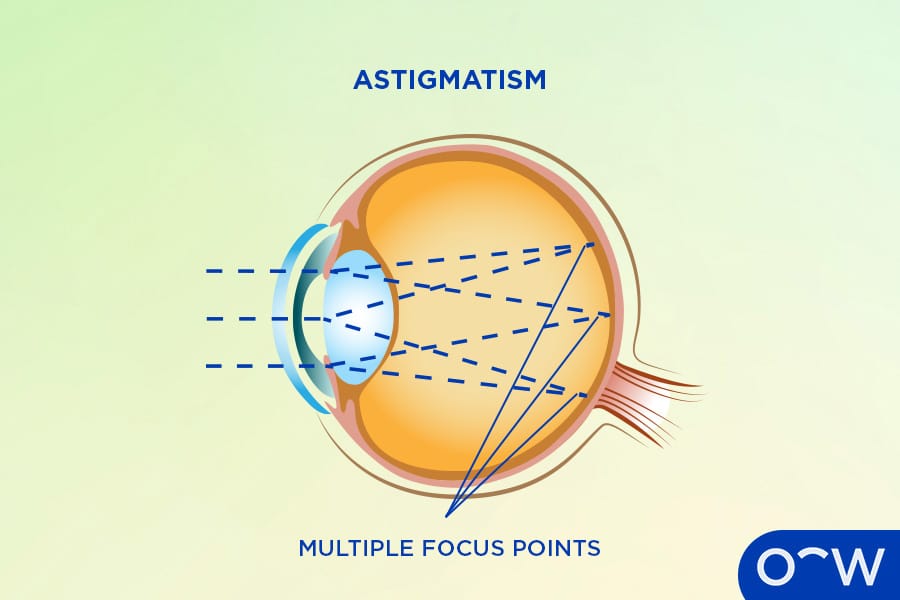
How to Check If Your Glasses Are Misaligned
You don’t need specialized tools to spot potential issues.
Simple Self-Checks
- Place glasses on a flat surface—do both arms sit evenly?
- Look in a mirror—are the lenses level with your eyes?
- Do they sit straight on your face without tilting?
If something looks off, it probably is.
What to Do If Your Glasses Are Warped
1. Avoid DIY Fixes
Trying to bend frames back yourself can:
- Worsen the distortion
- Damage the frame
- Misalign lenses further
2. Visit a Professional
Optical shops can:
- Realign frames
- Adjust fit
- Ensure proper lens positioning
Most adjustments are quick and inexpensive—or even free.
3. Consider Replacement if Necessary
If frames are severely damaged, replacement may be the best option.
Preventing Frame Distortion
Prevention is always easier than correction.
Handle with Care
- Use both hands when putting on or removing glasses
- Avoid unnecessary bending
Store Properly
- Use a hard case
- Keep glasses in a safe, stable location
Avoid Heat
- Don’t leave glasses in hot environments
- Keep them away from direct heat sources
Schedule Regular Adjustments
Periodic check-ups can keep your glasses properly aligned.
The Connection Between Comfort and Vision Quality
Many people underestimate how closely comfort and vision are linked.
If your glasses feel uncomfortable, your vision is likely being affected—even if you can’t immediately tell how.
Clear vision isn’t just about sharpness—it’s about stability, alignment, and ease.
When to Seek Professional Help
You should consider an adjustment or check-up if you notice:
- Persistent headaches
- Sudden discomfort with your glasses
- Changes in visual clarity
- Uneven pressure on your nose or ears
The Bigger Picture: Small Misalignments, Big Impact
It’s easy to ignore minor issues with your glasses. After all, they still “work,” right?
But over time, these small imperfections can add up—affecting not just how you see, but how you feel throughout the day.
Final Thoughts
Warped glasses are more than a cosmetic issue—they’re a subtle but significant factor in your visual health.
By paying attention to alignment, recognizing early symptoms, and taking proactive steps to maintain your frames, you can ensure that your glasses continue to deliver the clarity and comfort they’re designed for.
The next time your glasses feel just a little off, don’t ignore it. That small adjustment could make a big difference in how you see the world.
Share this post
The Romance of Earth Tones in Fall: The Color Aesthetics of Trench Coats, Saddle Bags, and Tea-Tinted Sunglasses
Introduction: Falling in Love With the Colors of AutumnThere is something irresistibly romantic about autumn fashion.As summer fades, bright colors gradually give...
Best Glasses for Your Face Shape: Round, Square, Oval & More
Introduction: The Right Glasses Can Transform Your Entire AppearanceChoosing a pair of glasses is about much more than simply correcting your vision....
From Head to Toe: The Golden Ratio for Styling Glasses, Clothing, and Bags
Introduction: The Secret to Looking Polished From Head to ToeGreat style is rarely about wearing the most expensive clothes, following every trend,...

Minimalist Style: How Glasses and Bags Add the Perfect Finishing Touch to Black, White, and Gray Outfits
Minimalist fashion is often described as simple, effortless, and timeless. But creating a truly polished minimalist outfit is not as easy as...
Effortless Style: The Perfect Chemistry of Oversized Sweatshirts, Crossbody Bags, and Vintage Metal-Frame Glasses
Introduction: Why Relaxed Style Feels So RightFashion does not always have to look carefully calculated.Sometimes, the most appealing outfit is the one...

The Symphony of Metallic Elements: The Art of Layering Belt Buckles, Chain Bags, and Metal Frames
Introduction: When Metal Becomes a Fashion LanguageFashion has always been a conversation between materials, shapes, and personal expression. Among all design elements,...
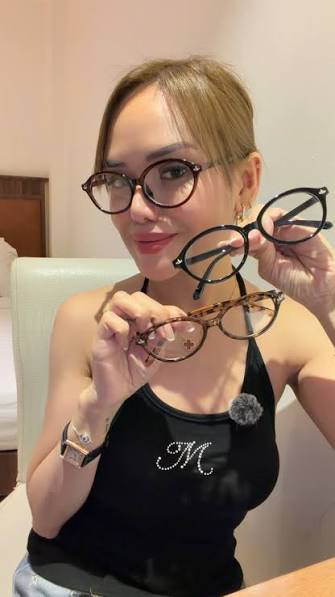
Eyeglasses as the Finishing Touch: How to Make Your Frames Blend Perfectly Into Your Everyday Outfits
Eyeglasses are more than a tool for clearer vision. Today, they are one of the most powerful accessories in a modern wardrobe....

Old Money Style Guide: How Cashmere Coats, Premium Leather Bags, and Classic Black Frame Glasses Create Timeless Elegance
Introduction: Understanding the True Meaning of Old Money FashionFashion trends come and go, but true elegance has always been about something deeper...
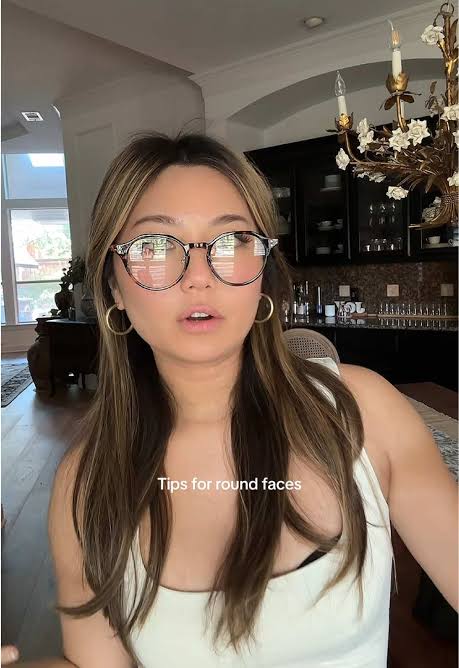
The Ultimate Style Rescue for Round-Faced Women: How Necklines, Bag Placement, and Geometric Glasses Create a Slimmer Look
Introduction: Redefining Beauty Beyond Face ShapeFor many women with round faces, getting dressed can sometimes feel like a constant battle. The cheeks...
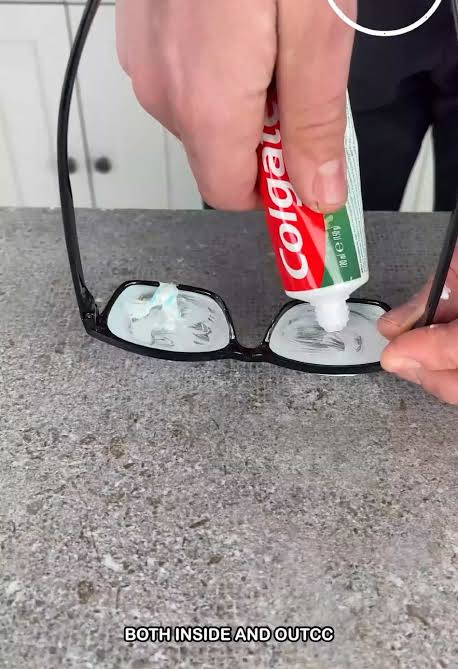
One Swipe, Crystal Clear: The Ultimate Guide to Efficient Eyeglass Cleaning
Introduction: Clear Vision Starts With Proper Lens CareFor millions of people around the world, eyeglasses are an essential part of daily life....

Eyeglasses as the Finishing Touch to Your Outfit: How Frame Shapes Can Elevate Your Style
Introduction: Eyeglasses as the Ultimate Fashion AccessoryWhen people think about fashion accessories, they often consider watches, jewelry, handbags, shoes, or clothing details....
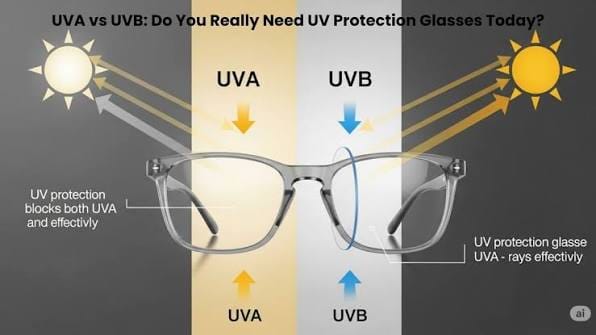
Blue Light Protection or UV Protection? Common Mistakes When Choosing Eye Protection Glasses
Introduction: Choosing the Right Eye Protection Is More Complicated Than It LooksEyeglasses have evolved far beyond simple vision correction tools. Today, consumers...