
Polarized vs. Photochromic Lenses: How to Customize the Perfect Tint for Your Driving and Outdoor Lifestyle
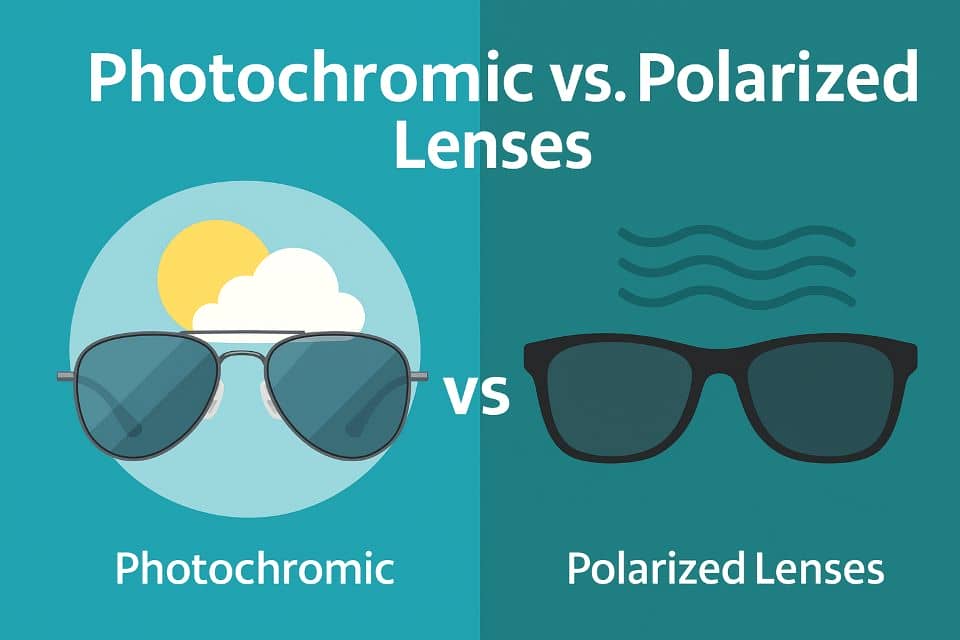
When it comes to choosing the right eyewear for outdoor activities, the decision goes far beyond style. The lenses you wear can significantly impact your comfort, safety, visual clarity, and even long-term eye health. Among the most popular choices today are polarized lenses and photochromic lenses—two technologies designed to enhance vision in bright environments, yet tailored for very different use cases.
So how do you decide between them? The answer lies in understanding your daily habits, your outdoor routines, and how your eyes interact with changing light conditions. Whether you’re a frequent driver, a weekend cyclist, an avid angler, or someone who simply enjoys long walks under the sun, customizing the right tinted lenses can transform your entire visual experience.
This guide breaks down everything you need to know—how each lens type works, their strengths and limitations, and how to choose or even combine features to create a truly personalized solution.
Understanding the Basics of Light and Vision Outdoors
Before diving into lens types, it’s important to understand what your eyes are dealing with outside. Sunlight isn’t just bright—it’s complex. It includes visible light, ultraviolet (UV) rays, and reflected glare from surfaces like water, asphalt, glass, and snow.
Two major challenges affect outdoor vision:
- Glare: Intense reflected light that reduces contrast and causes discomfort.
- Variable brightness: Constant changes in lighting conditions, from direct sun to shade.
Different lens technologies are designed to address these issues in specific ways.
What Are Polarized Lenses?
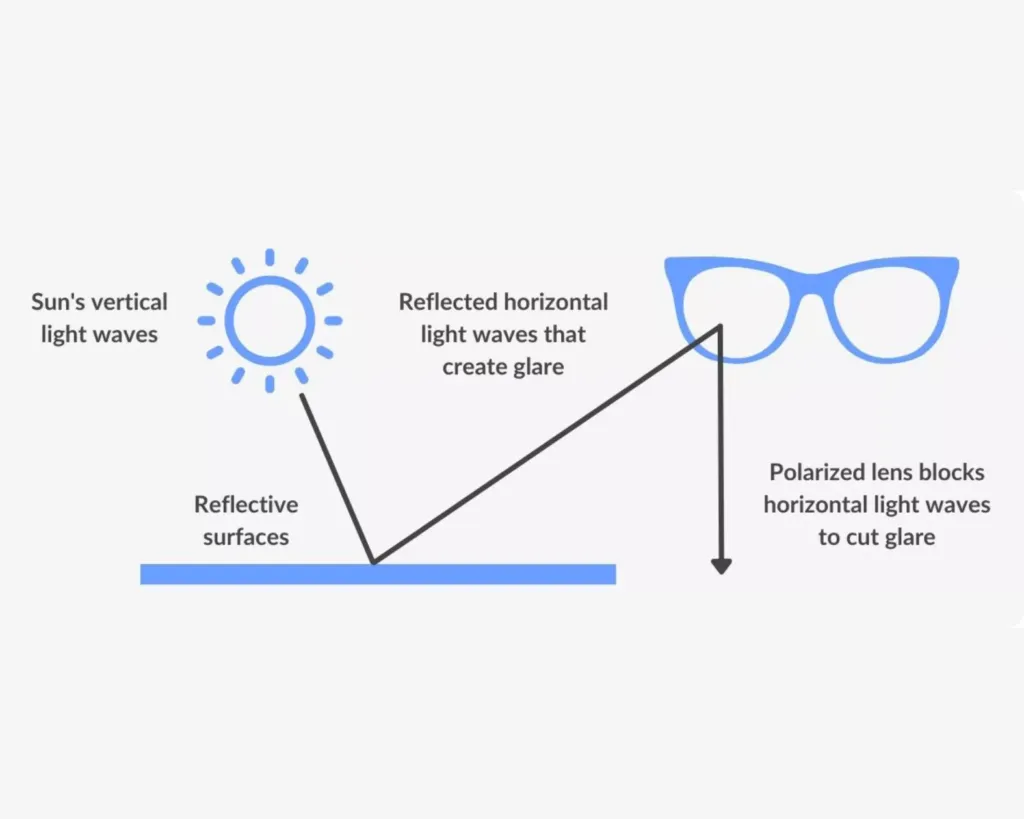
Polarized lenses are engineered to reduce glare. They contain a special chemical filter that blocks horizontally reflected light, which is the main cause of harsh glare from flat surfaces.
Key Benefits of Polarized Lenses
1. Superior Glare Reduction
Polarized lenses are unmatched when it comes to eliminating glare from roads, water, and snow. This makes them especially valuable for driving and water sports.
2. Enhanced Contrast and Clarity
By reducing scattered light, these lenses improve contrast, allowing you to see details more clearly—even in bright conditions.
3. Reduced Eye Strain
Less glare means your eyes don’t have to work as hard, which can prevent fatigue during long outdoor sessions.
4. Safer Driving Experience
Glare from wet roads or reflective surfaces can be dangerous. Polarized lenses help drivers see more clearly and react faster.
What Are Photochromic Lenses?
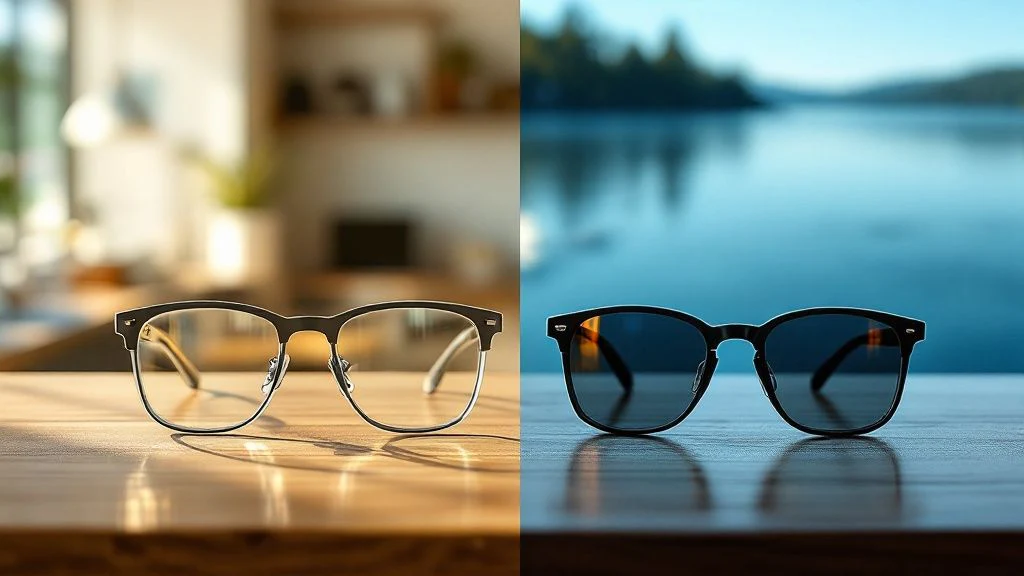
Photochromic lenses, often called “transition lenses,” automatically adjust their tint based on light exposure. They darken in bright sunlight and return to clear indoors or in low-light conditions.
Key Benefits of Photochromic Lenses
1. Adaptive Light Control
These lenses respond to UV exposure, providing seamless adjustment as you move between environments.
2. Convenience
No need to switch between glasses and sunglasses—one pair does it all.
3. UV Protection
They block harmful UV rays regardless of their tint level.
4. Versatility
Ideal for people who move frequently between indoor and outdoor spaces.
Driving: Which Lens Type Performs Better?
Driving presents a unique visual challenge. You’re dealing with high speeds, rapidly changing lighting, and potentially dangerous glare.
Polarized Lenses for Driving
Polarized lenses are often considered the gold standard for driving in bright conditions. They:
- Eliminate glare from windshields and roads
- Improve visibility during midday sun
- Enhance contrast for better depth perception
However, they have a minor drawback: they can sometimes interfere with LCD screens, such as dashboards or GPS devices.
Photochromic Lenses for Driving
Photochromic lenses offer convenience but have limitations in the car:
- Windshields block some UV rays, reducing the lens’s ability to darken fully
- They may not become dark enough in bright driving conditions
That said, newer generations are designed to activate with visible light as well, making them more effective than older versions.
Best Choice for Drivers
If you spend long hours driving, especially during the day, polarized lenses are typically the better option. For those who want a single pair for all-day use, photochromic lenses may still be a practical compromise.
Outdoor Sports: Matching Lenses to Activities
Different sports require different visual priorities. Let’s explore how each lens type performs across popular outdoor activities.
Running and Cycling
Challenges:
- Rapid light changes
- Wind and debris
- Need for clear depth perception
Best Option:
Photochromic lenses excel here because they adapt quickly as you move between sunlight and shade. This is especially useful on trails or urban routes with variable lighting.
Fishing and Water Sports
Challenges:
- Intense glare from water
- Need to see beneath the surface
Best Option:
Polarized lenses are essential. They cut through water glare, allowing you to see fish, underwater structures, and subtle movements.
Hiking and Mountaineering
Challenges:
- High UV exposure at altitude
- Changing terrain and lighting
Best Option:
A hybrid approach works best. Photochromic lenses provide adaptability, while polarization can enhance clarity in open, reflective environments.
Winter Sports
Challenges:
- Extreme glare from snow
- Bright, high-altitude sunlight
Best Option:
Polarized lenses with a darker tint are highly effective. However, photochromic options can also be useful in changing weather conditions.
Lens Tint Colors: More Than Just Style
Choosing the right tint color is just as important as selecting the lens technology. Each color affects how you perceive contrast, depth, and brightness.
Gray Lenses
- Neutral color perception
- Best for general use and driving
- Reduces brightness without distortion
Brown/Amber Lenses
- Enhances contrast and depth
- Ideal for sports like golf and cycling
- Works well in variable lighting
Green Lenses
- Balances contrast and color accuracy
- Reduces eye fatigue
- Great for all-purpose outdoor use
Yellow/Gold Lenses
- Improves visibility in low light
- Useful for dawn, dusk, or foggy conditions
- Not ideal for bright sunlight
Combining Technologies: The Best of Both Worlds
Modern lens technology has evolved to offer combinations of features. You no longer have to choose strictly between polarized and photochromic.
Polarized Photochromic Lenses
These lenses combine glare reduction with adaptive tinting. They are ideal for users who:
- Spend long hours outdoors
- Transition between different lighting environments
- Want maximum comfort without switching eyewear
Mirror Coatings
Mirror coatings reflect additional light away from the eyes. They’re often added to polarized or photochromic lenses for:
- Extra brightness reduction
- A stylish, reflective appearance
Customization Based on Lifestyle
The key to choosing the right lenses is aligning them with your daily habits.
Scenario 1: The Daily Commuter
If you drive to work every day and spend time outdoors during lunch or errands:
- Polarized gray lenses for driving
- Optional photochromic upgrade for convenience
Scenario 2: The Weekend Adventurer
If your weekends are filled with hiking, biking, or exploring:
- Photochromic lenses for adaptability
- Brown tint for enhanced contrast
Scenario 3: The Water Enthusiast
If you love fishing, boating, or beach activities:
- Polarized lenses are non-negotiable
- Consider mirror coatings for extra brightness
Scenario 4: The All-Day Outdoor Professional
If your job keeps you outside all day:
- Polarized photochromic lenses for maximum versatility
- Durable coatings for scratch resistance
Lens Materials and Coatings
Beyond tint and technology, lens material plays a crucial role in performance.
Polycarbonate Lenses
- Lightweight and impact-resistant
- Ideal for sports and active lifestyles
High-Index Lenses
- Thinner and lighter for strong prescriptions
- Better aesthetics for everyday wear
Anti-Reflective Coating
- Reduces internal reflections
- Improves clarity, especially at night
Scratch-Resistant Coating
- Extends lens lifespan
- Essential for outdoor use
Eye Health Considerations
No matter which lens type you choose, UV protection is critical. Prolonged exposure to UV rays can lead to:
- Cataracts
- Macular degeneration
- Photokeratitis (sunburn of the eye)
Always ensure your lenses provide 100% UV protection, regardless of tint or technology.
Common Myths Debunked
Myth 1: Darker lenses mean better protection
Not necessarily. UV protection depends on the coating, not the darkness of the tint.
Myth 2: Polarized lenses are always better
They’re excellent for glare, but not always ideal for activities requiring screen visibility.
Myth 3: Photochromic lenses don’t work in cars
While older versions struggled, newer designs perform much better in vehicles.
Making the Final Decision
Choosing between polarized and photochromic lenses isn’t about which one is “better”—it’s about which one fits your life.
Ask yourself:
- How often do I drive in bright conditions?
- Do I move frequently between indoor and outdoor environments?
- What activities do I do most often outdoors?
- Do I value convenience or maximum visual performance?
Your answers will guide you toward the perfect solution.
The Future of Lens Technology
Innovation in lens design continues to blur the line between different technologies. New advancements include:
- Faster photochromic transitions
- Enhanced polarization filters
- Smart lenses that adapt to environmental data
As these technologies evolve, customization will become even more precise, allowing users to tailor lenses to highly specific needs.
Conclusion
Your eyes are your most important tool for experiencing the world—especially when you’re outdoors. Whether you prioritize glare reduction for safer driving or adaptive tinting for all-day convenience, the right lenses can make a profound difference.
Polarized lenses offer unmatched clarity in bright, reflective environments, while photochromic lenses deliver seamless adaptability across changing light conditions. And with modern innovations, you can even combine these features into a single, highly customized solution.
By understanding your habits and aligning them with the right lens technology, you’re not just choosing eyewear—you’re upgrading how you see the world every day.
Share this post
2026 Spring/Summer Fashion Trends: When Retro Small-Frame Glasses Meet the Underarm Bag
Fashion has always had a talent for bringing the past back in unexpected ways.A silhouette that once belonged to another decade can...
Soft Aesthetics for Girls with Square Faces: How Rounded Handbags and Gentle Eyeglass Frames Soften Facial Lines
A square face can be striking, elegant, and full of character. Defined by a broader forehead, a relatively straight jawline, and noticeable...
How to Buy Prescription Glasses Online on XCombo
Looking to buy glasses online? XCombo makes it easy to get stylish, high-quality glasses tailored to your prescription. Follow this simple step-by-step...
The Executive Style Code: A Career Guide to Suits, Briefcases, and Sophisticated Eyewear
In the modern workplace, professional style is about much more than wearing expensive clothes.The strongest business wardrobe communicates something before you say...
Street-Cool Style: How to Make Motorcycle Jackets, Belt Bags, and Futuristic Sunglasses Stand Out
Street fashion has never been about following every rule.It is about knowing which rules to break.A motorcycle jacket, a compact belt bag,...

The Art of Color Coordination: How to Match Your Bag With Your Eyeglass Frames for an Effortlessly Sophisticated Look
Fashion is often about the little details.A beautifully tailored outfit can look polished, yet something may still feel incomplete. The reason is...
Dating Night Style Secrets: The Perfect Collision of an Elegant Cocktail Dress, a Chain Evening Bag, and Sophisticated Semi-Rimless Glasses
Dating night is about more than choosing an outfit. It is about creating an impression without looking like you tried too hard....
Effortless French Elegance: The Perfect Pairing of Knitwear, Tote Bags, and Cat-Eye Glasses
There is something undeniably captivating about French style.It is polished without looking overly polished, feminine without being overly delicate, and comfortable without...
A Cross-Textural Conversation: The Tactile Collision of Leather Bags, Tweed Clothing, and Wood-Frame Eyewear
Introduction: When Materials Become the Main CharacterFashion is often discussed in terms of color, silhouette, trend, and season. Yet some of the...
The Ultimate Guide to Vacation-Style Outfits: Floral Dresses, Straw Bags, and Round Sunglasses for Summer
Summer is the season of relaxed mornings, warm afternoons, outdoor dinners, weekend getaways, and long-awaited vacations. It is also the perfect time...
The Romance of Earth Tones in Fall: The Color Aesthetics of Trench Coats, Saddle Bags, and Tea-Tinted Sunglasses
Introduction: Falling in Love With the Colors of AutumnThere is something irresistibly romantic about autumn fashion.As summer fades, bright colors gradually give...
Best Glasses for Your Face Shape: Round, Square, Oval & More
Introduction: The Right Glasses Can Transform Your Entire AppearanceChoosing a pair of glasses is about much more than simply correcting your vision....