
One Degree Makes the Difference: A Deep Dive into Custom Prescription Glasses
In the world of eyewear, it’s easy to assume that vision correction is a game of big numbers—minus five or plus three, strong astigmatism or mild nearsightedness. But ask any experienced optometrist, eyewear designer, or long-term glasses wearer, and they’ll tell you the truth: sometimes, one degree makes all the difference.
That single degree—whether in lens axis, frame tilt, pupillary distance, or even facial angle—can be the line between visual comfort and daily frustration. As eyewear evolves from a purely medical necessity into a deeply personal extension of identity, custom prescription eyewear is redefining what it means to truly “see well.”
This article takes a deep dive into the science, craftsmanship, and future of deeply customized eyewear—and why precision down to a single degree is no longer optional, but essential.
1. From Standardized to Personalized: The Evolution of Eyewear
For decades, eyewear followed a standardized model. Patients received a prescription, chose a frame that “sort of fit,” and lenses were produced based on averaged parameters. This approach worked—but only to a point.
The problem? Human faces are not standardized.
No two faces share the same:
- Nose bridge height
- Ear position
- Facial asymmetry
- Eye dominance
- Head posture
Yet traditional eyewear manufacturing treated them as if they did.
The result was compromise:
- Glasses that slid down the nose
- Visual distortion at the edges
- Eye strain after long hours
- Headaches with “technically correct” prescriptions
Custom prescription eyewear emerged as a response to this mismatch—driven by better measurement technology, digital lens design, and rising consumer demand for personalization.
2. Why “One Degree” Matters More Than You Think
Lens Axis: The Silent Game-Changer
For people with astigmatism, lens axis alignment is critical. A deviation of even 1–2 degrees can cause:
- Blurred vision
- Ghosting or shadow images
- Increased eye fatigue
- Dizziness or nausea
In mass-produced lenses, slight rotational errors are common—especially once the lenses are mounted into frames that don’t sit perfectly on the face.
Custom eyewear compensates for this by measuring how the frame actually sits on your face, not how it sits on a mannequin.
Pantoscopic Tilt & Wrap Angle
Pantoscopic tilt refers to how much the bottom of the frame tilts toward the cheeks. Wrap angle describes how much the frame curves around the face.
A difference of just one degree in these angles can affect:
- Optical center alignment
- Peripheral clarity
- Progressive lens performance
This is why some people “never get used to” progressive lenses—because the geometry wasn’t designed for them.
Custom lens design recalculates optics based on your exact wearing position.
3. Pupillary Distance Is Not Enough Anymore
Most consumers are familiar with PD (pupillary distance). While PD is important, it’s only the beginning.
True customization includes:
- Monocular PD (each eye measured separately)
- Vertical pupil height
- Eye rotation center
- Dominant eye preference
A one-degree error in eye alignment can shift the optical sweet spot, forcing your eyes to constantly compensate. Over time, this leads to fatigue—even if your prescription is “correct.”
Custom eyewear aligns lenses to how your eyes actually move, not how charts assume they do.
4. Frame Fit: Where Physics Meets Comfort
Frame fit is often treated as a style issue, but it’s fundamentally optical.
Nose Bridge Angle
A slight difference in bridge angle changes:
- Lens vertex distance (distance from eye to lens)
- Effective prescription power
- Pressure distribution on the nose
One degree can determine whether glasses feel invisible—or unbearable after an hour.
Temple Angle & Ear Position
Human ears are rarely symmetrical. Custom-fitted temples account for:
- Ear height differences
- Head width variations
- Pressure sensitivity
This not only improves comfort but keeps lenses stable—maintaining optical accuracy throughout the day.
5. Deep Customization vs. “Semi-Custom” Eyewear
Not all “custom” eyewear is created equal.
Semi-Custom (Common in Mass Brands)
- Limited frame adjustments
- Pre-set lens design templates
- Minimal real-world wearing data
Deep Custom Eyewear
- Individual facial scanning
- Personalized lens algorithms
- Frame geometry designed around the wearer
- Precision measured in single-degree increments
True customization treats eyewear like a tailored suit—not off-the-rack with minor alterations.
6. Progressive Lenses: Where One Degree Is Everything
Progressive lenses are the ultimate test of customization.
Without precise measurements, wearers often experience:
- Narrow reading zones
- Swim effect
- Difficulty finding focus
Deeply customized progressives adjust:
- Corridor length
- Channel width
- Near/intermediate balance
- Eye movement patterns
A one-degree improvement in alignment can dramatically expand usable vision zones—transforming progressives from frustrating to effortless.
7. Lifestyle-Based Customization
Modern custom eyewear goes beyond vision correction.
Screen-Centric Lifestyles
Custom lenses optimize:
- Intermediate distance clarity
- Blue light management
- Reduced accommodative stress
Driving & Outdoor Use
Customization includes:
- Polarization angle optimization
- Contrast enhancement
- Glare reduction tuned to eye dominance
Sports & Active Wear
One degree of frame wrap or lens tilt can be the difference between:
- Stable vision at speed
- Distortion during movement
8. Aesthetics Matter—Down to the Angle
Customization isn’t only about optics.
Frame angles influence:
- Facial proportions
- Perceived symmetry
- Overall expression
A one-degree adjustment in frame tilt can subtly:
- Lift the face
- Balance cheekbones
- Change how confident or relaxed you appear
This is why custom eyewear often “just looks better”—even before you realize why.
9. Technology Powering Precision
The rise of deep customization is driven by technology:
- 3D facial scanning
- AI-driven lens modeling
- CNC frame machining
- Digital twin simulations
These tools allow manufacturers to design eyewear that exists for one person only—not an average.
Precision is no longer expensive guesswork. It’s measurable, repeatable, and scalable.
10. The Psychological Impact of Perfect Fit
When eyewear truly fits:
- You stop noticing it
- You trust your vision
- You move more confidently
Many wearers report:
- Reduced fatigue
- Better posture
- Increased productivity
All from adjustments so small they’re measured in degrees.
11. Custom Eyewear as Identity
In an age of personalization, eyewear is no longer just functional.
It’s:
- A professional tool
- A fashion statement
- A daily companion
Deep customization allows wearers to express identity without sacrificing comfort or clarity.
You don’t adapt to the glasses.
The glasses adapt to you.
12. The Future: Hyper-Personal Vision
Looking ahead, custom eyewear will integrate:
- Real-time vision data
- Adaptive lens behavior
- Smart coatings responsive to environment
The idea of “standard prescription glasses” will feel as outdated as one-size-fits-all shoes.
Because when it comes to vision, one degree is never just one degree—it’s the difference between seeing and truly experiencing the world.
Final Thoughts: Precision Is Personal
Custom prescription eyewear isn’t about luxury. It’s about respect—for your eyes, your face, and your daily life.
In a world obsessed with big upgrades, it’s worth remembering:
Sometimes, the smallest adjustment creates the biggest change.
One degree can change everything.
Share this post
2026 Spring/Summer Fashion Trends: When Retro Small-Frame Glasses Meet the Underarm Bag
Fashion has always had a talent for bringing the past back in unexpected ways.A silhouette that once belonged to another decade can...
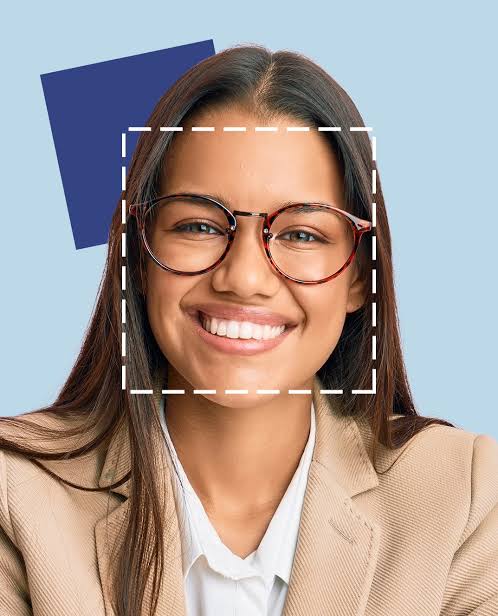
Soft Aesthetics for Girls with Square Faces: How Rounded Handbags and Gentle Eyeglass Frames Soften Facial Lines
A square face can be striking, elegant, and full of character. Defined by a broader forehead, a relatively straight jawline, and noticeable...
How to Buy Prescription Glasses Online on XCombo
Looking to buy glasses online? XCombo makes it easy to get stylish, high-quality glasses tailored to your prescription. Follow this simple step-by-step...
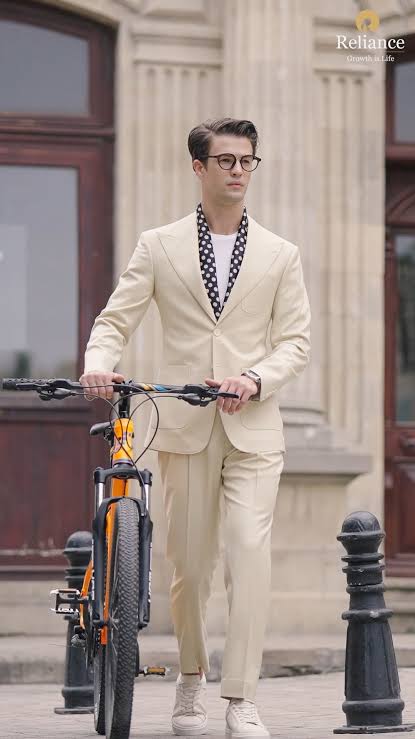
The Executive Style Code: A Career Guide to Suits, Briefcases, and Sophisticated Eyewear
In the modern workplace, professional style is about much more than wearing expensive clothes.The strongest business wardrobe communicates something before you say...
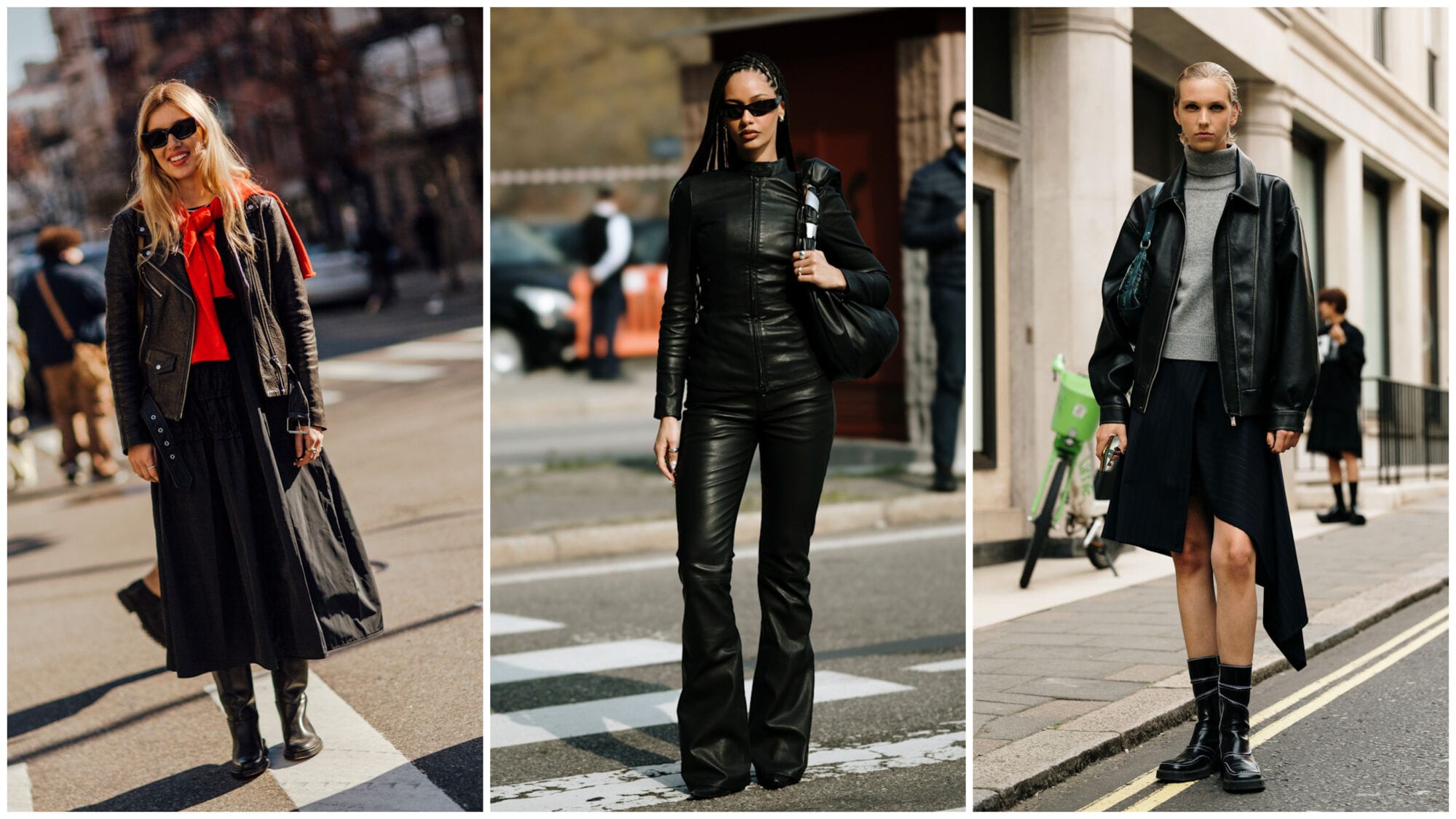
Street-Cool Style: How to Make Motorcycle Jackets, Belt Bags, and Futuristic Sunglasses Stand Out
Street fashion has never been about following every rule.It is about knowing which rules to break.A motorcycle jacket, a compact belt bag,...

The Art of Color Coordination: How to Match Your Bag With Your Eyeglass Frames for an Effortlessly Sophisticated Look
Fashion is often about the little details.A beautifully tailored outfit can look polished, yet something may still feel incomplete. The reason is...
Dating Night Style Secrets: The Perfect Collision of an Elegant Cocktail Dress, a Chain Evening Bag, and Sophisticated Semi-Rimless Glasses
Dating night is about more than choosing an outfit. It is about creating an impression without looking like you tried too hard....
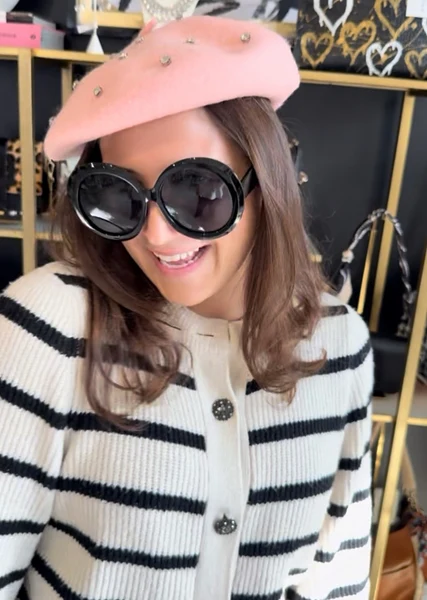
Effortless French Elegance: The Perfect Pairing of Knitwear, Tote Bags, and Cat-Eye Glasses
There is something undeniably captivating about French style.It is polished without looking overly polished, feminine without being overly delicate, and comfortable without...
A Cross-Textural Conversation: The Tactile Collision of Leather Bags, Tweed Clothing, and Wood-Frame Eyewear
Introduction: When Materials Become the Main CharacterFashion is often discussed in terms of color, silhouette, trend, and season. Yet some of the...
The Ultimate Guide to Vacation-Style Outfits: Floral Dresses, Straw Bags, and Round Sunglasses for Summer
Summer is the season of relaxed mornings, warm afternoons, outdoor dinners, weekend getaways, and long-awaited vacations. It is also the perfect time...
The Romance of Earth Tones in Fall: The Color Aesthetics of Trench Coats, Saddle Bags, and Tea-Tinted Sunglasses
Introduction: Falling in Love With the Colors of AutumnThere is something irresistibly romantic about autumn fashion.As summer fades, bright colors gradually give...
Best Glasses for Your Face Shape: Round, Square, Oval & More
Introduction: The Right Glasses Can Transform Your Entire AppearanceChoosing a pair of glasses is about much more than simply correcting your vision....